
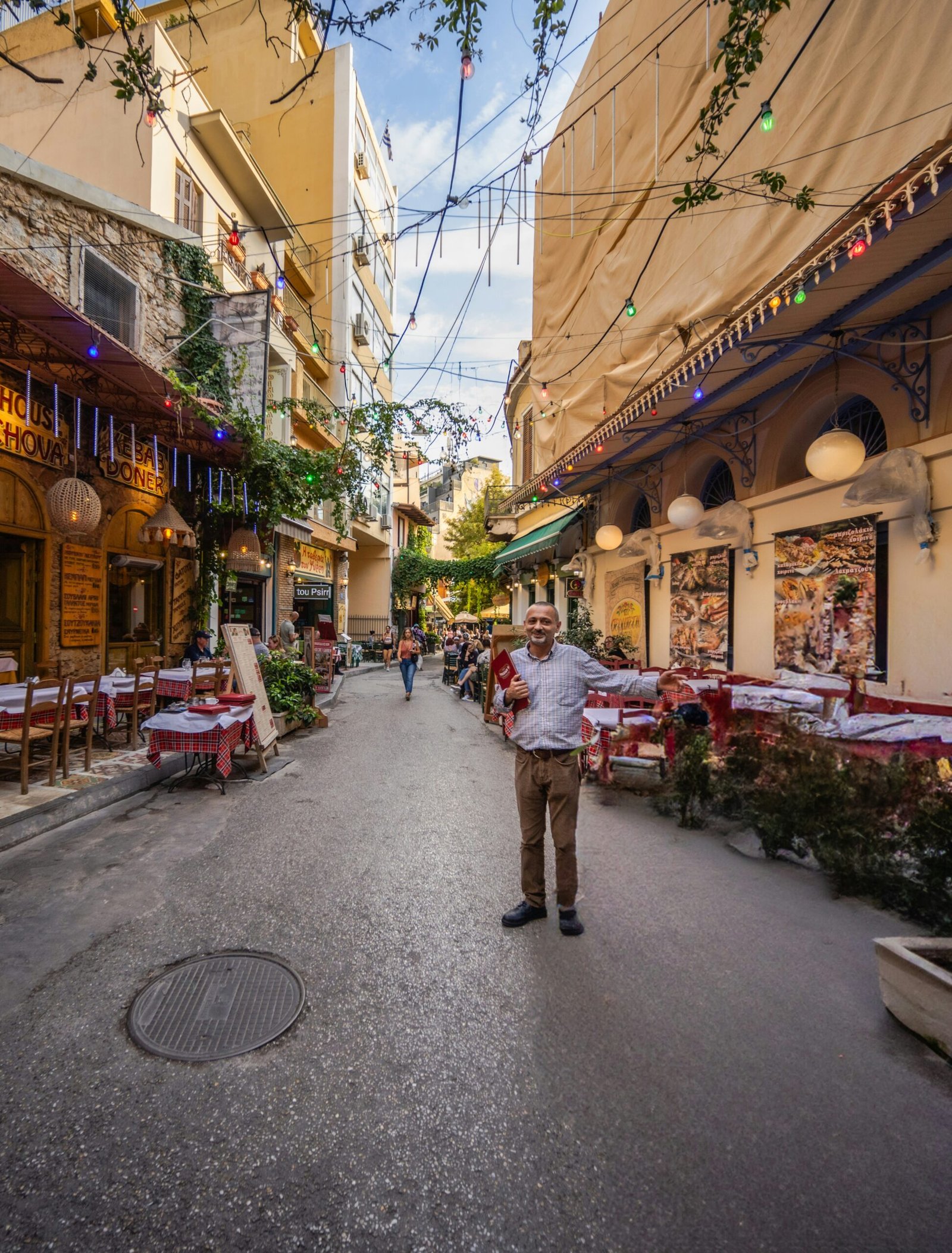
Athen ist vielleicht nicht die naheliegendste Wahl für einen Yoga-Retreat, und genau das macht die Stadt so interessant. Athen, die der westlichen Welt ihr grundlegendes Vokabular für Philosophie, Demokratie und ein reflektiertes Leben vermittelt hat, ist zugleich eine Stadt voller Lärm, Dichte und der besonderen Energie einer mediterranen Hauptstadt, die sich nie so recht entscheiden konnte, ob sie zur Antike oder zur Moderne gehört – und diese Spannung, ganz in ihrem Stil, dadurch gelöst hat, dass sie darauf besteht, beides gleichzeitig zu sein.
Ein Retreat in oder um Athen bietet nicht das ägäische Licht der Inseln oder die Stille der Berge. Es bietet etwas Komplexeres und, für manche Praktizierende zu bestimmten Zeiten, etwas Wertvolleres: die Erfahrung, in einem unaufhörlich nach außen gerichteten Ort nach innen zu gehen, Stille in der Nähe des Parthenon zu finden und in einer Stadt zu praktizieren, deren gesamte intellektuelle Tradition im Kern eine tiefgründige Auseinandersetzung mit der Frage nach einem guten Leben ist. Diese Frage wird hier seit zweieinhalbtausend Jahren gestellt. Ein Retreat ist eine weitere Möglichkeit, sich an diesem Dialog zu beteiligen.


Athen weckt nicht unbedingt sofort Assoziationen mit Wellness-Resorts. Die griechische Hauptstadt ist bekannt für ihre antiken Monumente, ihre dichte Bebauung, das mediterrane Treiben und die besondere Energie einer Stadt, in der drei Millionen Menschen ihren Alltag vor dem Hintergrund von Ruinen bewältigen, die älter sind als die meisten Zivilisationen. Doch nur eine Stunde von der Akropolis entfernt, erreichbar über Autobahn oder Küstenstraße, erstreckt sich eine Küste, die etwas Unerwartetes bietet: exklusive Yoga- und Wellness-Resorts, die die Nähe zu kulturellen Schätzen mit wahrer Meeresruhe verbinden.
Die Athener Riviera, wie dieser Küstenabschnitt mittlerweile genannt wird, erstreckt sich von den südlichen Vororten Athens über Glyfada, Voula und Vouliagmeni bis hinunter zum Kap Sounion, wo der Poseidontempel seit 2.500 Jahren über das Meer wacht. Dieser Küstenabschnitt war lange Zeit der Treffpunkt wohlhabender Athener – mit Strandclubs, Yachthäfen und gehobenen Restaurants –, hat sich aber in den letzten Jahren auch zu einem anerkannten Wellness-Ziel entwickelt. Moderne Yoga-Hotels, Boutique-Retreat-Zentren und etablierte Spas haben eine Infrastruktur geschaffen, die sowohl Einheimischen, die ein Wochenende verbringen möchten, als auch internationalen Reisenden, die die Erkundung des antiken Athens mit erholsamen Retreats verbinden wollen, gerecht wird. Yoga-Retreats in Griechenland – Leitfaden Umfasst die gesamte Bandbreite griechischer Reiseziele für alle, die verschiedene Optionen vergleichen.
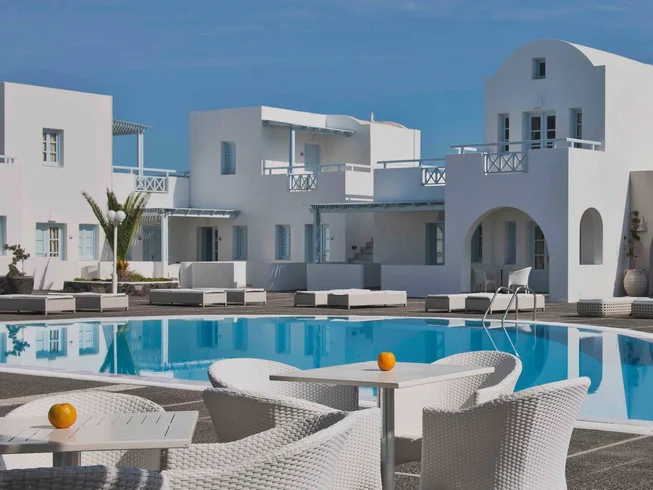
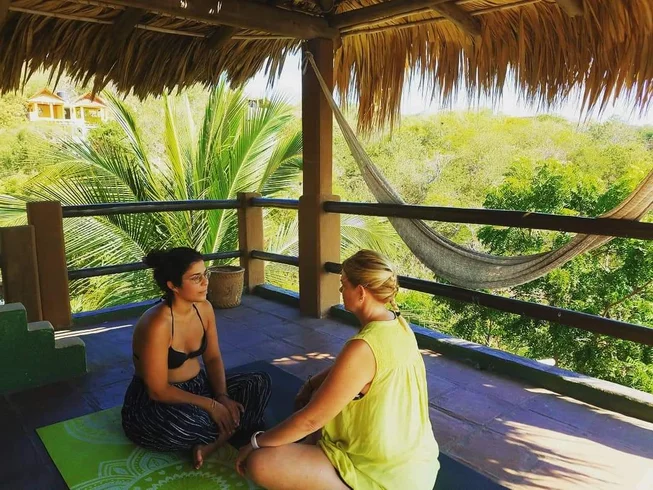
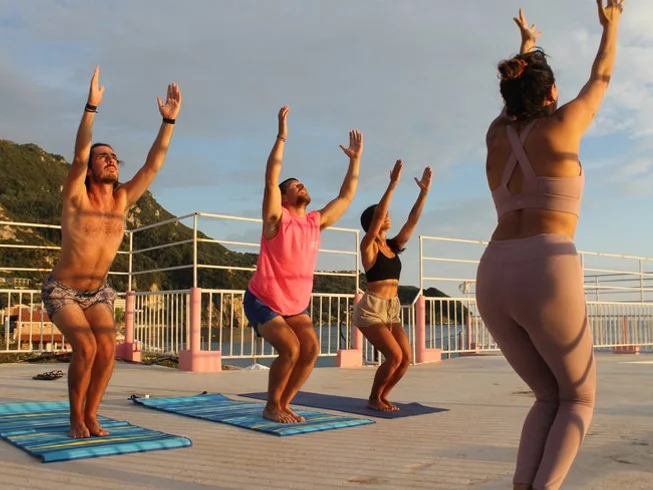
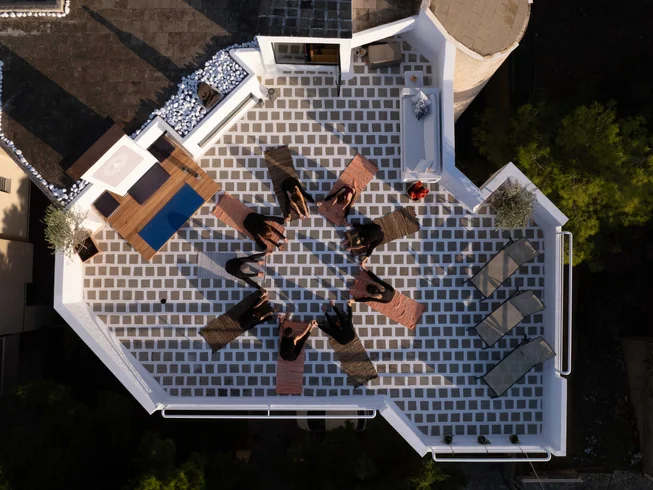
Die Resorts an der Athener Riviera unterscheiden sich deutlich von den Angeboten auf den Inseln. Sie tendieren eher zu modernen Boutique-Hotels als zu traditionellen Häusern oder rustikalen Bauernhöfen. Man denke an geradlinige Architektur, stilvoll eingerichtete Interieurs, Spa-Bereiche mit einem umfassenden Angebot von traditionellen griechischen Anwendungen bis hin zu modernster Wellness-Technologie und einen professionellen, zuvorkommenden Service, der weniger familiär ist.
Mehrere etablierte Hotels haben sich einen Namen für ihre Yoga- und Wellnessprogramme gemacht. Dabei handelt es sich nicht ausschließlich um Retreatzentren, sondern um Hotels, die Wellnessangebote mit konventioneller Hotellerie verbinden. So finden Sie beispielsweise regelmäßige Yogakurse, Meditationssitzungen, gesunde Mahlzeiten und Spa-Behandlungen, die Sie à la carte buchen können. Dadurch können Gäste ihre Erlebnisse individuell gestalten, anstatt vorgegebenen Retreat-Programmen zu folgen.
Diese Flexibilität spricht eine bestimmte Zielgruppe an: Geschäftsreisende, die Wellness-Elemente in ihre Geschäftsreisen integrieren, Paare, bei denen ein Partner Yoga intensiv praktiziert, während der andere nur mäßig interessiert ist, Familien mit älteren Kindern, die sich Zeit für Wellness wünschen, aber auch Athen erkunden möchten, und Einheimische, die Wochenendausflüge buchen, ohne sich mit der Organisation von Fährverbindungen zu den Inseln herumschlagen zu müssen. Die Programme berücksichtigen, dass nicht jeder eine vollständige Einbindung in die Wellness-Angebote wünscht oder benötigt und dass Wellness mit anderen Aktivitäten kombiniert werden kann, anstatt absolute Hingabe zu erfordern.

Die Nähe der Athener Riviera zur Hauptstadt bietet einzigartige Möglichkeiten, kulturelle Entdeckungen mit erholsamen Momenten zu verbinden. Dies ist besonders für Griechenland-Neulinge von Bedeutung, die Athens unvergleichliche archäologische Stätten und Museen erleben, aber auch Strandurlaub und Wellness genießen möchten.
Ein typischer Reiseplan könnte Folgendes beinhalten: Morgendliches Yoga in Ihrer Küstenunterkunft, Frühstück mit Blick aufs Meer, Fahrt mit dem Auto oder Taxi am späten Vormittag nach Athen (30-45 Minuten je nach Verkehrslage), mehrere Stunden Erkundung der Akropolis, der antiken Agora, des Akropolismuseums oder des Nationalen Archäologischen Museums, Mittagessen in Plaka oder einem anderen zentralen Viertel, Rückkehr an die Küste zum Schwimmen und Entspannen im Spa am späten Nachmittag, abendliche Yoga-Session und Abendessen bei Sonnenuntergang über dem Wasser.
Anders als Inselresorts, die im Winter größtenteils geschlossen sind, ist die Athener Riviera ganzjährig geöffnet. Das macht sie attraktiv für Reisende, deren Zeitplan nicht mit der traditionellen griechischen Tourismussaison von April bis Oktober übereinstimmt, für Athener, die regelmäßig Wochenendausflüge zur Entspannung suchen, und für alle, die Griechenland jenseits des Sommers erleben möchten.
Der Winter an dieser Küste ist für nordeuropäische Verhältnisse mild – die Tagestemperaturen liegen typischerweise zwischen 10 und 16 °C, mit vielen sonnigen Tagen zwischen den Regenschauern. Das Meer ist zum Schwimmen meist zu kalt (14–16 °C), aber die Strände sind menschenleer, das Licht ist außergewöhnlich, und es hat etwas Kraftvolles, Yoga mit Blick auf das winterliche Meer zu praktizieren, während der Wind um einen pfeift und man sich der Gleichgültigkeit der Natur gegenüber menschlichem Komfort bewusst wird. Winterliche Rückzugsorte sprechen all jene an, die Einsamkeit, dramatische Natur und das Griechenland abseits der Touristenströme suchen.
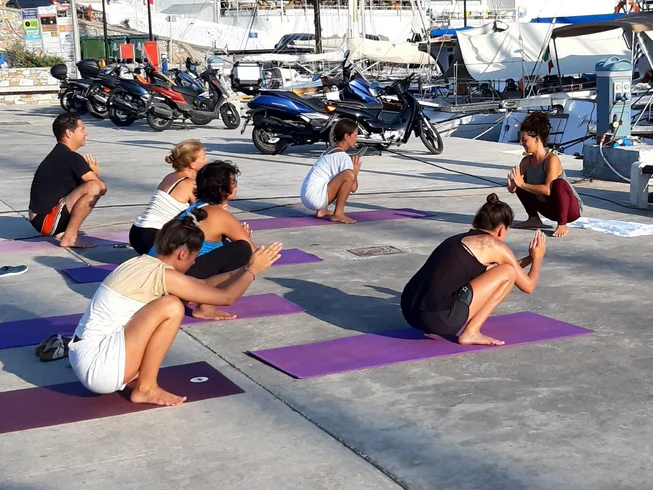
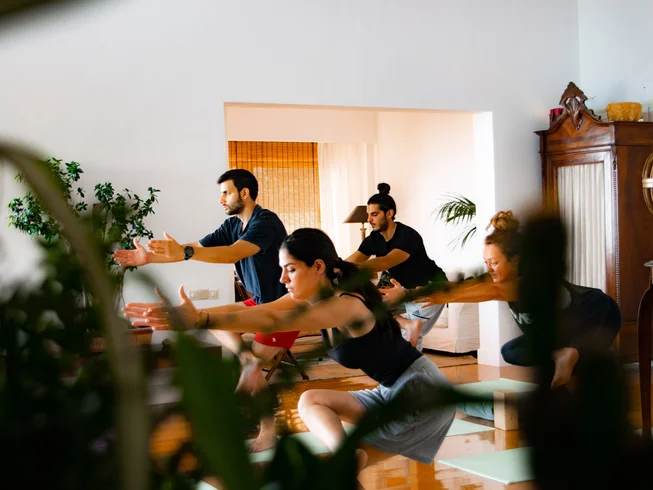
Die Retreats an der Athener Riviera setzen auf moderne, westlich geprägte Yogastile, die internationale Wellnesstrends widerspiegeln. Angeboten werden häufig Vinyasa Flow, Power Yoga für alle, die eine sportliche Herausforderung suchen, regenerative und Yin-Yoga-Übungen zur Stressbewältigung sowie verschiedene Meditationstechniken von Achtsamkeit bis hin zu geführter Visualisierung. Der Unterricht wird oft von Lehrern erteilt, die in verschiedenen Yogatraditionen ausgebildet sind und sich so an die unterschiedlichen Bedürfnisse und Vorlieben der Teilnehmer anpassen können.
Die Kursplanung ist auf den urbanen Kontext abgestimmt – täglich finden mehrere Kurse zu verschiedenen Zeiten statt, sodass die Teilnehmer die Kurse besuchen können, die am besten zu ihrem Zeitplan passen, anstatt einem festen Programm folgen zu müssen. Morgenkurse könnten beispielsweise um 7:00, 8:30 und 10:00 Uhr stattfinden und bieten somit Optionen für Frühaufsteher, Spätaufsteher und Langschläfer. Abendkurse umfassen sowohl dynamische Übungen zum Abbau von Arbeitsstress als auch sanfte, entspannende Angebote zum Abschalten.
Hotels an der Athener Riviera bieten in der Regel neben Yogastudios auch ein umfangreiches Wellnessangebot. Dazu gehören Spas mit umfassendem Service, die Behandlungen von traditionellen griechischen Anwendungen (Olivenölmassagen, Honigpackungen) bis hin zu modernen Techniken (Kryotherapie, Infrarotsaunen, Floating-Tanks) anbieten, Fitnesscenter mit modernen Geräten, Infinity-Pools mit Meerblick und mitunter zusätzliche Bewegungsangebote wie Pilates, Barre oder Tanzkurse.
Wassersportmöglichkeiten sind leicht zugänglich – Schwimmen natürlich, aber auch Stand-up-Paddling, Kajakfahren, Schnorcheln und in einigen Gebieten sogar Tauchen. Mehrere Strandclubs entlang der Riviera bieten exklusive Stranderlebnisse – bequeme Liegen, aufmerksamer Service, gutes Essen und Getränke – für alle, die das mediterrane Strandclub-Flair mit Entspannung verbinden möchten.
Radfahren erfreut sich entlang der Küstenstraße immer größerer Beliebtheit. Es gibt Leihräder und in einigen Abschnitten relativ sichere Radwege. Laufstrecken verlaufen entlang der Küste und bieten atemberaubende Ausblicke für morgendliche oder abendliche Joggingrunden. Wer eine größere Herausforderung sucht, findet auf den Wanderwegen in den nahegelegenen Bergen die Möglichkeit, in kurzer Fahrzeit die Natur zu genießen.

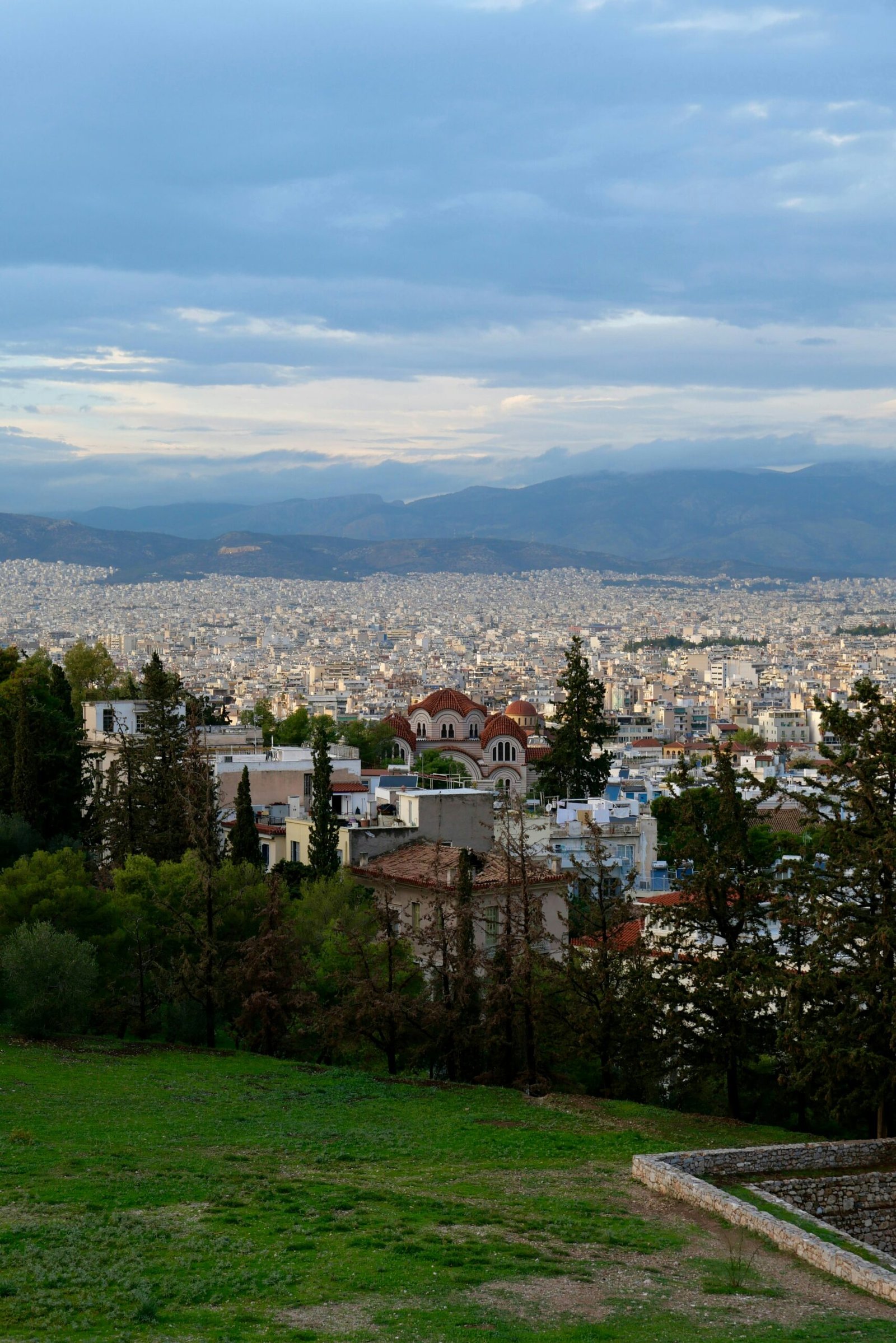
Die Athener Riviera ist ideal für Reisende mit wenig Zeit, die sowohl das antike Athen als auch einen Wellnessurlaub erleben möchten. Sie eignet sich für alle, die urbanen Komfort mit Naturverbundenheit verbinden möchten, für diejenigen, die sich Flexibilität bei ihrem Aufenthalt wünschen, und für alle, denen absolute Abgeschiedenheit unangenehm oder unnötig ist. Sie ist perfekt für Geschäftsreisende, die ihre Geschäftsreisen mit Wellness-Elementen verbinden möchten, für Paare oder Freunde mit unterschiedlichen Interessen, die mehr als nur Yoga suchen, und für alle, die ein anspruchsvolles, modernes Wellness-Ambiente bevorzugen.
Dieser Bereich eignet sich besonders für erfahrene Praktizierende, die keine intensive Anleitung oder Betreuung benötigen, ihre Praxis und Wellnesszeit selbstständig gestalten können und professionellen Service gegenüber familiärer Betreuung bevorzugen. Aufgrund der Nähe zum urbanen Leben und seinen vielfältigen Aktivitäten ist er ideal für kürzere Retreats – verlängerte Wochenenden oder 4–5 Tage statt ganzer Wochen.
Essen: Mediterrane Raffinesse
Die Gastronomie in den Athens Riviera Retreats spiegelt das kosmopolitische Flair wider. Traditionelle griechische Küche findet sich zwar auf den Speisekarten, doch erwarten Sie hier vor allem moderne Interpretationen – dekonstruierte griechische Salate, Fischgerichte nach internationalen Rezepten, vegetarische und vegane Optionen, die weit mehr bieten als nur den Verzicht auf Fleisch, und Desserts, die sowohl optisch ansprechend als auch relativ gesund sind.
Viele Hotels beschäftigen talentierte Köche, die international ausgebildet wurden, aber nach Griechenland zurückgekehrt sind und neben ihren Fachkenntnissen auch internationale Perspektiven mitbringen, während sie gleichzeitig lokale Zutaten verwenden. Das Ergebnis ist eine nahrhafte und gesundheitsorientierte Küche, die weder karg noch langweilig ist. Zum Frühstück gibt es beispielsweise griechische Joghurt-Parfaits mit lokalem Honig und Nüssen, Smoothie-Bowls mit Acai und Früchten der Saison, Vollkornbrot, frische Säfte und exzellenten Kaffee. Mittags und abends werden gegrillter Fisch aus den umliegenden Gewässern, Salate mit Produkten von Bauernhöfen aus der Region, kreative Gemüsegerichte und Weine von griechischen Qualitätsweingütern serviert.
Was einen Retreat im Zentrum Athens so besonders macht, ist nicht nur die Stadt selbst, sondern auch die außergewöhnliche Vielfalt der Landschaft, die sich in wenigen Stunden Entfernung erstreckt – Landschaften, die den meisten Besuchern, die sich auf das Stadtleben konzentrieren, verborgen bleiben und die der Retreat-Teilnehmer mit mehr Zeit und bewussterer Auseinandersetzung ideal nutzen kann. Kap Sounion, 45 Minuten südlich der Stadt an einer Küstenstraße, die die Fahrt allein schon wert ist, liegt an der Südspitze der Attischen Halbinsel. Der Poseidontempel thront auf einer Klippe über der Ägäis, und die elementare Präsenz – Wind, Meer, uraltes Gestein und der weite Horizont – schafft ein völlig anderes Erlebnis der griechischen Landschaft als alles, was die Stadt zu bieten hat. Im Morgengrauen unterhalb des Tempels zu meditieren, wenn die Sonne über der Ägäis aufgeht und die Ruinen im ersten Licht erstrahlen, ist eine jener Erfahrungen, die alles Folgende in ein neues Licht rücken.
Die Halbinsel Attika im weiteren Sinne – die oft zugunsten der ihr gegenüberliegenden Inseln übersehen wird – birgt Landschaften, die Erholungssuchende mit einer Großzügigkeit belohnen, die man aufgrund der Nähe zu Athen leicht unterschätzen kann.
Die Kiefernwälder des Hymettos, die sich direkt hinter der Stadt erheben und Wanderwege bieten, die den Lärm der Stadt innerhalb von zwanzig Minuten hinter sich lassen, bilden einen erdenden, sauerstoffreichen Kontrast zur Dichte der Stadt. Die Ebene von Marathon im Nordosten, wo 490 v. Chr. eine der folgenreichsten Schlachten der Geschichte stattfand, birgt eine historische Bedeutung, die sich still in die Landschaft einfügt, anstatt sich aufzudrängen. Die Inseln des Saronischen Golfs – Ägina, Hydra, Poros und Spetses – sind von Piräus aus in ein bis zwei Stunden mit der Fähre erreichbar und bieten das volle Insel-Retreat-Erlebnis als Tagesausflug oder mit Übernachtung für Praktizierende aus der Stadt. Ein Retreat, das all dies – die Stadt, das Kap, den Berg und die Inseln – einbezieht, ermöglicht ein Erleben der bemerkenswerten geografischen und historischen Dichte Attikas, das weder ein rein städtisches noch ein rein inselbezogenes Retreat erreichen kann.
Yoga in Athen zu praktizieren erfordert eine Achtsamkeit, die man an typischeren Retreat-Orten nicht findet, und genau diese Anforderung erweist sich als eine der lehrreichsten Erfahrungen. Die Stadt kooperiert nicht mit dem Übenden wie Santorini oder der Peloponnes – sie kehrt nicht im Morgengrauen zur Ruhe ein und bietet dem Nervensystem keine Landschaft von unkomplizierter Schönheit zum Entspannen. Sie bleibt einfach sie selbst: vielschichtig, widersprüchlich, mitunter überwältigend und von einer Tiefe, die sich langsam und nur denen offenbart, die ihr wirklich Aufmerksamkeit schenken. In dieser Umgebung Stille und Präsenz zu bewahren, ist keine Kompromisslösung für Retreats. Es ist eine anspruchsvollere Variante, und die dabei erworbenen Fähigkeiten – die Fähigkeit, in einem lauten Raum den Atem zu finden, inmitten der Stadt geerdet zu sein, Loslassen zu üben, wenn die Außenwelt um Aufmerksamkeit buhlt – lassen sich direkter auf den Alltag übertragen als alles, was man in der Stille eines Inselmorgens lernt.
Die Viertel rund um die Akropolis – Monastiraki, Psiri, Koukaki und Anafiotika – bieten jeweils eine andere Facette des Athener Lebens. Der Gang durch diese Viertel zwischen den Übungseinheiten erzeugt eine intensive sinnliche und intellektuelle Auseinandersetzung, die selbst eine Form der Praxis darstellt. Besonders Anafiotika, das kleine Viertel, das im 19. Jahrhundert von Arbeitern der Insel Anafi in den Nordhang des Akropolisfelsens gebaut wurde, verströmt eine unerwartete Stille und inselartige Intimität in fußläufiger Entfernung zum Stadtzentrum, die man erst erahnt, wenn man selbst dort steht. Die Dachterrassen von Koukaki, die von der Straße aus sichtbaren Agora-Ruinen in Monastiraki, die Plätze von Exarcheia, wo sich seit jeher das intellektuelle und künstlerische Leben der Stadt konzentriert hat – all dies lenkt nicht vom Retreat ab, sondern erweitert es. Es bietet dem Übenden eine lebendige urbane Landschaft, die dieselben Fähigkeiten der Aufmerksamkeit, Präsenz und Neugierde fördert, die die Matte in konzentrierterer Form entwickelt.
April, Mai und Oktober Die besten Monate für einen Urlaub in der Region Athen sind Frühling und Herbst. Temperaturen zwischen 18 und 24 °C laden dazu ein, die Stadt jederzeit zu Fuß zu erkunden, die archäologischen Stätten ohne den sommerlichen Andrang zu besichtigen und die Riviera-Küste zum Baden einzuladen, ohne die Menschenmassen des Augusts. Das Licht an der Küste Attikas ist im April und Oktober besonders schön – der Himmel steht tiefer als im Sommer und die Farben sind wärmer, was die Fahrt zum Kap Sounion und die Küstenwanderungen zu einem ganz besonderen Erlebnis macht.
Juni bis September Die Hitze ist enorm – Athen erreicht im Juli und August 32–36 °C, was Stadterkundungen zwischen etwa 11 und 17 Uhr unangenehm macht. An der Riviera ist es kühler und das Meer am wärmsten (26–27 °C im August), daher eignen sich Sommerurlaubsziele am besten für diejenigen, die den Großteil des Tages an der Küste und nicht in der Stadt verbringen. Yoga-Retreats in Griechenland im September Der Leitfaden bietet einen Überblick darüber, wie der September in ganz Griechenland aussieht, für diejenigen, die die verschiedenen Optionen vergleichen.
November bis März Der ganzjährige Vorteil der Region Athen gegenüber den Inseln liegt darin, dass die Riviera in Betrieb ist, die Stadt voll funktionsfähig ist und die Preise am niedrigsten sind. Ein Winterurlaub hier unterscheidet sich deutlich vom Sommerurlaub: kleinere Gruppen, ein atemberaubendes Küstenlicht und eine Stadt, die in ihrem eigenen Tempo pulsiert, fernab vom Massentourismus.
Auf dem Luftweg: Der internationale Flughafen Athen (Eleftherios Venizelos, ATH) ist einer der bestvernetzten Flughäfen Europas mit Direktflügen aus nahezu allen europäischen Großstädten und ganzjährigem Flugbetrieb. Die Flugzeit beträgt 3,5 Stunden von London, 3 Stunden von Paris und 3,5 Stunden von Amsterdam. Der Flughafen liegt 30 Kilometer östlich des Stadtzentrums und 45 Minuten von den Ferienorten an der südlichen Riviera entfernt.
Flughafen zur Riviera: Die Küstenorte Vouliagmeni und Glyfada sind vom Flughafen aus in 30–45 Minuten mit dem Taxi zu erreichen. Die meisten Retreatzentren bieten einen Flughafentransfer an – bitte erkundigen Sie sich bei der Buchung. Die Metro verbindet den Flughafen mit dem Zentrum von Athen (45 Minuten), jedoch nicht direkt mit der Riviera.
Innerhalb der Riviera: Die Küstenstraße zwischen Glyfada und Kap Sounion ist gut mit Taxis und Uber erreichbar. Ein Mietwagen für einen Teil der Retreat-Woche ermöglicht es, Kap Sounion, die Wanderungen auf der Halbinsel Attika und die Fährverbindung von Piräus zu den Saronischen Inseln problemlos einzubinden.
Ihre E-Mail-Adresse wird nicht veröffentlicht. Erforderliche Felder sind mit * markiert