
The first question almost everyone asks before booking a yoga retreat isn’t where to go — it’s how much should I spend?
Yoga retreat costs can swing dramatically: from €500 for a communal farmhouse week in rural Portugal to €3,000 or more for a curated program on the Amalfi Coast. At first glance, that range feels arbitrary. In reality, it reflects a clear structure — one shaped by location, teacher experience, group size, accommodation standard, and the depth of transformation on offer.
This guide unpacks what those numbers actually mean. Not as a price comparison, but as a map: so you can read a retreat price tag as a mirror of priorities rather than a sales figure, and book with clarity rather than anxiety.


Before looking at specific price bands, it helps to understand the variables that determine them. Yoga retreat pricing is rarely arbitrary — it’s the visible result of decisions made long before you arrive.
Teacher experience and reputation. A lead teacher with fifteen years of practice, a 500-hour certification, and a specialisation in somatic therapy or therapeutic yoga costs significantly more to hire — or to be — than a newly qualified instructor. That difference shows up directly in the price. When a retreat charges €1,800 rather than €900, the teacher is usually the primary reason.
Group size. Smaller groups cost more to run per person and deliver more per person. A retreat with eight guests requires the same kitchen, the same shala, and the same host hours as one with twenty. The economics of intimacy are straightforward: you pay for access, attention, and the absence of noise.
Location and accommodation. Real estate costs money everywhere, but particularly in the places most people want to be. A clifftop property in Ericeira, a restored masseria in Puglia, or a riad in Marrakech carries higher operating costs than a converted farmhouse in rural inland Portugal. Those costs are passed to guests — legitimately.
What’s included. Daily classes, accommodation, and meals are standard inclusions in most packages. But the quality of each varies enormously. Three organic meals prepared by a trained cook with dietary protocols is a different proposition from a buffet of simple self-serve dishes. The difference is in the price.
Duration. Most retreats run five to seven days. Shorter programs (three to four days) often cost more per night because fixed costs — travel, setup, teacher fees — are spread across fewer days. Longer programs (ten to fourteen days) tend to offer better daily value.
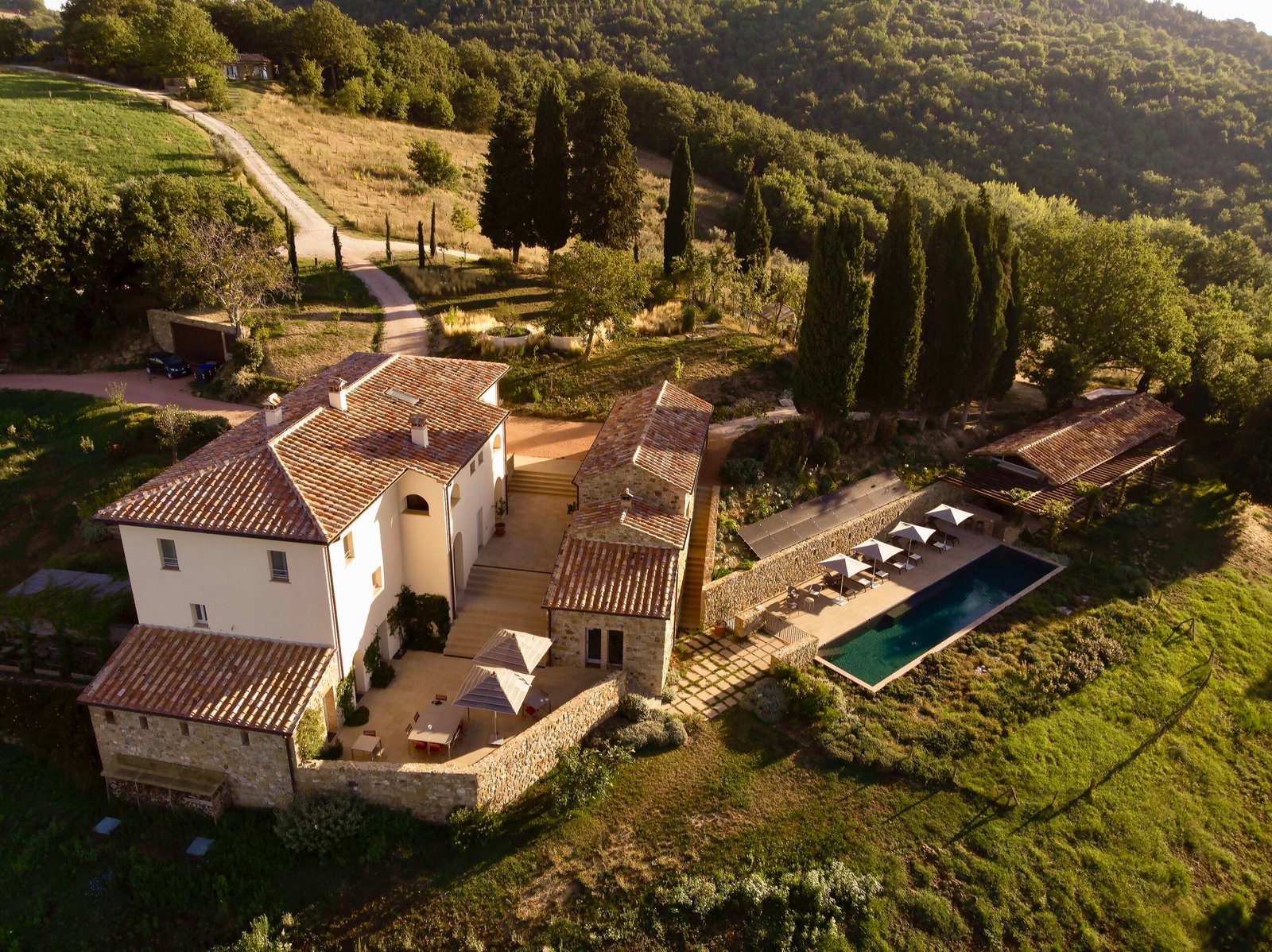
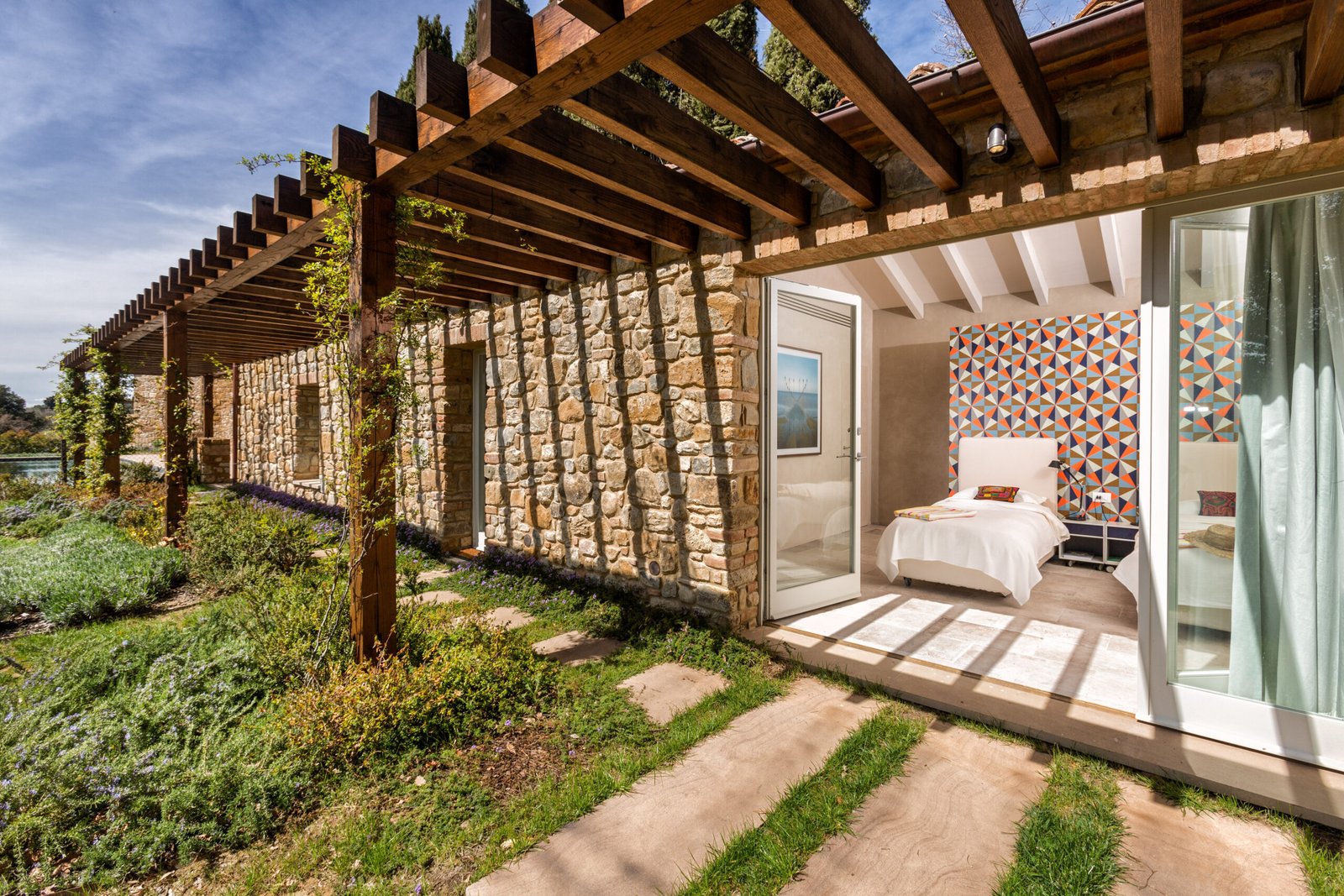
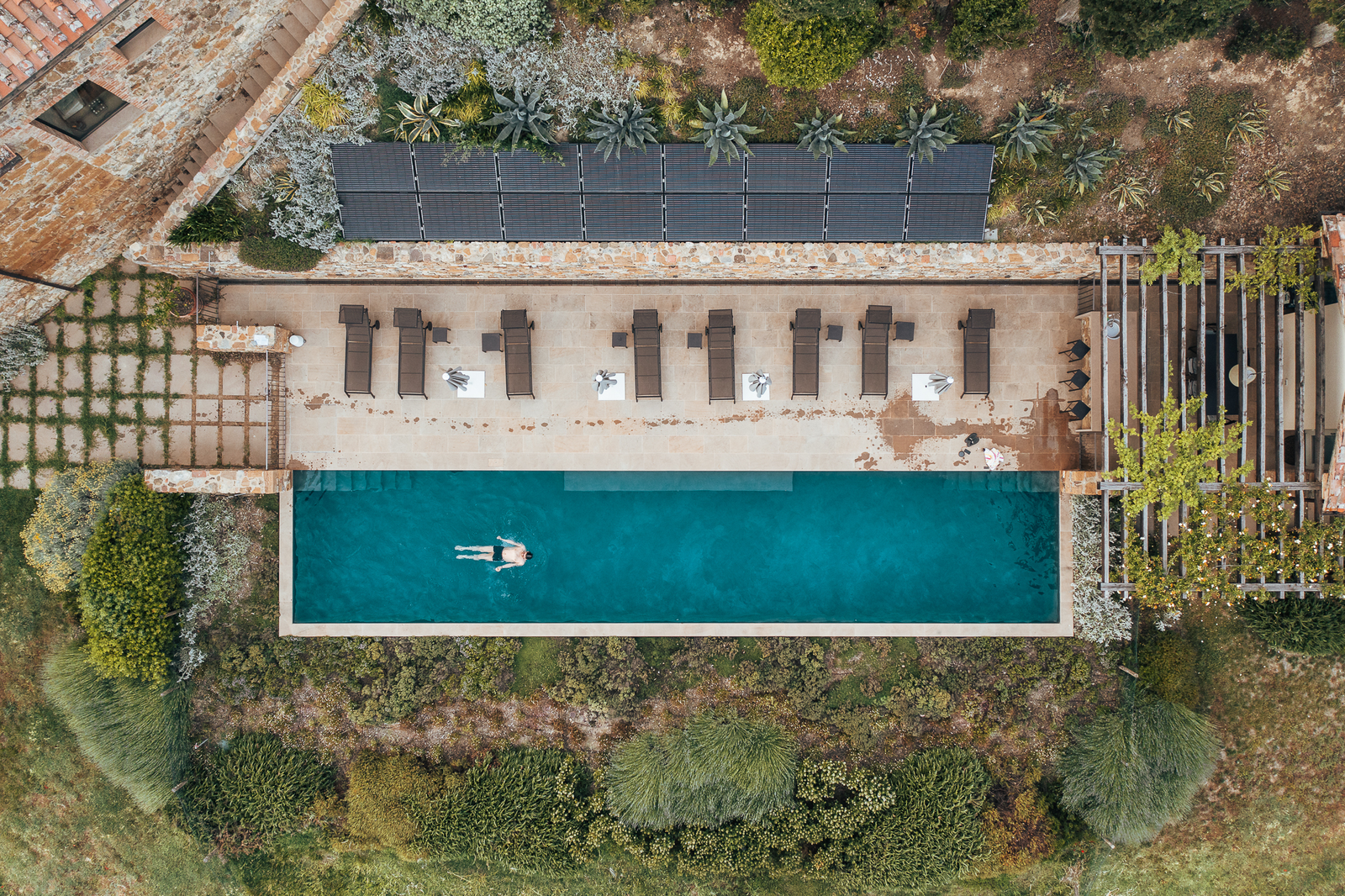
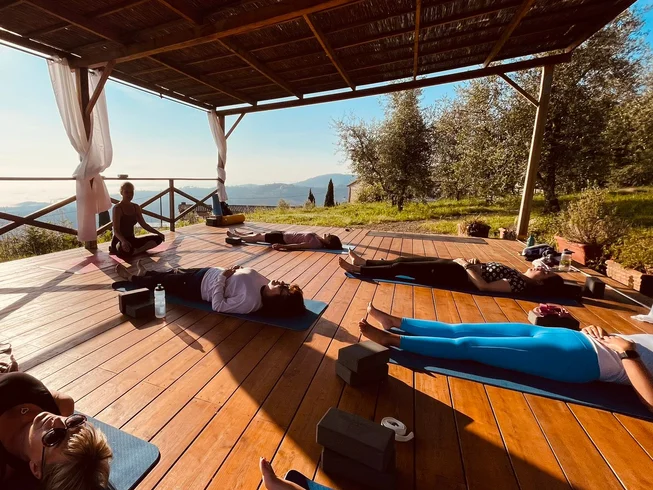
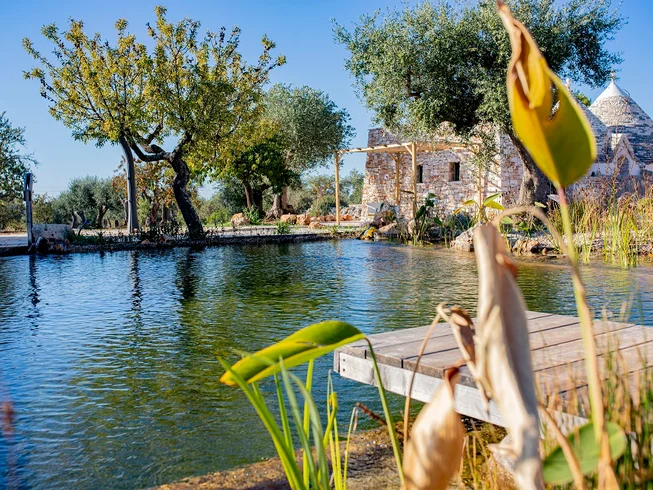
The budget bracket typically covers shared dormitories or twin rooms, buffet-style meals, and group classes of fifteen to twenty-five students. Facilities are basic but often genuine: whitewashed rooms, communal kitchens, yoga shalas that open directly onto garden or sea.
What you trade for the lower price is personalisation. Classes run to a fixed schedule. Teachers may be less experienced or running multiple programs simultaneously. The social energy is often high — these retreats attract younger travellers, digital nomads, and people adding a mindful week to a longer trip. That energy is the product, as much as the yoga.
Budget retreats work well when your goal is practice consistency and community rather than deep personal attention. They’re also a legitimate first step — many people do one budget retreat, understand what they actually want from the experience, and move into boutique formats on their second booking.
One important caveat: always read the inclusions carefully. Some listings advertise “retreat” pricing for what is essentially accommodation plus open classes — no structured arc, no real container. A true retreat has a designed journey from arrival to departure. That distinction matters more than the price.
This is where the experience shifts most noticeably. Between €900 and €1,800 you enter the boutique bracket: curated groups of eight to twelve guests, full structured programs, hosts who know your name by the first evening, and food that has been thought about rather than just prepared.
At this level, the retreat has a real container. There is a designed daily rhythm — not just a timetable — and the teacher has enough time and access to offer genuine adjustments, observe how you move, and adapt sessions accordingly. Organic or locally sourced meals, personalised modifications, integration time built into the schedule: these are standard, not upgrades.
For most people booking their first or second retreat, this price band offers the most complete experience relative to cost. You’re not paying for luxury — you’re paying for integrity. The difference between a class timetable and a real retreat container is most clearly felt here.
This segment also covers most of the surf and yoga retreats, meditation intensives, and seasonal wellness programs offered across Europe — Portugal, Spain, Greece, Italy, Morocco. The value-to-quality ratio in this bracket has improved significantly since 2022 as operators have raised their standards alongside their prices.
Above €2,000, you move into intentionally designed experiences. Architect-built or historically significant properties. Resident chefs building menus specifically for nervous system regulation or gut health. Integrated therapies — massage, osteopathy, breathwork, somatic coaching — woven into the daily program rather than offered as optional add-ons.
Thematic depth also increases at this level. Rather than a general yoga retreat, you’ll find programs built around specific outcomes: yoga and psychology for high-functioning burnout, longevity immersion combining movement and nutrition science, leadership through mindfulness for executive teams, couples retreats with trained relationship facilitators. The specialisation is what justifies the cost.
High-end doesn’t mean elitist. It means depth and expertise concentrated into a short window of time. A senior teacher with twenty years of experience, a somatic therapist, and a chef designing meals for recovery: that combination is genuinely costly to run. It also delivers measurable results — which is why this bracket is most popular among people treating wellness as a serious annual investment rather than an occasional holiday.
A useful reframe: if the retreat price equals a weekend in a good city hotel, ask what’s missing. If it equals a short professional course or training, it probably offers a similar long-term return.
Location is one of the strongest price determinants. The same quality of program costs materially different amounts depending on where it runs, because real estate, food, and labour costs vary significantly across regions.
| Destination | Budget per week | Mid-range per week | Premium per week |
|---|---|---|---|
| Portugal | €500–€800 | €1,000–€1,600 | €2,000–€3,000 |
| Spain | €550–€850 | €1,100–€1,700 | €2,200–€3,200 |
| Italy | €700–€1,000 | €1,300–€2,000 | €2,500–€4,000 |
| Greece | €600–€900 | €1,100–€1,800 | €2,200–€3,500 |
| Morocco | €400–€700 | €900–€1,400 | €1,800–€2,800 |
| Southeast Asia | €350–€600 | €800–€1,300 | €1,500–€2,500 |
Portugal currently offers the strongest value-to-quality ratio in Europe — a combination of affordable operating costs, excellent flight connections, year-round mild climate, and a mature retreat infrastructure that has been developing for over a decade. A boutique program in Ericeira or the Alentejo that would cost €1,800 in Tuscany typically runs at €1,200–€1,400.
Morocco offers the most accessible price points for high-quality boutique experiences, particularly in the Atlas Mountains and the Atlantic coast around Essaouira. Southeast Asia remains the global benchmark for budget retreats, though travel costs and time offset some of the savings for European visitors.
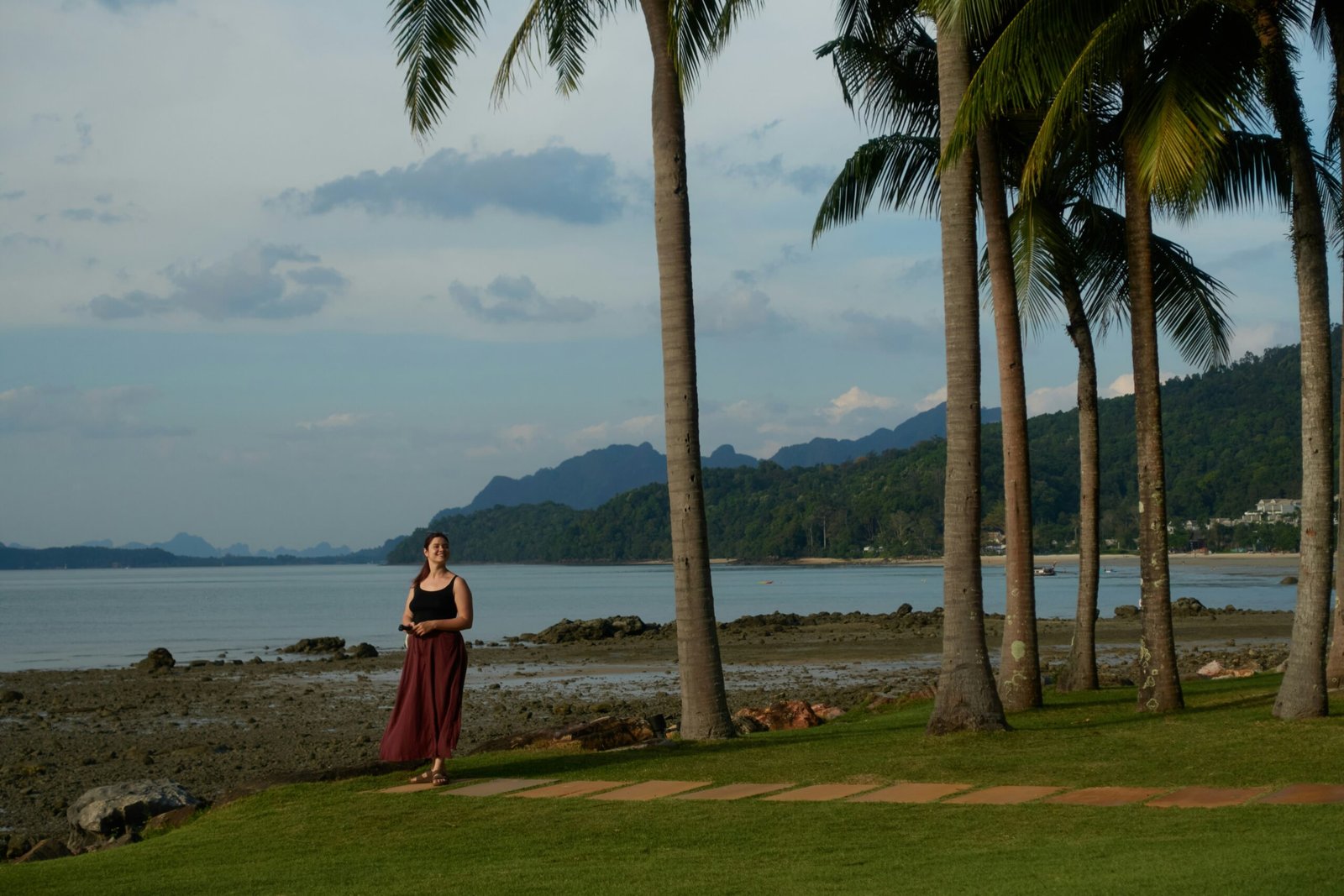
Yoga retreats in Morocco offer the most affordable immersive option in the Om Away collection — week-long programmes in a genuinely different cultural environment at the lower end of the mid-range price bracket.
Even genuinely all-inclusive listings rarely cover everything. Build a buffer of 15–20% above the advertised price to account for:
Getting there. Flights to regional airports, train connections, or taxis from remote villages add up quickly — and retreat locations are often deliberately off the beaten track. A €50 taxi from a small Portuguese village to the nearest airport is entirely normal and rarely mentioned in the booking page.
Optional extras on site. Massage, private yoga sessions, excursions, workshops, and equipment rental (wetsuits, paddleboards, bicycles) are almost always priced separately. Most operators are transparent about this — but the total can add €100–€300 to a week’s cost if you engage fully.
Travel insurance. Non-negotiable for any retreat involving physical activity or international travel. Budget €30–€80 depending on coverage and duration.
Tips. In retreat culture, tipping local kitchen and housekeeping staff is customary and meaningful. €20–€40 for a week is a fair guideline.
Currency and bank fees. For non-euro retreats, factor in conversion costs and foreign transaction fees if paying by card.
A final and often underestimated cost: the proximity calculation. A €1,000 retreat two hours from home may deliver more genuine peace than a €700 retreat involving two flights, a long layover, and significant time zone disruption. Fatigue is a hidden fee.
Yoga retreat cost is a number. Value is what happens inside you during and after the week. They are related but not identical, and conflating them leads to regret in both directions — overspending on aesthetics, or underspending on depth.
Before comparing prices, ask yourself three questions:
What do I actually need right now? Silence and rest are different needs from challenge and skill-building, which are different from community and connection. Each maps to a different price bracket and a different format.
Am I paying for scenery or for structure? A beautiful location is worth something. But the transformation that persists three months after the retreat comes from the quality of teaching and the design of the container — not the infinity pool.
Will this teach me something I can keep applying? The retreats with the highest long-term return are those that send you home with tools: a morning practice, a breathing technique, a different relationship with discomfort. That’s the real ROI — not how relaxed you felt on the last day.
Sometimes a €1,400 boutique retreat yields more lasting change than a €750 group week — not because the pillow was softer, but because you integrated habits rather than simply enjoyed a break.
Low cost alone isn’t a red flag. What matters is what the price reflects.
Be cautious when you see: vague or absent schedules; teacher profiles with no verifiable background or training lineage; “retreat” pricing under €400 per week including accommodation in high-cost destinations — these frequently indicate cut corners on staff pay, food quality, or safety protocols; persistent upselling once you’ve arrived, which signals poor financial planning rather than genuine extras; and the absence of a clear refund or cancellation policy.
Trust transparency over aesthetics. A well-run retreat will answer every pre-booking question clearly, calmly, and without pressure. The quality of communication before you arrive is usually an accurate signal of the quality of care once you’re there.
Change requires safety. Safety requires structure. And structure requires people who are paid fairly to maintain it.
Behind every well-priced retreat is an ecosystem: the host who wakes at 6am to prepare the shala, the cook who accommodates allergies without making anyone feel like a burden, the teacher who holds emotional space for twelve people across seven days without losing presence. When those roles are valued financially, the environment becomes trustworthy — and genuine rest becomes possible.
That is what your payment actually buys. Not a room, not three meals a day, not access to a yoga mat. Time inside an ecosystem where your nervous system can finally let go. The cost of that is the cost of building and maintaining conditions that most of us cannot create alone.
How much does a yoga retreat cost on average? Most yoga retreats cost between €500 and €3,500 per week, depending on location, accommodation standard, group size, and program depth. The mid-range boutique bracket — €900 to €1,800 — offers the best balance of quality and value for most travellers.
What is usually included in a yoga retreat price? Most packages include accommodation, daily yoga classes, and three meals per day. Some add workshops, excursions, or therapies. Travel, insurance, optional add-ons, and tips are almost never included — budget an additional 15–20% for these.
Why are some yoga retreats so expensive? Higher prices reflect smaller group sizes, more experienced teachers, better accommodation, integrated therapies, and more intentional program design. Above €2,000, you are typically paying for depth and expertise rather than luxury in the conventional sense.
Are budget yoga retreats worth it? Yes, in the right context. Budget retreats are well-suited to first-timers, solo travellers adding a mindful week to a longer trip, and anyone whose primary goal is practice consistency and community. They work less well when you need personal attention or deep transformation.
What extra costs should I plan for? Flights or transfers, travel insurance, optional massage or activities on site, equipment rental, tips for local staff, and currency conversion fees. A realistic buffer is 15–20% above the advertised retreat price.
Which destination offers the best value for a yoga retreat in Europe? Portugal currently offers the strongest value-to-quality ratio in Europe — particularly for boutique mid-range programs in regions like Ericeira, the Alentejo coast, and the western Algarve. Morocco offers the most accessible price points for high-quality experiences outside Europe.
How do I know if a yoga retreat price is fair? Compare what’s included, not just the headline number. Look for transparent schedules, verifiable teacher profiles, a clear refund policy, and pre-booking communication that feels attentive rather than transactional. A fair price reflects genuine costs — not inflated margins or, at the other extreme, unsustainable undercutting.
Your email address will not be published. Required fields are marked *