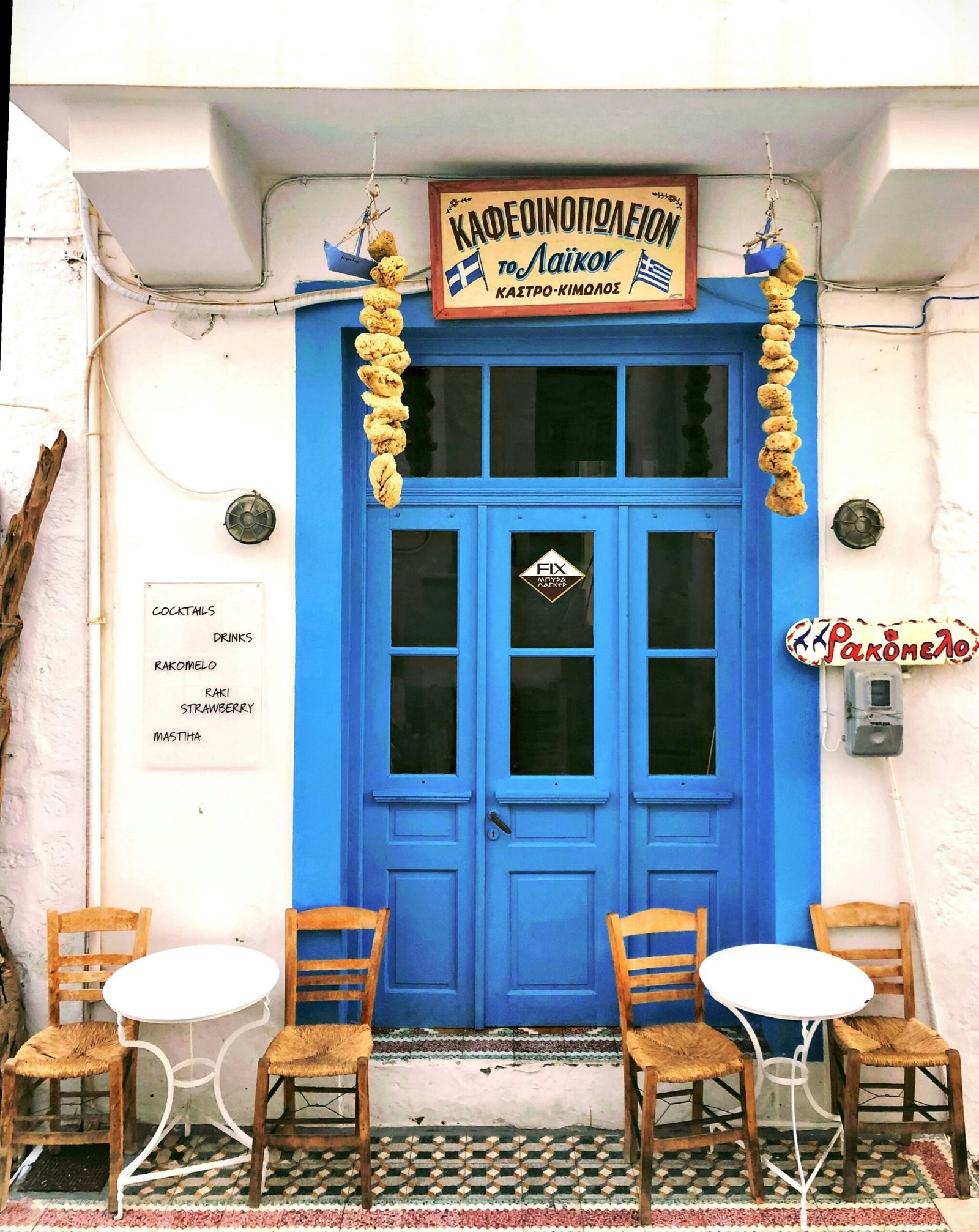
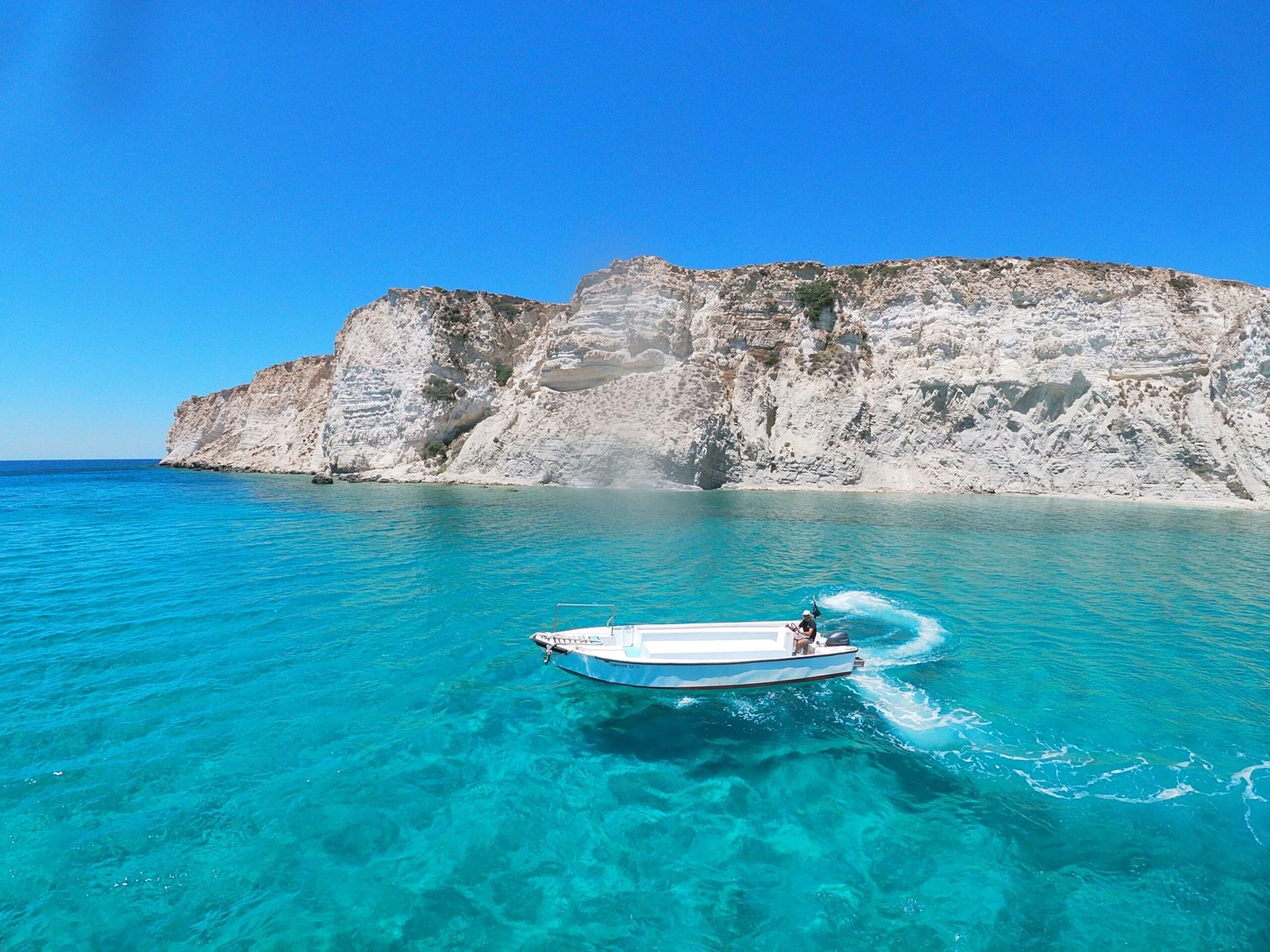
Il y a quelque chose dans la lumière grecque qu'on ne peut ni photographier, ni décrire, mais qu'on ne peut ignorer une fois qu'on l'a vécue. Ce n'est pas simplement une question de luminosité – même si la Grèce est indéniablement baignée de soleil, avec une chaleur qui semble plus intense, plus directe. C'est une qualité de clarté, de netteté, comme si l'air lui-même avait été distillé jusqu'à ses éléments essentiels. Les couleurs paraissent plus saturées – le bleu de la mer passe d'un turquoise pâle à un saphir profond dans des dégradés qui semblent retouchés numériquement, mais qui sont pourtant, de façon incroyable, bien réels. Les bâtiments blancs ne se contentent pas de refléter la lumière ; ils semblent irradier de l'intérieur. Les ombres sont plus nettes, les contours plus précis, les distances plus faciles à évaluer.
Depuis des siècles, les peintres s'efforcent de capturer cette lumière : des décorateurs de poterie antiques aux iconographes byzantins, jusqu'aux artistes modernes qui reviennent année après année, tentant de retranscrire sur la toile ce que leurs yeux perçoivent. Les photographes remplissent leurs cartes mémoire, ajustant expositions et filtres, cherchant à reproduire ce qu'ils voient. Mais la lumière dépasse toujours la représentation. Elle existe en relation avec l'observateur, dans la qualité de l'attention qu'elle exige et récompense.
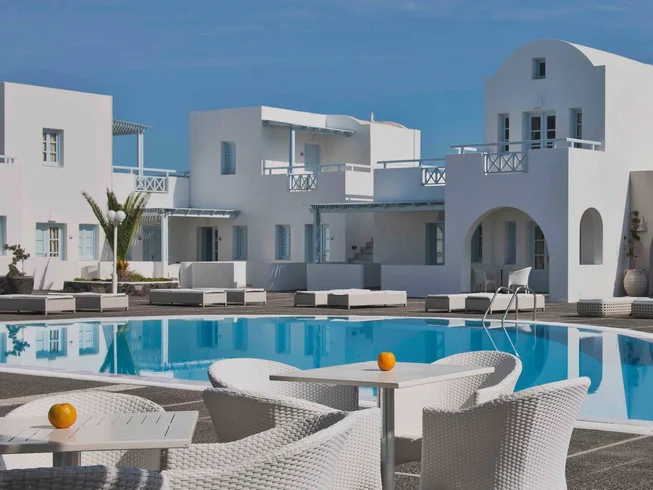

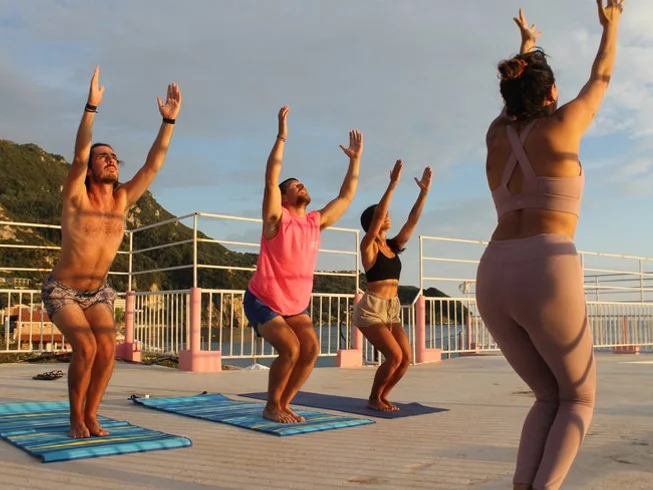
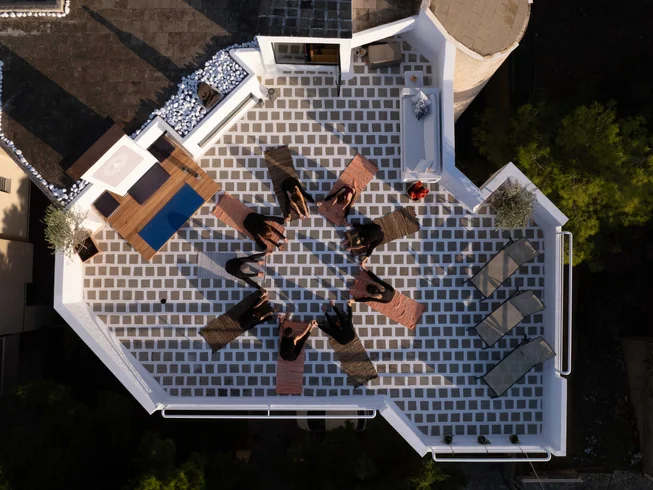
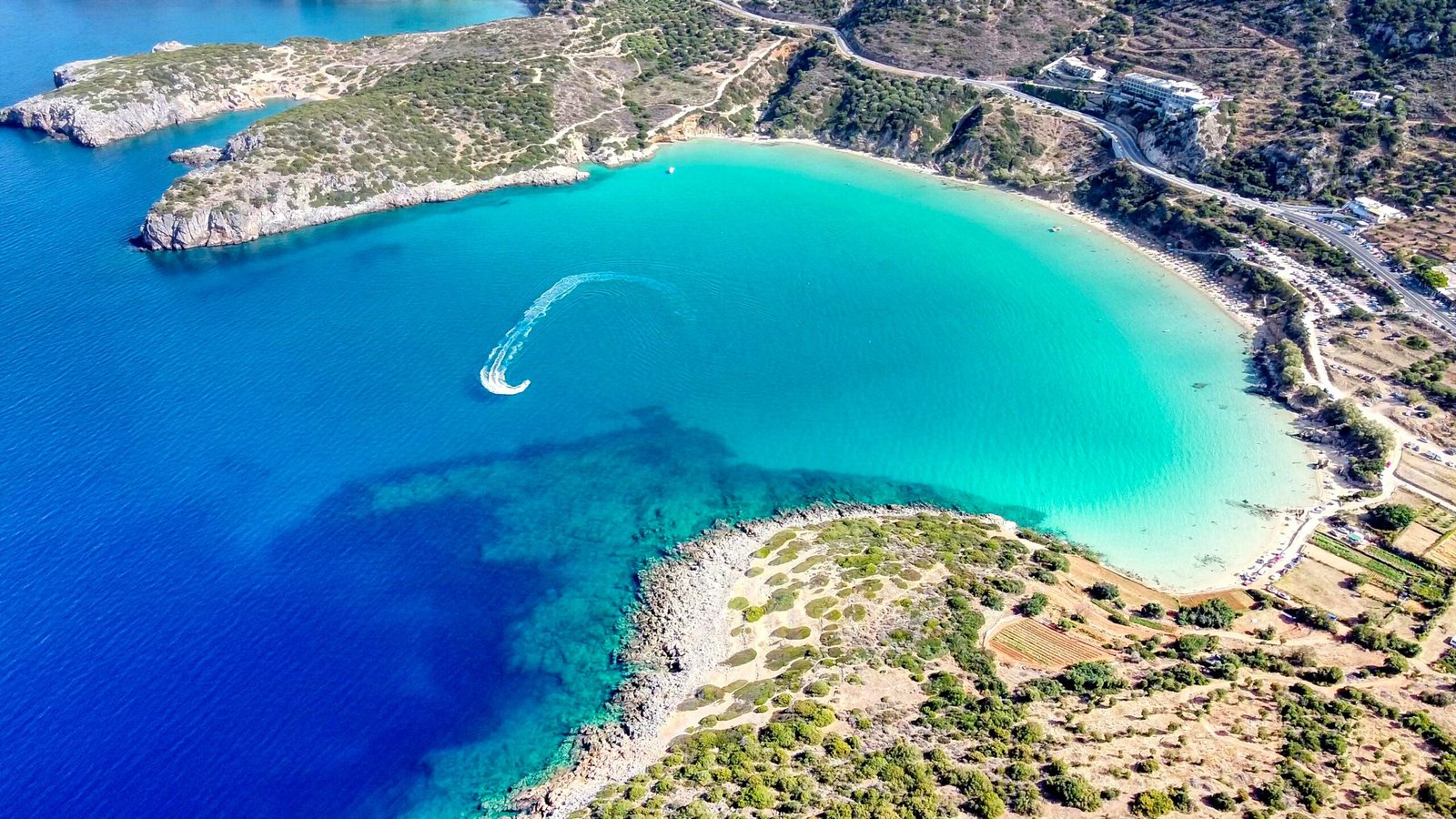
Les îles grecques se définissent fondamentalement par leurs éléments primaires : la mer et la pierre. Ce ne sont pas de simples éléments de décor, mais des présences actives qui façonnent tout, de l’architecture aux rythmes quotidiens, en passant par la qualité de l’attention que suscite l’environnement.
La mer entoure, définit, relie et sépare. On en est toujours conscient : la façon dont la lumière se reflète sur l'eau et se projette dans les zones d'ombre, le bruit constant des vagues en fond sonore, l'odeur du sel portée par le vent, la conscience qu'au-delà du rivage visible, l'eau s'étend jusqu'à des horizons invisibles. La mer nous enseigne l'immensité, le mouvement, l'impermanence. Elle n'est jamais la même deux fois : elle se transforme au gré des vents et des marées, change de couleur selon la lumière et la profondeur, tantôt si calme qu'elle reflète le ciel comme un miroir, tantôt si déchaînée qu'il faut composer avec les horaires des ferries.
La pierre – la roche nue qui forme la structure des îles – offre des enseignements divers. Là où la mer est mouvement, la pierre est immobilité. Là où la mer est changeante, la pierre est patiente. Les roches volcaniques de Santorin, les falaises calcaires des Cyclades, le marbre des ruines antiques – chaque pierre porte en elle la mémoire de sa formation, des forces géologiques qui l'ont façonnée, des mains qui l'ont taillée et posée, si elle a été touchée par l'homme. La pierre vous ancre, au sens propre comme au figuré. Elle est le fondement des maisons blanchies à la chaux, le matériau des temples antiques et des murs modernes, la substance qui subsiste lorsque tout le reste a été emporté par le vent et les intempéries.
La discipline de la lumière
La lumière grecque est impitoyable, au sens le plus noble du terme. Elle révèle sans flatter. Elle montre la réalité telle qu'elle est : imperfections, fissures, la vérité des corps, des bâtiments et des paysages, sans le filtre adoucissant que les nuages ou l'humidité apportent sous d'autres climats. Il ne s'agit pas d'un jugement sévère, mais d'une perception honnête.
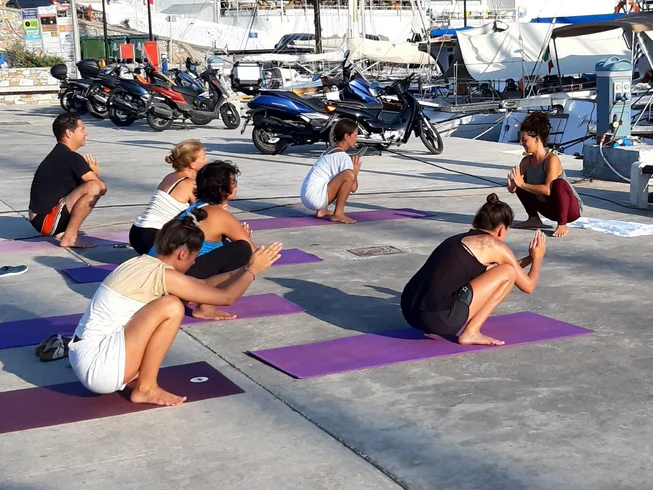
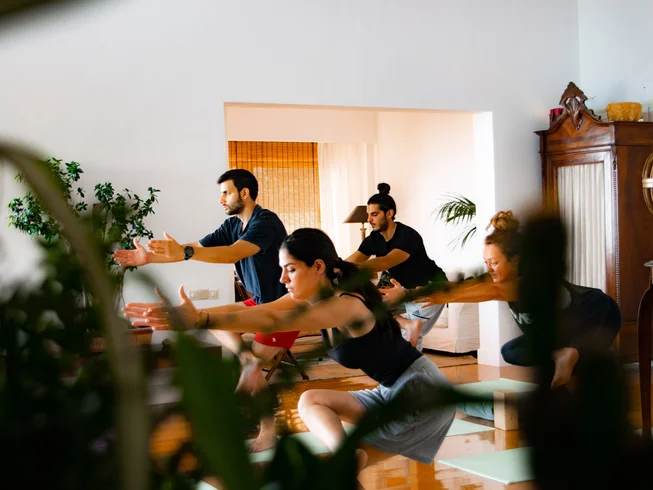
Pour les pratiquants de yoga, cette lumière particulière devient une source de vérité. Sur le tapis, baigné par la lumière grecque, impossible de se nier soi-même. On voit clairement ses tensions, ses compensations, ses efforts excessifs au lieu d'un engagement correct. Cette clarté n'est pas une punition, mais une révélation : il faut accepter la réalité, l'accepter plutôt que de la combattre ou de prétendre le contraire.
Cette même clarté s'étend au-delà de la pratique physique pour toucher les dimensions psychologique et émotionnelle. Dans des environnements qui vous libèrent de la complexité et des distractions du quotidien – pas de courriels professionnels, pas d'horaires surchargés, pas d'accumulation d'objets accaparant votre attention – vous vous retrouvez face à vous-même, plus directement. La lumière, au sens propre comme au figuré, révèle ce que vous portiez inutilement, les tensions accumulées et ce qui a besoin d'être libéré.
Nombreux sont ceux qui, après un séjour en Grèce, témoignent d'une clarté particulière qui se dégage d'eux, non par la force ou une pratique intensive, mais par la soustraction, par l'élimination de tout ce qui obscurcit la vision. C'est comme si la lumière enseignait par l'exemple : voilà à quoi ressemble la perception lorsqu'elle n'est pas obscurcie par des intentions, des attentes ou le flot incessant de pensées qui accompagne habituellement l'expérience. C'est une attention qui se contente de percevoir ce qui est présent, sans juger, catégoriser ni chercher à le modifier.
La vie dans les îles grecques, notamment dans les zones rurales et les petits villages, témoigne d'un rapport à la suffisance de plus en plus rare dans les sociétés de consommation. Il ne s'agit pas d'une pauvreté imposée, mais d'une simplicité choisie, d'un mode de vie qui invite à se demander “ de quoi avons-nous réellement besoin ? ” et qui révèle que la réponse est moins abondante que ne le suggère le marketing moderne.
Une taverne grecque illustre parfaitement cette philosophie. La carte ne propose souvent que cinq ou six plats : le poisson du jour, moussaka, salade grecque, peut-être un plat de légumes, et du fromage local. Pas de cuisine fusion, pas de carte des vins interminable, pas de tentative pour satisfaire tous les goûts. Juste une cuisine simple et savoureuse, préparée avec les produits disponibles. Et cette simplicité n’est pas perçue comme une contrainte, mais comme une évidence : on ne passe pas vingt minutes à hésiter. On commande, on mange, on apprécie, et on passe à autre chose.
Ce même principe s'applique à la vie matérielle. Dans une maison grecque, on trouve quelques objets de grande qualité : une table robuste transmise de génération en génération, de la vaisselle en céramique, des ustensiles de cuisine en cuivre, des meubles simples et durables. Pas de placards remplis de vêtements, de garages encombrés d'équipements de loisirs ou de garde-meubles remplis d'objets dont on pourrait avoir besoin un jour. Juste ce qui est utilisé, aimé et suffisant.
Pour les visiteurs issus de cultures où le choix et l'accumulation abondent, c'est une révélation. On découvre qu'on n'a pas besoin de routines de soins de la peau sophistiquées quand le soleil, la mer et l'huile d'olive suffisent amplement. On n'a pas besoin d'une garde-robe immense quand quelques pièces confortables en fibres naturelles se marient à merveille. On n'a pas besoin de divertissements élaborés quand les conversations, la lecture, les couchers de soleil et le fait de se coucher tôt pour se lever avec le soleil créent un rythme de vie harmonieux.
Il ne s'agit pas de privation, mais de libération. Lorsque l'on n'est plus constamment occupé à gérer, organiser, choisir et acquérir, une énergie considérable se libère pour vivre pleinement : apprécier la qualité de la lumière à différents moments de la journée, savourer pleinement ses aliments, avoir des conversations qui s'épanouissent sans but précis, savourer le simple plaisir de regarder les nuages traverser le ciel ou les vagues lécher les pierres.
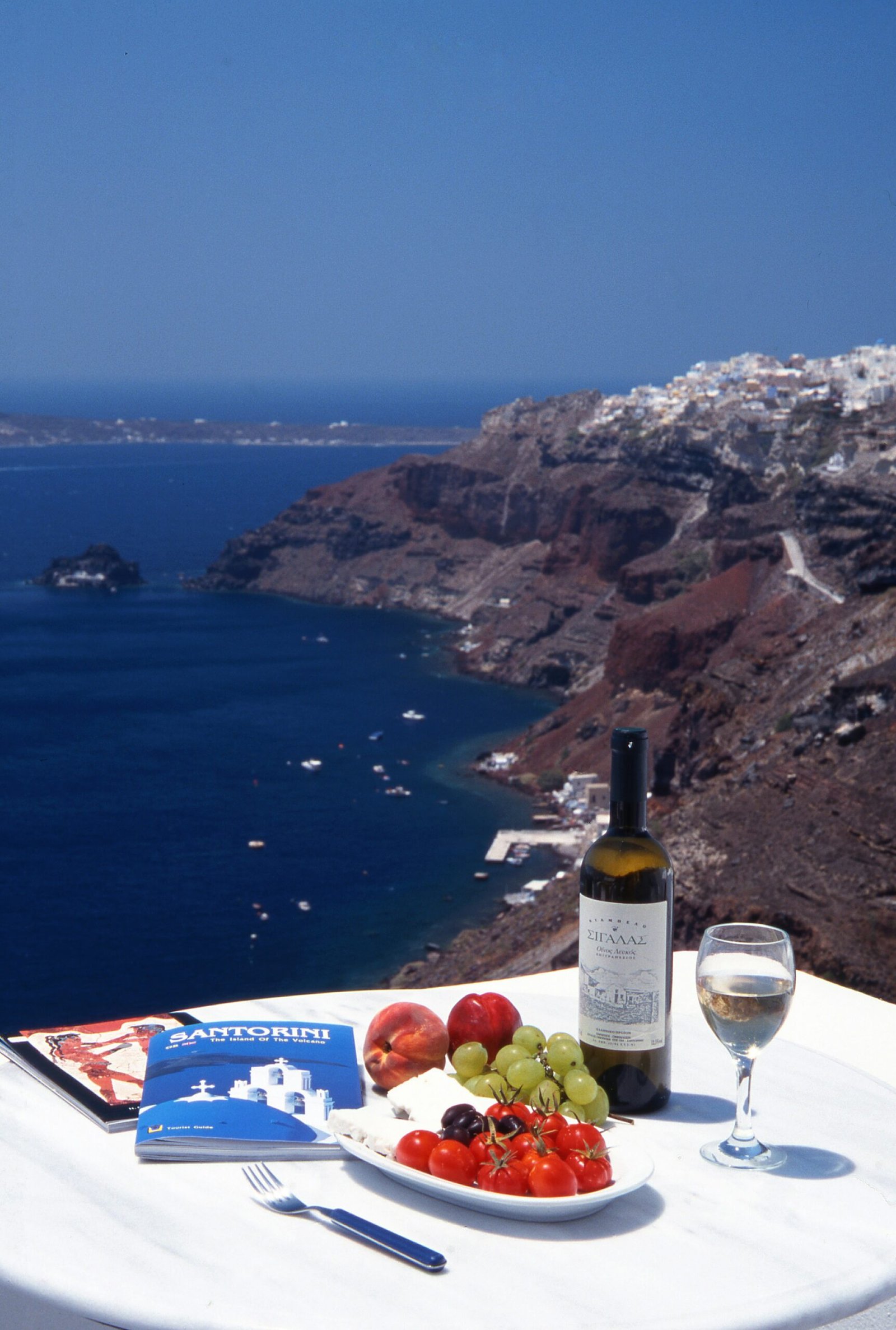
Dans les traditions yogiques et spirituelles de toutes les cultures, la lumière est une métaphore de la conscience, de l'éveil et de la clarté. On parle d'illumination, de voir la lumière, tandis que l'obscurité représente l'ignorance ou la confusion. Ces métaphores sont efficaces car elles puisent dans une expérience humaine universelle : la lumière nous permet de mieux voir, de nous déplacer avec plus de sécurité et d'avoir moins peur.
Mais en Grèce, la métaphore et la réalité se confondent. La lumière physique elle-même – non pas un symbole, mais l’incarnation même de la clarté, de la définition, de la capacité à percevoir la réalité telle qu’elle est – devient indissociable de la lumière intérieure que la pratique vise à cultiver. Pratiquer sous la lumière grecque, c’est non seulement utiliser une métaphore commode, mais évoluer dans un environnement qui soutient activement le travail intérieur de clarification et d’éveil.
Retour à la complexité
Le défi, bien sûr, est que nous ne vivons pas dans des villages grecs aux murs blanchis à la chaux et à la vue imprenable sur la mer Égée. Nous vivons dans des environnements modernes et complexes, avec un travail, des relations, des responsabilités et mille décisions à prendre chaque jour. Les leçons de simplicité et de sérénité grecques sont-elles transposables à notre époque ? Ou ne sont-elles que des parenthèses agréables, de brefs souvenirs éphémères qui s’estompent avec le retour à la vie ordinaire ?
La réponse ne réside peut-être pas dans la tentative de recréer la Grèce ailleurs – on ne peut maîtriser la qualité de la lumière ni la nécessité des possessions dans son propre contexte de vie – mais dans le souvenir des enseignements de la Grèce : la clarté est toujours accessible dès lors qu’on élimine ce qui l’obscurcit. La simplicité est un choix, non une fatalité, et l’on peut la cultiver par de petits gestes, quelles que soient les circonstances extérieures. Le simple fait de s’arrêter un instant pour se poser la question avec sincérité est une chose.
Vous ne pouvez peut-être pas vivre sur une île grecque, mais vous pouvez désencombrer votre espace et ne garder que ce qui vous est utile ou vous apporte une joie véritable. Vous pouvez simplifier votre emploi du temps en refusant les engagements qui ne correspondent pas à vos priorités. Vous pouvez pratiquer l'art grec de la pleine conscience à table, en mettant de côté vos appareils et en savourant pleinement votre nourriture, en observant attentivement les personnes avec qui vous mangez. Vous pouvez contempler les couchers de soleil où que vous soyez, en remarquant comment la lumière change, comment les ombres s'allongent, comment le monde ordinaire devient extraordinaire lorsqu'on y prête attention.
La lumière de la Grèce nous enseigne que la beauté se suffit à elle-même, que la clarté naît de la soustraction plutôt que de l'addition, et que l'instant présent – cette lumière, ce souffle, ce corps, cette mer, cette pierre – recèle tout ce dont nous avons besoin, pourvu que nous soyons pleinement présents pour le recevoir. Cette leçon voyage. Une fois véritablement assimilée, elle illumine où que nous soyons.
Votre adresse e-mail ne sera pas publiée. Les champs obligatoires sont indiqués par un *