
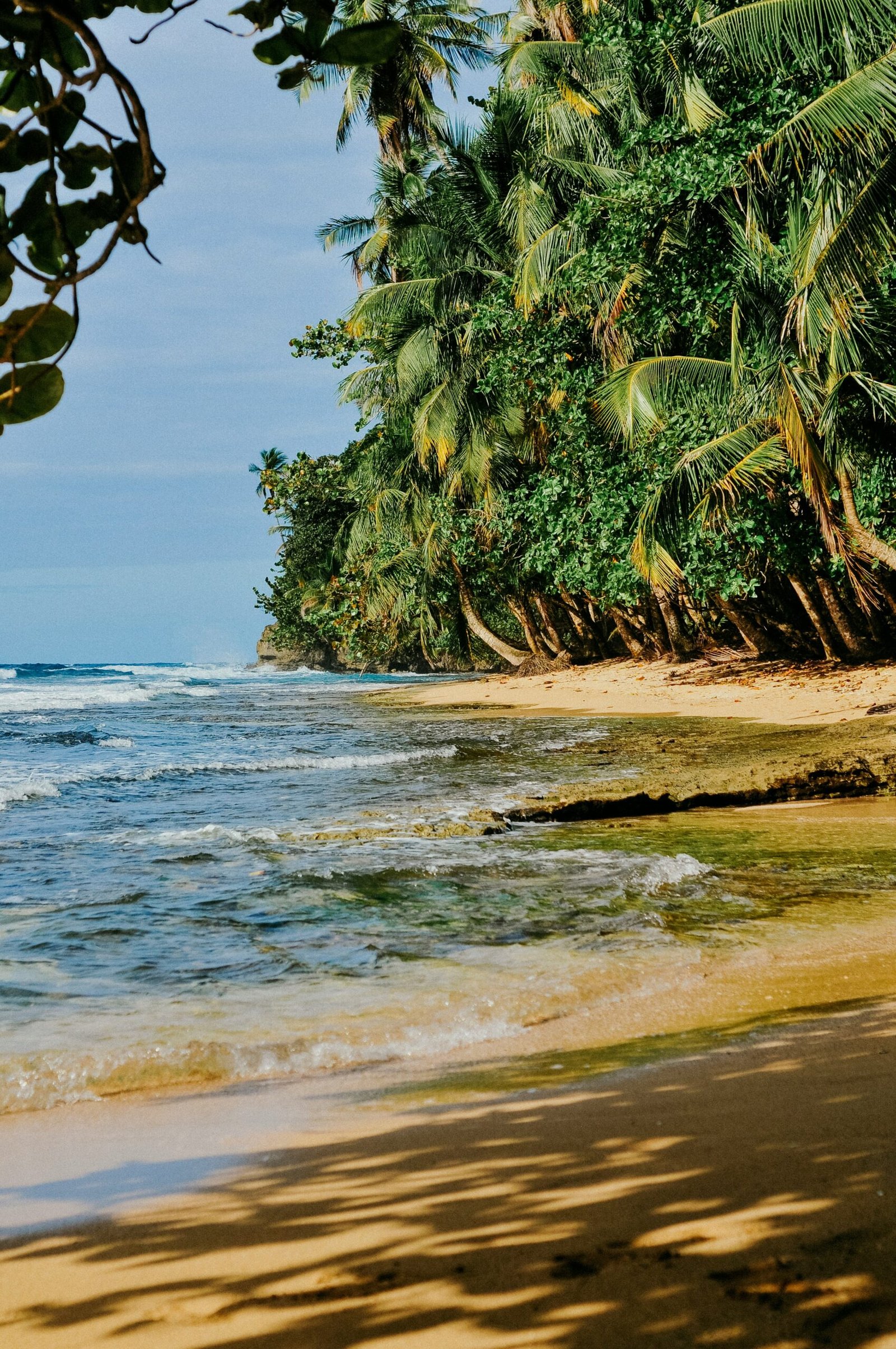
Yoga Retreats in Costa Rica in Winter 2026
Winter is one of the strongest seasons for a yoga retreat in Costa Rica because December through February bring the country’s most reliable Pacific-side sunshine, warm beach weather, and peak retreat demand, making it ideal for travelers who want a tropical escape with classic dry-season conditions.
Diesen Artikel teilen


Warum Stille der neue Luxus ist
In einer Welt, die von Geschwindigkeit, Produktivität und ständiger Vernetzung besessen ist, ist Stille zum seltensten Luxus geworden.
Wahres Wohlbefinden bedeutet nicht, mehr zu tun – es geht darum, Raum zu schaffen, um einfach zu sein.

6-tägiges maßgeschneidertes Luxus Yoga und Achtsamkeits Retreat in Playa Azul, Guanacaste, Costa Rica
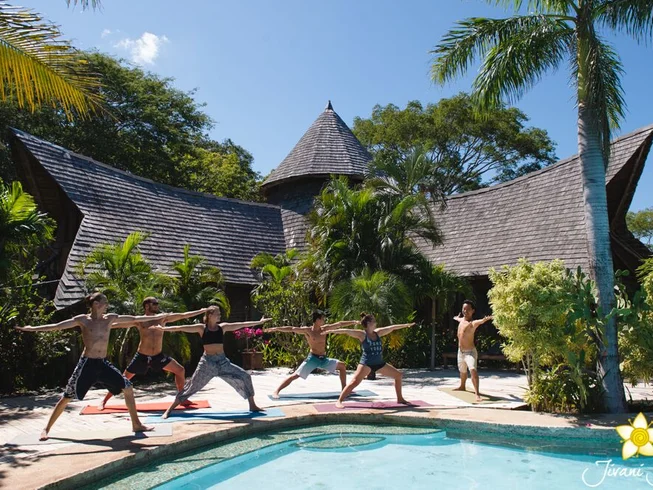
5-tägiges Yoga-Entdeckungs-Retreat Tamarindo, Costa Rica
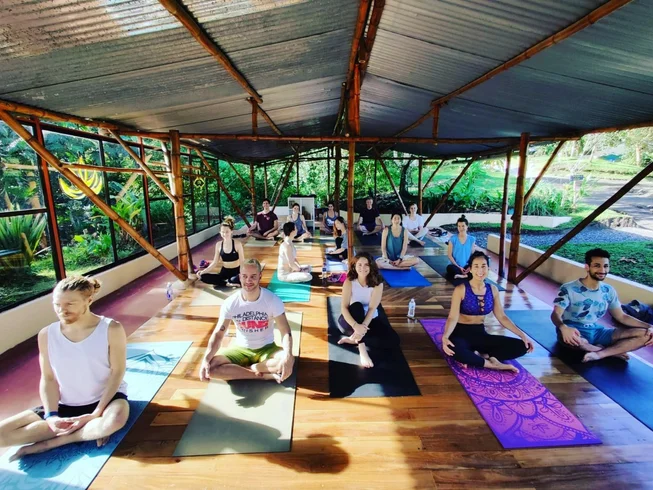
4-tägiges "Love Yourself" Yoga Retreat im Arenal Regenwald, Alajuela, Costa Rica
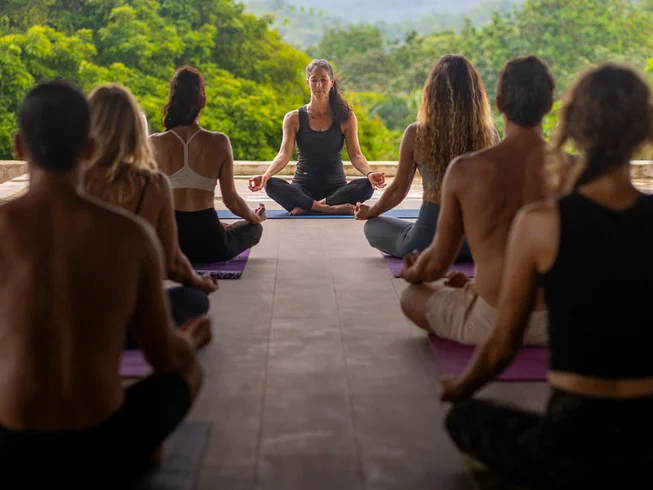
5 Tage Live to Lead: Luxus Yoga Wellness Retreat in Ojochal, Costa Rica

7-Tage Yoga-Retreat zur Regeneration des Nervensystems in Playa Marbella, Guanacaste, Costa Rica
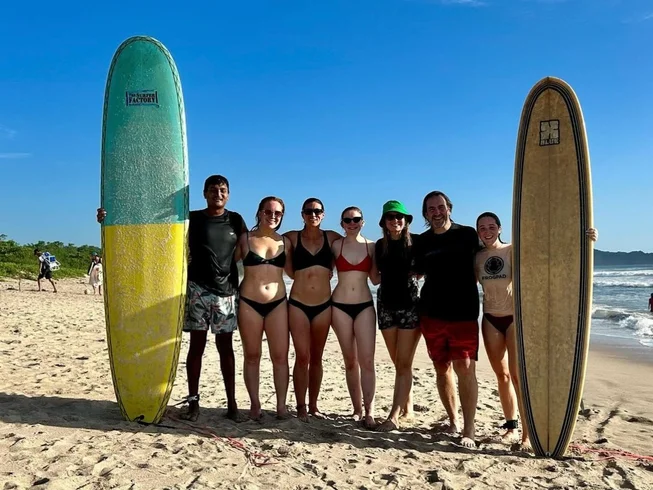
7-Tage Surf- und Yoga-Retreat in Nosara, Costa Rica
Regional Winter Strategy
Guanacaste (Northwest Pacific) reigns as Costa Rica’s winter wellness capital—Nosara, Santa Teresa, Tamarindo, and Playa Grande deliver optimal December-February conditions with maximum sunshine, minimal rain, excellent surf, and established retreat infrastructure. Guanacaste’s lower humidity compared to southern regions makes it particularly comfortable for hot yoga styles and intensive practice. Winter Guanacaste provides classic Costa Rican wellness experience that built the country’s reputation.
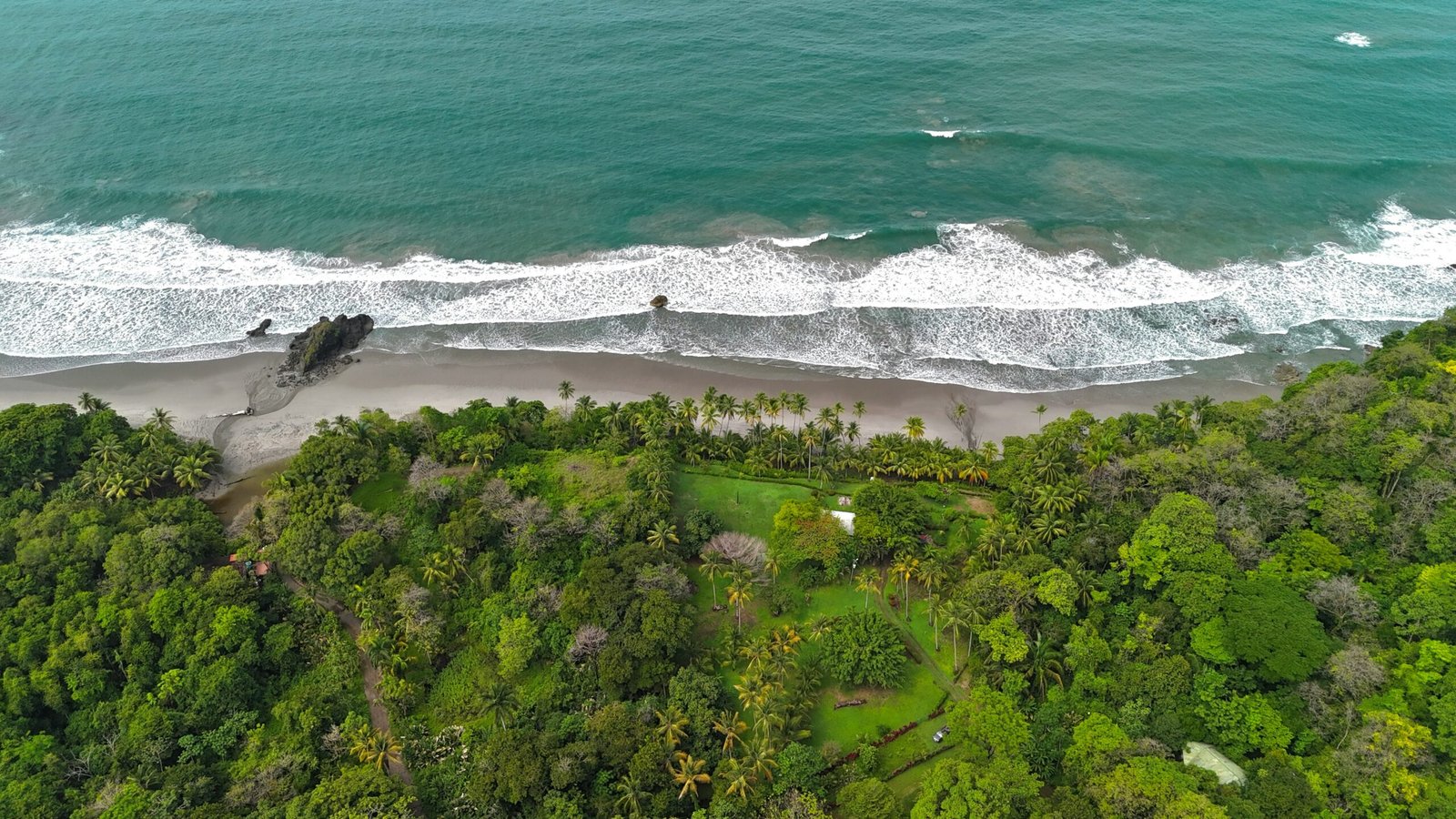
Central Pacific (Manuel Antonio/Uvita) offers winter’s optimal biodiversity balance—reliable dry season weather combined with remarkable wildlife viewing and natural beauty. Manuel Antonio National Park delivers world-class hiking and animal encounters, while Uvita provides whale watching (December-April humpback season) and less-developed coastal character. Central Pacific suits winter travelers prioritizing nature immersion alongside wellness practice.
Osa Peninsula (South Pacific) provides winter’s most authentic rainforest experience—even during dry season, Osa maintains more forest moisture and biodiversity than northern regions. December-February represents Osa’s most accessible timing for those seeking serious nature immersion while minimizing weather challenges. Osa winter visits attract conservation-minded wellness travelers willing to trade some convenience for extraordinary biological richness.
Caribbean Coast (Puerto Viejo region) faces difficult winter conditions—December-February marks the region’s wettest season with January-February particularly challenging. Winter Caribbean visits require accepting significant rainfall or limiting to brief explorations combined with Pacific primary stays. Those specifically drawn to Caribbean’s Afro-Caribbean culture and different coastal character should target April-May instead when weather improves dramatically.
Central Valley Highlands maintain winter as viable option—consistent spring-like temperatures (70-78°F/21-26°C), dry season reliability, and easy cultural access to San José area. Highland retreats sacrifice beach experiences but provide cooler yoga practice environments. Winter highlands particularly suit travelers sensitive to heat or those combining retreat with cultural tourism exploration.
Winter Wellness Experience
Winter yoga practice benefits from dry season’s consistent conditions—outdoor sessions proceed without rain concerns, beach yoga becomes easily schedulable, and warm temperatures support flexibility development. However, December-February heat requires strategic timing: early morning (6-8am) or evening (5-7pm) practices avoid midday intensity. Proper hydration and heat-appropriate practice styles become important winter considerations.
Morning practices particularly excel during winter—cooler temperatures (75-80°F/24-27°C), offshore breezes in many locations, and spectacular sunrises create optimal conditions. Many retreats structure intensive morning sessions capitalizing on these advantages, with afternoon periods reserved for beach time, excursions, or restorative practices in cooler indoor spaces.
Winter meditation benefits from dry season’s predictability—outdoor meditation spaces function reliably without rain interruption, dawn and dusk practices proceed without weather concerns, and consistent conditions support establishing regular contemplative routines. However, winter’s social season means more people around; those seeking maximum solitude should seek remote properties or consider green season instead.
Winter wildlife viewing showcases dry season advantages—animals congregate around limited water sources making sightings more predictable, reduced forest density improves visibility, and consistently good weather allows flexible excursion timing. Whale watching peaks December-February as humpbacks visit Costa Rican waters for breeding. Bird migrations bring northern species to tropical winter refuges. Winter delivers exceptional nature experiences.

Eine sanfte Einladung
December 2026: Dry Season Beginning
December marks Costa Rica’s transition into full dry season conditions—early December sometimes shows lingering green season rain, but by mid-month consistent dry weather establishes across Pacific regions. This progression makes December strategically interesting: early month occasionally captures shoulder-season pricing with improving weather, while late December (especially around holidays) brings peak-season crowds and costs.
Pacific coast destinations achieve excellent conditions throughout December—Guanacaste leads with earliest dry season establishment, typically showing reliable sunshine by December’s first week. Central Pacific and southern regions transition slightly later but still deliver predominantly good weather by mid-month. Ocean temperatures warm as Pacific trades settle into dry-season patterns, creating ideal swimming and surf conditions.
January 2026: Peak Dry Season
January represents Costa Rica’s most reliable weather month—Pacific coast regions experience optimal dry season conditions with minimal rainfall probability and maximum sunshine consistency. This makes January ideal for travelers prioritizing weather certainty over cost considerations, particularly those with fixed vacation schedules requiring weather guarantees.
Guanacaste achieves perfect dry season form in January—virtually zero rain, daily sunshine, offshore morning winds creating excellent surf conditions, and warm calm seas. Nosara, Santa Teresa, Tamarindo, and other northwest destinations showcase why Costa Rica earned its wellness reputation. Forest transitions fully to golden dry-season character, creating distinctive beauty different from green season’s lush intensity.
February 2026: Dry Season Peak Continuation
February extends January’s excellent dry season conditions—if anything, February shows even less rainfall probability and more consistent sunshine than January in most Pacific regions. The month represents absolute peak reliability for those demanding weather certainty, though coming at premium pricing particularly during Presidents’ Day week.
Pacific coast destinations deliver February perfection—all regions from Guanacaste through Central Pacific to Osa Peninsula maintain dry, sunny, warm conditions. Ocean temperatures reach comfortable peaks (82-84°F/28-29°C), surf continues excellent with consistent swells, and beaches provide ideal settings for yoga practice and outdoor meditation. February showcases Costa Rican winter at its absolute finest.
February forests display full dry-season character—Guanacaste shows maximum golden-brown dry tropical forest, while wetter southern regions retain more green but still experience substantially reduced rainfall.
FAQs: Yoga Retreats in Costa Rica in Winter 2026
1. Why is winter such a popular time for a yoga retreat in Costa Rica?
- Winter aligns with Costa Rica’s peak retreat season because the Pacific side usually sees sunny, dry conditions from December through March, which is ideal for yoga, beach time, and outdoor activities.
2. Which winter month is best for a Costa Rica yoga retreat?
- January and February are usually the most reliable months for dry weather, while early December can be a good option for travelers hoping to catch improving conditions before the busiest holiday stretch.
3. Are Pacific coast retreats better than Caribbean coast retreats in winter?
- For classic winter sun, yes. The Pacific has a defined dry season from December to March, while the Caribbean does not have a well-defined dry season and often sees a stronger rainy period from November to January. ([Visit Costa Rica][2])
4. What type of winter retreat is Costa Rica best known for?
- Winter is especially well-suited to beach-based yoga retreats, surf-and-yoga stays, and upscale wellness escapes, especially in Pacific destinations where the weather is most dependable. This is an inference based on Costa Rica’s winter dry-season pattern and the article’s emphasis on peak wellness travel.
5. Is winter in Costa Rica more expensive for yoga retreats?
- Usually yes. Winter is peak season, so prices tend to be higher and the best retreats often need to be booked earlier than in quieter months.
6. What should I pack for a winter yoga retreat in Costa Rica?
- Light yoga clothes, swimwear, sandals, sunscreen, and a reusable water bottle are essentials, and you may want one light layer for cooler mornings in mountain areas. This is an inference based on Costa Rica’s dry-season warmth on the Pacific coast and regional variation by elevation.
Teile deine Gedanken
Ihre E-Mail-Adresse wird nicht veröffentlicht. Erforderliche Felder sind mit * markiert