
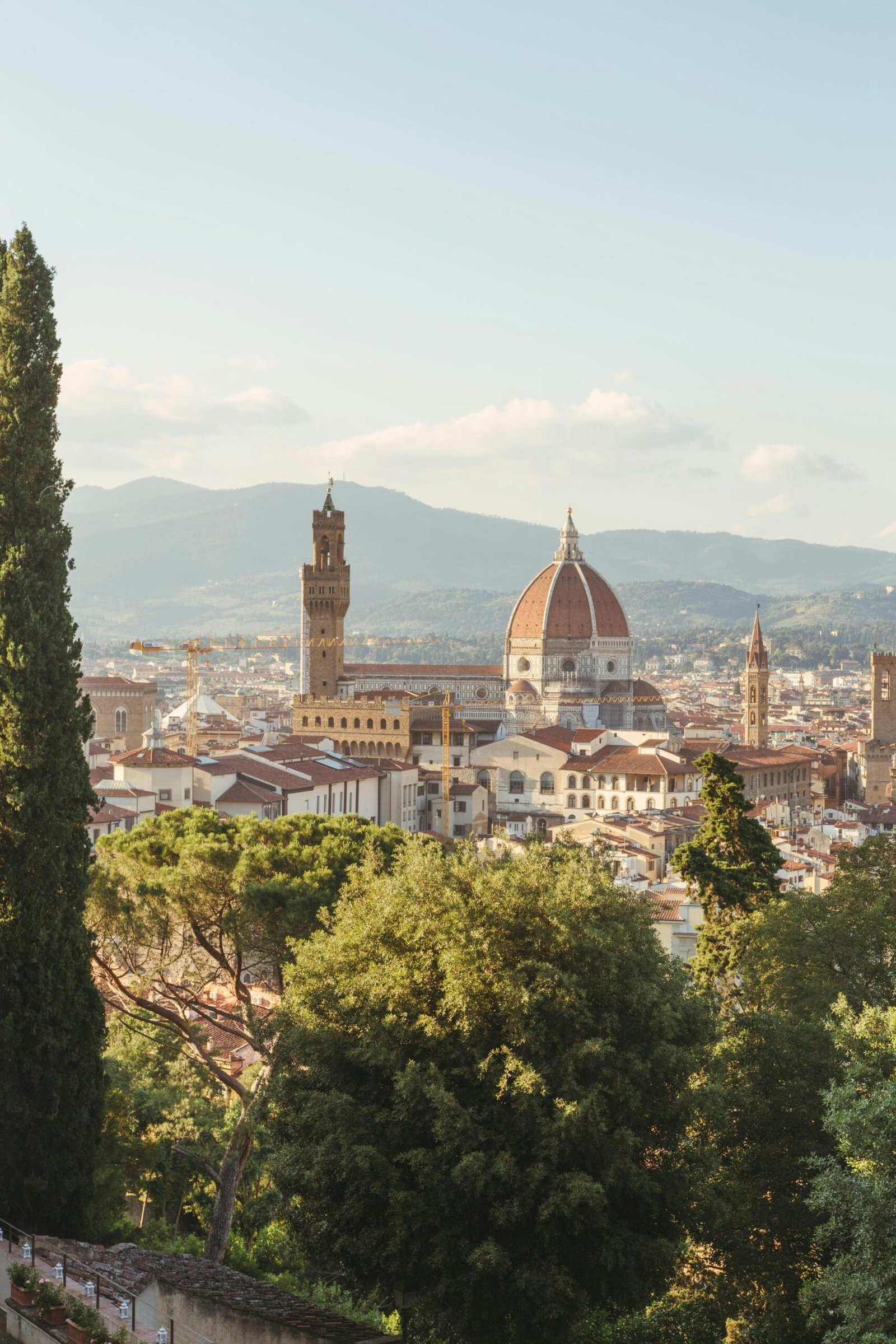
Envie de vous ressourcer dans un cadre idyllique ? Les retraites de yoga en Italie en 2026 vous promettent un équilibre parfait entre pleine conscience et douceur de vivre. Des séances au lever du soleil sur les collines toscanes aux méditations en bord de mer sur la côte amalfitaine, ces retraites allient pratique transformatrice et charme irrésistible de l’Italie. Voici notre sélection des meilleures escapades yoga du pays cette année.


L'Italie offre une expérience rare en matière de bien-être : une combinaison parfaite de nature époustouflante, d'un riche patrimoine culturel, d'une gastronomie exceptionnelle et d'une véritable philosophie du bien-être. Les Italiens n'ont pas inventé les retraites de bien-être, mais ils en vivent les principes depuis des siècles. La dolce vita n'est pas qu'une simple expression : c'est un art de vivre qui valorise le plaisir, le partage, la beauté et l'équilibre.
Des Dolomites enneigées aux rivages ensoleillés de la Sicile, des sources thermales jaillissant de la roche millénaire aux fermes restaurées des collines toscanes, l'Italie offre des séjours bien-être pour tous les goûts. Que vous recherchiez une randonnée sportive en montagne, le calme contemplatif, une immersion culinaire ou simplement un moment de détente dans une piscine chauffée sous les cyprès, l'Italie saura vous combler.
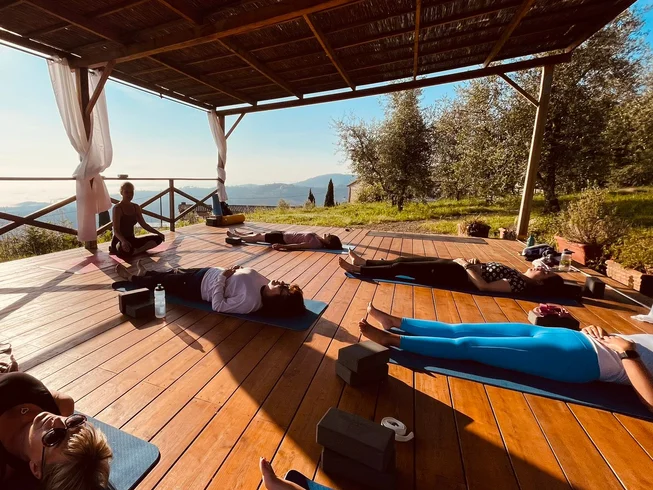
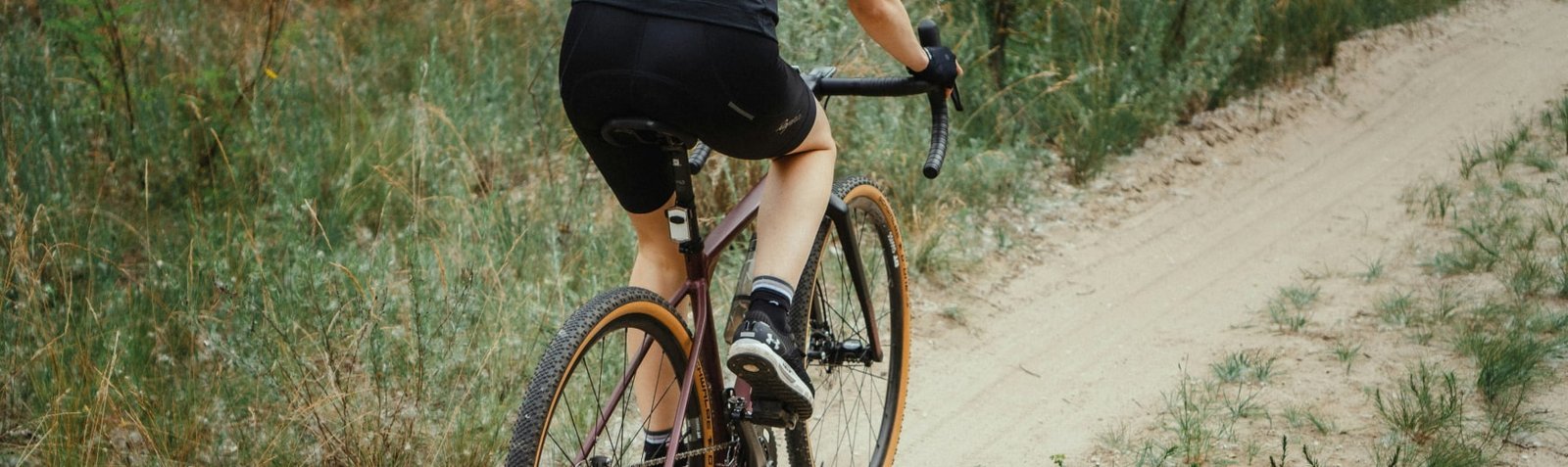
Les Dolomites et les Alpes Offrant un bien-être montagnard exceptionnel, la montagne propose des sommets impressionnants, des alpages, un air pur et d'excellentes possibilités de randonnée. Elle accueille des séjours actifs en été et des programmes de ski et de bien-être en hiver. Les villages thermaux historiques nichés dans les vallées alpines allient l'accès à la montagne aux traditions des sources thermales. Un bien-être idéal pour ceux qui recherchent la sérénité au cœur des paysages montagnards et le plaisir de se dépasser physiquement.
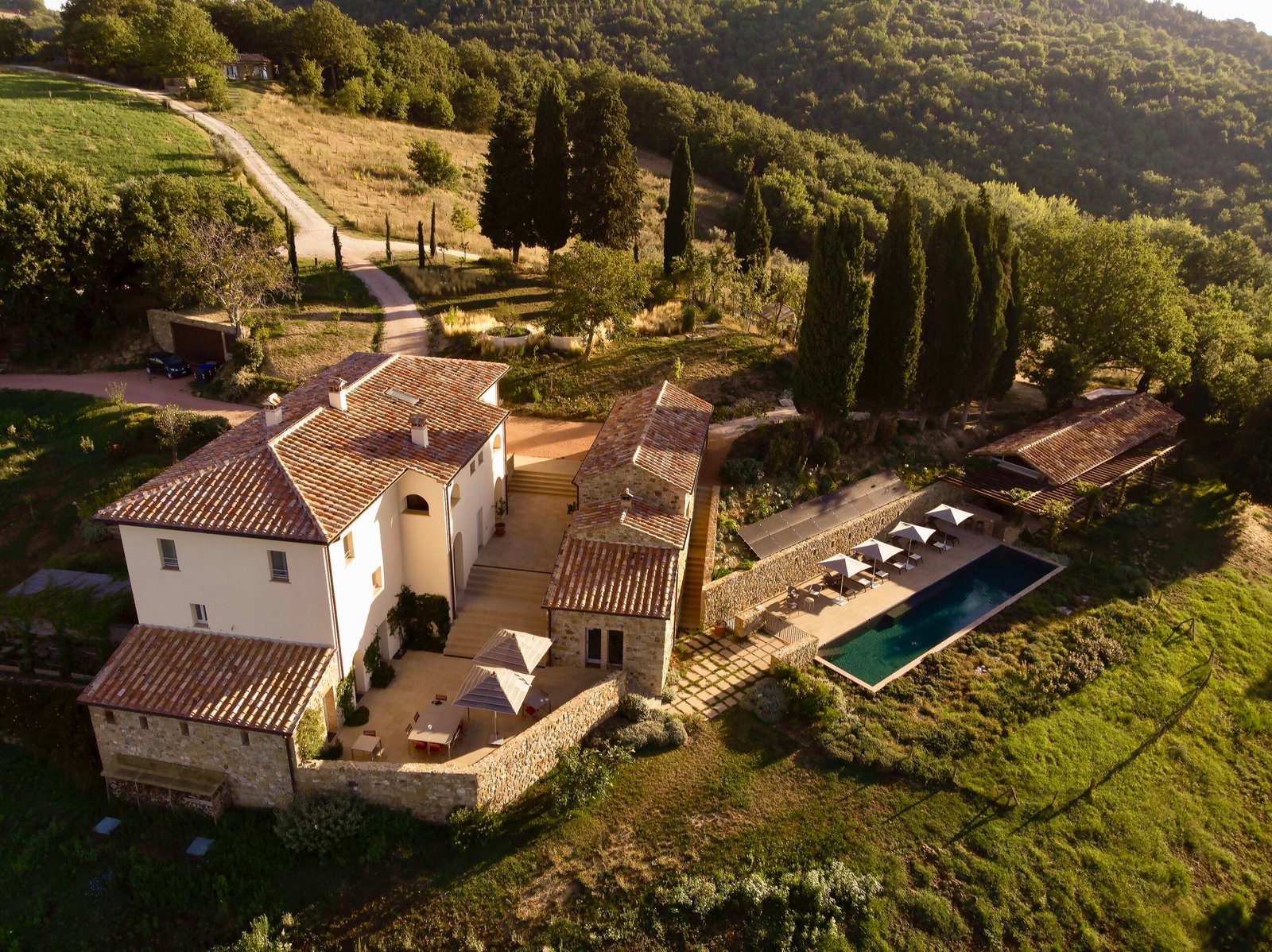
Toscane et Ombrie Ces régions sont le cœur du bien-être en Italie. Des collines ondulantes parsemées de cyprès, des villages médiévaux perchés, des vignobles et des oliveraies, des fermes centenaires transformées en centres de retraite. C'est l'Italie des cartes postales et des rêves, et elle est à la hauteur de sa réputation. Ces régions excellent dans l'art d'allier yoga, méditation et pratiques de bien-être à une richesse culturelle, une gastronomie d'exception et cette beauté si particulière qui fait de la Toscane une région emblématique.
Les lacs italiensLes lacs de Côme, de Garde et Majeur offrent un cadre de bien-être raffiné et exceptionnel. Villas historiques entourées de jardins, vues imprenables sur les montagnes et les lacs, climat tempéré, accès facile depuis Milan. Ces lacs attirent des hôtels de luxe spécialisés dans le bien-être ainsi que des centres de retraite plus intimistes, séduits par leur beauté et leur tranquillité.
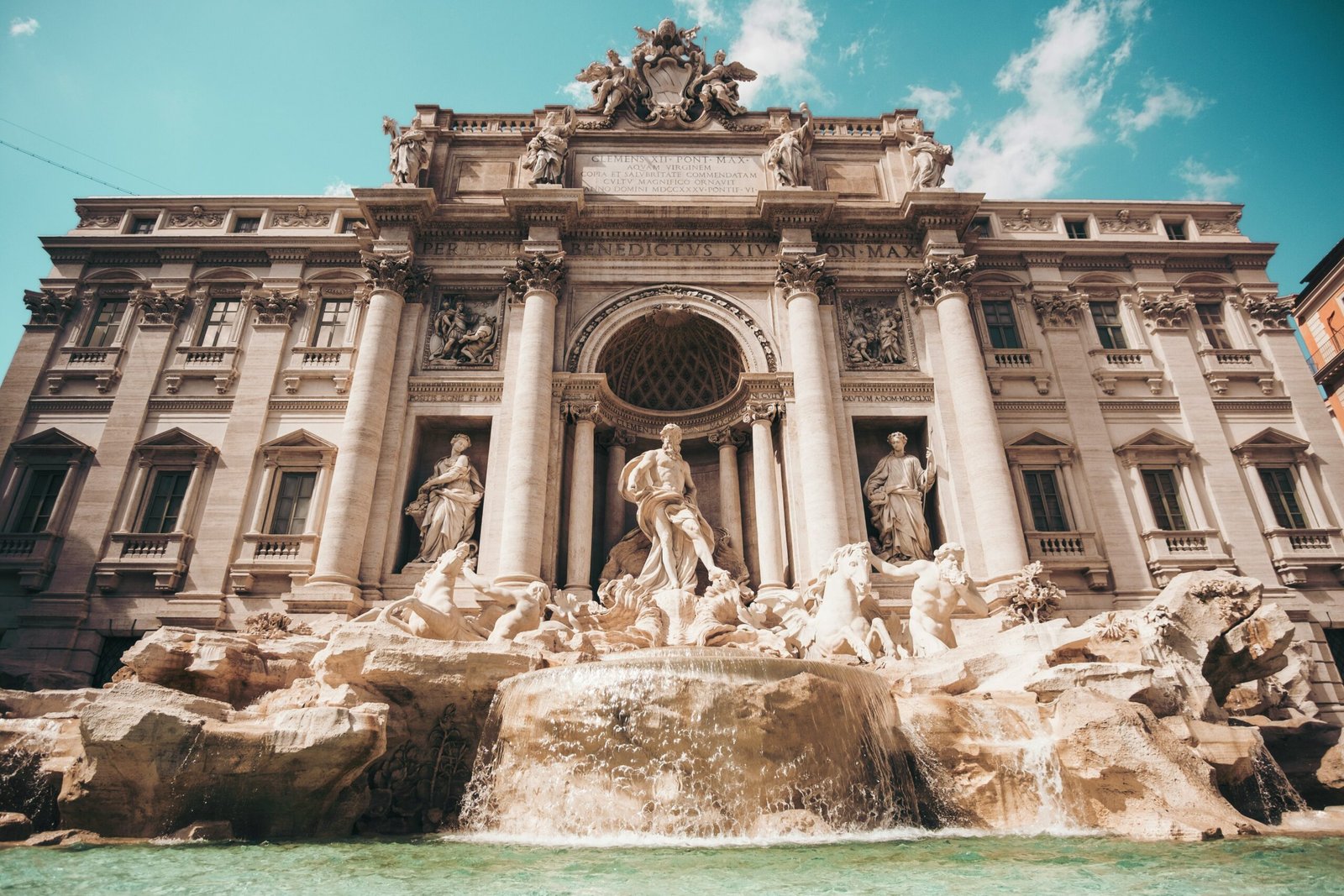
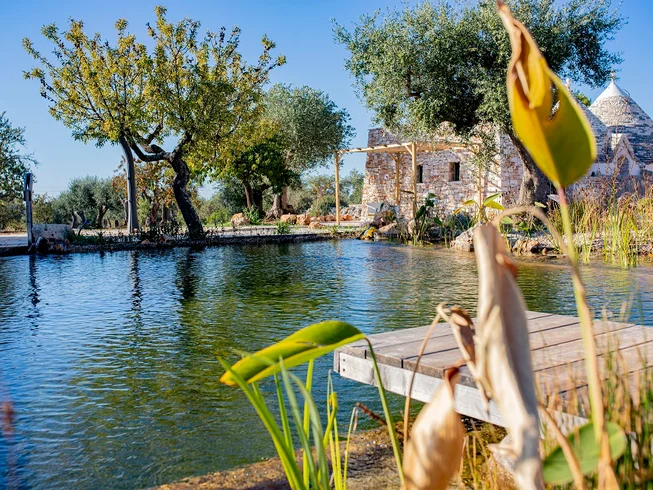
régions côtières Offrez-vous le bien-être méditerranéen avec un accès direct à la mer. La côte amalfitaine est spectaculaire et magnifique (bien que très fréquentée en été). La Ligurie propose les Cinque Terre et des zones côtières plus tranquilles. Les Pouilles, au sud, offrent de superbes plages de l'Adriatique et l'architecture si particulière des trulli. Chaque région côtière possède son propre caractère : le côté spectaculaire d'Amalfi, le charme de la Ligurie, l'authenticité des Pouilles.
Sicile La Sicile est l'atout charme de l'Italie : différente du continent par son climat, sa culture, sa gastronomie et son ambiance. Un climat plus doux toute l'année, des vestiges grecs et des influences arabes, des paysages volcaniques autour de l'Etna, une cuisine unique. La Sicile séduit ceux qui recherchent le bien-être méditerranéen avec une touche d'authenticité et de complexité, loin des destinations touristiques plus conventionnelles du continent italien.
régions thermales Partout en Italie, on exploite les ressources volcaniques et géothermiques. Saturnia, en Toscane, offre des sources thermales naturelles alimentant des bassins. Abano Terme, en Vénétie, est réputée pour sa culture thermale. De plus petits villages thermaux, disséminés dans le centre de l'Italie, proposent un accès aux sources thermales dans un cadre plus intime. Ces régions sont idéales pour un bien-être par tous les temps, axé sur la thérapie par l'eau chaude.
L'Italie propose des retraites pour tous les goûts. Les retraites de yoga offrent un large éventail de pratiques, des plus douces et réparatrices aux plus dynamiques comme le vinyasa et l'ashtanga. Les centres de méditation proposent des retraites silencieuses, des stages intensifs de vipassana et des programmes de pleine conscience. Les retraites axées sur la randonnée permettent d'explorer les sentiers et les montagnes italiennes. Le bien-être culinaire associe cours de cuisine, yoga et relaxation. Les retraites thermales mettent l'accent sur l'hydrothérapie et les soins corporels.
De nombreuses retraites italiennes proposent une approche multifonctionnelle. Yoga le matin, cours de cuisine l'après-midi, dégustation de vins en soirée. Méditation au lever du soleil, randonnée en montagne, détente dans une piscine thermale. L'approche italienne se refuse à toute catégorisation rigide : le bien-être repose sur une multitude d'éléments qui interagissent.
Quand partir en Italie pour pratiquer le yoga
Printemps (mars-mai) C'est sans doute la période idéale pour la plupart des gens. Le climat est parfait pour les activités de plein air : chaud sans être caniculaire, agréable pour la randonnée et le vélo. Le paysage est d'une beauté exceptionnelle, avec ses fleurs sauvages, sa végétation luxuriante et cette lumière dorée légendaire. L'affluence touristique n'a pas encore atteint son pic, les prix sont raisonnables et l'énergie saisonnière de renouveau et d'émergence est propice aux initiatives de transformation.
Été (juin-août) L'été offre un ensoleillement généreux et une eau méditerranéenne chaude, idéale pour la baignade. Les longues journées permettent de profiter pleinement des activités et de la pratique sportive. Cependant, la chaleur estivale est intense, notamment en juillet et août où les températures dépassent régulièrement les 30 °C. L'affluence touristique atteint son apogée, les prix grimpent et les lieux prisés sont bondés. Les refuges de montagne offrent un havre de fraîcheur, tandis que les stations balnéaires permettent un accès privilégié à l'eau.
Automne (septembre-novembre) Le mois de septembre est peut-être la saison idéale en Italie. On y retrouve le climat estival sans la foule ni les prix exorbitants. Octobre offre des couleurs automnales spectaculaires, les joies des vendanges (vendanges, pressurage des olives) et des températures parfaites pour toutes les activités. Novembre marque la transition vers l'hiver : plus frais et plus pluvieux, mais d'un calme absolu et à prix abordables.
Hiver (décembre-février) L'hiver est la saison la moins touristique en Italie. Il fait vraiment froid, les jours sont courts et de nombreux établissements côtiers ferment leurs portes. Mais l'hiver offre des expériences uniques : séjours de ski et bien-être en montagne, cures thermales idéales par temps froid, calme absolu et prix avantageux. L'hiver convient aux personnes en quête d'introspection ou à celles qui apprécient les expériences en plein air.
Considérations pratiques en matière de planification
Les délais de réservation varient selon la saison. Pour les meilleures retraites de yoga, il est conseillé de réserver 6 à 8 semaines à l'avance en mai et septembre-octobre. En été, il est recommandé de réserver 2 à 3 mois à l'avance. En hiver, la réservation est plus flexible : 2 à 3 semaines suffisent généralement, sauf pendant les périodes de vacances.
Les prix fluctuent considérablement selon la saison. Les tarifs de haute saison estivale peuvent être jusqu'à 50% plus élevés qu'en hiver. Les intersaisons (avril et octobre) offrent le meilleur rapport qualité-prix : un temps magnifique et une bonne disponibilité à des prix modérés.
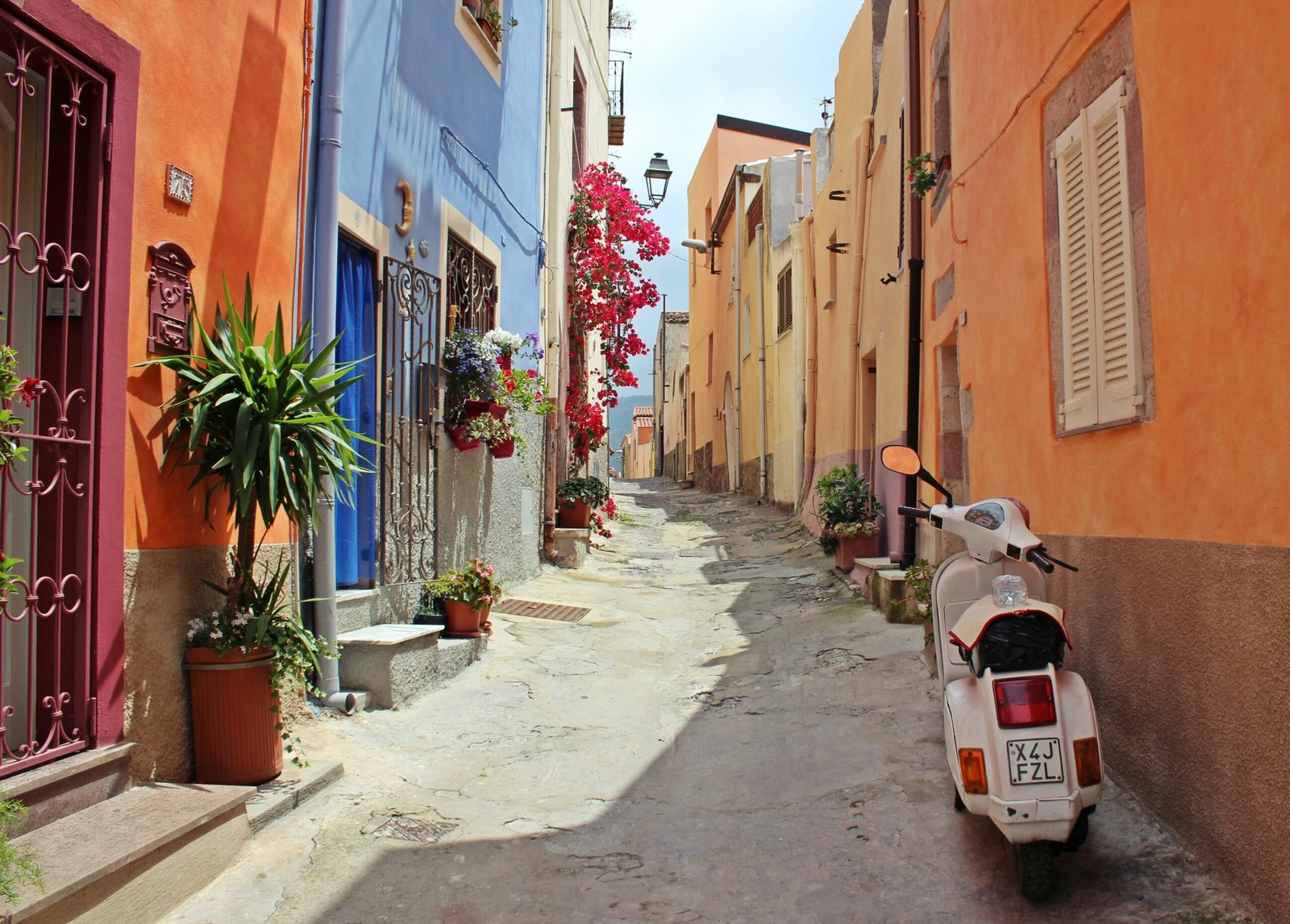
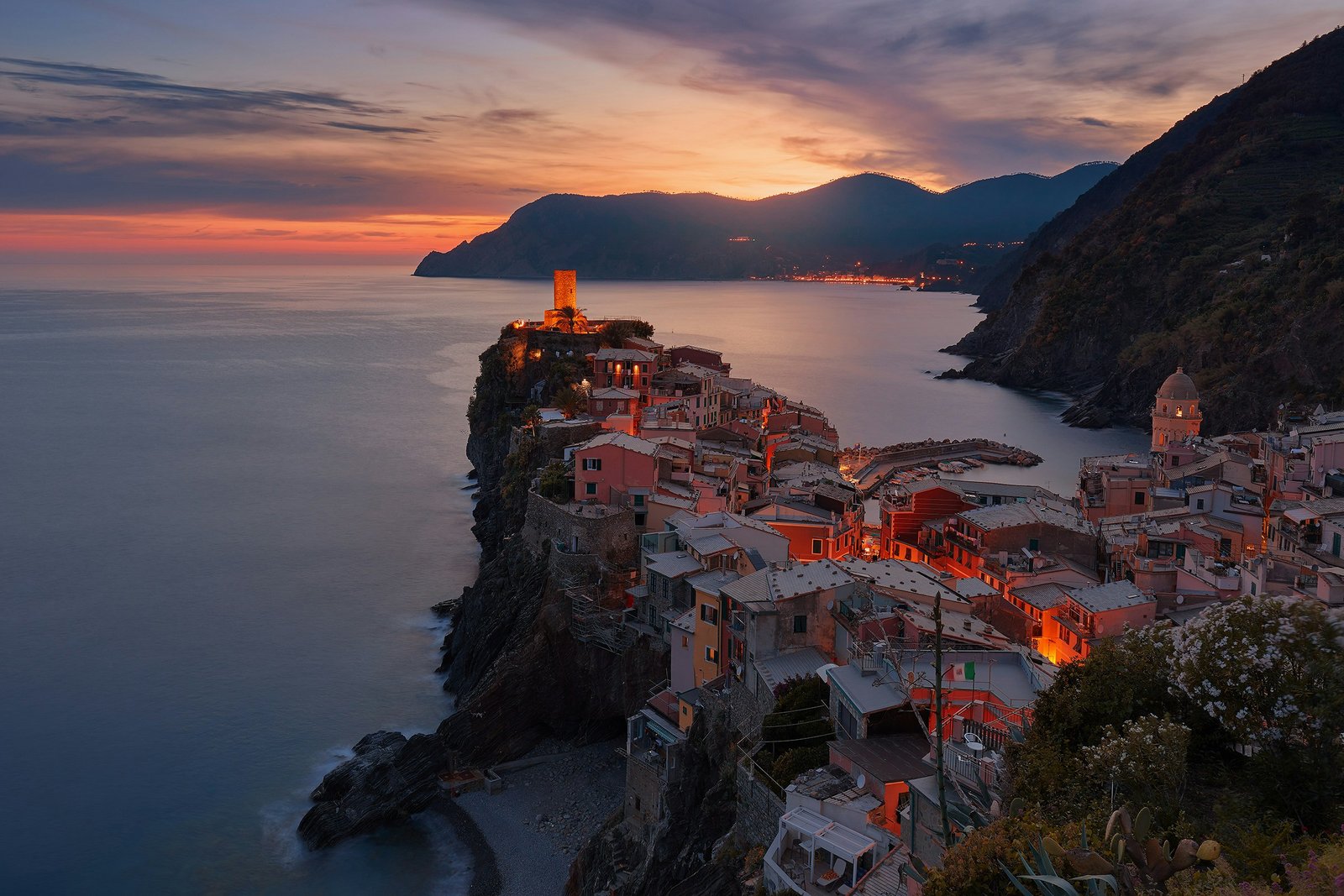
L'Italie propose des retraites de yoga qui allient sagesse ancestrale et besoins contemporains. Ses paysages offrent beauté et inspiration. Sa culture transmet des savoir-faire éprouvés pour un art de vivre harmonieux. Sa gastronomie démontre qu'une alimentation saine peut être source de grand plaisir. Ses habitants comprennent que la dolce vita – la douce vie – n'est pas un luxe futile, mais une sagesse essentielle.
Une retraite en Italie n'est pas une fuite du quotidien. C'est l'occasion de se remémorer ce que pourrait être la vraie vie : belle, équilibrée, riche en liens et joyeuse. Les pratiques que vous y apprendrez sont importantes. Mais l'immersion dans une culture qui perfectionne l'art de vivre depuis des millénaires l'est tout autant.
Choisissez votre saison, votre région, votre style de séjour. La diversité de l'Italie vous garantit de trouver une formule qui correspond à vos envies. Une fois sur place, laissez-vous porter par le rythme italien. Loin de la frénésie américaine qui consiste à optimiser chaque instant, l'Italie fonctionne différemment. Ralentissez. Observez. Savourez. Laissez la beauté et la culture vous imprégner.
– Sortez prendre l’air pendant cinq minutes sans votre téléphone.
– Remarquez un son, une odeur, un détail que vous n'aviez jamais vu auparavant.
– Inspirez lentement, puis expirez sans contrôler.
Ce moment est votre bouton de réinitialisation.
Il n'est pas nécessaire de voyager loin pour trouver le calme — mais parfois, un changement d'endroit permet de se rappeler ce que signifie le calme.
Ce qui rend l'Italie différente
Les retraites de bien-être italiennes se distinguent de celles d'Asie, des Amériques ou d'Europe du Nord par leur intégration du plaisir et de la beauté à la pratique du yoga. On y trouve moins d'ascétisme, moins de privations, et l'idée que le bien-être exige moins de souffrance ou de discipline rigide est moins présente.
L'approche italienne reconnaît que la joie, le lien social, la beauté et le plaisir contribuent au bien-être autant que l'exercice physique et une alimentation saine. Un long dîner entre amis, accompagné de vin, de rires et de conversations, n'est pas une transgression de votre programme de yoga : il en fait partie intégrante. Une sieste après le déjeuner n'est pas un signe de paresse : c'est une façon d'écouter son corps et de répondre à ses besoins.
Choisir votre retraite italienne
Commencez par définir les dates. À quelle saison pouvez-vous voyager ? Cela réduit immédiatement les options et détermine les possibilités. Escapade balnéaire en été ? Découverte des récoltes d'automne ? Séjour thermal en hiver ? Randonnée en montagne au printemps ?
Réfléchissez à vos priorités. Préférez-vous un défi stimulant ou une douce quiétude ? Une immersion culturelle ou une retraite absolue ? Un service de luxe ou une simplicité authentique ? Des liens sociaux ou la solitude ? Les retraites italiennes offrent toutes ces possibilités.
Réfléchissez bien à l'emplacement. Montagnes du nord, campagne du centre, côte du sud : chaque région offre un caractère, un climat et des expériences différents. Renseignez-vous sur les régions pour comprendre ce qui vous attire.
| Saison | Mois | Météo | Ambiance | Idéal pour |
|---|---|---|---|---|
| Printemps | Mars–mai | 10–25 °C (50–77 °F), doux, floraison | Renouveau, éveil | Pratique en plein air, fleurs sauvages, repas du jardin à l'assiette |
| Automne | sept.-nov. | 10–28 °C (50–82 °F), doré, croustillant | Abondant, sensoriel | Chasse aux truffes, vendanges, huile d'olive, bains thermaux |
L'été (juin-août) est chaud et convivial, idéal pour les escapades côtières, le yoga sur la plage et la baignade. L'hiver (décembre-février) est chaleureux et propice à l'introspection, parfait pour les rituels du sauna, les randonnées en raquettes dans les Alpes ou la douceur du soleil hivernal en Sicile.
| Région | Ambiance | Idéal pour |
|---|---|---|
| Toscane et Ombrie | Élégance rustique, rythme lent, fermes | Amateurs de gastronomie, voyageurs solitaires, novices |
| Pouilles et Sicile | Authentique, côtier, accueillant | Amoureux de la plage, communauté, hivers doux |
| Alpes et Dolomites | Actif, réparateur, alpin | Randonneurs, skieurs, sauna et exposition au froid |
La côte amalfitaine et les Cinque Terre offrent un luxe côtier spectaculaire, idéal pour les randonneurs, les couples et les amoureux en quête de romantisme. Les lacs italiens (Côme, Garde, Majeur) offrent un cadre élégant et paisible, un climat doux et des villas historiques.
Vinyasa Flow Il s'agit du style le plus répandu : des mouvements dynamiques synchronisés à la respiration, que l'on retrouve dans toutes les régions, notamment lors des retraites de printemps et d'été. Il convient à ceux qui apprécient la variété, la musique et un effort physique modéré.
Hatha Yoga Elle est fréquente, notamment dans les retraites à la ferme et les spas. Plus lente, axée sur l'alignement et avec des postures maintenues plus longtemps, elle est idéale pour les débutants ou ceux qui souhaitent acquérir une pratique de base.
Yin et réparateur Ces styles de yoga sont plus fréquents lors des retraites d'automne et d'hiver. Ce sont des pratiques passives, avec des postures maintenues longtemps, conçues pour une détente profonde et la régénération du système nerveux. Elles se marient parfaitement avec les bains thermaux, les rituels du sauna et l'énergie plus paisible de la basse saison.
Kundalini et Tantra Ces retraites existent, mais elles restent confidentielles ; on les trouve dans des centres à vocation spirituelle, souvent en Toscane, en Ombrie ou en Sicile. Elles intègrent des exercices de respiration, des mantras et de la méditation aux asanas.
Ashtanga et Power Yoga On les trouve souvent dans des retraites dynamiques, notamment sur les côtes au printemps et en été. Si vous recherchez une pratique exigeante physiquement, avec des enchaînements précis, privilégiez les retraites proposant explicitement ce type de pratique.
Yoga Nidra Le sommeil yogique est presque toujours proposé comme pratique complémentaire, quelle que soit la région ou la saison. Il s'agit d'une méditation guidée qui ne requiert aucun effort physique et qui est souvent pratiquée l'après-midi ou le soir.
Nourriture en retraite Les repas sont généralement végétariens ou végétaliens, de saison et composés de produits locaux. De nombreux centres de bien-être cultivent leurs propres légumes ou travaillent en partenariat avec des fermes locales. En Toscane et en Ombrie, vous trouverez des pâtes fraîches, de l'huile d'olive et des plats à base de légumes. Les régions côtières comme les Pouilles et la Sicile privilégient les fruits de mer et les produits méditerranéens. La plupart des centres de bien-être s'adaptent aux restrictions alimentaires (sans gluten, sans produits laitiers, etc.) si elles sont signalées à l'avance. Le vin est souvent inclus aux dîners, notamment dans les régions viticoles.
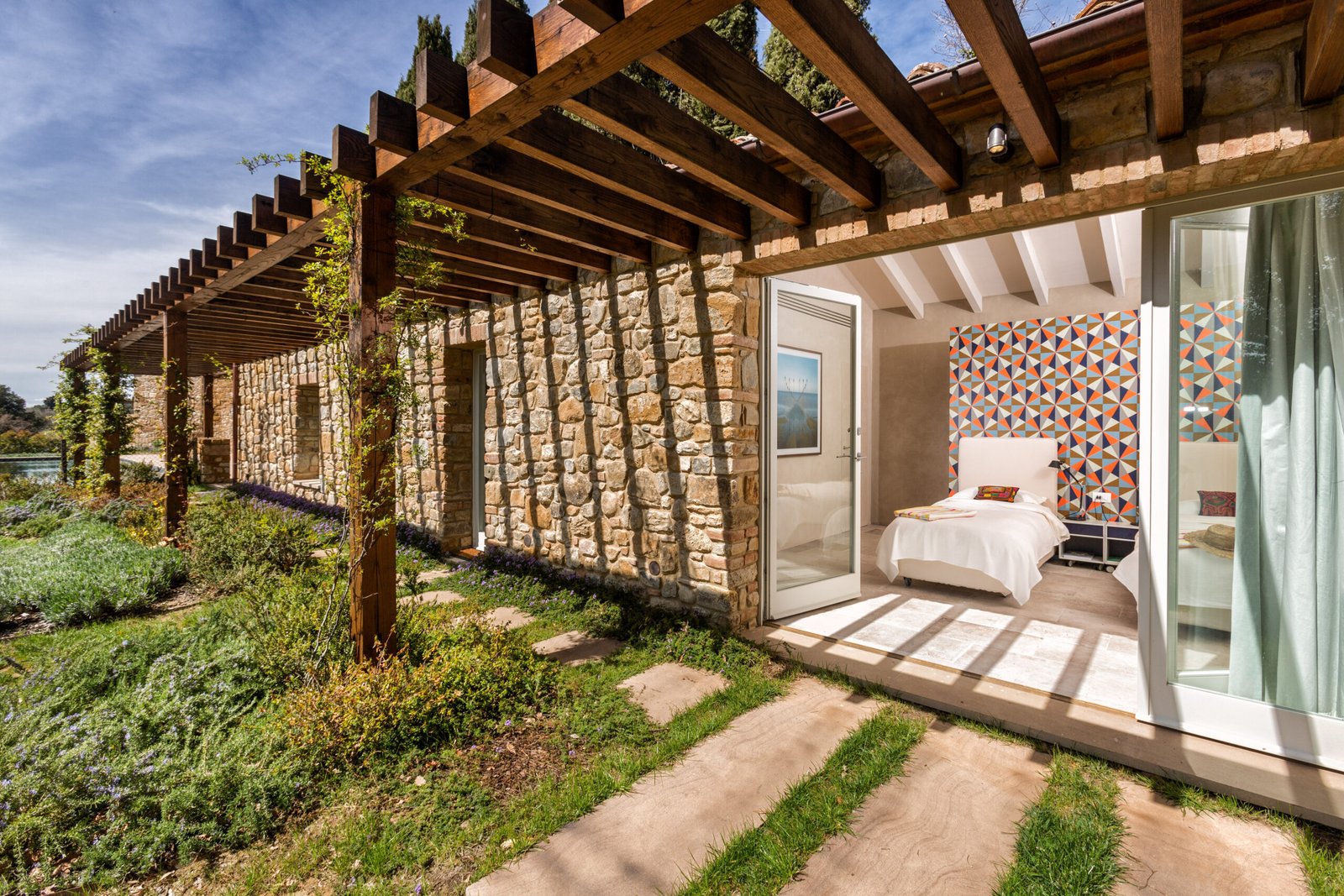
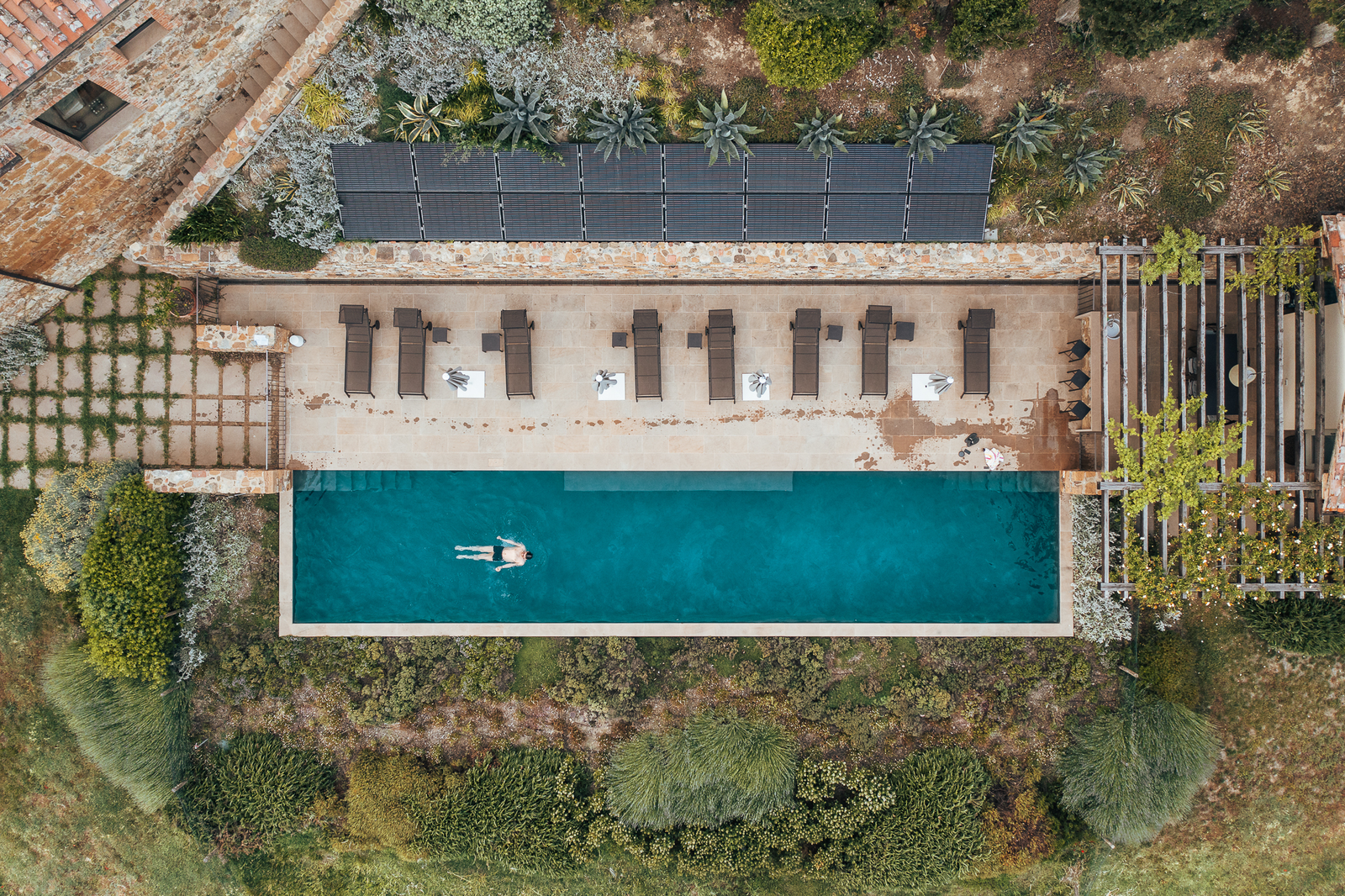
Hébergement L'offre d'hébergement varie des fermes rustiques aux hôtels cinq étoiles. Les gîtes ruraux (fréquents en Toscane, en Ombrie et dans les Pouilles) proposent des chambres simples mais charmantes, souvent aménagées dans des bâtiments en pierre avec piscine et espaces de yoga extérieurs. Les hébergements de luxe (côte amalfitaine, lacs, Toscane haut de gamme) offrent des intérieurs design, des spas et une cuisine gastronomique. Les refuges de montagne dans les Alpes sont généralement fonctionnels et confortables : pensez aux chalets alpins avec studios chauffés et saunas.
Langue Cela constitue rarement un obstacle. La plupart des séminaires internationaux se déroulent entièrement en anglais.
Un pourcentage important de participants aux retraites viennent seuls. L'offre de retraites en Italie est particulièrement accueillante pour les voyageurs solitaires, notamment dans les fermes-auberges de Toscane, d'Ombrie et des Pouilles, où les repas partagés et les activités de groupe favorisent naturellement les échanges. Lors de votre réservation, privilégiez les retraites qui accueillent explicitement les voyageurs solitaires, proposent des chambres individuelles (ou partagées avec supplément) et offrent un équilibre entre moments en groupe et intimité.
Les retraites ne tiennent pas toujours leurs promesses. Voici quelques points à vérifier avant de réserver :
Prix imprécis. Qu’est-ce qui est réellement inclus ? Les repas ? L’eau ? Les transferts aéroport ? Certains centres de bien-être annoncent une formule “ tout compris ” mais facturent des suppléments pour les prestations de base.
Qualifications d'enseignant vagues. Recherchez des instructeurs expérimentés et certifiés. Un bon centre de retraite fournira les biographies des enseignants et leur philosophie pédagogique.
“ Bien-être toxique. ” Les retraites qui semblent artificielles, trop axées sur l'image ou trop fermées offrent rarement une véritable ressourcement. Si le marketing privilégie l'esthétique au détriment du fond, soyez prudent.
Politique concernant les voyageurs solitaires. Certaines retraites sont conçues pour des groupes qui se connaissent déjà. Si vous voyagez seul(e), vérifiez que la retraite accepte les personnes voyageant seules.
Votre adresse e-mail ne sera pas publiée. Les champs obligatoires sont indiqués par un *