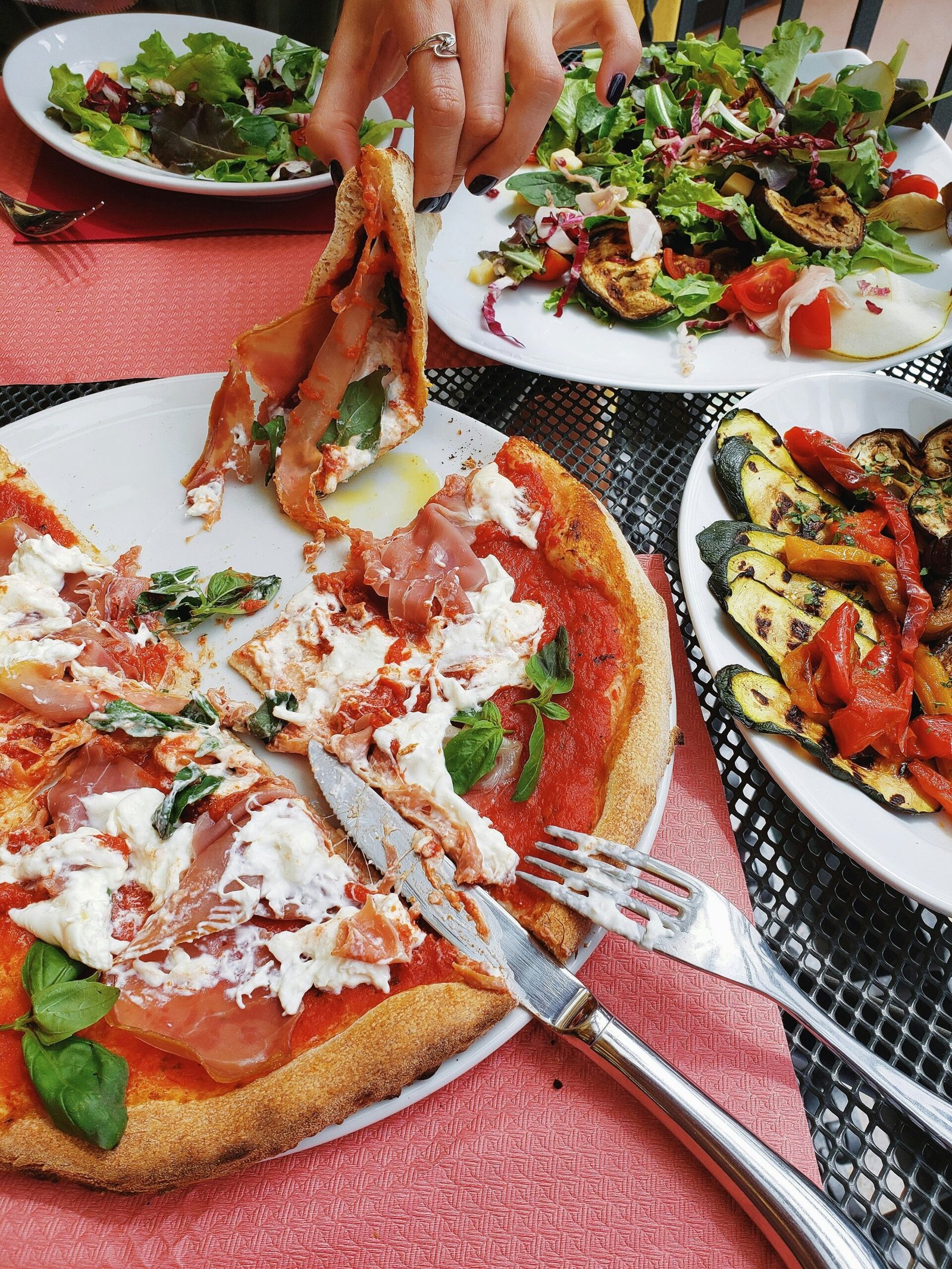
A vibrant table spread of Mediterranean food including a fresh burrata and prosciutto pizza, grilled vegetables, and seasonal salads, illustrating the art of slow nourishment.

The Healing Simplicity of Mediterranean Food

Mediterranean food celebrates the beauty of simple, wholesome ingredients prepared with care. By focusing on fresh vegetables, olive oil, herbs, and nourishing whole foods, this culinary tradition encourages mindful eating and supports a balanced, healthy lifestyle.

AUTEUR

Om Away

DATE DE PUBLICATION

janvier 12, 2026

CATÉGORIE

Partager cet article

The Healing Simplicity of Mediterranean Food

There’s a reason why Mediterranean cuisine has been celebrated for centuries — not only for its taste, but for the calm and connection it brings to those who share it.
It’s not a diet; it’s a rhythm.
A slow, sensual relationship with nature, seasonality, and community.
In a world that moves too fast, Mediterranean food invites us to return to simplicity — to rediscover nourishment as an act of love.

under the tuscan sun_3

Le Sanctuaire pour l'Âme – l'Expérience VIP – Italie, Toscane

the sweet earth retreat_4

La Retraite de la Terre Douce – Italie, Toscane

under the tuscan sun_1

Sous le Soleil de Toscane : une expérience transformative de yoga, de photographie et de saveurs. Italie, Toscane

7 Jours de Yoga, Relaxation, Dégustation de Vin et Huile d'Olive au Cœur de la Toscane, Italie

Bicycle

Retraite privée pour couples de 5 jours L'art de la connexion en Sardaigne, Italie

Stage de cuisine italienne, circuit et yoga de 7 jours dans les Pouilles, Italie

The art of slow nourishment

In the Mediterranean, meals are rarely rushed.
Lunch is an event; dinner, a conversation. The table is where time expands. Eating slowly allows your body to actually register satisfaction — it’s the simplest antidote to overconsumption and stress.

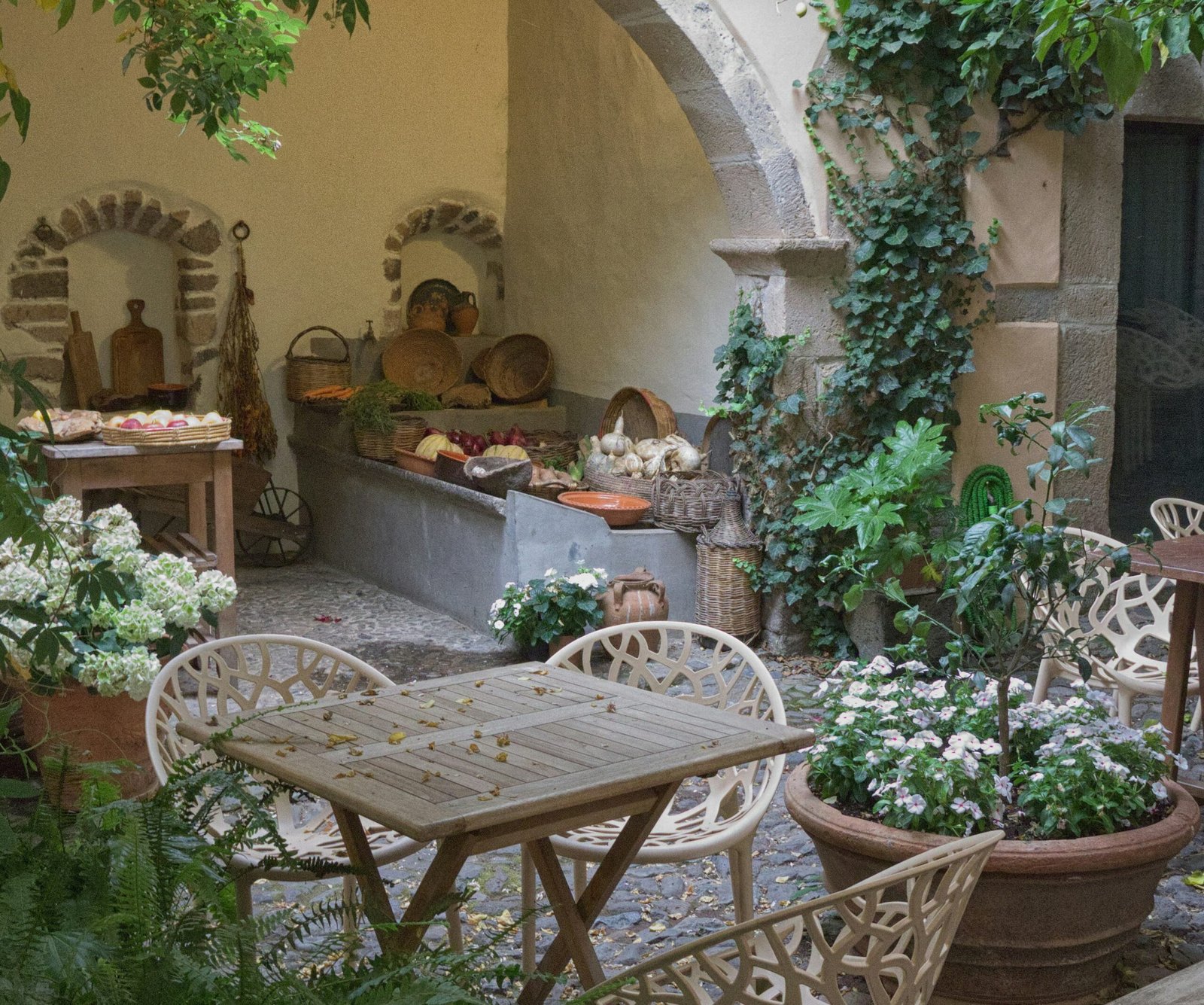
A rustic stone courtyard with an outdoor wooden dining table, fresh garden flowers, and baskets of produce, reflecting the peaceful atmosphere of slow nourishment in the Mediterranean.

Slowness has physiological effects: it improves digestion, balances hormones, and supports the microbiome.
But beyond biology, slow eating teaches presence. You notice flavor, texture, the warmth of company. Food becomes an experience, not a task.

Ingredients that heal

Every culture around the Mediterranean shares the same core ingredients — olive oil, legumes, seasonal vegetables, nuts, herbs, and fish.
Each one supports the body naturally:

– Olive oil nourishes cells and reduces inflammation.
– Legumes provide steady energy and stabilize blood sugar.
– Herbs like rosemary and thyme stimulate circulation and digestion.
– Fish brings omega-3s, essential for brain and heart health.

But perhaps the true healing ingredient is sunlight — absorbed by plants, transferred to us with every bite.

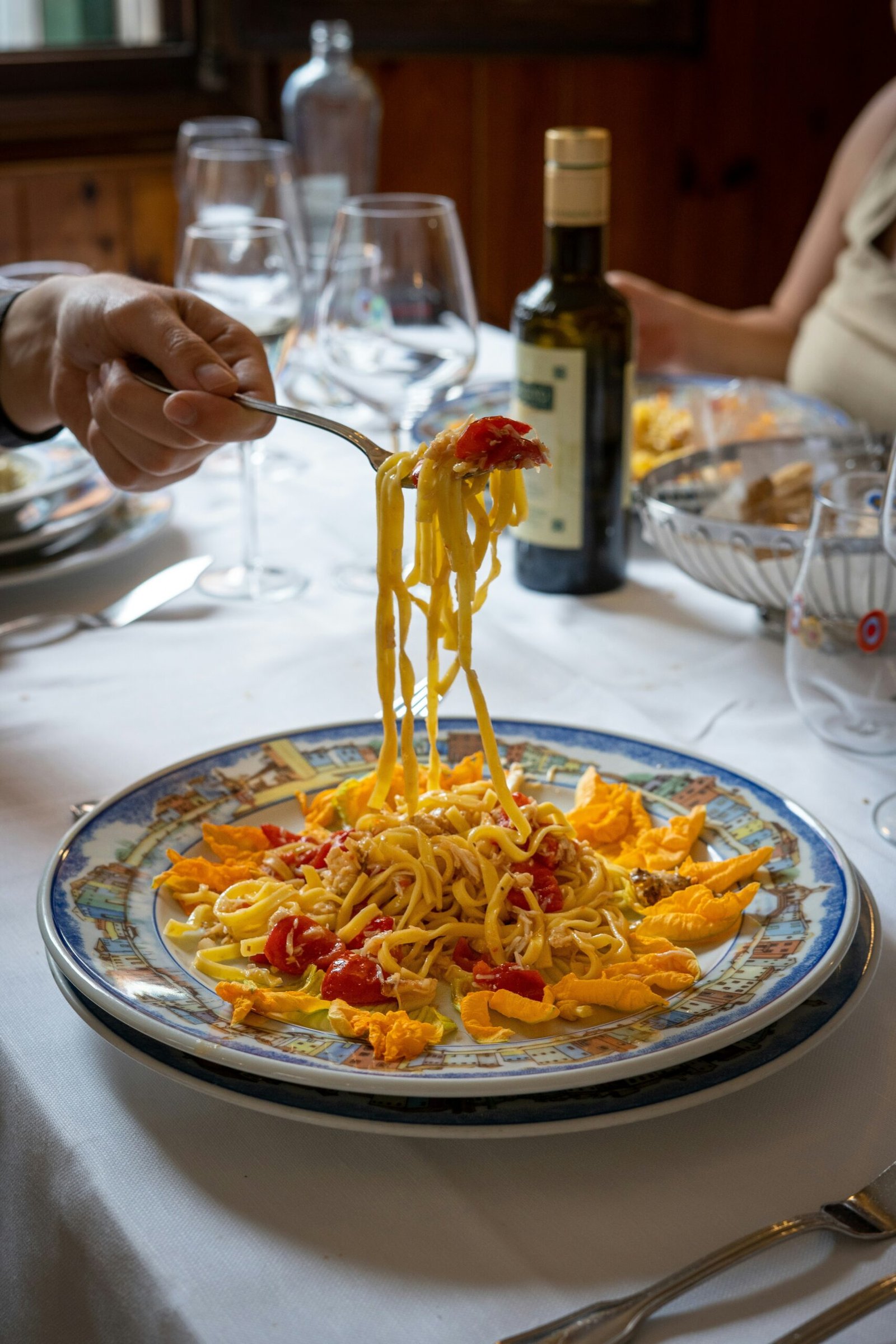
Fresh Mediterranean pasta with cherry tomatoes and squash blossoms, highlighting the healing simplicity of seasonal, plant-based Italian cuisine.
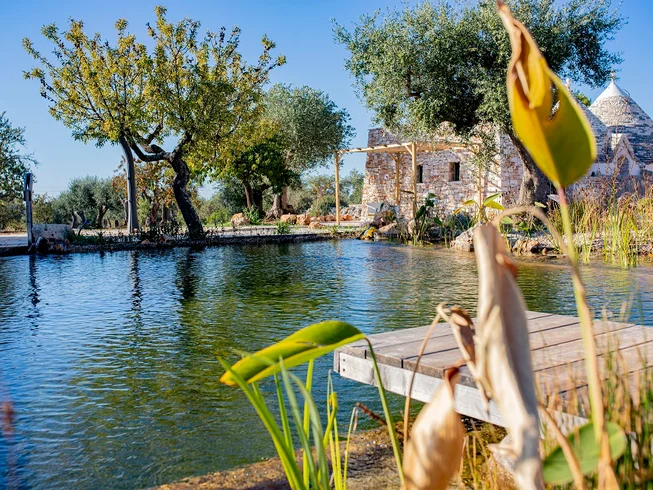
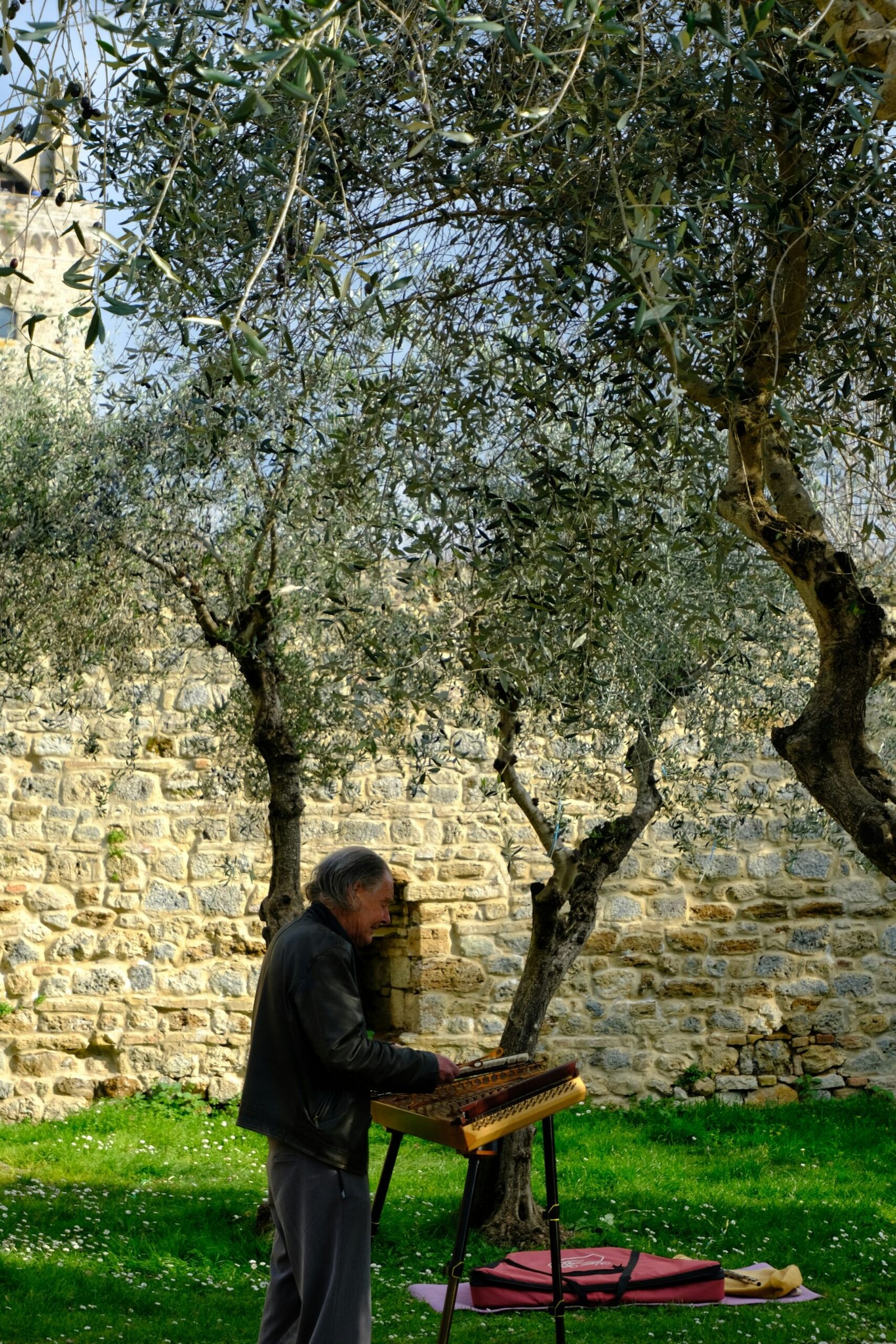
A man playing a traditional musical instrument under olive trees in a Mediterranean garden, representing the connection between culture, nature, and the art of slow nourishment.

Eating as connection

In the end, what makes the Mediterranean way of eating so restorative isn’t just what’s on the plate — it’s how it’s shared.
Meals are communal. People sit, talk, laugh, and pass the bread.
That simple human connection is one of the strongest predictors of longevity and happiness.

When we eat in tune with nature and each other, food becomes more than nourishment — it becomes belonging.

FAQs: The Healing Simplicity of Mediterranean Food

1. What makes Mediterranean food unique?

  • Mediterranean cuisine focuses on fresh, seasonal ingredients and simple cooking techniques that highlight natural flavors. Common staples include olive oil, vegetables, legumes, fish, whole grains, and herbs.

2. Why is the Mediterranean diet considered healthy?

  • This style of eating emphasizes nutrient-rich foods such as vegetables, fruits, whole grains, and healthy fats like olive oil, which support heart health and reduce inflammation.

3. What are typical ingredients in Mediterranean cooking?

  • Typical ingredients include tomatoes, olives, garlic, olive oil, herbs, seafood, legumes, and whole grains. These ingredients create flavorful meals while providing essential nutrients and antioxidants.

4. Can Mediterranean food support overall wellness?

  • Yes. Studies show that following a Mediterranean-style diet may lower the risk of heart disease, diabetes, and other chronic conditions while supporting long-term health.

5. Is Mediterranean cooking difficult to learn?

  • Not at all. Mediterranean cooking often relies on simple techniques like grilling, roasting, or lightly sautéing ingredients with olive oil and herbs.

6. How does Mediterranean food encourage mindful eating?

  • Meals are typically enjoyed slowly and often shared with others, encouraging people to appreciate flavors, ingredients, and the social experience of eating.
Partagez vos pensées

Votre adresse e-mail ne sera pas publiée. Les champs obligatoires sont indiqués par un *

Laisser un commentaire

Votre adresse e-mail ne sera pas publiée. Les champs obligatoires sont indiqués avec *

Laisser un commentaire

Votre adresse e-mail ne sera pas publiée. Les champs obligatoires sont indiqués avec *