
On Craft, Care, and Contemplation
In Italy, craft is more than making something with your hands; it is a way of paying attention, moving slowly, and caring deeply about the process itself. This article explores how artisanship, daily ritual, and contemplative living come together in Italy, showing that true mindfulness can be found not only in yoga or meditation, but in clay, bread, tools, touch, and the quiet discipline of doing ordinary things with care.
Partager cet article


The Hands That Know Before the Mind Does
Before words, there was work.
Before theory, touch.
And in Italy, that truth never disappeared.
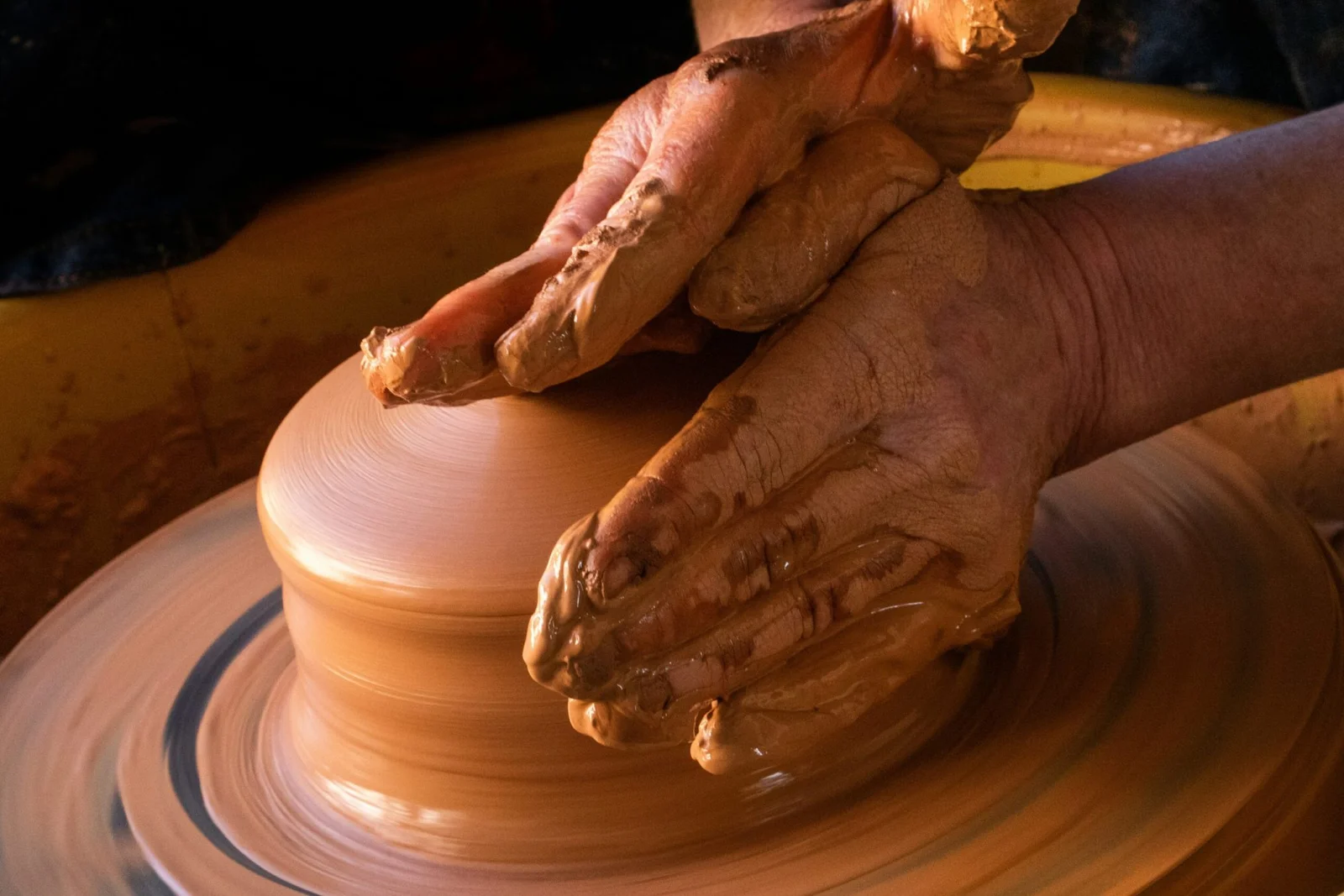
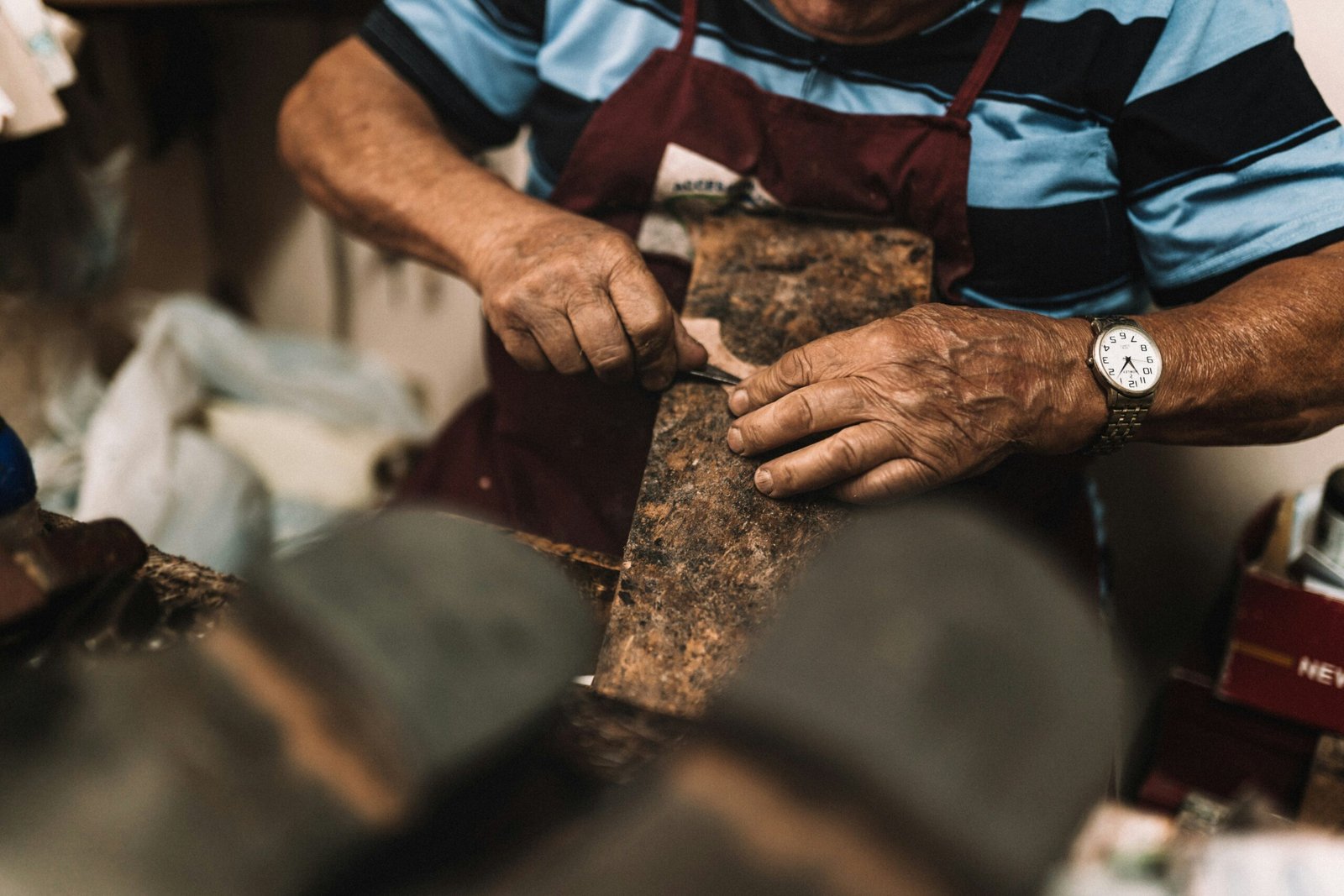
Here, creation is a language older than speech — the hum of a loom in Umbria, the smell of clay drying in Deruta, the metallic rhythm of a hammer against copper in Florence. Every movement is a meditation. Every repetition, a prayer.
Watching an Italian artisan at work is like watching a yogi in motion: body and breath aligned, focus absolute, outcome secondary.
It’s not about producing; it’s about being with the act itself.
That’s the essence of craft — and, if we’re honest, of life.
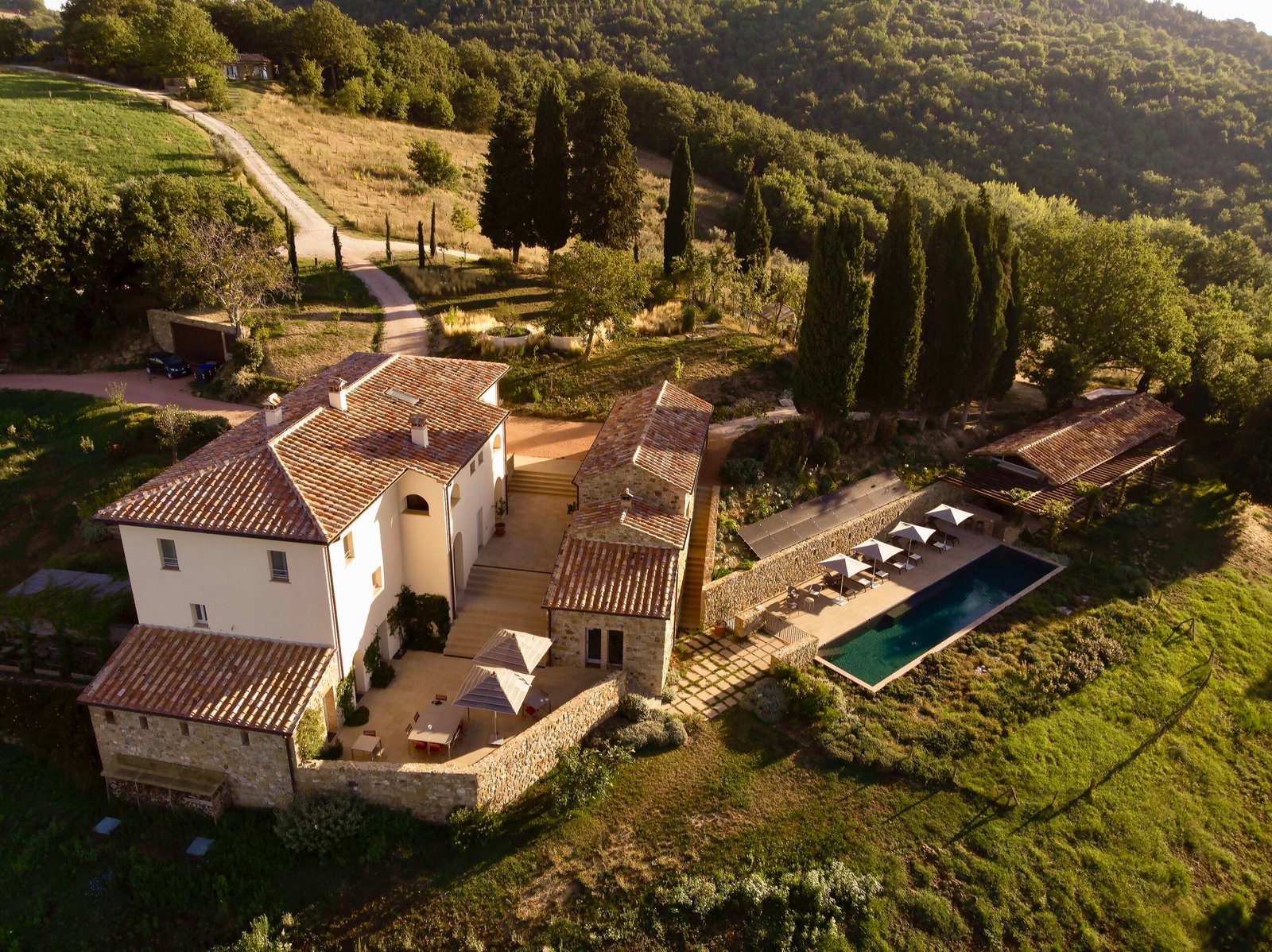
Le Sanctuaire pour l'Âme – l'Expérience VIP – Italie, Toscane
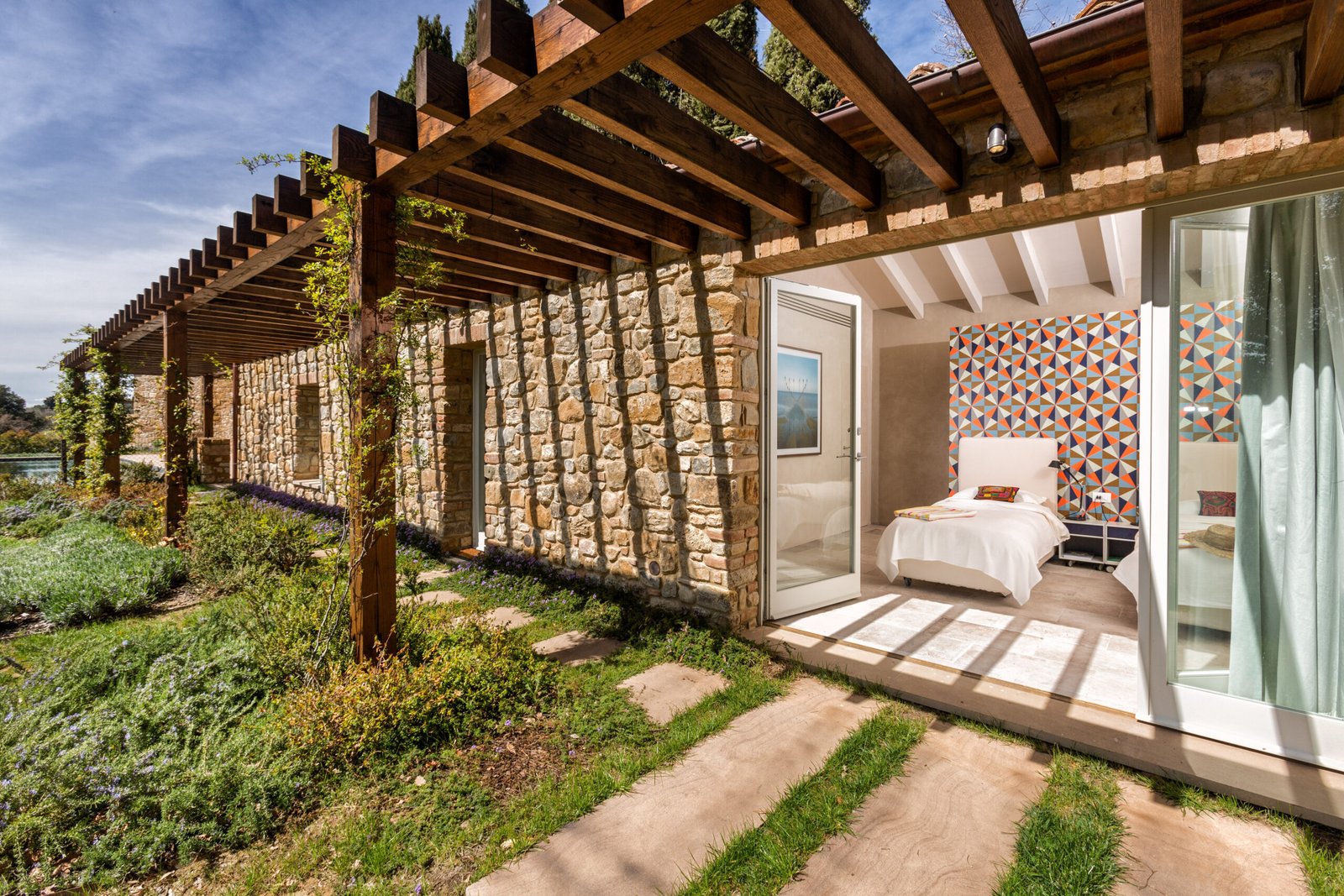
La Retraite de la Terre Douce – Italie, Toscane
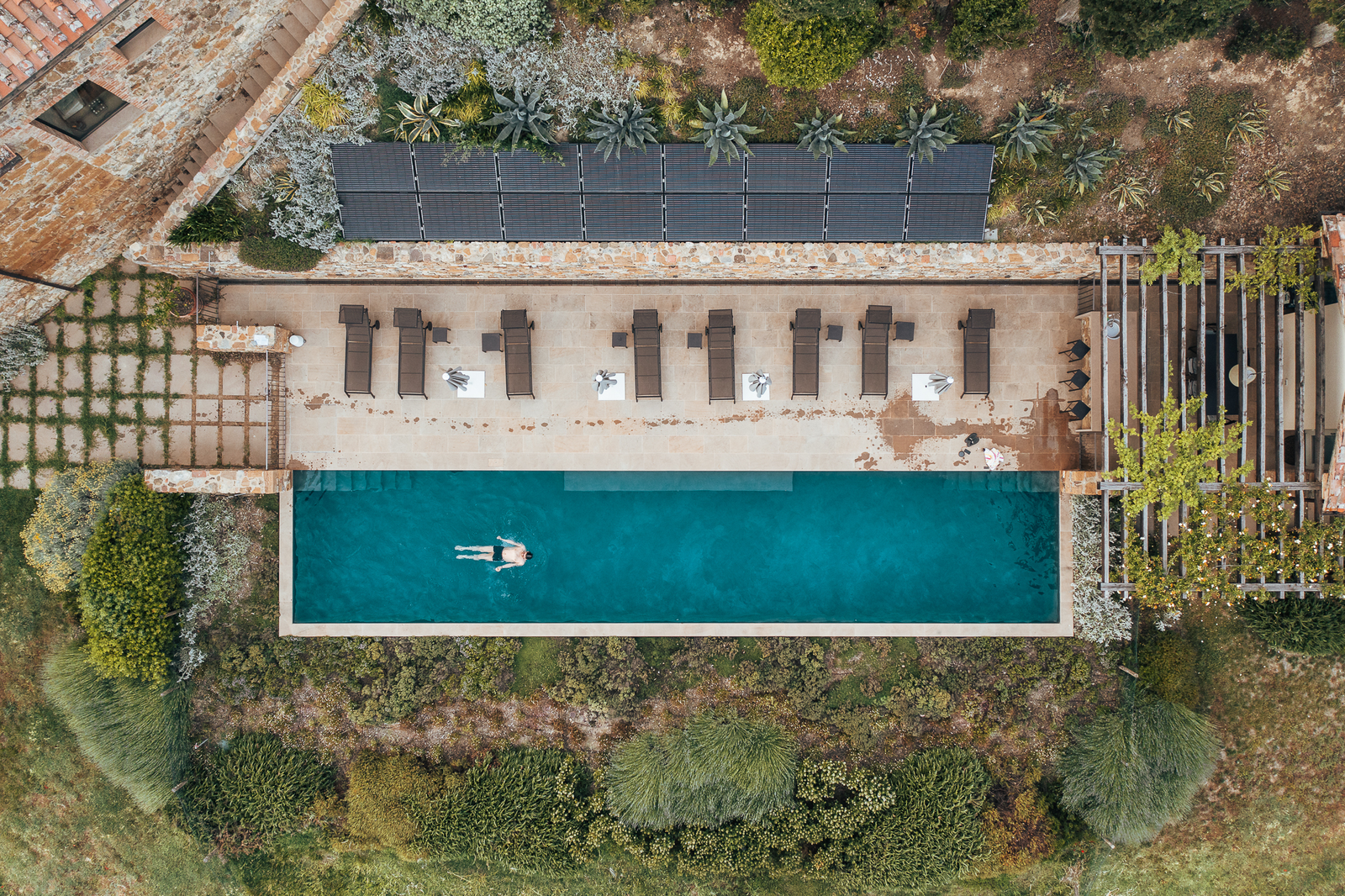
Sous le Soleil de Toscane : une expérience transformative de yoga, de photographie et de saveurs. Italie, Toscane
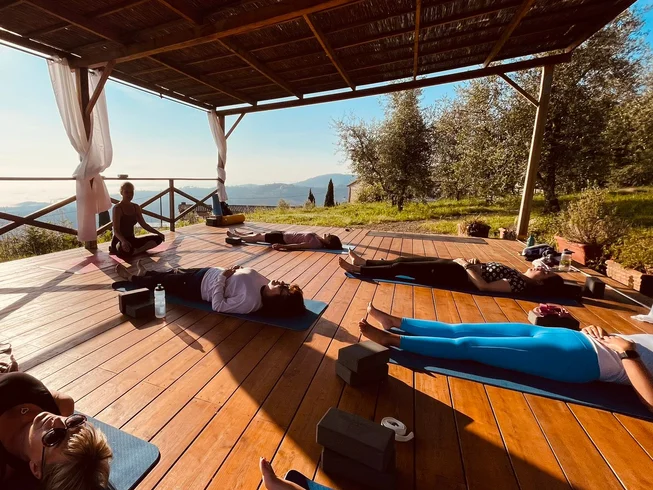
7 Jours de Yoga, Relaxation, Dégustation de Vin et Huile d'Olive au Cœur de la Toscane, Italie
Retraite privée pour couples de 5 jours L'art de la connexion en Sardaigne, Italie
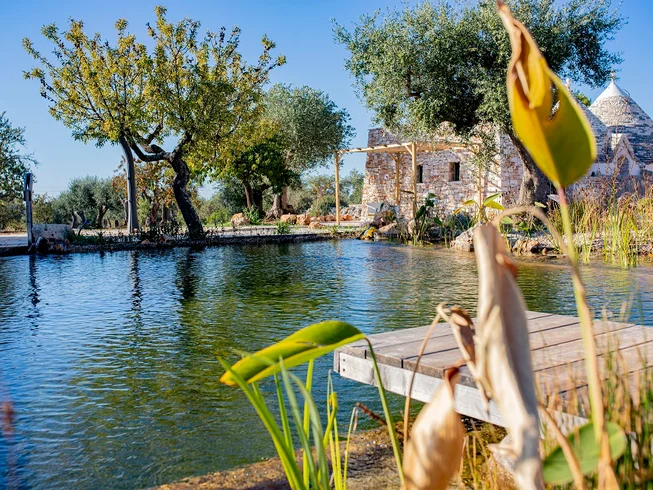
Stage de cuisine italienne, circuit et yoga de 7 jours dans les Pouilles, Italie
The Discipline of Care
Care, in Italy, isn’t a sentiment. It’s a discipline.
It’s how you cook, how you restore a fresco, how you greet a stranger. It’s doing the same thing daily, not for perfection but for presence.
The baker’s precision at dawn, the barista’s ritual of tamping espresso, the grandmother’s patience with tomato sauce — all small devotions in disguise. This is mindfulness at its most humble: an invisible, unheroic kind of grace.
And it’s the same rhythm that underpins the best wellness retreats in Italy —
where healing isn’t a spectacle but a return to daily attentiveness: breathing well, eating with gratitude, resting without guilt.
Care becomes the invisible architecture of peace.
The Aesthetics of Slowness
Italian craft resists haste.
A leather bag takes weeks.
A painting, months.
An olive tree, decades before its fruit truly matures.
This isn’t inefficiency — it’s reverence for process.
Every delay is an act of love: the time it takes for dough to rise, for marble to reveal its line, for the hand to learn when to stop.
In a culture addicted to speed, this patience feels radical. It redefines value: not by how quickly something is finished, but by how much attention it holds.
That’s what yoga teaches, too — that breath is time, and attention is art. To move slowly is not to fall behind; it’s to inhabit the moment fully enough to shape it.
Contemplation as a Way of Making
To create here is to contemplate. Every true craftsperson — the winemaker, the weaver, the carpenter — practises stillness through motion.
They listen more than they act.
To the sound of their tools, the resistance of material, the subtle point where effort meets surrender.
It’s not unlike meditation. You return each day to the same seat, the same breath, the same clay — until the repetition itself becomes revelation.
In that rhythm, something profound happens: you stop distinguishing between the maker and the made.
Between doing and being. Between self and the world.
That’s not philosophy — it’s embodiment. And Italy has been embodying it for centuries.
To create here is to contemplate. Every true craftsperson — the winemaker, the weaver, the carpenter — practises stillness through motion.
They listen more than they act.
To the sound of their tools, the resistance of material, the subtle point where effort meets surrender.
It’s not unlike meditation. You return each day to the same seat, the same breath, the same clay — until the repetition itself becomes revelation.
In that rhythm, something profound happens: you stop distinguishing between the maker and the made.
Between doing and being. Between self and the world.
That’s not philosophy — it’s embodiment. And Italy has been embodying it for centuries.
The Imperfection That Holds Everything Together
The more you look, the more you see that Italian beauty is built on imperfection.
Tiles misalign, colors fade unevenly, paint chips — and yet nothing feels broken.
The Japanese call this wabi-sabi, but Italy has its own version: sprezzatura — the effortless grace born from not forcing anything to be flawless.
It’s the moment the artisan stops polishing, trusting that the small flaw gives life.
The same happens in yoga — when a pose finally stops being a shape and becomes a breath.
Perfection exhausts; imperfection endures. Because it leaves room for air, light, and humanity to enter.
Living Like an Artisan
To live like an Italian artisan is to live inside your senses. To wake early, open the window, and let the air decide the day’s pace.
To measure time not in minutes but in the drying of paint, the scent of bread, the changing quality of light.
It’s not about producing less, but about producing meaning.
And that’s the secret behind every truly transformative retreat, whether it’s held in a monastery or a villa —
it doesn’t aim to fix you; it invites you to live with more care, to shape your hours like clay until they fit your hands again.
The Sacred Ordinary
In the end, craft is simply the art of caring long enough for something to reveal its soul.
That could be a painting, a loaf of bread, or your own breath.
Italy teaches that contemplation doesn’t belong to temples or studios; it belongs to the everyday.
To the kitchen, the garden, the body in motion.
It’s what yoga and wellness retreats in Italy quietly remind us of — that to live beautifully is not to seek enlightenment elsewhere, but to keep shaping your days with the same tenderness you’d give to anything you love.
Maybe that’s the final craft worth mastering: to make a life that feels handmade.
FAQs: On Craft, Care, and Contemplation
1. What is the main idea behind “On Craft, Care, and Contemplation”?
- The article suggests that in Italy, craft is a form of mindfulness, where repetition, touch, and attention turn everyday work into a contemplative practice.
2. How does craft connect to yoga in this article?
- It connects through presence and embodiment, showing that both yoga and craftsmanship ask you to trust the body, return to practice, and stay with the act itself rather than chase perfection.
3. What does the article say about care?
- It presents care as a discipline rather than a feeling, something expressed through small daily rituals like cooking, preparing coffee, restoring beauty, and giving full attention to simple actions.
4. Why is slowness so important in the piece?
- Because the article treats slowness as a form of reverence, where time, patience, and process give meaning to what is being made and help you inhabit the present more fully.
5. What role does imperfection play in the article?
- Imperfection is shown as part of what makes beauty feel alive, human, and breathable, both in Italian craft traditions and in the way yoga becomes more meaningful when it stops being about flawless form.
6. What is the deeper wellness message of the article?
- The deeper message is that contemplation does not belong only to retreats or formal practice, but can be woven into daily life through attention, rhythm, and the way you shape your hours with care.
Partagez vos pensées
Votre adresse e-mail ne sera pas publiée. Les champs obligatoires sont indiqués par un *