
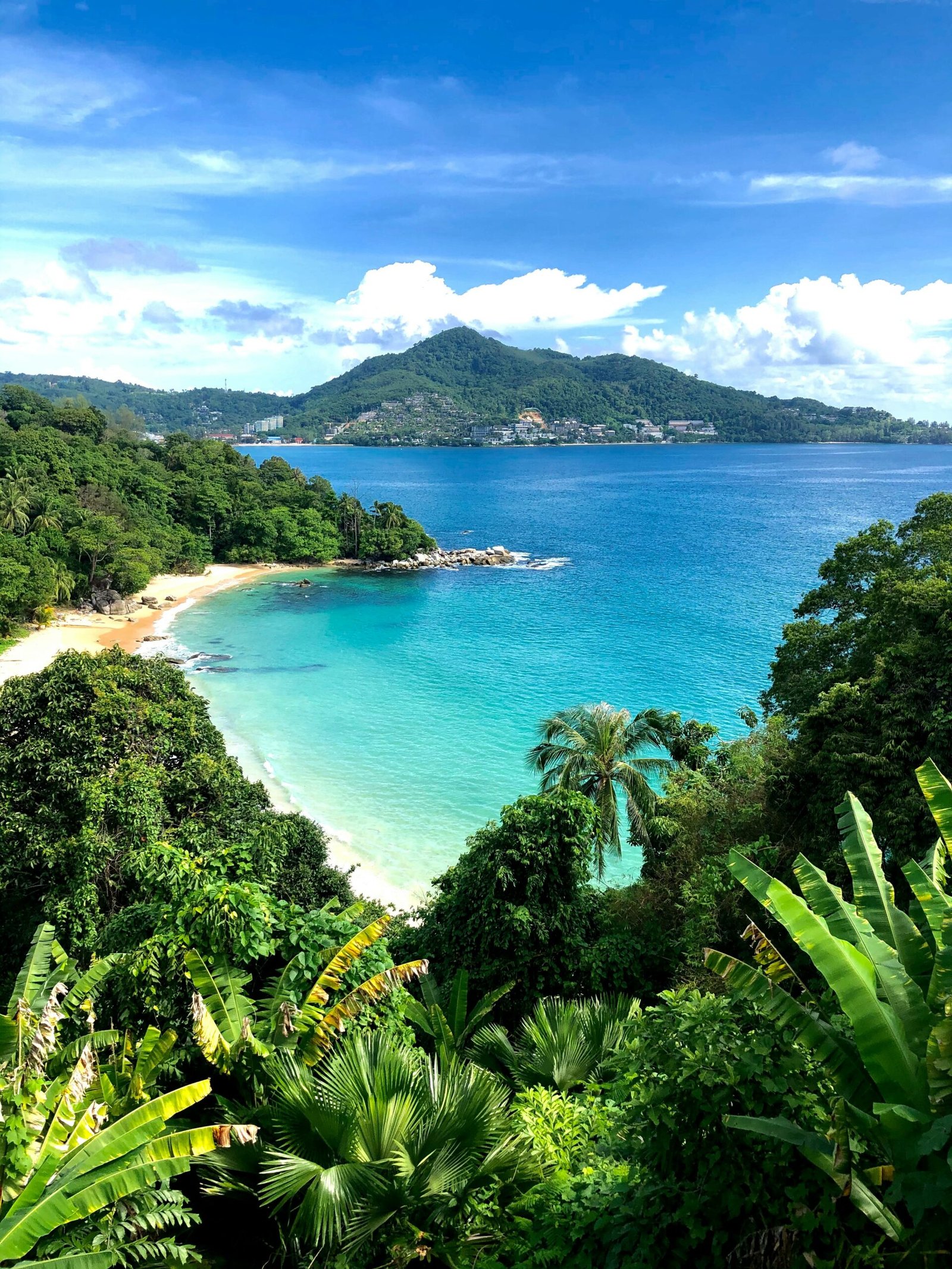
La Thaïlande est l'une des destinations de retraite de yoga les plus complètes d'Asie, car elle réunit les traditions de méditation bouddhiste, le massage thaïlandais, des îles tropicales, des sanctuaires de montagne et un excellent rapport qualité-prix. Que vous soyez attiré par l'atmosphère spirituelle et paisible de Chiang Mai, la communauté dynamique de yoga de Koh Phangan, le luxe raffiné de Koh Samui ou l'offre bien-être accessible de Phuket, la Thaïlande vous permet de trouver la retraite qui correspond exactement à vos besoins en matière de ressourcement, de pratique et d'environnement.


La Thaïlande s'est forgée une réputation de destination bien-être de premier plan en Asie, offrant une expérience que peu d'autres pays peuvent égaler : La fusion parfaite de traditions de guérison ancestrales, d'une nature d'une beauté époustouflante, d'un enseignement du yoga de classe mondiale et d'un rapport qualité-prix exceptionnel. Des montagnes recouvertes de jungle de Chiang Mai aux eaux turquoise qui entourent Koh Samui, les retraites de yoga et de bien-être en Thaïlande offrent des expériences transformatrices à travers des paysages et des philosophies variés.
Ce qui distingue la Thaïlande, ce ne sont pas seulement ses plages dignes d'une carte postale ou son luxe abordable, c'est la profondeur de sa culture de la guérison, profondément ancrée dans la société thaïlandaise. Le massage thaï traditionnel, les pratiques de méditation bouddhistes, la médecine à base de plantes et les enseignements spirituels s'y épanouissent depuis des siècles., Créer une véritable infrastructure de bien-être qui dépasse largement le tourisme de spa superficiel. En participant à des retraites de yoga et de bien-être en Thaïlande, vous vous connectez à de véritables traditions de guérison auxquelles les locaux eux-mêmes s'appuient.
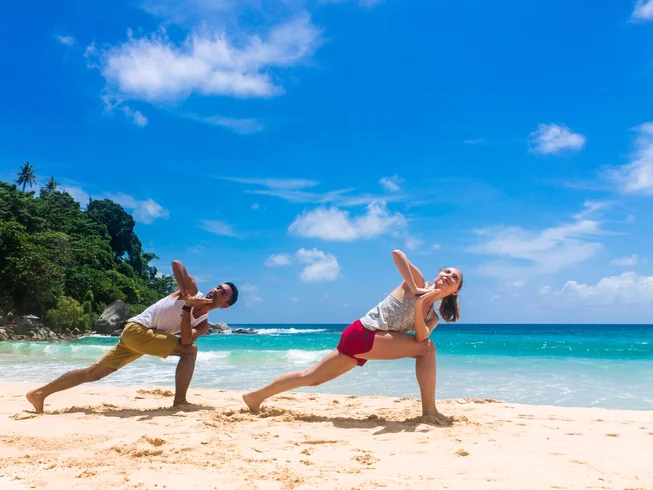
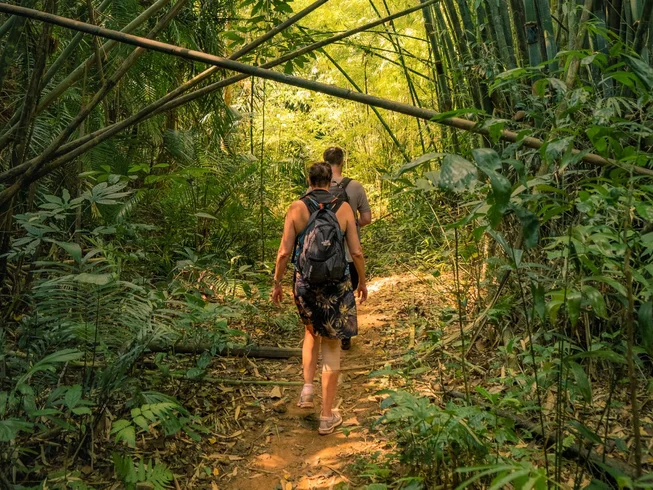
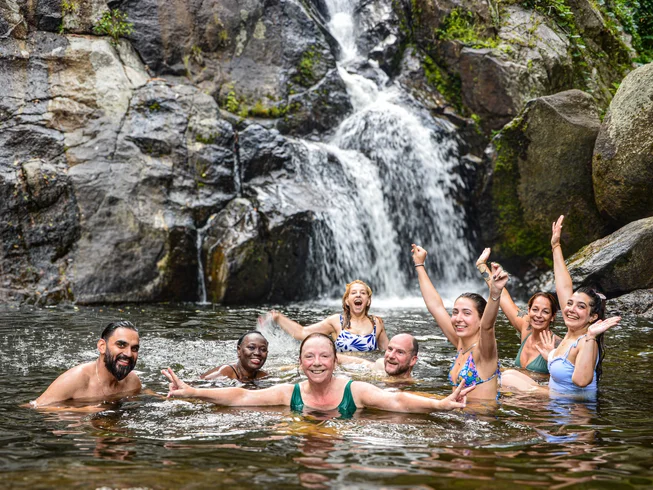
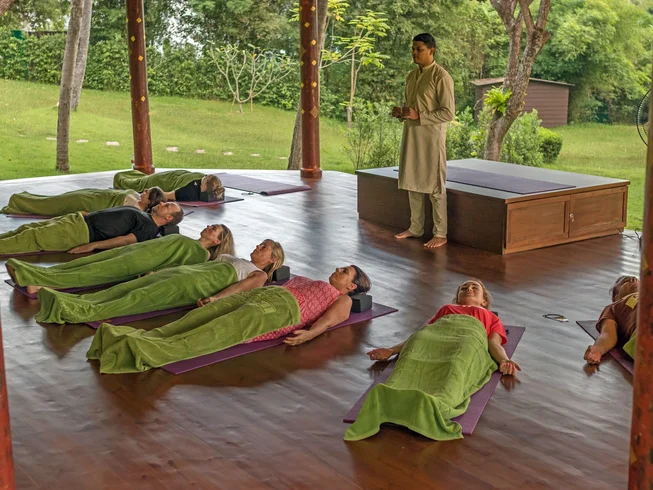
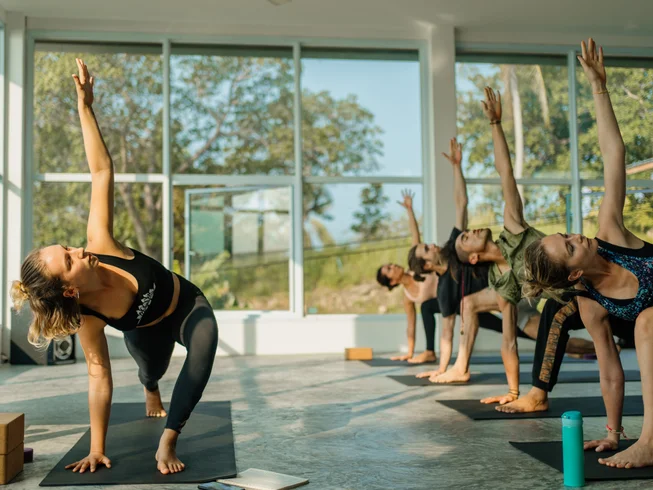
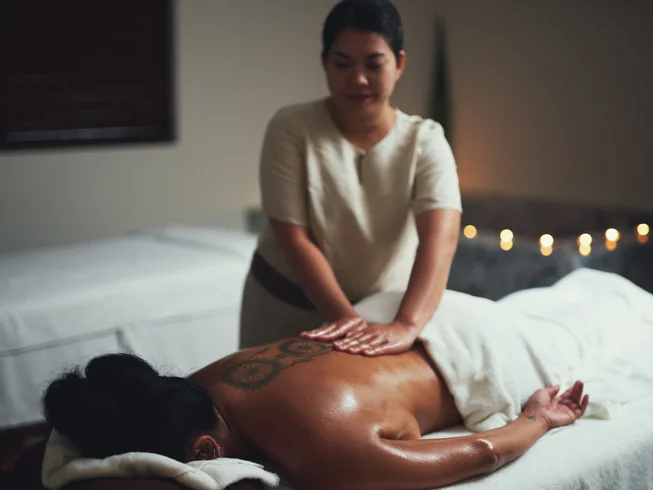
La culture du bien-être en Thaïlande n'est pas importée d'Occident et réemballée sous une esthétique exotique ; elle est profondément ancrée dans la philosophie bouddhiste, la médecine traditionnelle thaïlandaise et des siècles de pratique. Dans n'importe quel quartier, vous trouverez des salons de massage où des praticiens formés dans des écoles agréées par l'État prodiguent des soins à des locaux pour 1 TP4T10, alors qu'ailleurs, cela coûterait 1 TP4T150. Les temples bouddhistes accueillent les visiteurs pour une véritable pratique de la méditation, et non pour des spectacles destinés aux touristes. La médecine traditionnelle à base de plantes que les Occidentaux découvrent dans les centres de bien-être est celle que les grands-mères thaïlandaises utilisent depuis des générations.
L'environnement naturel devient partie intégrante du processus de guérison. Pratiquez le yoga au lever du soleil face aux montagnes brumeuses du nord. Méditez au son des vagues sur les plages immaculées du sud. Marchez dans des jungles ancestrales où l'air lui-même est un véritable baume. Détoxifiez-vous sous une chaleur tropicale où la transpiration est une expérience purificatrice, bien plus qu'un simple désagrément. En Thaïlande, les paysages favorisent la transformation, bien au-delà d'un simple décor idyllique.
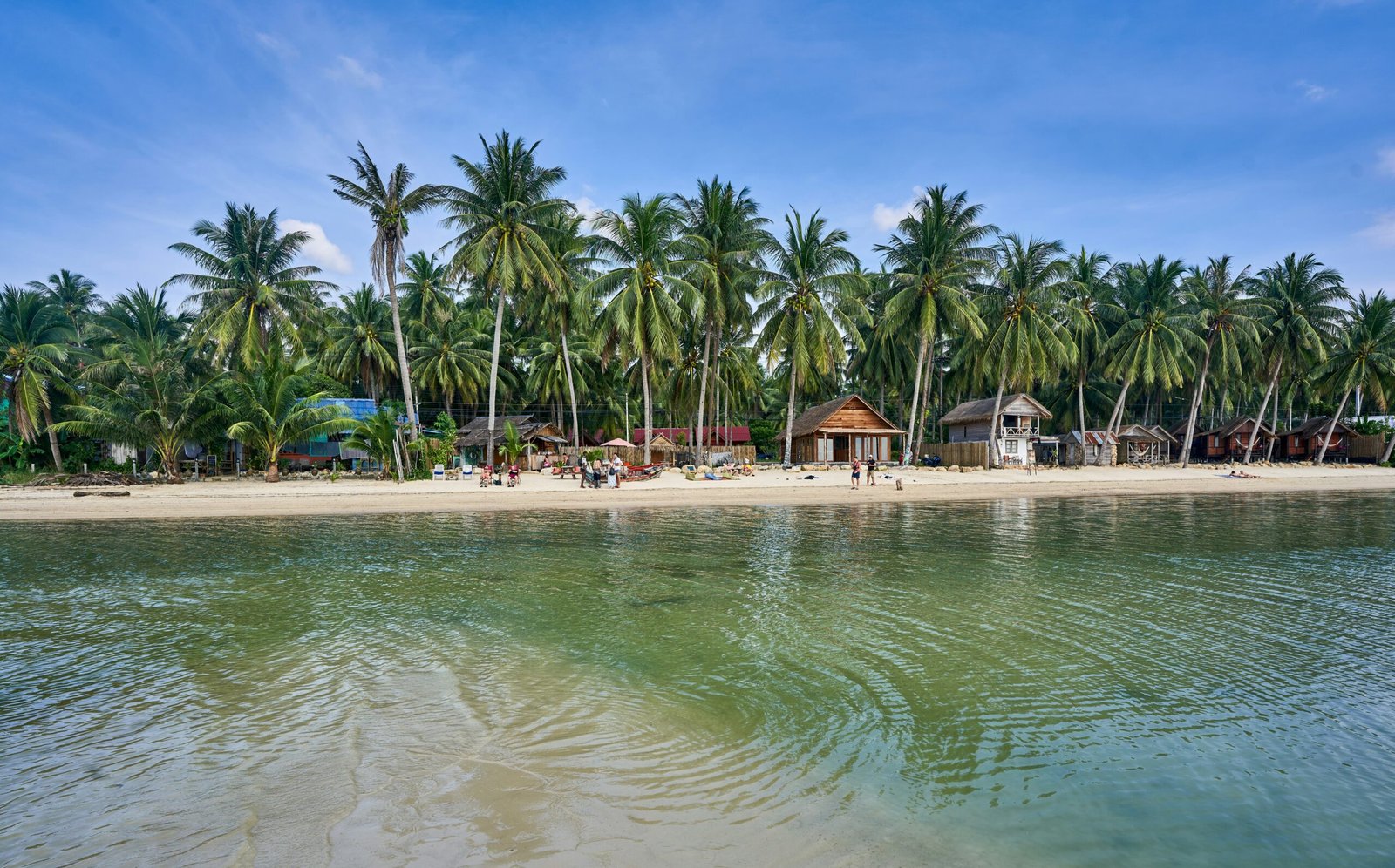
La proposition de valeur reste presque absurde. Une retraite d'une semaine avec hébergement, repas, yoga quotidien, soins spa et excursions pourrait coûter entre 1 400 000 et 1 500 000 £ selon le niveau de luxe.— des expériences qui coûteraient entre 1 500 et 4 000 £ à Bali, en Europe ou en Amérique du Nord. Ce tarif rend les séjours bien-être prolongés véritablement accessibles, au lieu de les réserver aux plus fortunés.
Thaïlande du Nord — Montagnes et Culture
Chiang Mai et Pai offrent ce que les destinations balnéaires ne peuvent égaler : la fraîcheur du climat montagnard, la profondeur de la culture bouddhiste et cette énergie contemplative et apaisante propre à l’altitude et à la jungle, loin des plages de sable fin et de l’océan. Chiang Mai allie des centaines de temples anciens à une communauté internationale dynamique dédiée au bien-être, d’excellents cafés et des infrastructures qui rendent les longs séjours confortables. La ville attire les nomades numériques en quête de retraites d’un mois, les pratiquants assidus de la méditation et tous ceux qui recherchent le bien-être sans sacrifier les commodités urbaines.
À trois heures de route, Pai offre une sérénité montagnarde bohème chic dans une petite ville qui attire les voyageurs au long cours, les artistes et les personnes en quête de bien-être à petit budget. Sources thermales, vues imprenables sur la vallée, dizaines de studios de yoga et une ambiance résolument décontractée font de Pai une destination idéale pour ceux qui souhaitent se ressourcer à moindre coût dans un cadre social et créatif.
Meilleur moment : De novembre à février, le temps est frais et agréable. De mars à mai, il fait extrêmement chaud. De juin à octobre, il pleut quotidiennement l'après-midi, mais les paysages sont d'un vert luxuriant.
Îles du Golfe – Centre de bien-être balnéaire
Koh Samui, Koh Phangan et Koh Tao représentent la zone de tourisme de bien-être la plus développée de Thaïlande, avec des options allant des hébergements à petit budget pour routards à l'ultra-luxe.
Koh Samui L'hôtel offre un cadre raffiné : aéroport international, restaurants haut de gamme, infrastructures adaptées aux familles et Kamalaya, l'un des sanctuaires de bien-être les plus réputés d'Asie. C'est l'endroit idéal pour une expérience de bien-être soignée et professionnelle, en toute simplicité.
Koh Phangan L'île est considérée comme la capitale officieuse du yoga en Thaïlande, avec ses dizaines de studios, de centres de retraite et sa dynamique communauté internationale de bien-être. Haad Salad offre une ambiance paisible et familiale. Srithanu se concentre sur le yoga en profondeur. Haad Rin organise chaque mois une Full Moon Party, à laquelle vous pouvez participer ou non, selon les objectifs de votre retraite. L'île propose une combinaison rare : des programmes de grande qualité à des prix étonnamment abordables.
Koh Tao Koh Tao s'adresse tout particulièrement aux plongeurs, proposant une combinaison originale d'exploration sous-marine et de pratique du yoga – une forme de méditation sous les vagues. Plus petite et plus calme que ses voisines, Koh Tao séduit surtout les jeunes voyageurs en quête de bien-être à petit prix dans un cadre intimiste.
Meilleur moment : De décembre à août, généralement excellent ; évitez octobre et novembre, période où la mousson est la plus forte.
Côte d'Andaman — Une beauté spectaculaire
La côte de la mer d'Andaman offre les paysages les plus spectaculaires de Thaïlande : d'imposantes falaises calcaires surgissant d'eaux turquoise, des lagons cachés et des couchers de soleil à couper le souffle, presque irréels. L'atmosphère y est différente de celle du golfe du Mexique, façonnée par des paysages grandioses plutôt que par des plages de sable fin.
Phuket Cette région, facilement accessible grâce à son aéroport international majeur, offre un large éventail d'activités, des soirées animées à éviter (Patong) aux plages tranquilles du nord, idéales pour le bien-être. On y trouve plusieurs spas de complexes hôteliers cinq étoiles ainsi que des centres de retraite plus modestes.
Koh Lanta Elle conserve une atmosphère décontractée et préservée, avec de longues plages où l'on peut s'étendre en toute tranquillité. Une petite communauté de yoga, très engagée, gère des centres de retraite de qualité dans un cadre véritablement paisible.
Krabi continental et notamment la plage de Railay, qui met en valeur ces célèbres falaises calcaires – pratiquez le yoga sur des plateformes surplombant des formations karstiques spectaculaires, accessibles uniquement par bateau, créant un isolement naturel propice à un travail de retraite intensif.
Meilleur moment : De novembre à avril, c'est la saison sèche ; évitez la période de juin à octobre, lorsque la mousson du sud-ouest apporte de fortes pluies.
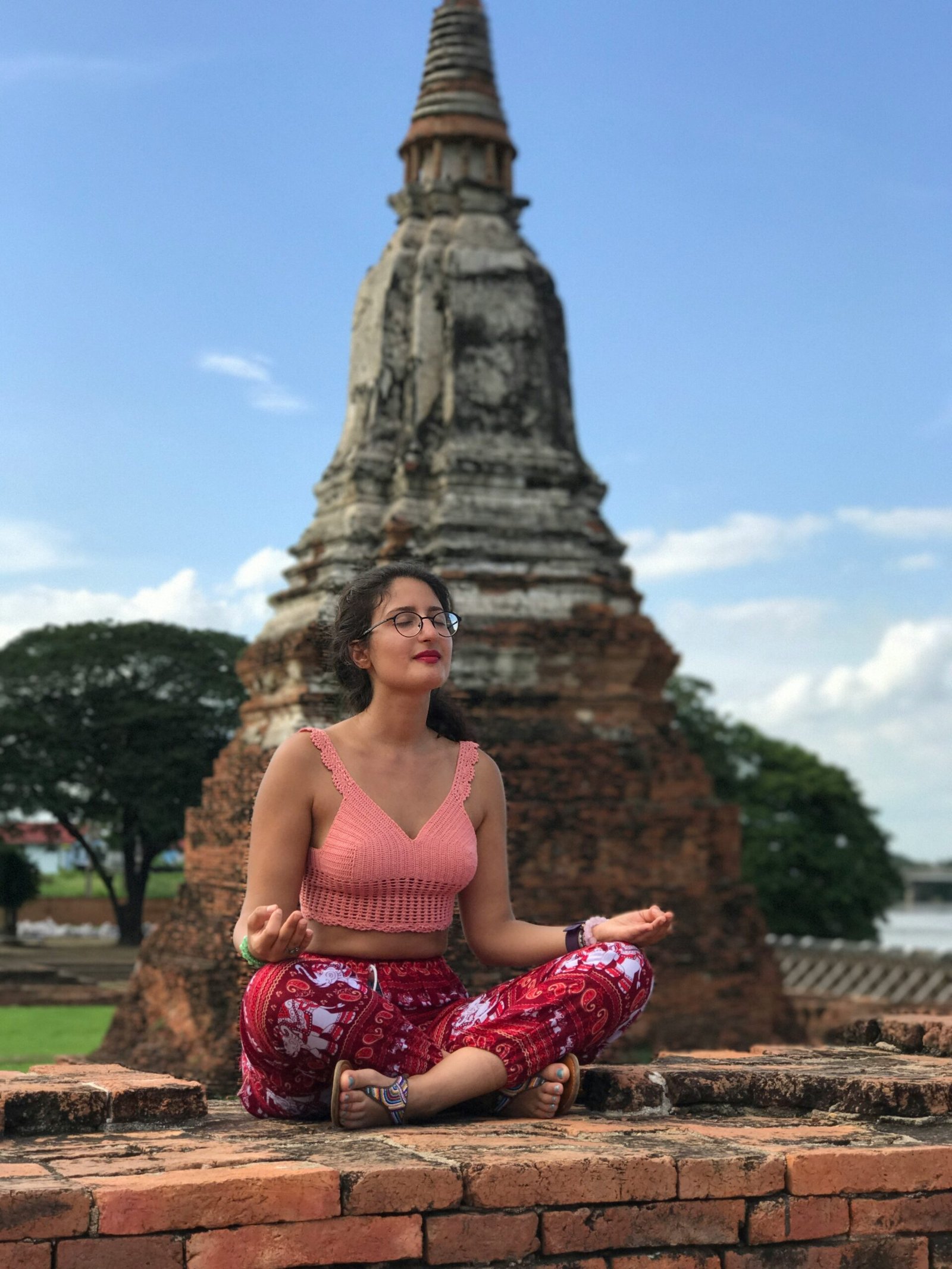
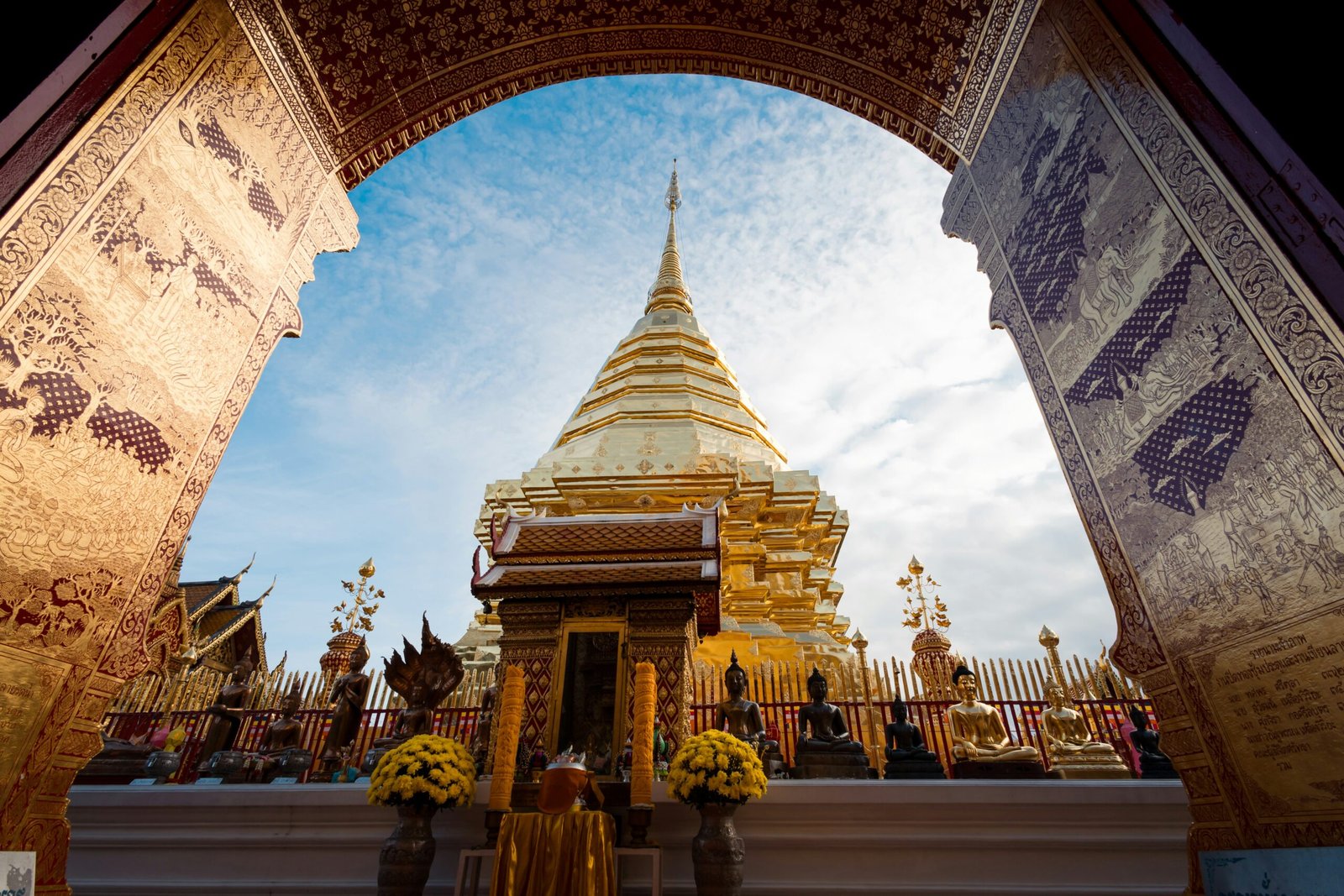
La Thaïlande offre une grande diversité d'activités de bien-être adaptées à tous les besoins et à tous les budgets. Les retraites de yoga traditionnelles couvrent tous les styles, du Hatha doux à l'Ashtanga intensif, des stages de week-end aux formations de professeurs d'un mois, dans des cadres allant des plateformes en bord de mer aux studios en pleine jungle. Les programmes de méditation vont de l'initiation en toute simplicité aux retraites Vipassana silencieuses de dix jours, qui transforment profondément la pratique.
Les centres de détox et de jeûne, notamment à Koh Phangan, proposent des programmes de purification structurés combinant cures de jus, irrigations du côlon, massages et yoga. Il ne s'agit pas de simples expériences de spa, mais de protocoles rigoureux exigeant un engagement total. écoles de massage thaïlandais Nous accueillons des étudiants pour des formations d'une semaine ou d'un mois, enseignant des techniques ancestrales pratiquées localement. Nos centres de bien-être de luxe proposent des programmes complets où hébergement haut de gamme, repas gastronomiques et sains, soins spa et encadrement d'experts créent des expériences de transformation tout compris.
Cette diversité vous permet de trouver exactement ce qu'il vous faut : ambiance routard à petit budget ou luxe raffiné, pratique intensive ou soins doux, énergie de la plage ou contemplation en montagne, expérience en groupe ou voyage en solitaire. L'offre de bien-être en Thaïlande accueille tout cela sans jugement ni exclusivité.
Comprendre les saisons en Thaïlande
Le climat de la Thaïlande varie suffisamment d'une région à l'autre pour que certaines offrent de bonnes conditions presque toute l'année, mais comprendre les tendances est extrêmement utile.
De novembre à février Cette saison correspond à ce que les Thaïlandais appellent la “ saison fraîche ” : des températures agréables de 25 à 30 °C, peu de pluie et un soleil radieux. C’est aussi la haute saison touristique, avec une affluence maximale et des prix élevés. Il est conseillé de réserver 2 à 4 mois à l’avance pour les séjours les plus prisés. C’est la période idéale pour une première visite en Thaïlande et pour ceux qui privilégient la stabilité du climat à la flexibilité budgétaire.
De mars à mai La chaleur pré-mousson s'intensifie progressivement : agréable début mars, elle devient véritablement difficile à supporter fin avril. L'affluence touristique diminue considérablement, les prix baissent de 20 à 40 % et cette chaleur favorise la détoxification grâce à une transpiration accrue. Idéal pour les voyageurs supportant la chaleur et les visiteurs soucieux de leur budget, prêts à privilégier les économies au confort. Mi-avril a lieu Songkran, la fête de l'eau la plus importante de Thaïlande.
De juin à octobre La saison de la mousson commence, mais sa signification varie selon les régions. Dans le nord de la Thaïlande, il pleut quotidiennement l'après-midi, mais les activités y restent possibles. Sur la côte d'Andaman, les pluies sont abondantes et de nombreux commerces ferment leurs portes. Les îles du Golfe connaissent une mousson plus légère et plus stable. Les prix atteignent leur niveau le plus bas, entre 40 et 601 TP3T en dessous de la haute saison. C’est à ce moment-là que vous accédez à la Thaïlande authentique, sans l’influence touristique, même si cette authenticité se gagne au travers des aléas climatiques.
L'idée clé : lorsque les îles du Golfe connaissent des pluies, la côte d'Andaman peut être sèche, et inversement. La géographie de la Thaïlande crée des microclimats que les voyageurs avertis apprennent à maîtriser.
1. Pourquoi choisir la Thaïlande pour une retraite de yoga ?
2. Quelles sont les meilleures régions de Thaïlande pour une retraite de yoga ?
3. Quel est le meilleur moment pour partir en retraite de yoga en Thaïlande ?
4. La Thaïlande est-elle une bonne destination pour les débutants ?
5. Quel budget dois-je prévoir pour une retraite en Thaïlande ?
6. Qu'est-ce qui distingue la Thaïlande des autres destinations de retraite ?
Votre adresse e-mail ne sera pas publiée. Les champs obligatoires sont indiqués par un *