
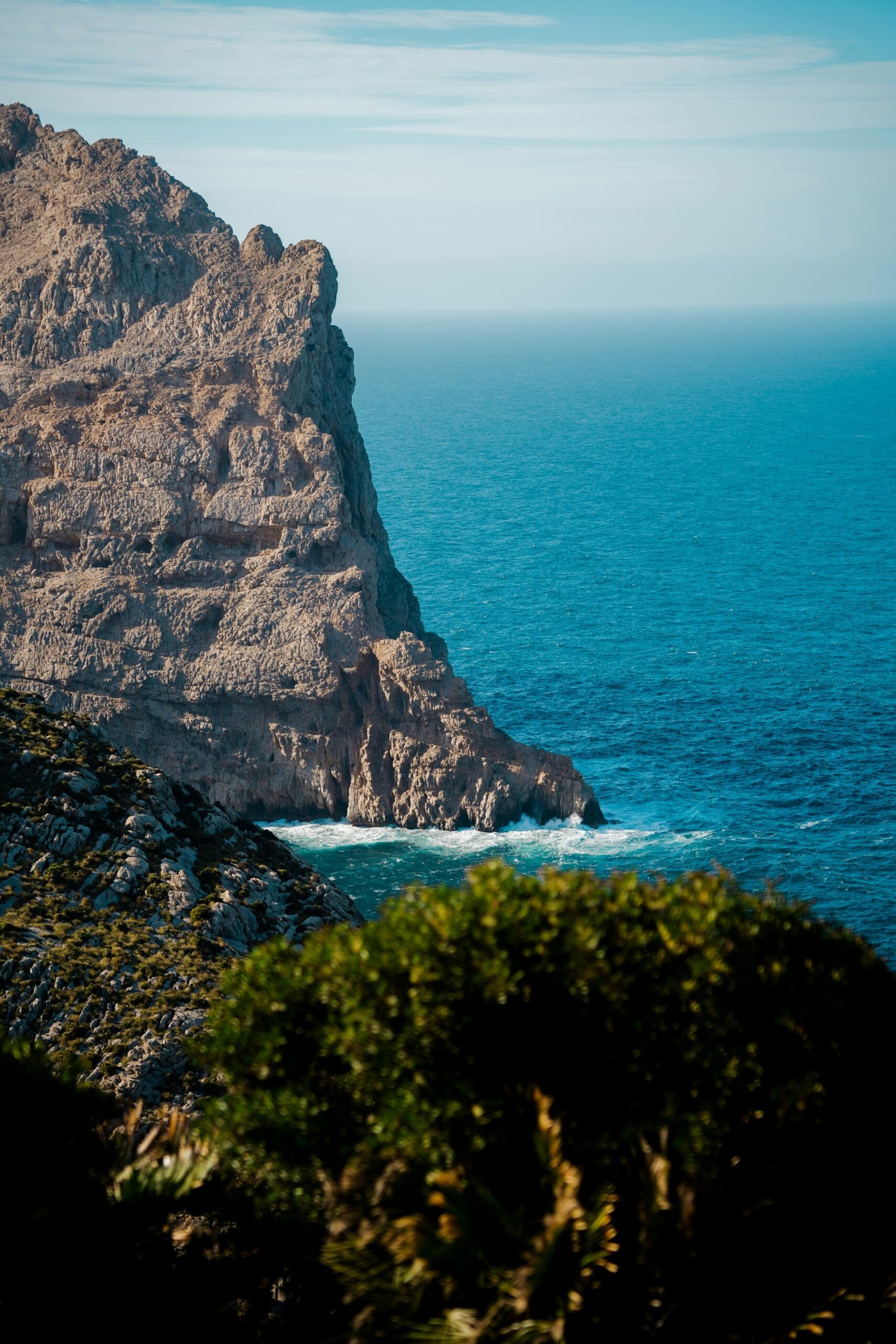
Best Yoga Retreats in Spain for 2026
Spain as a whole works so well for yoga retreats because it offers several very different retreat styles within one country: warm island escapes in the Canaries, whitewashed villages and cultural depth in Andalusia, Mediterranean coastlines for sea-and-sun resets, and calmer inland cities that feel more reflective and grounded. That range makes it easy to shape the trip around what matters most to you, whether that is reliable weather, outdoor practice, cultural immersion, beach time, or better value outside peak summer.
Share This Article


Best Yoga Retreats in Spain for 2026
Spain offers one of Europe’s most diverse and accessible wellness retreat destinations—year-round options spanning subtropical islands to Mediterranean coasts, mountain thermal spas to cultural city centers, with conditions and pricing varying dramatically by season and region. This comprehensive guide helps you navigate Spain’s wellness landscape to find your optimal retreat experience.
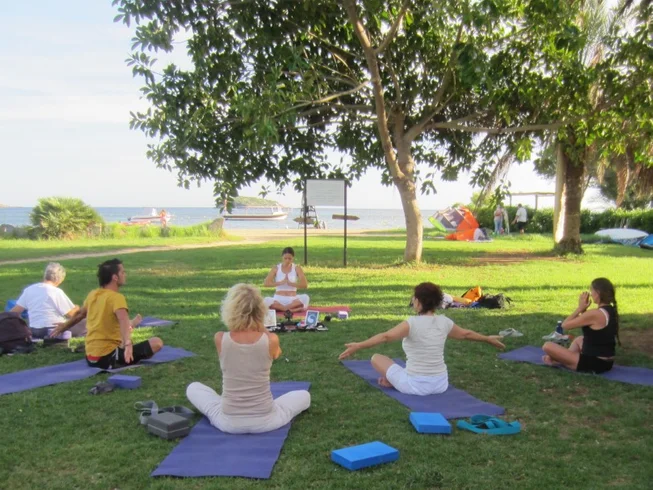
8 Day Private Individual Yoga Holiday in Ibiza, Spain
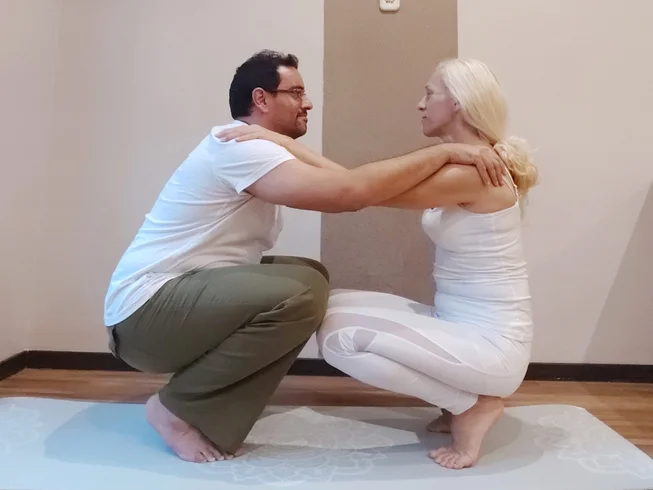
5 Day Private Reconnect Couples Retreat in Benalmádena, Province of Málaga, Spain
8 Day Yoga and Hiking in the Heart of Tramuntana, Spain
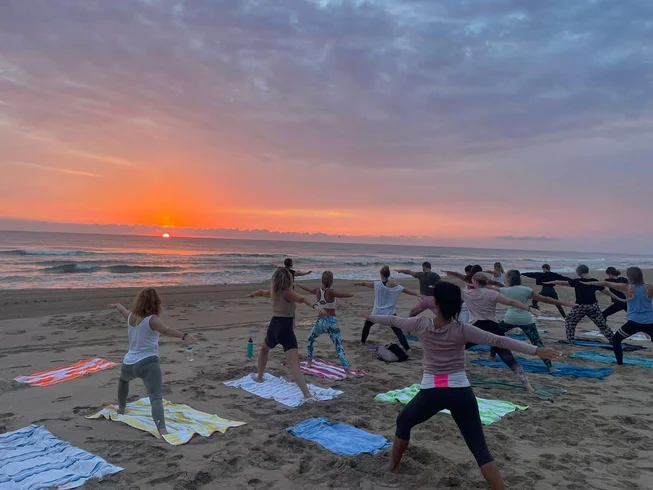
6 Day Mediterranean Beach Yoga Holiday in Valencia, Spain
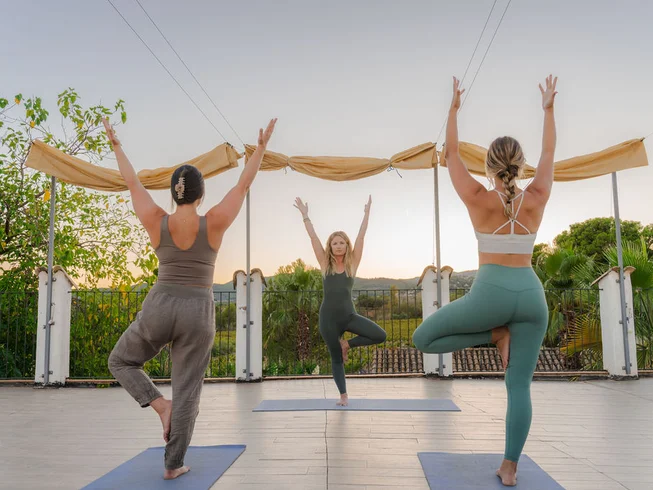
4 Day Chakra Bliss Yoga Retreat with Hike to Waterfalls and Good Food near Barcelona, Spain
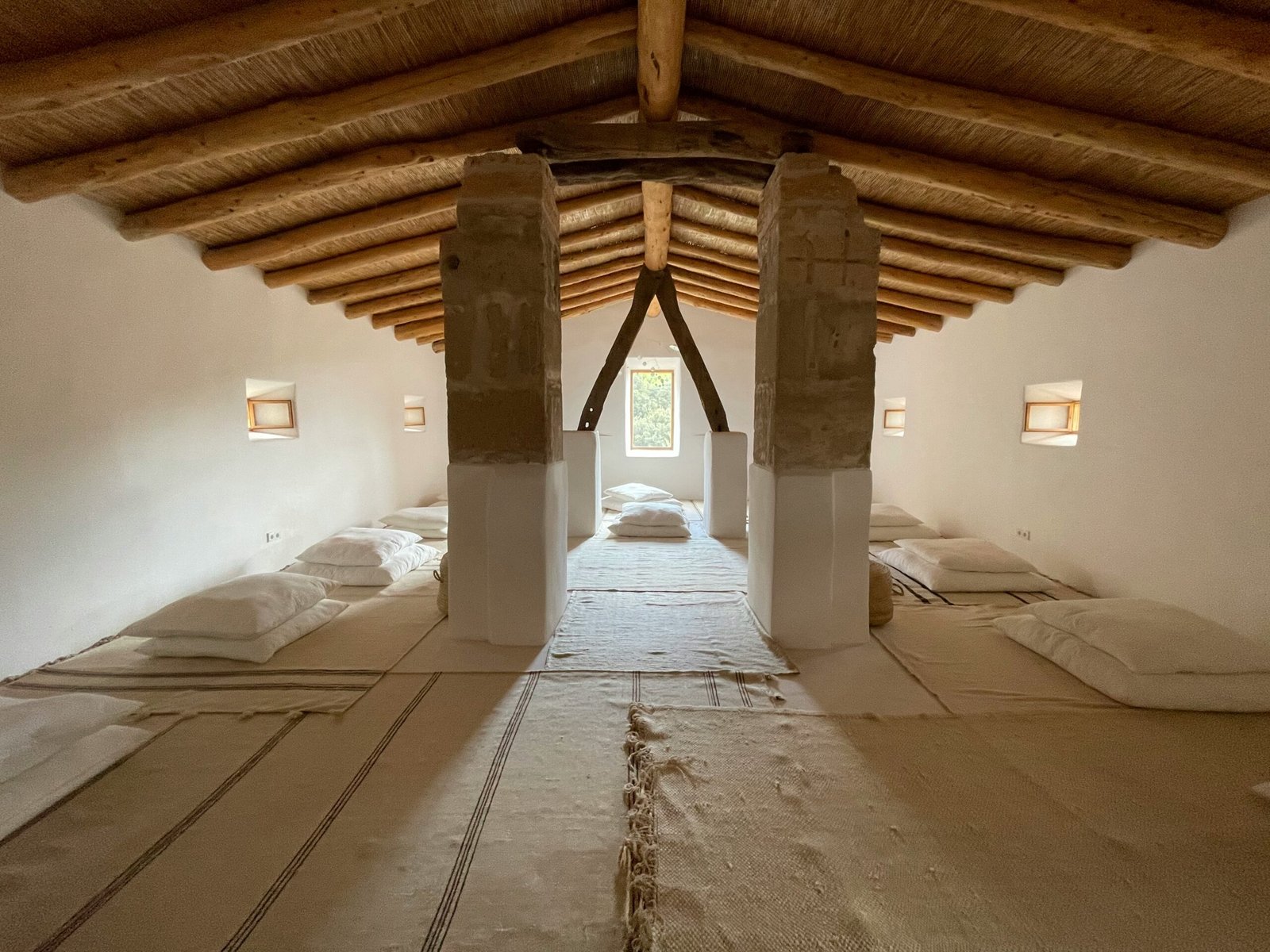
Vegan Yoga retreat, Alicante, Spain
Complete Regional Guide
Canary Islands: Year-Round Sunshine Wellness
Best for: Reliable outdoor yoga, winter sun escapes, volcanic landscapes, beach wellness
The Canaries float in the Atlantic off Africa’s coast, maintaining subtropical “eternal spring” conditions. Tenerife leads wellness infrastructure with Mount Teide volcanic backdrop and diverse microclimates. Lanzarote offers stark volcanic beauty and César Manrique’s architectural integration. Gran Canaria provides microclimate flexibility—if clouds appear on one coast, sunshine awaits 30 minutes away. Fuerteventura appeals to minimalists with endless beaches.
Temperatures range 18-28°C year-round—coolest January-March, warmest July-September—always suitable for outdoor practice. Ocean temperatures 19-24°C allow comfortable swimming most of year. The Canaries solve winter’s outdoor yoga challenge when mainland requires indoor spaces.
Andalusia: Cultural Wellness with Mediterranean Character
Best for: Cultural immersion, historic settings, thermal spa tradition, diverse landscapes
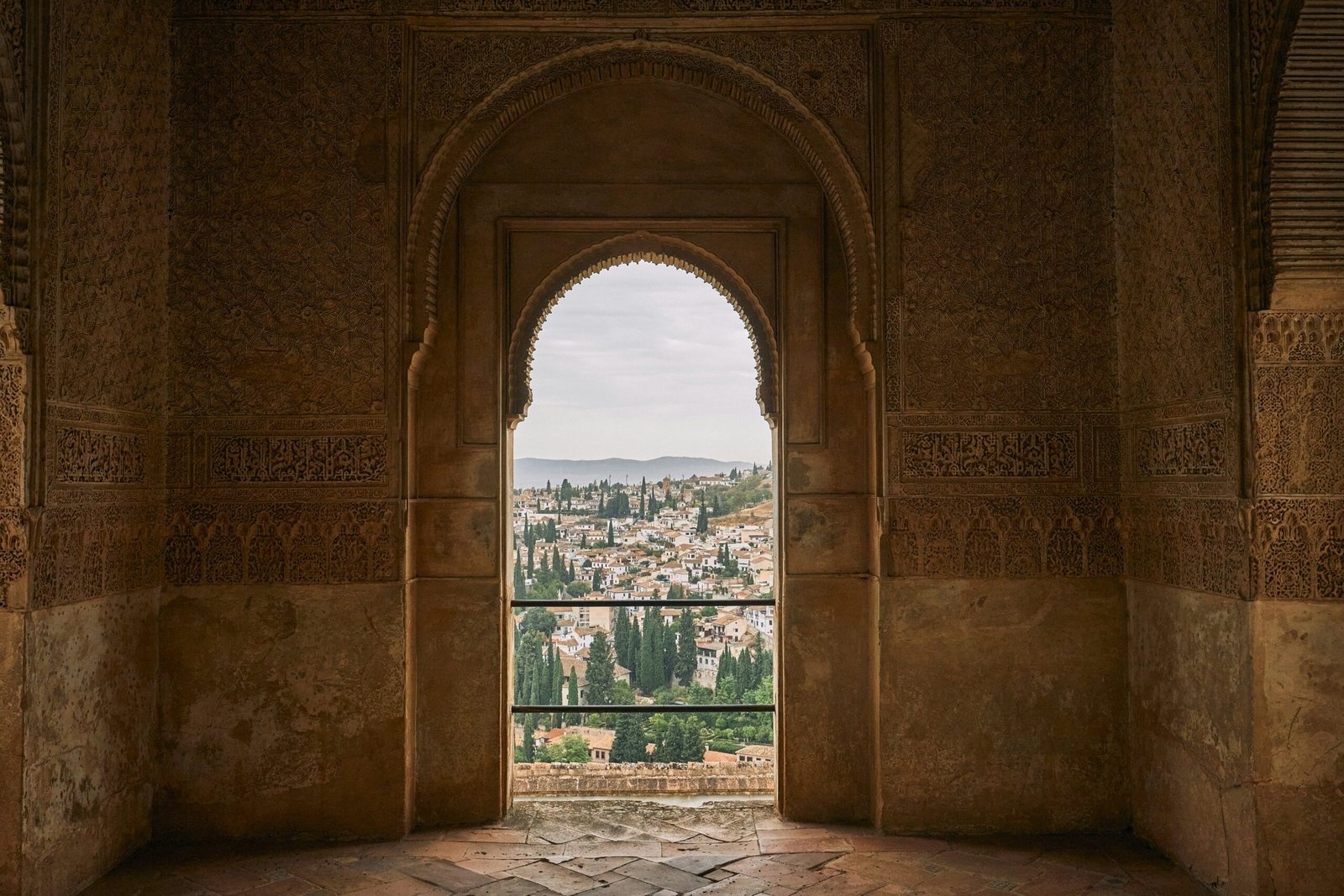
Andalusia embodies Spanish wellness complexity—Moorish heritage evident in historic hammams, Costa del Sol beaches providing Mediterranean access, Sierra Nevada mountains offering dramatic backdrops, whitewashed villages preserving traditional life. Granada’s Alhambra, Seville’s cathedral, Málaga’s urban sophistication, Córdoba’s patios—cultural richness enhances retreat experiences.
Coastal areas (Málaga, Marbella, Cádiz) offer year-round mild conditions—12-30°C depending on season. Inland regions experience greater extremes—comfortable spring/fall, hot summers (35-40°C), cool winters (5-15°C). Spring (April-May) represents Andalusia’s peak—wildflowers, perfect temperatures, cultural festivals.
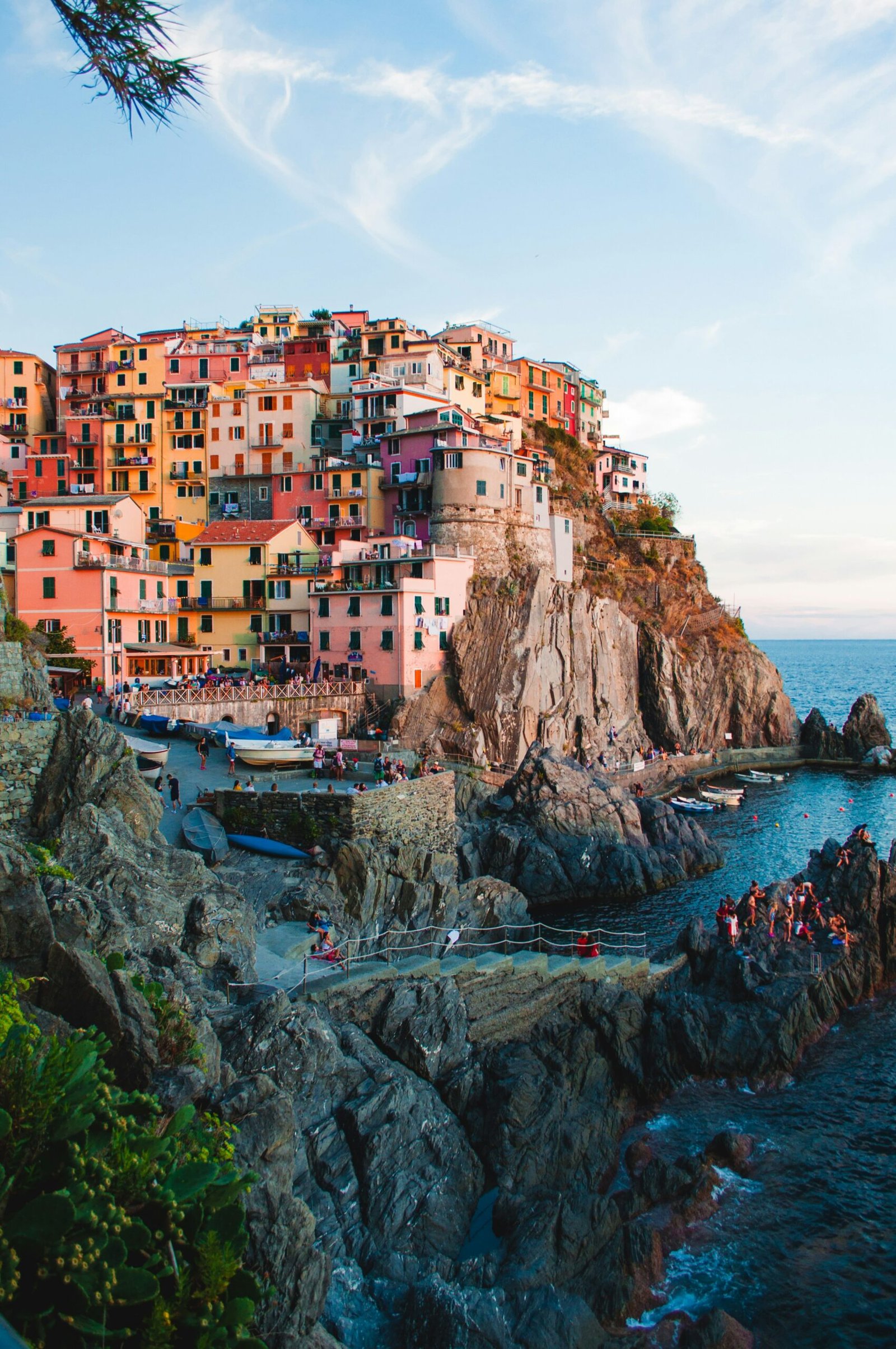
Barcelona and Catalonia: Urban Wellness with Coastal Access
Best for: City-retreat combinations, Gaudí architecture, Costa Brava beauty, thermal spa culture
Barcelona provides sophisticated urban wellness—boutique yoga studios in Gràcia, rooftop practices with city views, healthy Mediterranean dining scene, museums and architecture for cultural balance. The Costa Brava north offers rugged coastline, medieval villages, small wellness centers in historic settings. Catalonia’s thermal spa region around Caldes provides traditional balneario culture.
Climate ranges from cool winters (10-15°C) to warm summers (25-30°C). Late spring through early fall (May-October) offers optimal conditions for combining urban exploration with coastal relaxation.
Valencia and Mediterranean Coast: Accessible Coastal Wellness
Best for: Urban beach combination, healthy food culture, accessible pricing, authentic atmosphere
Valencia balances city sophistication with beach access, famous for healthy paella, fresh market culture, futuristic architecture alongside historic center. The Mediterranean coast south (Alicante, Denia, Costa Blanca) provides smaller-scale alternatives with authentic character. Less touristy than Barcelona or Costa del Sol but excellent infrastructure.
Spring through fall (April-October) delivers optimal conditions—16-32°C, comfortable beaches, manageable crowds outside peak August. Valencia offers excellent value compared to more famous destinations.
Northern Spain: Thermal Spa Culture and Green Landscapes
Best for: Thermal spa experiences, Camino de Santiago, cooler alternatives, Basque cuisine
Basque Country, Cantabria, Asturias, Galicia offer distinctly different Spain—Celtic heritage, green mountains, Atlantic coastline, authentic thermal spa culture, world-class dining (San Sebastián). The Camino de Santiago attracts contemplative wellness seekers. Traditional balnearios provide geothermal heated pools and historic spa treatments.
Cooler than southern Spain—16-26°C summer, 8-16°C winter—with more rainfall. Summer (June-September) provides warmest, driest conditions. Appeals to those seeking Spain’s lesser-known character and embracing cooler weather’s contemplative quality.
Best Times to Visit by Region and Preference
For reliable outdoor yoga year-round: Canary Islands maintain 18-28°C with minimal rain—winter provides unique European sunshine option at 40-50% below summer pricing.
For optimal weather-value-crowd combination: May and September offer sweet spots—comfortable warmth (20-29°C most regions), moderate crowds, 10-30% below peak pricing. May provides spring energy, September maintains summer warmth without overwhelm.
For wildflowers and spring beauty: April peaks in Andalusia and Mediterranean coast—countryside carpeted with blooms, perfect temperatures (18-26°C), 15-25% savings versus summer.
For genuine beach summer: June-August delivers hot temperatures (24-35°C depending on region), warmest seas (22-25°C), extended daylight, but requires heat tolerance, crowd acceptance, and peak pricing.
For cultural festivals: Semana Santa (Easter, March/April), Seville’s Feria de Abril, Valencia’s Las Fallas (March), Carnival (February/March), Córdoba’s Patios Festival (May)—timing varies annually.
For maximum savings and authenticity: January-February and November offer 30-50% below peak with minimal crowds—Canaries maintain outdoor conditions, mainland requires cultural/spa focus.
Types of Retreats Available
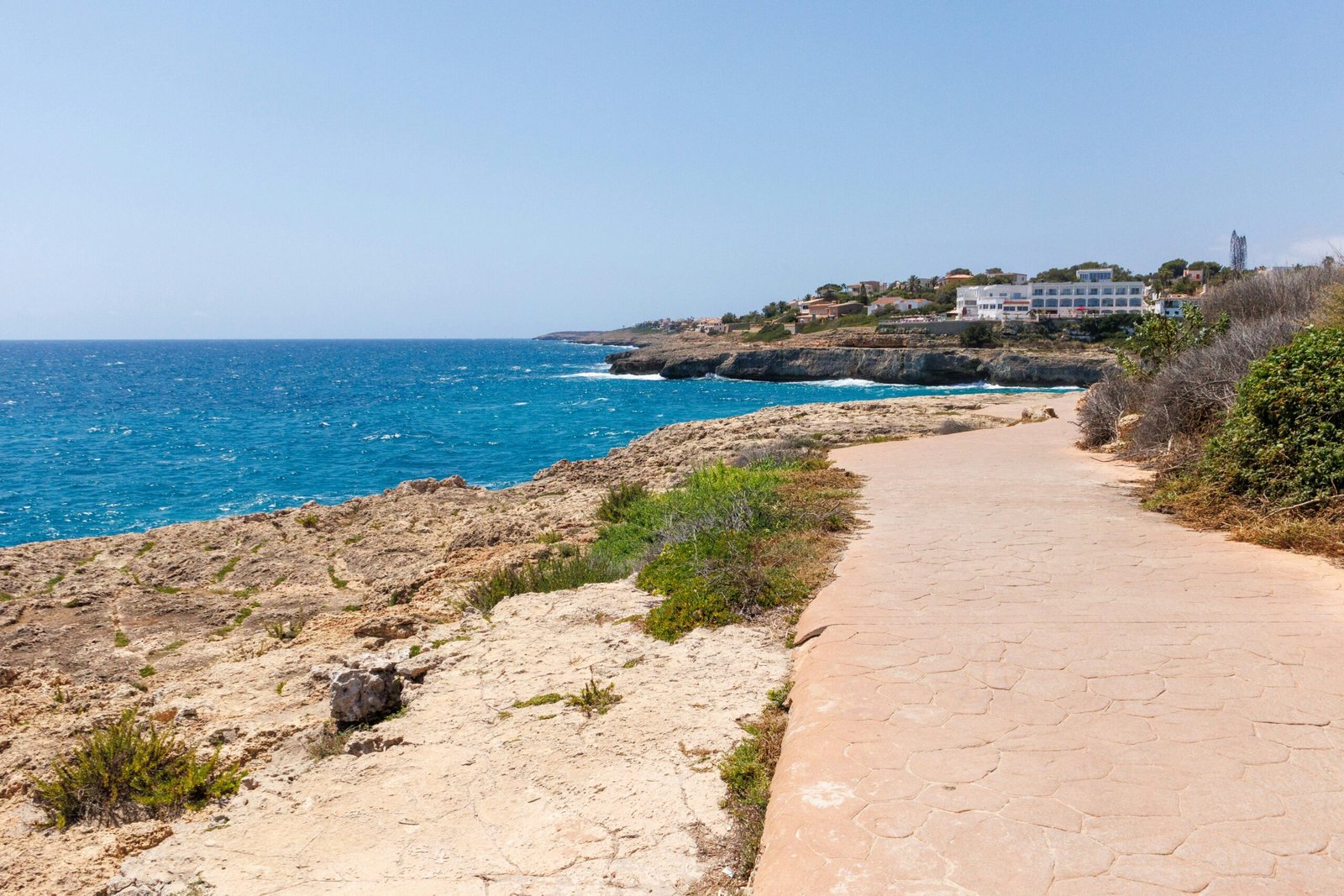
Beach and coastal wellness dominates Canary Islands, Costa del Sol, Mediterranean coast—combining yoga with swimming, SUP, coastal walks, vitamin D absorption. Best March-October most regions, year-round in Canaries.
Cultural immersion retreats integrate Spanish cooking classes, wine education, flamenco experiences, architectural tours, language learning with wellness practices. Excel in Andalusia, Barcelona, cultural cities. Optimal spring and fall when walking cities comfortable.
Thermal spa and balneario programs emphasize historic spa culture—geothermal pools, traditional treatments, mineral waters. Northern Spain, Catalonia’s thermal region, Andalusia’s hammams. Winter timing enhances thermal spa appeal.
Active and hiking retreats combine yoga with Camino sections, Andalusian countryside walking, volcanic terrain hiking, mountain trails. Best spring and fall (15-25°C), avoiding summer heat and winter cool.
Intensive practice and meditation retreats focus on deepening yoga, silent meditation, contemplative formats. Rural monasteries, remote centers, northern Spain’s quieter regions. Winter’s introspective quality aligns naturally.
Detox and wellness programs emphasizing cleansing, juice fasts, lifestyle resets. Popular January (post-holiday renewal) and spring (seasonal alignment). Spain’s Mediterranean diet tradition supports healthy nutrition focus.
Spanish Wellness Distinctives
Mediterranean diet as living tradition—fresh vegetables, olive oil, fish, seasonal eating, communal meals. Wellness centers naturally incorporate rather than forcing this as special diet. Markets overflow with fresh produce year-round.
Thermal and water culture dating to Roman occupation—historic hammams (Arab baths) particularly in Andalusia, traditional balnearios (spa towns) especially in northern regions, thalassotherapy centers along coasts. Water features centrally in Spanish wellness tradition.
Lifestyle balance and siesta culture create natural wellness rhythm—morning activity, afternoon rest, evening social connection. This isn’t New Age import but centuries-old Spanish life pattern that happens to align with wellness principles.
Outdoor living throughout suitable seasons—terrace dining, evening paseos (social strolls), extended outdoor life. Spanish culture emphasizes being outside, moving, socializing—naturally wellness-supportive without labeling it as such.
Practical Planning Considerations
Visas and entry: EU/EEA citizens need only ID card. US, Canada, Australia, and many others receive 90-day visa-free access. UK citizens post-Brexit receive 90 days in 180-day period across Schengen zone. Check specific requirements for your nationality.
Budget considerations: Spain offers range from budget to luxury. Expect €800-2000/week for quality wellness retreats depending on season, region, amenities. Canary Islands and Andalusia generally most affordable, Barcelona and upscale coastal areas more expensive. Off-season (November-February) provides 30-50% savings versus peak summer.
Booking windows: Summer (June-August) requires 3-6 months advance. Spring and fall shoulder seasons (April-May, September-October) want 6-8 weeks. Winter allows 2-4 weeks except Christmas and New Year. Easter/Semana Santa week needs special advance planning when falls in March/April.
Language: English widely spoken in wellness centers, tourist areas, younger populations. Basic Spanish enhances experience but not essential. Catalan spoken in Catalonia though Spanish universally understood. Learning basic courtesies appreciated.
Transportation: Major cities have excellent public transport. Coastal areas and between regions require rental car for independence or pre-arranged retreat transfers. High-speed rail (AVE) connects major cities efficiently. Budget airlines serve islands and coastal cities affordably.
Health insurance: EU citizens covered by EHIC. Others should verify travel insurance includes health coverage. Spanish healthcare excellent but private or travel insurance recommended for non-EU visitors.
FAQs: Yoga Retreats in Spain 2026
1. What is the best time of year for a yoga retreat in Spain?
- For most travelers, spring and autumn are the best overall seasons because they offer warm weather, fewer crowds, and better value than peak summer. Winter is strongest in the Canary Islands, while summer suits travelers who want full beach-season energy.
2. Which part of Spain is best for a yoga retreat?
- It depends on the experience you want. Andalusia is great for culture and slower village life, the Canary Islands are best for reliable warmth, the Balearics suit Mediterranean beach retreats, and cities like Valencia or Granada work well for yoga trips with more urban or cultural depth.
3. Is Spain good for yoga retreats year-round?
- Yes. Spain is one of the more flexible year-round retreat destinations in Europe because different regions peak at different times, especially with the Canary Islands staying attractive in winter.
4. Is Spain cheaper than other major yoga retreat destinations in Europe?
- Often yes, especially outside peak summer. Shoulder season and winter usually bring much better value, while July and August are the most expensive months in many coastal and island areas.
5. Are outdoor yoga sessions realistic in Spain?
- Yes. Outdoor yoga is one of Spain’s biggest strengths, especially in spring, early summer, September, and in the Canary Islands during winter.
6. What kind of retreat works best in Spain?
- Spain works especially well for retreats that mix yoga with walking, sea views, healthy food, city exploration, beach time, and slower cultural travel rather than only staying in one isolated resort setting.
Share Your Thoughts
Your email address will not be published. Required fields are marked *