
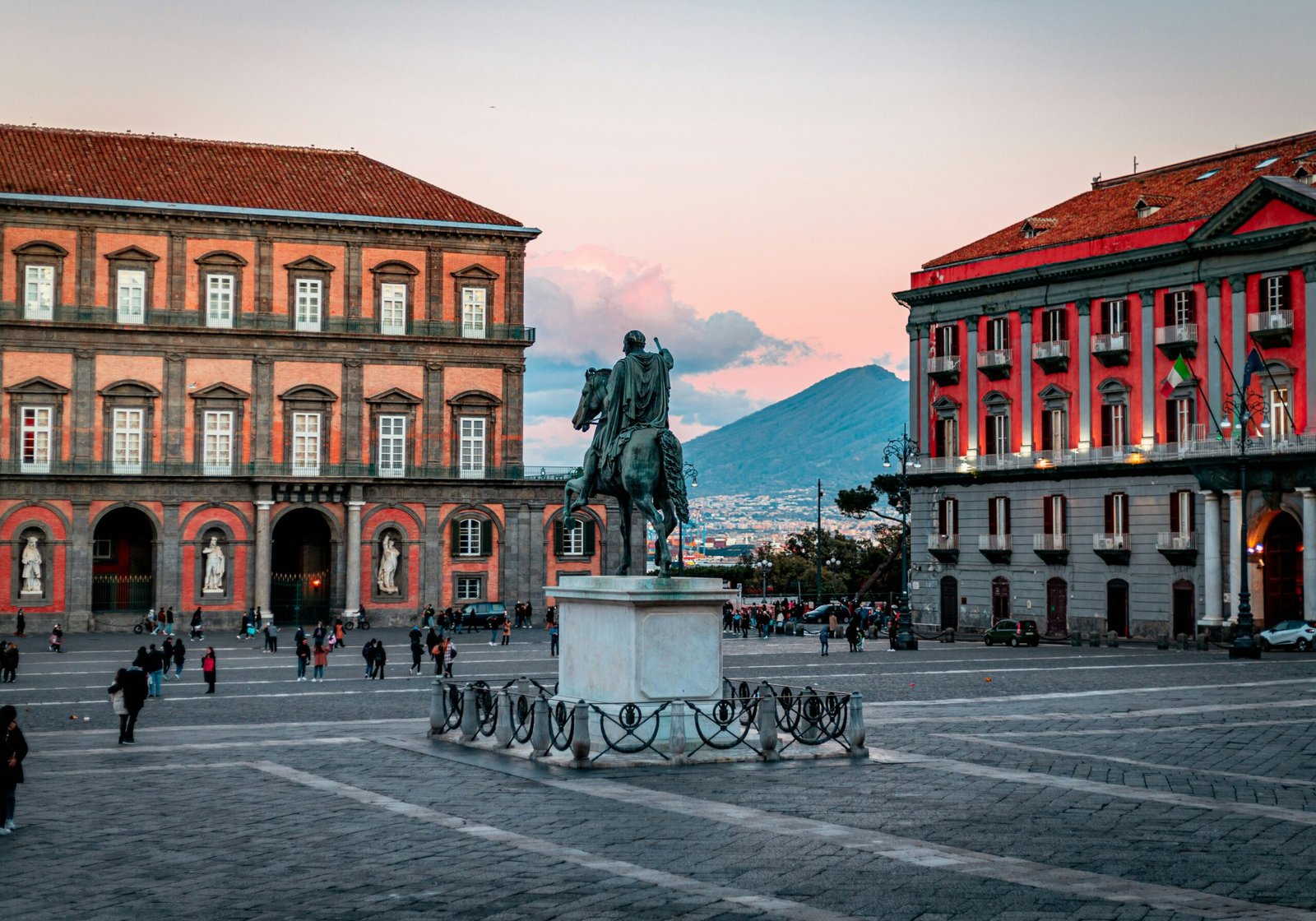
Der März ist der Monat, in dem Italien seine Absichten deutlich macht. Die Tagundnachtgleiche findet um den 20. statt, doch der Frühling wartet nicht auf die astronomische Bestätigung – er ist bereits seit Wochen im Gange, bringt die Farben zurück in die Landschaft, lockt die Cafés wieder auf die Plätze und erfüllt die Luft mit jener besonderen Aufbruchstimmung, die der Winter systematisch verdrängt. Yoga-Retreats in Italien Im März sollte man diese Energie in ihrer ungeschütztesten Form erleben, bevor die Schulferien beginnen, bevor die Reiseveranstalter ihr Angebot hochfahren und solange das Land noch weitgehend sich selbst gehört.


Der März ist der erste Monat im italienischen Kalender, der sich wirklich entspannt anfühlt. Das Wetter hat sich gewandelt – nicht zu sommerlicher Wärme, sondern zu milden, klaren Frühlingstagen, an denen man sich das Training im Freien verdient fühlt, anstatt es nur zu ertragen. Die Infrastruktur erholt sich: Restaurants, die im November geschlossen hatten, öffnen wieder ihre Küchen, Küstenwege werden geräumt und neu markiert, und Retreatzentren, die im Winter nur ein eingeschränktes Programm angeboten hatten, kehren mit frischen, saisonalen Angeboten zu voller Kapazität zurück.
Der große Ansturm lässt noch auf sich warten. Der März bietet eine ideale Reisezeit, die im April und Mai zunehmend an Attraktivität verliert, sobald sich herumspricht, dass die Saison begonnen hat. Die Preise spiegeln dies wider – sie liegen etwa 20 bis 30 Prozent unter der Hochsaison –, jedoch ohne die extreme Knappheit des Januars. Während man im Winter Einschränkungen in Kauf nehmen muss, bietet der März uneingeschränkten Zugang. Mehr Programme stehen zur Auswahl, mehr regionale Reiseziele sind attraktiv, und Italiens Outdoor-Leben ist erstmals seit dem Herbst wieder intensiver zugänglich.
Die Temperaturen nach Regionen geben Aufschluss. Sizilien und der Süden Apuliens erreichen Mitte des Monats bereits 17 bis 19 Grad – warm genug für ausgiebiges Training im Freien am Nachmittag. An der Amalfiküste liegen die Temperaturen zwischen 15 und 15 Grad, wobei es an manchen Tagen, wenn die Sonne auf die geschützten Terrassen über dem Meer scheint, auch mal etwas höher klettert. In Mittelitalien – Toskana, Umbrien, Latium – liegen die Temperaturen zwischen 11 und 16 Grad, morgens kühl und ab Mittag angenehm. Im Norden und an den Seen ist das Wetter noch wechselhaft, mit möglichen Kälteeinbrüchen bis Ende des Monats. Das Mikroklima des Gardasees mildert die Temperaturschwankungen jedoch im Gegensatz zur Po-Ebene.
Die Tagundnachtgleiche selbst ist von besonderer Bedeutung für Retreat-Programme, die mit yogischen oder ayurvedischen Kalendern arbeiten. Der Übergang vom Winter zum Frühling – von der Schwere der Kapha-Zeit zum Beginn der Aufwärtsbewegung des Jahres – fällt genau in den März, und Programme, die auf diesen Übergang ausgerichtet sind, zählen im italienischen Kalender zu den bewusstesten.
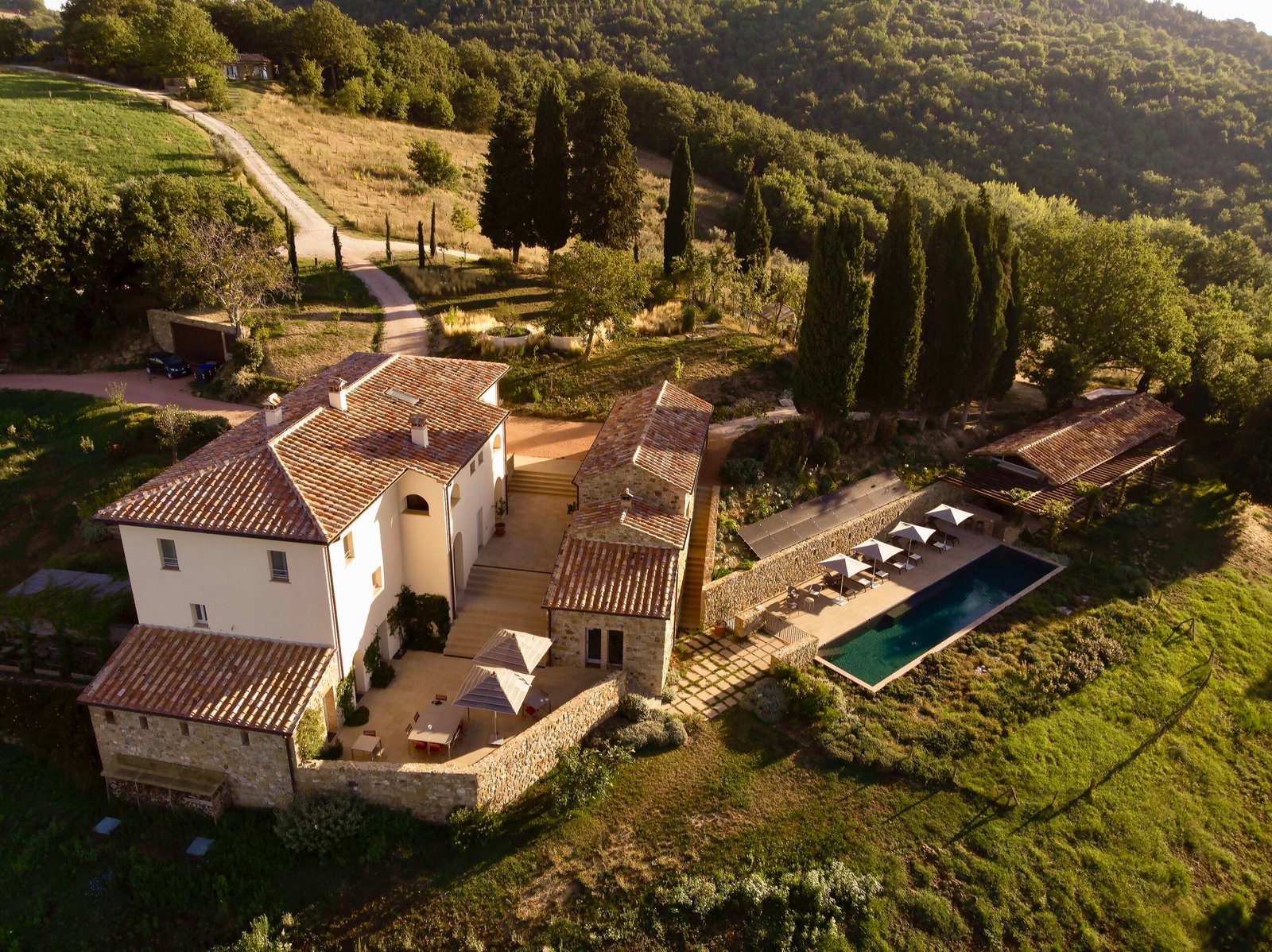
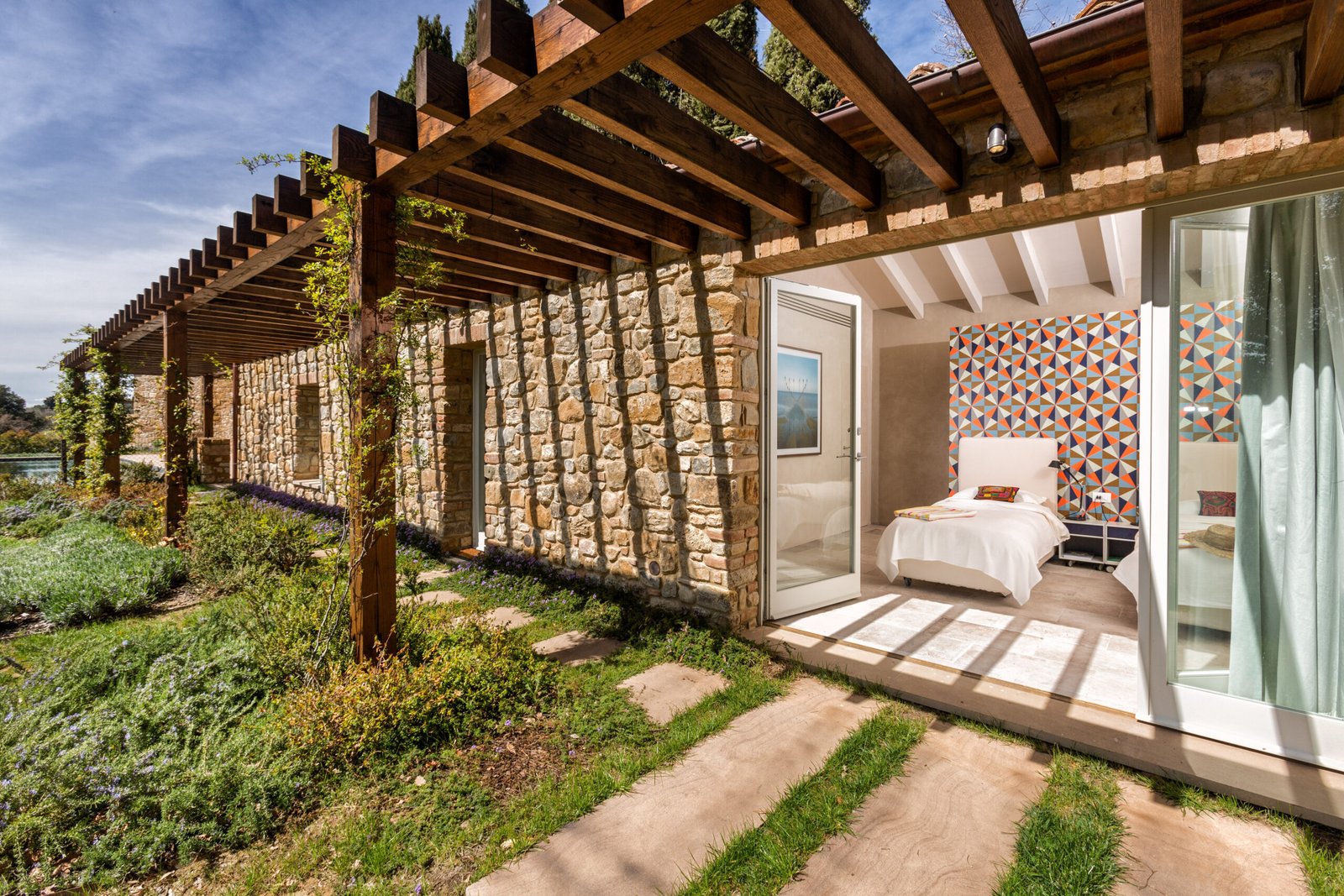
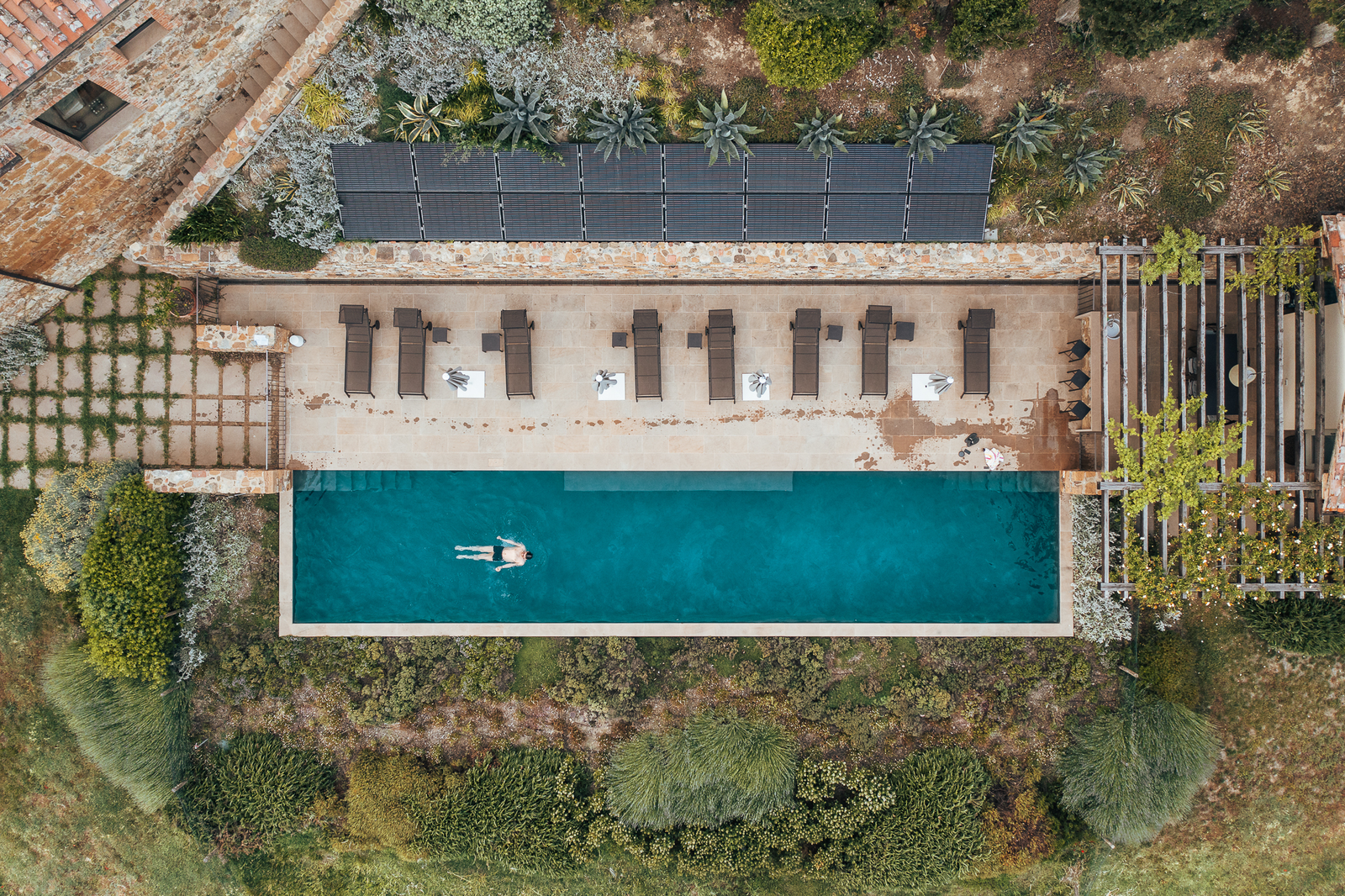
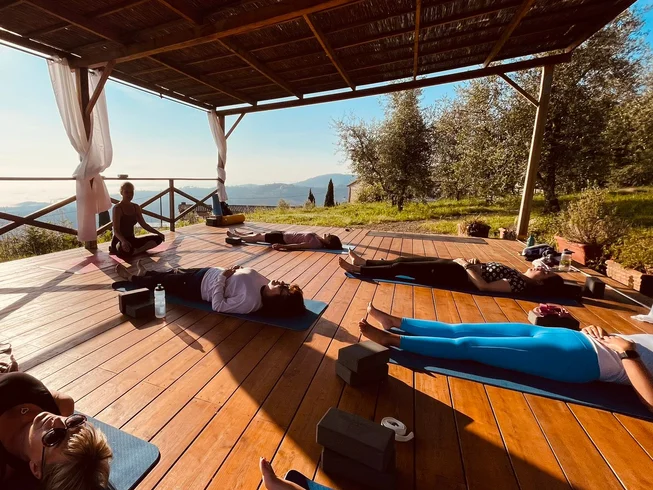
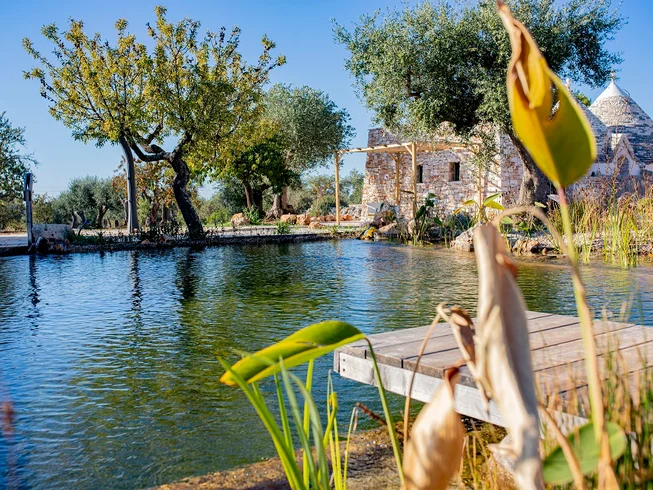
Toskana Im März werden alle belohnt, die aufmerksam beobachtet haben. Die berühmten Landschaften – das Val d'Orcia, die Crete Senesi, die Chianti-Hügel – erstrahlen in einem tiefen, fast filmreifen Grün. Die kahlen Winterfelder sind nun von den ersten Trieben bedeckt, die bis zum Sommer erhalten bleiben, wenn die Hitze sie wieder ockerfarben werden lässt. Ende März blühen die ersten Mohnblumen im Tiefland. In den Tälern stehen die Obstbäume in voller Blüte. Das Licht, das der Winter flach und seitlich einfallen ließ, hat nun wieder einen ausreichenden Winkel, um die Landschaft von oben zu erhellen. Der Effekt auf die Bergdörfer ist beeindruckend: Der Stein erwärmt sich anders, die Schatten werden kürzer, und die Plätze wirken nicht mehr nur wie ein Ort zum Ertragen, sondern einladend. Für alle, die sich speziell für die Hügel der Toskana interessieren, bietet die Bergkette… Yoga-Retreats in der Toskana Die hohe Aktivität im März zeigt, wie vielfältig die Möglichkeiten innerhalb einer einzigen Region sind.
Sardinien Sardinien verdient im März aus Gründen, die es von allen Optionen auf dem Festland abheben, ernsthafte Beachtung. Das Inselinnere und die Südküste erleben eine frühe Frühlingswärme, die im Norden Italiens erst im Mai spürbar ist. Die Kombination aus der Macchia mediterranea – der duftenden Macchia mit Rosmarin, Myrte und Zistrose – in voller Blüte und den außergewöhnlichen Küstenlandschaften der Insel schafft einen unvergleichlichen Ort der Ruhe und Erholung. Im März erreicht die Wildblumenblüte Sardiniens ihren Höhepunkt: Die Hügel oberhalb von Cagliari und im Supramonte sind mit Orchideen, Affodill und wilden Pfingstrosen in einer Fülle bedeckt, die kaum drei Wochen anhält. Retreat-Programme im Süden der Insel beinhalten regelmäßig morgendliche botanische Spaziergänge als Ergänzung zur Asana-Praxis.
Sizilien Im März hat sich die Mandelblüte des Februars in ein üppiges Grün verwandelt. Nach den Winterregen ergrünt die Insel rasch, und Mitte März erstrahlt die Landschaft um Ragusa, Noto und das Val di Noto in tiefen, satten Farben – noch nicht vom Sommer ausgebleicht –, die die barocken Hügelstädte in dieser Landschaft wie neu erstrahlen lassen. Die griechischen Tempel von Segesta und Selinunte, die inmitten offener Landschaft und nicht in geschlossenen Stadtanlagen liegen, sind im März von Wildblumen umgeben, wie es auf archäologischen Fotografien selten zu sehen ist.
Umbrien Der März bietet eine ruhigere Variante der Toskana, mit weniger Besuchern und einer Landschaft, die in ihrem eigenen Rhythmus erstrahlt. Die Hügelstädte Spoleto, Spello und Bevagna bereiten sich auf ihre Frühlingsfeste vor, und die umbrische Küche bringt im März einige ihrer typischsten saisonalen Gerichte hervor: wilden Spargel von den Hügeln, frischen Pecorino aus der ersten Frühlingsmilch, die Trüffelsaison in Norcia neigt sich dem Ende zu, während die ersten Frühlingsgemüse die Lücke füllen. Retreats in Umbrien sind im März eher kontemplativ ausgerichtet und eignen sich für Praktizierende, die sich intensive Zeit für ihre Meditation wünschen, anstatt eines abwechslungsreichen Programms.
Le Marken, Die Marken, die sich entlang der Adriaküste des Apennins erstrecken, bieten im März ein Erlebnis, das die meisten Erholungssuchenden noch nicht entdeckt haben. Die Kombination aus schneebedeckten Bergen, die von der Küste aus sichtbar sind, den spätmittelalterlichen Bergstädten Macerata, Ascoli Piceno und Urbino sowie einer im März menschenleeren und windgepeitschten Adriaküste schafft eine Landschaft von wahrhaft dramatischer Schönheit. Die Retreatzentren in den Marken liegen zwischen zwei Klimazonen – der maritimen Luft der Küste und der kühleren Bergluft der Sibillinischen Berge – und dieser Kontrast sorgt für Morgensitzungen mit einer Klarheit und Frische, die die gemäßigteren Hügel der Toskana nicht bieten können. Die kulinarische Tradition der Region, weniger bekannt als die der Toskana, aber ebenso tief verwurzelt, umfasst Spezialitäten wie Ciauscolo-Wurst, Vincigrassi-Lasagne und die gefüllten, panierten und frittierten Oliven Ascolana, die aus einem einfachen Snack ein Aushängeschild für die gesamte Region machen.
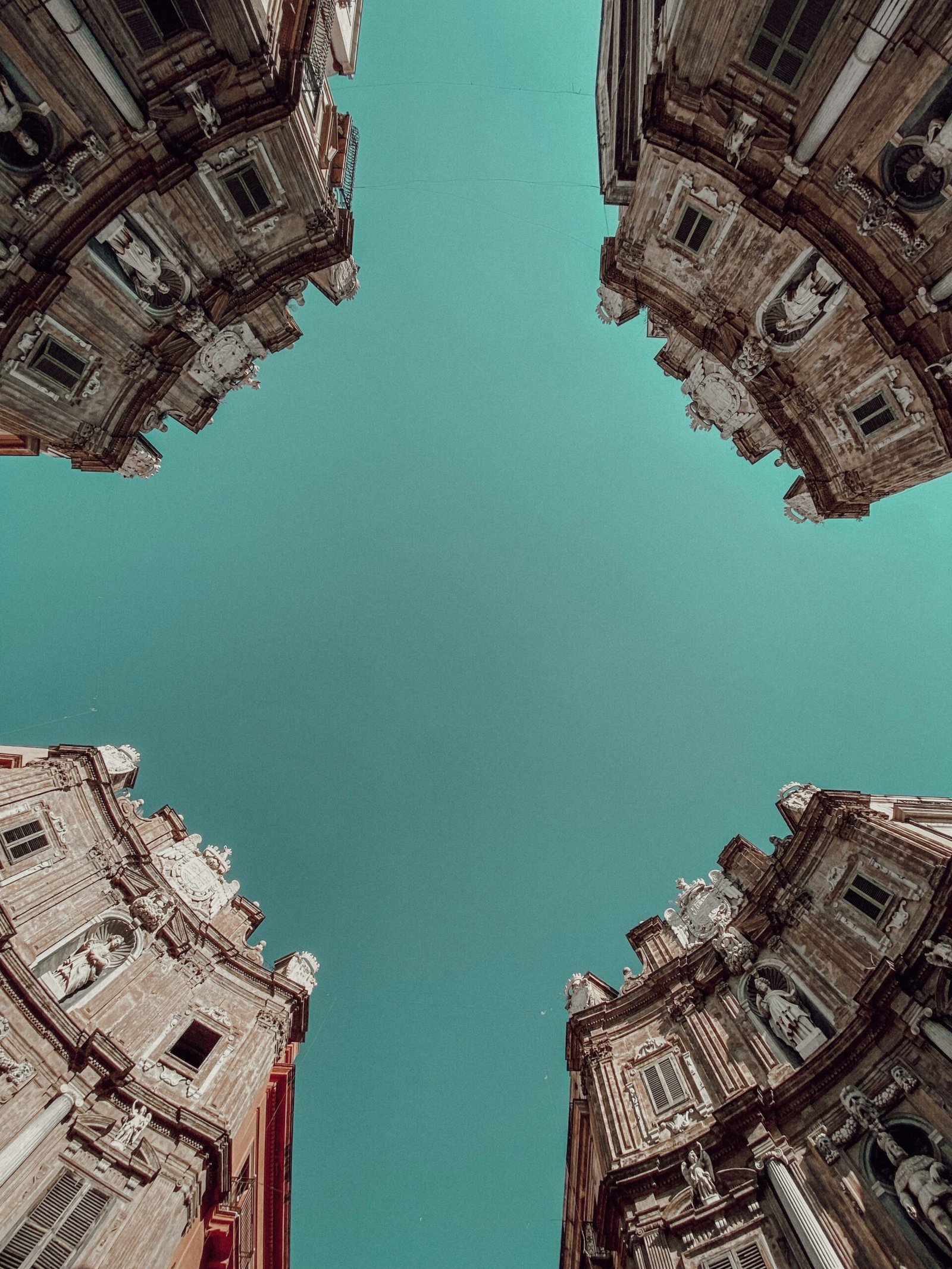
Ostern verschiebt sich zwar, fällt aber in den meisten Jahren auf Ende März oder Anfang April, und die Vorbereitungen für die Settimana Santa – die Karwoche – beginnen bereits Wochen vorher. Für alle, die im März an einem Yoga-Retreat in Italien teilnehmen, bietet dieser Kalender eine der prägendsten kulturellen Kulissen des Landes, die von Besuchern, die italienische religiöse Zeremonien mit distanzierter Förmlichkeit verbinden, oft unterschätzt wird.
In Wirklichkeit ist die Settimana Santa Prozessionen in Süditalien zählen zu den ergreifendsten öffentlichen Ritualen Europas. In Tarent, in Apulien, findet die Prozessione dei Perdoni seit 1765 ununterbrochen statt: Barfüßige Büßer in weißen Gewändern ziehen stundenlang durch die Straßen der Stadt, das Tempo so bewusst langsam, dass die Prozession fast die ganze Nacht dauern kann. In Sorrent schlängelt sich die Karfreitagsprozession im Morgengrauen durch die mittelalterlichen Gassen, schwarz gekleidete Gestalten tragen Laternen in vollkommener Stille. In kleineren sizilianischen Städten – Enna, Caltanissetta, Trapani – organisieren die Bruderschaften diese Prozessionen mit einer Ernsthaftigkeit, die nichts mit Tourismus zu tun hat, sondern alles mit der über Generationen bewahrten Gemeinschaftsidentität.
Ein Retreat, das die Teilnahme an einer dieser Zeremonien – selbst als stiller Beobachter – beinhaltet, vermittelt eine tiefe, gemeinschaftliche Hingabe, die die meisten modernen Wellnessprogramme nicht erzeugen können. Die Verbindung zur Yoga-Philosophie ist offensichtlich: Es geht um Tapas, beständige Disziplin; es geht um Bhakti, eine Praxis, die auf etwas Jenseits des Selbst ausgerichtet ist; es geht um Dharana, jene konzentrierte Aufmerksamkeit, die eine Gemeinschaft über Jahrhunderte hinweg in einem gemeinsamen Akt zusammenhält. Yoga-Retreats im März in Süditalien oder auf Sizilien haben Zugang zu diesem Kalender, während Retreats weiter nördlich nicht zugänglich sind.
Der Frühling bewirkt etwas Besonderes im Körper, das sich deutlich von den Auswirkungen des Winters oder Sommers unterscheidet. Die Kälte hat seit Wochen nachgelassen, und die Muskeln tragen weniger von der defensiven Anspannung, die das Training im Winter kennzeichnet – die Verspannungen der Schultern, die flache Atmung, die Zurückhaltung, offene Hüftpositionen einzunehmen, denen das kalte Bindegewebe widersteht. Gleichzeitig ist die Hitze noch nicht da, um alles passiv werden zu lassen. Das Ergebnis ist eine besondere Konzentration, die Lehrer im März in ganz Italien ähnlich beschreiben: Die Schüler sind präsenter als im Sommer, wenn die Sinnesreize allgegenwärtig sind, und aufgeschlossener als im Winter, wenn der Körper instinktiv noch auf Selbsterhaltung setzt. Im März herrscht eine Bereitschaft, die Lehrer überrascht, wenn sie diese noch nicht erlebt haben – nicht die überschwängliche Energie des Frühsommers, sondern etwas Besonneneres, als hätte der Körper geduldig gewartet und sei nun bereit zu arbeiten.
Die Pranayama-Dimension der Praxis im März verdient besondere Beachtung. Die Tagundnachtgleiche markiert sowohl im Ayurveda als auch im Yoga einen Wandel der Atemqualität und der Temperatur. Die lange Winterausatmung – das physiologische Korrelat der Kapha-Zeit mit ihrer nach innen gerichteten, abwärts gerichteten und konsolidierenden Energie – weicht allmählich einer expansiveren Atmung. Kapalabhati, Bhastrika und Surya Bhedana (die Atmung durch das rechte Nasenloch, verbunden mit der wärmenden Sonnenenergie) sind Übungen, die Lehrer im Übergang zum Frühling im März natürlicher anwenden als zu jedem anderen Zeitpunkt im Kalender. Für Retreat-Programme mit intensiven Pranayama-Einheiten ist der März der empfänglichste Monat der ersten Jahreshälfte.
Im März ist Yoga im Freien wieder möglich, oft früher als erwartet. Auf einer windgeschützten Südterrasse lässt sich Mitte März in der Toskana oder auf Sardinien das Morgentraining problemlos in leichter Kleidung durchführen, und Ende des Monats sind sogar die ersten Sonnengrüße im vollen Tageslicht möglich. Das ist kein Zufall: Der Wechsel vom Training im Innenbereich zum Training im Freien verändert die Atmosphäre einer Yogastunde auf schwer messbare, aber unmittelbar spürbare Weise. Die Weite der freien Natur verändert die Körperwahrnehmung; stehende Asanas gewinnen an Erdung, wenn die Füße auf Stein oder Gras statt auf dem Studioboden stehen. Der Wind, der im März in Italien je nach Tag die letzten kühlen Tage des zurückweichenden Tramontana oder die erste Wärme des Scirocco mit sich bringt, ist kein Hindernis für das Training im Freien, sondern ein Lehrmeister an sich – er erfordert Konzentration, durchbricht die gewohnte Ausrichtung und lässt Savasana, wenn es endlich kommt, wirklich verdient erscheinen.
Das für die Yoga-Praxis verfügbare Tageslicht verändert sich im Laufe des Monats deutlich. Anfang März geht die Sonne in Mittelitalien gegen 7 Uhr auf, zur Tagundnachtgleiche bereits gegen 6:30 Uhr. Ende März kann man in einem Retreatzentrum in der Toskana oder in Umbrien schon um 6:15 Uhr im vollen Tageslicht mit dem Üben im Freien beginnen und so das Zeitfenster für die Morgensitzungen deutlich verlängern – etwas, das im Januar und Februar nicht möglich ist. Auch die Abende werden länger: Ende März geht die Sonne im Süden bereits nach 7 Uhr unter, sodass die Nachmittagssitzungen im warmen, streifenden Licht, das im Rest des Jahres dem Sommer vorbehalten ist, im Freien ausklingen können.
Die saisonalen Gerichte in italienischen Retreat-Zentren im März gehören zu den spezifischsten des Jahres. Artischocken haben in Latium und Apulien Hochsaison – die Romanesco-Artischocke aus der Gegend um Rom, fest und nussig, und die Morello-Artischocke weiter südlich, länglicher und leicht bitter. Eine Küche, die sie zuzubereiten weiß, serviert sie roh im Salat, geschmort in Weißwein und Knoblauch, frittiert nach jüdisch-römischer Art, bis die äußeren Blätter papierknusprig sind, und verarbeitet sie die ganze Woche über zu Pasta. Wildspargel, dünner und aromatischer als der kultivierte, ist ab Mitte März auf den Märkten erhältlich und hält sich kaum drei Wochen, bevor er zu faserig zum Essen wird. Auf Sardinien gibt es die erste Bottarga der neuen Saison – getrockneten Meeräschenrogen aus der Lagune von Cabras, der mit Olivenöl über Pasta gehobelt wird – ein Gericht, das sonst nichts braucht. In der Toskana findet man Erbsensprossen und Saubohnengrün als Antipasti neben frischem Ricotta, der erst durch die erste Frühlingsmilch möglich wurde. Diese Zutaten kommen zu keinem anderen Zeitpunkt im Jahr zusammen vor; der März-Tisch ist ein Zeugnis eines bestimmten zehntägigen Zeitfensters im landwirtschaftlichen Kalender, und ein Retreat, das ihn gut nutzt, bietet etwas, das kein Menü in einem anderen Monat nachahmen kann.
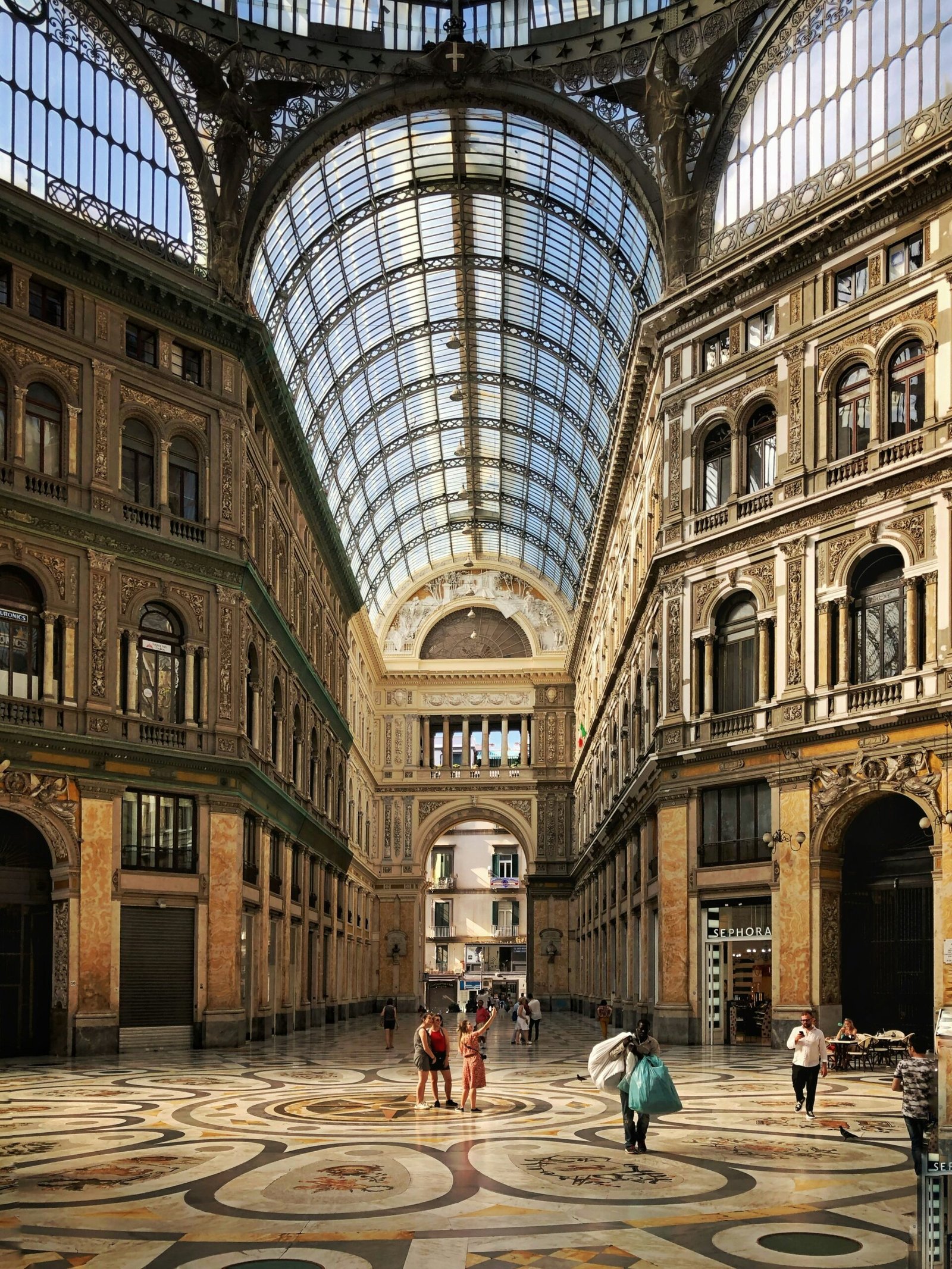
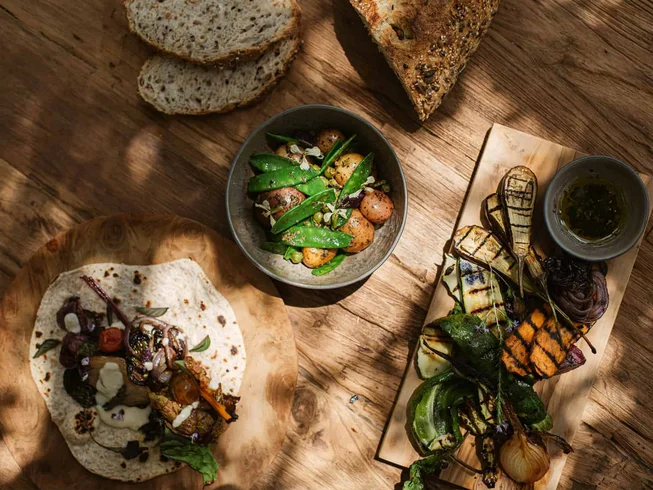
Der März liegt zwischen zwei Monaten mit ganz unterschiedlichem Charakter, und es lohnt sich, diesen Kontrast vor der Buchung zu verstehen.
Der Februar, der ihm vorausgeht, trägt noch immer die Schwere des Winters in sich – trotz des Karnevals ist die grundlegende Energie nach innen gerichtet, die Landschaft karg, und das Hauptargument für einen Besuch ist Einsamkeit und Selbstreflexion. Diejenigen, die darüber lesen Yoga-Retreats im Februar in Italien Sie werden erkennen, wie unterschiedlich das Register ist: Der Februar fordert Sie auf, in die Tiefe zu gehen und still zu verweilen. Der März fordert Sie auf, sich wieder zu bewegen.
Im darauffolgenden April erreicht das Italien des Frühlings, wie ihn sich die meisten vorstellen, seinen Höhepunkt: wärmer, lebhafter, farbenfroher, mit einer deutlich größeren Auswahl an Retreat-Programmen und Preisen, die die Nachfrage widerspiegeln. Für alle, die die Energie des Frühlings ohne den Sommerrummel genießen möchten, Yoga-Retreats im April in Italien Es zeigt, was ein Monat Unterschied ausmacht – mehr Wärme, mehr Aktivitäten im Freien, mehr voll funktionsfähige Küstenorte. Der März fängt den Moment kurz davor ein: Die Infrastruktur funktioniert, die Landschaft erholt sich und die Straßen sind noch ruhig.
Die Reiselogistik im März ist unkompliziert. Flüge zu allen großen italienischen Flughäfen sind günstig und gut verfügbar. Die Bahn ist zuverlässig und nicht überfüllt. Der wichtigste Faktor ist Ostern, da sich die regionalen Preise und Buchungsmuster in den zwei Wochen um das Fest herum deutlich verändern. Fällt die Karwoche in Ihrem Jahr auf Ende März, müssen Sie mit einem starken Anstieg der Unterkunftspreise in beliebten Pilgerorten wie Rom, Florenz und den Städten an der Amalfiküste rechnen. Die Retreatzentren selbst erhöhen ihre Preise zu Ostern selten, wohl aber die Reise- und Unterkunftsanbieter in der Umgebung. Buchen Sie frühzeitig oder planen Sie Ihre Anreise vor Beginn der Karwoche.
Für alle, die sich besonders zu der Amalfiküste hingezogen fühlen, ist der März einer der besten Reisemonate. Yoga-Retreats an der Amalfiküste Die ab März geöffneten Touren bieten Zugang zum „Weg der Götter“ (Sentiero degli Dei) in seiner schönsten Form, wenn der Klippenpfad oberhalb von Positano von Wildblumen gesäumt ist und das Meer darunter noch klar und menschenleer ist. Die Wanderung zählt zu den schönsten in Süditalien und lässt sich ideal mit einer Retreat-Woche verbinden, sodass sich die Reise unabhängig von der eigentlichen spirituellen Praxis lohnt.
Packen für März Man muss akzeptieren, dass die Temperaturschwankungen an diesem Tag größer sind als in jedem anderen Monat. In den Übungsräumen in Steingebäuden kann es am frühen Morgen 10 Grad kalt sein; auf den Terrassen in der südlichen Sonne können es nachmittags 20 Grad werden. Bringen Sie Merino-Unterwäsche für die morgendlichen Trainingseinheiten und Spaziergänge im Freien, ein Fleece als mittlere Schicht für die Abende und eine leichte Regenjacke mit, für den Regen, den das italienische Sprichwort gut beschreibt: Marzo pazzerello, bewachte die Sohle und prendi l'ombrello Der März ist verrückt, also Vorsicht vor der Sonne und Regenschirm nicht vergessen! Im Süden und auf Sizilien kann die äußere Kleidungsschicht etwas leichter sein, aber das Zwiebelprinzip gilt überall. Leichte Wanderschuhe oder Trekkingschuhe sind Turnschuhen vorzuziehen; viele März-Reisen beinhalten Wanderungen in den Hügeln auf unebenen Pfaden. Sonnenschutzmittel sind ab Mitte März wichtig, besonders auf Sizilien und Sardinien, wo die UV-Strahlung bereits deutlich spürbar ist.
1. Ist der März in Italien tatsächlich warm genug für Yoga im Freien? Es hängt ganz von der Region und der Tageszeit ab. In Sizilien und im südlichen Apulien ist das Üben im Freien am Nachmittag ab Anfang März angenehm. Auf Sardinien bieten sich ab Mitte des Monats windgeschützte, nach Süden ausgerichtete Terrassen an. In der Toskana und in Umbrien benötigt man für das morgendliche Üben im Freien den Großteil des März über warme Kleidung, während die Nachmittagseinheiten ab der zweiten Monatshälfte angenehm werden. Im Norden – Gardasee, Venetien, Ligurien – ist das Wetter wechselhafter, mit warmen Perioden, die von Kaltfronten unterbrochen werden, welche die Temperaturen deutlich senken können. Retreatzentren in allen Regionen sind auf diese Schwankungen vorbereitet und bieten sowohl Indoor- als auch Outdoor-Übungsmöglichkeiten an.
2. Wie wirkt sich Ostern auf die Verfügbarkeit und die Preise der Retreats im März aus? Fällt Ostern auf Ende März, ist mit höherer Nachfrage und schnelleren Buchungen in Retreatzentren in der Toskana, Umbrien, Sizilien und an der Amalfiküste zu rechnen. Viele Zentren bieten spezielle Osterprogramme mit etwas höheren Preisen an. Transport und Unterkünfte außerhalb von Retreatzentren sind in beliebten Reisezielen während der Karwoche und des Osterwochenendes stark ausgebucht. Wer die Menschenmassen vermeiden und dennoch die Saison erleben möchte, findet in den ersten beiden Märzwochen in der Regel die beste Kombination aus frühlingshaftem Wetter und der Ruhe der Nebensaison. Apulien, Sardinien und die Marken sind von den Osterpreisen weniger betroffen als die touristischeren Regionen.
3. Welcher Yoga-Stil ist bei italienischen Retreats im März am weitesten verbreitet? Die Programme im März spiegeln die Übergangsenergie der Jahreszeit wider. Vinyasa- und Hatha-Retreats kehren nach dem Winter zu einem volleren Programm zurück, und viele Zentren bieten ab Mitte des Monats Kurse im Freien an. Yin- und regenerative Yoga-Programme sind weiterhin beliebt, insbesondere in der ersten Märzhälfte, wenn die Morgen noch kühl sind. Mehrere Zentren in der Toskana und in Umbrien haben sich auf Ashtanga-Intensivkurse im März spezialisiert und nutzen die kühleren Temperaturen als Vorteil für ein intensives körperliches Training, bevor die Sommerhitze die Dynamik verändert. Ayurveda-Retreats, die auf den saisonalen Kapha-Pitta-Wechsel abgestimmt sind, eignen sich besonders gut für die Zeit der Tagundnachtgleiche.
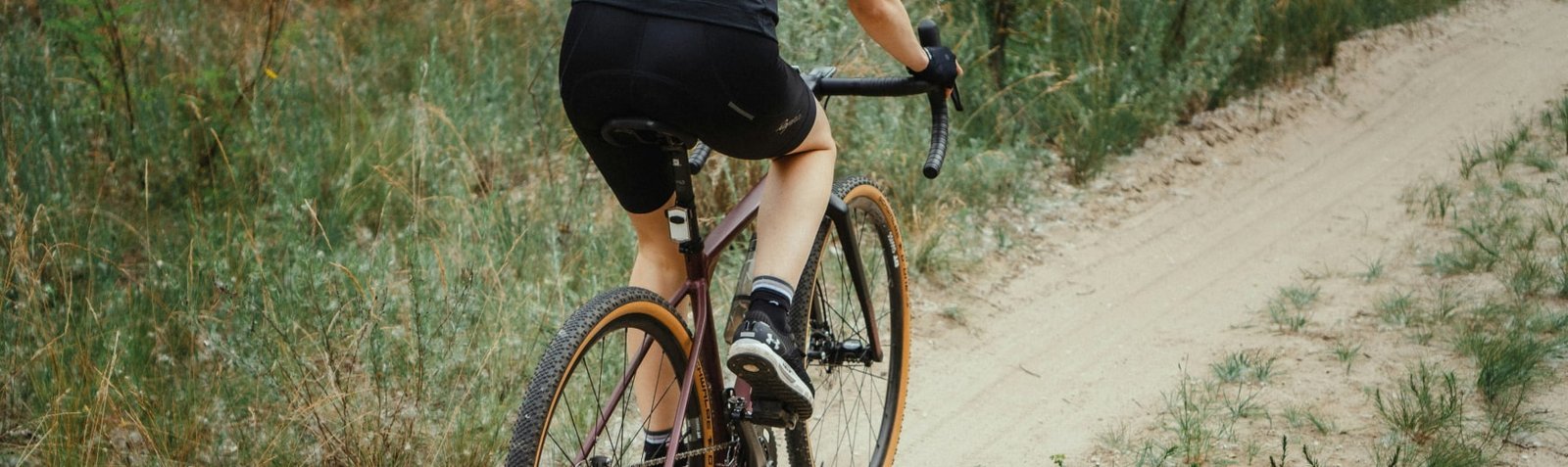
4. Welche Regionen eignen sich im März am besten, um einen Retreat mit Wandern zu kombinieren? Sardinien, Sizilien und die Amalfiküste sind die drei besten Optionen. Sardiniens Supramonte und die Sinis-Halbinsel bieten ab Anfang März außergewöhnliche Küsten- und Bergwanderungen, deren Blütenpracht eine unvergleichliche Kulisse bildet. Siziliens Bergparks Madonie und Nebrodi sind bis März gut zugänglich und grün. Der Sentiero degli Dei an der Amalfiküste ist im März und April in seiner schönsten Form, bevor Sommerhitze und der Andrang von Wanderern den Weg deutlich weniger angenehm machen. In Mittelitalien sind die Sibillinischen Berge Umbriens Anfang März noch schneebedeckt, öffnen sich aber im Laufe des Monats nach und nach.
5. Ist der März für eine Solo-Auszeit geeignet oder eignet er sich besser für Gruppen? Beides. Die Nebensaison im März bedeutet, dass Gruppenreisen kleiner und persönlicher sind als im Sommer – typischerweise zehn bis zwanzig Teilnehmer statt dreißig oder mehr. Alleinreisende profitieren besonders von dieser Dynamik: Kleinere Gruppen ermöglichen authentische Begegnungen ohne den sozialen Druck einer großen Gruppe. Mehrere italienische Retreatzentren bieten speziell auf Alleinreisende zugeschnittene Programme im März an, die um die Tagundnachtgleiche herum stattfinden und so einen bewussten Moment für persönliche Reflexion und Neubeginn schaffen. Auch der kulturelle Kalender – die Frühlingsfeste, die Vorbereitungen auf die Settimana Santa – begünstigt individuelle Erkundungen oft mehr als Gruppenreisen, da das Tempo an die eigenen Erlebnisse angepasst werden kann.
6. Gibt es im März Retreats, die Yoga mit italienischen kulinarischen Traditionen verbinden? Ja, und der März ist einer der besten Monate dafür. Das saisonale Obst und Gemüse – Artischocken, wilder Spargel, die ersten Saubohnen, Frühlingslamm vor Ostern – liefert der italienischen Küche einige ihrer charakteristischsten und am schwersten zu exportierenden Zutaten. Retreat-Zentren in der Toskana, Umbrien und Sizilien bieten regelmäßig Kochkurse im Rahmen ihrer März-Programme an. In diesen Kursen werden Fertigkeiten vermittelt, die wirklich saisonal sind: wie man eine römische Artischocke von Grund auf zubereitet, wie man auf einem Morgenspaziergang wilden Spargel sammelt und ihn am selben Nachmittag kocht, wie man das Osterbrot und die Getreidegerichte zubereitet, die sich von Region zu Region in Italien unterscheiden. Dies ist kulinarische Bildung, die in einem bestimmten Moment des landwirtschaftlichen Jahres verwurzelt ist, kein allgemeiner italienischer Kochkurs.
Ihre E-Mail-Adresse wird nicht veröffentlicht. Erforderliche Felder sind mit * markiert