

Yoga and Detox Retreats in Greece: Reset Under the Sun
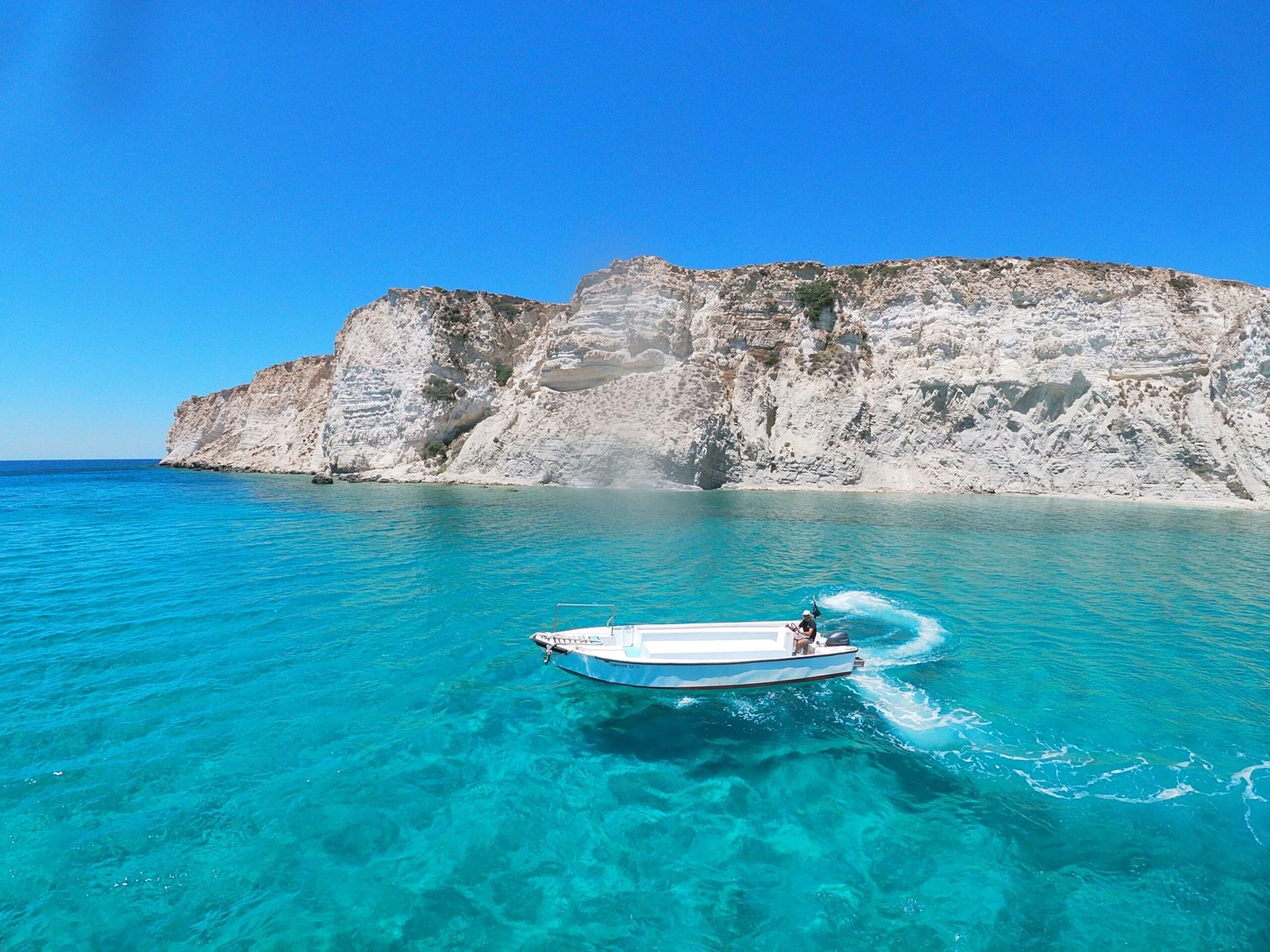
Greece is more than islands and whitewashed walls. It’s also a natural destination for detox. Mediterranean light, sea air, olive groves, and clean, simple cuisine create the perfect setting for resetting your body and mind. Spring and autumn offer mild temperatures (18–26°C / 64–79°F) — ideal for fasting, juicing, or clean eating programs.
Summer is warm but manageable with early morning activities and sea breezes. Winter on the islands is quiet, but many retreats close from November to March. Whether you choose the Ionian, Aegean, or Crete, Greece delivers sun, salt, and simplicity — three ingredients for a true digital and digestive detox.
Diesen Artikel teilen


Reset Under the Sun
The concept of purification through fasting and cleansing is hardly new to Greece. Ancient Greeks practiced therapeutic fasting as part of healing rituals at Asclepian temples, believing that physical purification prepared the body to receive healing. The islands themselves—with their dry air, mineral-rich sea water, and diet based on olive oil, wild greens, and herbs—have long been recognized as naturally cleansing environments. Modern detox yoga retreats in Greece build on these ancient foundations, combining traditional wisdom about purification with contemporary understanding of nutrition, toxicology, and the body’s natural detoxification systems.
Greek detox yoga retreats range from gentle cleansing programs that simply eliminate processed foods and stimulants while emphasizing whole plant foods, to more intensive protocols incorporating juice fasting, colonics, and various spa treatments designed to accelerate toxin elimination. Understanding the different approaches and their appropriateness for your body, health status, and goals is crucial for choosing a program that supports rather than stresses your system.
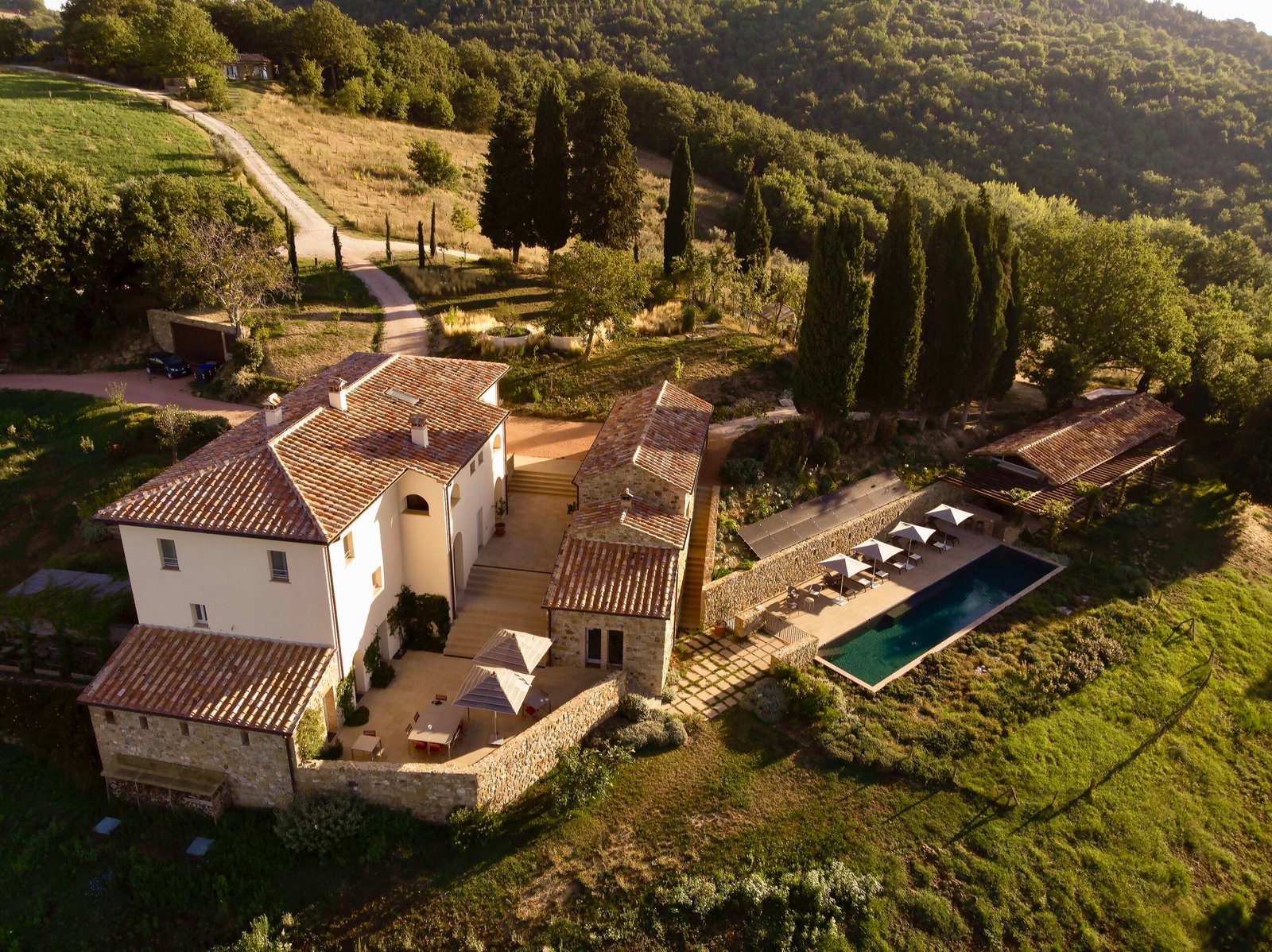
Das Heiligtum für die Seele – das VIP-Erlebnis – Italien, Toskana

The Sweet Earth Retreat – Italien, Toskana

Unter der Sonne der Toskana: Ein transformatives Erlebnis von Yoga, Fotografie und Geschmack. Italien, Toskana
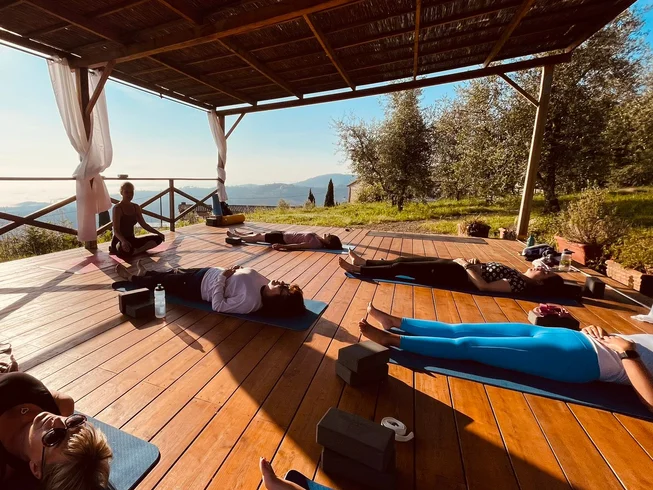
7 Tage Yoga, Entspannung, Weinprobe und Olivenölverkostung im Herzen der Toskana, Italien
5-tägiges privates Paarreise-Retreat: Die Kunst der Verbindung auf Sardinien, Italien
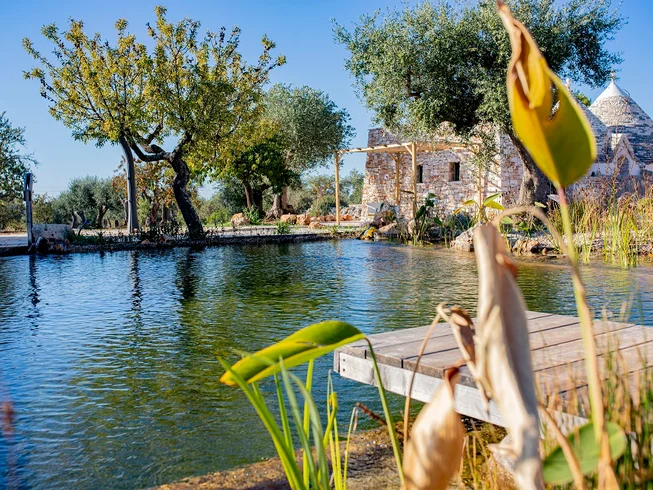
7 Tage Italienische Koch-, Reise- und Yoga-Ferien in Apulien, Italien
Types of Detox Programs in Greece
Whole Foods Cleansing: The gentlest approach eliminates processed foods, refined sugars, caffeine, alcohol, dairy, gluten, and sometimes animal products, while emphasizing organic vegetables, fruits, legumes, whole grains, nuts, seeds, and high-quality olive oil. Meals are plant-based or include small portions of fresh fish. This isn’t deprivation—it’s eating extraordinarily well with foods that don’t burden digestion or tax detoxification organs.
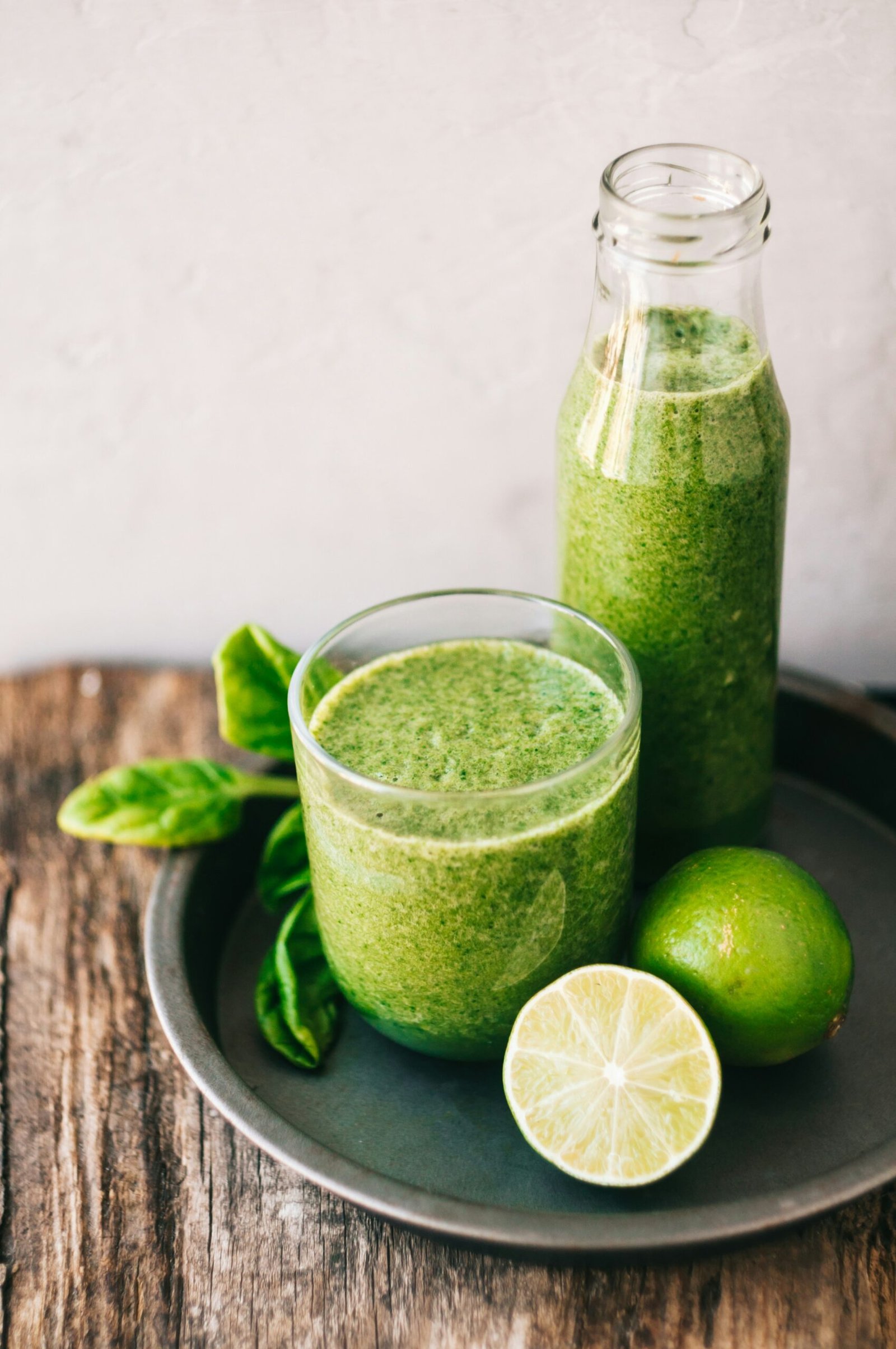
Juice Fasting and Raw Food Programs: More intensive protocols replace solid meals with fresh vegetable and fruit juices, smoothies, and sometimes raw soups. The digestive system gets complete rest from breaking down fiber, allowing energy to redirect toward elimination and healing. Juice fasting can produce dramatic results—rapid weight loss, mental clarity, increased energy—but also requires careful supervision and isn’t appropriate for everyone.
Combination Programs: Many Greek detox retreats use graduated approaches—perhaps starting with 2-3 days of light whole foods to prepare the system, moving into 3-4 days of juice fasting, then transitioning back with easily digestible solid foods. This approach minimizes shock to the system while still providing intensive cleansing periods. The yoga practice adapts throughout—more vigorous during whole foods phases, gentler and more restorative during fasting periods when energy is lower.
Supporting Practices: Beyond Diet
Effective detox retreats in Greece incorporate multiple modalities that work synergistically with dietary protocols.
Yoga Practice: Specific asanas support detoxification by stimulating organs, improving circulation, and promoting lymphatic drainage. Twists massage abdominal organs including the liver and intestines. Inversions encourage lymph movement and venous return. Forward bends calm the nervous system and aid digestion. Gentle backbends stimulate kidneys. Restorative poses activate parasympathetic response necessary for healing and elimination. The practice during detox is generally gentler than normal—the body has less energy available, and forcing intensity would be counterproductive. The focus shifts from achievement to support, from doing to being.
Pranayama and Meditation: Breath practices enhance lung function and oxygenation while calming the nervous system. Kapalabhati (skull-shining breath) is specifically considered cleansing in yogic tradition. Alternate nostril breathing balances the nervous system. Extended exhales activate rest-and-digest response. Meditation addresses the mental and emotional aspects of detox—working with cravings, sitting with discomfort, processing emotions that surface when numbing habits are removed.
Hydrotherapy: Swimming in salt water provides natural mineral therapy and lymphatic stimulation. The buoyancy reduces joint stress while the resistance strengthens muscles. Cold water immersion (some retreats offer this) stimulates circulation and immune function. Contrast therapy—alternating hot sauna or steam with cool showers or sea swimming—powerfully promotes circulation and elimination through the skin. Greece’s climate makes water-based therapies accessible year-round, though most pleasant April through October.
Bodywork and Spa Treatments: Massage, particularly lymphatic drainage and deep tissue work, mobilizes stored toxins and promotes their elimination. Dry brushing before showering stimulates lymph flow. Body wraps using local materials—olive oil, honey, volcanic mud, seaweed—draw toxins through skin while providing minerals. Colonics and enemas (offered at some retreats, controversial among practitioners) directly remove waste from the colon, though their necessity and safety are debated within the wellness community.
Rest and Sleep: Detoxification is intensive metabolic work. The liver performs most detox functions during sleep, making adequate rest essential. Greek retreat environments—quiet, without light pollution, with only natural sounds—support deep sleep. The lack of stimulation (no tv, limited internet, often no electricity in evenings) allows natural circadian rhythms to re-establish. Many participants report sleeping more deeply than they have in years.
The Detox Experience: What to Expect
Days 1-2: Initial enthusiasm often carries you through early days. You might feel energized by commitment, excited by new environment, optimistic about outcomes. If you’ve eliminated caffeine, headaches typically begin by day one or two. Hunger pangs are common if fasting. Sleep might be disrupted as the body begins mobilizing stored toxins. This is the honeymoon phase—not yet difficult but not yet experiencing benefits.
Days 3-4: This is often the hardest period, sometimes called the “healing crisis.” As toxins mobilize from tissues into bloodstream for elimination, you might experience fatigue, irritability, headaches, body aches, skin eruptions, emotional volatility, or digestive issues. Your tongue may coat white (considered a sign of toxins eliminating through oral mucosa). You might feel worse than when you arrived, questioning whether this was a good idea. This is normal and actually indicates the process is working. Good retreat staff recognize this phase and provide extra support—gentler yoga, more rest time, encouragement that this passes.
Days 5-7: The crisis typically breaks around day four or five. Energy returns, often dramatically. Mental clarity improves—the “brain fog” many people don’t realize they’ve been experiencing lifts. Sleep deepens. Skin begins looking clearer and more luminous. Mood stabilizes and often elevates—many people report feeling genuinely happy without external reason. This is when you understand why people do this, when the difficulty of earlier days feels worthwhile.
Days 8-10+: If the program continues beyond a week, you settle into a new equilibrium. Heightened energy continues, sensitivity increases (tastes are sharper, colors seem brighter, emotional attunement deepens), and a sense of physical lightness emerges. Yoga practice often deepens—poses that were challenging become accessible, breath flows more freely. Some people experience spiritual or psychological breakthroughs during this phase, though this isn’t universal or necessary for successful detox.
Psychological and Emotional Detox
Physical detoxification often triggers psychological and emotional releases. Substances we use habitually—caffeine, alcohol, sugar, processed foods—often serve emotional regulation functions we’re not fully conscious of. Remove these coping mechanisms, and the feelings they’ve been managing surface.
This can be uncomfortable but ultimately valuable. You might find yourself crying for no apparent reason, feeling angry or anxious without clear cause, remembering past events with unexpected emotional intensity. Greek retreat environments—beautiful, supportive, removed from daily pressures—provide safe containers for processing whatever emerges. Daily yoga and meditation offer tools for sitting with discomfort rather than immediately reaching for distractions.

Reintegration: Life After Detox
The most critical phase of detox programs is often the least emphasized—reintegration into regular life. The benefits you’ve gained can disappear rapidly if you immediately return to old patterns. Good Greek detox retreats provide detailed guidance for the transition period.
Post-detox recommendations typically include: gradually reintroducing foods over several days rather than immediately eating everything you’ve missed, continuing to avoid processed foods and stimulants for at least a week, maintaining daily yoga or movement practice, prioritizing sleep and stress management, and potentially scheduling regular shorter detox periods (one day per week of simple eating, seasonal three-day cleanses) to maintain benefits.
Who Benefits Most from Detox Retreats
Detox retreats are most beneficial for generally healthy people seeking to reset habits, increase energy, clarify thinking, and break dependence on substances like caffeine, alcohol, or sugar. They work well for those recovering from periods of overindulgence or stress, wanting to kickstart weight loss or fitness programs, or seeking to understand their relationship with food and consumption.
They’re less appropriate for people with active eating disorders (fasting and restriction can trigger problematic patterns), those with certain medical conditions (diabetes, heart disease, kidney problems), anyone significantly underweight, pregnant or nursing women, and those taking medications that require food intake or careful timing. Medical screening before intensive detox is essential.
Choosing a Detox Retreat in Greece
When evaluating detox programs, consider: What’s the theoretical foundation? Programs based on sound nutritional science and traditional wisdom are preferable to those making exaggerated claims or using pseudoscience. Who supervises the program? Ideally someone with medical, nutritional, or naturopathic training, not just yoga teachers without health education. What’s included? Comprehensive programs address multiple systems (dietary, movement, bodywork, psychological) rather than focusing narrowly on one approach.
The Deeper Purpose
Ultimately, detox retreats in Greece offer more than physical cleansing. They provide opportunity to reset your relationship with consumption, to practice discernment about what you actually need versus what habit, advertising, or social pressure suggest you want. They create space to experience your body’s innate wisdom—its capacity for healing, its communication through sensation and intuition, its remarkable resilience when given proper support.
The Greek setting reminds you that health isn’t achieved through deprivation or punishment but through alignment with natural rhythms, quality over quantity, simplicity over complexity. The Mediterranean lifestyle that Blue Zone research identifies as promoting longevity isn’t about strict diets or intensive protocols—it’s about daily practices of moderation, movement, connection, and pleasure in simple things done well. Detox retreats, paradoxically, teach this not through permanent restriction but by temporarily removing excess, allowing you to rediscover sufficiency and the unexpected richness it contains.
faqs: yoga and detox retreats in greece
1. When is the best time for a detox retreat in Greece?
Spring (April–June) and autumn (September–October) are ideal. Spring offers mild temperatures, wildflowers, and fresh seasonal vegetables. Autumn provides warm sea water, olive harvest energy, and fewer crowds. Summer (July–August) is hot (30–35°C / 86–95°F) — detox programs focus on hydration, light juices, and early morning activities. Winter (November–March) is cool and rainy on most islands (10–16°C / 50–61°F) — many retreats close, but a few remain open on Crete or in mainland Peloponnese.
2. What types of detox programs are commonly offered in Greece?
Juice fasting (3–7 days of cold-pressed vegetable and fruit juices), raw food cleanses (uncooked, plant-based meals), Mediterranean detox (whole foods, no sugar, no alcohol, no processed ingredients), digestive reset (elimination of gluten, dairy, meat), and medical detox (supervised by doctors, includes blood tests and supplements). Most programs include colonics, lymphatic drainage massages, or herbal supplements as optional add-ons. Lengths vary from 3 to 14 nights.
3. Is Greece good for a juice fast or liquid detox?
Yes — Greece is excellent for juice fasting. The country produces abundant organic fruits and vegetables (lemons, oranges, pomegranates, apples, cucumbers, celery, kale, spinach, wild greens). Many retreats have on-site juice bars and source produce from local farms. Expect 4–6 juices per day, plus herbal teas and vegetable broths. Some retreats add wheatgrass shots, aloe vera, or spirulina. Always check if juices are cold-pressed (retains nutrients) or centrifugal (less nutritious). Prices for juice fasts: €100–200 per day including accommodation and juices.
4. Are detox retreats in Greece expensive?
Moderate to affordable compared to Western Europe or the US. Budget detox: €500–900 per week (shared accommodation, basic juice program). Mid-range: €1,000–1,800 per week (private room, better juices, yoga classes, massages). Luxury: €2,000–4,000 per week (medical supervision, private chef, ocean views, daily spa treatments). Low season (May, June, October) offers the best value. July–August is more expensive but still cheaper than Italy or France. Crete and Peloponnese are generally cheaper than Mykonos or Santorini.
5. Can I combine detox with yoga or fitness in Greece?
Yes — most detox retreats include daily yoga (Hatha, Vinyasa, or Restorative), meditation, and light fitness (coastal walks, stretching, Pilates). Some offer more active options: hiking (gorges of Crete, hills of Peloponnese), sea swimming (daily ocean dips), SUP yoga (stand-up paddleboard yoga), or cycling. Detox and yoga are a natural pair — the gentle movement supports elimination, while the breathing aids relaxation. Always confirm the activity level before booking — some programs are very gentle (rest only), others are quite active.
6. What can I eat (or drink) at a detox retreat in Greece?
It depends on the program. Juice fast: only cold-pressed juices, herbal teas, water, and vegetable broth. Raw detox: uncooked salads, nuts, seeds, sprouted grains, cold soups (cucumber, tomato, avocado), and fruit. Mediterranean detox: cooked vegetables, legumes (lentils, chickpeas, fava beans), olive oil, fresh fish (optional), gluten-free grains (quinoa, brown rice), and local herbs (oregano, thyme, rosemary, mint). No sugar, no alcohol, no caffeine (except maybe green tea), no dairy, no processed foods. Expect generous portions of wild greens (horta) — a Greek detox staple.
7. Which Greek regions are best for a detox retreat?
Crete: largest island, diverse landscapes, organic farms, year-round mild climate, many retreats stay open through winter. Peloponnese: mainland peninsula, affordable, less touristy, excellent for spring and autumn detox. Corfu and Ionian islands: lush greenery, softer climate, good for gentle detox programs. Santorini and Mykonos: stunning views but expensive and crowded — not ideal for serious detox unless budget is unlimited. For true silence and low prices, choose smaller islands (Naxos, Paros, Lefkada, Kefalonia) or mainland coastal areas (Pelion, Messinia, Mani). Avoid July–August on any popular island if crowds disturb your detox mindset.
Teile deine Gedanken
Ihre E-Mail-Adresse wird nicht veröffentlicht. Erforderliche Felder sind mit * markiert