
How Much Does a Yoga Retreat Really Cost — and Why
The cost of a yoga retreat can vary widely depending on location, duration, and level of comfort. By understanding what influences the price of accommodation to included experiences, you can choose a retreat that fits both your budget and your goals.
Share This Article


How Much Does a Yoga Retreat Really Cost — and Why
The first question almost everyone asks before booking a yoga retreat isn’t where to go — it’s how much should I spend?
Prices can swing wildly, from €400 for a communal farmhouse week in rural Spain to €3 000 for a curated program on the Amalfi Coast.
At first glance, the range feels random. In reality, it reflects structure: location, teachers, group size, and the type of transformation on offer.
This guide unpacks what those numbers really mean — and how to read a retreat price tag not as an expense, but as a mirror of priorities.
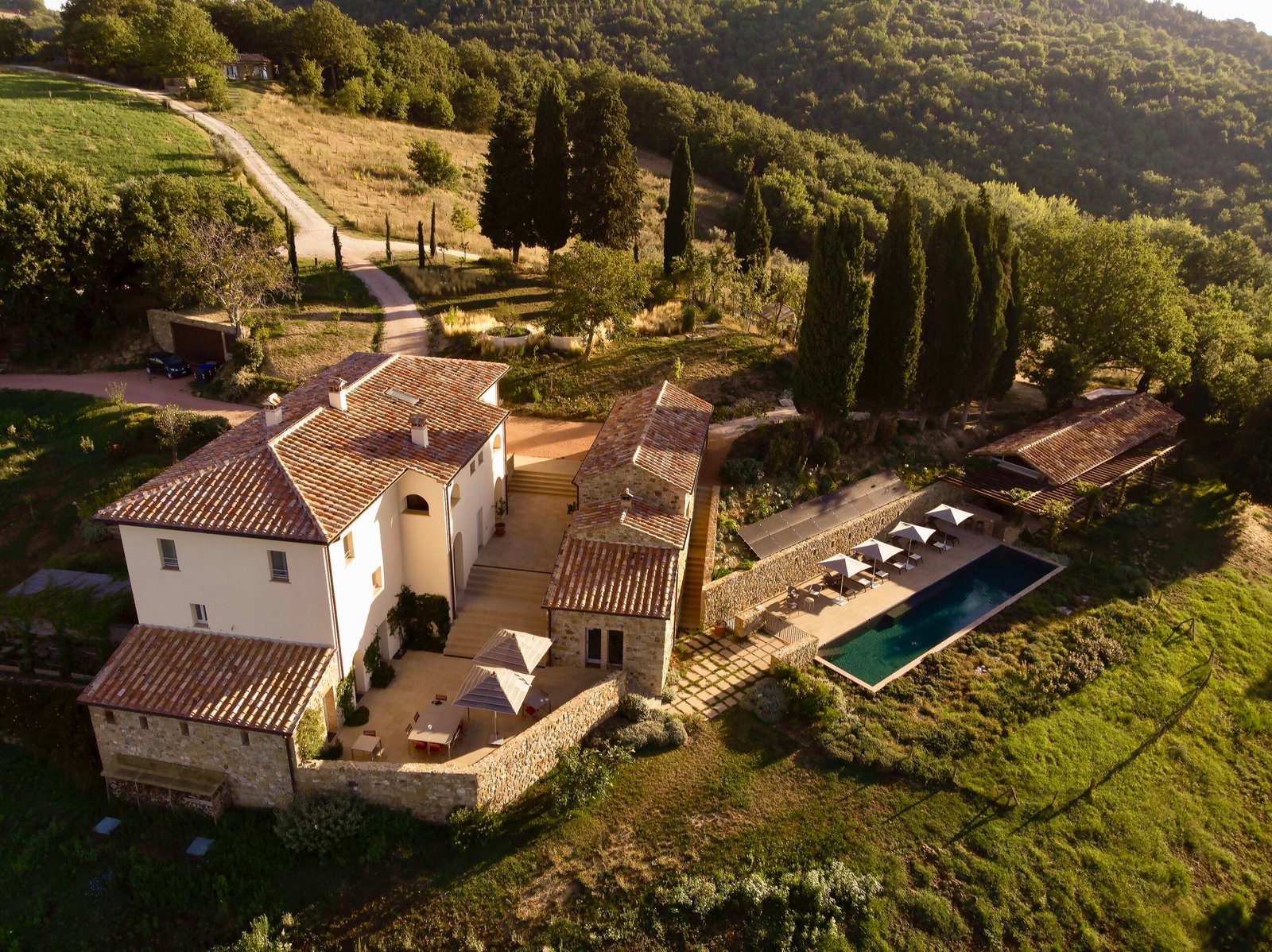
The Sanctuary for the Soul – the VIP Experience – Italy, Tuscany
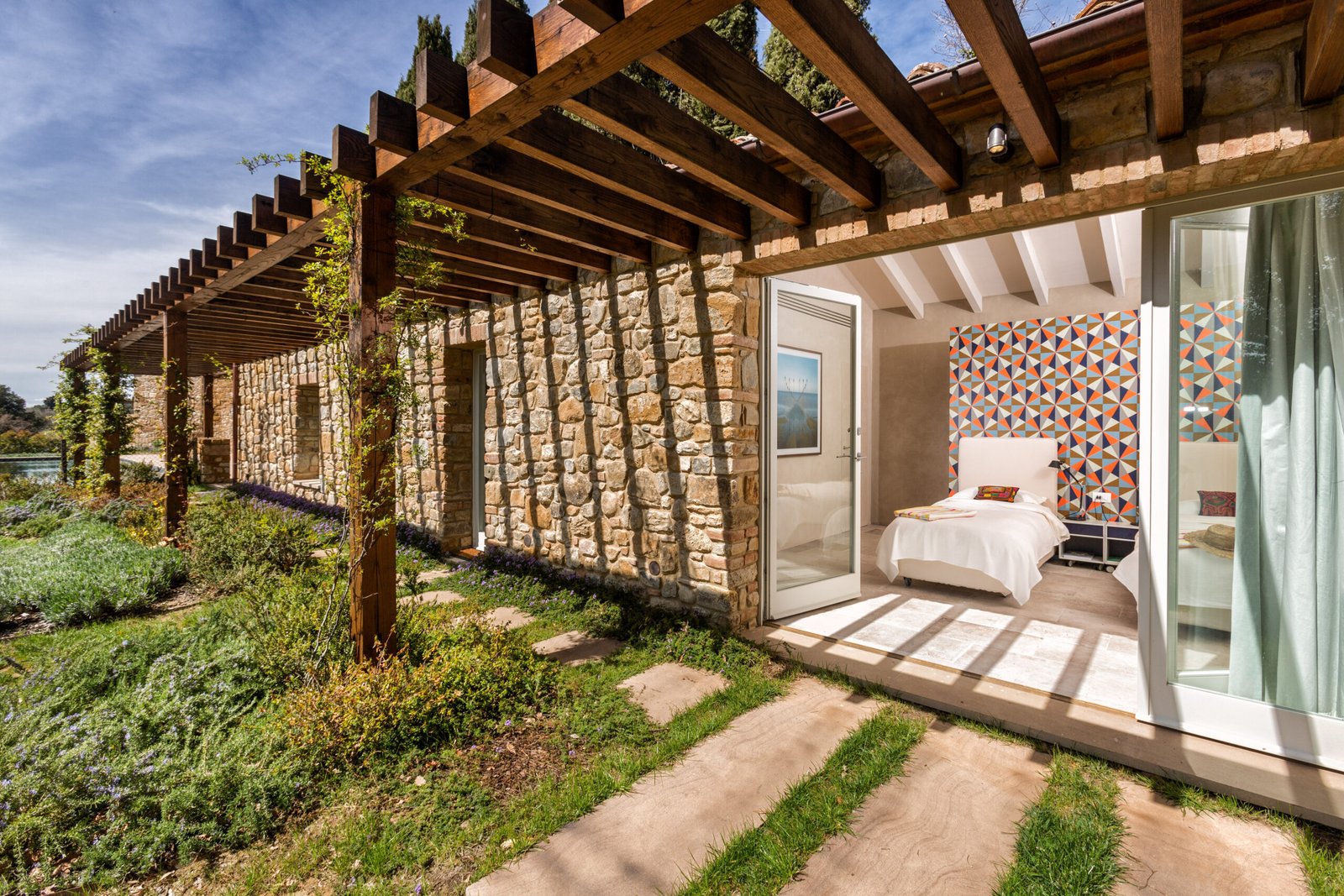
The Sweet Earth Retreat – Italy, Tuscany
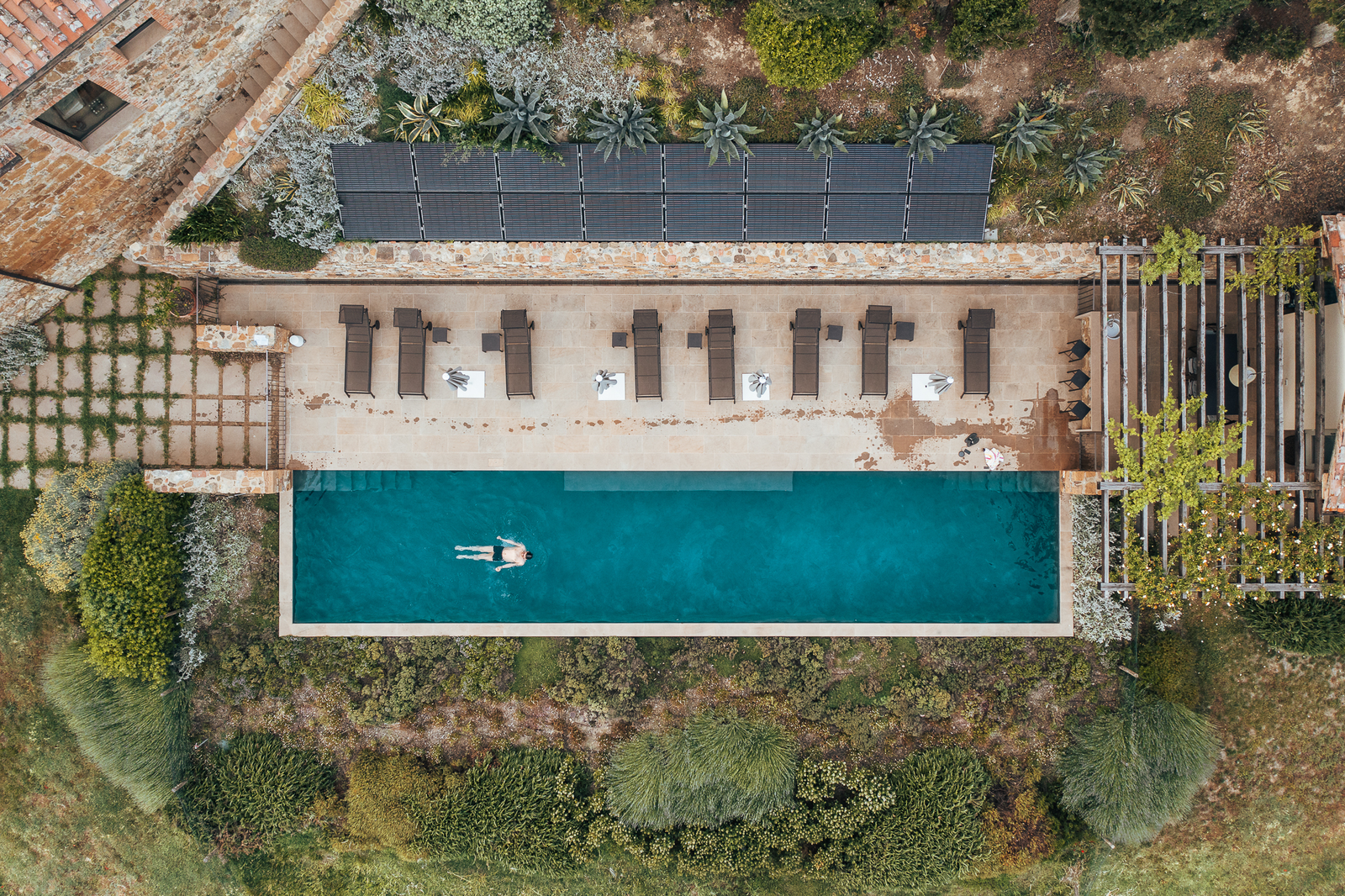
Under the Tuscan Sun: A Transformative Experience of Yoga, Photography and Taste. Italy, Tuscany
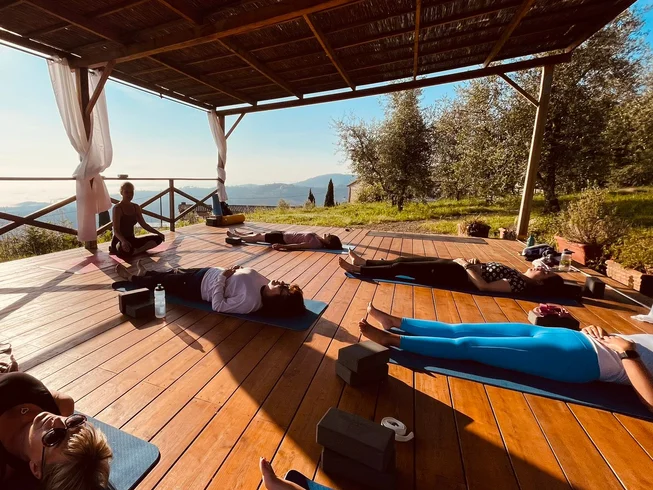
7 Day Yoga, Relaxation, Wine Tasting and Olive Oil Tasting in the Heart of Tuscany, Italy
5 Day Private Couples Retreat The Art of Connection in Sardinia, Italy
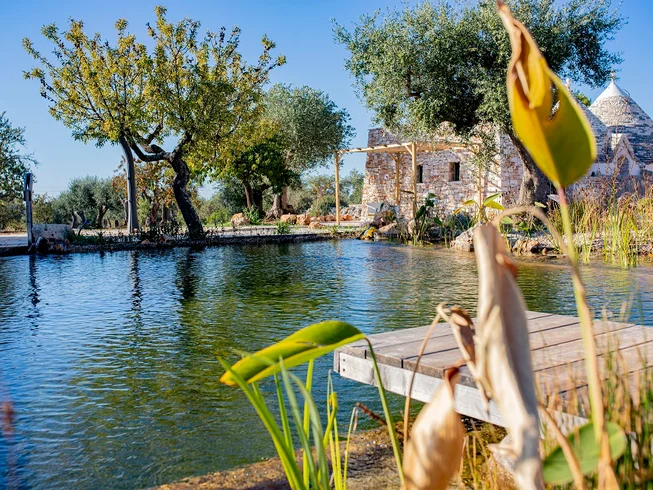
7 Day Italian Cooking, Tour and Yoga Holiday in Puglia, Italy
Regional price benchmarks
The pattern is clear: climate + real-estate cost + travel access = price band.
Portugal currently offers the best value-to-quality ratio in Europe — affordable flights, world-class teachers, and year-round mild weather.

What “budget” really means
The €400–€800 segment typically covers shared rooms, buffet-style meals, and large classes of 15–25 students.
Facilities are basic but often honest: you trade comfort for social energy.
Many first-timers start here, then move toward boutique formats once they realize what deeper attention feels like.
Budget retreats work if your goal is community and practice consistency, not luxury.
They’re ideal for digital nomads or travelers adding a mindful week to a longer trip.
Just read the fine print — sometimes “retreat” means simply accommodation plus open classes, not a structured journey.
The mid-range sweet spot
Between €1 000 and €1 800, you enter the boutique bracket: curated groups of 8–12, full programs, and hosts who know your name by the first evening.
Here you’ll find genuine transformation without the marketing fluff: organic food, personalized adjustments, time to rest between sessions.
This price level often reflects integrity, not indulgence — the difference between a class timetable and a real retreat container.
For most travelers, this is the sustainable choice: enough comfort to relax, enough structure to grow.
What premium really buys
Above €2 000, you move into intentionally designed experiences.
Think architect-built villas, resident chefs, integrated therapies, or thematic programs such as yoga and psychology, leadership through mindfulness, or longevity immersion.
High-end doesn’t necessarily mean elitist — it means depth and expertise.
A senior teacher with 20 years of experience, a somatic therapist, and a chef building menus for nervous-system recovery: that combination is costly to run but delivers measurable results.
Corporate burnout clients, entrepreneurs, and long-term practitioners often prefer this level because it aligns with how they value their time.
If the retreat price equals a weekend in a city hotel, question what’s missing.
If it equals a short professional course, it probably offers a similar long-term return.
Hidden costs that most overlook
Even “all-inclusive” listings rarely cover everything.
Add 10–15% to the advertised price for:
– Airport transfers or taxis from remote villages
– Optional massages or excursions
– Travel insurance
– Equipment rental (props, wetsuits, bikes)
– Tips for local staff
Also factor emotional energy: time zones, long layovers, and cultural friction carry their own cost.
A €1 000 retreat close to home may bring far more peace than a €600 one halfway across the world.
Understanding value vs. price
Money measures the external logistics; value measures internal outcome.
Ask yourself before comparing numbers:
– Am I paying for silence or for scenery?
– Do I need guidance or just space?
– Will this retreat teach me something I can keep applying next month?
Sometimes the €1 300 boutique retreat gives higher ROI than the €700 group week because you integrate habits — not because the pillow was softer.
Clarity here prevents buyer’s regret and supports conscious spending.

Economic trends shaping the retreat market
Post-pandemic, the wellness sector shifted dramatically.
Retreat organizers face higher food and energy costs, while travelers demand smaller groups and safer hygiene standards.
Prices rose 15–25% across Europe since 2022, but so did quality: programs are longer, teachers more experienced, and follow-up care more common.
Expect another trend: tiered pricing.
Many hosts now offer “shared” and “private” packages within one retreat, letting you control cost without losing access to the core experience.
Flexibility is becoming the new luxury.
How to budget realistically
Before booking, sketch a total figure instead of chasing deals
If your overall ceiling is €1 500, aim for a retreat around €1 000 and keep the rest for flights and spontaneity.
Financial peace of mind is part of wellbeing too.
Red flags to avoid
– Vague schedules or teachers with no background listed.
– “Too cheap to be true” offers under €400 including accommodation — these often cut corners on safety or staff pay.
– Upselling during retreat: constant add-ons indicate poor planning.
– Lack of refund policy.
Trust transparency over aesthetics: a well-run retreat will answer every question clearly and calmly.
Why cost and transformation are linked
Change requires safety — and safety requires structure.
Behind every well-priced retreat are people who maintain that structure: the host who wakes early to prepare the shala, the cook who accommodates allergies, the teacher who holds emotional space.
When these roles are valued, the environment becomes trustworthy, and true rest follows.
That’s what your payment actually buys: time in an ecosystem where your nervous system can finally let go.
Final thought
The real question isn’t “How much does a yoga retreat cost?” but “What is my wellbeing worth when it’s structured with intention?”
Whether you spend €600 or €2 600, the right investment returns clarity, balance, and habits that outlast the week itself.
Treat the number not as luxury, but as language: a translation of care, skill, and space.
When those align with your needs, the cost becomes not heavy — but honest.
FAQs: How Much Does a Yoga Retreat Really Cost
1. How much does a typical yoga retreat cost?
- Most yoga retreats cost between $400 and $3,000+ per week, depending on the level of comfort, location, and inclusions.
2. What is usually included in the price?
- Retreat packages typically include accommodation, daily yoga classes, meals, and sometimes workshops or excursions.
3. Why are some yoga retreats so expensive?
- Higher prices often reflect better accommodation, smaller group sizes, experienced instructors, and added features like spa treatments, private sessions, or curated experiences.
4. Are budget yoga retreats worth it?
Yes. Budget retreats still offer meaningful experiences, especially in destinations like Southeast Asia, where lower costs make retreats more accessible.
5. What extra costs should I consider?
- Flights, visas, travel insurance, optional activities, and private room upgrades are usually not included and can increase the total cost.
6. How can I choose a retreat that fits my budget?
- Start by setting a budget, then compare what’s included. Look for retreats that balance cost with value, such as meals, classes, and location, to ensure a worthwhile experience.
Share Your Thoughts
Your email address will not be published. Required fields are marked *