

Die Worte Wellness und Yoga Die Begriffe werden im Reisemarketing so häufig synonym verwendet, dass die Unterscheidung fast verschwunden ist. Durchstöbern Sie beliebige Retreat-Plattformen, und Sie finden Wellness-Wochenenden, Schweigeretreats, Surfcamps und Detox-Programme – alles unter demselben Begriff zusammengefasst.
Wellness- und Yoga-Retreats versprechen zwar beide Erholung, bedienen aber unterschiedliche Bedürfnisse, basieren auf verschiedenen Philosophien und bewirken unterschiedliche Veränderungen. Die Wahl zwischen ihnen, ohne diesen Unterschied zu verstehen, ist einer der Hauptgründe, warum viele Menschen nach einem Retreat mit dem Gefühl zurückkehren, dass etwas nicht stimmt – selbst wenn die Umgebung wunderschön und die Absichten gut waren.
Dieser Leitfaden verdeutlicht den Unterschied, sodass Sie anhand Ihrer Absicht und nicht anhand von Fotos auswählen können.


Die Worte Wellness und Yoga werden oft synonym verwendet – insbesondere im Reisemarketing.
Scrollt man durch Instagram, nennt sich mittlerweile alles Mögliche “Wellness-Retreat”, von Wellness-Wochenenden bis hin zu stillen Klosters.”
Doch obwohl beide die Wiederherstellung versprechen, dienen sie unterschiedlichen Bedürfnissen und basieren auf unterschiedlichen Philosophien.
Dieses Verständnis des Unterschieds hilft Ihnen, bewusster auszugeben, gezielter zu reisen und Erlebnisse auszuwählen, die tatsächlich etwas verändern, anstatt nur eine Woche zu füllen.

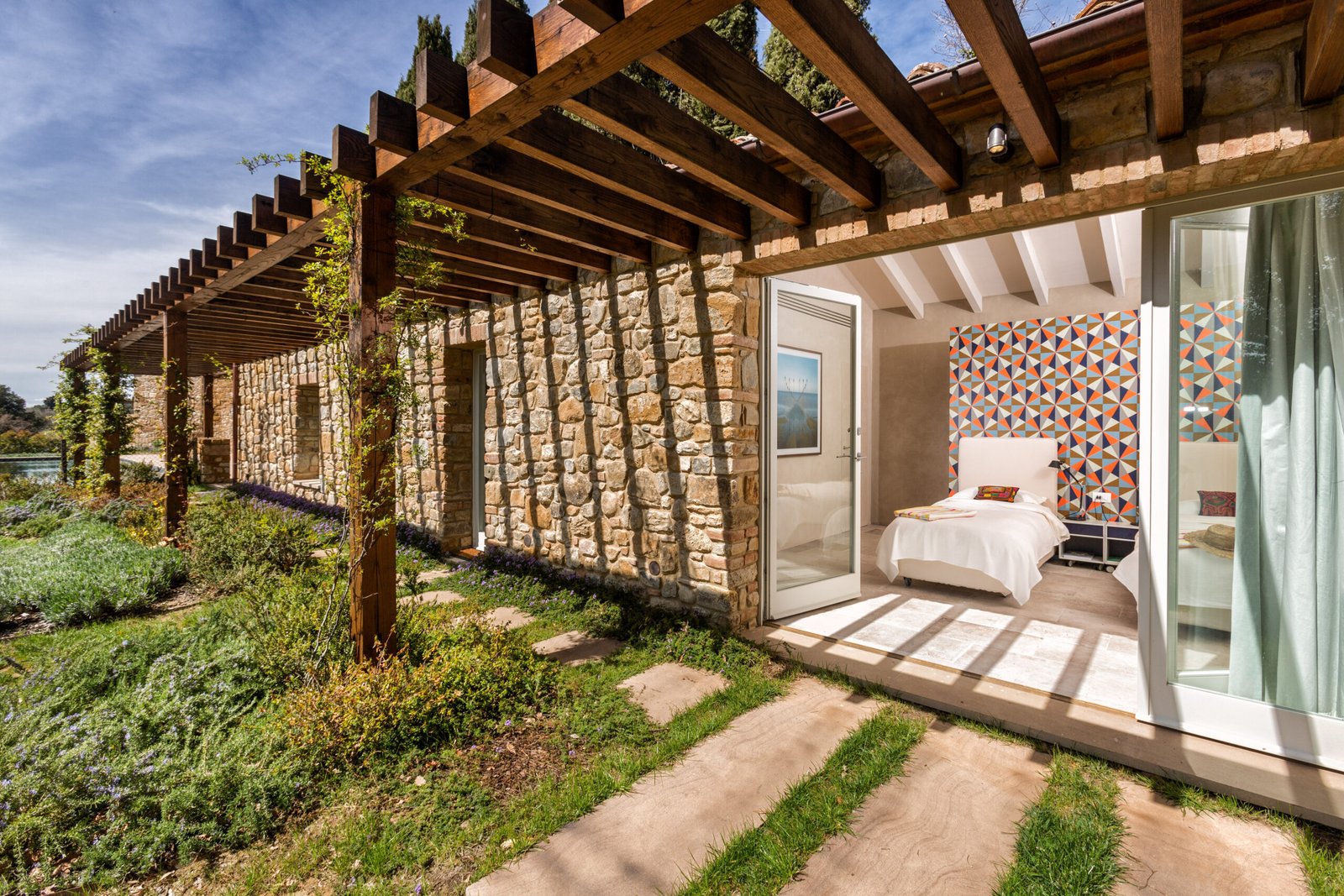

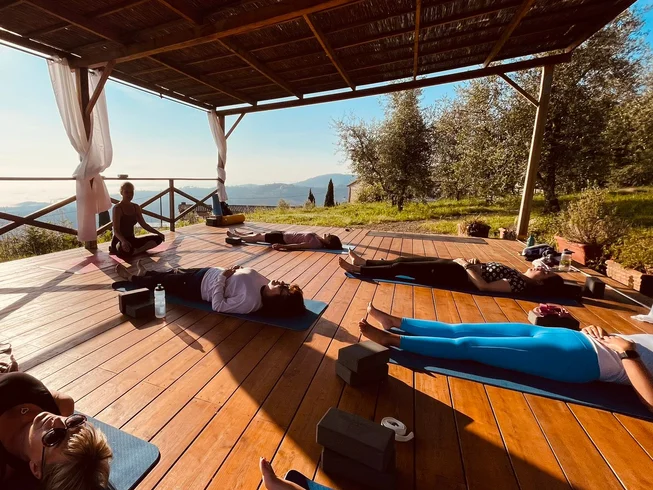


Ein Yoga-Retreat ist ein intensives Erlebnis, bei dem Yoga im Mittelpunkt steht. Nicht Yoga als eine Aktivität unter vielen, sondern als Leitprinzip der gesamten Woche. Der Tagesablauf, das Essen, das Tempo, die Stillephasen zwischen den Einheiten: Alles ist darauf ausgerichtet, die Praxis zu unterstützen und zu vertiefen.
Die meisten Yoga-Retreats bieten zwei Einheiten pro Tag an: eine dynamische Vinyasa- oder Yoga-Praxis am Morgen, um zu aktivieren und Wärme aufzubauen, und eine regenerative Yin- oder Yoga-Praxis am Abend, um loszulassen und zu integrieren. Dazwischen gibt es in der Regel viel freie Zeit: Raum zum Ausruhen, Tagebuchschreiben, Spazierengehen und um über die Eindrücke der Morgeneinheit nachzudenken. Diese freie Zeit ist keine Füllmasse, sondern fester Bestandteil des Konzepts.
Die Atmosphäre bei einem Yoga-Retreat ist in der Regel ruhiger und besinnlicher als bei anderen Retreat-Formaten. Gespräche drehen sich eher um Philosophie, Atem, Anatomie oder die persönliche Praxis als um Aktivitäten oder Organisation. Die Erfahrung kann herausfordernd sein – ohne die üblichen Ablenkungen des Alltags begegnet man sich selbst direkter –, aber genau diese Konfrontation ist der Sinn der Sache. Yoga-Retreats bewirken Veränderung durch Wiederholung, Beständigkeit und anhaltende Aufmerksamkeit. Dieselbe Matte, derselbe Lehrer, dieselbe Tageszeit: Diese Struktur fördert ein subtiles inneres Bewusstsein, das auf keinem anderen Weg wirklich zugänglich ist.

Wenn Sie sich für eine Yoga-Auszeit entschieden haben, Yoga-Retreats in Griechenland und Yoga-Retreats in Spanien Wir bieten die größte Auswahl an Formaten in Europa. Wenn ein Wellness-Retreat das Richtige für Sie ist, dann ist unser Angebot genau das Richtige. Wellness-Retreats in Italien Das Spektrum reicht von Thermalbadprogrammen bis hin zu Wellnessangeboten in den Bergen.
Wellness ist eine neuere und deutlich umfassendere Kategorie. Sie vereint Elemente der Spa-Kultur, der Lebensstilmedizin, der Psychologie und der somatischen Praxis zu sorgfältig zusammengestellten Erlebnissen, die darauf abzielen, Stress abzubauen, Energie wieder aufzubauen und nachhaltige Gewohnheiten einzuführen.
Ein Wellness-Retreat kann Yoga umfassen – aber auch Pilates, Atemübungen, Coaching-Sitzungen, Saunarituale, Kaltwasserbäder, Ernährungsworkshops, Klangheilung oder Waldbaden. Ziel ist es nicht, eine Tradition zu vermitteln oder eine Technik zu verfeinern. Vielmehr geht es darum, das Nervensystem durch Vielfalt wieder ins Gleichgewicht zu bringen und den Gästen ein breiteres Spektrum an Fähigkeiten mitzugeben, als sie mitgebracht haben.
Während Yoga-Retreats durch Wiederholung Veränderungen bewirken, schaffen Wellness-Retreats Entspannung durch Vielfalt. Durch den Wechsel verschiedener Angebote – Bewegung, Ruhe, Behandlungen, Gespräche, Momente der Stille – beugen sie dem Widerstand vor, der durch eine eintönige, wiederholte Übung entstehen kann, und erhalten die Neugierde während der gesamten Woche aufrecht. Das macht sie zugänglicher, insbesondere für Menschen, die noch keine Erfahrung mit strukturierter Selbstfürsorge haben oder eine Phase starken Stresses hinter sich haben.
Der Kompromiss liegt in der Tiefe. Eine Woche, in der man zwischen sieben verschiedenen Praxisfeldern wechselt, bringt zwar Breite und neue Impulse, führt aber selten zu derselben inneren Veränderung wie eine Woche, in der man sich intensiver mit einem einzigen Bereich auseinandersetzt.
Die meisten Yoga-Retreats bieten zwei Einheiten pro Tag an: eine dynamische Vinyasa- oder Yoga-Praxis am Morgen, um zu aktivieren und Wärme aufzubauen, und eine regenerative Yin- oder Yoga-Praxis am Abend, um loszulassen und zu integrieren. Dazwischen gibt es in der Regel viel freie Zeit: Raum zum Ausruhen, Tagebuchschreiben, Spazierengehen und um über die Eindrücke der Morgeneinheit nachzudenken. Diese freie Zeit ist keine Füllmasse, sondern fester Bestandteil des Konzepts.
Die Atmosphäre bei einem Yoga-Retreat ist in der Regel ruhiger und besinnlicher als bei anderen Retreat-Formaten. Gespräche drehen sich eher um Philosophie, Atem, Anatomie oder die persönliche Praxis als um Aktivitäten oder Organisation. Die Erfahrung kann herausfordernd sein – ohne die üblichen Ablenkungen des Alltags begegnet man sich selbst direkter –, aber genau diese Konfrontation ist der Sinn der Sache. Yoga-Retreats bewirken Veränderung durch Wiederholung, Beständigkeit und anhaltende Aufmerksamkeit. Dieselbe Matte, derselbe Lehrer, dieselbe Tageszeit: Diese Struktur fördert ein subtiles inneres Bewusstsein, das auf keinem anderen Weg wirklich zugänglich ist.
Der grundlegende Unterschied zwischen einem Yoga-Retreat und einem Wellness-Retreat liegt in der Methode, nicht in der Absicht. Beide streben dasselbe Ergebnis an: ein ruhigeres Nervensystem und ein klareres Selbstgefühl. Sie gehen nur unterschiedliche Wege.
A Yoga Ein Retreat erfordert die Hingabe an einen einzigen Weg. Die Tiefe, die aus dieser Hingabe erwächst – die wachsende Achtsamkeit für den Atem, das allmähliche Loslassen festgefahrener Muster, die Momente wahrer Stille –, ist nur durch die Wiederholung über mehrere Tage hinweg zugänglich. Sie lässt sich nicht beschleunigen oder ersetzen.
A Wellness Das Retreat bietet die Möglichkeit, verschiedene Wege zu erkunden. Der Nutzen ist kumulativ und erfahrungsbasiert, nicht technisch: Sie entdecken, was Ihrem Körper guttut, lernen neue Methoden kennen und kehren mit neuen Möglichkeiten zurück. Die Woche dient als Einführung in die Welt der Selbstfürsorge und nicht als tiefgehende Auseinandersetzung mit einem einzelnen Bereich.
Eine hilfreiche Kurzformel: Ein Yoga-Retreat schult die Achtsamkeit durch Disziplin. Ein Wellness-Retreat fördert das Wohlbefinden durch Vielfalt. Das eine erfordert Engagement, das andere bietet Raum für Entdeckungen. Keines ist besser – sie decken unterschiedliche Lebensphasen ab.
Ein Yoga-Retreat ist für Sie geeignet, wenn Sie haben bereits eine gewisse Verbindung zur Praxis – sei es auch nur gelegentlich oder vernachlässigt – und möchten sich fernab vom Alltagslärm wieder damit auseinandersetzen. Es eignet sich auch für Menschen, die sich besonders zu den philosophischen und somatischen Dimensionen des Yoga hingezogen fühlen: Atemübungen, Stille, innere Achtsamkeit. Erwarten Sie Struktur, frühes Aufstehen und eine Atmosphäre, in der die Praxis ernst genommen wird.
Ein Wellnessurlaub ist für Sie geeignet, wenn Sie sind noch nicht so vertraut mit strukturierter Selbstfürsorge, erholen sich von Burnout oder Krankheit oder sind einfach noch nicht bereit für die Intensität eines festen Übungsprogramms? Dann ist ein Wellness-Retreat der ideale Einstieg – sanfter, abwechslungsreicher und weniger anspruchsvoll, was Ihre Vorkenntnisse angeht. Wellness-Retreats eignen sich auch hervorragend für Menschen, die wissen, was sie nicht wollen (Stress, Lärm, Überforderung), aber noch keine passende Methode gefunden haben, in die sie sich vertiefen möchten.
Beide passen zu Ihnen, wenn Sie befinden sich in einer wichtigen Übergangsphase – sei es ein beruflicher Wechsel, das Ende einer Beziehung oder eine Zeit der Trauer oder Unsicherheit – und benötigen einen Rahmen, der Ihnen Halt gibt und gleichzeitig flexibel genug ist, um auf Ihre Bedürfnisse einzugehen. Viele kombinierte Beratungsformate sind genau für solche Fälle konzipiert.


Der philosophische Unterschied schlägt sich direkt in Preis und Infrastruktur nieder.
Yoga-Retreats sind oft günstiger, wenn sie von freiberuflichen Lehrern in kleineren, einfacheren Unterkünften – Bauernhöfen, Öko-Lodges oder umgebauten Dorfhäusern – angeboten werden. In Europa kostet ein einwöchiges Yoga-Retreat üblicherweise zwischen 800 und 1.600 Euro. Man bezahlt hauptsächlich für das Wissen und die Zeit des Lehrers sowie für die von ihm geschaffene Atmosphäre. Die Umgebung ist bewusst schlicht gehalten, da Einfachheit die Yogapraxis unterstützt.
Wellness-Retreats erfordern eine umfangreichere Infrastruktur: mehrere Spezialisten, Spa-Einrichtungen, Behandlungsräume, Saunen, Ausrüstung und mitunter medizinische oder ernährungswissenschaftliche Zulassungen. Ein einwöchiger Wellness-Retreat in Europa kostet in der Regel ab etwa 1.500 € und kann für Premium-Programme 3.500 € oder mehr erreichen. Sie bezahlen hier sowohl für die angebotenen Leistungen und das Ambiente als auch für die fachliche Betreuung.
Beide Angebote sind weder über- noch unterbewertet. Sie gewichten den Wert unterschiedlich – das eine legt den Fokus auf menschliche Expertise, das andere auf Umwelt und Angebotsvielfalt. Die Frage ist, welche Gewichtung Ihren tatsächlichen Bedürfnissen entspricht.
Das Umfeld prägt das Ergebnis stärker, als die meisten Buchungsentscheidungen berücksichtigen.
Yoga-Retreats gedeihen besonders gut in einfachen, ruhigen Umgebungen: Berghütten, ländliche Bauernhäuser, Öko-Lodges mit minimalem Komfort. Der Minimalismus ist funktional – er beseitigt Ablenkungen und fördert die für die Praxis notwendige innere Konzentration. Wenn die Umgebung schön, aber schlicht ist, gibt es weniger Möglichkeiten, sich vor sich selbst zu verstecken, und genau darum geht es.
Wellness-Retreats bevorzugen häufig Anlagen mit umfangreicher Ausstattung: Hotels mit Spas, Pools, Behandlungsräumen und Therapeuten vor Ort. Dieser Komfort ist auch funktional – er vermittelt dem Nervensystem Sicherheit und senkt die Hemmschwelle, sich hinzugeben. Für Menschen, die stark gestresst oder körperlich erschöpft sind, ist die Erlaubnis, sich einfach behandeln zu lassen, kein Luxus. Es ist der notwendige erste Schritt.
Die Wahl zwischen diesen beiden Wegen ist letztlich eine Frage des persönlichen Zugangs zur Ruhe: durch Einfachheit oder durch Komfort. Es gibt keine moralische Hierarchie zwischen den beiden – nur verschiedene Zugänge zum selben Ziel.
Yoga-Retreats regen oft zur inneren Auseinandersetzung an. Stille, Routine und anhaltende Konzentration wirken wie Spiegel – ungelöste Emotionen und gewohnte Verhaltensmuster treten leichter zutage, wenn die üblichen Ablenkungen fehlen. Deshalb sprechen erfahrene Yogalehrer davon, “Raum zu geben”: Die Transformation, die in einem geschützten Rahmen eines Retreats möglich wird, erfordert jemanden, der das Auftauchende erkennt und begleitet.
Wellness-Retreats wirken im Allgemeinen sanfter auf die Psyche. Sie legen Wert auf Selbstmitgefühl, die Regeneration des Nervensystems und den schrittweisen Wiederaufbau eines Gefühls der Leichtigkeit. Für Menschen, die chronischen Stress, Trauer oder emotionale Erschöpfung verarbeiten, ist diese Sanftheit keine weniger wirksame Form der Heilung – sie ist die richtige Medizin. Das Nervensystem muss sich sicher fühlen, bevor sich der Geist öffnen kann.
Kurz gesagt: Yoga-Retreats fordern dich heraus. Wellness-Retreats beruhigen dich. Die meisten Menschen brauchen beides zu unterschiedlichen Zeiten in ihrem Leben, weshalb sich die beiden Formate ergänzen, anstatt miteinander zu konkurrieren.
Die interessanteste Entwicklung im Retreat-Markt der letzten fünf Jahre ist das Wachstum von Formaten, die sich keiner der beiden Kategorien eindeutig zuordnen lassen. Yoga-zentrierte Wellness-Programme bewahren die philosophische Tiefe eines traditionellen Yoga-Retreats, bieten aber gleichzeitig Entspannung durch Spa-Rituale, Wanderungen oder Coaching. Wellness-Retreats nutzen Yoga als strukturelles Rückgrat und nicht nur als einen Bestandteil des Angebots.
Diese kombinierten Formate funktionieren gut, wenn Yoga im Mittelpunkt steht und andere Angebote es ergänzen. Weniger gut funktionieren sie, wenn Yoga nur eine Alibi-Morgenstunde zwischen Massagen ist – zwar im Branding präsent, aber nicht im Konzept. Die entscheidende Frage bei der Bewertung eines solchen Programms lautet: Was setzt der Tagesablauf tatsächlich in den Vordergrund? Die Antwort findet sich meist im Stundenplan, nicht in der Beschreibung.
Anstatt die Wahl als Vergleich von Eigenschaften zu betrachten, sollte man sie als Frage der ehrlichen Selbsteinschätzung angehen. Vier Fragen klären die meisten Situationen in der Regel schnell.
Sehnen Sie sich nach Disziplin oder nach Ruhe? Wenn Sie nach Konzentration, Struktur und dem Gefühl, etwas erreicht zu haben, suchen, ist ein Yoga-Retreat besser geeignet. Wenn Sie sich hingegen eine Auszeit gönnen, sich verwöhnen lassen und ohne Druck entspannen möchten, ist ein Wellness-Retreat die passendere Wahl.
Möchten Sie lernen oder sich erholen? Yoga-Retreats fördern die Entwicklung von Fähigkeiten und vertiefen die Yoga-Praxis. Wellness-Retreats stärken die Leistungsfähigkeit und stellen die Grundfunktionen wieder her. Beides ist wertvoll – aber es zielt auf unterschiedliche Defizite ab.
Brauchen Sie Stille oder sanfte Stimulation? Yoga-Retreats sind bewusst ruhiger gestaltet; unstrukturierte Zeit und die Konzentration auf das Innere stehen im Mittelpunkt. Wellness-Retreats bieten mehr Abwechslung und sind in der Regel geselliger.
Wie viel Struktur wünschen Sie sich? Bei Yoga-Retreats wird die Anwesenheit zu bestimmten Zeiten und in bestimmter Weise für bestimmte Einheiten erwartet. Wellness-Retreats sind in der Regel flexibler – die Aktivitäten werden angeboten, sind aber nicht verpflichtend, und das Tempo kann individueller bestimmt werden.
Es gibt keine falsche Antwort. Die Wahl hängt lediglich davon ab, ob Ihre aktuelle Situation mit den Angeboten des Formats übereinstimmt.
Fehlende Erwartungen sind der häufigste Grund, warum Teilnehmer nach einem Retreat das Gefühl haben, etwas gefehlt zu haben. Jemand, der sich nach tiefgründiger Lehre sehnt, ist von einer Wellnesswoche mit Spa-Bezug enttäuscht. Jemand, der Ruhe brauchte, fühlt sich in einem strengen Yoga-Programm überfordert. Die Erfahrung an sich war gut – sie war nur nicht auf die tatsächlichen Bedürfnisse der Teilnehmer zugeschnitten.
Den Unterschied zwischen einem Wellness-Retreat und einem Yoga-Retreat zu verstehen, bedeutet nicht, die bessere Option zu finden. Es geht darum, die richtige Option für sich zu finden – das Format, das zu Ihrer aktuellen Lebensphase, Ihren tatsächlichen Bedürfnissen und der Art von Veränderung passt, für die Sie wirklich bereit sind.
Wenn diese Ausrichtung stimmt, beginnt das Retreat schon vor Ihrer Ankunft zu wirken.
Worin besteht der Hauptunterschied zwischen einem Wellness-Retreat und einem Yoga-Retreat? Ein Yoga-Retreat stellt Yoga in den Mittelpunkt und strukturiert die Praxis – mit täglichen Einheiten, Atemübungen, Meditation und einer ruhigen, nach innen gerichteten Atmosphäre, die die Übung über mehrere Tage hinweg vertieft. Ein Wellness-Retreat hingegen verfolgt ein umfassenderes Konzept und nutzt verschiedene Ansätze – Bewegung, Spa-Behandlungen, Coaching, Ernährung, Klangheilung –, um das allgemeine Wohlbefinden wiederherzustellen. Yoga kann zwar auch Teil eines Wellness-Retreats sein, ist aber nur ein Element unter vielen und nicht die Grundlage des Erlebnisses.
Welche Option eignet sich besser für jemanden, der noch nie an einem Retreat teilgenommen hat? Es kommt mehr auf Ihren aktuellen Zustand als auf Ihre Vorkenntnisse an. Wenn Sie erschöpft oder überfordert sind oder noch keine Erfahrung mit strukturierter Selbstfürsorge haben, ist ein Wellness-Retreat mit seinem sanfteren und abwechslungsreicheren Format meist der leichtere Einstieg. Wenn Sie bereits eine gewisse Beziehung zu Yoga haben – auch wenn sie nur gelegentlich besteht – und tiefer in diese eintauchen möchten, bietet Ihnen ein Yoga-Retreat mehr. Für beides sind Vorkenntnisse im Bereich Retreats nicht erforderlich.
Gehört Yoga immer zu Wellness-Retreats? Viele bieten Yoga an, aber nicht alle. Wenn Yoga in einem Wellness-Retreat enthalten ist, wird es üblicherweise als eine von mehreren täglichen Angeboten präsentiert und bildet nicht den Kern des Programms. Falls Ihnen Yoga wichtig ist, prüfen Sie den Tagesablauf vor der Buchung sorgfältig – die Gewichtung von Yoga und anderen Aktivitäten variiert je nach Programm erheblich.
Sind Yoga-Retreats teurer als Wellness-Retreats? Im Allgemeinen ist das Gegenteil der Fall. Yoga-Retreats sind oft günstiger, da sie weniger Infrastruktur benötigen – ein qualifizierter Lehrer, ein geeigneter Raum und eine unterstützende Umgebung sind die Hauptkostenfaktoren. Wellness-Retreats hingegen erfordern mehrere Spezialisten, Spa- oder Behandlungseinrichtungen und mitunter medizinische oder ernährungswissenschaftliche Zulassungen, was die Betriebskosten und somit die Preise erhöht. Ein einwöchiges Yoga-Retreat in Europa kostet in der Regel zwischen 800 und 1.600 Euro; ein gleich langes Wellness-Retreat beginnt meist bei 1.500 Euro und kann teurer sein.
Kann ein Retreat sowohl ein Yoga-Retreat als auch ein Wellness-Retreat sein? Ja. Kombinationsprogramme, die die Tiefe eines Yoga-zentrierten Programms mit der Vielfalt und dem Wohlbefinden eines Wellnessangebots verbinden, werden immer beliebter und sind oft die beste Option für Menschen in wichtigen Lebensübergängen. Entscheidend ist, den tatsächlichen Tagesablauf zu bewerten, nicht die Bezeichnung – ein gut konzipiertes Kombinationsretreat stellt Yoga als strukturelles Fundament dar und ergänzt es mit anderen Methoden, anstatt Yoga zu einem bloßen Bestandteil eines Spa-Programms zu degradieren.
Wie finde ich heraus, welches Format im Moment das richtige für mich ist? Stelle dir zwei ehrliche Fragen: Möchtest du tiefer in eine Sache eintauchen oder brauchst du Erholung, bevor du weitermachen kannst? Lautet die Antwort „Vertiefung und Konzentration“, wähle eine Yoga-Auszeit. Lautet sie „Erholung und Entspannung“, wähle eine Wellness-Auszeit. Bist du dir wirklich unsicher, erfüllt ein gut durchdachtes Kombinationsprogramm – oder eine exklusive Yoga-Auszeit mit viel freier Zeit – meist beide Bedürfnisse.
Ihre E-Mail-Adresse wird nicht veröffentlicht. Erforderliche Felder sind mit * markiert