
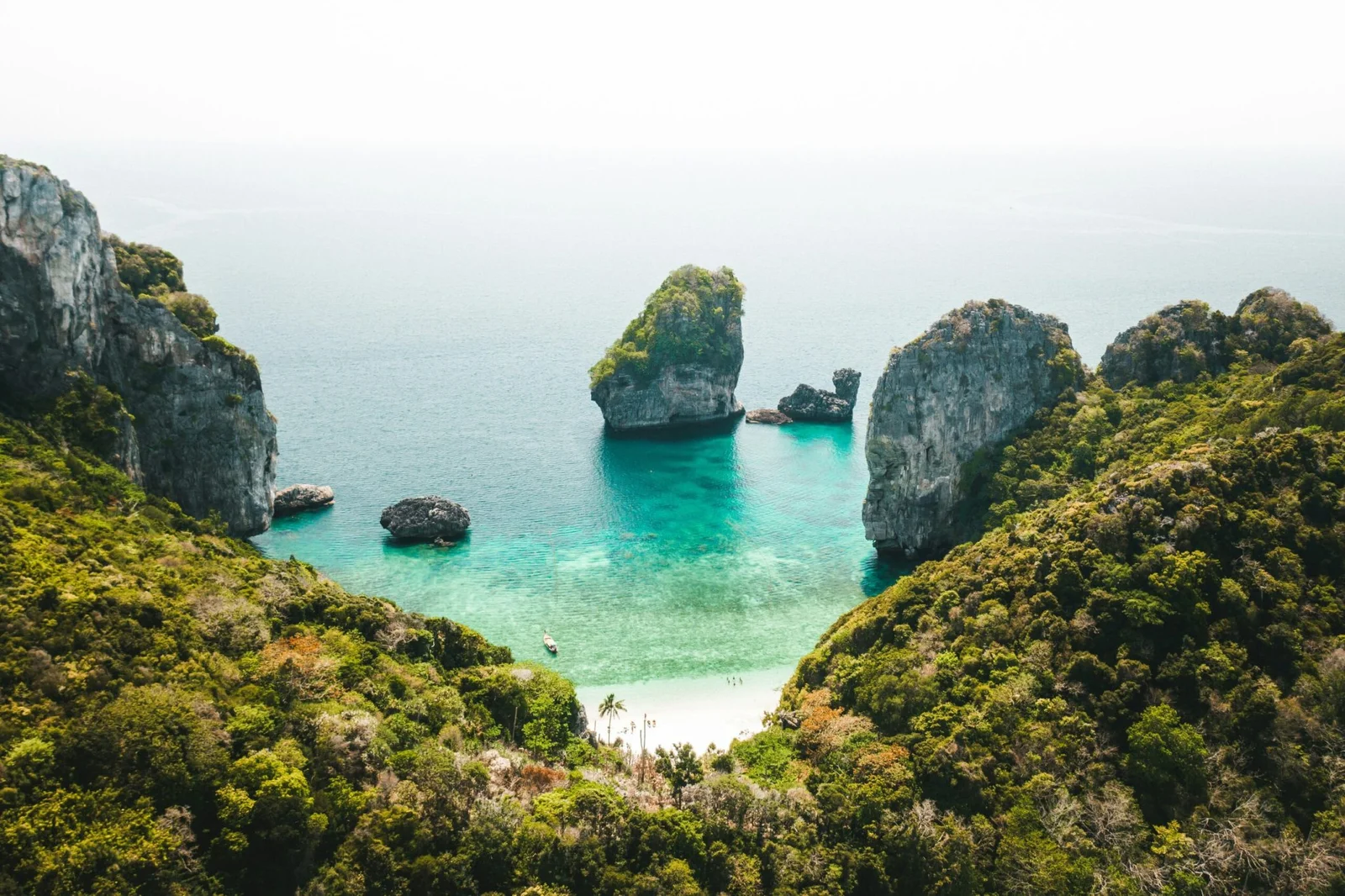
January is the best month of the year for a yoga retreat in Thailand. The dry season is in full effect across the country — clear skies, comfortable temperatures, and the Gulf islands at their calmest and most accessible.
The retreat infrastructure is at full capacity and the choice of programmes is wider than in any other month.


January sits in the sweet spot between December’s holiday rush and the heat that builds from March onward. The north is cool and crisp — Chiang Mai mornings at 15-18°C, the mountain air clean before the burning season starts in March. The Gulf coast is flat, warm, and clear. The Andaman coast is in its dry season prime. Across the country, conditions are as good as they get.
Browse our full yoga retreats in Thailand guide for the complete picture of what the country offers year-round. For the global context of January retreat travel, our yoga retreats in January guide covers every destination worth considering this month.
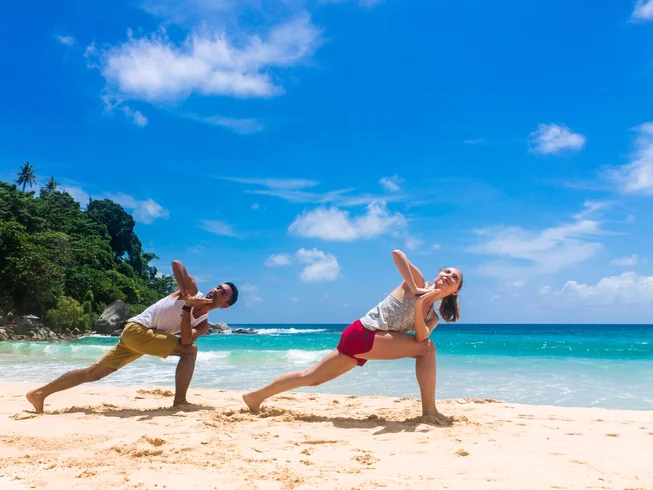
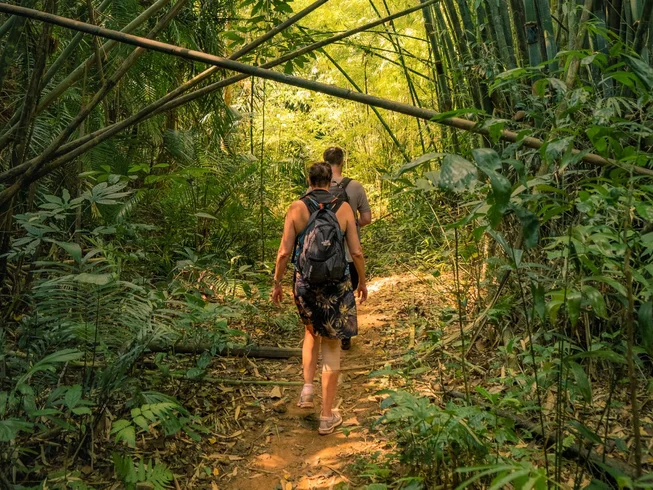
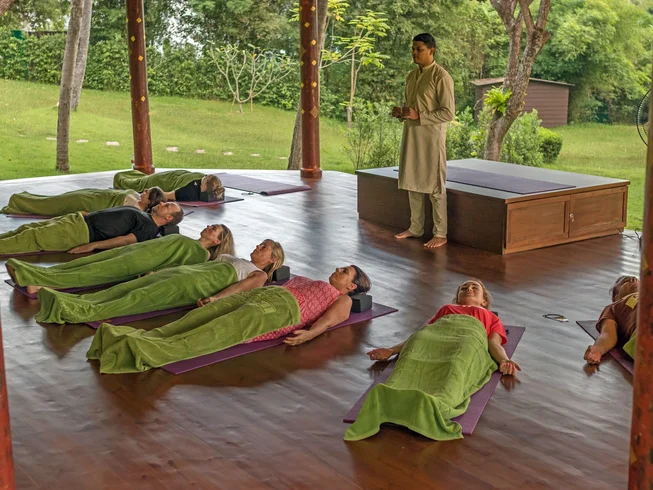
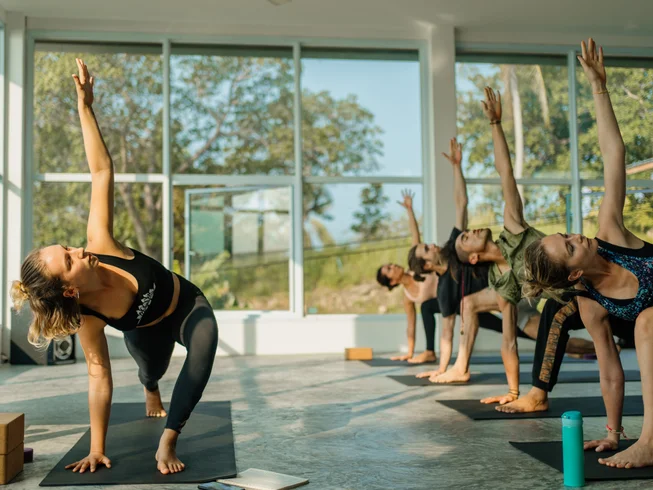
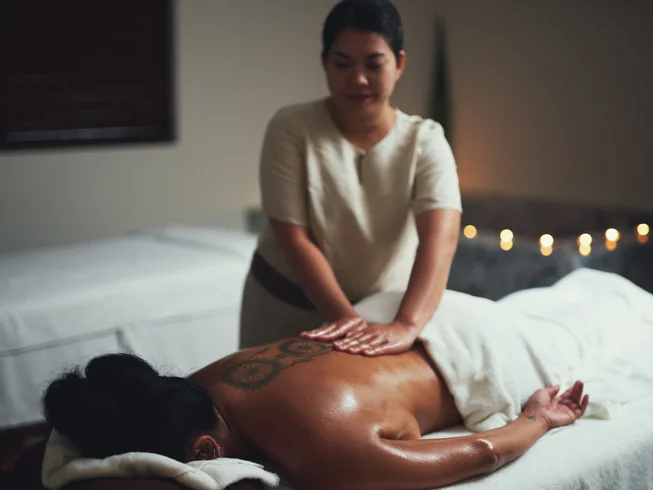
January transforms northern Thailand into something the islands can never offer. Chiang Mai at 15-20°C at dawn, warming to 25-28°C by midday — cool enough for the sunrise yoga session to feel genuinely fresh, warm enough for the afternoon temple walks to be comfortable without effort. The air in January is clean and clear — the burning season that clouds the northern skies with agricultural smoke from March through May has not yet started, and the visibility from the hill viewpoints extends to the mountain ranges above the Myanmar border.
The yoga and meditation infrastructure of Chiang Mai is among the most developed in Asia. The Old City has the highest concentration of traditional Thai massage schools in the country, the vipassana centres in the hills above the city are running their January programmes, and the retreat centres in the surrounding villages — Hang Dong to the south, Mae Rim to the north — use the January cool to run their most ambitious outdoor morning sessions of the year.
Pai in the Mae Hong Son valley, three hours northwest of Chiang Mai through the mountain switchbacks, is in January at its peak: the valley floor mist burning off by 9am, the rice fields harvested and golden, and the small-scale retreat scene of the town at its most concentrated. Pai has been a yoga and alternative wellness destination since the 1990s and the January season brings the teachers and practitioners who base themselves there through the cool months specifically.
The Gulf of Thailand coast is in January at its clearest and calmest. Koh Phangan — the island that has been the centre of the Thai retreat scene since before Koh Samui developed its luxury hotel infrastructure — is in January at full retreat capacity. The Full Moon Party that defines the island for one night a month barely touches the retreat community, which lives in the quieter north and northwest around Srithanu. The combination of daily yoga, Thai massage, raw and cooked food culture, and the Samui Archipelago sea at 27-28°C is the retreat format that exists in its fullest form here.
Koh Tao in January has the best underwater visibility of the year — 20-30 metres in the clearest conditions — making it the dive retreat destination at its most specific. The combination of morning yoga, afternoon dive, and evening meditation that some Koh Tao retreats offer is specifically a January format.
Koh Samui has the most developed luxury retreat infrastructure of the Gulf islands. The airport makes it the most accessible of the three islands, and the January dry season ensures that the outdoor programme runs without interruption.
The Andaman coast in January is in its dry season prime — the monsoon has been gone for three months, and the seas are calm, clear, and warm (28-29°C). The limestone cliffs of Railay and Phang Nga Bay, the long beaches of Koh Lanta, and the resort infrastructure of Phuket are all at their most accessible.
Phuket has the most developed retreat and spa infrastructure on the Andaman coast. The wellness hotels of the Rawai and Nai Harn areas in the quieter south of the island run some of the most established yoga and Ayurveda programmes in Thailand. The retreat centres here tend toward longer-format programmes — 7 to 21 days — that the January season makes specifically attractive.
Koh Lanta is the quieter alternative — a long island with a well-established yoga community, fewer tourists than Phuket or Krabi, and the specific quality of a place that has been developing its retreat infrastructure for decades without the mass tourism overlay.

January in Thailand begins with the tail end of the Western New Year celebrations — the beach parties and countdown events of Koh Phangan, Koh Samui, and Phuket winding down in the first days of the month. For retreat guests arriving in early January, the contrast between the party energy of the countdown week and the quiet of the retreat that follows it is itself part of the January experience.
Wan Dek — Thai National Children’s Day — falls on the second Saturday of January and is celebrated across the country with school events, free admission to government parks and museums, and the specific festive energy of a public holiday oriented entirely toward children. In Chiang Mai, the city’s parks and the moat-side public spaces fill with family activities. For retreat guests based in the city, it is one of those public celebrations that makes the street-level life of the city visible in a way that the ordinary retreat schedule does not.
King Naresuan Memorial Day commemorates the victory of King Naresuan over the Burmese at the Battle of Nong Sarai in 1593 — the battle that established Thai independence and that remains one of the central moments in Thai national identity. Ceremonies take place at temples and public spaces around the country, particularly in Suphanburi province where the battle is commemorated. For retreat guests interested in Thai history and culture, the January 25th ceremonies at the major Chiang Mai temples provide a window into the Thai relationship with its own historical narrative.
January mornings in Chiang Mai are cool enough that the Thai preference for warm breakfast food makes immediate physical sense. Khao tom — the rice soup that Thai people eat for breakfast, lunch, and as late-night comfort food — is in January its most specifically appropriate form: the warm broth, the soft rice, the garnishes of fresh ginger, spring onion, and coriander, and the side dish of nam pla prik (fish sauce with chilli) that each person adjusts to their own level. At a Chiang Mai retreat kitchen sourcing from the morning market, khao tom at 7am after the sunrise practice is the Thailand breakfast at its most direct and most nourishing.
The cool season in northern Thailand produces vegetables that the southern heat cannot support. Phak chi farang (long coriander), phak krasang (a bitter water plant), and the lam yai (longan) that the Chiang Mai valley orchards produce in late season are all January ingredients that the northern Thai kitchen uses in ways that the central and southern traditions do not. The northern-style khao soi — the curry noodle soup of the Chiang Mai tradition, made with egg noodles in a coconut-cream curry broth with pickled mustard greens, shallots, and lime — is at its January best when the mornings are cool enough to make a warming bowl of noodle soup feel like exactly the right thing.
January in Thailand has a specific fruit calendar that the retreat kitchen uses differently from the summer months. Nam dok mai mangoes (the small, intensely fragrant variety from the northern orchards) are in January at their green stage — eaten unripe with sugar, salt, and chilli in the Thai tradition rather than waiting for the April-May ripe season. Pomelos from the central plains and the northern river valleys are at their January peak — the large citrus fruit with its thick pith and intensely flavoured flesh eaten peeled at the morning market or incorporated into the yam som o salad that mixes the pomelo segments with dried shrimp, roasted coconut, and a lime dressing. Strawberries from the Doi Ang Khang and Doi Inthanon highland growing areas appear at the Chiang Mai markets from December through February — small, intensely flavoured highland strawberries that the coastal lowlands cannot produce.
The raw food and plant-based retreat kitchen culture of Koh Phangan is in January at its most developed — the island’s concentration of raw food restaurants, smoothie bowls, and cold-pressed juice operations serving the retreat community’s January peak. The coconut water drunk directly from the young coconut is in January at its most refreshing and most available — the street carts of Koh Phangan’s Had Rin and Srithanu areas selling fresh coconuts at prices that make it the most logical hydration strategy on the island.

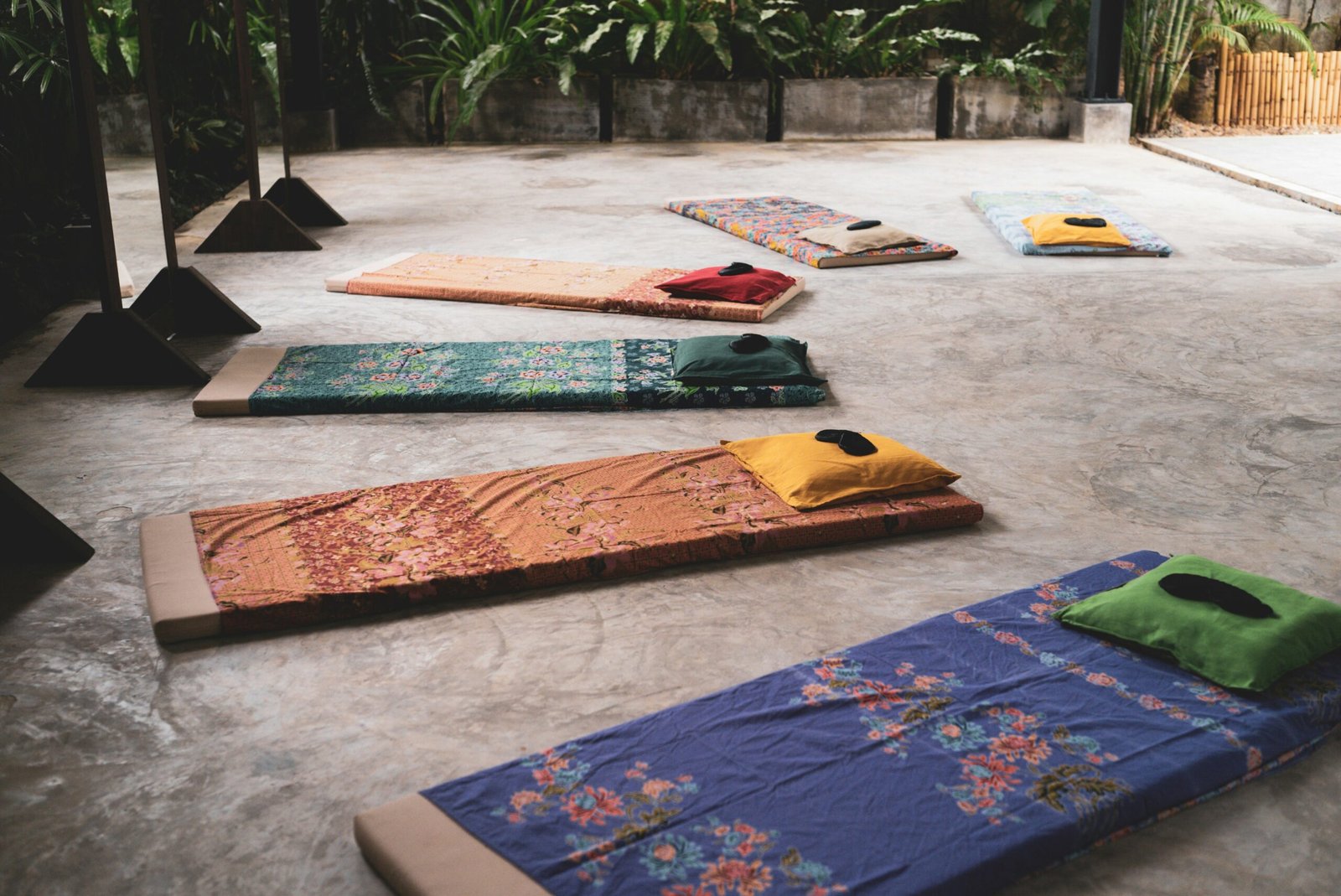
The ethical elephant sanctuaries of the Chiang Mai area — the Elephant Nature Park in Mae Taeng and several smaller operations in the Mae Wang valley — are in January at their most comfortable for a full day visit. The January temperatures make the walking, feeding, and river bathing that a full sanctuary day involves genuinely enjoyable rather than heat-endurance. The retreat centres in Chiang Mai that incorporate a sanctuary day into the programme are offering an experience that is specifically Thai and specifically of this landscape.
The cooking school culture of Chiang Mai is in January at its most active. The morning market tour and cooking class format — visiting the Warorot or Somphet market before dawn to select ingredients, then cooking at the school — is in January working with the cool season produce that gives the northern Thai kitchen its specific January character. The classes run by the smaller independent teachers rather than the large tourist-oriented schools are in January more accessible — book 3-4 days in advance rather than the same day.
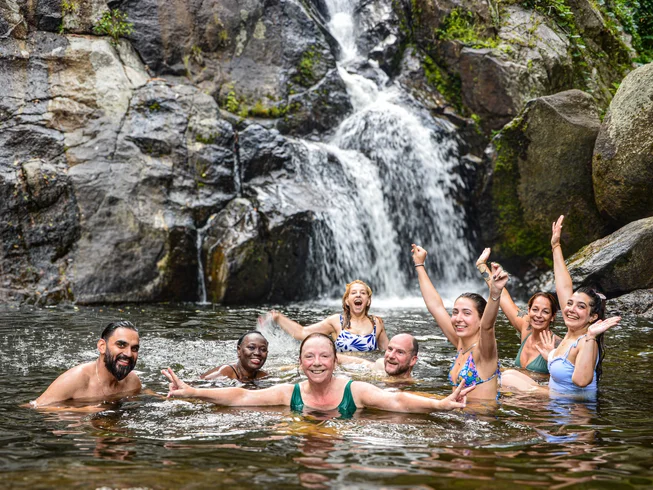
Doi Inthanon — Thailand’s highest peak at 2,565 metres, with cloud forest, waterfalls, and royal garden projects at the summit — is in January at its clearest and coolest. The summit temperature in January can reach 0-5°C before dawn, making it the one place in Thailand where a genuine cold-weather layer is necessary. The retreat centres in Chiang Mai that incorporate a Doi Inthanon day trip produce a specifically January experience: the cloud forest walk, the Wachirathan waterfall at full cool-season volume, and the summit gardens with the rhododendrons beginning their January flowering.
Your email address will not be published. Required fields are marked *