The Sound of Stillness: Music, Movement, and Mindfulness in Spain

In Spain, stillness does not come from silence alone but from the rhythm of everyday life, where music, movement, breath, and atmosphere naturally slow you down and bring you back to presence. From flamenco in Seville to the pulse of streets in Granada and sound woven into yoga practice, the country shows how mindfulness can be felt not outside life, but in the middle of it.

AUTHOR

Om Away

DATE PUBLISHED

January 16, 2026

CATEGORY

Share This Article

The First Thing You Hear Is Life Itself

Spain never seems silent.
Even at dawn, before the cafés open, before church bells announce the hour, there’s a subtle vibration — a rooster somewhere, the shuffle of early footsteps, a low hum that feels like the country itself breathing.

And yet, within that hum, you find stillness.
It’s not the sterile quiet of isolation; it’s a living, rhythmic stillness — a pause that beats gently, like a pulse you can feel beneath your skin.
In Spain, silence doesn’t mean absence. It means presence.

8 Day Private Individual Yoga Holiday in Ibiza, Spain

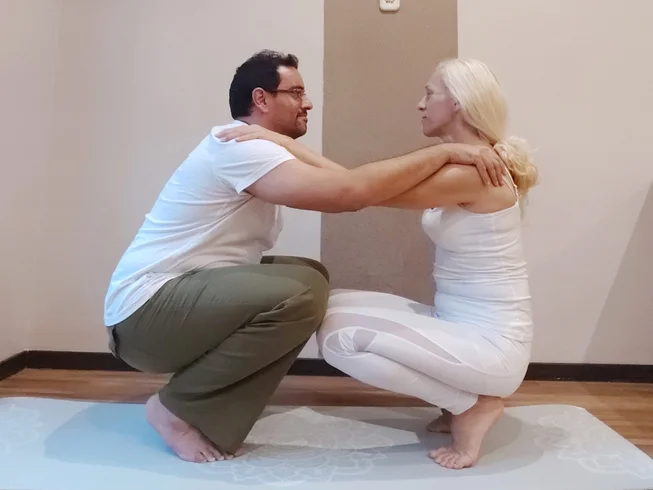
5 Day Private Reconnect Couples Retreat in Benalmádena, Province of Málaga, Spain

8 Day Yoga and Hiking in the Heart of Tramuntana, Spain

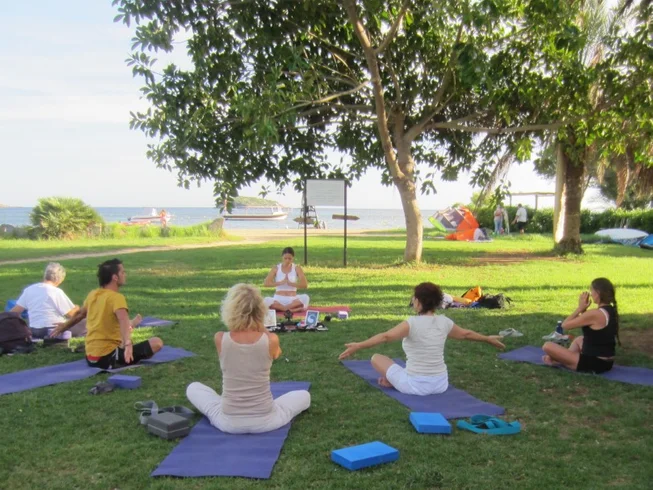
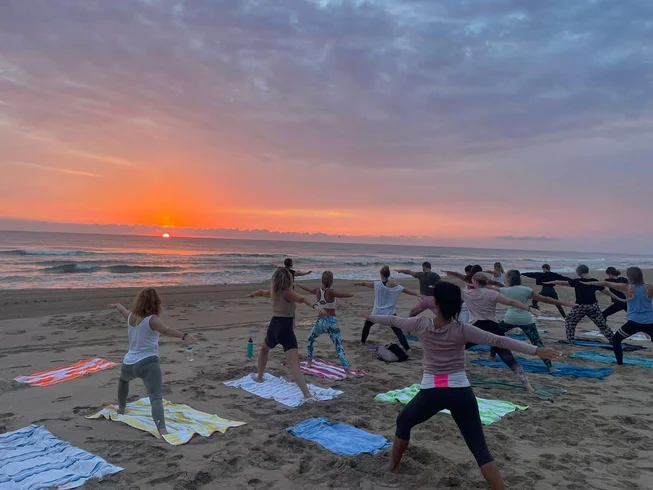
6 Day Mediterranean Beach Yoga Holiday in Valencia, Spain

4 Day Chakra Bliss Yoga Retreat with Hike to Waterfalls and Good Food near Barcelona, Spain

mindfulness nature

Vegan Yoga retreat, Alicante, Spain

Rhythm as Language

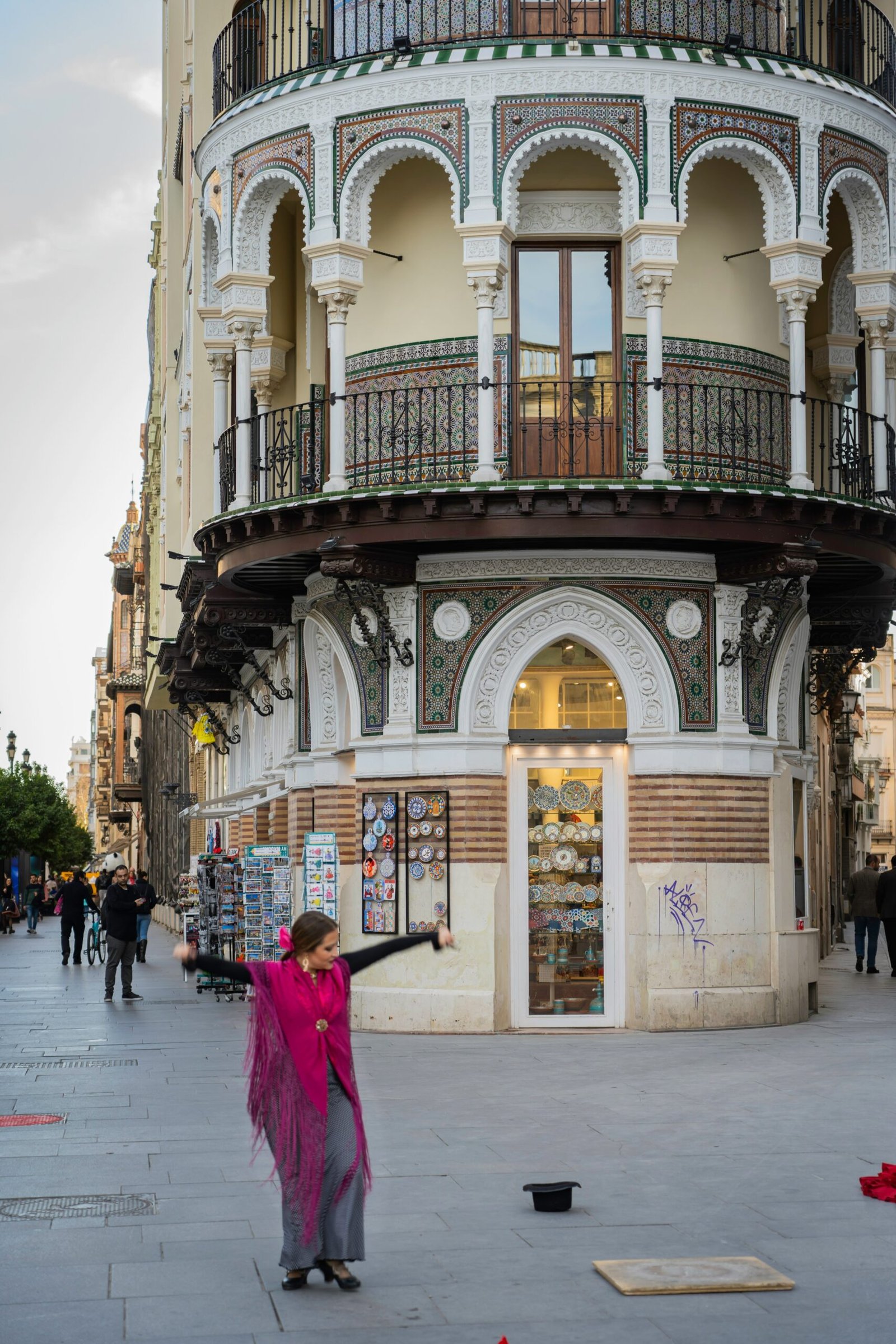
I first understood this in Seville, standing in a small courtyard one evening while a woman danced flamenco.
There was no stage, no separation — just the hard floor, her feet, her breath, and a guitarist beside her.
The music wasn’t performed; it was released.

Flamenco isn’t choreography; it’s confession.
Each stomp, each clap, each inhale is a negotiation between chaos and control.
Watching it, I realised that stillness doesn’t only live in quiet places — it lives in the exact centre of movement, in that perfect heartbeat between one note and the next.

It’s the same in yoga: the moment between breath in and breath out is where truth hides.

person playing guitar outdoors in spain during a mindful cultural moment

The Everyday Music of Spain

Outside performances, the country itself plays its own score.
The metallic click of a coffee cup against saucer, the rustle of palm leaves, the distant echo of a radio playing an old bolero.
In Granada, narrow alleys carry sound like water — footsteps bounce off stone, laughter slides through open doors.

At first it overwhelms. Then, slowly, it synchronises with you.
You start walking to the tempo of church bells, eating in time with conversation, breathing at the same pace as the streets.
It’s mindfulness in disguise: life conducted not by to-do lists but by rhythm.

There’s no need to seek serenity here; it finds you when you stop resisting the music.

Yoga and Music as Mirrors

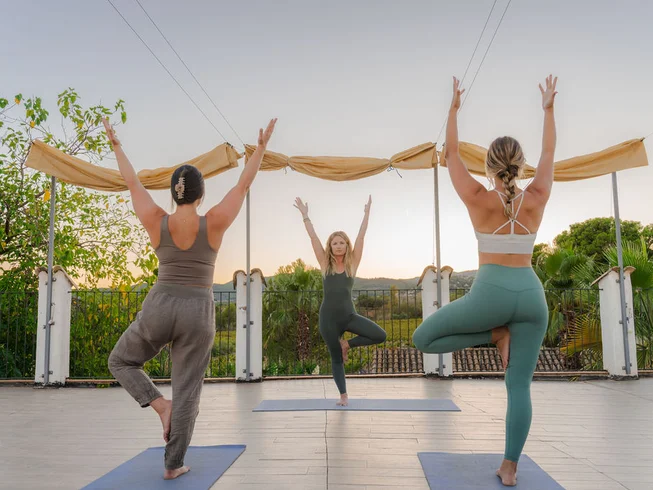
Many wellness retreats in Spain now weave sound into practice — crystal bowls under palm trees, live guitar during savasana, guided breathwork in tune with ocean waves.
These aren’t gimmicks. They’re reminders that movement and music are both ways of listening.

I once joined a class in Cádiz where the teacher played handpan during meditation.
At first the sound distracted me — sharp, unfamiliar — then it became the breath itself.
When the final note faded, nobody moved. The silence afterward felt heavier, fuller, sacred.

Sometimes stillness isn’t what follows sound; it’s what sound carves out of you.

flamenco dancer performing in a street setting in seville spain
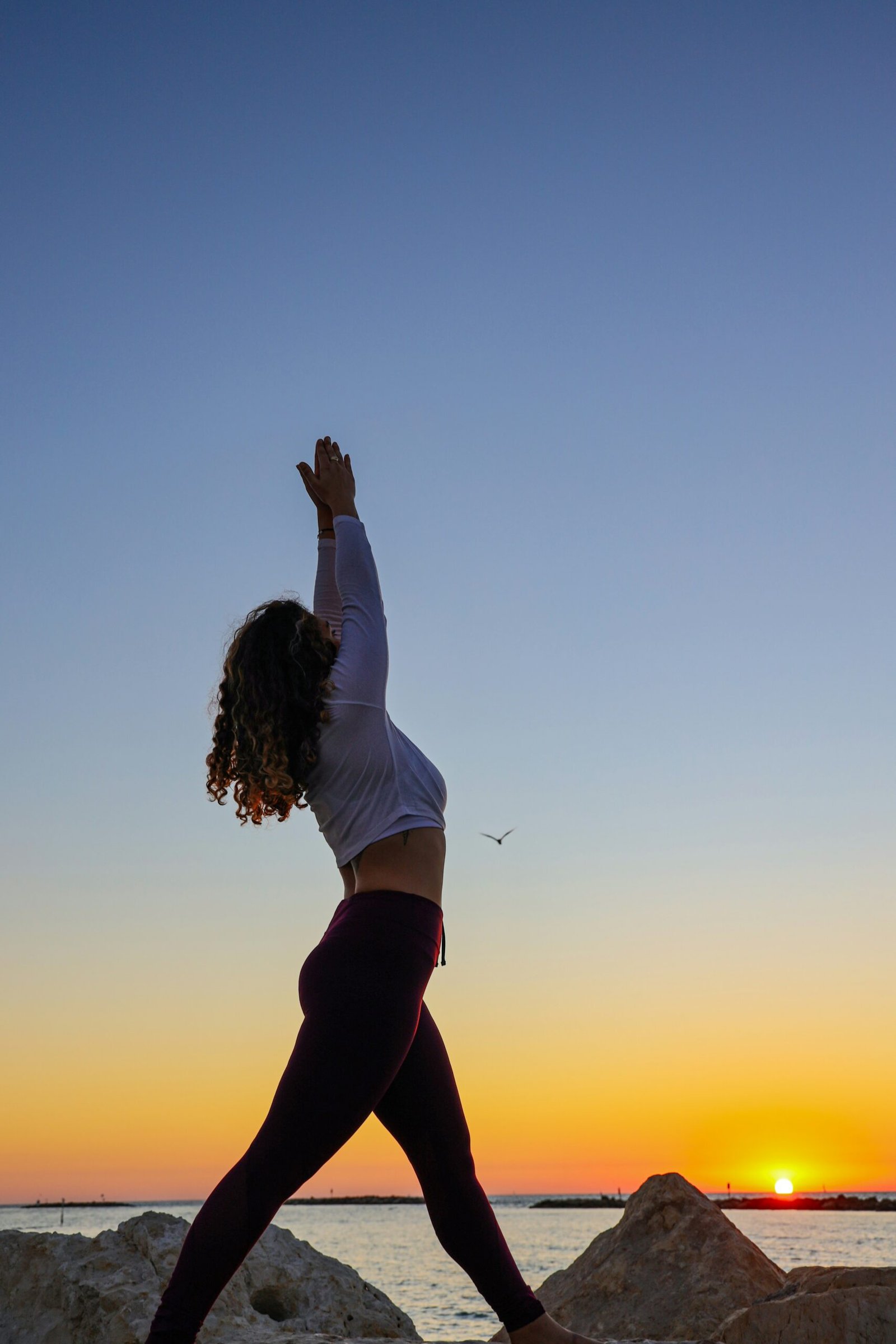
person practicing yoga at sunrise in palma spain

What Spain Teaches About Silence

In Spain, silence isn’t empty — it’s earned.
After music, after laughter, after long meals shared under night air, there’s a natural quiet that settles like dust on a table.
It’s not forced; it’s the body remembering to pause.

That, perhaps, is why mindfulness feels so organic here.
You don’t have to retreat to a monastery to meet yourself — just sit on a terrace at dusk and listen.
Someone will be singing softly nearby, a glass will clink, a door will close, and between those sounds you’ll hear it: a kind of peace that doesn’t need you to be perfect, only present.

Stillness That Moves With You

When you leave Spain, the music doesn’t stop.
It lingers in your breath — a rhythm slower than before, more honest.
You’ll catch yourself humming without reason, tapping a pattern on a steering wheel, noticing the silence between words.

The country gives you its tempo, and once you’ve learned it, it stays.
Stillness becomes something you carry — not a pause, but a pulse.

FAQs: The Sound of Stillness: Music, Movement, and Mindfulness in Spain

1. Why does Spain feel connected to stillness even when it is not quiet?

  • Because the article describes Spain’s stillness as something living and present, found within sound, breath, and rhythm rather than in total silence.

2. How does flamenco connect to mindfulness in Spain?

  • Flamenco is shown as a form of emotional presence, where movement, breath, and music meet in a way that mirrors the awareness found in yoga.

3. What does the article mean by the everyday music of Spain?

  • It refers to the sounds of daily life, like church bells, footsteps, conversation, and street atmosphere, which gradually create a natural rhythm you begin to move with.

4. How are yoga and music linked in this article?

  • The piece explains that many wellness retreats in Spain use sound in practice, such as live guitar, crystal bowls, and breathwork, to deepen listening and presence.

5. What does Spain teach about silence?

  • It suggests that silence in Spain feels earned, arriving after music, meals, laughter, and shared experience rather than existing as emptiness.

6. What stays with you after an experience like this in Spain?

  • The article says the rhythm stays in your body, so stillness becomes something you carry with you as an ongoing pulse rather than a temporary pause.

Share Your Thoughts

Your email address will not be published. Required fields are marked *

Leave a Reply

Your email address will not be published. Required fields are marked *

Leave a Reply

Your email address will not be published. Required fields are marked *