
Janvier n'est pas l'image que la plupart des gens se font d'une retraite de yoga en Italie. Les plages sont désertes, les collines sont dénudées, et l'activité touristique est largement à l'arrêt. Mais c'est précisément ce qui fait son charme.
Voici l'Italie sans le spectacle : quand les habitants se réapproprient leurs villes, quand d'anciens bains thermaux dégagent de la vapeur dans l'air froid, quand le rythme de la vie quotidienne ralentit à un niveau que le système nerveux peut enfin suivre.


L'avantage de la basse saison est bien réel et souvent sous-estimé. Les prix baissent considérablement, généralement de 30 à 50 % en dessous des tarifs de la haute saison estivale, tandis que la qualité de l'expérience s'en trouve souvent améliorée. Les centres de retraite ouverts toute l'année proposent généralement leurs programmes les plus intimistes et les plus soignés en janvier, lorsque les groupes sont restreints et que l'on dispose du temps et de l'espace nécessaires pour une attention personnalisée.
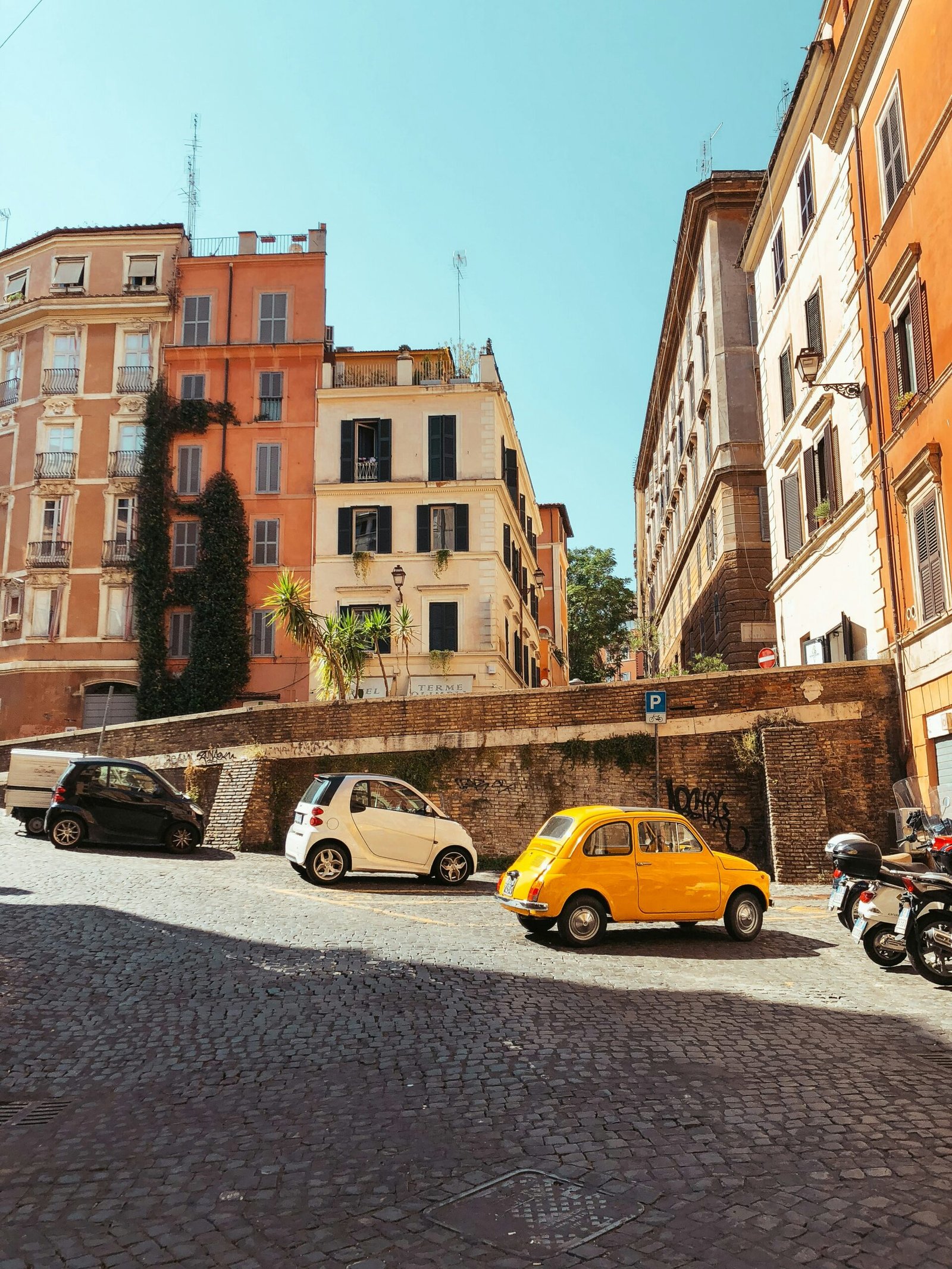
L'absence de foule transforme l'expérience du pays. Les musées de Florence deviennent plus agréables à parcourir. Les places de Rome s'animent au rythme des Romains. Les restaurants privilégient les habitués du quartier aux groupes de touristes, ce qui se traduit par une meilleure cuisine à des prix plus abordables et des échanges plus spontanés.
L'Italie en janvier offre aussi quelque chose que l'été ne peut absolument pas : l'espace nécessaire pour se poser. L'énergie de la saison, les journées plus courtes, les températures plus fraîches, l'invitation culturelle à ralentir après les fêtes, correspondent naturellement à ce que la plupart des personnes recherchent en retraite. Le climat invite à savourer les repas, à passer des après-midis dans les thermes et à vivre la journée sans précipitation. Ce n'est pas une contrainte, c'est l'essence même du séjour. Pour une vision complète de la place de janvier dans le calendrier des retraites en Italie, Guide complet des retraites de yoga en Italie couvre toutes les régions et tous les mois.
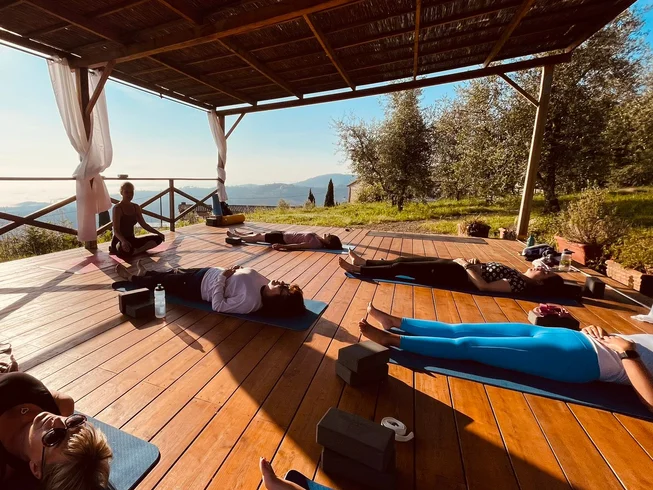
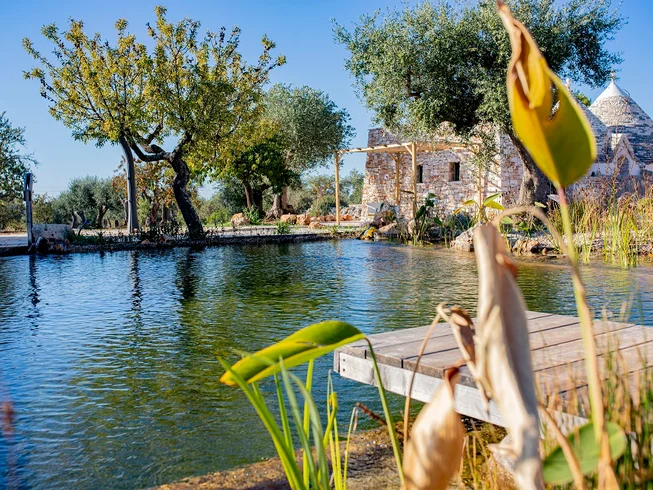
L'attrait du mois de janvier varie considérablement selon les régions, et choisir la bonne est important.
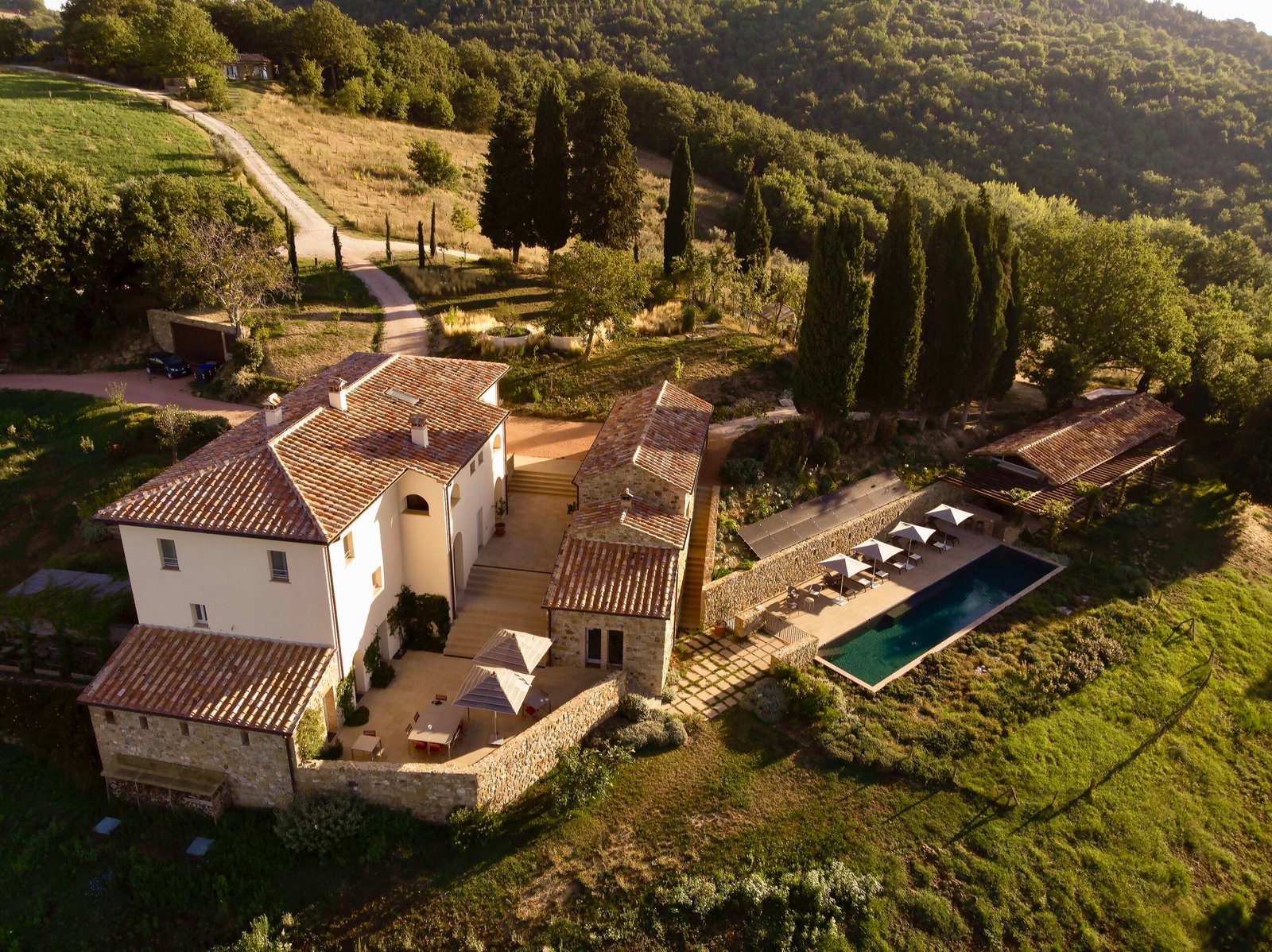
La Toscane hivernale révèle sa véritable essence. L'architecture, les paysages, la culture se dépouillent des artifices estivaux et de la foule touristique. Les collines se parent d'or et de brun. Les villages médiévaux se blottissent autour de leurs places. Les zones thermales du sud Toscane, Les environs de Saturnia, Montepulciano et Rapolano Terme deviennent particulièrement attrayants. Les sources thermales naturelles dégagent de la vapeur dans l'air hivernal, et de nombreux programmes de retraite organisent leurs séjours de janvier autour de l'hydrothérapie, combinant yoga matinal et bains thermaux l'après-midi, selon un rythme parfaitement physiologique.
Ombrie En janvier, le calme règne encore, et le cœur verdoyant de l'Italie invite à la contemplation. Villes médiévales, retraites monastiques et fin de la saison des truffes, qui atteint son apogée en novembre et décembre, mais se prolonge parfois jusqu'au Nouvel An. Certains centres de retraite proposent des dégustations de truffes en janvier, une manière typiquement italienne de savourer pleinement le charme des saisons.
Sicile La Sicile surprend en janvier. Des températures plus douces qu'au centre et au nord, un ensoleillement plus généreux et une atmosphère de calme particulier confèrent aux sites antiques, aux temples grecs d'Agrigente et aux villes baroques de Noto et Raguse une authenticité rare, les rendant véritablement accessibles. L'Etna est enneigé tandis que les villes côtières restent agréables pour la randonnée et les activités de plein air par beau temps. Si la chaleur et la lumière sont importantes pour vous en janvier, la Sicile est la destination idéale en Italie.
Les Dolomites offrent une expérience totalement différente. Des sommets enneigés, le calme profond des montagnes en hiver et une approche du bien-être alpin fondée sur le contraste : activité physique intense en plein air suivie d’une récupération thermale, air froid et intérieurs chaleureux, la lumière si particulière des hautes altitudes sur la neige. C’est une retraite radicalement différente de tout ce que l’on peut trouver dans le sud, et pour la bonne personne, c’est l’option la plus ressourçante que le mois de janvier puisse offrir.
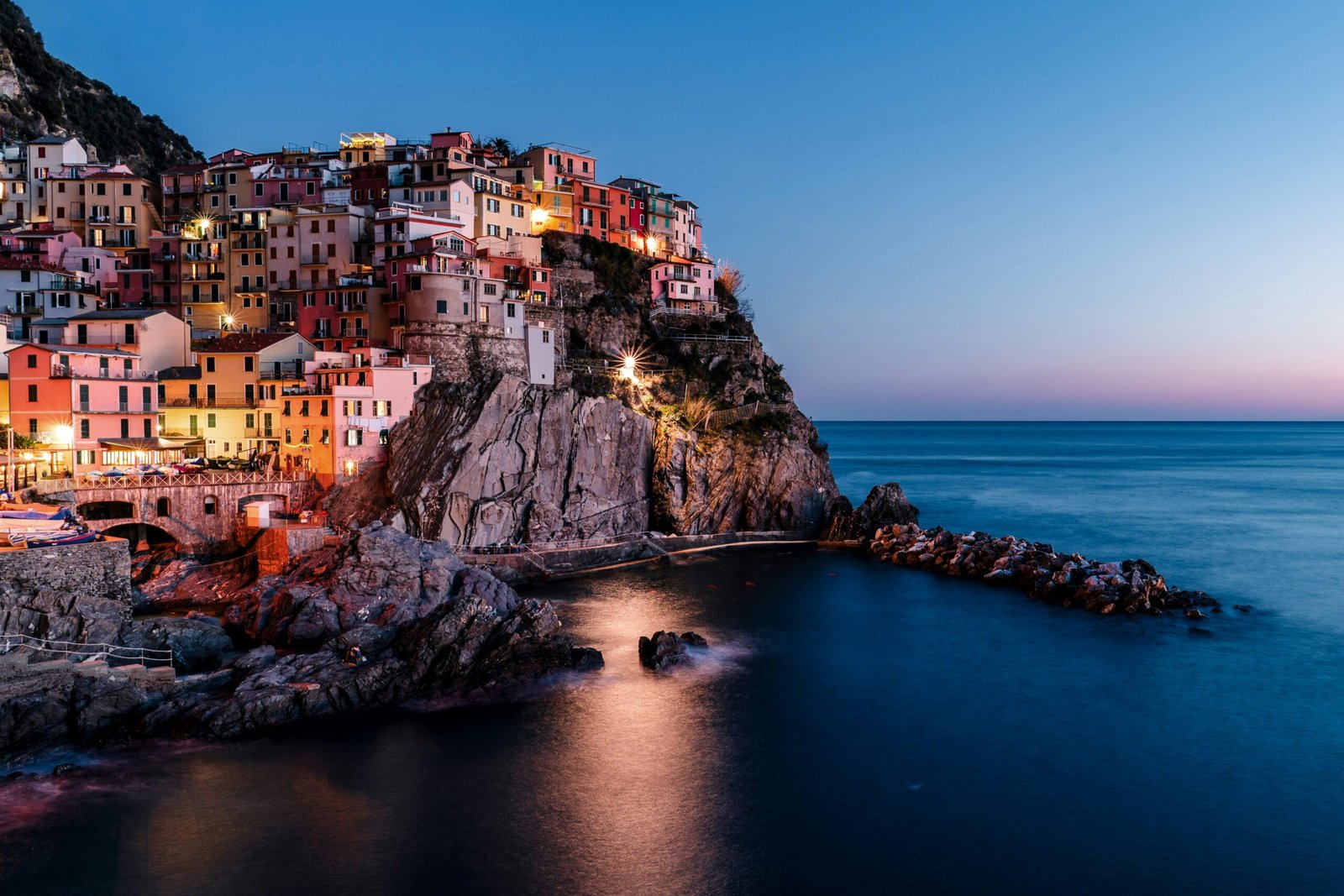
C’est en janvier que la tradition thermale italienne prend tout son sens. Les Romains ont construit des thermes à travers la péninsule il y a deux mille ans, et cette pratique n’a cessé de se perfectionner depuis. Il ne s’agit pas d’une culture du spa apparue il y a dix ans, mais d’un bien-être ancestral aux profondes racines physiologiques.
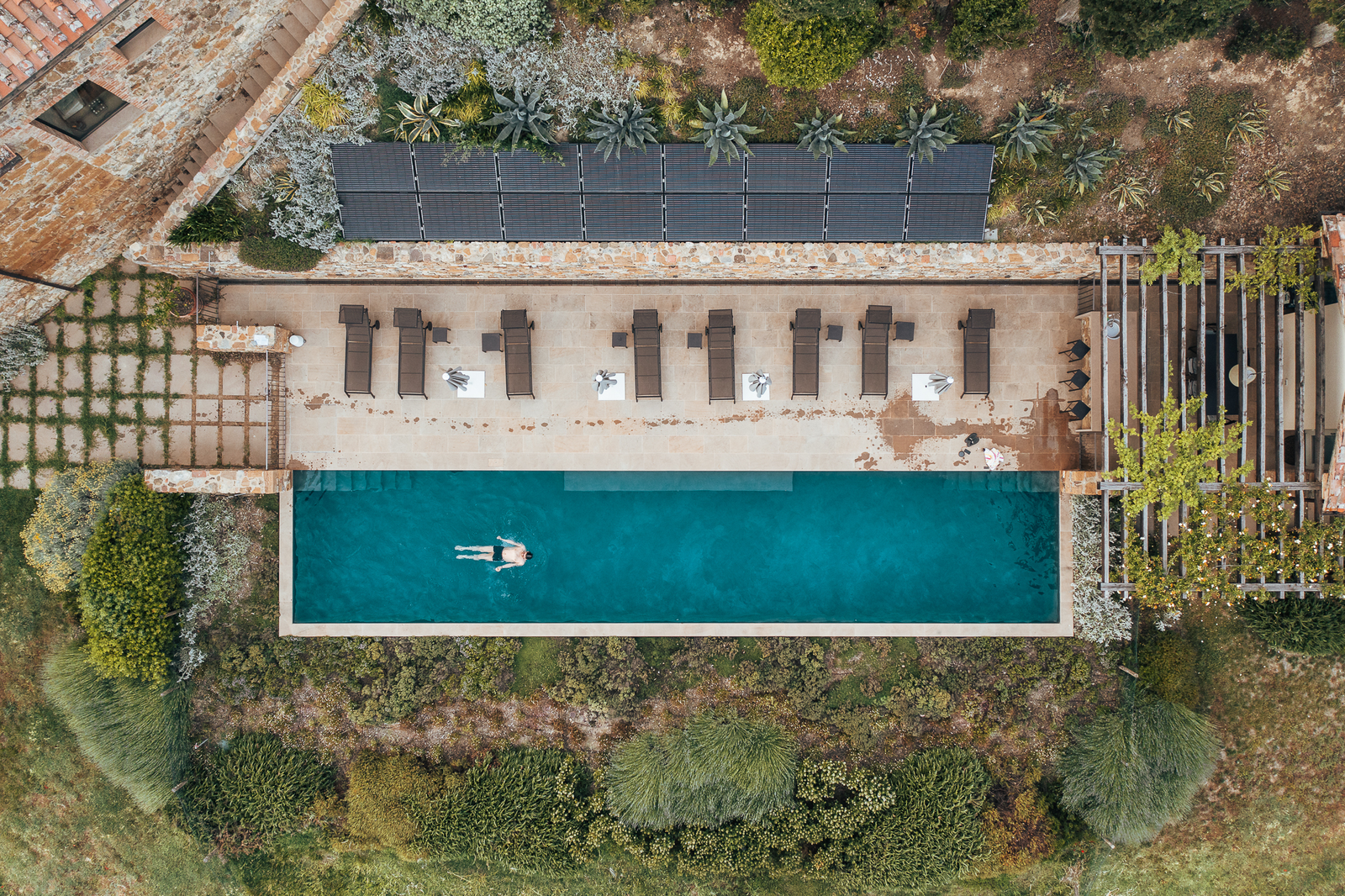
Les sources thermales de Saturnia, avec leurs cascades, dégagent de la vapeur toute l'année, mais en janvier, le contraste entre l'air froid et l'eau chaude sulfureuse offre une expérience unique, bien différente de celle vécue en été. Les parcs thermaux d'Ischia proposent plusieurs bassins à différentes températures. Montecatini Terme conserve de magnifiques bâtiments thermaux Belle Époque où les eaux thermales sont utilisées depuis plus d'un siècle à des fins thérapeutiques pour les affections hépatiques et digestives.
Les bienfaits physiologiques des bains thermaux sont bien établis. L'alternance d'eau chaude et d'eau froide active le système nerveux parasympathique, réduit le cortisol, améliore la circulation et favorise la récupération articulaire. De nombreux séjours thermaux intègrent les bains à leur programme quotidien, non pas comme une option, mais comme une pratique essentielle : yoga matinal, bains thermaux, déjeuner, repos, séance de l'après-midi, bains du soir. Ce rythme est délibéré et efficace.
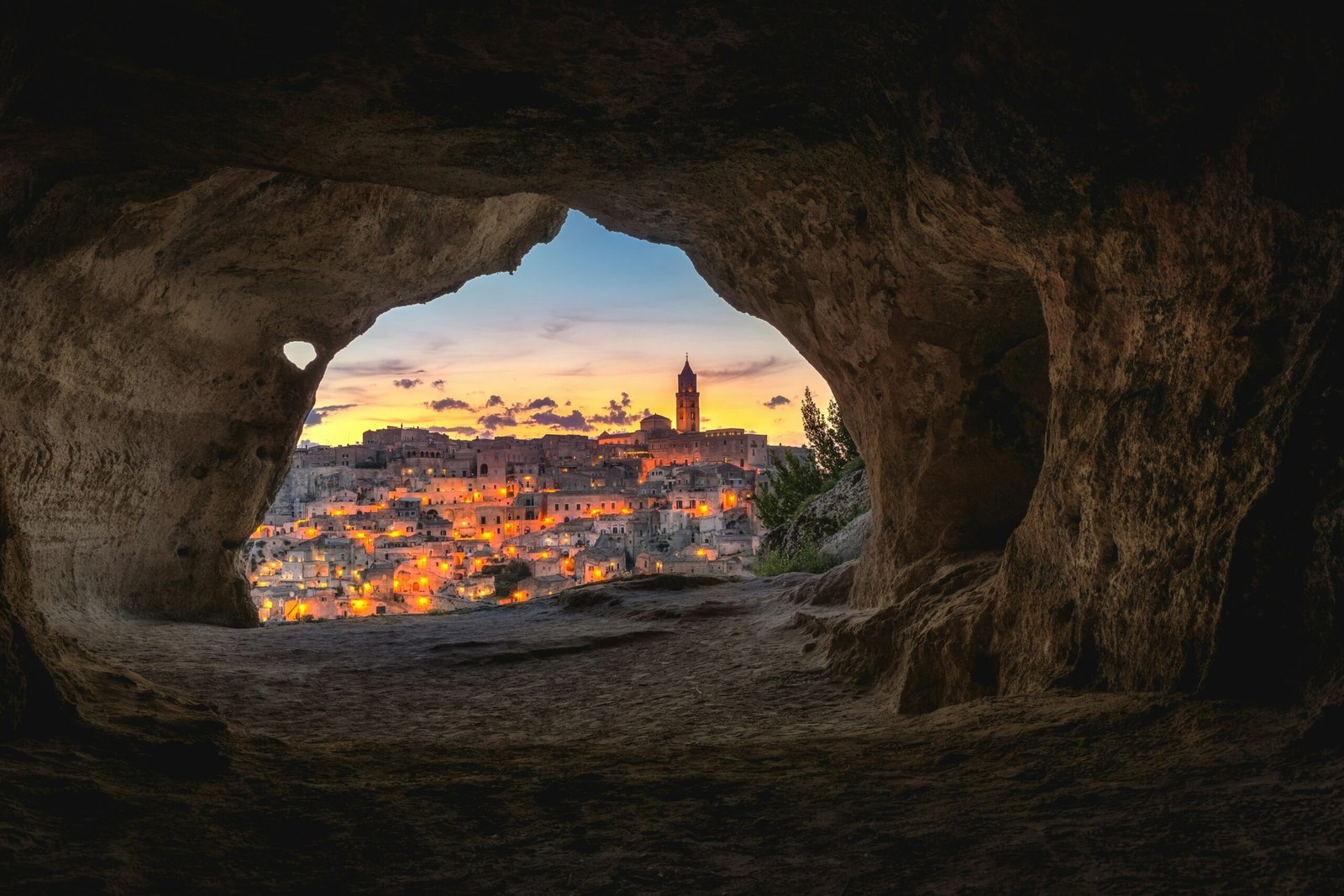
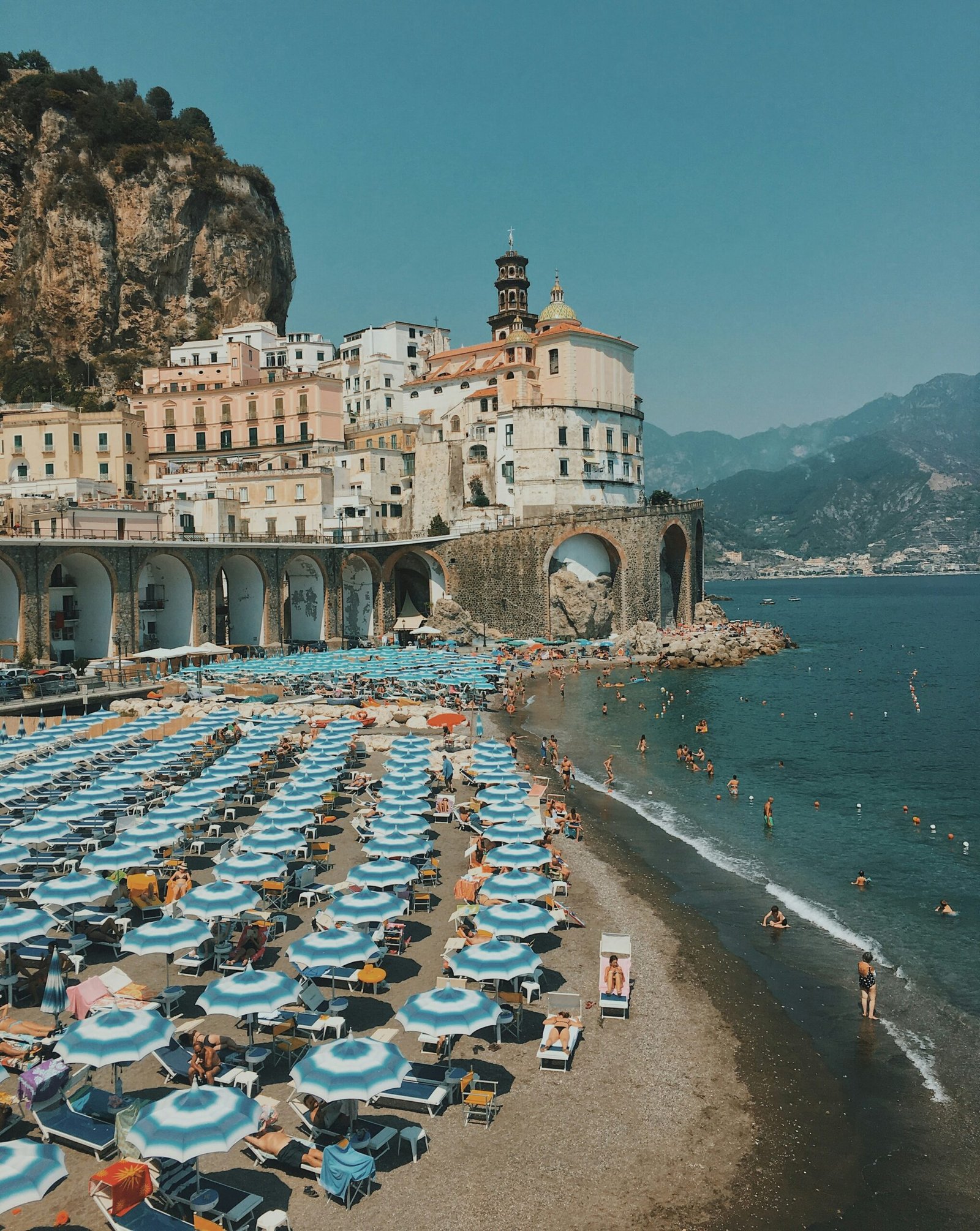
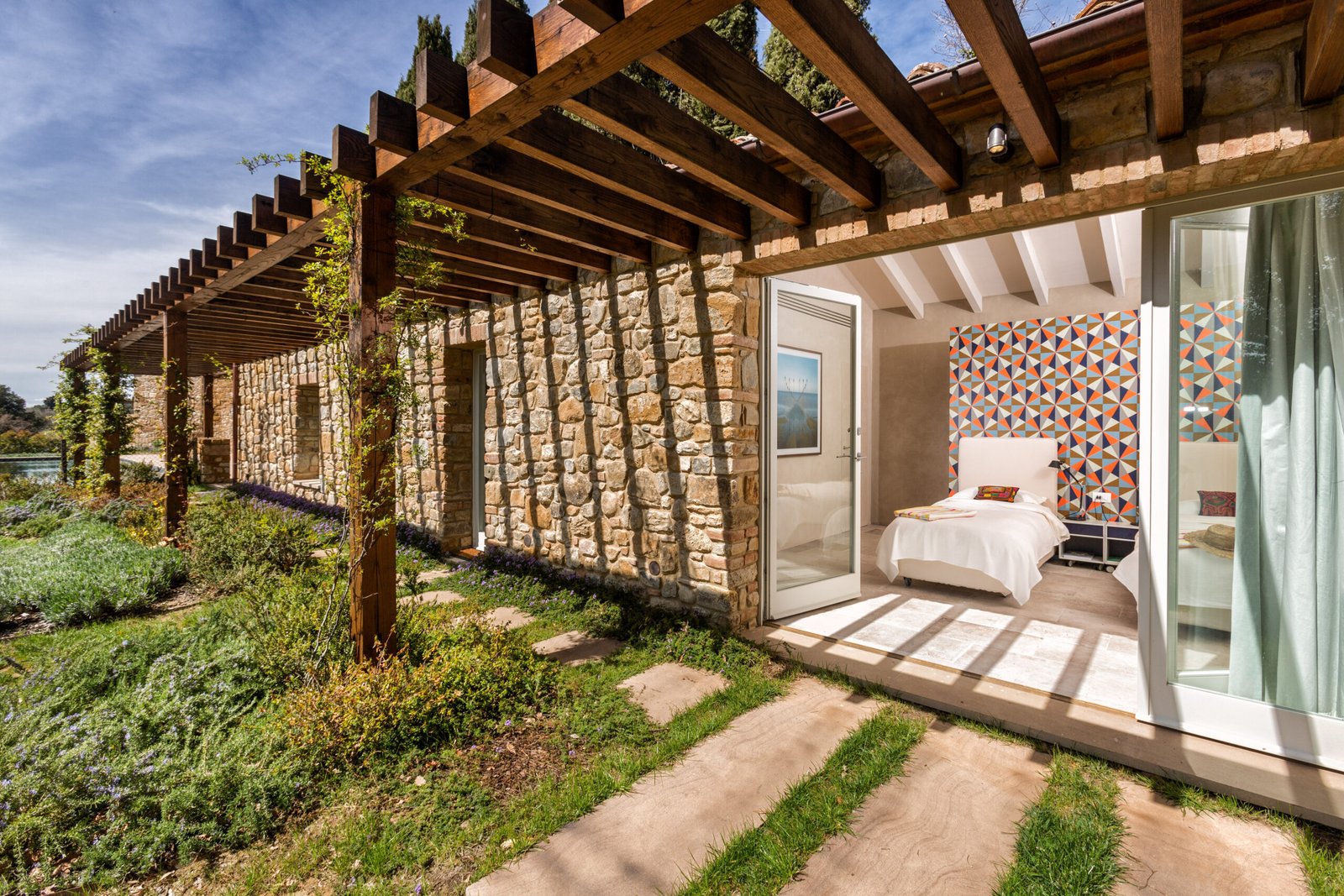
En janvier, la pratique se fait davantage en intérieur, ce que l'architecture italienne rend remarquable. Yoga dans d'anciens monastères aux plafonds voûtés en pierre. Méditation dans des villas Renaissance aux murs ornés de fresques. Ces espaces portent en eux des siècles de contemplation et de dévotion, et cette histoire n'est pas qu'esthétique. Elle crée une atmosphère propice à l'introspection, contrairement aux studios modernes conçus à cet effet.
L'énergie intérieure de la saison se prête particulièrement bien à certaines pratiques. Le yoga restauratif et le yin yoga, qui invitent le corps à se détendre plutôt qu'à se dépenser, semblent plus naturels en janvier que dans l'énergie expansive de l'été. Le pranayama et les exercices de respiration, qui agissent directement sur le système nerveux, acquièrent une profondeur en hiver que la chaleur et les activités de plein air peuvent atténuer. Les retraites de méditation et les programmes de méditation silencieuse sont presque toujours plus accessibles et plus abordables en janvier qu'à toute autre période de l'année.
Les cours de cuisine sont particulièrement prisés en hiver. Les produits de saison – chou noir, radicchio, châtaignes, agrumes de Sicile, derniers truffes de la saison – confèrent à la cuisine italienne un caractère bien différent de celui de l'été. Apprendre à préparer une ribollita, des pâtes fraîches ou des plats mijotés dans la cuisine d'une ferme toscane, par un après-midi gris de janvier, est une expérience de pleine conscience inattendue pour la plupart des participants aux retraites culinaires, et qui reste invariablement l'un des moments les plus mémorables de leur séjour.
La différence entre une retraite en janvier et une retraite estivale en Italie ne tient pas seulement à la météo. C'est une expérience fondamentalement différente.
Les retraites estivales sont ouvertes sur le monde et offrent une expérience immersive : douces soirées, pratique en plein air, convivialité, mer. Elles conviennent à ceux qui souhaitent allier ressourcement et immersion totale dans la richesse sensorielle de l’Italie à son apogée. À mesure que la saison s’installe et que les jours s’allongent, l’atmosphère se transforme profondément.
Février Cela marque les premiers signes de cette transition, avec la floraison des amandiers en Sicile et les premiers signes du printemps qui arrivent dans le sud.
À l'autre extrémité du spectre saisonnier, Décembre Elle partage le calme et les prix abordables du mois de janvier, mais y ajoute l'atmosphère particulière des fêtes de fin d'année, une expérience de retraite différente qui convient aux personnes souhaitant une immersion culturelle en parallèle de leur pratique.
Janvier est le mois le plus calme de l'année, et pour certaines personnes, ce calme est exactement ce dont elles ont besoin. Celles qui profitent le plus d'une retraite en janvier sont généralement à l'aise avec les variations climatiques, privilégient l'immersion culturelle à l'expérience hôtelière, et sortent souvent d'une période de stress intense que les exigences sociales de décembre ont accentué au lieu de l'apaiser. Si le calme de janvier vous apporte un soulagement plutôt qu'une privation, c'est probablement le moment idéal pour partir.
Certains centres de retraite ruraux ferment entre novembre et mars ; il est donc essentiel de vérifier leurs dates d’ouverture avant de réserver. Ceux qui restent ouverts proposent souvent des programmes d’hiver spéciaux à tarifs réduits, qui figurent généralement parmi les séjours de retraite les plus avantageux d’Europe.
Les transports fonctionnent normalement. Les trains sont fiables et confortables ; la location d’une voiture offre une grande flexibilité pour les séjours à la campagne, même si les routes de montagne des Dolomites et des Alpes peuvent nécessiter des chaînes ou des pneus neige après de fortes chutes de neige. Renseignez-vous auprès de l’établissement sur l’état des routes avant votre arrivée.
Prévoyez des vêtements adaptés aux variations de température intérieure. Les systèmes de chauffage italiens diffèrent de ceux d'Europe du Nord : moins de chauffage central, davantage de radiateurs d'appoint et de cheminées. Mieux vaut s'habiller en plusieurs couches que de compter sur une chaleur constante. Pour les Alpes et les Dolomites, un équipement d'hiver adapté est indispensable. En Sicile et sur la côte sud, une veste chaude et un imperméable suffisent. Un maillot de bain est toujours utile, quelle que soit la région. Des bains thermaux sont disponibles dans tout le pays en janvier et valent vraiment le détour, même en dehors d'un séjour organisé.
Votre adresse e-mail ne sera pas publiée. Les champs obligatoires sont indiqués par un *