
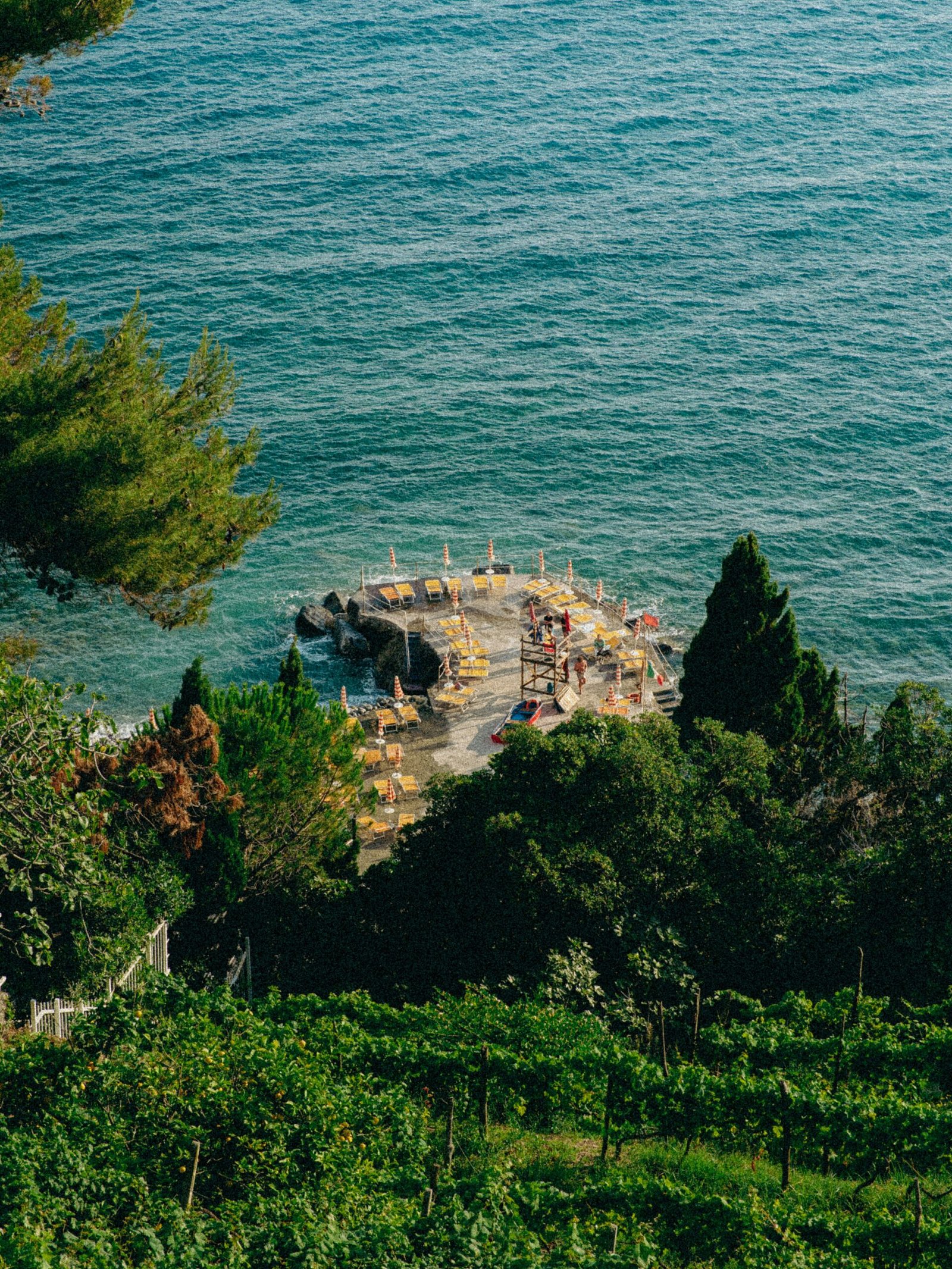
July in Italy requires a decision before you book. The cities are hot — Rome at 34°C, Milan at 32°C, Florence at 36°C. The coastal resorts are at maximum capacity. But the Dolomites are at their best: cool, green, with the full alpine wellness programme running and the mountain trails at their most accessible.
The sea on the southern coasts is at its warmest. And the wellness retreat centres that understand July build their programmes around the heat rather than fighting it.


July rewards a deliberate destination choice. The Dolomites for altitude, cool air, and the alpine movement programme. The Sicilian and Sardinian coasts for the warmest water of the year. Puglia for the summer at its most specific. Our Wellness-Retreats in Italien – Reiseführer Umfasst alle Regionen und Formate.
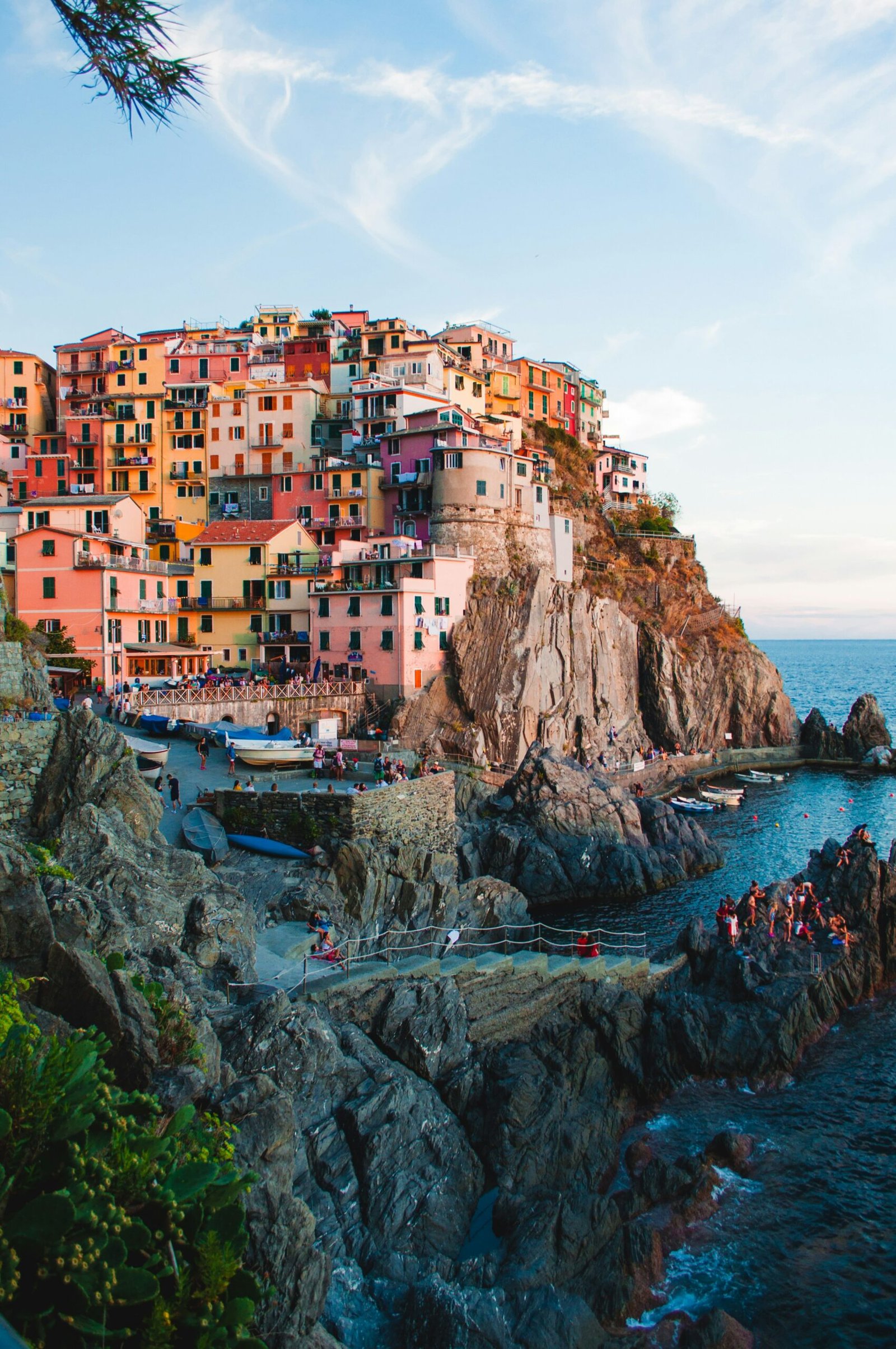
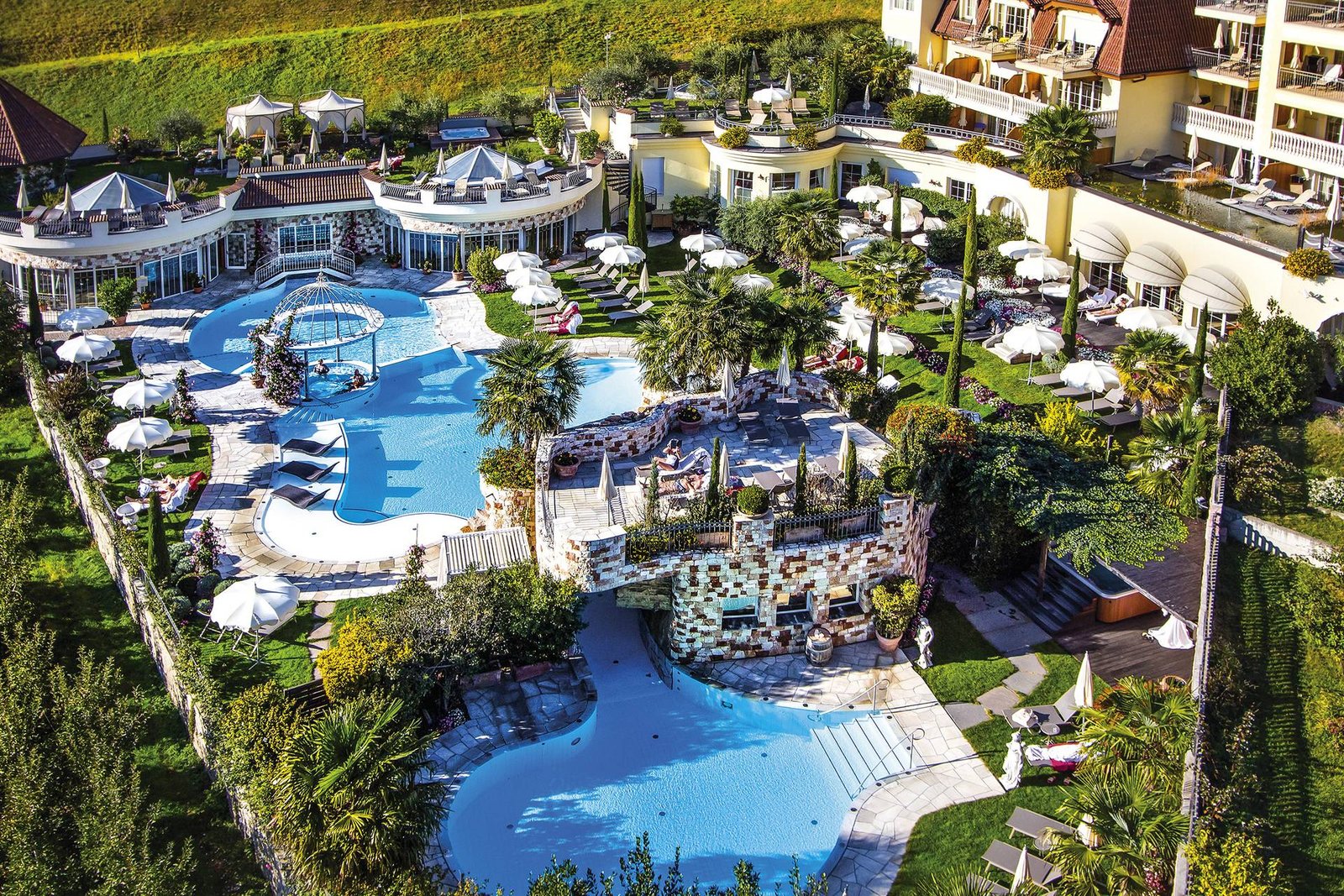
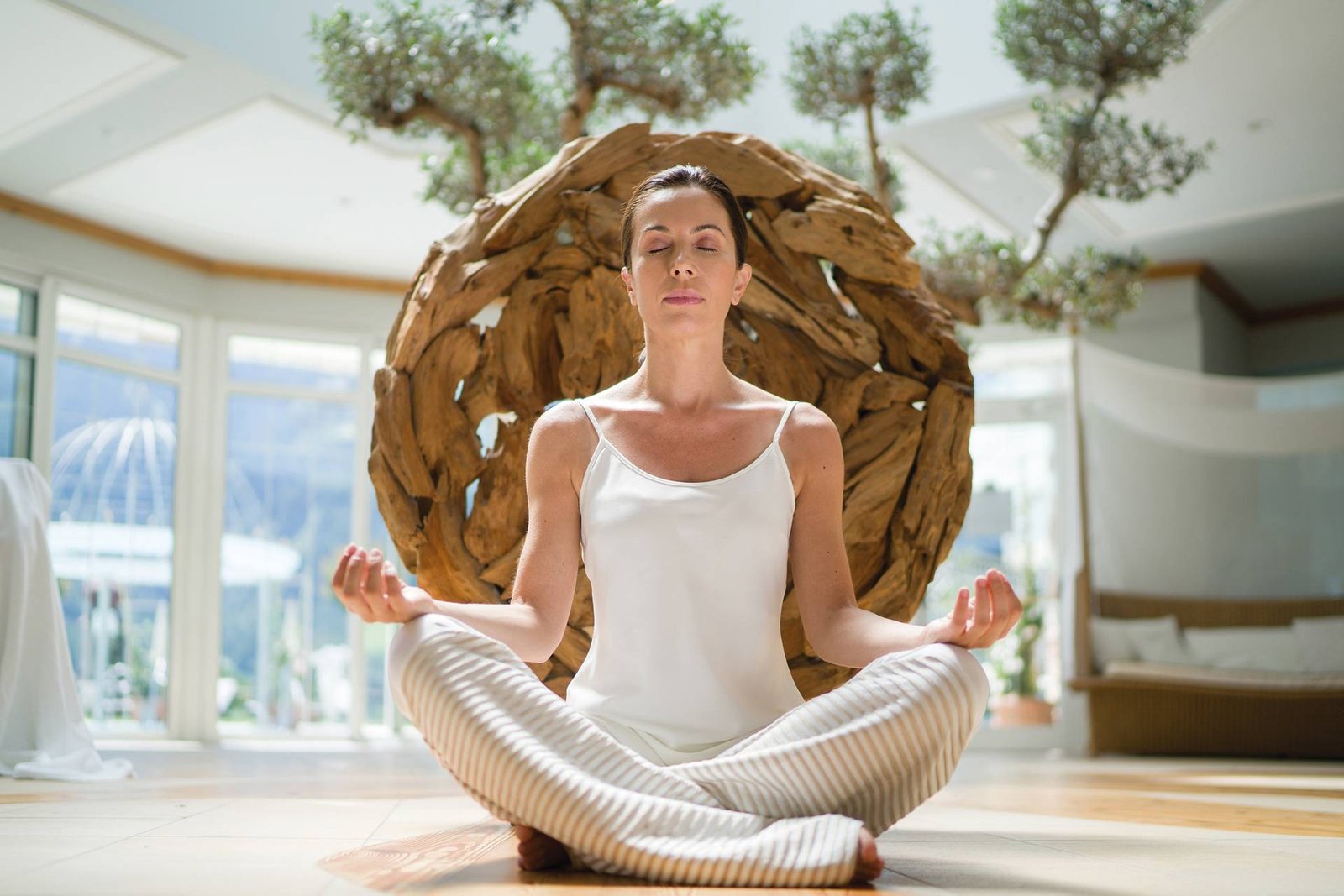
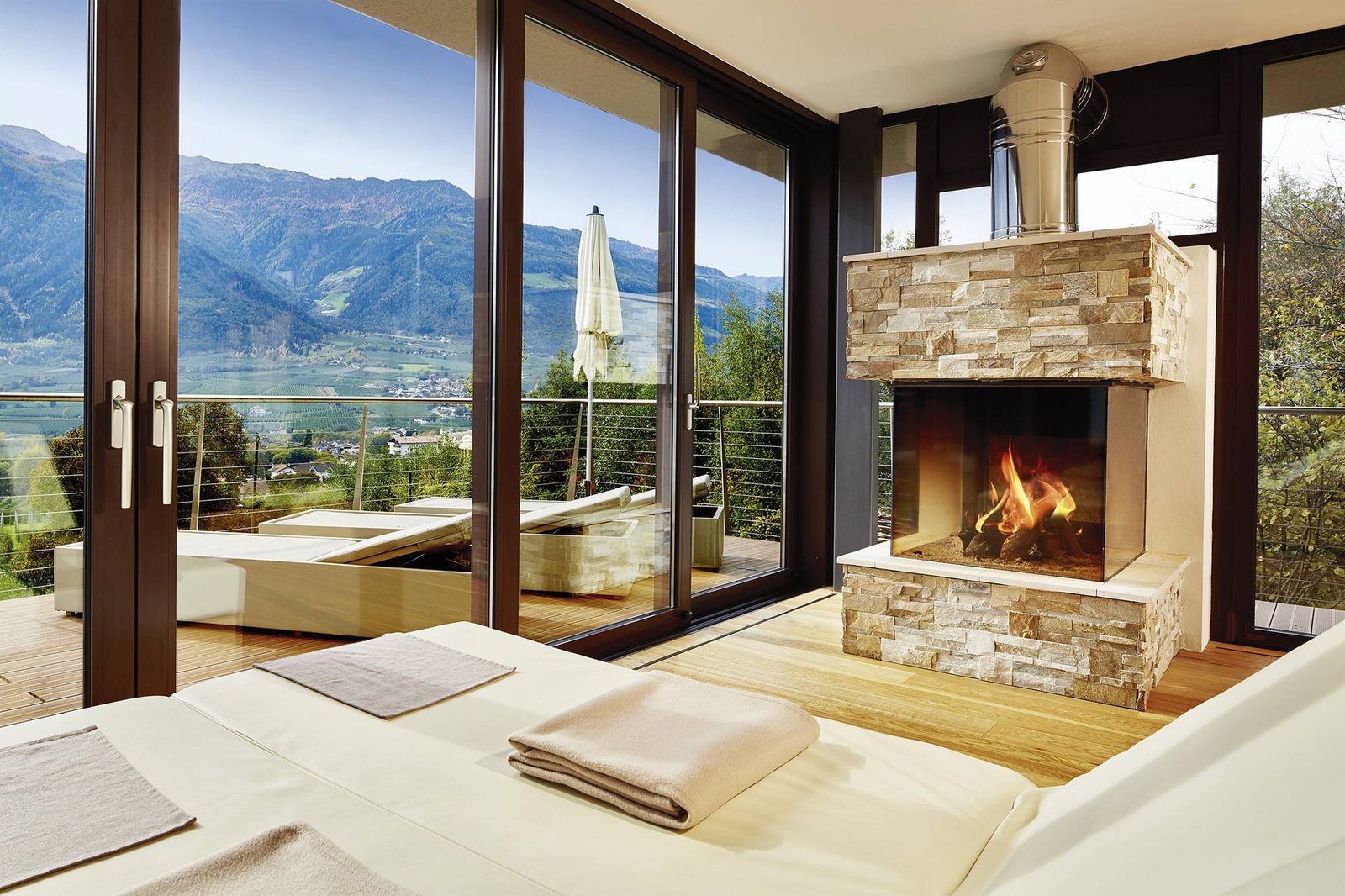
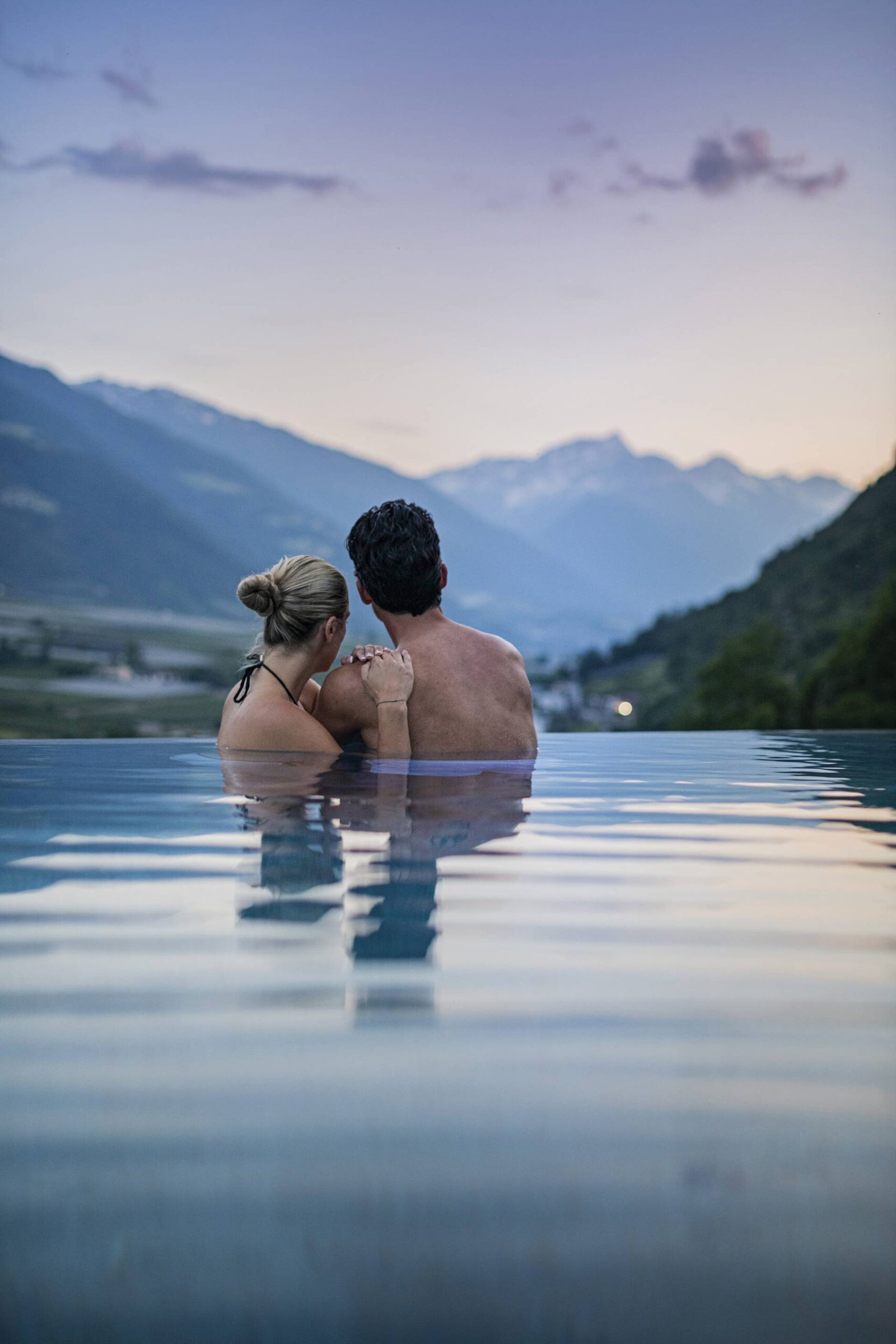
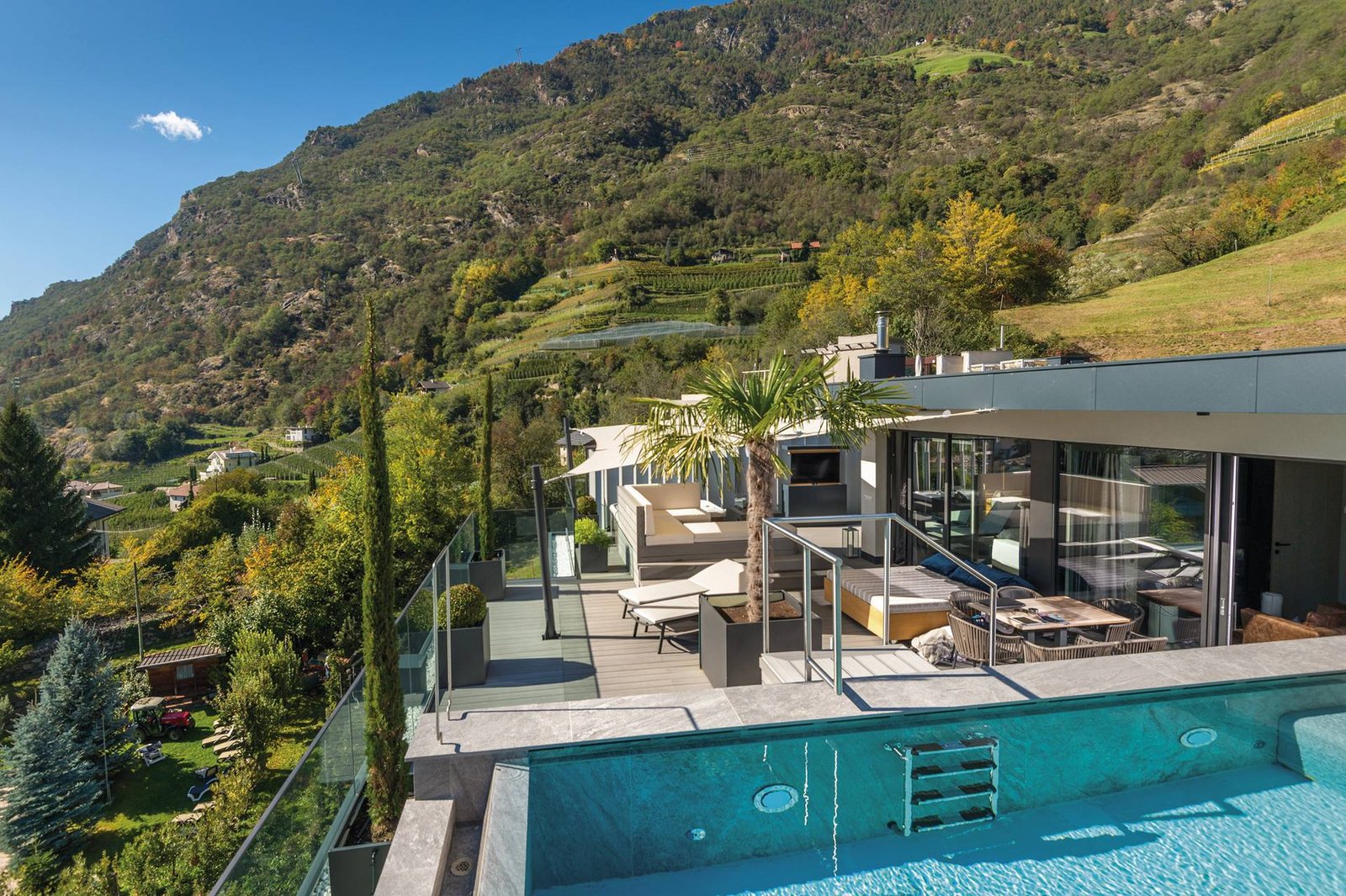
The Dolomites in July are the Italian wellness destination for those who do not want to manage the heat. Valley temperatures of 22-26°C, mountain trails at 2,000+ metres at 15-18°C, the wildflower meadows at their July peak before the August drought begins to dry them, and the full range of alpine wellness activities operational. The contrast between the Italian peninsula baking below and the cool, green Dolomite valleys above is the specific July advantage of the alpine retreat format.
The long days of July — sunset at around 9pm — make the alpine wellness programme uniquely expansive: the dawn hike to the Seceda ridge for the sunrise practice, the full-day traverse of the Tre Cime circuit, and the evening yoga session at the mountain refuge before the descent. The July mountain day in the Dolomites can hold more physical activity per hour of light than any other Italian wellness destination in any season.
The hay harvest in the Val Gardena and the Alpe di Siusi — the alpine grasslands that produce the dried herbs used in the South Tyrolean hay bath treatments — takes place in July. A retreat that coincides with the hay harvest can incorporate the harvesting itself as a morning activity: working alongside the farming families on the meadow slopes, understanding the specific plant varieties (arnica, gentian, yarrow, alpine thyme) that produce the therapeutic properties, and connecting the spa treatment to the agricultural cycle that makes it possible.
Puglia in July is the Italian summer at its most specific cultural form. The masserie — the fortified farmhouse retreat centres of the Itria Valley and the Salento — are running their full summer programme: morning yoga on the sun-warmed stone terraces, afternoon sea swimming at the beaches of the Adriatic and the Ionian coasts, and the Puglian evening ritual of the long outdoor dinner that begins when the heat drops and continues until midnight.
Der sea on both Puglian coasts is at 25-26°C in July — the Adriatic at Polignano a Mare, Ostuni, and the beach towers of the Salento; the Ionian at Gallipoli and Santa Maria di Leuca. The combination of two seas, the masseria culture, the Baroque architecture of Lecce, and the food (the burrata di Andria, the taralli, the panzerotti, the orecchiette with cime di rapa) makes Puglia the most specifically Italian summer wellness destination.
The night festival culture of Puglia in July — the Notte della Taranta (the festival of traditional Salentine music, culminating in a mega-concert in Melpignano in late August but with events throughout July), the local sagre celebrating the summer harvest, and the processions of the coastal towns — adds a dimension to the July Puglia wellness week that the retreat format makes specifically absorbing rather than overwhelming.
Lake Como in July is the Italian lake destination at its most animated — the celebrities arriving at the lakeside villas, the ferries full, the lakeside restaurants serving until midnight. But the elevation above the lake — the mountain villages of Brunate, Pigra, and the Triangolo Lariano ridge between Como and Lecco — is 5-8°C cooler than the lakeside, and the wellness retreat centres positioned at altitude rather than on the waterfront use this temperature differential deliberately.
The cable car from Como to Brunate (1,300 metres) takes 7 minutes and delivers you from the animated lakeside to a mountain village with hiking trails through the chestnut forests, views over the lake and toward the Alps, and a temperature that makes afternoon outdoor practice possible when the lakeside is at 32°C. July is the month this vertical geography is most useful, and the retreat programmes that use it are building wellness into the landscape rather than despite it.
The Sicilian interior in July is a completely different proposition from the coastal resorts. The towns of Enna (the highest provincial capital in Italy at 942 metres), Piazza Armerina (with the extraordinary late Roman mosaics of the Villa Romana del Casale), and the Madonie and Nebrodi mountain parks are at 20-24°C in July — manageable temperatures for walking and outdoor practice while the coast is at 32-35°C.
Wellness retreats in the Sicilian interior in July combine the altitude cooling with the specifically Sicilian cultural depth that the coastal resorts obscure: the Norman and Baroque architecture of the inland towns, the agritourism culture of the Madonie farms (the Provola delle Madonie cheese, the Nebrodi black pork, the wild mushrooms from the mountain forests), and the archaeological treasury of the island’s interior that most visitors reach the coast without encountering.
The via ferrata — the fixed-rope climbing routes on the dolomite rock faces, a specifically northern Italian mountain sport developed during the First World War campaigns in the Dolomites — are fully open in July and at their most accessible. The routes range from the genuinely beginner-friendly (the via ferrata at the Cinque Torri, used by the military as a training ground in 1915-1918 and now an outdoor museum alongside the climbing route) to the genuinely demanding (the Dibona route on the Cristallo massif above Cortina d’Ampezzo). Retreat programmes that incorporate a guided via ferrata as part of the July mountain wellness week are using the landscape in its most specifically alpine form.
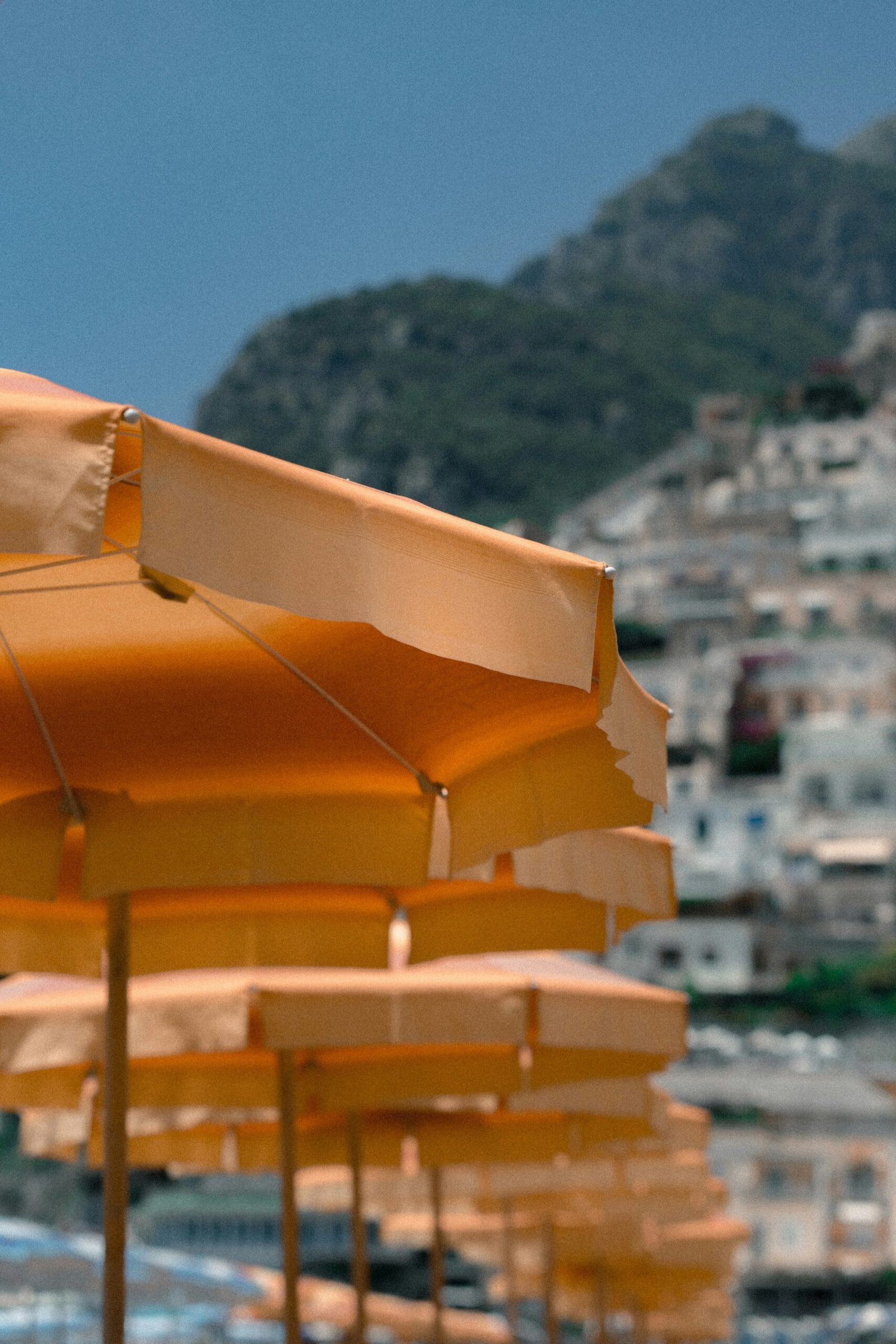
The July sea temperature on the Italian southern coasts — 25-27°C in Puglia, 24-26°C in Sicily, 23-25°C in Sardinia — is warm enough for extended therapeutic immersion rather than recreational swimming. The thalassotherapy centres of the Ischian coast and the Sardinian marine wellness facilities use the July water temperature as the primary therapeutic medium: the warm seawater immersion sessions, the Kneipp water walking circuits in alternating temperatures, and the seaweed wrap treatments using the July Posidonia harvest.
The long July evenings make outdoor wellness practice at unusual hours genuinely possible. The sunset yoga session at 8:30pm on the Puglian masseria terrace — the sun dropping behind the olive groves, the temperature falling from 34°C to 26°C in the space of an hour, and the evening air taking on the specific quality of a southern Italian summer evening — is one of those specifically July Italian wellness experiences that the retreat format creates and that no other country produces quite this way.
The agriturismo culture of July in Tuscany, Umbria, and Puglia is at its summer operation: the gardens in full production, the morning farm walks with the producer explaining the seasonal cycle, the cooking workshops using the July tomatoes and aubergines and herbs that the kitchen garden provides, and the afternoon rest in the shade that the heat of the Italian summer demands and that the agriturismo format accommodates as an entirely natural element of the day.
Pachino-Tomaten from the Syracuse coast of Sicily — the small, intensely sweet cherry tomatoes grown in the mineral-rich sandy soil of the Capo Passero area, with the PDO designation protecting the authenticity of the variety and the growing method — are at their July peak. The combination of the volcanic soil, the specific microclimate of the southeastern tip of Sicily, and the July sun produces a tomato with a sugar concentration and a flavour intensity that no northern European greenhouse variety can approximate. At a Sicilian retreat kitchen in July that uses Pachino tomatoes, even a simple bruschetta becomes an argument for eating locally and seasonally.
Prickly pear (fichi d’India) from the Sicilian and Calabrian hedgerows are at their July season — the yellow, orange, and red varieties of the cactus fruit with their sweet, refreshing flavour and high water content making them the most specifically southern Italian summer fruit. Eaten cold from the refrigerator, sliced open at the beach, or pressed for juice at the market stalls: they are the July fruit that communicates the specific character of the Italian south in a single taste.
Burrata from Andria in Puglia — the fresh cheese of stretched mozzarella surrounding a filling of cream and mozzarella stracciatella — is at its July freshness: made daily, at its best within 24 hours of production, and at the retreat tables of the Puglian masserie where the cheese arrives from the local dairy that morning. The burrata eaten in Puglia in July, with the July tomatoes and the Puglian olive oil, is a completely different experience from the same product sold in a London restaurant three days after production.
Peperoni cruschi — the dried and fried sweet peppers of the Basilicata tradition, specifically from the Senise area, with the PDO designation protecting the Senise pepper variety — are at their July drying season: the peppers harvested in late summer and hung in long festoons on the farmhouse walls to dry in the July sun before being fried in olive oil to the crispy texture that is the defining ingredient of Basilicata cooking. At a retreat kitchen in the Basilicata or Puglia hinterland in July, the peperoni cruschi crumbled over pasta, eggs, or grilled vegetables produce a flavour that is specifically of this place and this season.
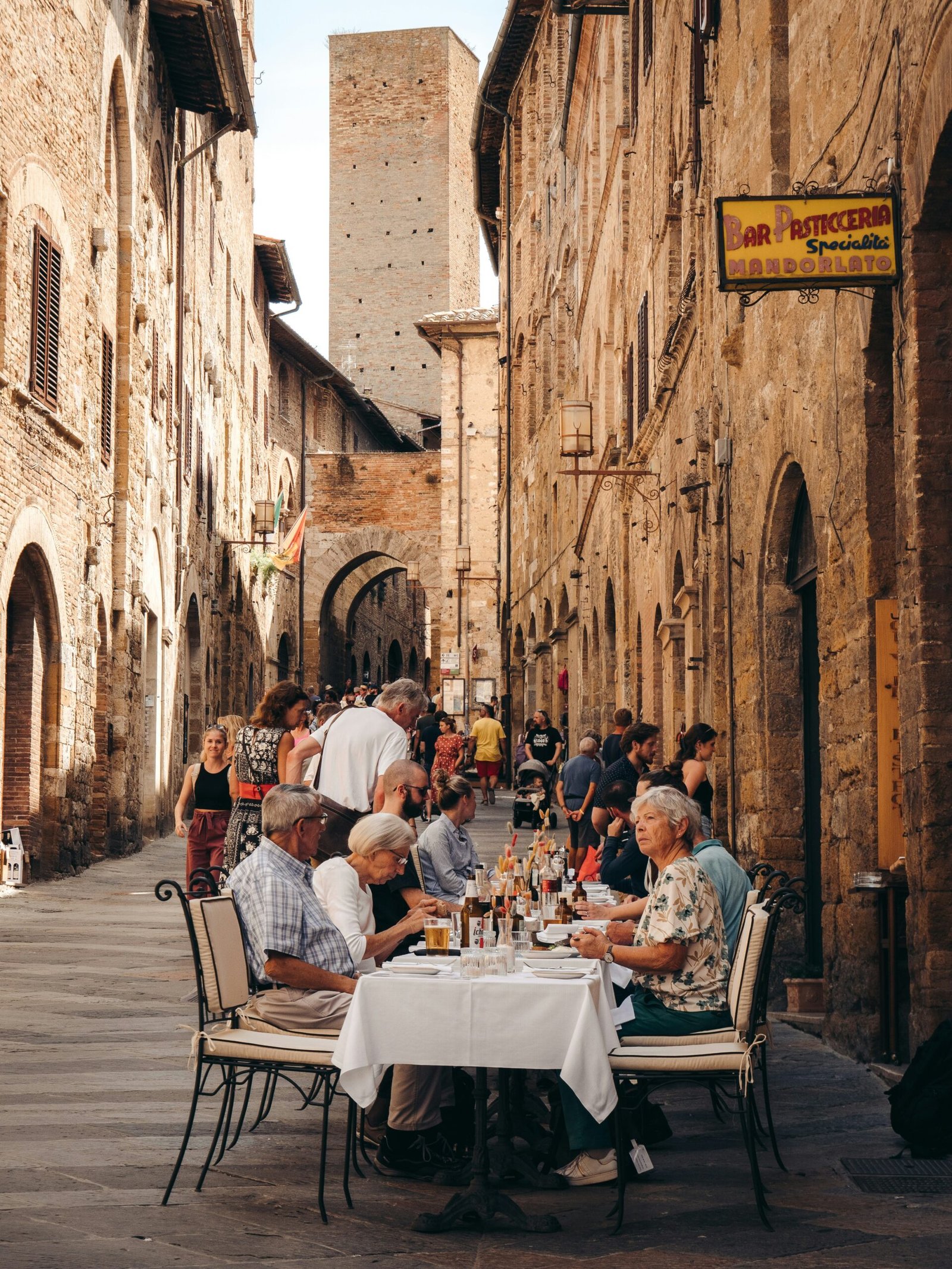
The Palio di Siena — the horse race held in the Piazza del Campo on July 2nd (and again on August 16th) — is the most historically rooted sporting event in Italy. Ten horses representing ten of Siena’s seventeen contrade (city districts) race three times around the shell-shaped piazza in approximately 75 seconds of extraordinary chaos. For wellness retreat guests based in Tuscany, the Palio is the July cultural event that requires being present to understand — the months of preparations, the rivalries, the medieval pageant of the corteo storico, and the race itself are a compressed cultural experience of Italian civic identity that no museum or guided tour approaches. Tickets for the bleachers sell out years in advance; standing room in the centre of the campo is free.
The festival of traditional Salentine music builds through July toward the mega-concert finale in Melpignano in late August. The pizzica (the traditional Salentine rhythm associated historically with the treatment of tarantula bites through music and dance) performances in the piazzas of the Salento towns through July are the most authentic version of the tradition — smaller, more community-rooted, and more genuinely connected to the culture than the August finale event.
The Arena di Verona — the Roman amphitheatre in the centre of Verona, seating 14,000, with the acoustics to match — runs its summer opera season through July and August. Verdi, Puccini, and Bizet performed in a two-thousand-year-old Roman space under the open sky, the candlelight of the audience illuminating the arena at the beginning of each performance: one of the most specific cultural experiences Italy produces. For wellness retreat guests based at Lake Garda (30 minutes from Verona), a Verona Arena evening is the July cultural event worth organising the retreat week around.
July programming is built around the heat or it is not effective. In the Dolomites, the heat management is unnecessary — the alpine programme runs at any hour. In Puglia and Sicily, the structure that works is practice at 6:30am before the sun is fully up, a substantial breakfast, the hottest hours from noon to 5pm at the sea or in the shade of the masseria, late afternoon practice from 5:30pm as the temperature drops, and the long outdoor dinner that begins at 9pm and continues until the evening cools completely.
The hay harvest programme in the Dolomites is the July wellness event with no equivalent in any other month. Working alongside the farming families on the alpine meadow in the July morning, understanding the botanical identity of the plants being harvested for the spa treatments, and connecting the experience of the hay bath to the agricultural cycle that makes it possible: this is the kind of retreat programming that neither the spa industry nor the farming industry would produce independently, and that the wellness retreat format makes possible by putting them together.
The evening culture of the July Italian wellness retreat — the Palio in Siena, the Verona Arena opera, the pizzica in the Salento piazza, the Notte di San Lorenzo meteor shower visible from the Dolomites and the Apennines in the last days of July — is available exclusively in this month and is worth building the retreat week around.
Ihre E-Mail-Adresse wird nicht veröffentlicht. Erforderliche Felder sind mit * markiert