
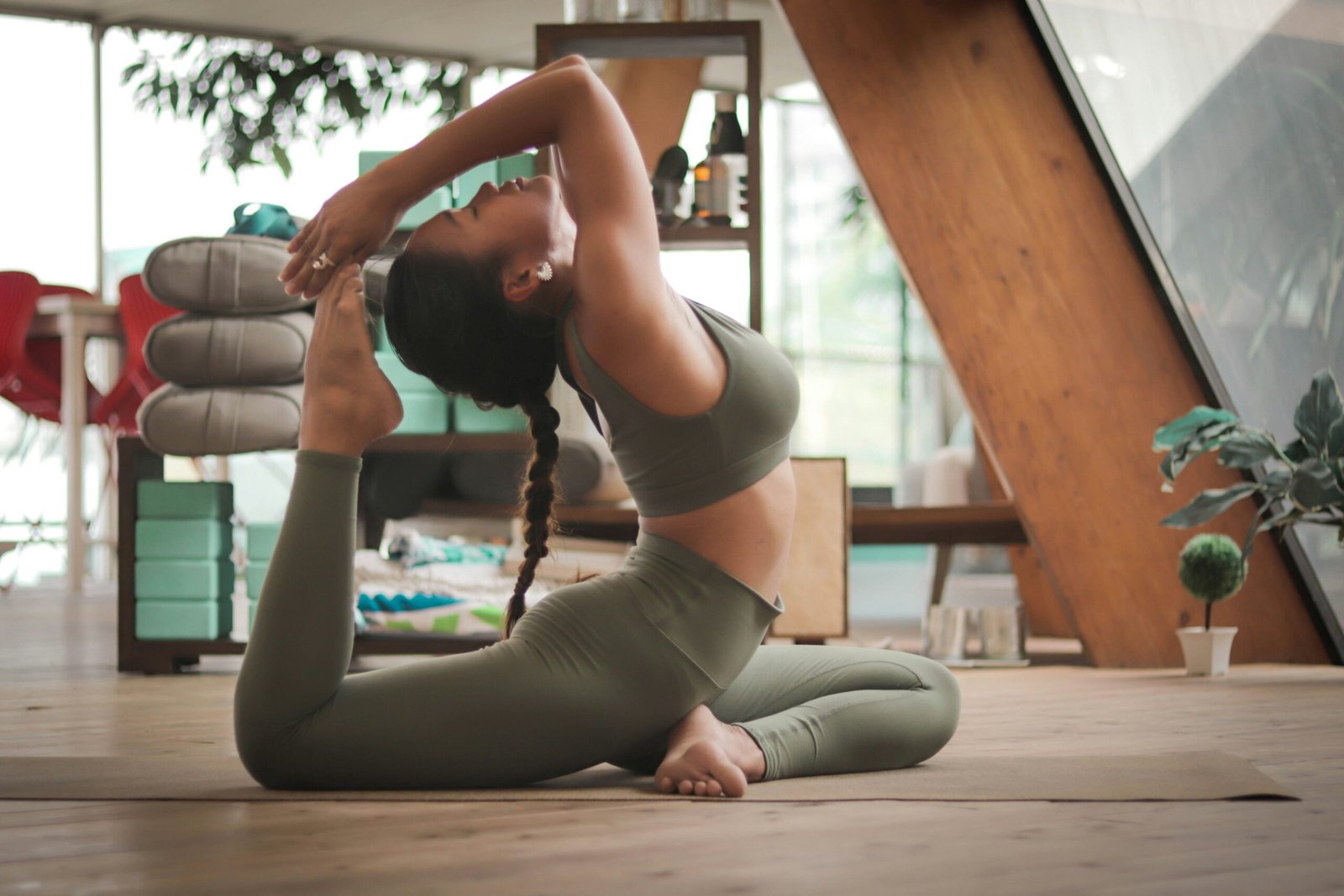
Best Yoga Retreats for Winter 2026
Winter might not be the first season that comes to mind for a yoga retreat, but that’s precisely what makes it so powerful. When the outside world slows down, turns inward, and strips itself back to its essentials, yoga does the same.
The cold sharpens focus, silence deepens meditation, and the absence of distraction creates space for the kind of practice that’s hard to reach in busier, brighter months. A winter retreat doesn’t ask you to perform — it asks you to rest, reset, and listen.
Share This Article


Discover the best yoga and wellness retreats for winter 2026 — from warm coastal escapes to mindful mountain hideaways.
Find space to slow down, reset, and restore your energy during the quietest season of the year.
Winter is the season of reflection — a natural pause that invites rest and renewal.
It’s the ideal moment to step away from routine and reconnect through movement, warmth, and stillness.
Below you’ll find a curated selection of yoga and wellness retreats for winter 2026, from sunny Mediterranean getaways to snowy Alpine sanctuaries.
Each experience is designed to help you restore balance, strengthen your body, and recharge your mind before the new year unfolds.
All listings are personally verified and part of the Om Away curated collection.
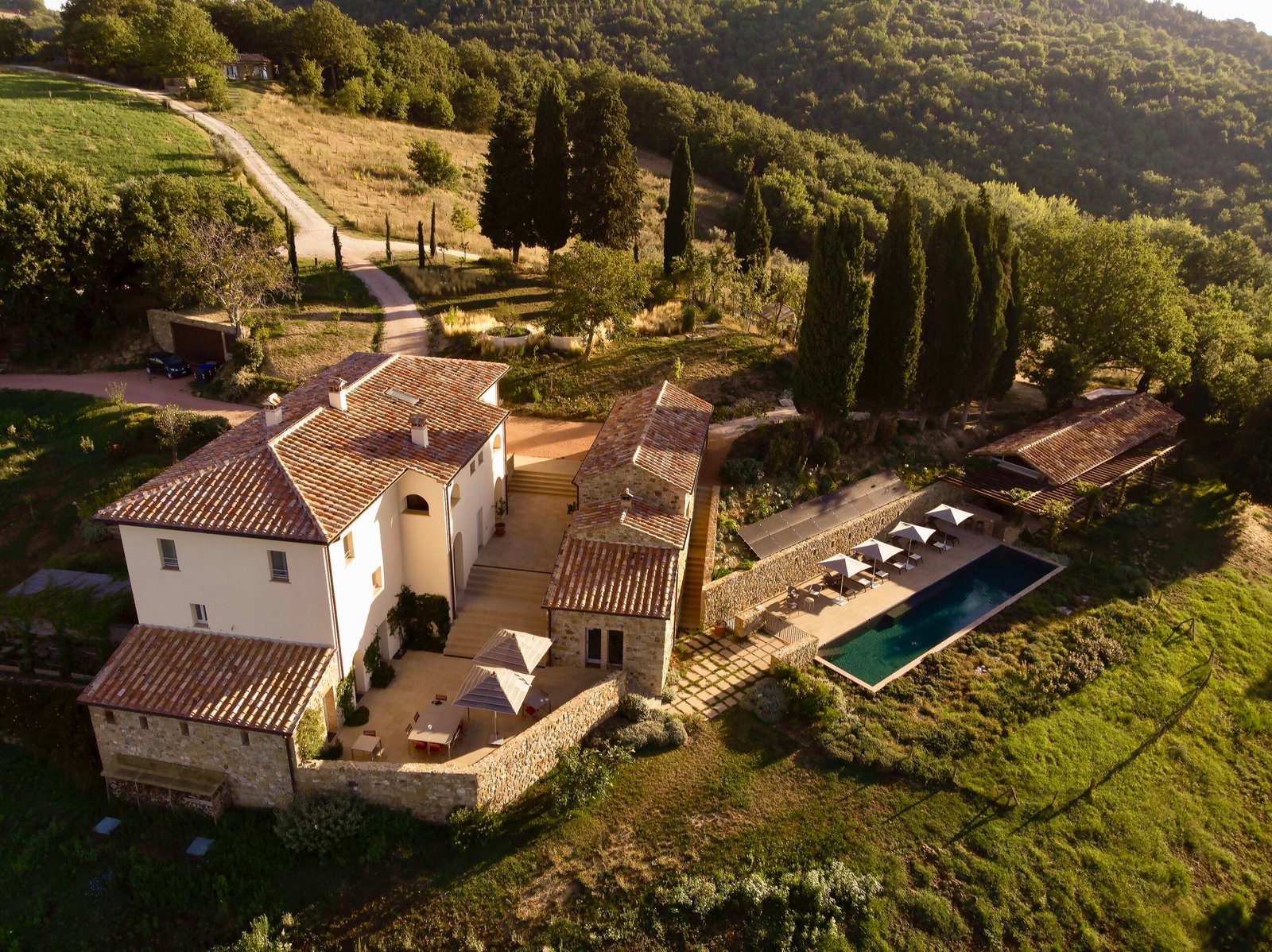
The Sanctuary for the Soul – the VIP Experience – Italy, Tuscany
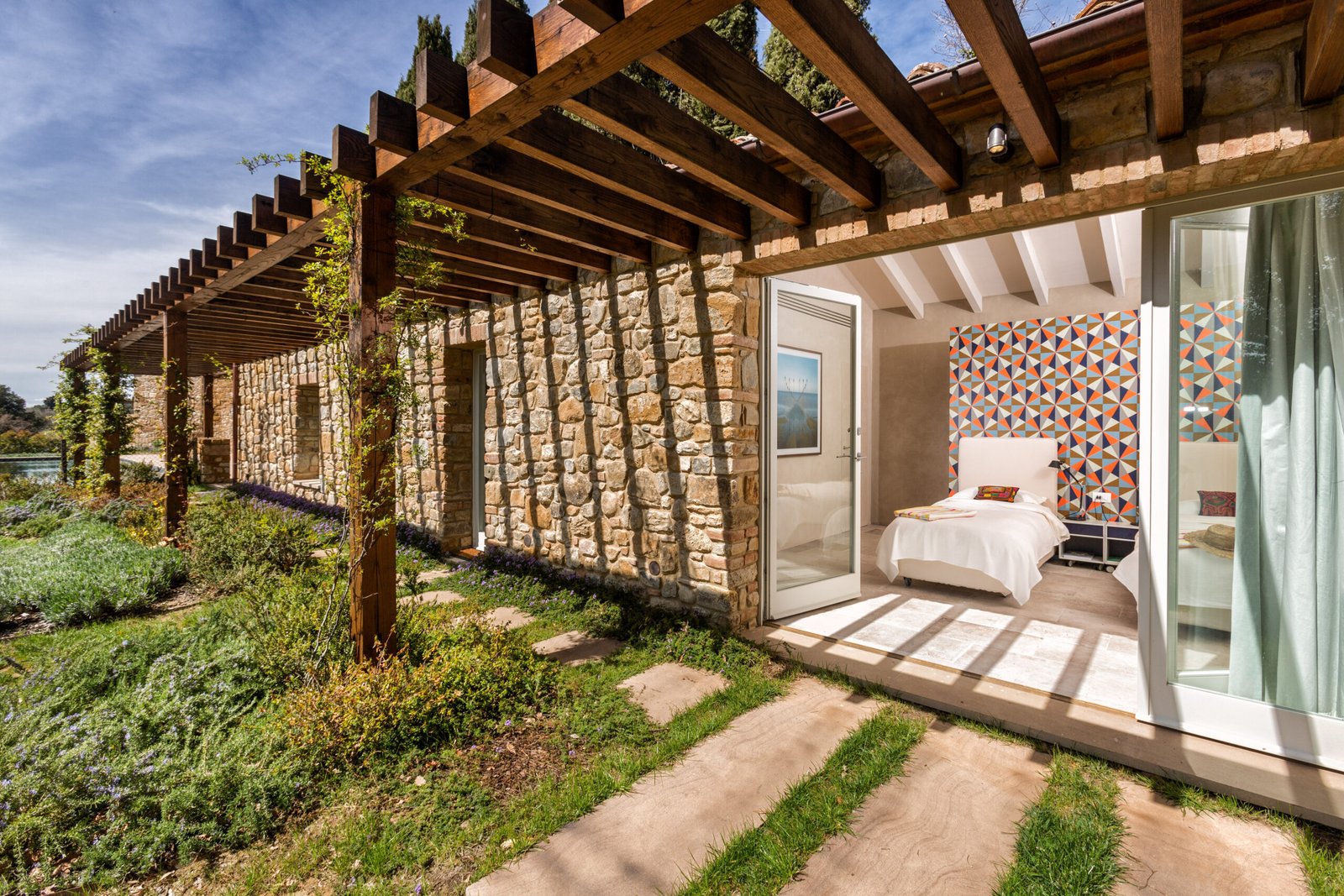
The Sweet Earth Retreat – Italy, Tuscany

Under the Tuscan Sun: A Transformative Experience of Yoga, Photography and Taste. Italy, Tuscany
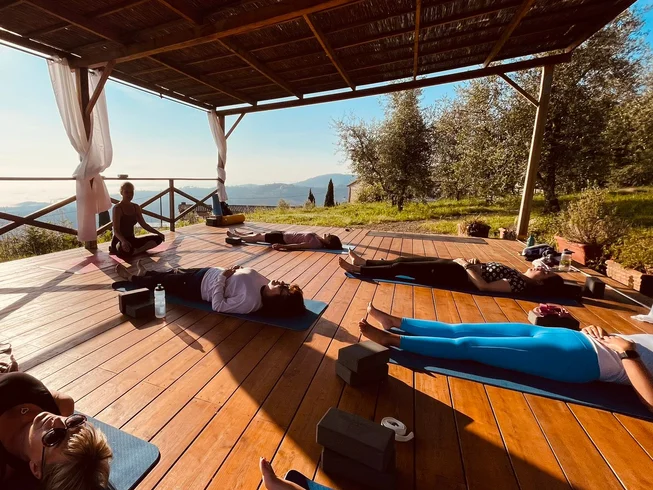
7 Day Yoga, Relaxation, Wine Tasting and Olive Oil Tasting in the Heart of Tuscany, Italy
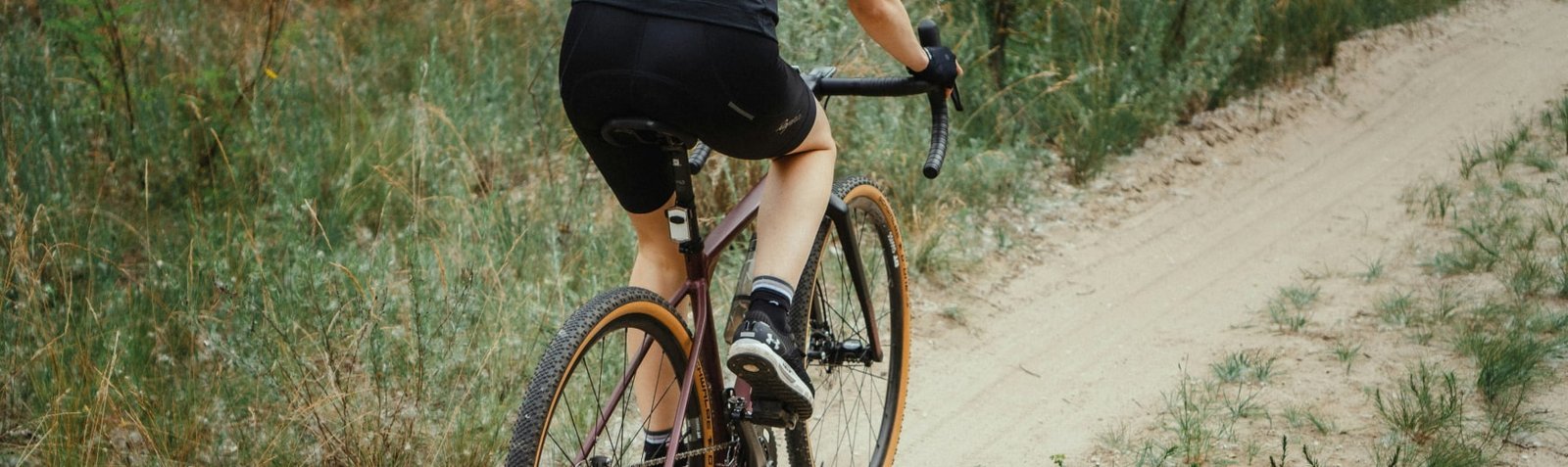
5 Day Private Couples Retreat The Art of Connection in Sardinia, Italy
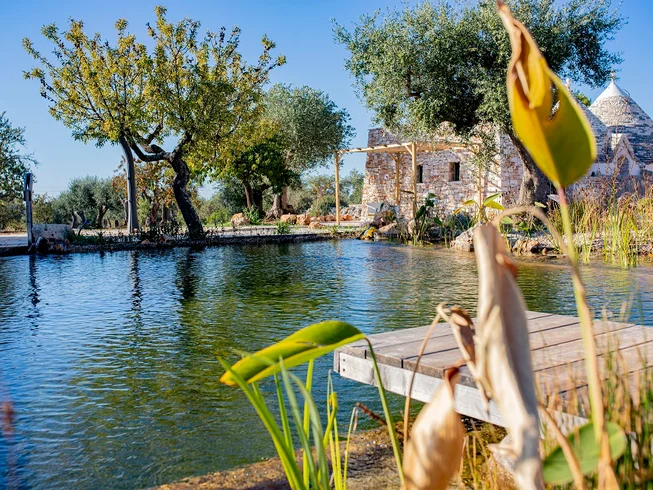
7 Day Italian Cooking, Tour and Yoga Holiday in Puglia, Italy
The Body in Winter: Stillness Is Not the Enemy
Cold weather tends to get a bad reputation in yoga circles, but the body’s winter state has its own intelligence. Muscles may need more time to warm up, but that slowness is an invitation to move more mindfully, to pay closer attention to each transition and each breath. When you stop fighting the body’s natural contraction and start working with it, something shifts — the practice becomes less about achieving shapes and more about understanding the tissue, the tension, the subtle resistance that faster seasons tend to paper over.
Yin yoga, restorative practices, and long-held stretches thrive in winter conditions precisely because they don’t demand what the body isn’t ready to give. Instead, they apply gentle, sustained pressure to connective tissue and fascia — the deeper layers that dynamic summer flows often bypass entirely in favour of heat and momentum.
What winter practice teaches, above all, is patience. Holding a pose for four or five minutes when the body is cool and reluctant requires a different quality of attention than flowing through a Vinyasa sequence in July. You start to notice where you hold fear, where you grip, where you breathe shallowly without realising it. These are not things you can easily access when the body is warm and cooperative.
The resistance of winter becomes, paradoxically, one of its greatest gifts — a teacher that summer, for all its generosity, simply cannot be. Many long-term practitioners report that their most significant breakthroughs in flexibility and body awareness didn’t happen in peak physical condition, but in the slow, deliberate work of a winter practice that asked them to do less and feel more.
There’s also something to be said for the physiological side. Cooler temperatures during practice can actually support endurance and focus — the body doesn’t overheat, the mind stays clearer for longer, and recovery between sessions tends to be faster. A retreat structured around this reality — with longer warm-ups, slower transitions, and adequate time for rest between practices — allows the body to adapt and open in ways that a summer intensive, however energising, doesn’t always permit. Winter is not the obstacle. It’s the curriculum.
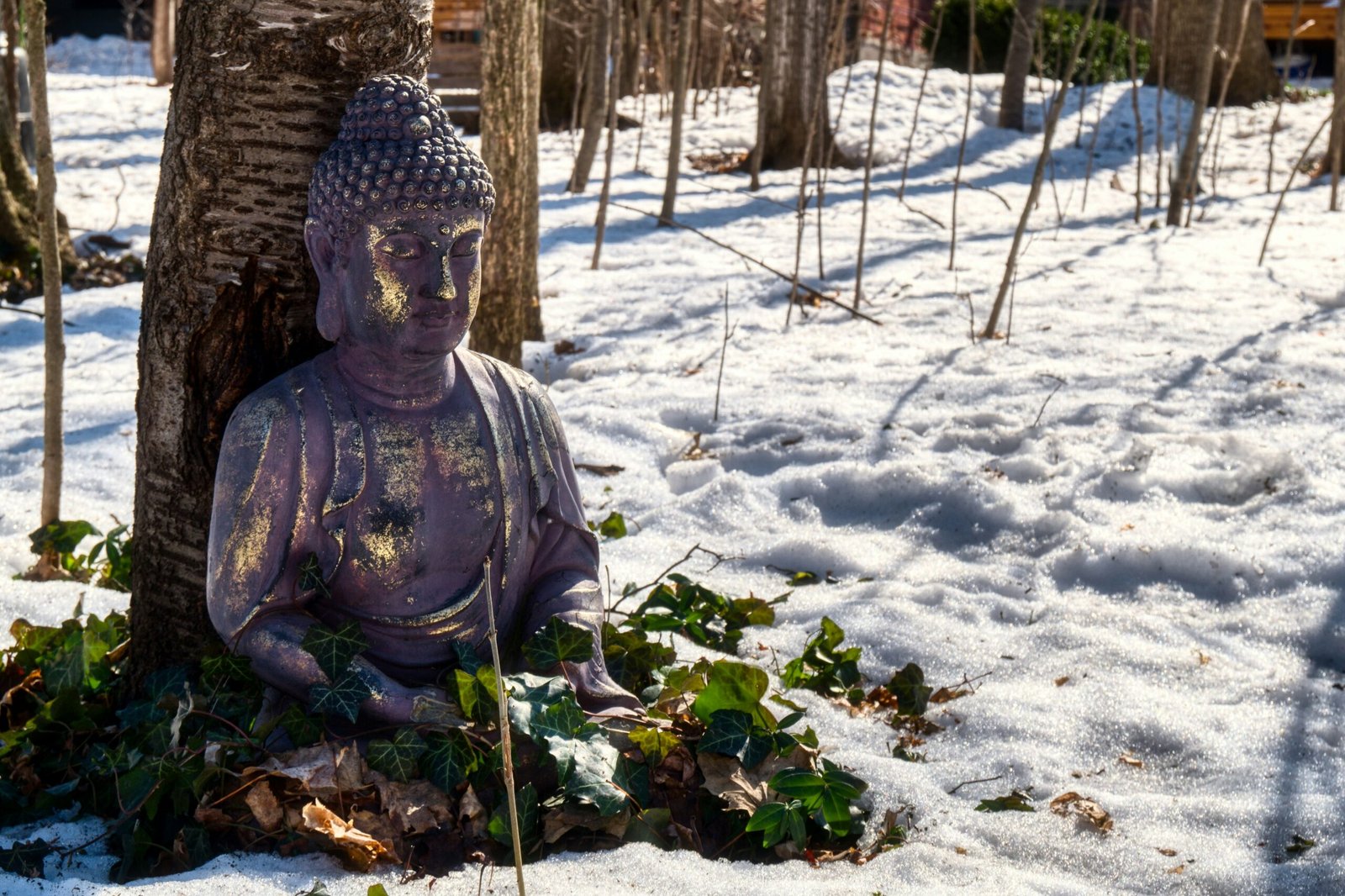
Darkness as a Tool: What Winter Light Does to the Mind
There’s something about reduced daylight that strips away the performative layers of everyday life. Without the social pull of long summer evenings, the temptation to stay up late, pack in more experiences, and fill every hour with activity simply disappears.
Winter retreats naturally encourage earlier nights, more sleep, and a daily rhythm that aligns closely with the body’s circadian needs in a way that summer, for all its appeal, rarely allows.
When you wake before dawn and sit in near-darkness with a cup of tea and the intention to practice, something in the nervous system recognises that this is what it has been waiting for — not stimulation, not performance, but quiet.
Many traditions — Ayurveda and various schools of Tantra included — consider winter the optimal season for introspection, dream work, and shadow practice: the kind of inner inquiry that requires stillness rather than momentum. The shorter days pull awareness inward, toward the parts of the self that tend to go unexamined when life is busy and bright. This is not a comfortable process, and a good winter retreat doesn’t pretend it is. But it is a necessary one. The things that surface during a week of reduced stimulation, extended meditation, and genuine rest are often precisely the things that have been driving behaviour, draining energy, or blocking clarity for months without ever being named. Winter gives them a surface to rise to.
Meditating in near-darkness, wrapped in warmth, with nothing pulling you outward, is an experience that summer simply cannot offer. The quality of attention available in those conditions is different — denser, slower, more honest. Candlelight practices, yoga nidra sessions in the early evening, and long Pranayama sits before sunrise become not just pleasant rituals but genuine tools for nervous system regulation and psychological integration. Add to this the effect of reduced blue light exposure and earlier sleep, and within just a few days at a winter retreat, most people notice a shift in dream vividness, emotional processing, and the kind of quiet mental clarity that feels almost foreign in ordinary life.
It doesn’t arrive loudly. It arrives the way winter itself does — gradually, and then all at once.
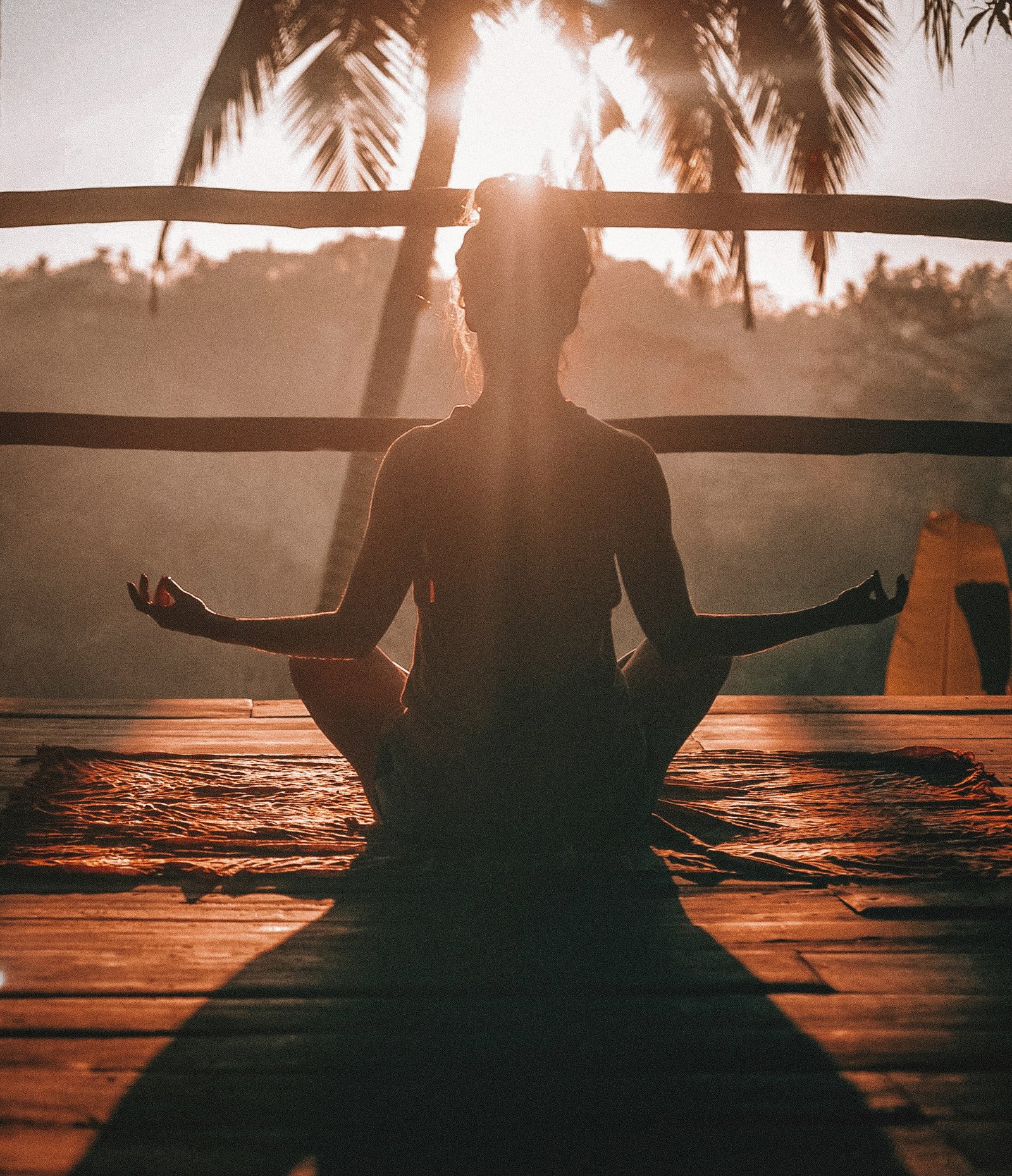
Nourishment and Ritual: How to Support Your Practice from the Inside
A winter retreat also changes how you eat, and that shift matters more than most people expect. Ayurvedic principles recommend warm, grounding foods in the colder months — soups, root vegetables, spiced teas, and slow-cooked grains that stoke the digestive fire without depleting energy. This isn’t just ancient wisdom for its own sake; it maps closely onto what modern nutritional science understands about seasonal eating. In cold weather, the body prioritises warmth and internal stability, which means digestion actually strengthens in winter — a fact that surprises many people who assume the body is simply shutting down. When you feed it accordingly, with foods that are easy to process and rich in slow-release energy, the benefits show up directly on the mat: steadier focus, more sustained endurance, and a groundedness that lighter summer diets don’t always provide.
The ritual dimension of winter nourishment is equally important and often underestimated. Starting the day with warm lemon water or ginger tea before practice is not just a wellness cliché — it activates digestion, raises core temperature gently, and signals to the nervous system that the day is beginning with intention rather than urgency. Ending the evening with ashwagandha in warm milk, or a cup of tulsi and chamomile, supports the transition into deep sleep and helps the body process the emotional and physical work of the day’s practice. These small rituals, repeated consistently over the course of a retreat, accumulate into something that feels less like a routine and more like a relationship with the body — one built on attentiveness rather than demand.
Beyond individual meals and drinks, the communal aspect of winter nourishment at a retreat deserves its own mention. Gathering around a shared table after a long morning of practice, with steaming bowls and the smell of spices in the air, creates a sense of warmth and belonging that is itself therapeutic. Many retreat participants report that mealtimes become some of the most meaningful parts of the experience — not despite their simplicity, but because of it. Stripped of the noise and choice overload of ordinary life, eating becomes something closer to what it was always meant to be: a moment of genuine nourishment, presence, and connection. Winter, with its natural tendency toward gathering and slowing down, makes this easier to access than any other season.
faq: yoga retreats in winter
1. Is it harder to practice yoga in cold weather? It can feel that way at first. Cold muscles take longer to warm up and are more prone to strain if pushed too quickly. The key is extending your warm-up, moving slowly through the first 15–20 minutes, and layering clothing you can remove as your body temperature rises. Once you’re warm, the practice feels no different — and in some ways, more rewarding.
2. What yoga styles work best in winter? Yin, Restorative, and Hatha are particularly well-suited to winter. They work with the body’s slower, more contracted state rather than demanding explosive energy. Pranayama and breathwork also shine in winter — techniques like Kapalabhati and Bhastrika generate significant internal heat and are traditionally used to counteract cold and lethargy.
3. How does winter affect the chakras? Winter is associated with the root chakra (Muladhara) — the energy center connected to safety, grounding, and the body’s basic needs. Cold weather naturally draws energy downward and inward, which is actually ideal for grounding practices. Rather than resisting this pull, a good winter retreat works with it, using it as a foundation for deeper meditation and inner stability.
4. Do I need to hydrate as much in winter as in summer? Yes — and this is one of the most common mistakes people make. Cold air is dry, indoor heating is drying, and the thirst response is blunted in lower temperatures, meaning you often don’t feel thirsty even when you’re dehydrated. Warm herbal teas, broths, and room-temperature water all count. Aim for consistent intake throughout the day rather than waiting for thirst to prompt you.
5. What should I pack for a winter yoga retreat? Layers are everything — thermal base layers, cozy socks, a warm wrap or shawl for meditation and Savasana, and slippers for indoor movement between sessions. Bring a good-quality reusable thermos for hot drinks, a journal, and any personal self-care items like warming essential oils (ginger, black pepper, eucalyptus) or a dry brush for circulation.
6. Can a winter retreat help with seasonal depression or low energy? Many people find it genuinely helpful. Structured daily movement, breathwork, reduced screen time, quality sleep, and community all address the core contributors to winter low mood. Pranayama techniques in particular have been studied for their effect on the nervous system and can meaningfully shift energy levels and emotional tone within a few days of consistent practice.
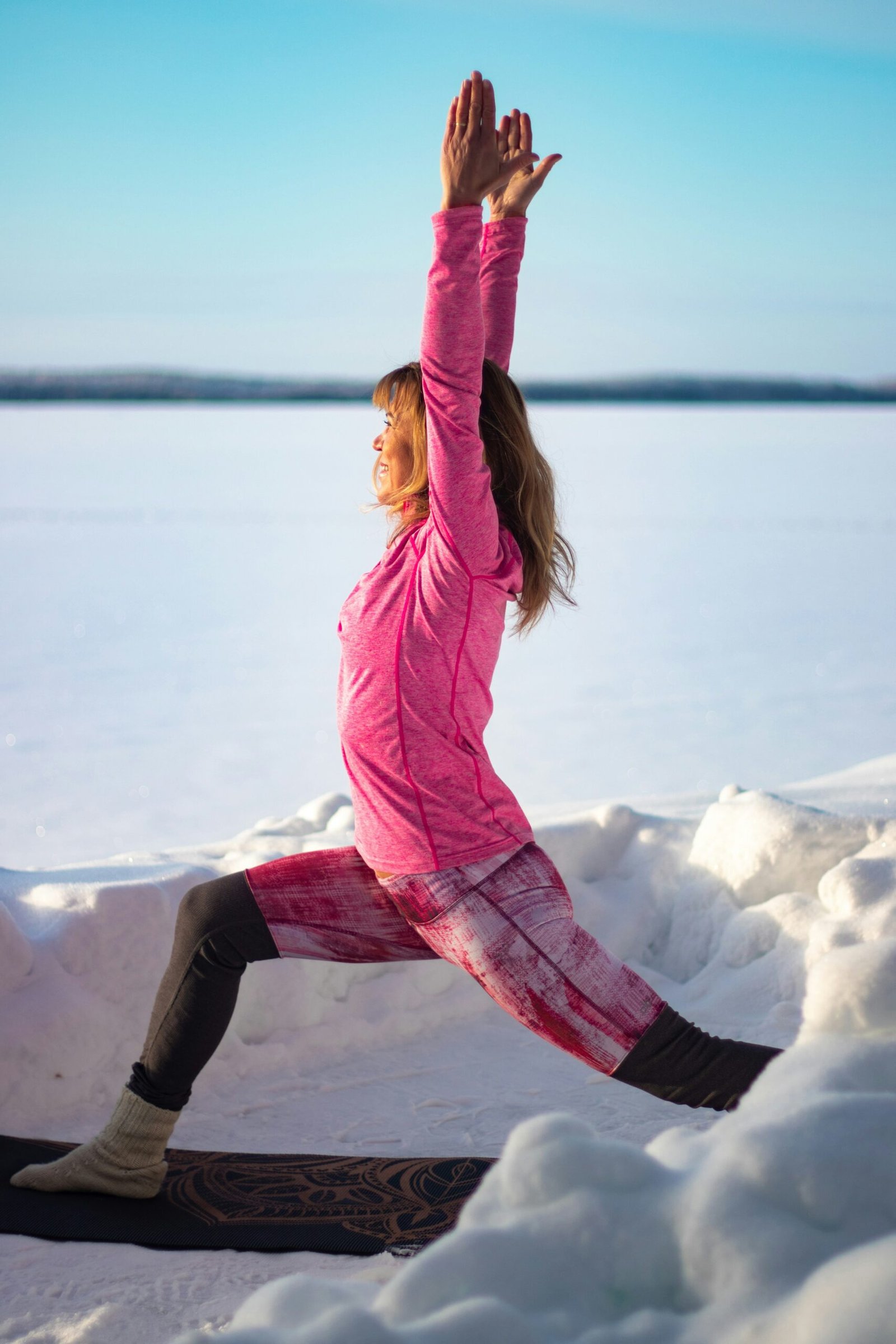
7. Is outdoor practice realistic in winter? It depends on the location and conditions, but short outdoor sessions — even just morning walks or brief outdoor meditation — can be incredibly powerful in winter. Cold air stimulates alertness, and exposure to natural light, even on grey days, supports melatonin regulation and mood. Most winter retreats sensibly keep longer practice sessions indoors while building in intentional outdoor time for grounding and fresh air.
Share Your Thoughts
Your email address will not be published. Required fields are marked *