
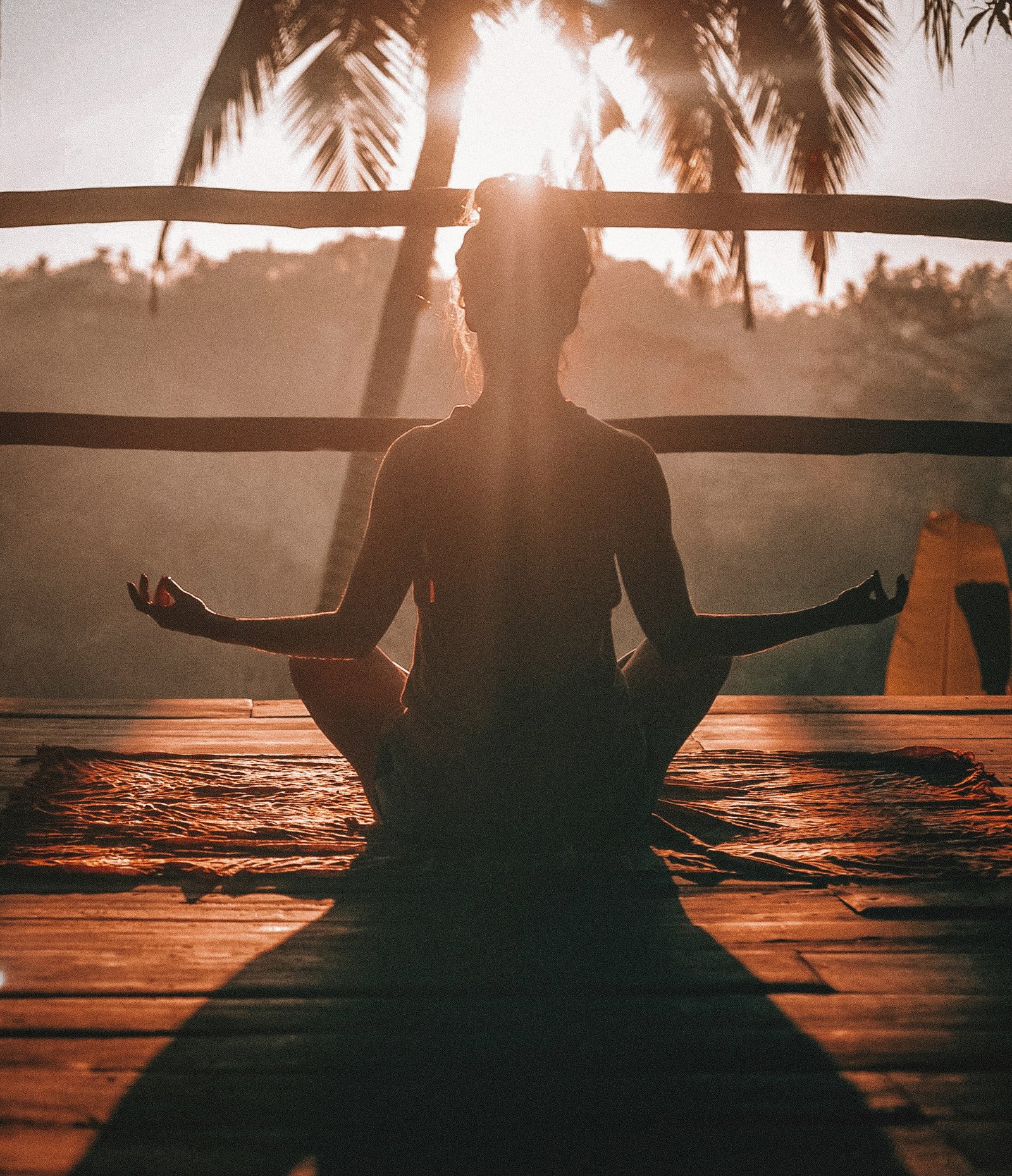
Best Yoga Retreats for Autumn 2026
Autumn is the season of transition, and no practice understands transition quite like yoga. As the light shifts, the air cools, and the natural world begins its slow release, the body and mind are primed for a different kind of work — one that sits somewhere between the expansive energy of summer and the deep stillness of winter.
A yoga retreat in autumn catches you at exactly the right moment: when the urgency of the warmer months has faded but the heaviness of winter hasn’t yet arrived. There’s a particular clarity available in that in-between space, and a well-designed retreat knows exactly how to use it.
Share This Article


Explore the best yoga and wellness retreats for autumn 2026 — a season for grounding, reflection, and renewal.
Find balance through movement, nature, and slow travel as the year begins to soften.
Autumn is the season of transition — when energy turns inward and the pace of life naturally slows.
It’s a beautiful moment to pause, reset, and refocus before the winter months ahead.
Below you’ll find a curated selection of yoga and wellness retreats for autumn 2026, chosen for their balance of comfort, nature, and meaningful teaching.
From vineyard hills in Italy to quiet coastal escapes in Portugal and Spain, these retreats are designed to help you restore rhythm, clarity, and warmth as the seasons change.
All listings are personally verified and part of the Om Away curated collection.

The Sanctuary for the Soul – the VIP Experience – Italy, Tuscany

The Sweet Earth Retreat – Italy, Tuscany

Under the Tuscan Sun: A Transformative Experience of Yoga, Photography and Taste. Italy, Tuscany
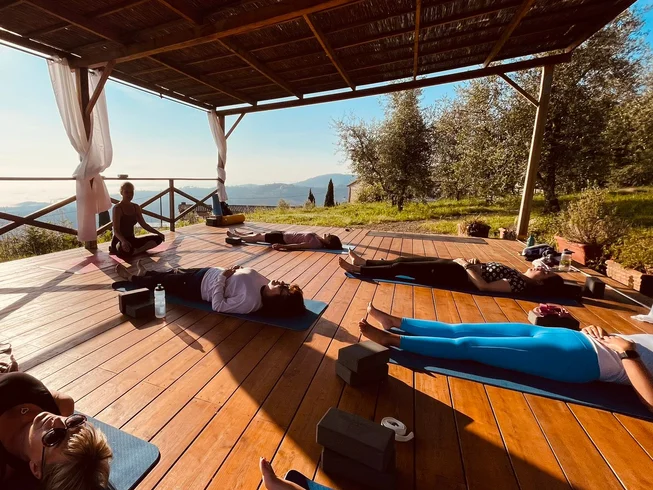
7 Day Yoga, Relaxation, Wine Tasting and Olive Oil Tasting in the Heart of Tuscany, Italy
5 Day Private Couples Retreat The Art of Connection in Sardinia, Italy
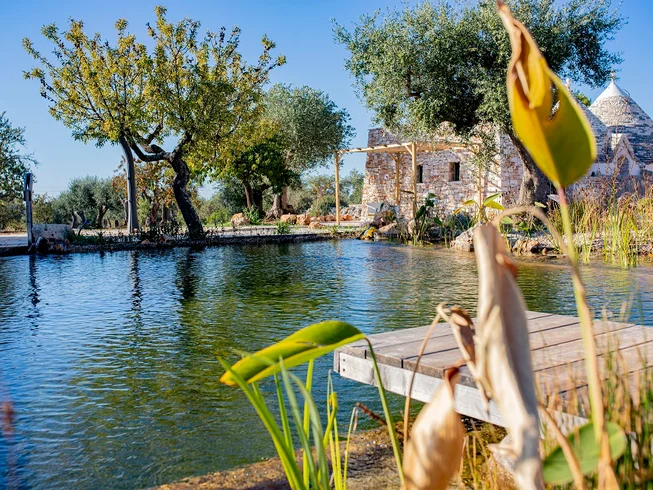
7 Day Italian Cooking, Tour and Yoga Holiday in Puglia, Italy
Letting Go on the Mat: Autumn as a Practice in Release
Autumn’s defining gesture is release — leaves, light, heat, the relentless forward momentum of the year. On the mat, this translates into a practice centred on surrender rather than achievement. Hip openers, forward folds, and long-held twists become especially resonant in this season, working with the body’s natural inclination to soften and shed. The connective tissue responds well to the mild cool of autumn air, and the nervous system — no longer taxed by summer heat — tends to be more receptive to deep relaxation and parasympathetic states. It’s a season that almost teaches the practice for you, if you’re willing to follow its lead.
The philosophical alignment is just as compelling. Many yoga traditions speak of Aparigraha — non-attachment — as one of the core disciplines of the practice. Autumn is its living embodiment. A retreat held during these months naturally invites practitioners to examine what they’re holding onto: habits, identities, relationships, expectations.
The seasonal backdrop makes this inquiry feel less abstract and more embodied. When you watch the trees releasing without resistance, the instruction becomes almost unnecessary. The practice is already happening all around you.
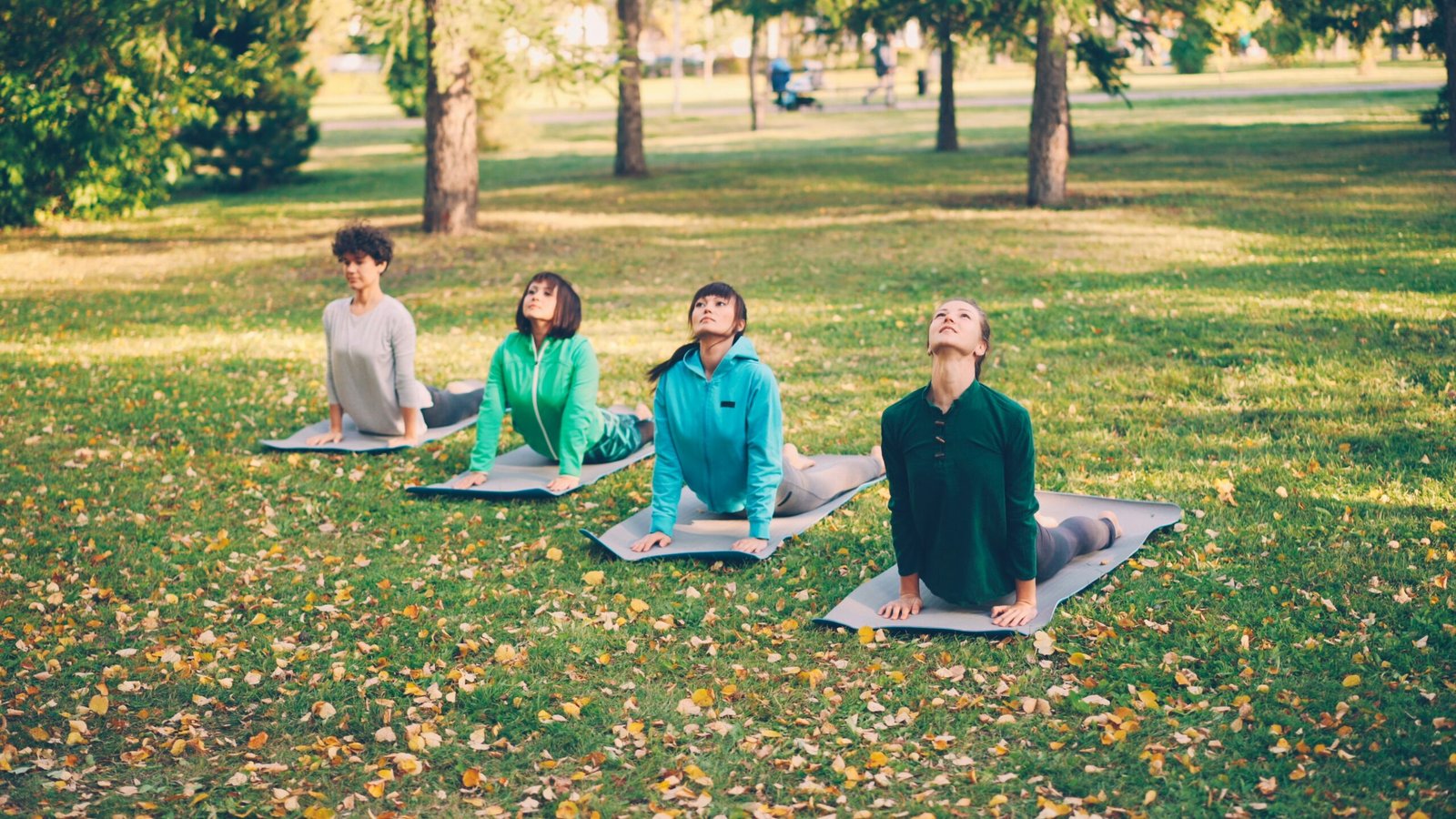
The Light Changes Everything: Autumn's Effect on Energy and Awareness
There’s a quality to autumn light that is unlike any other season — golden, angled, and fleeting in a way that sharpens the senses and makes ordinary moments feel weighted with meaning. Practicing yoga in this light, whether outdoors in the early morning or beside large windows as the afternoon fades, creates an atmospheric depth that supports both concentration and emotional openness. The shortening days begin to shift melatonin rhythms, nudging the body toward earlier rest and deeper sleep — conditions that are genuinely supportive of sustained retreat practice.
Energetically, autumn sits at the junction of Vata season in Ayurveda — a time of increased air and ether elements, characterised by creativity, sensitivity, and a tendency toward anxiety or scattered thinking when out of balance. A thoughtfully designed retreat addresses this directly: grounding postures, slow breathwork, warm oil self-massage, and a consistent daily schedule all work to anchor Vata energy and prevent the restlessness that can otherwise surface during this season. The result is a practice that feels both creatively alive and deeply stabilising — a combination that’s surprisingly hard to find at any other time of year.
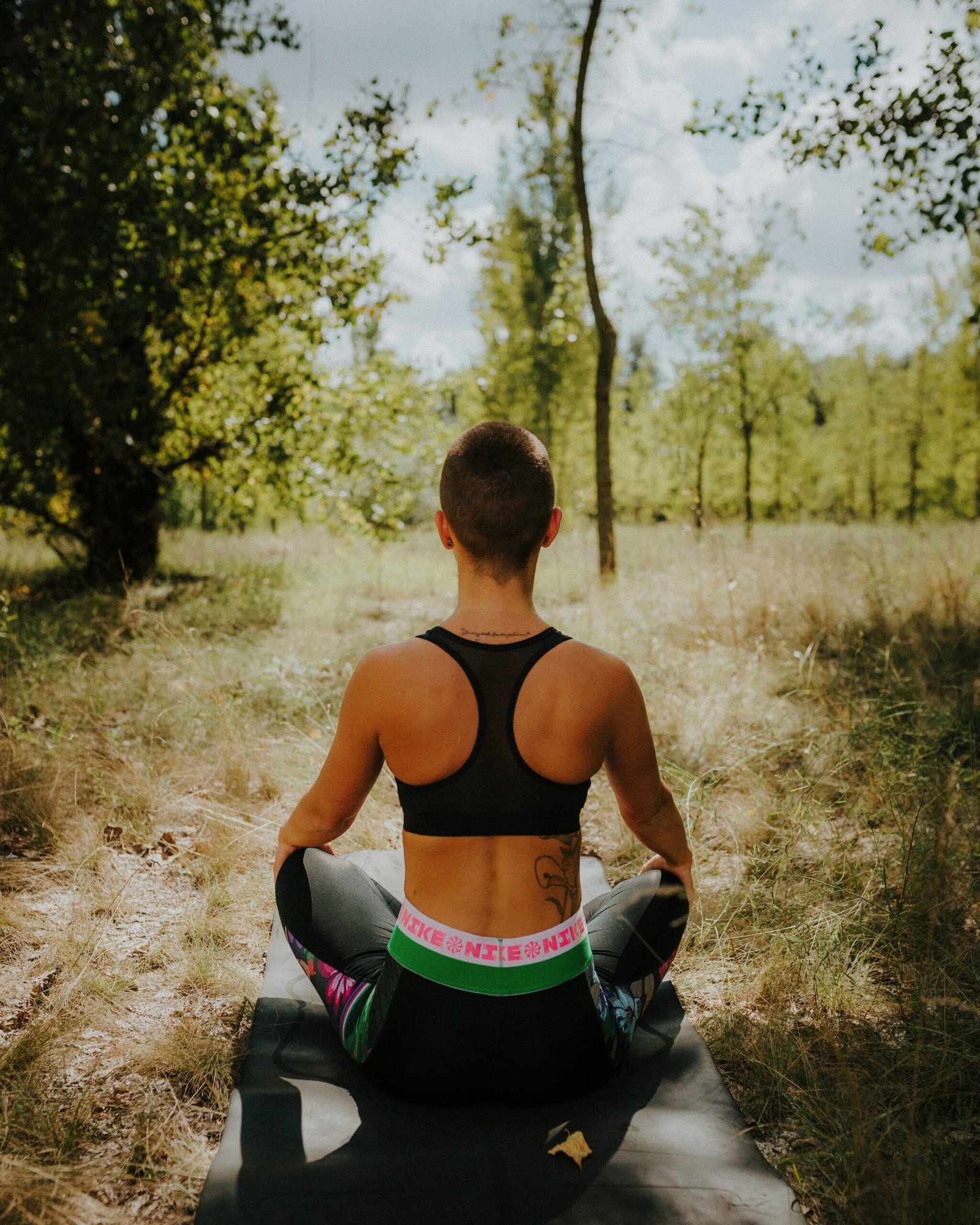

Eating for the Season: Autumn Nutrition and Retreat Nourishment
As the temperature drops, the body begins quietly asking for more warmth, more substance, and more ritual around food. Autumn is the moment to transition away from raw salads and cold smoothies and toward the kind of nourishment that builds internal resilience: roasted root vegetables, warming spices like cinnamon, cardamom, and turmeric, hearty legume soups, and slow-cooked grains that provide steady energy without heaviness. At a retreat, this shift in eating is felt almost immediately — meals become more grounding, digestion improves, and the body settles into a rhythm that supports longer sits and more consistent practice.
Hydration in autumn deserves particular attention, because it’s the season when most people quietly begin to drink less without noticing. The thirst response diminishes as temperatures fall, but the body’s need for fluids doesn’t. Warm herbal teas — particularly those featuring ginger, liquorice, and warming adaptogens like shatavari or astragalus — become both a hydration strategy and a ritual anchor throughout the retreat day. Beginning and ending each practice with something warm in hand is a small act that communicates care to the nervous system, and over the course of a week, that accumulation of small signals adds up to something genuinely restorative.
faqs: yoga retreats in autumn
1. Is autumn a good time to start yoga for the first time? It’s actually one of the best. The moderate temperatures are forgiving on a body that’s still learning, the pace of most autumn-appropriate styles is slower and more instructional, and the season’s natural energy — reflective, curious, transitional — mirrors exactly the mindset that benefits most from a beginner’s practice. There’s less pressure to perform than in summer, and more space to simply observe and learn.
2. Which yoga styles suit autumn best? Hatha, Yin, and Vinyasa at a measured pace all work well. Autumn also lends itself particularly to pranayama-heavy classes and meditation intensives, since the season sharpens mental clarity and emotional sensitivity in ways that make breathwork and inner inquiry especially productive. Avoid styles that are excessively heating or depleting — save Bikram and fast-paced Ashtanga for seasons when the body has more reserves to draw from.
3. How does autumn affect the chakras? Autumn is broadly associated with the Anahata (heart) chakra and the Vishuddha (throat) chakra — the centres of emotional release, authentic expression, and letting go. It’s a season that tends to surface grief, nostalgia, and unprocessed feeling, which can initially feel uncomfortable but is actually an opening. Practices that focus on chest openers, backbends, and sound work are particularly aligned with this seasonal energy.
4. What’s the ideal daily structure for an autumn retreat? Early rising before full light, followed by pranayama or meditation while the mind is still quiet. A grounding asana practice mid-morning, warm nourishing meals, and ample rest in the afternoon — perhaps restorative yoga or yoga nidra. Evening sessions work well for reflection, journaling, or gentle movement. The key is consistency: autumn’s Vata energy is best balanced by a predictable rhythm that the nervous system can settle into.
5. How should I adjust my hydration in autumn? Shift from cold water and raw juices to warm teas, broths, and room-temperature water taken regularly throughout the day. Ginger tea before practice stimulates circulation and digestion; tulsi or chamomile in the evening supports wind-down. Don’t wait until you’re thirsty — by autumn, the thirst signal is already lagging behind actual need. Build hydration into your retreat schedule as a deliberate practice rather than an afterthought.
6. Can an autumn retreat help with burnout or end-of-year exhaustion? More effectively than almost any other time of year. Autumn arrives at the point when most people are running on empty after a full year of output, and the season’s natural invitation to slow down aligns perfectly with what a depleted nervous system actually needs. A retreat that combines restorative practice, adequate sleep, nourishing food, and genuine disconnection from work and screens can produce a quality of recovery that a weekend at home simply cannot replicate.
7. What should I pack for an autumn yoga retreat? Layers are essential — mornings and evenings can be significantly cooler than afternoons, especially outdoors. Pack a warm wrap or woollen shawl for meditation and Savasana, grip socks for cooler studio floors, and a good thermos for hot drinks between sessions. A journal is particularly valuable in autumn, when the season tends to surface thoughts and realisations worth capturing. If you’re sensitive to the seasonal mood shift, consider bringing vitamin D supplements and any adaptogenic herbs that support your energy and nervous system.
Share Your Thoughts
Your email address will not be published. Required fields are marked *