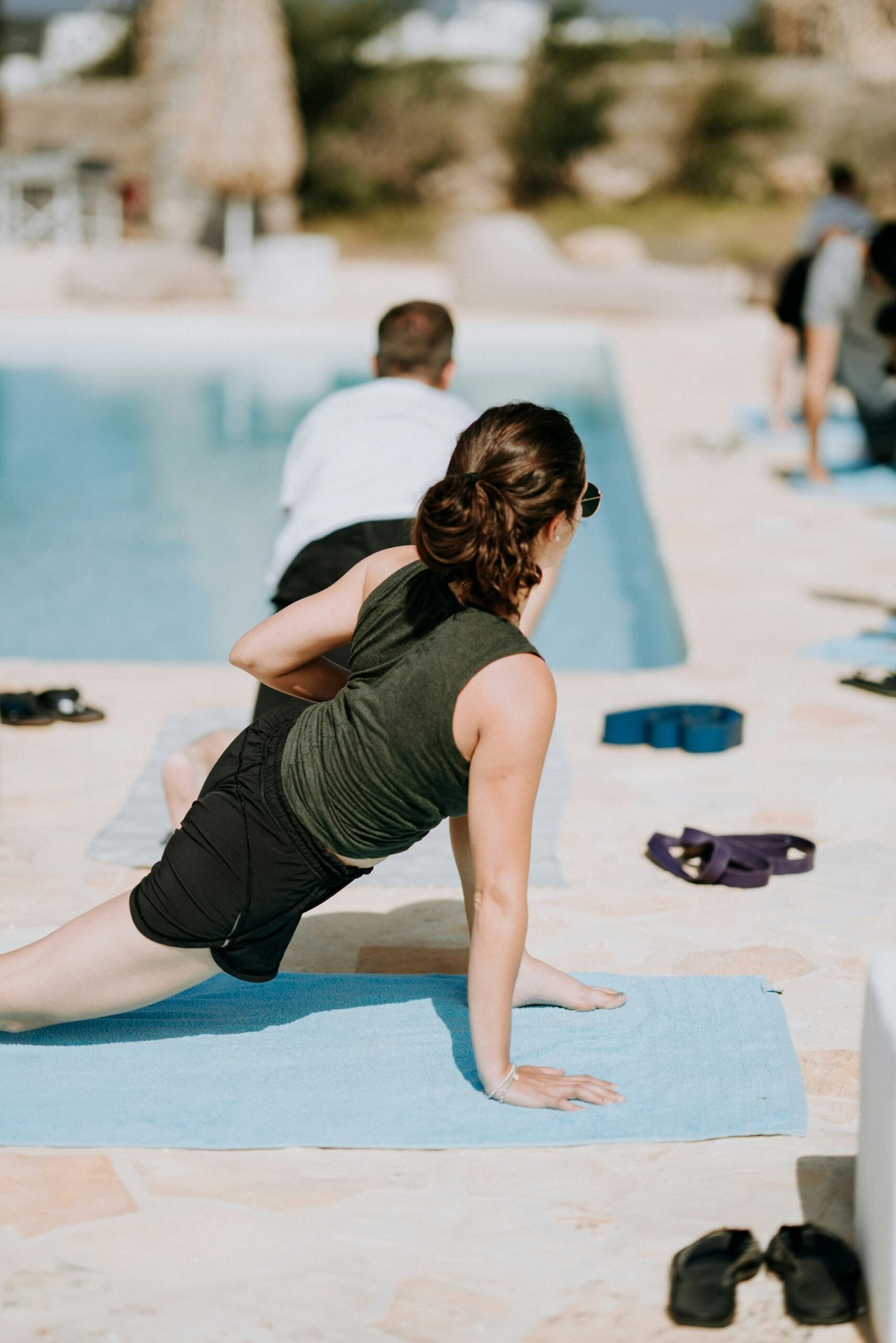
Solo Yoga Retreats — Finding Connection in Solitude
Solo yoga retreats offer a unique opportunity to step away from daily distractions and focus entirely on yourself. By combining independence with structured wellness practices, they create space for self-discovery, healing, and meaningful personal growth.
Finding Connection in Solitude
There’s a quiet courage in booking a retreat alone.
You’re not running away from people — you’re returning to yourself. No companion to mirror your choices, no partner to buffer the silence.
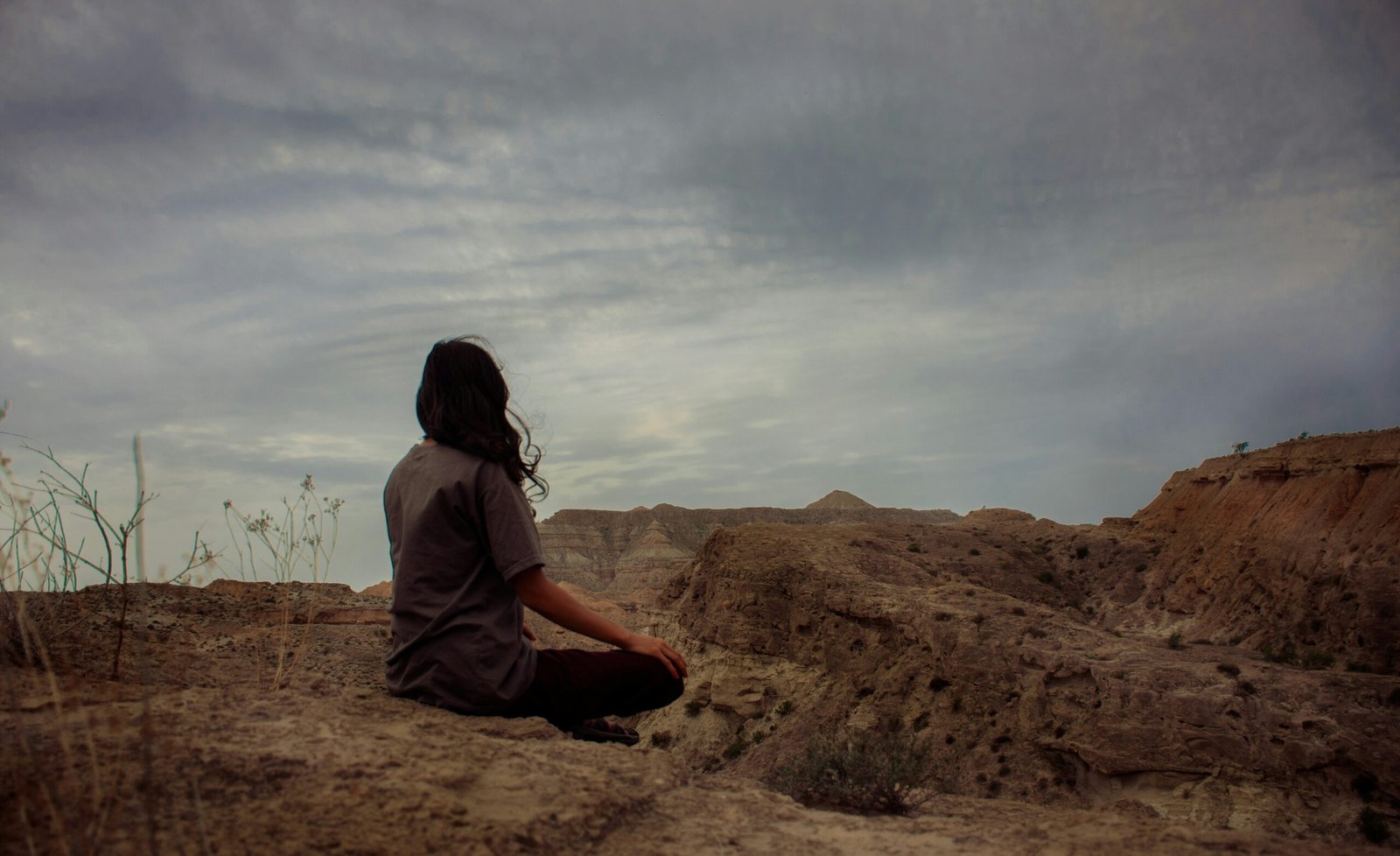
Just your body, your breath, and the space between them.
And it’s in that space that transformation begins.
Solo yoga retreats aren’t about isolation. They’re about presence — a slow remembering that solitude is not emptiness, but intimacy with life itself.
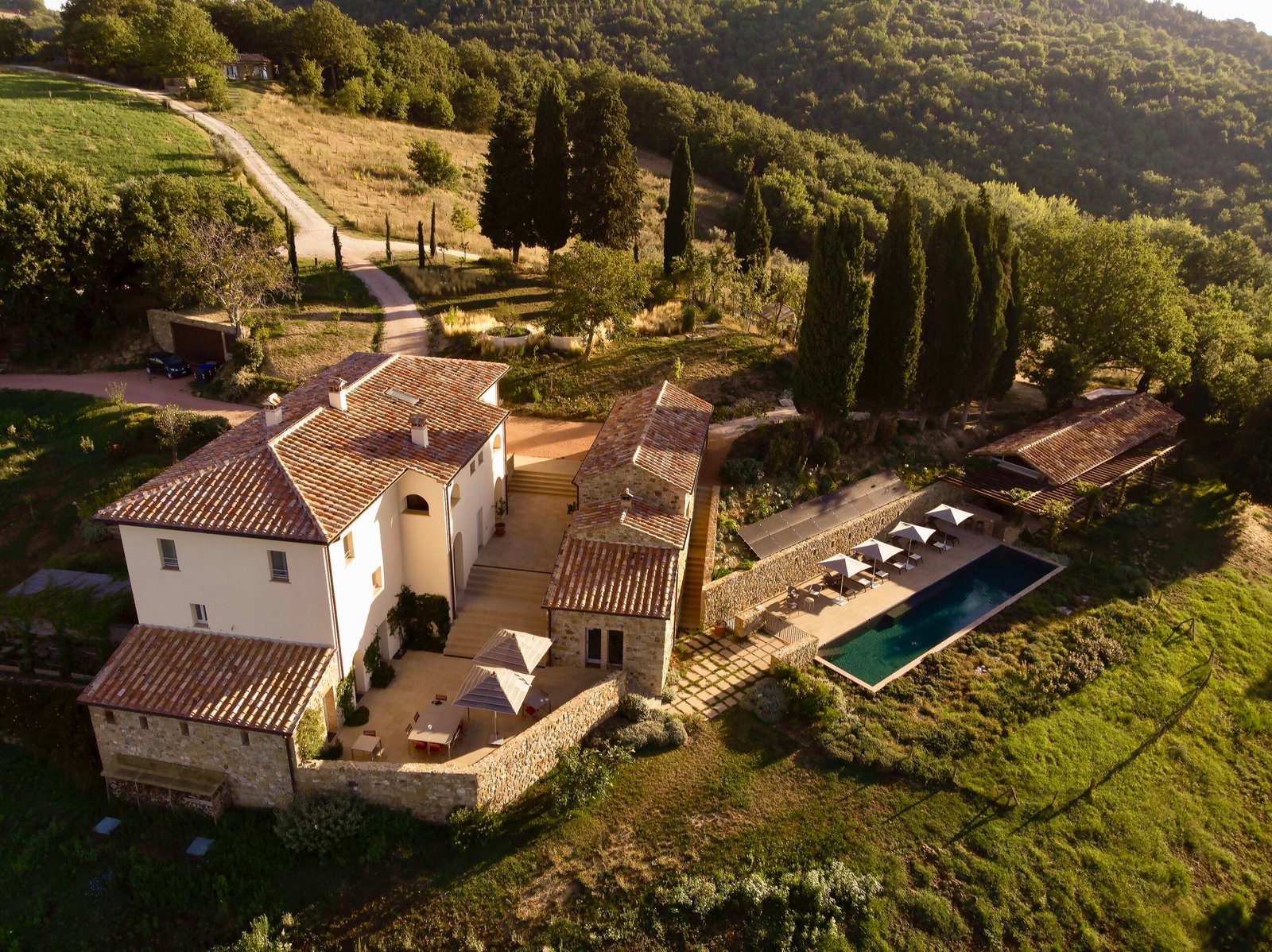
The Sanctuary for the Soul – the VIP Experience – Italy, Tuscany
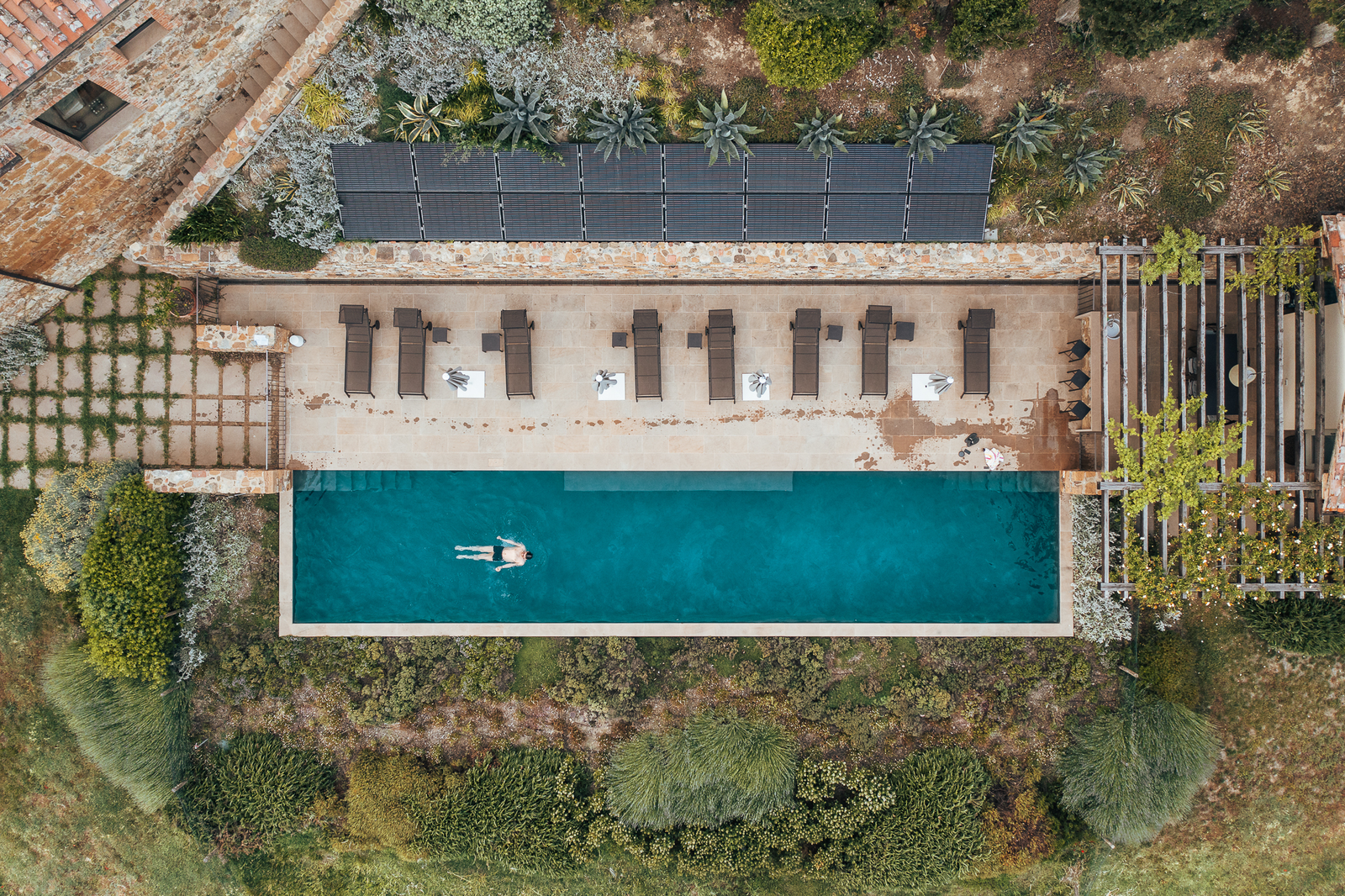
The Sweet Earth Retreat – Italy, Tuscany
Under the Tuscan Sun: A Transformative Experience of Yoga, Photography and Taste. Italy, Tuscany
7 Day Yoga, Relaxation, Wine Tasting and Olive Oil Tasting in the Heart of Tuscany, Italy
5 Day Private Couples Retreat The Art of Connection in Sardinia, Italy
7 Day Italian Cooking, Tour and Yoga Holiday in Puglia, Italy
The rising wave of solo yoga retreats in Europe
Across Europe, the landscape of retreats is changing.
A decade ago, most programs catered to groups of friends or couples.
Today, over 60% of guests arrive alone, especially women aged 30 to 55 navigating burnout, transitions, or quiet reorientation.
From Portugal’s wild Algarve coast to Italy’s olive-covered hills and the quiet coves of Crete, venues now design programs where being alone doesn’t mean feeling alone.
Meals are shared, conversations are optional, silence is respected.
What guests discover is not loneliness, but a subtler kind of belonging — the kind that doesn’t require talking to exist.
What truly happens when you go alone
1. You arrive without expectations
You’re not performing for anyone. You don’t have to be fun, interesting, or social.
You can eat in silence, cry on your mat, skip a session, watch the sunrise barefoot.
Every decision is yours alone — a rehearsal for self-trust.
You learn to belong without disappearing
In groups, we often shrink to fit.
When you travel alone, you meet others from a place of wholeness, not adaptation.
Friendship becomes organic, effortless — born from shared presence rather than shared stories.
You rediscover the difference between being alone and feeling alone
One is factual; the other is emotional.
Yoga, breathwork, and nature begin to untangle them.
By the fourth day, most guests realise that solitude isn’t emptiness — it’s spaciousness.
OmAway Insight Visual
– Freedom from external expectations
– Chance to reset priorities without pressure
– Easier integration of new habits
– Higher emotional awareness and resilience
– Genuine connection born from presence
The emotional evolution of a solo retreat
During the first day, the silence feels heavy. You miss your phone, your structure, your noise.
By the third day, your nervous system starts to settle.
By the fifth, you begin to crave the quiet you once resisted.
How to choose your solo retreat
Pick small, intentional spaces
Avoid large commercial programs; intimacy dissolves in crowds.
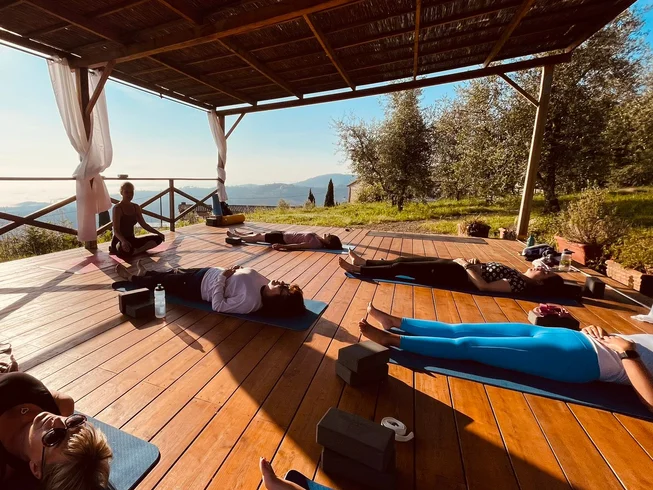
Look for venues with 8–14 participants and a simple schedule: yoga, meals, silence.
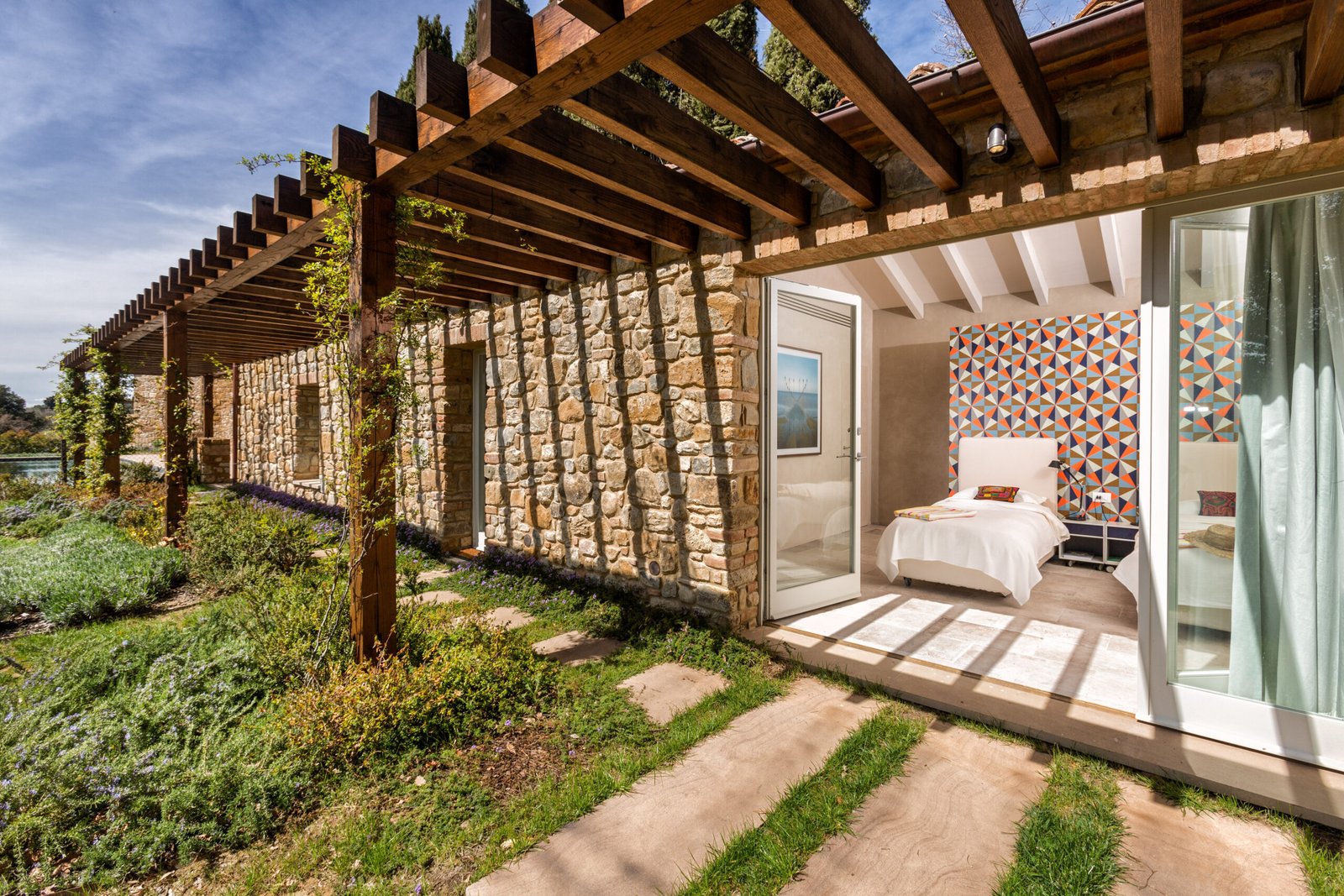
Choose comfort, not luxury
Peace doesn’t require perfection.
Sometimes, the quietest transformation happens in the simplest rooms — where there’s nothing to distract from yourself.
Ask about the structure
Balanced programs blend activity and rest, solitude and connection.
You want a rhythm that lets the nervous system expand, not perform.
Check facilitation
The right teacher will explain the emotional cycle of solitude.
The wrong one will overfill the schedule to avoid discomfort — which is exactly where growth lives.
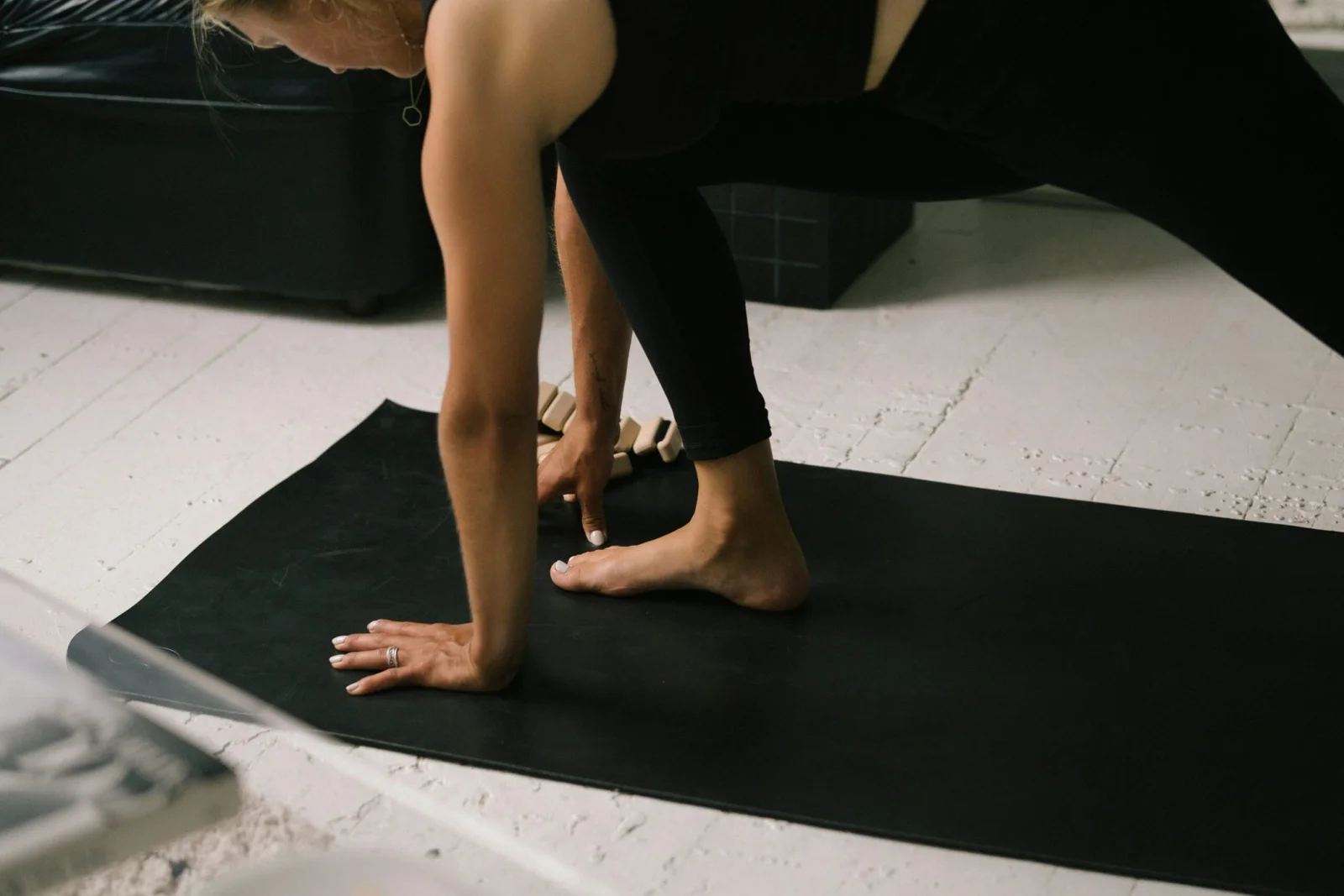
Where to go in Europe
– Portugal — surf and yoga retreats in Ericeira, Alentejo, and Algarve: sea air + silence.
– Spain — Andalusian hills and Mallorca’s quiet monasteries.
– Italy — Umbria, Puglia, and Tuscany for earthy elegance and real food.
– Greece — Paros and Crete for minimalist calm and mindful coastal living.
Each place offers the same medicine in a different accent: stillness in motion.
Integrating solitude back home
The retreat ends, but the practice begins.
You return to the same house, same inbox, same routines — yet something inside is slower.
That stillness is fragile at first, but it grows with attention.
Start small:
– Keep one silent morning ritual.
– Have one meal a day without screens.
– Take one walk a week alone, phone left behind.
Solitude is a muscle. The more you honour it, the less you fear it.
Final thought
Solo yoga retreats aren’t about learning to be alone.
They’re about remembering you never needed proof that you belonged.
Because when you travel without company, you stop performing for the world — and start listening to the quiet pulse beneath it.
FAQs: Solo Yoga Retreats
1. Is it common to go on a yoga retreat alone?
- Yes. Many people attend yoga retreats solo, and these experiences are often designed to be welcoming, structured, and supportive for individual travelers.
2. What are the benefits of a solo yoga retreat?
- Solo retreats offer freedom, self-reflection, personal growth, and the ability to follow your own schedule without distractions.
3. Will I feel lonely on a solo retreat?
- Usually not. While you have personal space, group classes, shared meals, and activities create natural opportunities to connect with others.
4. Are solo retreats safe?
- Most yoga and wellness retreats are designed with safety, structure, and support in mind, making them a comfortable option for solo travelers.
5. Can I customize my experience when traveling solo?
- Yes. One of the biggest advantages is flexibilit you can choose activities, rest when needed, and shape your experience based on your personal goals.
6. Do solo retreats still offer a sense of community?
- Yes. Even when traveling alone, you can build meaningful connections with like-minded people through shared experiences and group practices.
Share Your Thoughts
Your email address will not be published. Required fields are marked *