
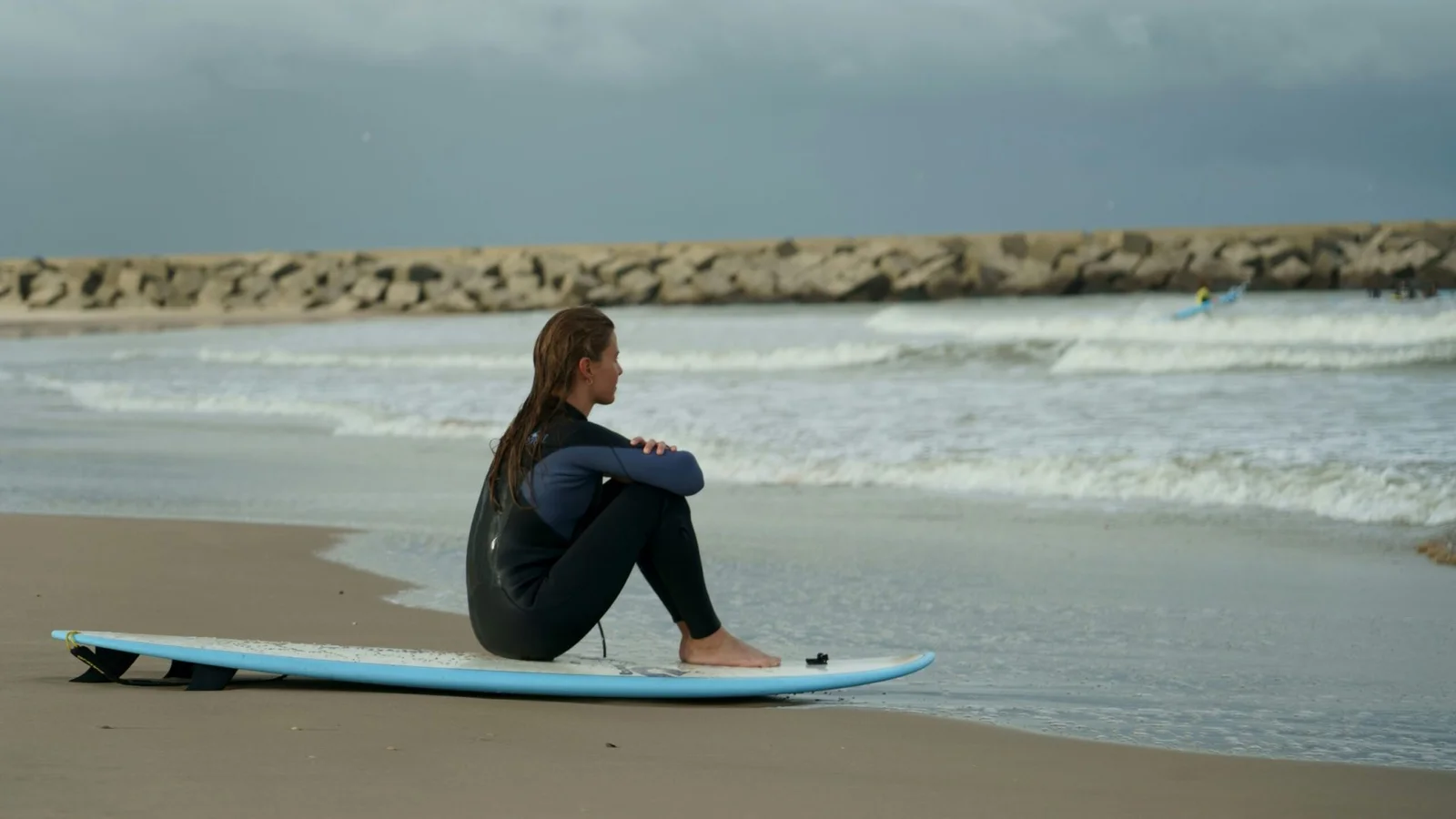
Surf & Yoga in Portugal — What to Expect Before You Book
Surf and yoga retreats in Portugal offer a balance of movement, mindfulness, and connection with the ocean. By understanding what to expect from daily schedules to the physical demands you can choose an experience that supports both relaxation and personal growth.
Share This Article


Surf & Yoga in Portugal — What to Expect Before You Book
Over the past decade, Portugal has evolved from a quiet surf destination to one of Europe’s most complete wellness hubs.
Nowhere else combines raw Atlantic energy with such a grounded, unpretentious lifestyle.
Here, surf and yoga retreats have grown organically from two parallel cultures — the surf camps of the 90s and the yoga communities of Lisbon and Ericeira — until they merged into a single idea: balance through movement and nature.
If you’re considering a surf-and-yoga retreat in Portugal but wonder what really happens beyond the marketing images, this guide unpacks how they work, what to look for, and how to know whether it’s the right kind of reset for you.
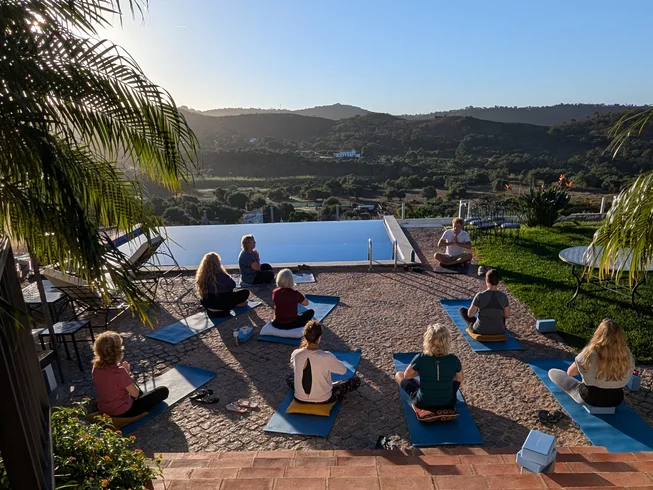
7 Day Inspiring Yoga, Massage, and Reflexology Retreat in the Algarve, Portugal
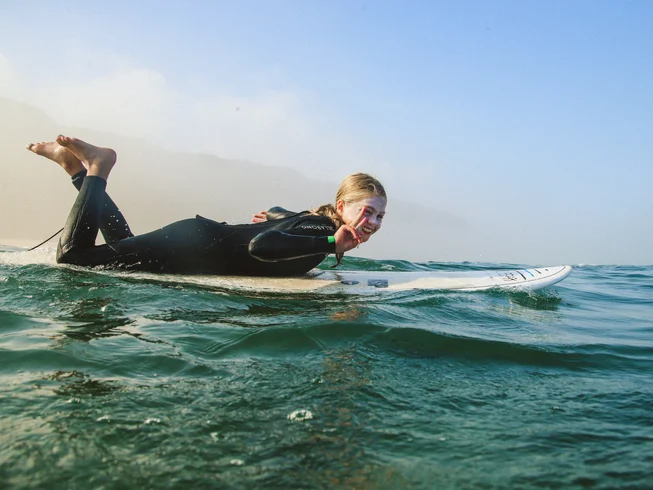
6 Day Yoga and Surf Holiday in Beautiful Sintra, Portugal
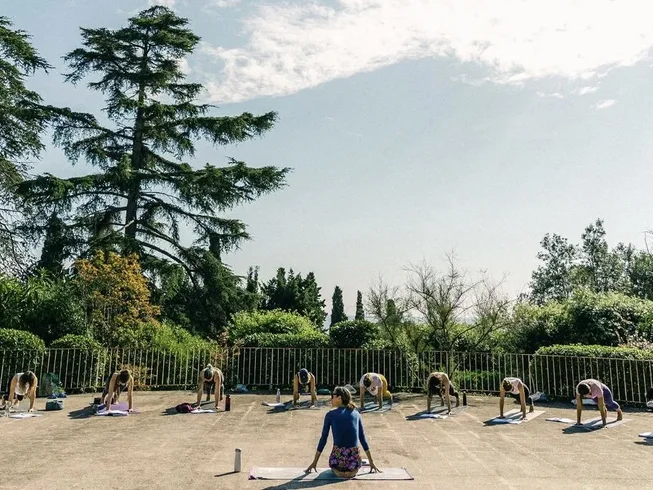
10 Day Design It Yourself Luxury Yoga Retreat in Algarve, Portugal
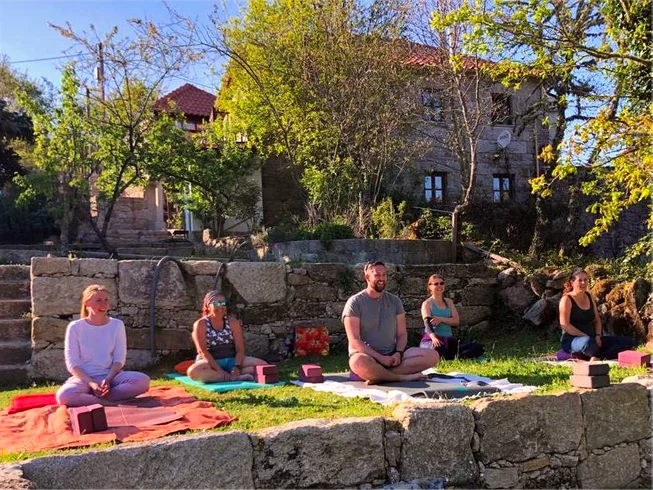
8 Day Nature and Yoga Retreat in Peneda Geres National Park, Portugal
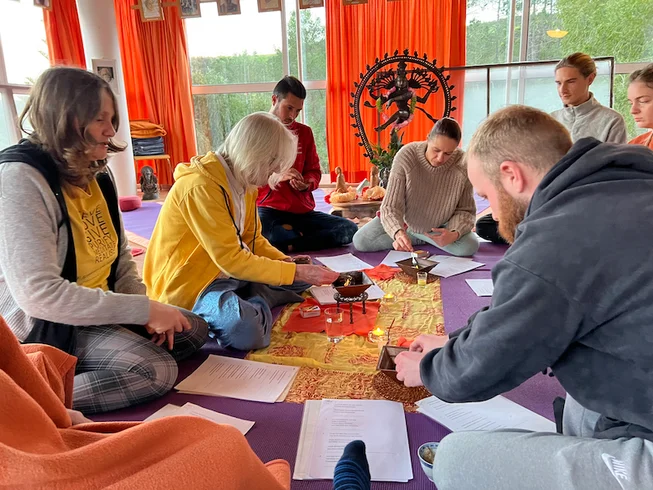
8 Day Juice Detox Retreat with Yoga for Body Mind Spirit in Algarve, Portugal
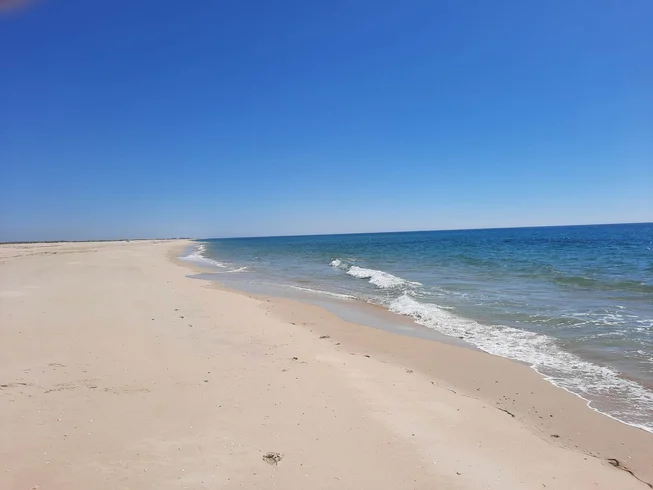
5 Day Pure Mind to Heart Detox Private Wellness Retreat in Algarve, Portugal
Regions that shape the experience
Ericeira – The heart of surf culture
Located just 45 minutes from Lisbon, Ericeira is Europe’s first World Surfing Reserve.
Its seven main breaks — Ribeira d’Ilhas, Coxos, Pedra Branca, and more — create a playground for all levels.
Most retreats here are boutique-style: small eco-houses on the cliffs, vegetarian meals, vinyasa in the morning, restorative yoga after sunset.
Because of its creative community, you’ll find meditation teachers, photographers, and digital nomads mixing easily with surfers.
It’s ideal if you want energy, conversation, and ocean proximity without chaos.
Alentejo – The slow coast
South of Lisbon begins a stretch of raw coastline that still feels untouched.
Villages like Zambujeira do Mar or Odeceixe host retreats focused on quiet strength and minimalism: fewer sessions, longer walks, simple food, and vast silence.
Here, yoga often moves outdoors — on wooden decks facing the dunes — and surf lessons are intimate, guided by locals who’ve lived by the waves all their lives.
If you want depth and solitude, this is your rhythm.

The Algarve – Sun, comfort, and flow
North of Porto, around Esmoriz and Viana do Castelo, lies a quieter surf scene with green hills and colder water.
Retreats here are community-run and eco-driven.
You’ll find cold-water plunges, breath-training workshops, and teachers blending traditional yoga with somatic movement.
This region suits travelers who want authenticity over trend and don’t mind cooler mornings.
What actually happens each day
A typical 7-day surf-and-yoga retreat in Portugal isn’t about rigid schedules; it’s about rhythm.
Here’s what most programs share:
– Early mornings start with breathwork or meditation. The Atlantic air is crisp, and light pours in sideways through the windows.
– Morning yoga sessions (usually vinyasa or dynamic hatha) prepare muscles and joints for surf — hip mobility, shoulders, and core stability.
– Breakfast is simple and nourishing: oats, fruit, local honey, strong Portuguese coffee.
– Surf lessons follow the tide. Certified instructors adapt spots daily, ensuring safety for beginners and challenge for advanced surfers.
– Afternoons bring rest or workshops — pranayama, journaling, or theory on reading waves and tides.
– Evenings shift to yin or restorative yoga, sometimes followed by sound baths or group reflection circles.
– Dinner is communal, freshly cooked, and often plant-based.
– Nights are quiet. You fall asleep to ocean noise instead of notifications.
The design seems simple, but it creates an almost cellular change: your body starts syncing to natural cycles again.
Who it’s really for
Many people hesitate, assuming they need to be either surfers or advanced yogis.
They don’t. Most participants are beginners in one practice and curious in the other.
The crossover is the point: surfing trains resilience and letting go; yoga brings awareness and recovery.
Together they build physical intelligence — the ability to sense when to push, when to yield.
It’s also popular among people in transition: professionals between jobs, couples recalibrating, solo travelers rebuilding confidence after burnout.
What unites them is a desire for embodied reset, not escape.
Understanding the different types of programs
Not all surf-and-yoga retreats are alike. They generally fall into three categories:
– Community retreats (budget-friendly)Shared dorms, simple meals, and large classes.
– Expect around €600–€900 for a week. Ideal for younger travelers and social energy.
– Boutique eco-retreats10–14 guests, private or twin rooms, organic food, experienced teachers. Prices from €1 200–€1 800. You’re paying for attention, not luxury.
– Holistic or premium retreatsAdd-ons like coaching, bodywork, or nutrition plans.
– Often in architect-designed villas. €2 000 – €3 000+. Great for those treating wellness as an annual reset.
Knowing your intention — skill, rest, or transformation — helps you match format to mindset.


What to bring (and what to leave behind)
Bring: a sense of humor, a good rash guard, biodegradable sunscreen, and an open body.
Leave: expectations of control.
The ocean decides more than the schedule does.
And that’s the lesson — flexibility isn’t just for the mat.
Most retreats provide mats, surfboards, and even wetsuits.
Pack light: two swimsuits, a warm layer for mornings, and something comfortable for savasana.
Your goal isn’t to look prepared; it’s to become receptive.
The invisible benefits
Participants often speak of physical change, but what stays longer is the mental re-patterning.
After a few days, your inner dialogue slows.
Wave after wave teaches humility; missed take-offs teach patience; silence between sets becomes meditation.
By the end, the line between yoga and surfing dissolves — both become forms of breathwork.
Neuroscience backs it: time in natural rhythm recalibrates the circadian system, lowers cortisol, and improves focus for weeks.
That’s why returning home feels different — not dreamy, just clearer.
When to go
Spring (April–June) and autumn (September–November) are the sweet spots.
Water is warm enough for comfort, crowds thin out, and prices are lower.
Winter brings powerful swells for advanced surfers and deeper inward energy — many retreats shift to yin or meditation programs then.
Summer, while beautiful, is busier and better for mixed-level groups or first-timers.
Final thought
Choosing a surf-and-yoga retreat in Portugal isn’t just booking a week of activity.
It’s choosing an environment that re-educates your body to move with, not against, nature.
It’s about rhythm: inhale – paddle, exhale – let go.
The ocean doesn’t care how flexible you are.
It rewards presence — the same quality yoga has been teaching for centuries.
FAQs: Surf & Yoga in Portugal
1. What is a typical day like at a surf and yoga retreat?
- A typical day includes morning yoga or meditation, followed by surf lessons, then free time or relaxation, and sometimes an evening yoga session or group activity.
2. Do I need experience in surfing or yoga?
- No. Most retreats are beginner-friendly and provide lessons for all levels, with instructors guiding you through both surf and yoga practices.
3. Is surfing and yoga physically demanding?
- Yes, it can be. Surfing uses muscles you may not use often, and combined with yoga, it can be physically tiring, especially in the first few days.
4. What’s usually included in a retreat package?
- Most packages include accommodation, daily meals, yoga classes, surf lessons, equipment, and sometimes extras like workshops or massages.
5. When is the best time to book a surf and yoga retreat in Portugal?
- Summer is ideal for beginners due to smaller waves, while autumn offers better conditions for progression with consistent swell.
6. What should I bring to a surf and yoga retreat?
- Bring comfortable yoga clothes, swimwear, sunscreen, and a willingness to be active and open to new experiences.
Share Your Thoughts
Your email address will not be published. Required fields are marked *