
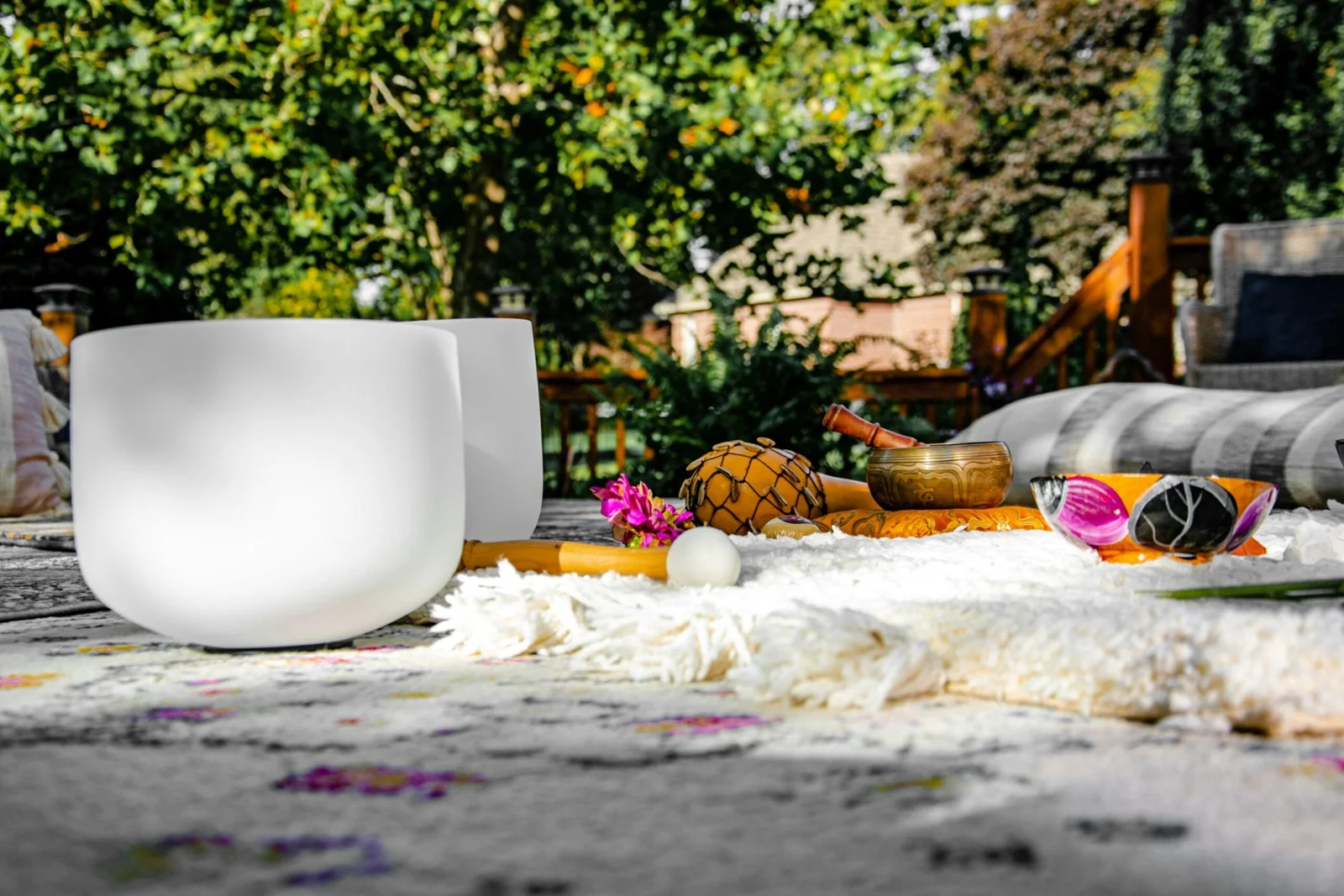
Short vs. Long Retreats — What Duration Really Works
The length of a retreat can shape the depth of your experience and the results you take home. While shorter retreats offer quick relief and a reset, longer retreats create space for deeper transformation, helping you build habits and reconnect more fully with yourself.
Share This Article


What Duration Really Works
Choosing how long to step away is more than a scheduling decision — it’s a question of depth.
A yoga retreat can be a pause or a passage, a weekend to breathe or a full week that quietly reorganises how you live.
Both formats work, but they work differently.
The length you choose will shape everything: what opens, what stays untouched, what you bring back.
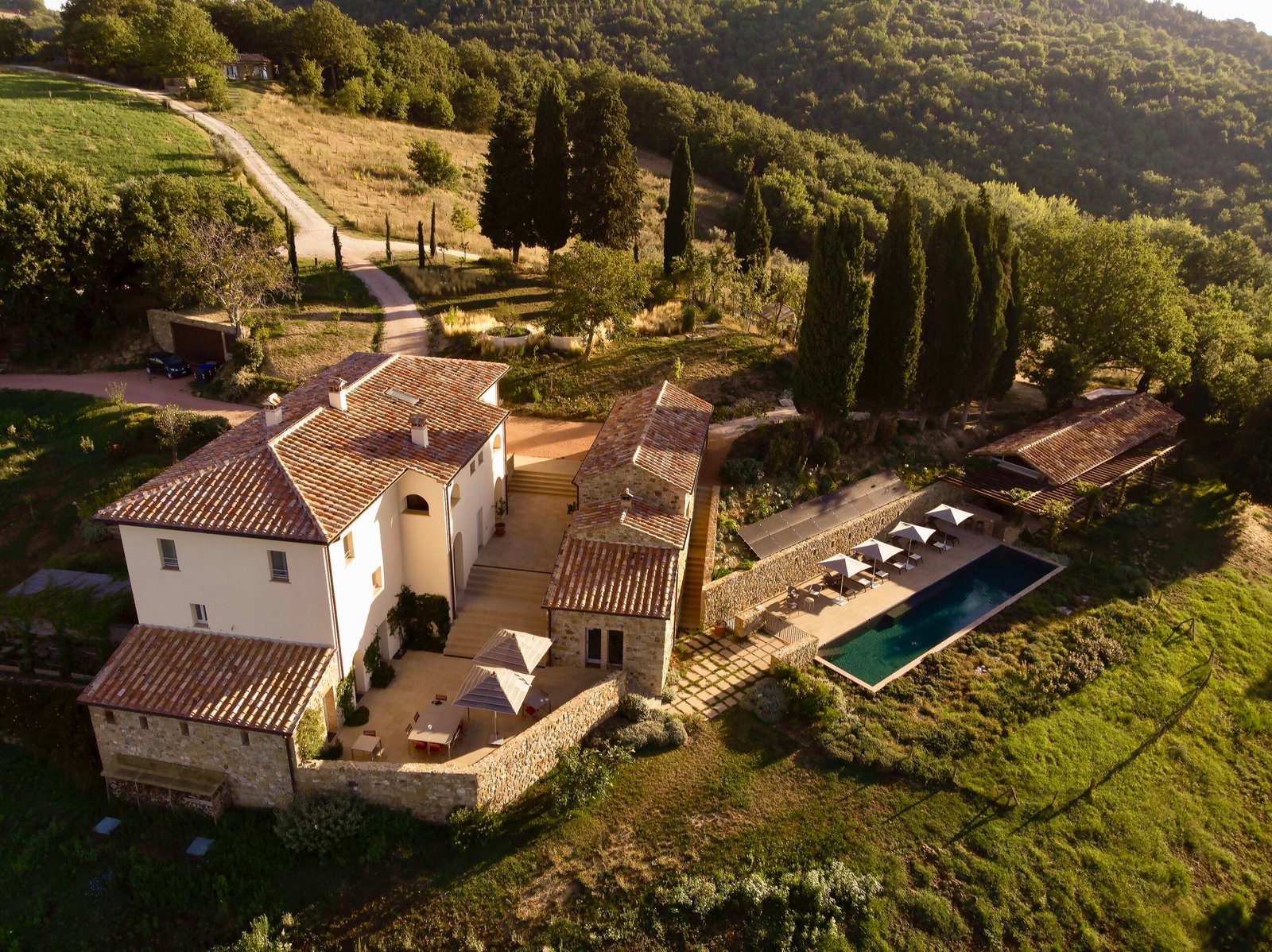
The Sanctuary for the Soul – the VIP Experience – Italy, Tuscany
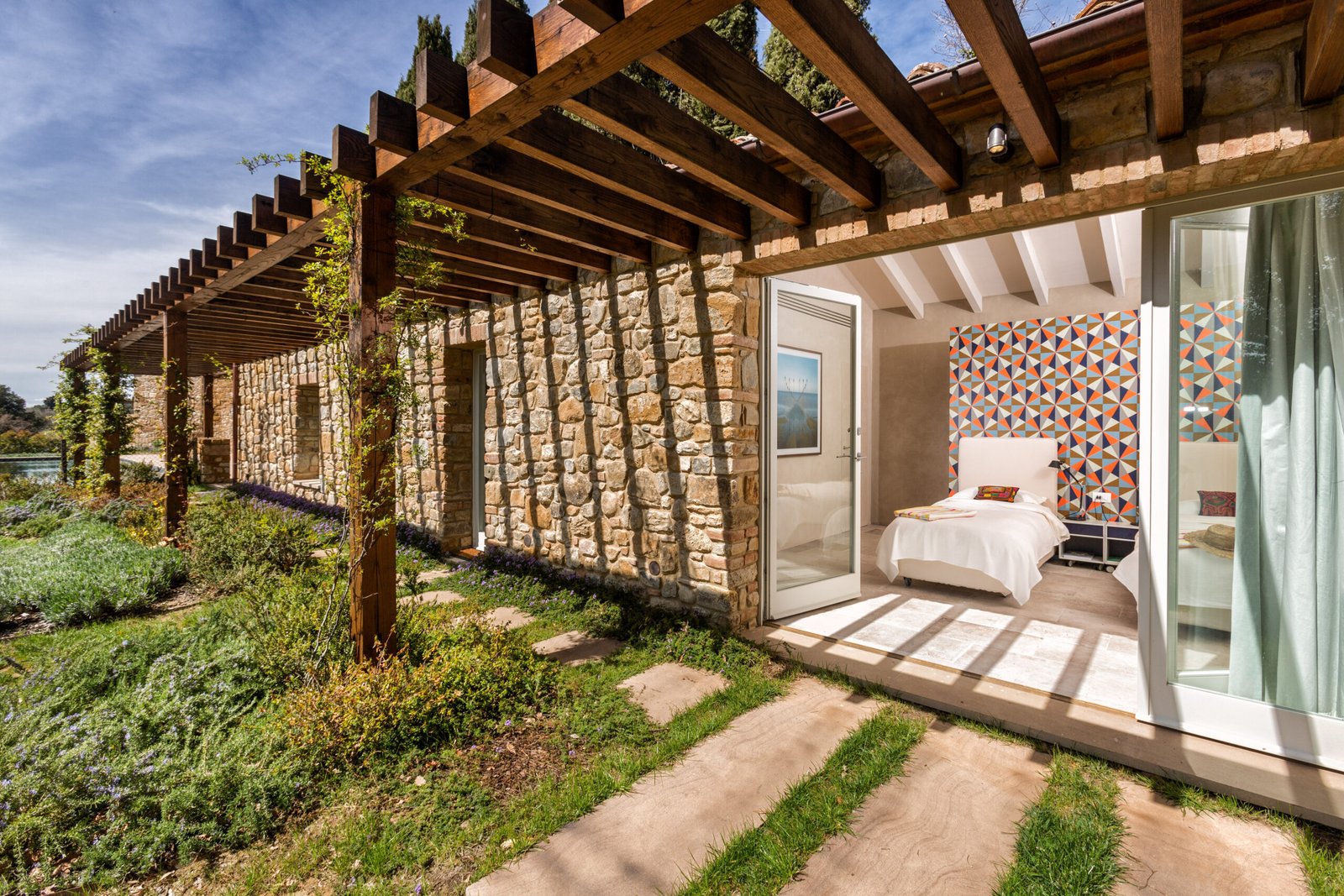
The Sweet Earth Retreat – Italy, Tuscany
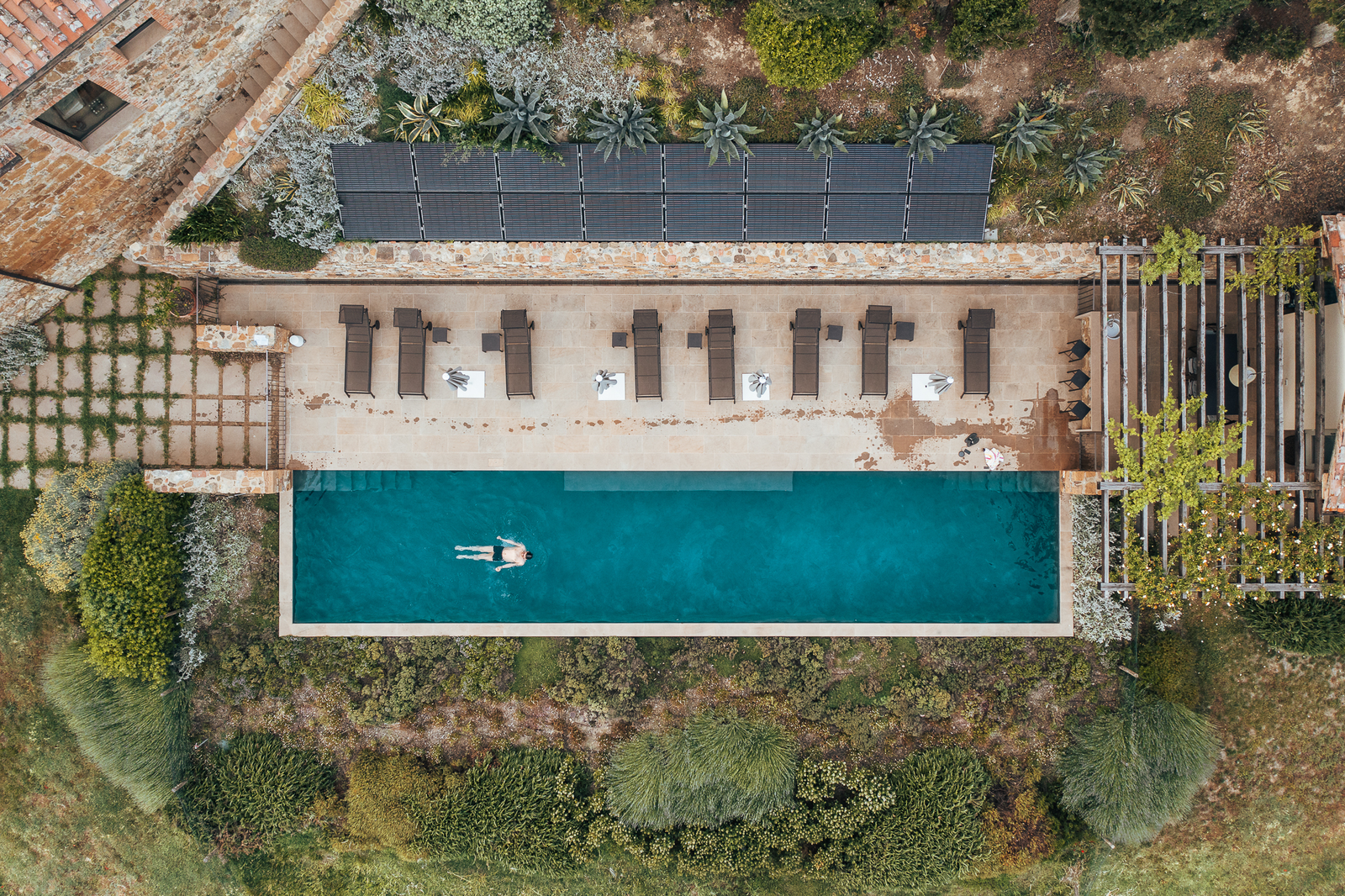
Under the Tuscan Sun: A Transformative Experience of Yoga, Photography and Taste. Italy, Tuscany
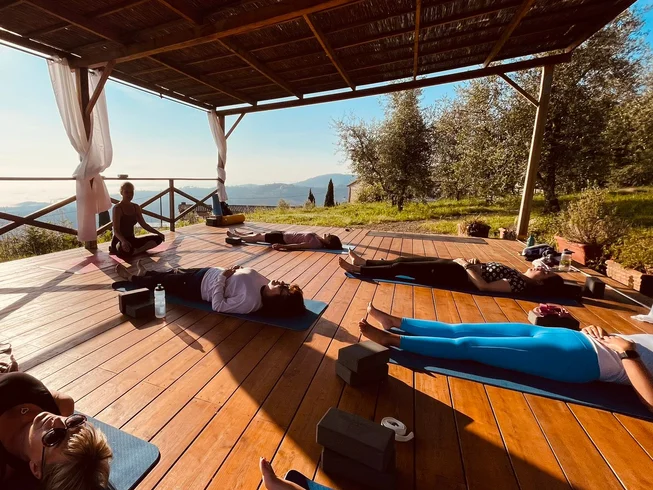
7 Day Yoga, Relaxation, Wine Tasting and Olive Oil Tasting in the Heart of Tuscany, Italy

5 Day Private Couples Retreat The Art of Connection in Sardinia, Italy
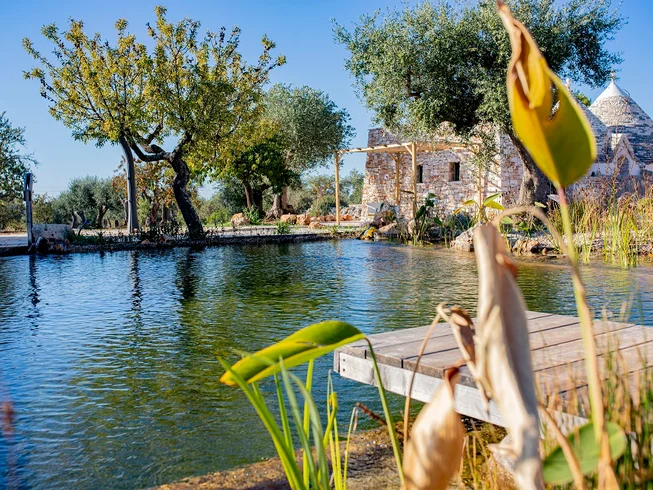
7 Day Italian Cooking, Tour and Yoga Holiday in Puglia, Italy
the art of the reset
A weekend retreat is like taking your nervous system to a quiet mechanic.
It doesn’t rebuild the engine; it cleans the filters so you can breathe again.
Most follow a simple rhythm: arrival on Friday evening, a full day of practice on Saturday, and departure Sunday after lunch.
The format is compact, but what makes it work is containment — clear boundaries, focused schedule, minimal distraction.
Within 24 hours, you move from sympathetic mode (alert, rushed) to parasympathetic (rest, digest).
That shift is physical, not philosophical: heart rate slows, digestion resumes, breath deepens.
Three-day retreats are perfect for:
– People who want to reconnect with yoga without taking time off work.
– Beginners unsure if a full week would overwhelm them.
– Urban professionals craving stillness but needing structure.
They’re also affordable: €400–€800 for shared accommodation and full board.
You don’t need exotic scenery; you need space between emails and meals.
The main limitation? Just as the body starts trusting stillness, the suitcase is packed again.
Short retreats show you what balance feels like — but not yet how to sustain it.

The 7-day retreat — time as teacher
A full week doesn’t simply multiply the benefits of a weekend; it changes the kind of experience possible.
Once the body settles and the mind stops scanning for stimulation, something quieter happens: awareness matures.
By day three, your circadian rhythm aligns with natural light.
By day five, old mental loops begin to unwind.
By day six, you stop waiting for “the next thing” — you inhabit the present as if you never left it.
Seven days allow repetition, and repetition is what rewires behaviour.
Practising twice daily, eating mindfully, and resting without guilt are habits your body can start encoding.
That’s why week-long retreats often mark turning points rather than interludes.
These programs cost between €1 200 and €2 000 depending on location and teaching calibre.
But the real investment is psychological: surrendering a full week to nothing but being can feel radical in a culture built on urgency.
What time changes inside you
A short retreat clears surface tension; a long one dissolves patterns buried deeper.
Here’s how duration influences outcome:
Neuroscience explains this: after about 72 hours of reduced stimulation, the brain’s default-mode network quiets.
After a week, it begins forming new synaptic links associated with focus and compassion.
What feels like peace is literally repatterning.
Which format fits your season of life
Ask not “How long can I afford?” but “What do I need right now?”
Choose a short retreat if you’re:
In transition or exhaustion and need rest more than revelation.
Testing the waters of community practice.
Sensitive to group energy and prefer limited exposure.
Choose a long retreat if you’re:
Seeking transformation rather than recovery.
Ready to confront habits, not just escape them.
Wanting to learn from teachers in depth — philosophy, breathwork, meditation.
Both are valid; they just serve different versions of you.
Hybrid models: the four- or five-day middle ground
Many European retreats now offer 4–5 day programs that balance practicality with depth.
Arrive Thursday evening, leave Monday — enough to slow down without draining vacation days.
For returning guests, these hybrids maintain continuity between longer immersions.
They work particularly well when scheduled seasonally: one in spring to reset energy, another in autumn to recalibrate pace.


Cost and value perception
Price per day decreases with length, but emotional ROI often increases faster.
On average:
– 3-day → €150–€250/day
– 7-day → €120–€200/day
Longer stays dilute overhead and build loyalty; that’s why hosts often reserve early-bird spots for repeat guests.
From a wellbeing standpoint, though, the value lies in post-retreat integration — what you continue, not what you paid.
Integrating duration into your lifestyle
You don’t have to choose forever.
Think of retreats as rhythmic interventions within your year:
– A weekend reset each quarter.
– A full-week immersion once annually.The first keeps you afloat; the second keeps you aligned.
Long retreats teach you the art of staying.
Short ones remind you that presence doesn’t require leaving your life behind.
Both, done with intention, train the same muscle: returning.
Final thought
Whether you pause for three days or surrender for seven, what you’re buying isn’t time — it’s permission.
Permission to let your attention rest where your body already is.
Because the real measure of a retreat isn’t its length, but the silence you carry home.
FAQs: Short vs. Long Retreats
1. How long is a typical retreat?
- Most retreats last between 2–7 days, with weekend retreats being common for beginners and week-long retreats offering deeper experiences.
2. What are the benefits of a short retreat?
- Short retreats provide quick stress relief, improved focus, and a gentle introduction to mindfulness or yoga without requiring a long-term commitment.
3. What are the benefits of a long retreat?
- Longer retreats allow for deeper immersion, habit formation, emotional clarity, and more lasting transformation through consistent practice.
4. Is a weekend retreat enough?
- Yes. A weekend retreat can help you reset and recharge, especially if you’re feeling overwhelmed or need a short break from daily life.
5. What is the ideal retreat length?
- There is no single “best” length; it depends on your goals. Short retreats are ideal for rest and exploration, while longer retreats are better for deeper personal growth and transformation.
6. Can a longer retreat create lasting change?
- Yes. With more time, the body and mind adapt to new routines, making it easier to build habits that continue after the retreat ends.
Share Your Thoughts
Your email address will not be published. Required fields are marked *