

Choosing the right yoga retreat in Italy is less about finding the “most popular” place and more about finding the one that truly fits your intentions, lifestyle, and practice. Whether you dream of sunrise flows in the Tuscan hills or quiet evenings by a Sicilian coastline, understanding what matters most to you will help you cut through the noise and book a retreat that feels genuinely aligned. From the style of yoga and teacher experience to the location, group size, and balance between free time and structured activities, a few thoughtful questions upfront can turn a simple trip into a meaningful, life‑affirming experience in one of the world’s most inspiring countries for yoga and slow living.


Choosing a yoga retreat in Italy is not a logistical task — it’s an emotional decision disguised as one.
This is a country that doesn’t separate beauty from daily life, where food, rhythm, and architecture all teach what mindfulness looks like in motion.
So the right retreat isn’t only about where you go, but how you want to feel there.
Maybe you crave stillness after years of speed.
Maybe you’re looking for renewal, not escape — a space to breathe differently, eat slowly, or remember what rested feels like.
Italy offers all of that — but the way it offers it is distinctly Italian: sensual, embodied, generous, and quietly disciplined.
Here’s how to choose a retreat that doesn’t just photograph well — but actually meets you where you are.
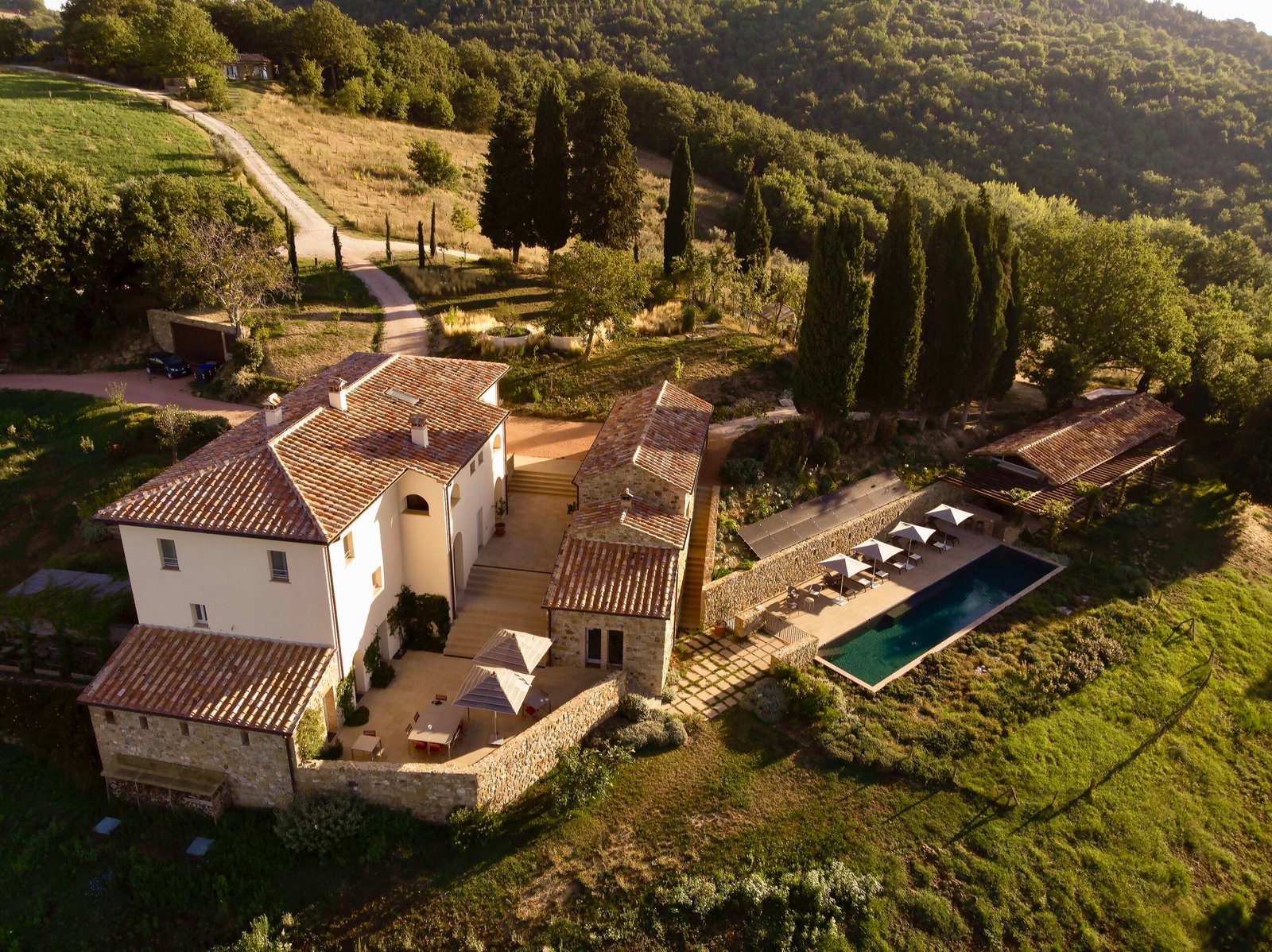
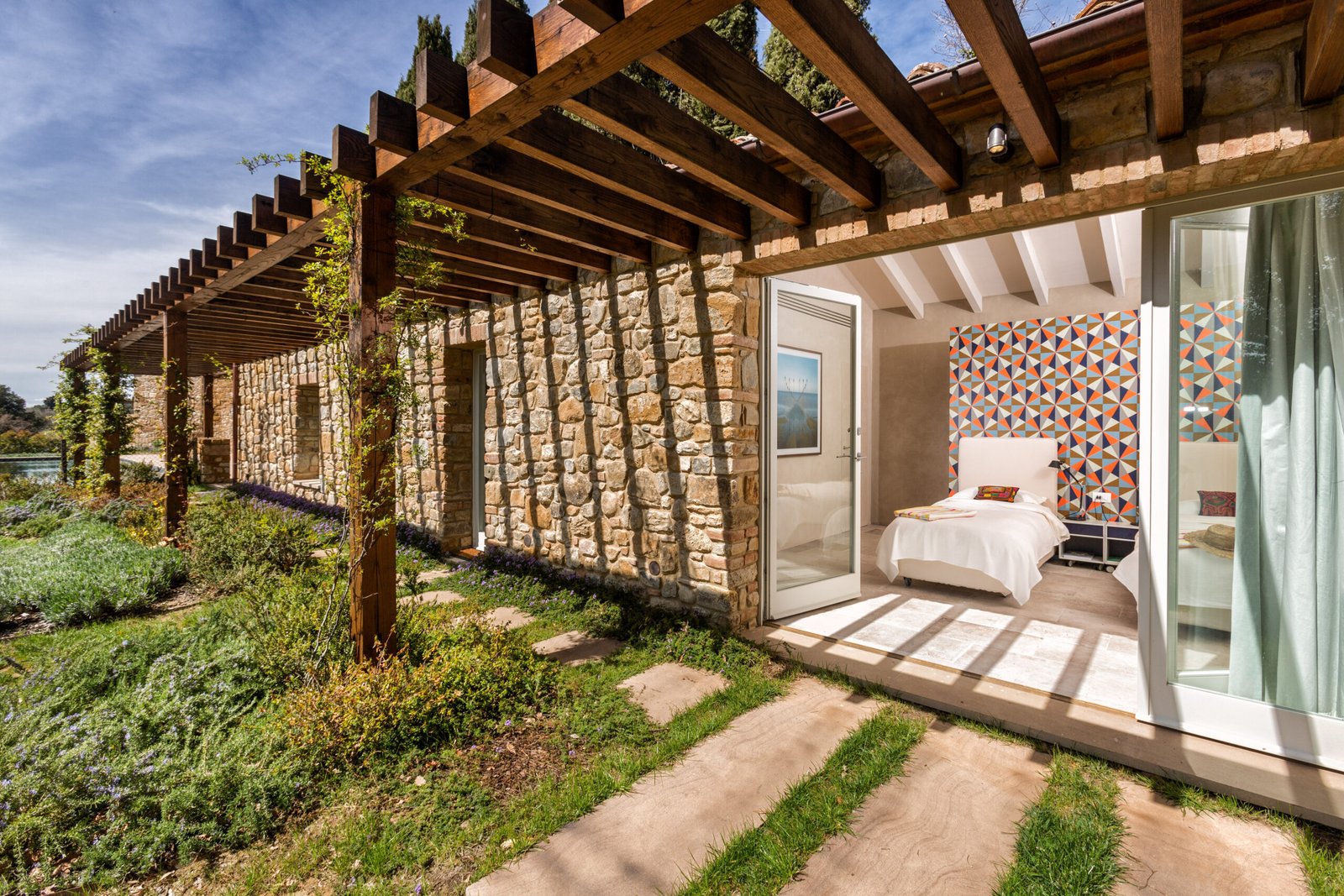
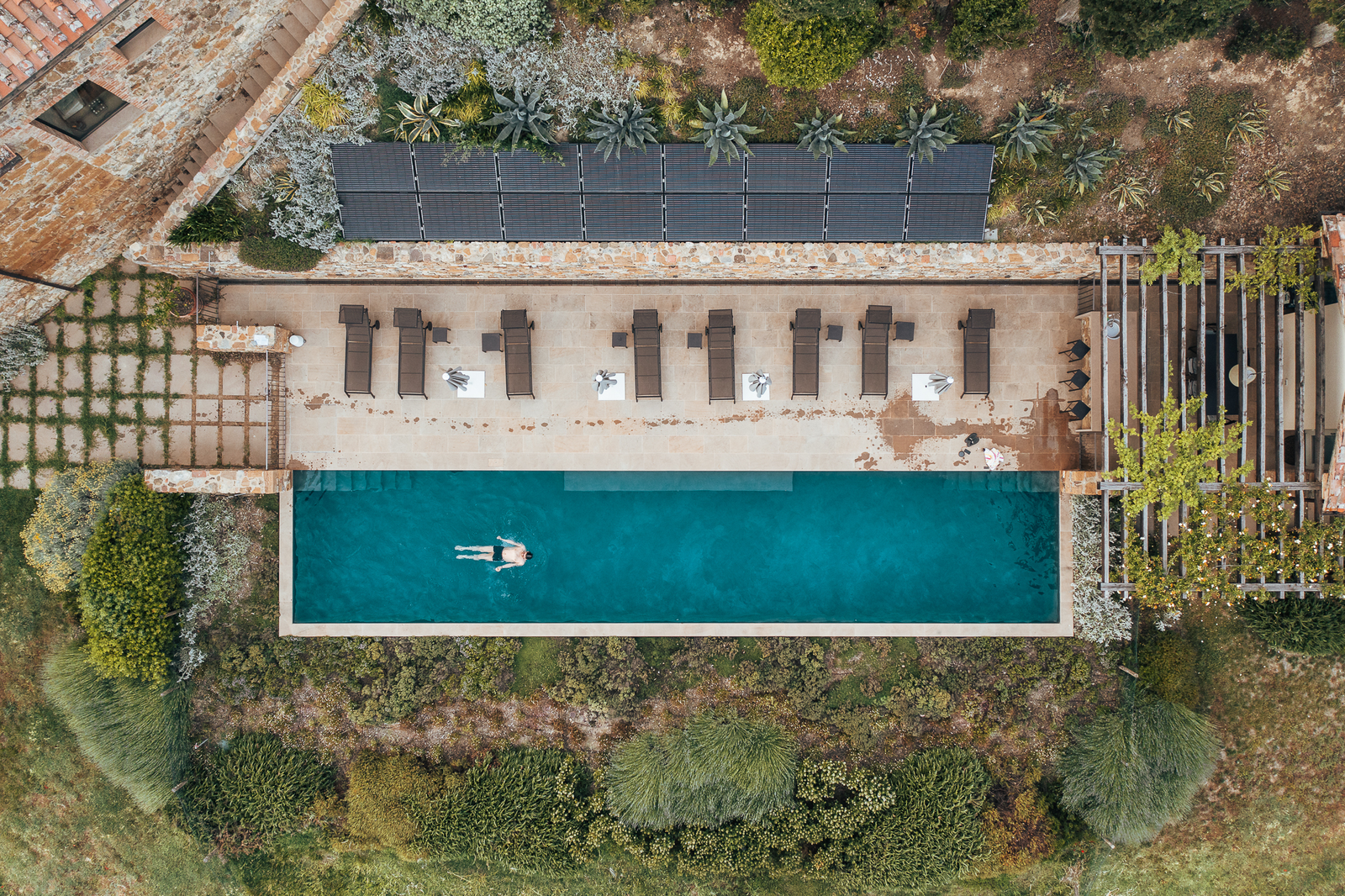
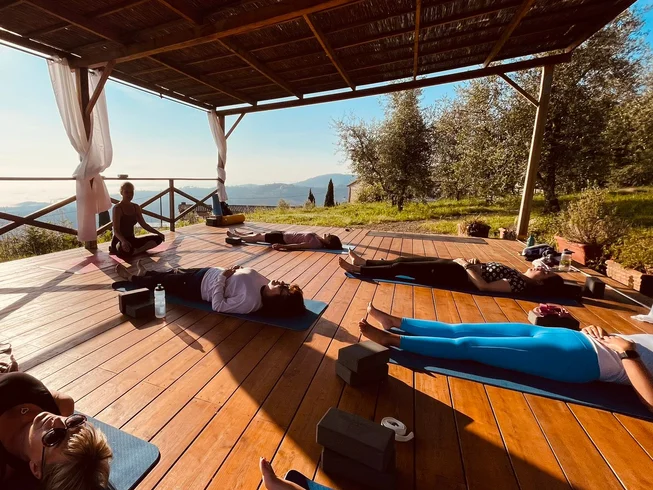
Italy doesn’t rush healing.
Wellness here isn’t a “reset” or a “challenge” — it’s an art of continuity.
You’ll find fewer bootcamps and more retreats built around lifestyle — organic food, naps, conversation, and long meals shared around communal tables.
Many Italian hosts are not entrepreneurs first but caretakers of land: yoga teachers who also tend olive trees, or chefs who trained in Ayurveda and cook from their gardens.
Expect balance, not branding.
That’s what makes Italian retreats unique — they don’t try to transform you overnight. They give you the conditions to soften into yourself.
The best retreat leaders in Italy share a cultural quality: radicamento — rootedness.
Their teaching is less about athleticism and more about presence.
Before booking, read how they describe yoga.
Do they talk about alignment or awareness? Poses or philosophy?
Ask for the daily schedule.
If it includes silence, journaling, or long restorative sessions, it’s designed for inward growth.
If it mixes movement, adventure, or cooking, it’s experiential — more outward, embodied, joyful.
Neither is better; they simply suit different phases of life.
If you can, choose a retreat where the teacher lives part-time in Italy — those who know the land usually weave it into the practice beautifully.
Group Energy: Italy Teaches Community by Example
Retreats in Italy often revolve around shared meals — and that changes everything.
Here, food is meditation, conversation is therapy, and hospitality is a philosophy.
Group size matters more than luxury: eight to twelve people is perfect — large enough for diversity, small enough for trust.
You’ll likely sit at one long table each night, passing dishes family-style.
That’s not accidental — Italians believe healing happens through connection.
In these slow evenings, with candlelight, laughter, and the scent of rosemary lingering in the air, you realise mindfulness isn’t just breathwork — it’s belonging.
Time of Year: The Seasons as Teachers
Italy transforms with the calendar, and so should your choice.
– Spring (Mar–May): Best for renewal, clarity, and reawakening.
Ideal if you’re returning to practice after a pause.
– Summer (Jun–Aug): Great for energy and expansion — beach yoga, sunrise flows, vibrant social atmosphere.
Perfect for extroverts or those seeking joy after heaviness.
– Autumn (Sep–Nov): Deeply grounding; the harvest energy supports reflection and gratitude.
Ideal for integrating change or big life shifts.
– Winter (Dec–Feb): Quiet, inner, meditative.
Perfect for study, writing, or advanced training in philosophy or teaching.
Let the season meet your state of mind.
Yoga, after all, is alignment — not just of body, but of timing.
Check the Values, Not the Décor
Italy can do beauty effortlessly — even modest places feel cinematic.
But focus on ethics over aesthetics.
Look for retreats that:
– Source food locally and reduce waste.
– Respect silence and balance group energy.
– Support local artisans and use regional materials.
– Value rest as much as achievement.
Ask small but telling questions:
“Where do your ingredients come from?”
“Who owns the property?”
“How are the teachers compensated?”
Sincerity answers itself through tone.
– Location: Trains connect most regions; aim for retreats within 2 hours of a major city (Florence, Rome, Naples, Bari).
– Language: Most teachers are bilingual, but check for Italian/English comfort in group sessions.
– Duration: Five to seven days is ideal — long enough for integration, short enough to stay present.
– Inclusions: Some retreats bundle excursions or treatments — others keep it pure yoga and rest. Pick what fits your energy, not your FOMO.
– Cost: Expect €1,000–€2,000 for mid-range, full-board retreats. Anything drastically cheaper may sacrifice quality; anything pricier should justify it with depth, not decor.
Intuition: Italy Speaks Through Feeling
At some point, all the lists blur.
That’s when you close your eyes and imagine arriving.
Do you see yourself walking barefoot on stone floors or floating in sea light?
Do you crave quiet meals or conversations under grapevines?
Your intuition knows the rhythm you need — Italy simply amplifies it.
Every region has its own heartbeat, and when you find the right one, you’ll feel it before you even land.
Conclusion — Choosing Connection Over Perfection
The right yoga retreat in Italy will never be the “best” one — it’ll be the one that meets you, exactly as you are.
It won’t demand you to be flexible or fluent or spiritually advanced.
It will ask only that you show up honestly — with curiosity, tiredness, laughter, or even doubt.
You’ll find your stillness in the way morning light falls across terracotta tiles, or in the silence that follows shared laughter.
And when you leave, the lesson you carry won’t be how to pose better or eat cleaner.
It’ll be something quieter: that balance, like Italy itself, was never about control — it was always about grace.
Finding the perfect yoga retreat in Italy is about balancing your personal practice with the distinct regional “flavors” of the country. With hundreds of options ranging from rustic farmhouses to five-star spa resorts, the choice can be overwhelming.
Here are 5 FAQs to help you navigate the selection process.
Your choice should depend on the “vibe” you want for your practice:
The North (Dolomites/Lakes): Best for “Active Wellness.” Ideal if you want to pair yoga with high-altitude hiking, fresh alpine air, and dramatic mountain views.
Central Italy (Tuscany/Umbria): The classic “Rolling Hills” experience. Choose this for a mix of art, thermal springs, and vineyard-side meditation.
The South (Puglia/Sicily): Best for “Slow Living.” Go south for coastal yoga, ancient olive groves, and a warmer, Mediterranean climate that invites deep relaxation.
Italy offers unique architectural settings that influence the retreat experience:
Masseria (Puglia): Fortified farmhouses turned into boutique hotels. Usually very chic, offering high-end farm-to-table food.
Borgo: An entire medieval village converted into a resort. Great for a sense of community and history.
Agriturismo: Working farms with guest rooms. These are often more rustic and affordable, perfect for a “down-to-earth” yogic lifestyle.
Italian retreats generally fall into two categories:
Holistic/Leisure: These focus on relaxation, wine tasting, and local excursions, with 1–2 gentle yoga sessions a day.
Immersive/Intensive: These are led by specific international teachers and involve 4–5 hours of practice daily, often including workshops, pranayama, and silent periods.
Tip: Always check the Teacher-to-Student ratio; a smaller group (under 12 people) ensures personalized alignment and attention.
This is a crucial distinction in Italy.
Many retreats offer “Mediterranean Wellness” menus, which include local cheeses, pasta, and occasionally fish or organic wine.
If you are seeking a strict Sattvic (yogic diet) or Vegan menu, confirm this beforehand. Most Italian hosts are incredibly accommodating with “Cucina Povera” (vegetable-based traditional cooking), but it’s best to be explicit about your requirements.
Before booking, look for these “Green Flags”:
Local Integration: Does the retreat support local farmers or include visits to nearby authentic villages?
Venue Specialization: Does the venue have a dedicated, quiet yoga shala with high-quality props, or is the yoga just an “add-on” in a repurposed conference room?
Reviews: Check platforms like BookYogaRetreats or TripAdvisor, but also look at the lead teacher’s social media to see if their teaching style aligns with your personal goals.
Your email address will not be published. Required fields are marked *