
Marrakech ne semble pas, de prime abord, une destination bien-être idéale. Pourtant, derrière chaque porte anonyme de la médina se cache un riad : une cour secrète ornée de fontaines, d’orangers et d’un silence si profond qu’on y entend sa propre respiration.
C’est là que se trouvent les retraites de yoga à Marrakech : dans des sanctuaires secrets où l’intensité de la ville devient toile de fond, et non distraction.
AUTEUR
Om Away
DATE DE PUBLICATION
CATÉGORIE


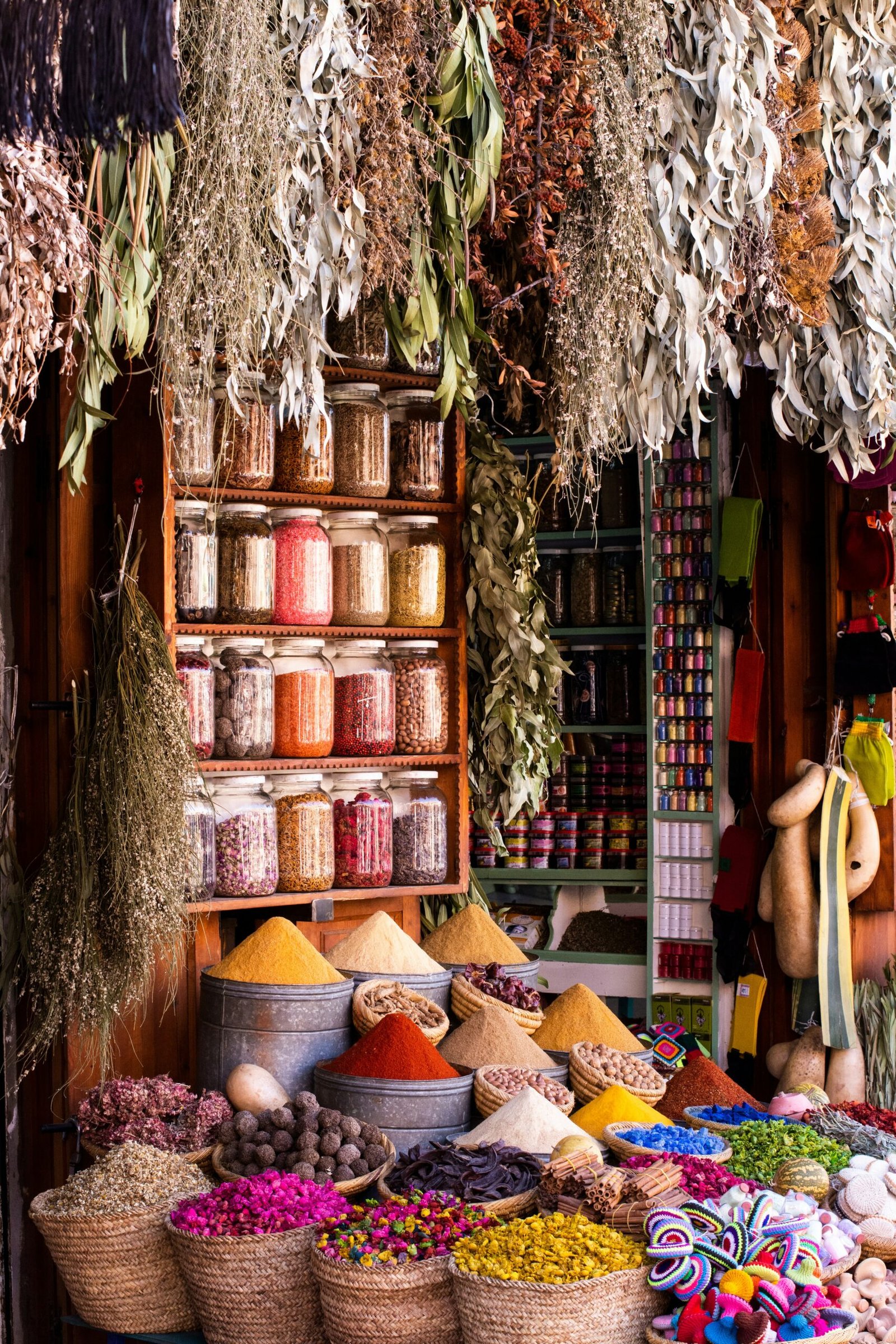
Marrakech ne semble pas, de prime abord, une destination bien-être idéale. C'est une ville bruyante, chaotique, étouffante : des motos qui sillonnent des ruelles bondées de piétons, des vendeurs qui interpellent leurs clients en quatre langues, une place centrale qui se transforme chaque soir en un véritable cirque d'étals de nourriture, de conteurs et de charmeurs de serpents. L'agression sensorielle est incessante : les odeurs de cuir et d'épices, l'explosion de couleurs des boutiques de tissus, la cacophonie des marchandages, de la musique et des appels à la prière qui résonnent depuis une centaine de mosquées.
Pourtant, derrière chaque porte anonyme de ces rues labyrinthiques se cache peut-être un riad – une maison marocaine traditionnelle construite autour d'une cour intérieure, un jardin secret invisible de l'extérieur. Franchissez la bonne porte et le chaos disparaît. Soudain, vous vous retrouvez dans un monde de fontaines et d'orangers, de carreaux géométriques et de cèdre sculpté, d'un calme si profond que vous entendez les oiseaux, l'eau et votre propre respiration. C'est là que se trouvent les retraites de yoga de Marrakech : dans ces sanctuaires cachés où l'intensité de la ville devient un lointain décor plutôt qu'une réalité immédiate.
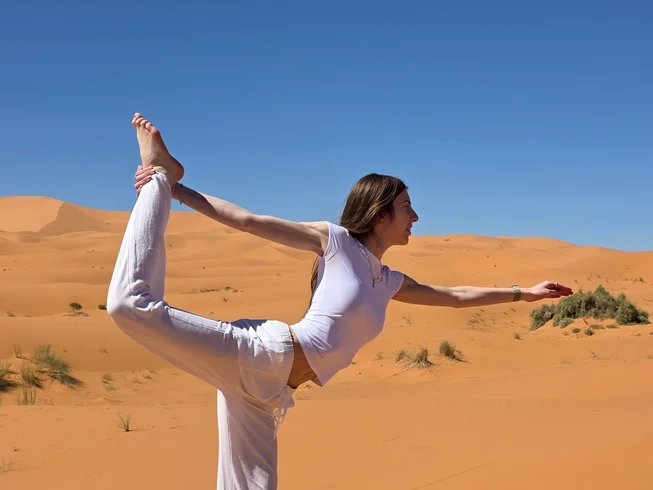
Les retraites à Marrakech s'inspirent généralement du rythme marocain tout en intégrant la pratique du yoga. Les matinées commencent tôt, avant que la chaleur et les bruits de la ville ne s'intensifient. La pratique peut consister en un enchaînement de Vinyasa sur un toit-terrasse, tandis que l'appel à la prière résonne dans la médina, ou en un Hatha doux dans une cour intérieure baignée de lumière filtrant à travers les orangers.
Le milieu de journée offre un répit bienvenu aux heures les plus chaudes : la sieste est une pause bienvenue sous le climat de Marrakech, où les températures estivales dépassent les 35 degrés. Ce moment de pause n’est pas du temps perdu, mais un rythme essentiel qui respecte le besoin de repos du corps et permet d’aborder l’après-midi avec un regard neuf. De nombreux centres de bien-être proposent des soins au hammam à midi, ce rituel traditionnel du bain offrant une purification et une relaxation profondes.
En fin d'après-midi et en soirée, vous pourrez vous adonner à la pratique du yoga et explorer les environs. Vous pourrez profiter de la fraîcheur automnale pour une séance de yoga réparateur, suivie de promenades guidées dans la médina, de visites de jardins comme le Jardin Majorelle, ou tout simplement flâner dans les souks. Les dîners sont de véritables moments de détente : un festin marocain composé de plusieurs plats, la cérémonie du thé à la menthe et des conversations qui se prolongent tard dans la nuit, car vous n'aurez aucune autre obligation.
Marrakech bénéficie d'excellentes liaisons aériennes depuis l'Europe : des vols de deux à trois heures depuis la plupart des grandes villes la rendent accessible pour de longs week-ends ou des séjours d'une semaine. L'aéroport se situe juste à l'extérieur de la ville, et des taxis assurent des transferts rapides vers les hébergements de la médina.
Malgré la croissance du tourisme, le coût de la vie reste raisonnable. Les séjours de détente coûtent généralement entre 800 et 2 000 € la semaine et comprennent l’hébergement dans de magnifiques riads, une excellente cuisine marocaine, des cours de yoga quotidiens, et souvent des soins au hammam et des excursions. Un excellent rapport qualité-prix.
La médina exige de la vigilance, mais n'est pas dangereuse. Les vols à la tire existent, comme dans toute zone touristique, mais les crimes violents sont rares. Les voyageuses se disent en sécurité, même si une tenue vestimentaire modeste et une vigilance de base restent importantes. L'aspect dominant est plutôt sensoriel et social – les interactions constantes avec les vendeurs, les difficultés d'orientation, l'intensité même de l'activité – plutôt qu'intimidant.
Mars à mai La réponse classique est : un climat doux, des jardins en fleurs, des conditions idéales pour la pratique sportive en plein air et la découverte de la médina. Avril est le mois idéal. Fleurs sauvages dans l'Atlas, roses dans la vallée du Dadès et une ville vibrante sans être étouffante.
De septembre à novembre Octobre est tout aussi agréable et souvent négligé. Calme après l'été, journées chaudes (25-30 °C), soirées fraîches et baisse notable du nombre de touristes par rapport au pic d'août. Octobre est sans doute le meilleur mois de l'année.
Décembre à février Il fait plus frais — prévoyez une couche de vêtements le soir, et les sommets enneigés offrent un panorama exceptionnel. Les riads sans chauffage peuvent être froids la nuit (renseignez-vous avant de réserver). Mais la ville est moins fréquentée, les prix sont plus bas, et Marrakech en hiver possède une beauté paisible particulière, propice à la contemplation.
De juin à août Il fait très chaud, avec des températures atteignant régulièrement 38 à 42 °C en juillet et août. Les riads avec piscine deviennent indispensables. Les entraînements se déroulent exclusivement tôt le matin et tard le soir. C'est possible pour les voyageurs acclimatés à la chaleur, mais déconseillé pour une première visite.
La plupart des retraites se situent dans trois zones : la Palmeraie (palmeraie aux portes de la ville, calme, avec de vastes jardins de style resort), la médina (riads authentiques avec terrasses sur le toit, à proximité des souks mais bruyants le soir), ou les contreforts de l’Atlas (à 45 minutes de la ville, avec vue sur les montagnes, randonnées et calme absolu). Les programmes incluent généralement du yoga quotidien (matin et soir), des repas marocains végétariens ou végétaliens (tajines, couscous, salades aux épices locales), un ou deux soins au hammam et une journée libre pour explorer les environs. Les prix sont étonnamment abordables : les retraites économiques commencent à 300-500 € pour 4 nuits, les retraites de milieu de gamme à 600-1 200 € par semaine et les retraites de luxe à 1 500-3 000 € par semaine. Vérifiez toujours si la retraite inclut les transferts depuis l’aéroport (aéroport de Marrakech-Menara) ; beaucoup le font. Évitez juillet et août, sauf si la retraite dispose d’une piscine et d’une climatisation performante.
Marrakech n'est pas un lieu unique. Le lieu de votre retraite influencera autant votre expérience que le programme lui-même.
La Médina — Authenticité et immersion Marrakech a toujours vécu dans la vieille ville. Les riads s'y nichent au cœur d'un labyrinthe de ruelles, ce qui implique de se frayer un chemin à travers d'étroites passages pour les trouver, mais aussi de se réveiller au son de l'appel à la prière, de humer l'odeur du pain qui cuit dans les fours communaux et d'observer la ville s'éveiller depuis une terrasse sur le toit. Les retraites dans la médina sont généralement plus petites, plus intimes et plus imprégnées de culture. Les meilleures disposent de cours intérieures suffisamment vastes pour les pratiques de groupe, de terrasses sur le toit pour les séances au lever du soleil et d'un personnel qui travaille dans le même riad depuis des décennies. La place Jemaa el-Fna est accessible à pied, ce qui peut être un atout ou un inconvénient selon votre tolérance au bruit à minuit.
La Palmeraie — Espace et calme À vingt minutes de la médina, la Palmeraie est le quartier de luxe de Marrakech : de vastes propriétés nichées au cœur des palmeraies, avec piscines, jardins luxuriants et un espace généreux propice à la pratique du yoga en plein air. Les centres de retraite y sont généralement des bâtiments construits à cet effet plutôt que d'anciens riads transformés, ce qui garantit des studios de yoga plus modernes, un équipement plus professionnel et des nuits plus paisibles. En contrepartie, on est plus éloigné de l'effervescence de la médina ; il vous faudra un taxi ou une navette pour explorer les souks.
Les contreforts de l'Atlas — Nature et silence À quarante-cinq minutes au sud de la ville, les premiers villages du Haut Atlas apparaissent. Les centres de retraite y offrent des vues imprenables sur les montagnes, des sentiers de randonnée au départ de l'établissement, des visites de villages berbères et des températures qui chutent sensiblement la nuit. Si vous souhaitez allier la découverte de Marrakech à une nature authentique, un séjour au pied des montagnes vous permettra de concilier les deux : excursions d'une journée en ville d'un côté, randonnées en montagne de l'autre. Si ce cadre vous séduit, consultez notre guide… retraites de yoga dans les montagnes de l'Atlas couvre l'expérience plus profonde de la montagne.
Quartier Jardin Majorelle — Design et calme Le quartier autour du célèbre jardin Majorelle et du récent musée Yves Saint Laurent est devenu un secteur plus calme et plus branché de Marrakech. Ses riads de charme et ses petits hôtels attirent une clientèle créative. Moins chaotique que la médina proprement dite, il reste accessible à pied depuis les principaux sites touristiques et abrite quelques-uns des meilleurs restaurants et cafés de la ville.
La gastronomie est indissociable de l'expérience marrakchie — et la cuisine proposée ici est véritablement exceptionnelle, ancrée dans l'une des plus grandes traditions culinaires du monde.
Tajine Le tajine est la pierre angulaire de la cuisine marocaine : des ragoûts mijotés dans des pots coniques en terre cuite, dont la technique se perfectionne depuis des siècles. Agneau aux pruneaux et aux amandes, poulet au citron confit et aux olives, tajines de légumes parfumés au ras el hanout… la variété est infinie et les saveurs profondes. La plupart des retraites proposent du tajine plusieurs fois par semaine, et vous cesserez de le trouver répétitif dès le troisième jour.
Couscous Ce plat est présent le vendredi dans les foyers traditionnels et figure régulièrement au menu des retraites : de la semoule cuite à la vapeur, garnie de légumes et de viande, servie avec un bouillon riche et de l'harissa. Le déguster correctement, avec la main droite, en le roulant en petites boulettes, est un art qui mérite d'être appris.
Harira La harira est la soupe qui rompt le jeûne du Ramadan et se retrouve sur toutes les tables tout au long de l'année : à base de tomates, épaisse grâce aux pois chiches et aux lentilles, parfumée à la coriandre et à la cannelle, et agrémentée d'un filet de citron. Un bol de harira accompagné de msemen (pain plat feuilleté) constitue un excellent repas simple.
cuisine de rue Autour de la place Jemaa el-Fna, c'est une véritable immersion : merguez grillées au charbon de bois, jus d'orange fraîchement pressé pour quelques dirhams, soupe d'escargots au nom surprenant et au goût anisé et cumin, fruits secs et noix vendus à la poignée. Les retraites incluent généralement une visite guidée gastronomique de la médina – à ne pas manquer !.
Pastilla Le kiwi est le plat le plus célèbre de Marrakech : une pâtisserie feuilletée fourrée de pigeon (ou de poulet) épicé, d’amandes et d’œufs, saupoudrée de sucre glace et de cannelle. Cette association sucrée-salée est véritablement extraordinaire et unique en son genre dans la cuisine européenne.
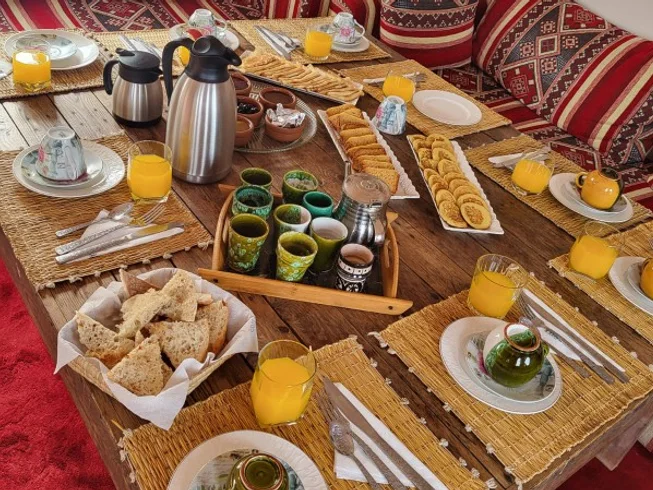
Thé à la menthe Le thé n'est pas une simple boisson, c'est un rituel. Servi dans de petits verres d'une hauteur qui crée de la mousse, il est versé plusieurs fois, généreusement sucré et sans hésitation. Refuser le thé, c'est refuser l'hospitalité. L'accepter, s'y attarder, laisser la conversation ralentir au rythme du thé : voilà ce qui fait de Marrakech une ville si particulière.
Pour les repas au restaurant en dehors du riad, Nomade Dans la médina, un restaurant sert une cuisine marocaine moderne sur un magnifique toit-terrasse. Le Jardin Il occupe un riad avec jardin et compte parmi les plus beaux endroits de la ville pour déjeuner. Horloge du café propose des cours de cuisine en complément de son menu. La Maison Arabe Ce restaurant propose une cuisine marocaine traditionnelle parmi les meilleures de la ville, dans un cadre qui ressemble à un décor de film.
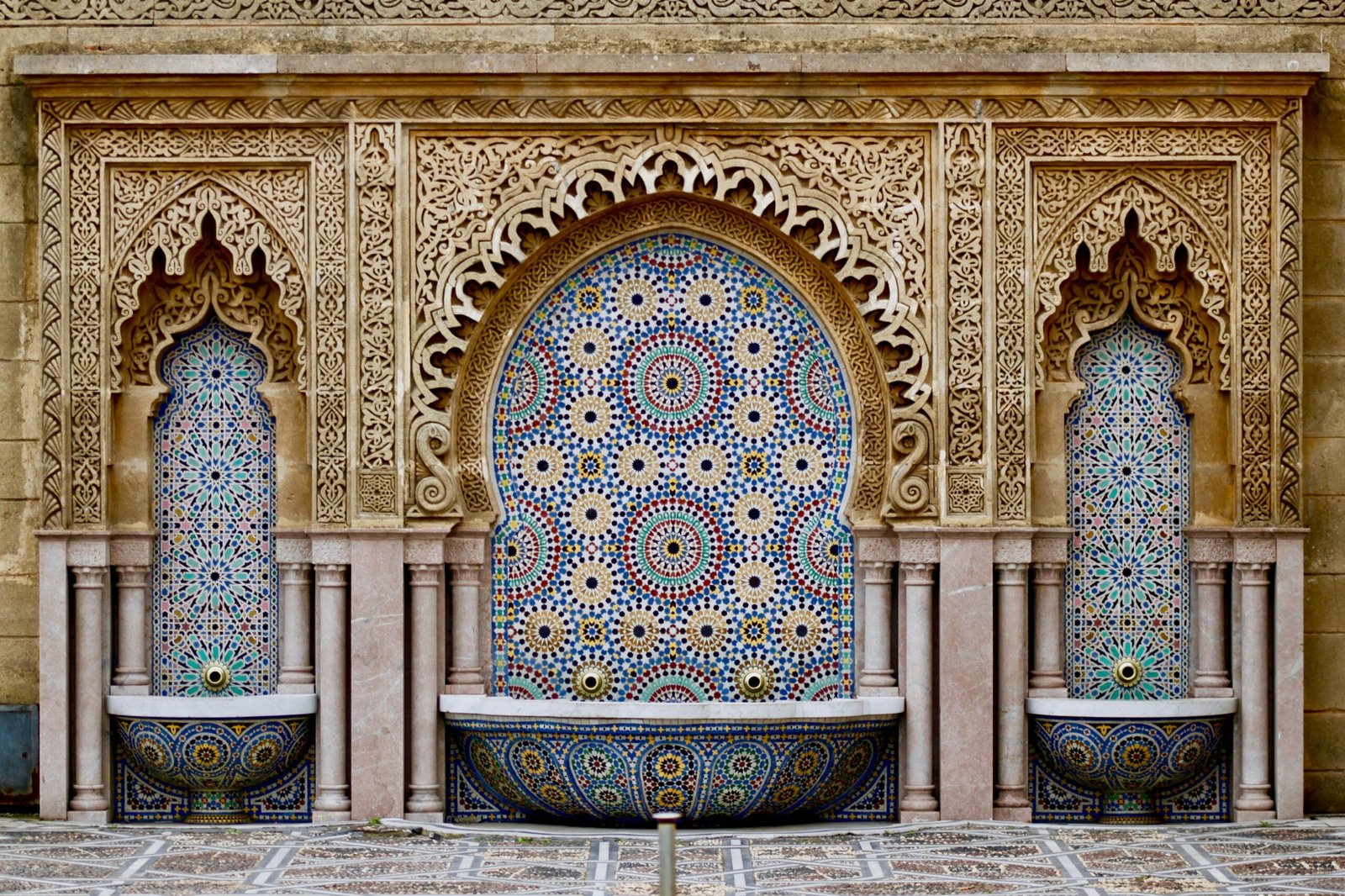
Une retraite de yoga à Marrakech est optimale si vous vous autorisez à être véritablement curieux de la ville. La pratique est le point d'ancrage ; la ville est le professeur.
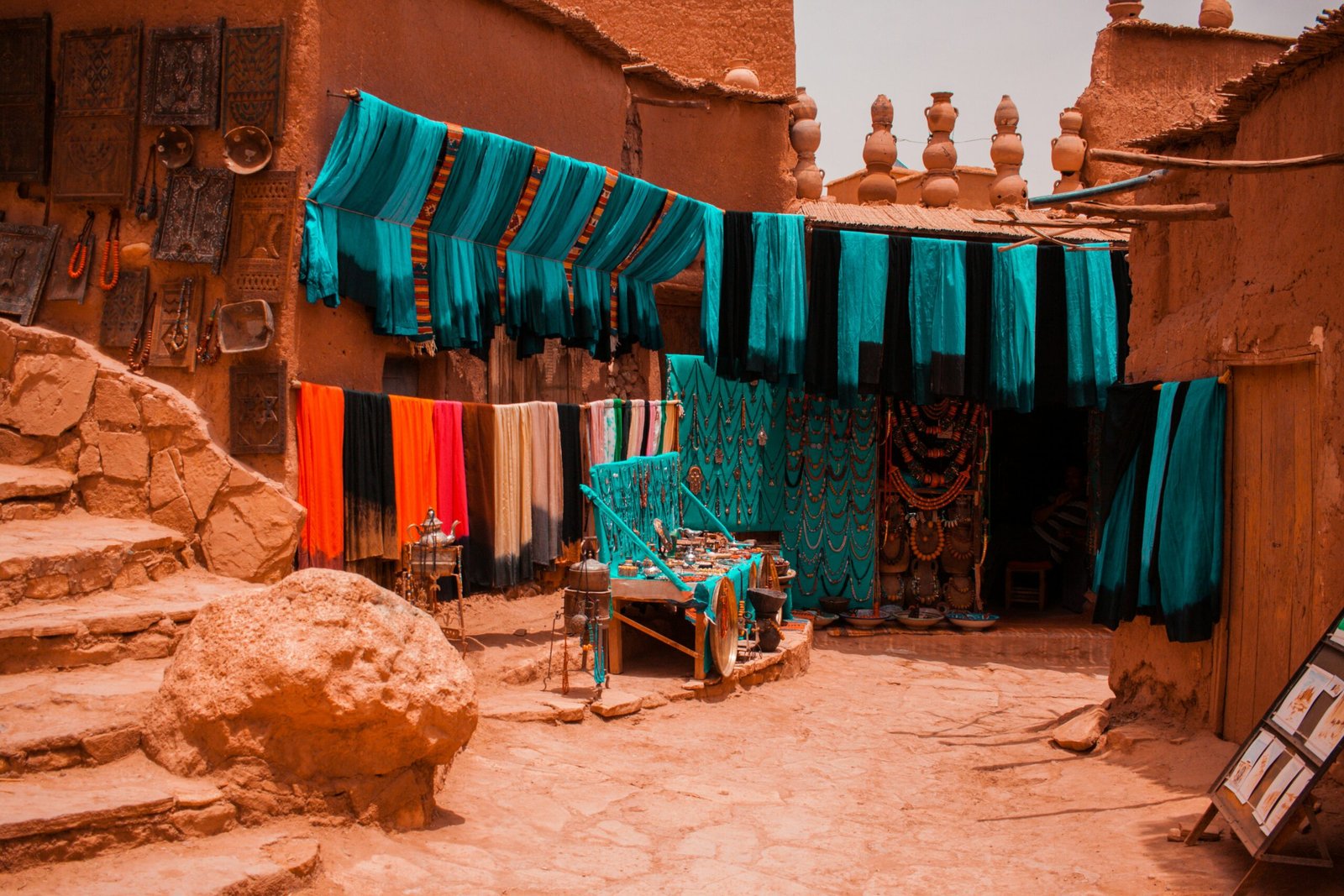
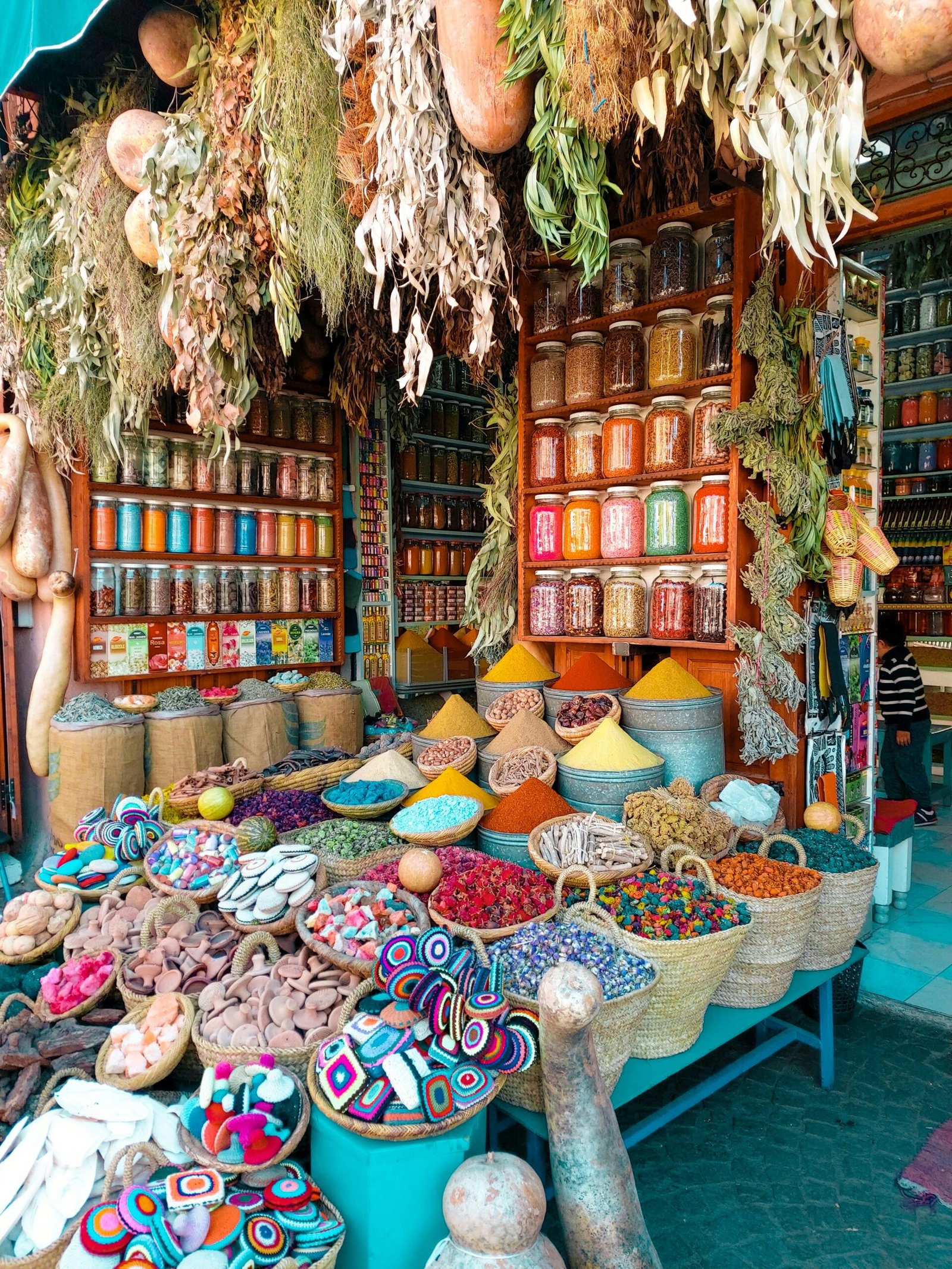
La médina et les souks Les souks sont organisés par métier — vendeurs de tapis, marchands d'épices, maroquiniers, artisans du laiton, teinturiers — chaque quartier ayant ses propres odeurs et sons. Se perdre fait partie du plaisir, et finalement, on finit par s'y laisser aller et l'apprécier. Le Mellah (ancien quartier juif) est plus calme et plus pittoresque. Rue des Épices pour les épices. Souk Cherifa pour les créateurs locaux. Prévoyez au moins deux heures et aucun itinéraire précis.
Jardin Majorelle Le jardin créé par le peintre français Jacques Majorelle, puis sauvé et restauré par Yves Saint Laurent, est l'un des plus beaux jardins du monde : bâtiments bleu cobalt, cactus, bambouseraies, fontaines et une sérénité particulière émanant d'un lieu patiemment entretenu pendant des décennies. Allez-y tôt le matin, avant l'arrivée des foules. Le musée YSL, situé juste à côté, mérite une visite d'une heure.
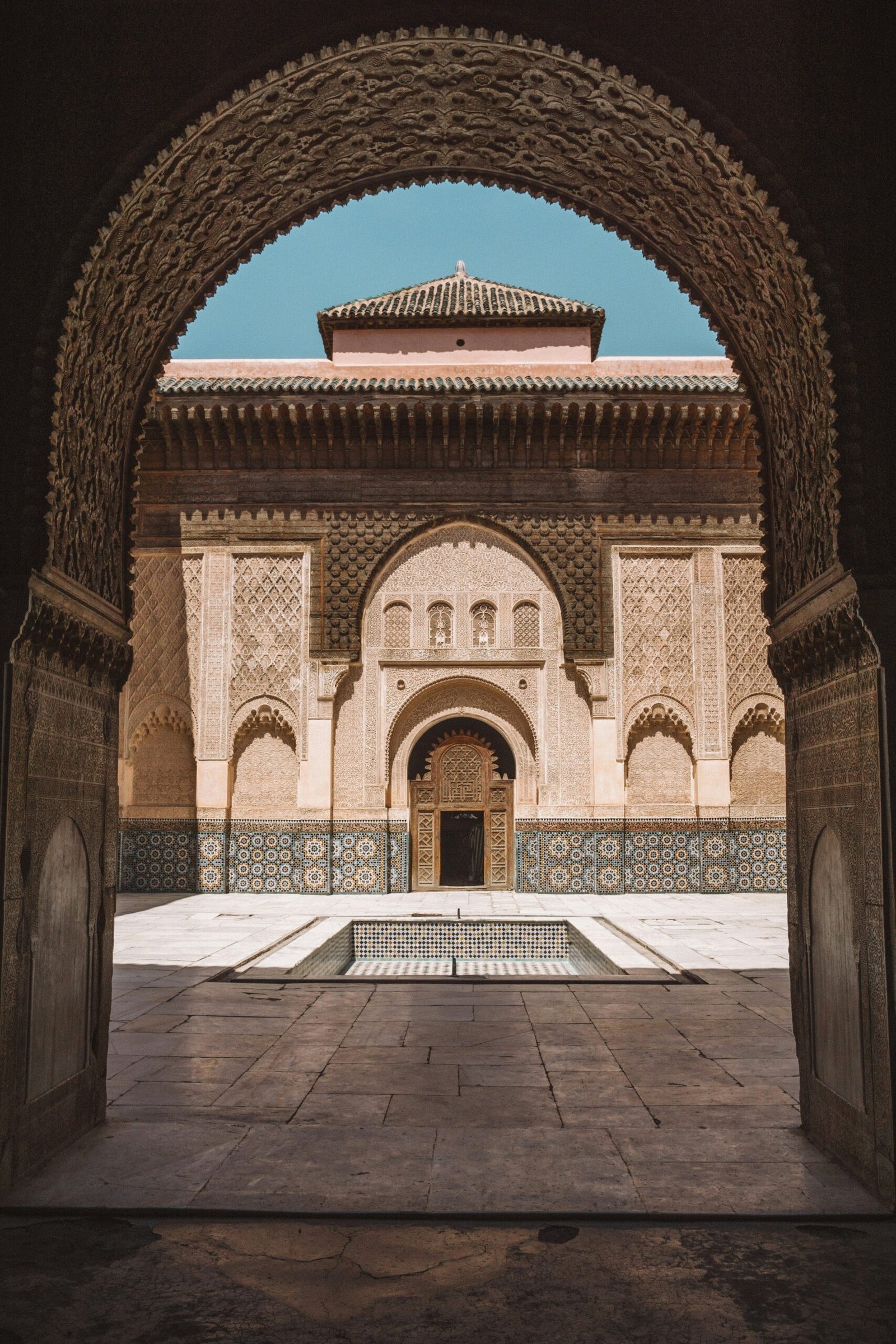
Palais Bahia Palais du XIXe siècle construit pour un grand vizir, pièces et salles aux plafonds peints, stucs sculptés, sols en mosaïque et cours intérieures – une véritable ode à l'artisanat marocain à son apogée. Moins fréquenté qu'il ne le mérite.
Hammam À Marrakech, le hammam est incontournable : c’est une expérience qui donne tout son sens au séjour. Le rituel traditionnel (bain chaud, gommage au gant de kessa, savon noir, rinçage, détente) dure une heure et vous procure une sensation de propreté et de relaxation incomparable. La plupart des séjours incluent au moins une séance de hammam. Si ce n’est pas le cas du vôtre, vous pouvez en réserver une individuellement au Hammam de la Rose ou au hammam traditionnel de votre rue.
excursions d'une journée Ouarzazate (porte d'entrée du Sahara et lieu de tournage de Game of Thrones, Gladiator et de nombreuses autres productions) se trouve à trois heures de route au sud. Les chutes d'Ouzoud, les plus grandes du Maroc, sont à deux heures au nord. Elles sont entourées d'oliviers et de bassins naturels. Les villages de l'Atlas d'Imlil et d'Aroumd (points de départ pour l'ascension du Toubkal, le plus haut sommet d'Afrique du Nord) sont à quarante-cinq minutes. Si vous souhaitez prolonger votre exploration dans le désert, consultez notre guide. Retraites de yoga dans le Sahara décrit à quoi ressemble cette expérience.
Le quartier Mellah et des teinturiers Le vieux quartier juif se distingue du reste de la médina par son atmosphère plus paisible, ses balcons en bois sculpté et sa beauté empreinte d'une douce mélancolie. Le quartier des teinturiers, tout proche, témoigne du savoir-faire artisanal encore vivant : des écheveaux de laine sont teints dans des cuves de couleur, puis suspendus pour sécher entre les bâtiments. C'est à la fois saisissant et magnifique.
Musique et spectacle La place Jemaa el-Fnaa se métamorphose au crépuscule : conteurs, acrobates, musiciens gnawa, et toute la ville s’anime d’un spectacle vivant. Installez-vous sur une chaise en plastique à un stand de nourriture, commandez des kefta et des frites, et laissez-vous transporter par le spectacle. La musique gnawa (rythmée par les percussions, envoûtante et ancrée dans les traditions subsahariennes) mérite d’être découverte dans des lieux dédiés : le Café Clock propose régulièrement des concerts.
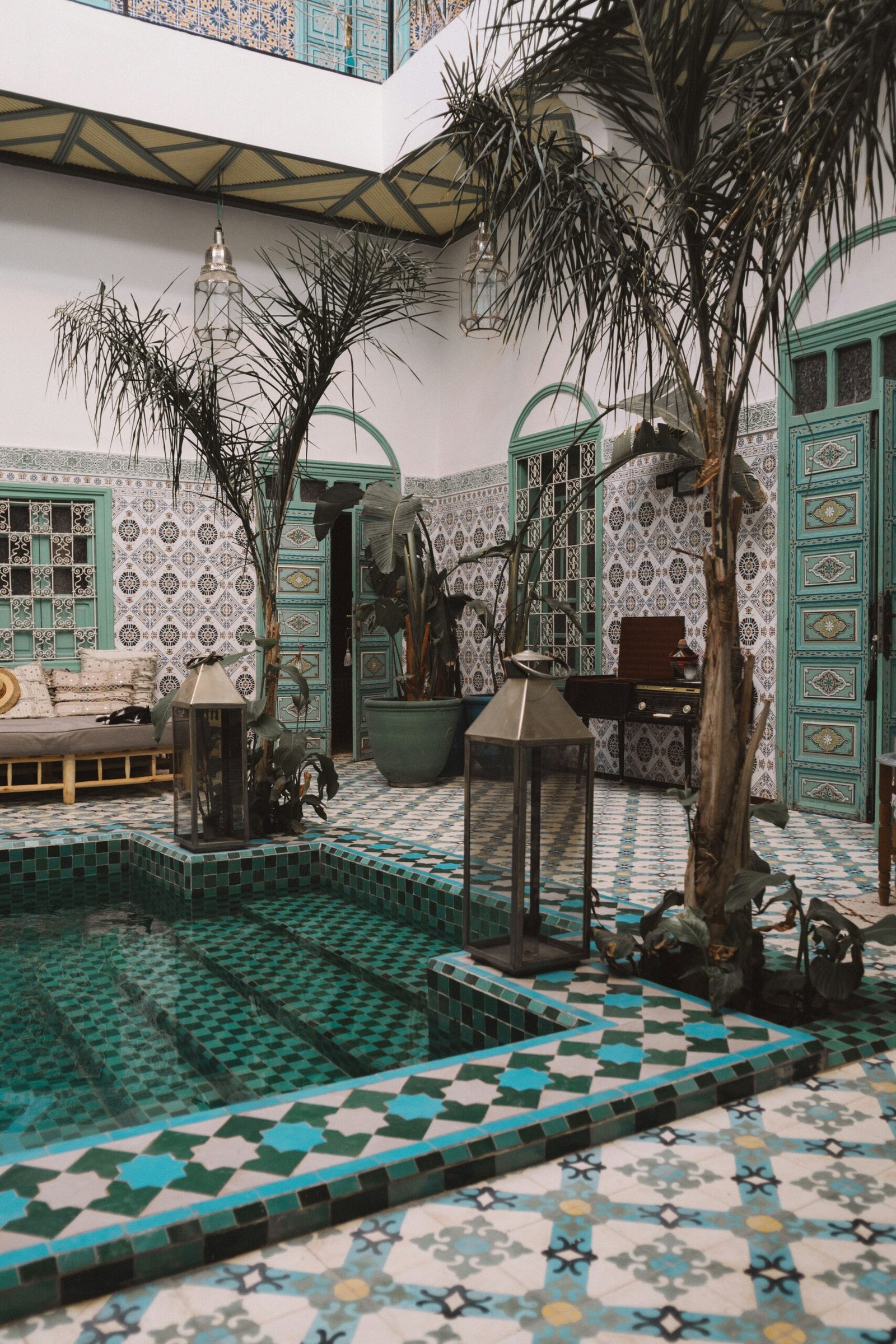
Marrakech séduit les personnes en quête d'immersion culturelle et de bien-être, capables d'apprécier l'intensité et d'y trouver la sérénité sans pour autant rechercher l'isolement. Elle convient aux voyageurs à l'aise avec une certaine dose de chaos et d'imprévisibilité, qui perçoivent les défis de la médina comme faisant partie intégrante de l'expérience plutôt que comme des obstacles.
Ce lieu de retraite s'adresse à ceux qui ont déjà visité Bali et les îles grecques et qui recherchent une expérience différente, plus riche, moins conventionnelle. Il est idéal pour les passionnés de culture et d'architecture islamiques, du fonctionnement des cités antiques et de la beauté singulière qui émane de siècles de traditions artisanales. Il est fait pour ceux qui comprennent que la transformation exige parfois de sortir de sa zone de confort, de s'ouvrir à la différence et de cultiver la pleine conscience malgré les distractions.
Marrakech ne convient pas à tout le monde. Ceux qui recherchent une déconnexion totale, une nature préservée ou le confort occidental habituel devraient chercher ailleurs. Mais pour ceux qu'elle appelle – et vous le saurez si vous en faites partie – Marrakech propose des retraites de yoga exigeantes, magnifiques, culturellement enrichissantes et absolument uniques au monde.
Marrakech offre une expérience unique en son genre pour le yoga : le contraste. Le chaos de la médina rend le calme du riad d’autant plus précieux. Le bruit ambiant amplifie le silence. L’effervescence des souks transforme la simplicité du tapis en un véritable soulagement. Nulle part ailleurs le simple fait de fermer une porte n’a une telle portée transformatrice.
Concrètement, Marrakech est aussi l'une des destinations les plus accessibles de notre région. Guide complet de retraite de yoga au Maroc Des vols directs depuis Londres, Paris, Amsterdam, Madrid et la plupart des grandes villes européennes durent entre deux et trois heures. L'aéroport se trouve à quinze minutes de la médina. Vous pouvez ainsi quitter la grisaille d'une matinée européenne et vous retrouver, le même jour, sur le toit d'un riad, à admirer les montagnes de l'Atlas se parer de rose au coucher du soleil.
Faut-il être un yogi expérimenté pour participer à une retraite à Marrakech ? Non. La plupart des retraites à Marrakech accueillent tous les niveaux, des débutants complets aux pratiquants confirmés. Lors de votre réservation, consultez la description de la retraite pour connaître les exigences de niveau ; la plupart les indiquent clairement. Les débutants constatent souvent que l’environnement immersif d’une retraite accélère leur pratique plus rapidement que des mois de cours hebdomadaires à domicile.
Marrakech est-elle une ville sûre pour les voyageurs solitaires et les femmes voyageant seules ? Oui, en toute sécurité. Marrakech est une destination touristique réputée, réputée pour son hospitalité. Les femmes voyageant seules s'y sentent en sécurité, même si une tenue vestimentaire modeste (épaules et genoux couverts) est respectueuse et pratique dans la médina. Les centres de retraite offrent un cadre sécurisé et accueillant, et la plupart organisent des excursions en groupe ; vous vous retrouverez donc rarement seule, sauf si vous le souhaitez.
Quel est le meilleur quartier pour une retraite de yoga à Marrakech ? Tout dépend de ce que vous recherchez. La médina offre authenticité et immersion culturelle : vous êtes au cœur de la ville, vous en faites partie intégrante. La Palmeraie propose espace, calme et des prestations haut de gamme. Les contreforts de l'Atlas offrent nature et panoramas montagneux. La plupart des visiteurs qui découvrent la région pour la première fois privilégient un riad en médina pour l'expérience, et trouvent dans ce mélange d'effervescence et de sérénité exactement ce qu'ils étaient venus chercher.
Que dois-je emporter pour une retraite de yoga à Marrakech ? Des vêtements légers et respirants pour la pratique (les studios sont chauffés). Une tenue sobre pour la visite de la médina : pantalons ou jupes amples, hauts légers à manches longues. Prévoyez un vêtement chaud pour les soirées, surtout d’octobre à mars. Des chaussures de marche confortables adaptées aux pavés. De la crème solaire. Un petit sac à dos pour la journée. Vous trouverez presque tout ce que vous pourriez oublier dans la médina, souvent à des prix plus avantageux qu’en France.
Comment se déroule une séance de hammam, et est-elle incluse dans les retraites ? Le hammam traditionnel consiste à passer par des pièces dont la température augmente progressivement, à se faire frotter avec un gant de kessa (gant exfoliant) et du savon noir (savon beldi, à base d'huile d'olive), puis à se rincer et à se détendre. Le processus complet dure entre 45 et 60 minutes. De nombreux séjours incluent une ou deux séances de hammam dans leur forfait. Sinon, un hammam local coûte environ 5 à 10 € ; un hammam plus luxueux dans un riad coûte entre 30 et 60 €. Dans les deux cas, l'expérience vaut le détour : c'est une expérience incontournable lors d'un voyage au Maroc.
Votre adresse e-mail ne sera pas publiée. Les champs obligatoires sont indiqués par un *