
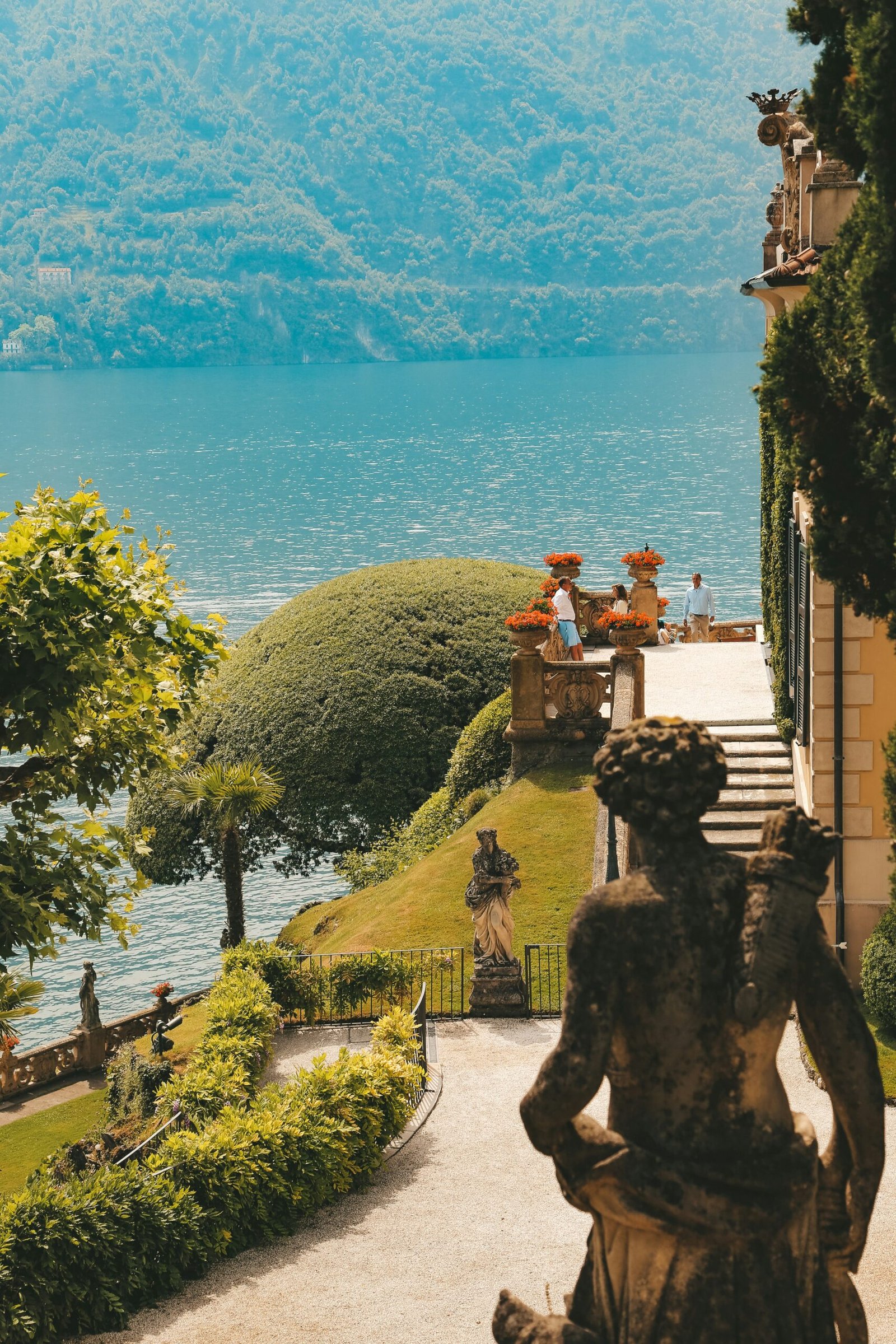
Italy has long been a sanctuary for those seeking beauty, balance, and renewal — and in 2026, it’s redefining what a truly restorative getaway can be. From luxurious spa hideaways in the Dolomites to Mediterranean retreats blending mindfulness, nature, and nutrition, wellness in Italy is as diverse as its landscapes. Whether you’re craving deep relaxation, holistic healing, or an active reset, these are the best wellness retreats in Italy for 2026 — where rejuvenation meets the art of living well.


In the collective imagination, Italy is a symphony of vibrant life: the crescendo of a Verdi opera, the animated chatter of a piazza at dusk, the explosive flavor of sun-ripened tomatoes. Yet, beneath this celebrated vivacity lies a profound, ancient counter-melody—a deep, almost sacred, reverence for il benessere.
This concept, far surpassing the Anglo-Saxon idea of “wellness,” is a holistic art of living well, woven into the very fabric of the land. As we look toward 2026, Italy emerges not merely as a destination for a wellness retreat, but as the archetypal sanctuary for a transformative journey back to the self. Here, wellness is not imported or imposed; it is unearthed from millennia of tradition, tasted in every meal, and breathed in the slow, sun-drenched air.
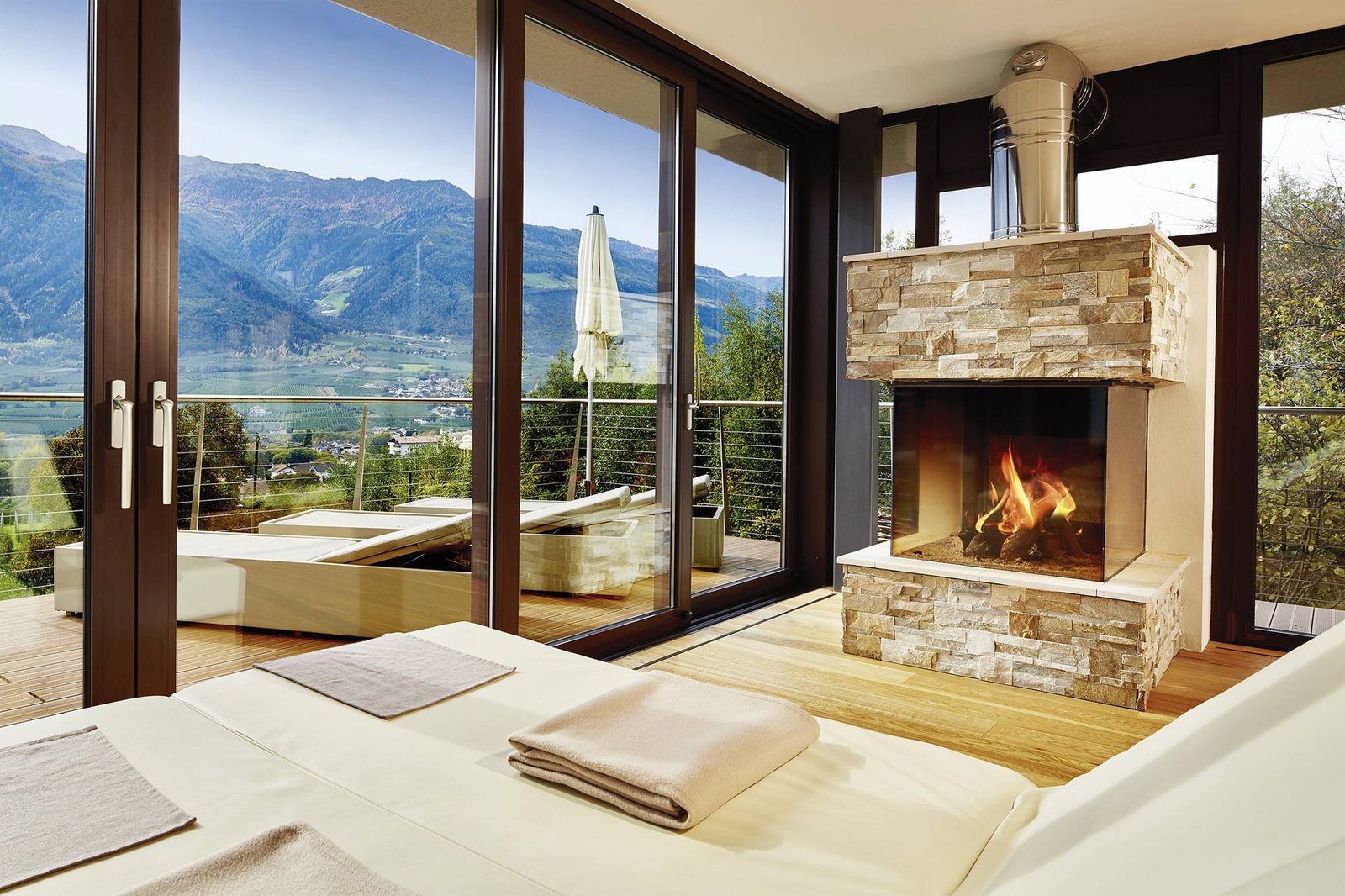
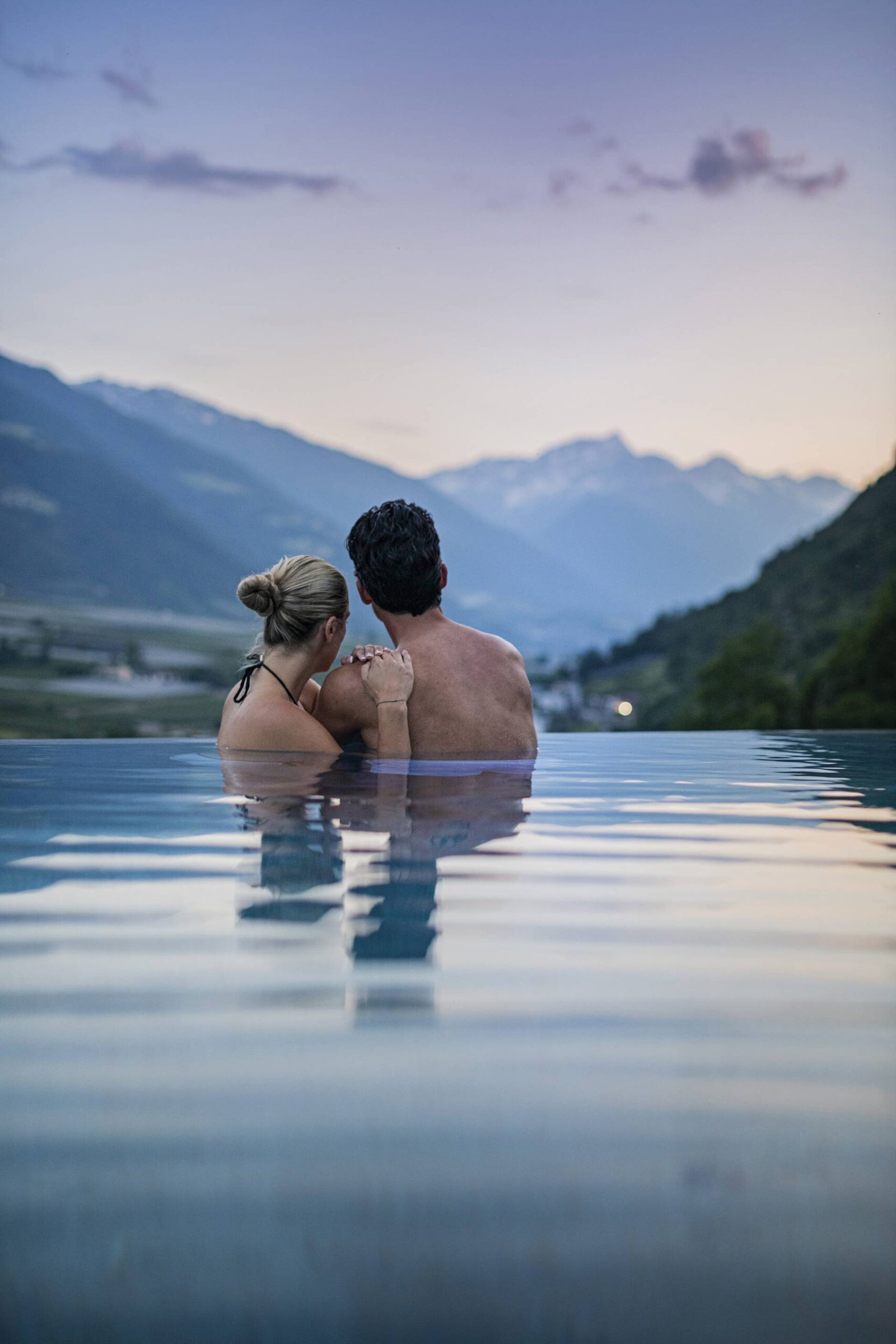
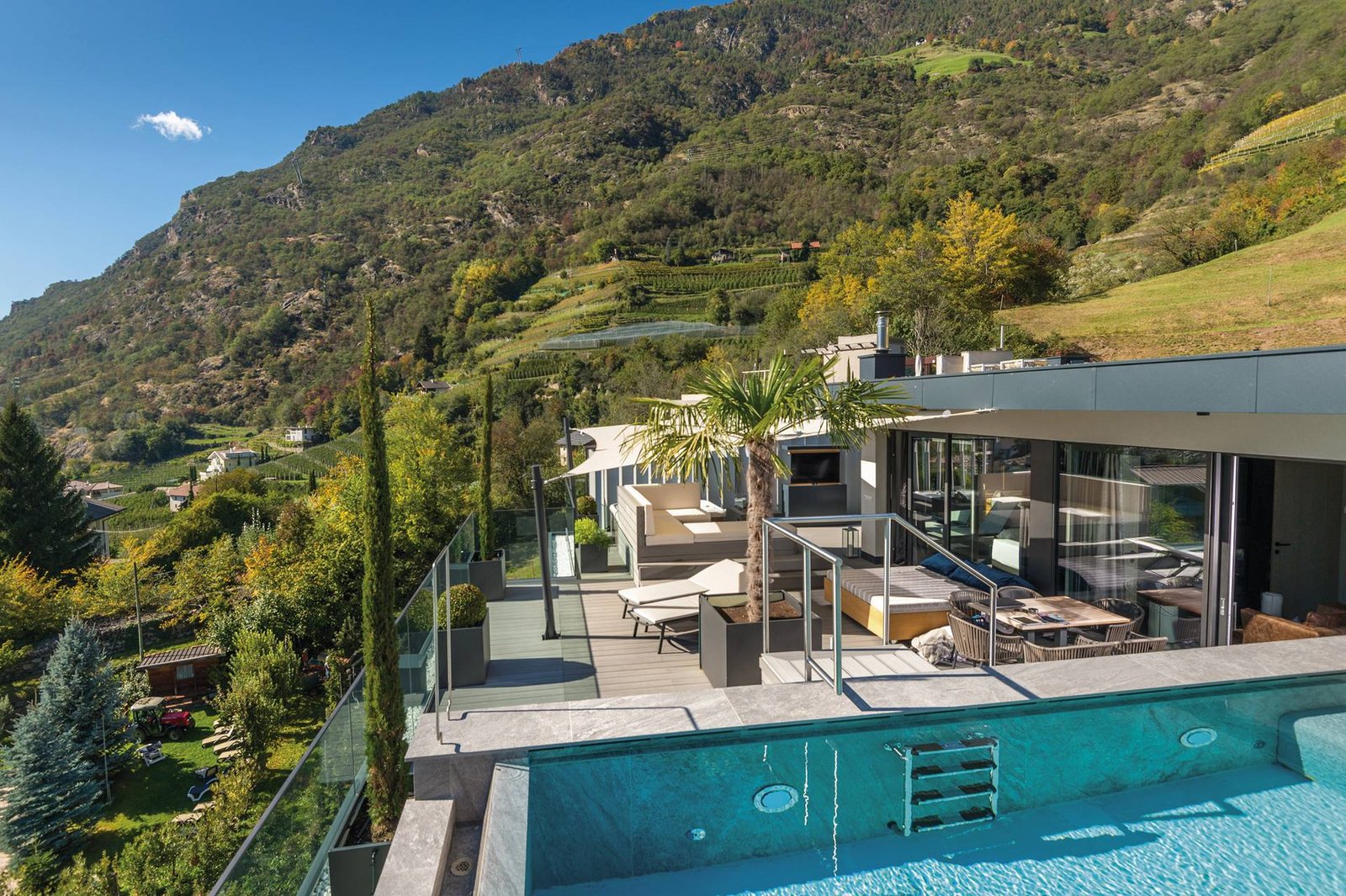
No discussion of Italian wellness can be separated from its cuisine. The Mediterranean diet is not a trend here; it is the non-negotiable backbone of life, recently reaffirmed by UNESCO as an intangible cultural heritage of humanity. But to call it a “diet” is to miss the point entirely. It is a system of knowledge, from soil to table, that honors slowness, seasonality, and profound simplicity.
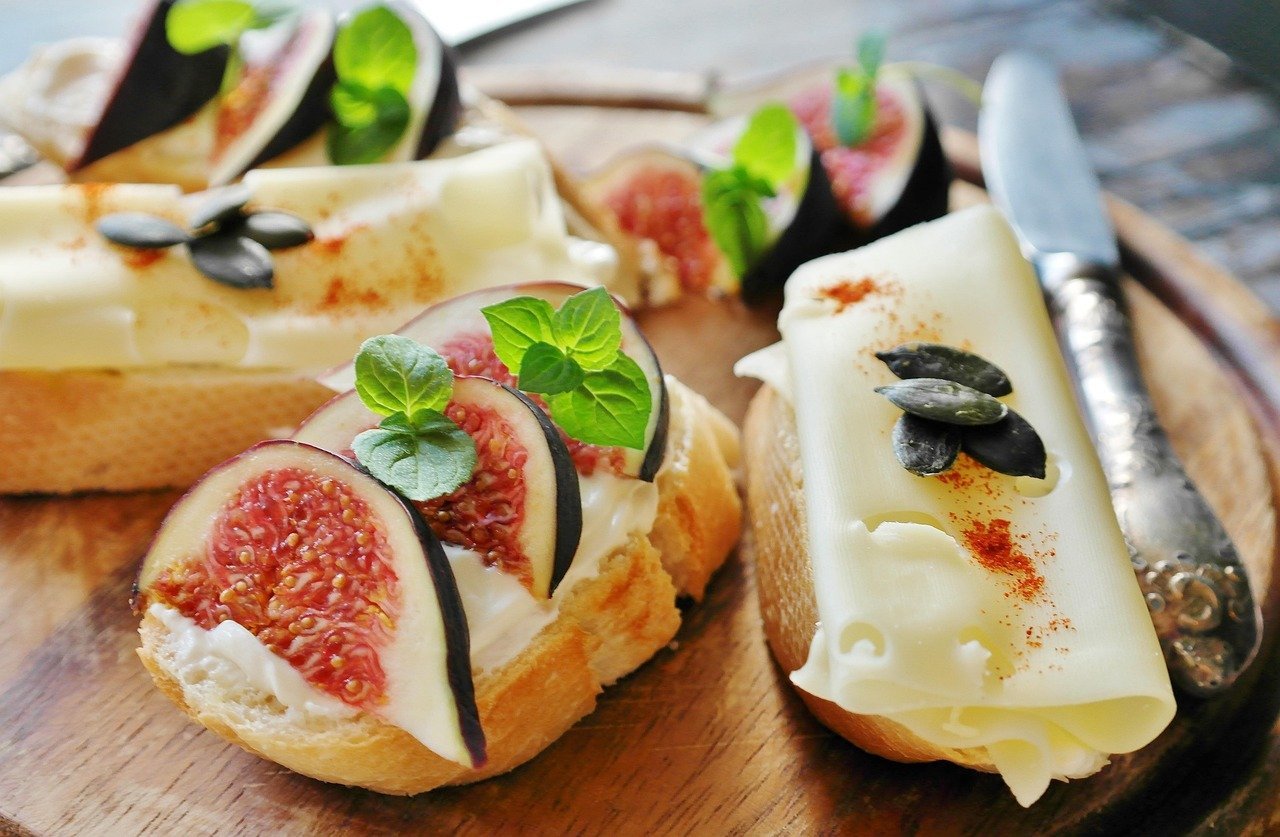
In the context of a 2026 retreat, food becomes the first and most powerful teacher. Imagine meals crafted not from imported superfoods, but from heirloom legumes grown in mineral-rich volcanic soil, emerald-green olive oil pressed from ancient groves, and wild herbs foraged from sun-blessed hillsides. The lesson is in the eating: that food grown with care and consumed with attention is the ultimate nutraceutical. It supports a healthy life not through deprivation, but through celebration and nutrient density. Retreats are increasingly embracing “zero-kilometer” philosophies, where guests can connect with the source—walking the orchards, harvesting vegetables, and understanding the terroir. This deep, tangible connection to the origin of one’s nourishment fosters gratitude, improves digestion, and re-educates the palate to the authentic flavors of real food, creating a sustainable blueprint for healthy living that guests carry home.
Il Dolce Far Niente: The Sacred Art of Slow Living
If modern life is defined by the frantic cult of productivity, Italy offers its timeless antidote: il dolce far niente—the sweetness of doing nothing. This is not laziness, but a conscious, regenerative pause. It is the space between things where life is actually lived: the quiet moment watching light play on a Renaissance fresco, the slow sip of wine as the sun sets over a vine-covered valley, the uninterrupted afternoon rest that honors the body’s natural circadian rhythm.
The landscape itself is a co-conspirator in this gentle deceleration. The rolling, cypress-speared hills of Tuscany seem to slow the heartbeat. The crystalline, timeless waters of southern coastlines wash away mental clutter. The majestic, grounding silence of the Alpine north invites deep introspection. In 2026, retreats are intelligently leveraging these unique genius loci (spirit of place). Practices are designed to sync with the environment—forest bathing in ancient woodlands, sunrise meditation in an olive grove, sunset yoga on a cliffside overlooking the sea. The Italian concept of lentezza (slowness) becomes a framework for the entire retreat experience, allowing for true neural rewiring. It is in these spacious, unprogrammed moments that the deepest healing and clearest insights often occur.
Looking ahead to 2026, the Italian wellness retreat scene is evolving to meet a more discerning and intentional traveler. The one-size-fits-all model is being replaced by deeply personalized, thematic, and location-aware experiences. Expect a move towards integration, where ancient wisdom dialogues with modern science.
Retreats may focus on Digital Detox & Deep Restoration, harnessing the power of remote, signal-free locations—think restored masserie in Puglia or stone hermitages in rural Umbria—to facilitate a genuine unplugging, complemented by analog pleasures like journaling, stargazing, and true conversation. Others might emphasize Movement & Mastery, combining daily practices like yoga or Tai Chi with hands-on immersion in Italy’s artisanal traditions—be it ceramics, weaving, or cooking—teaching the wellness inherent in mindful creation.
There will also be a rise in Seasonal & Cyclical Retreats, aligning with Italy’s powerful seasonal shifts. A spring retreat might focus on rebirth and detox with wild herb walks and vibrant spring harvests, while an autumn retreat could center on harvest gratitude and preparation for inner reflection, featuring grape harvest participation and restorative practices. Furthermore, Science-Informed Sanctuary experiences are emerging, blending Italy’s legendary hospitality with cutting-edge practices in stress biomarker testing, personalized nutrition, and recovery technology, all within the nurturing Italian context.
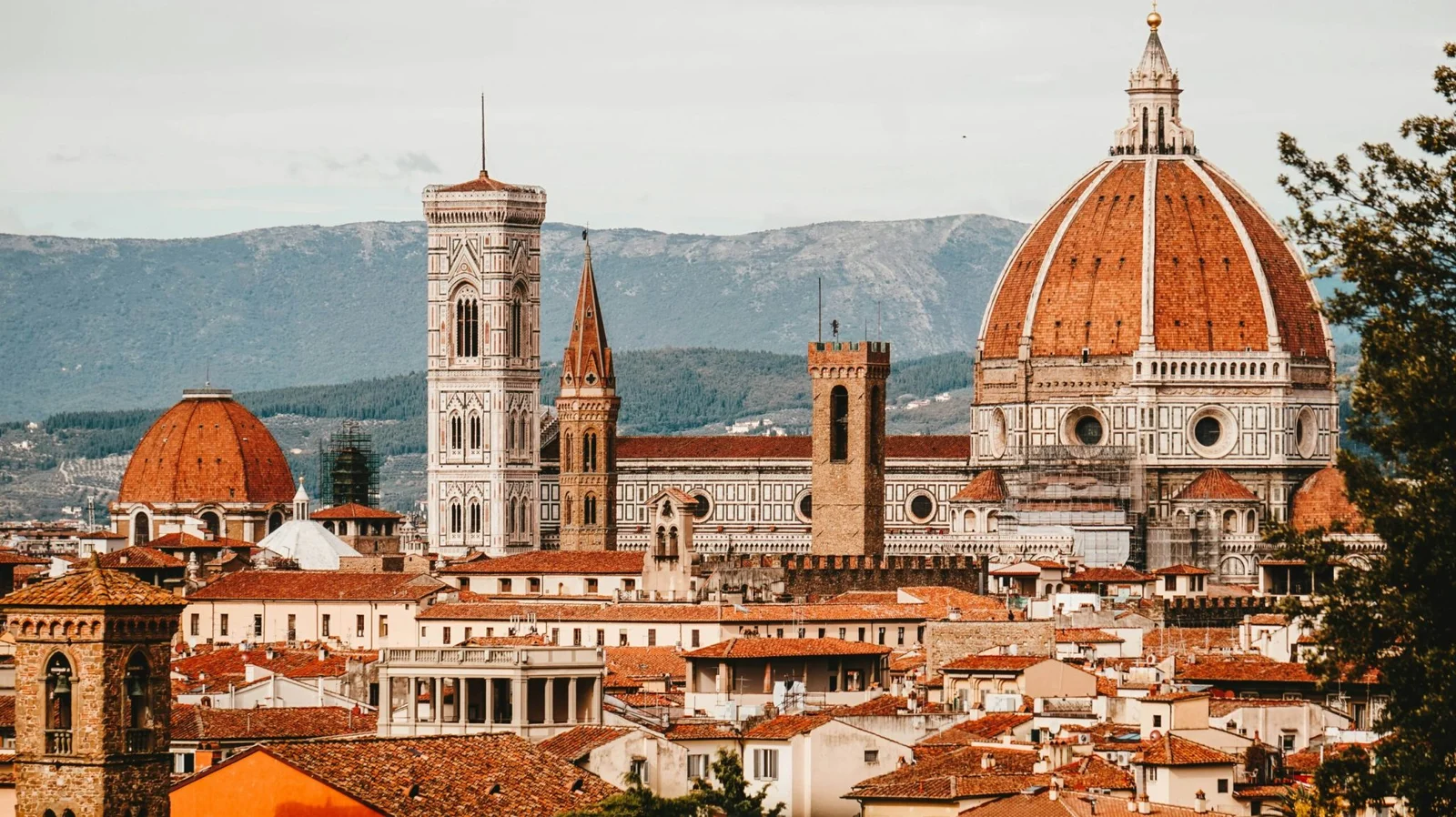
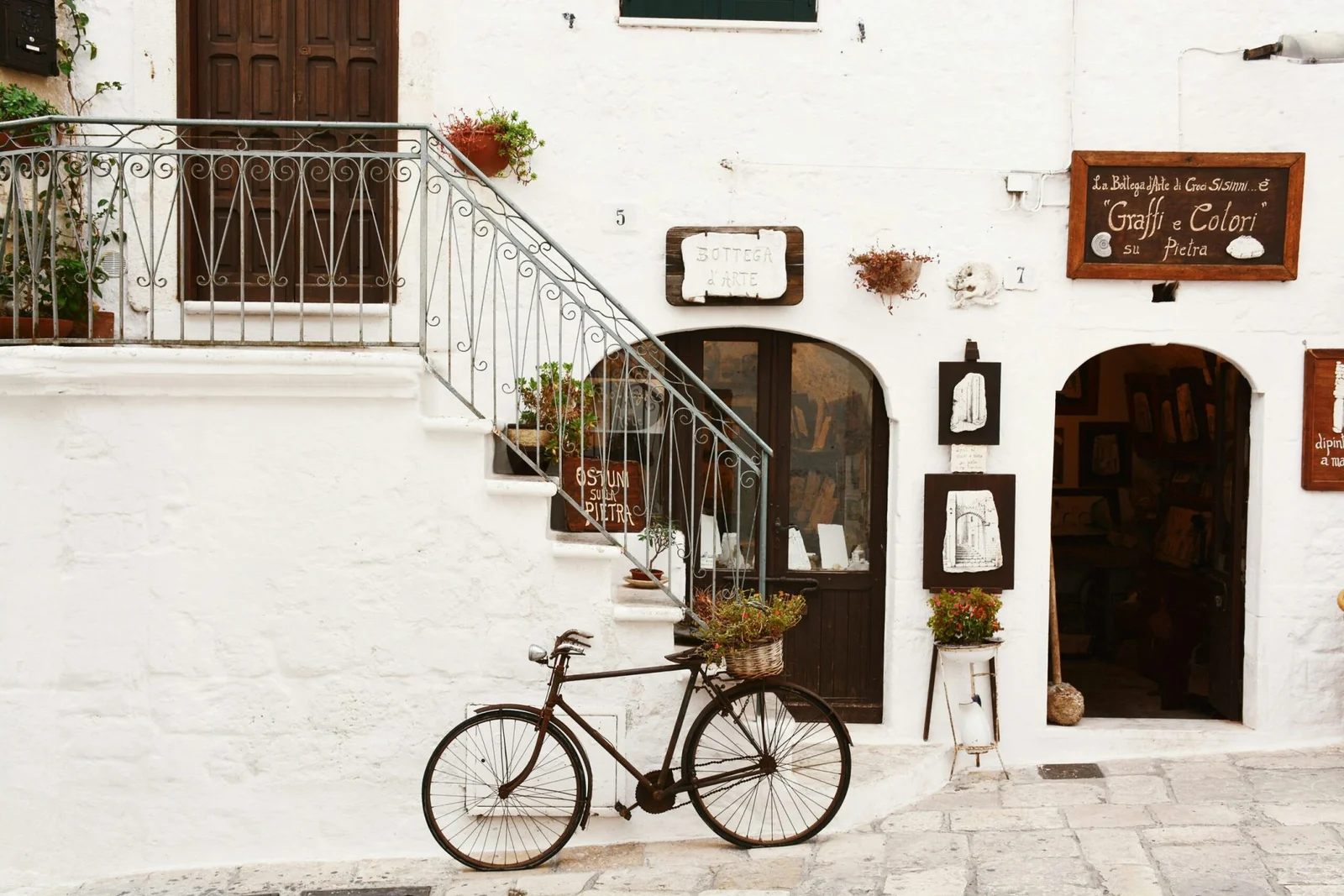
Ultimately, a wellness retreat in Italy in 2026 offers more than a temporary respite. It offers a re-education in living. It is an immersion in a culture that has, for millennia, understood that a healthy life is built on a foundation of aesthetic pleasure, culinary integrity, and rhythmic slowness. Guests come seeking stress relief or a fitness reset, but they leave with something far more valuable: a felt memory of a different way to be.
They carry with them the taste of food that truly nourishes, the mental clarity born of uninterrupted silence, and the embodied understanding that self-care is the root of all care. They return home not just relaxed, but re-calibrated—with the indelible Italian sunlight, both literal and metaphorical, etched into their being. In a world that often pulls us outward and fragments our attention, Italy’s eternal promise is an invitation inward, to the deep, slow, and beautiful well of the self. In 2026, that invitation is more compelling than ever.
1. What makes a wellness retreat in Italy “the best” — what should I look for?
The best retreat depends on what you need. Look for: (1) thermal or mineral water pools (natural springs are a unique Italian advantage), (2) sauna and steam room variety (Finnish, bio, infrared), (3) qualified staff (physiotherapists, yoga instructors, nutritionists), (4) quiet location away from city noise, (5) all-inclusive or half-board meal plans with seasonal local food. Avoid places that focus more on luxury decor than actual wellness programming.
2. Which region in Italy has the best concentration of high-quality wellness retreats?
South Tyrol (Alto Adige) has the highest density of top-rated wellness retreats, thanks to Alpine spa culture combined with Mediterranean influence. Tuscany is second, famous for natural thermal springs (free-flowing hot water without heating). Third is Campania (Ischia and surrounding areas) with volcanic thermal waters rich in minerals. Your choice: mountains vs. hills vs. sea.
3. What is the average cost of a good wellness retreat in Italy per night?
Budget: €120–200 per person per night (basic spa access, simple rooms, half-board). Mid-range: €200–400 (better pools, more sauna varieties, professional treatments included). Luxury: €400–800+ (medical consultations, personalized programs, gourmet wellness cuisine). Prices drop significantly in low season (January–February, November) and rise during holidays (Christmas, Easter, August).
4. How many days should I book for a real wellness retreat in Italy?
Minimum effective stay: 3 nights (2 full days) for stress reduction. Recommended: 5–7 nights to see actual benefits (lower cortisol, better sleep, muscle recovery). For medical wellness or detox programs: 7–14 nights. Weekend stays (2 nights) are too short — you spend the first day just settling in. Many Italians book 5 nights from Sunday to Friday.
5. What is typically included in a wellness retreat package in Italy?
Most include: accommodation, half-board or full-board meals (breakfast + lunch or dinner), daily access to thermal pools, saunas, steam rooms, and relaxation areas. Some include: guided yoga or meditation classes, one or two massages, herbal tea corners, fitness classes (Pilates, stretching), and wellness consultations. Extras (paid separately): deep tissue massages, beauty treatments, personal trainers, medical exams, excursions. Always check if towels, bathrobes, and slippers are provided (most do).
Your email address will not be published. Required fields are marked *