
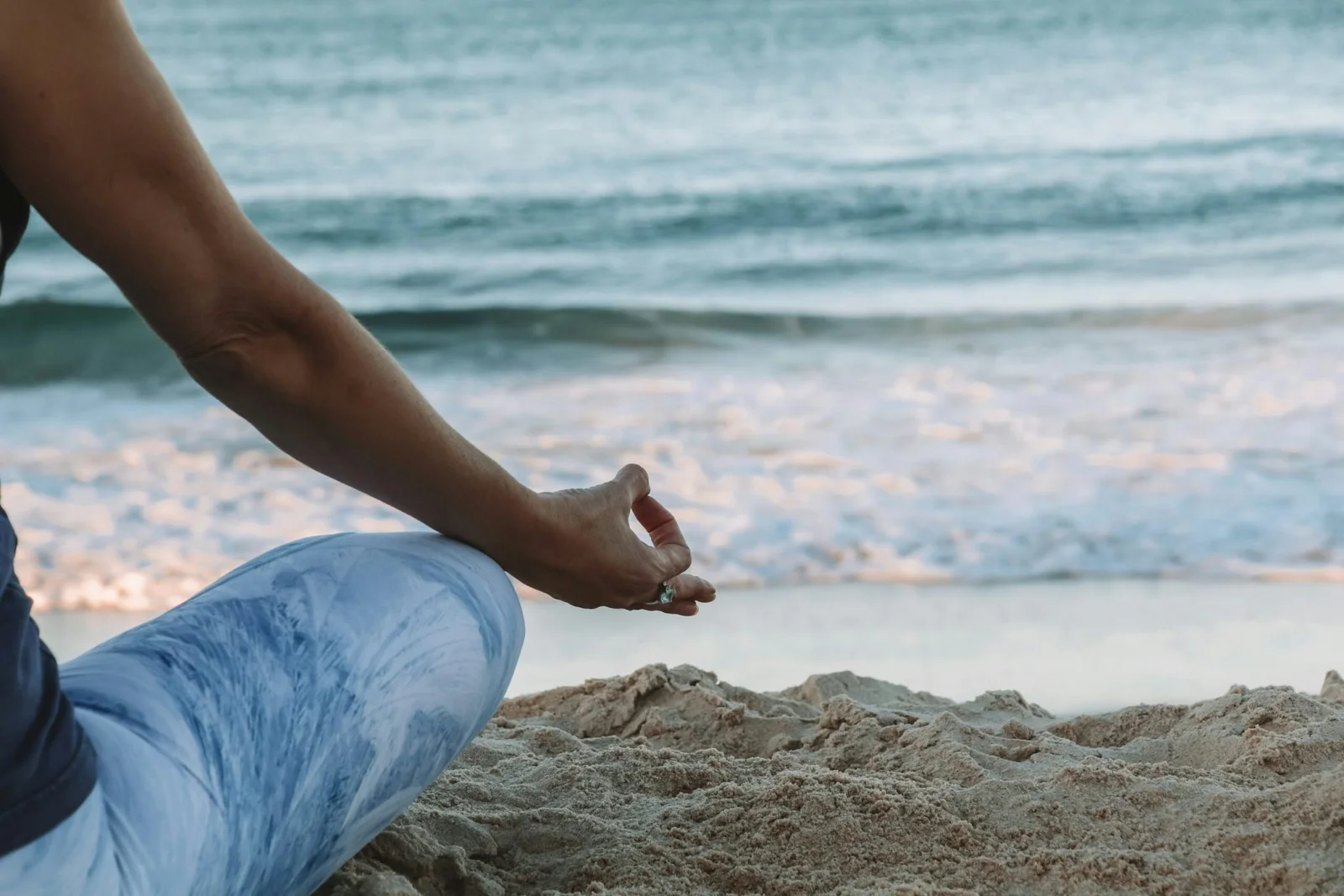
Digital Detox Retreats — Disconnection Has Become the New Luxury
In a world of constant notifications and digital overload, stepping away from screens has become a rare and valuable experience. Digital detox retreats offer a chance to disconnect, slow down, and reconnect with yourself, creating space for clarity, rest, and meaningful presence.
Share This Article


Disconnection Has Become the New Luxury
In a world that never stops pinging, switching off has become the new form of self-care.
What used to sound like deprivation now feels like privilege — a way to reclaim attention in an economy built to fragment it.
Digital detox retreats are rising fast across Europe and beyond, offering something rarer than ocean views: silence that can’t be scrolled away.
This isn’t about rejecting technology. It’s about remembering what it means to be a person before being a profile.

The Sanctuary for the Soul – the VIP Experience – Italy, Tuscany
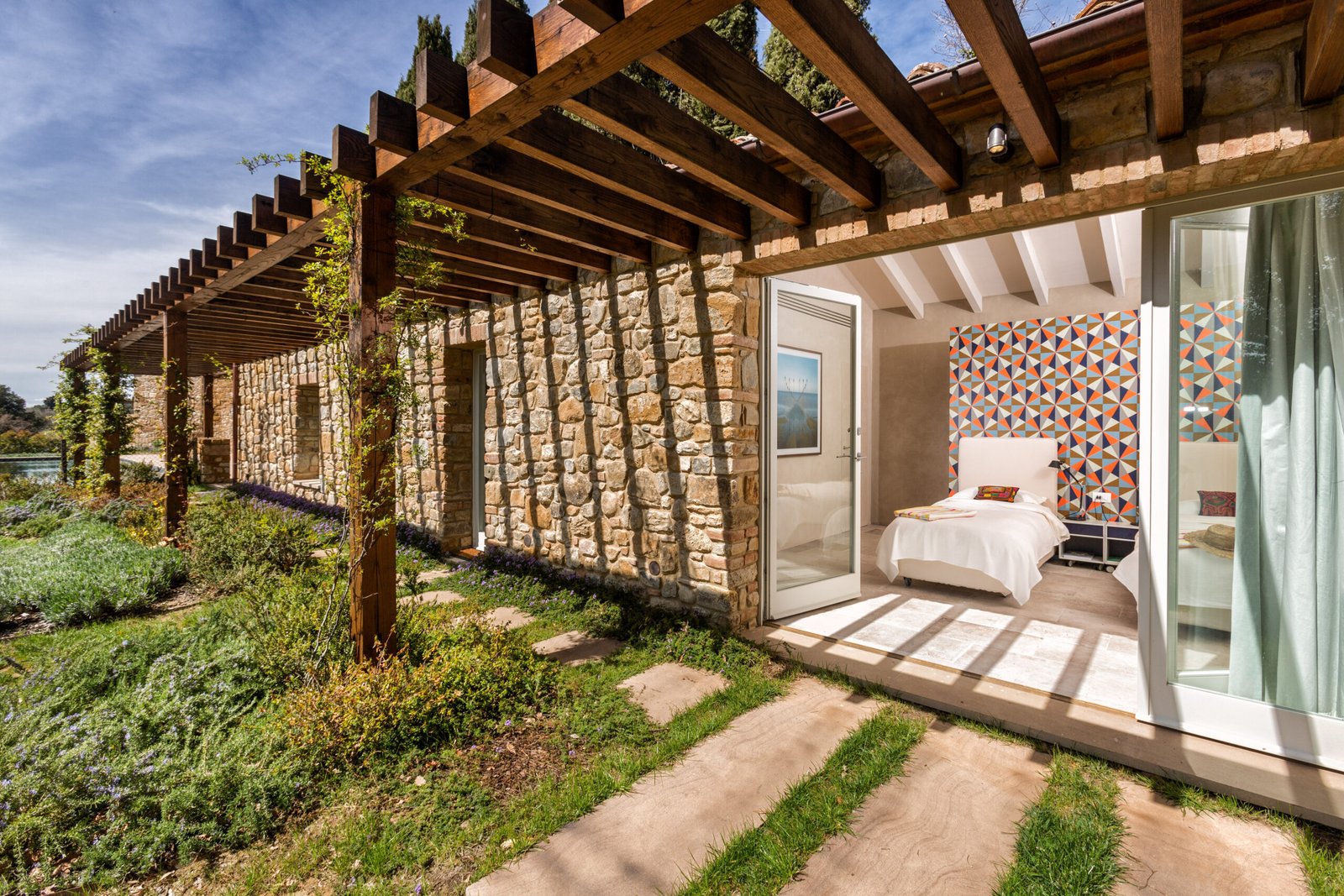
The Sweet Earth Retreat – Italy, Tuscany
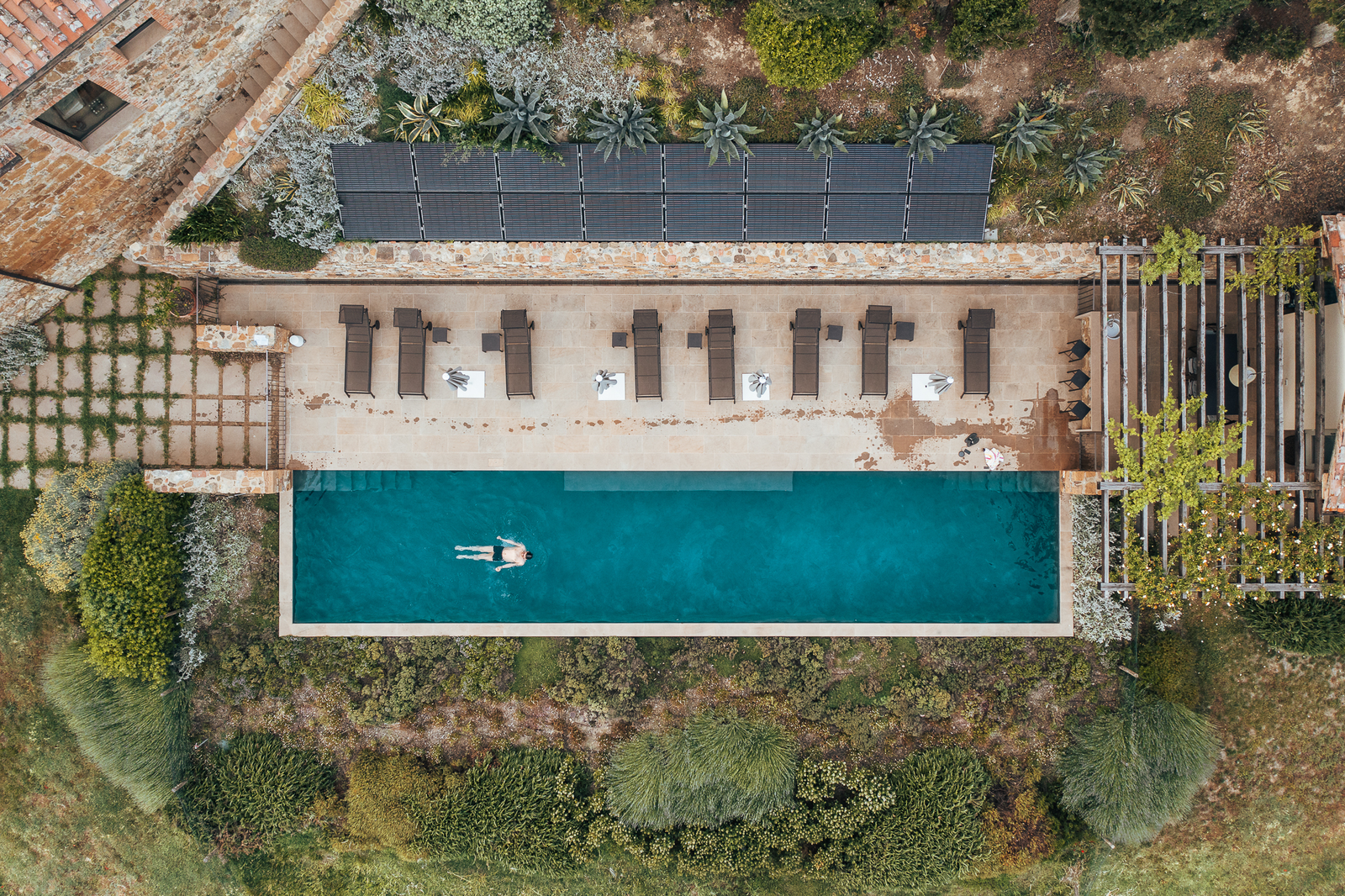
Under the Tuscan Sun: A Transformative Experience of Yoga, Photography and Taste. Italy, Tuscany
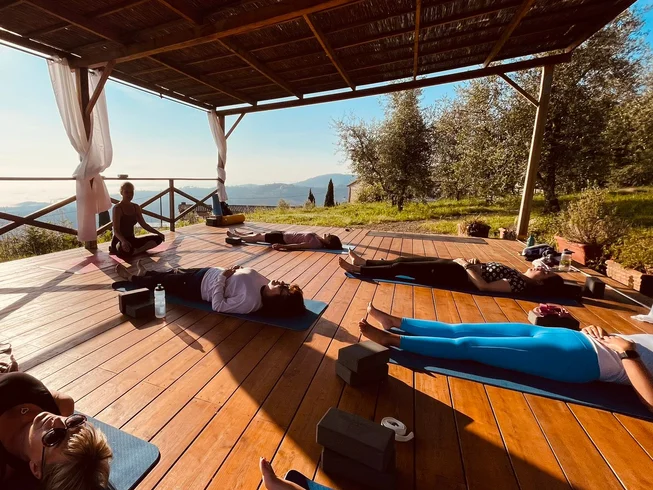
7 Day Yoga, Relaxation, Wine Tasting and Olive Oil Tasting in the Heart of Tuscany, Italy
5 Day Private Couples Retreat The Art of Connection in Sardinia, Italy

7 Day Italian Cooking, Tour and Yoga Holiday in Puglia, Italy
Intentional technology boundaries
Phones are often surrendered on arrival, or signal is cut in certain zones.
The goal isn’t punishment — it’s protection.
Without constant micro-rewards, the mind relearns stillness within hours.
Rhythmic programming
Days alternate between activity and reflection: morning yoga, long walks, journaling, meditation.
The structure matters — without it, silence feels like emptiness instead of rest.
Re-education rather than restriction
Workshops on digital hygiene, breathwork, or mindful communication teach participants how to return to the online world differently, not fear it.
One asks for commitment; the other offers exploration.
Embodied support
From nutritious meals to natural architecture, everything in the environment removes friction.
When nothing competes for your attention, attention returns home.
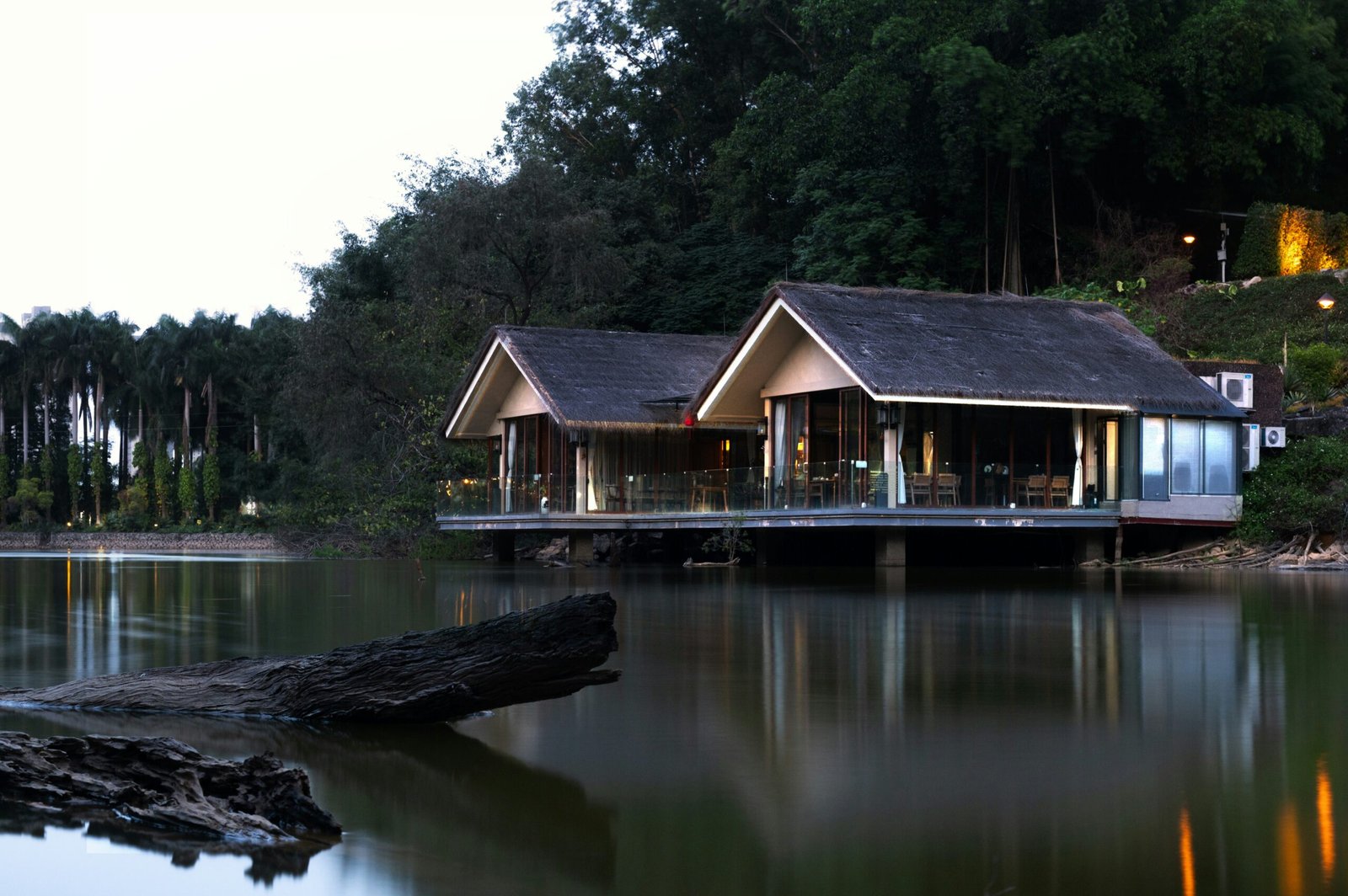
Europe’s best settings for a digital detox
Europe offers a wide range of landscapes where the concept flourishes:
– The Algarve, Portugal — sea air, golden light, and retreats that blend yoga with surf and silence.
– Umbria, Italy — restored monasteries like Eremito, where phones are replaced by candlelight and Gregorian stillness.
– The Spanish Sierra Nevada — minimalist eco-lodges surrounded by pine forest and open sky.
– The Scottish Highlands — modern hermitages for creative professionals seeking deep solitude.
Each setting delivers the same principle: proximity to nature + distance from noise.
Who benefits most
Digital detox retreats are not only for tech professionals.
They serve anyone whose mind feels scattered or whose days end without a sense of completion.
They work especially well for:
– Executives or founders dealing with decision fatigue.
– Freelancers and creatives seeking mental clarity.
– People in transition — career breaks, post-burnout recovery.
– Couples wanting to reconnect beyond screens.
In short, they serve anyone who’s been living in “react mode” for too long.
Choosing the right retreat
Not all digital detox retreats are equal.
Some are luxurious wellness programs with spa access; others resemble mindfulness bootcamps.
Before booking, look for alignment with your intention — not just the view.
Duration
Three days gives a taste; a full week resets circadian rhythms.
Setting
Natural isolation supports nervous-system rest. Mountain and coastal regions work best.
Program
Ensure it offers embodied practices (yoga, breathwork, hiking) and guided reflection, not just “no phone” policies.
Group size
8–14 participants create balance — enough community, enough quiet.
Facilitation
Experienced facilitators make all the difference. Detachment anxiety can arise; good guidance turns it into growth.
Policy transparency
You should know whether minimal communication (e.g., one emergency check-in) is allowed. True digital detox is not digital exile.
What happens to the body and brain
By the second day, most guests experience withdrawal — phantom vibrations, restlessness, dreams full of inboxes.
By day three, breathing slows, sleep deepens, and perception widens.
It’s not mystical; it’s biology.
Without constant dopamine spikes, the prefrontal cortex — the part that makes long-term decisions — wakes up.
Stress hormones fall, digestion improves, and creativity returns.
Studies show that even 72 hours of screen deprivation can reset attention span and raise mood scores.
Essentially, your nervous system moves from fight-respond-scroll to rest-digest-feel.

Preparing for disconnection
– Tell colleagues or clients you’ll be offline — boundaries are part of the detox.
– Pack a notebook instead of a tablet.
– Print your travel details.
– Journal your intentions: what do you want to remember once silence starts?
– Expect discomfort — boredom is the doorway, not the obstacle.
By treating the retreat as training, you ensure that its benefits follow you home.
Life after the retreat
Returning to the online world can feel like walking into bright light after a dark room.
Good programs offer integration workshops — simple habits to prevent relapse:
– Scheduled “phone-free hours.”
– Conscious media consumption (no scrolling before bed).
– Regular micro-detoxes: one day a week fully offline.
The aim isn’t abstinence; it’s sovereignty. You decide when to connect, not the algorithm.
Why digital silence feels luxurious
Luxury used to mean excess; now it means absence.
Absence of noise, urgency, performance.
When you remove the feed, you rediscover the rhythm of your own mind — slow, nonlinear, alive.
True luxury is uninterrupted attention: the ability to taste a meal without photographing it, to walk without headphones, to listen without composing replies.
That’s what these retreats cultivate.
They remind you that presence, not productivity, is the real indicator of success.
There’s no wrong choice — only alignment between state and setting.
Why understanding the difference matters
Misaligned expectations are the main reason people feel disappointed after retreats.
Someone seeking deep teaching might feel underwhelmed by a spa-based wellness week;
someone needing rest might feel overwhelmed in a disciplined yoga program.
By naming these distinctions, you reclaim agency.
You stop shopping by images and start choosing by intention.
And that’s where transformation begins — before you even book.
Final thought
Both wellness and yoga retreats aim for the same outcome: a quieter nervous system and a clearer sense of self.
They just take different roads — one through practice, one through care.
What matters isn’t the label but the level of honesty in the offering, and in your own readiness to meet it.
When you find a retreat that mirrors your current season — whether that’s silence, structure, or softness — you’ve already begun the real work.
FAQs: Digital Detox Retreats – Disconnection Has Become the New Luxury
1. What is a digital detox retreat?
- A digital detox retreat is an experience where participants limit or completely avoid using phones, laptops, and other devices to focus on rest, mindfulness, and real-world connection.
2. Why are digital detox retreats becoming popular?
- As screen time increases, more people experience stress, burnout, and digital fatigue, making disconnection a valuable way to restore balance and mental well-being.
3. What are the benefits of a digital detox?
- Benefits include reduced stress, better sleep, improved focus, increased creativity, and stronger relationships.
4. What happens during a digital detox retreat?
- Activities often include meditation, nature walks, journaling, yoga, and group experiences—all without digital distractions.
5. How long should a digital detox last?
- There’s no fixed duration. Some retreats last a weekend, while others run for a week or longer. Even short breaks can have noticeable benefits.
6. Is a digital detox difficult at first?
- Yes, it can feel uncomfortable initially due to habit and dependency, but many people quickly adjust and experience a sense of relief and calm.
Share Your Thoughts
Your email address will not be published. Required fields are marked *