
Best Yoga and Wellness Retreats in Costa Rica for January 2026
January in Costa Rica marks the height of dry season—what locals call “summer” regardless of the Northern Hemisphere’s calendar. The Pacific coast basks in reliable sunshine, the Caribbean side experiences its driest window, and mountain cloud forests offer crisp mornings perfect for contemplative practice. This is Costa Rica at its most accessible and comfortable, when you can confidently plan outdoor yoga sessions without afternoon downpours interrupting your flow, and when wildlife viewing reaches its peak as animals congregate around diminishing water sources.

What makes January particularly compelling for wellness seekers is the convergence of optimal conditions. The rainforest remains lush from months of precipitation but trails have dried out enough for comfortable hiking. Beach temperatures hover in that Goldilocks zone—warm enough for barefoot yoga on sand but not scorching enough to make midday practice unbearable. You’re also arriving right after the holiday rush, so while crowds remain present, they’re manageable rather than overwhelming, and retreat centers have settled into their dry season rhythm.
Our selection of retreats in Costa Rica – January 2026
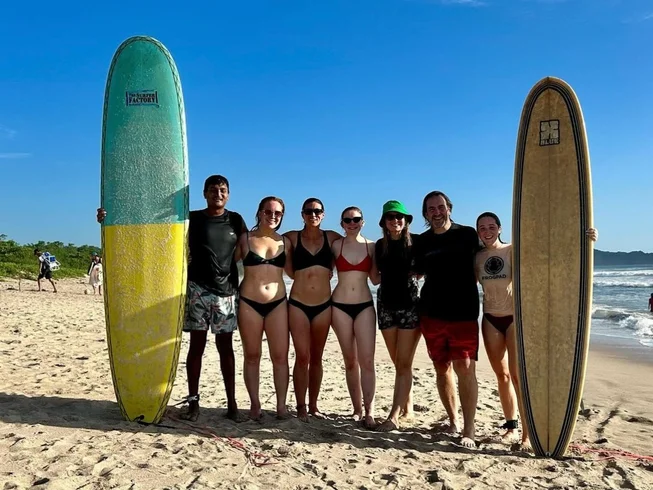
7 Day Surf and Yoga Retreat in Nosara, Costa Rica
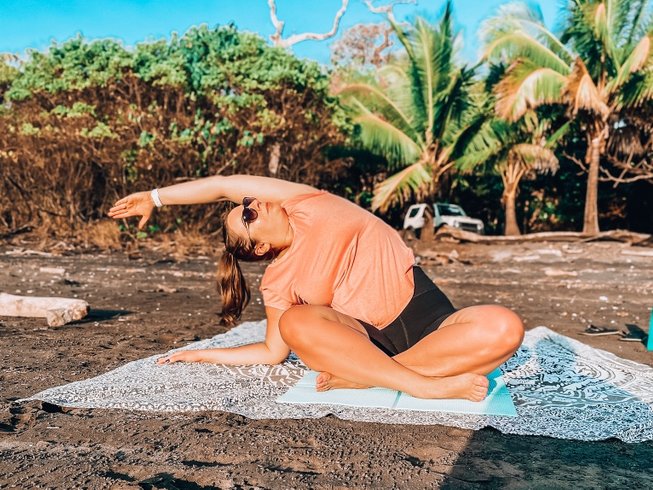
7 Day The Nervous System Reset Yoga Retreat in Playa Marbella, Guanacaste, Costa Rica
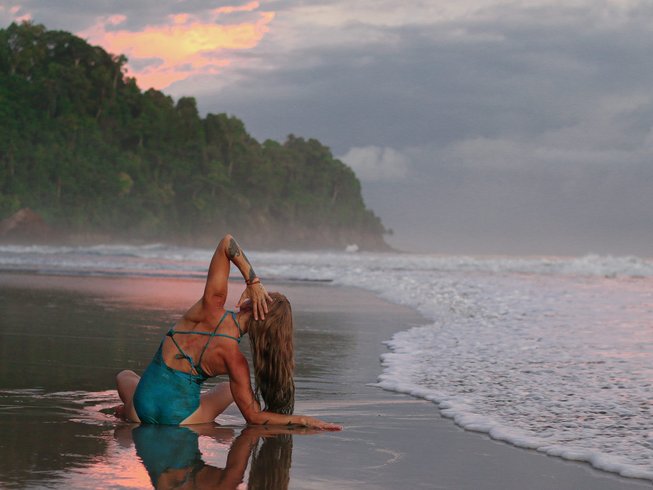
5 Day Live To Lead: Luxury Yoga Wellness Retreat in Ojochal, Costa Rica
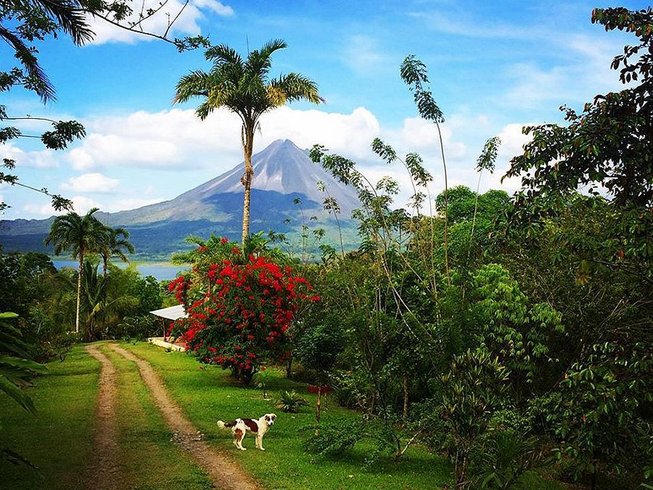
4 Day Love Yourself Yoga Retreat in the Arenal Rainforest, Alajuela, Costa Rica
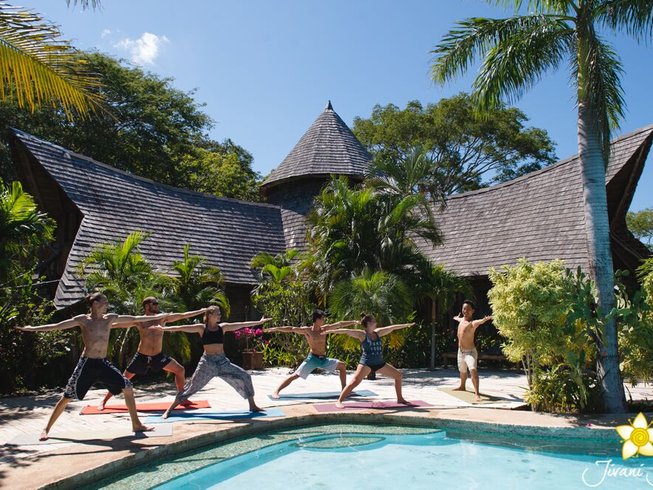
5-Day Discover Yoga Retreat Tamarindo, Costa Rica
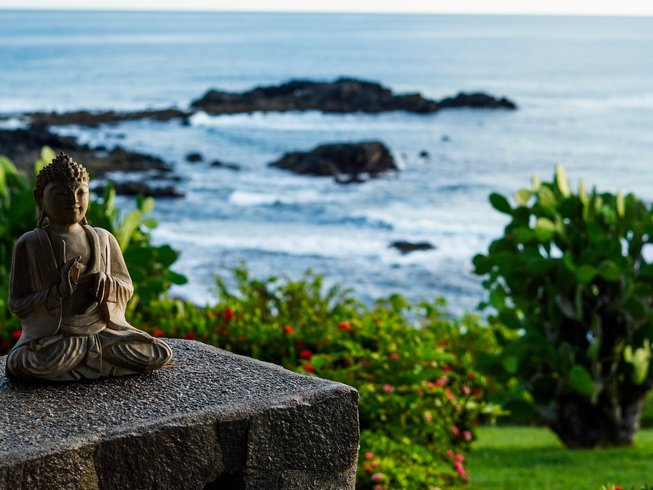
6 Day Tailored Luxury Yoga and Mindfulness Retreat in Playa Azul, Guanacaste, Costa Rica
The month brings an energy of renewal that aligns naturally with wellness intentions. Costa Ricans have returned from Christmas celebrations, schools are back in session, and there’s a collective sense of fresh starts. For international visitors, January offers escape from winter’s grip—trading snow boots for flip-flops, grey skies for blue, and indoor heating for natural warmth. It’s no wonder this ranks among the most popular months for wellness tourism in Costa Rica.
Where to Go for January Wellness Retreats
Nicoya Peninsula: Dry Season Paradise
The Nicoya Peninsula in January delivers exactly what most people envision when they dream of Costa Rica wellness retreats. Places like Nosara, Santa Teresa, and Mal País experience virtually no rainfall, with morning yoga sessions greeting you with sunrise over calm Pacific waters and evening practices unfolding under star-filled skies. The surf remains consistent but not overwhelming, making it accessible for beginners while still offering challenges for experienced surfers looking to combine wave-riding with their yoga practice.
Nosara has evolved into one of Central America’s most established wellness hubs, where you’ll find everything from rustic jungle lodges to upscale retreat centers with infinity pools. The community maintains a decidedly eco-conscious vibe—dirt roads remain unpaved by design, development is intentionally limited, and the focus stays squarely on nature and wellness rather than nightlife and commercialization. January means you can walk to beach yoga classes without worrying about afternoon storms, practice outdoor meditation without mosquitoes swarming, and enjoy sunset from restaurant terraces in comfortable warmth.
Manuel Antonio: Accessible Rainforest Meets Beach
Manuel Antonio National Park area offers a different flavor—more accessible, more developed, but still deeply connected to nature. The dry season here means you can hike rainforest trails in the morning to spot monkeys and sloths, practice beachside yoga by afternoon, and return to comfortable accommodations without mud-caked shoes. The infrastructure is more robust than Nicoya’s deliberately rustic approach, which appeals to wellness seekers who want nature immersion without sacrificing creature comforts.
The national park’s beaches provide stunning settings for sunrise practice, while the surrounding hills host retreat centers with panoramic ocean views. January’s dry conditions mean the park trails stay manageable—you’ll still work up a sweat in the humidity, but you’re not slogging through mud or dealing with rain-slicked paths. Wildlife viewing peaks this month as animals become more active and visible in the drier conditions.
Arenal and Monteverde: Mountain Wellness
If beach settings don’t resonate with you, Costa Rica’s mountain regions offer entirely different wellness experiences. The Arenal area combines volcano views with natural hot springs—imagine soaking in thermal pools after morning yoga, surrounded by rainforest, with the perfectly conical Arenal Volcano providing a dramatic backdrop. January brings clearer skies than the rainy season, increasing your chances of actually seeing the volcano without clouds obscuring it.
Monteverde’s cloud forests stay misty and cool year-round, but January brings slightly drier conditions that make the hanging bridges and forest trails more pleasant to navigate. The crisp mountain air feels refreshing after hot yoga practice, and the constant interplay of clouds and sun creates an almost mystical atmosphere. This region appeals to those seeking contemplative wellness in cooler temperatures—think morning meditation surrounded by bird calls, forest bathing through misty trails, and cozy evenings rather than beach sunsets.
Caribbean Coast: Lesser-Known January Window
Most people overlook Costa Rica’s Caribbean side in January, but this is actually one of its better months. While the Caribbean generally experiences more rainfall than the Pacific, January falls into a drier window, particularly around Puerto Viejo. You’ll find a more laid-back, Afro-Caribbean vibe here—reggae replacing yoga playlists at times, rice and beans with coconut milk instead of gallo pinto, and a slower pace that some find more authentically relaxing than the increasingly developed Pacific coast.
The Caribbean coast offers something the Pacific can’t—calm water for much of the year. January provides reasonable conditions for ocean swimming without the strong Pacific currents, making it appealing for those who want to integrate water-based wellness activities beyond just surfing. The beaches here feel less discovered, the wellness scene remains more grassroots, and you’re more likely to find local Costa Rican practitioners rather than exclusively international yoga teachers.
Weather Reality in January
Let’s talk honestly about what to expect. January brings Costa Rica’s most reliable sunshine, but “dry season” doesn’t mean zero rain. The Pacific coast sees occasional brief showers, usually at night or early morning. Caribbean side gets more precipitation but still significantly less than other months. Temperatures hover between 75-90°F (24-32°C) depending on elevation and time of day, with coastal areas warmer and mountain regions cooler.
Humidity remains ever-present—this is the tropics after all. Morning yoga sessions start cool and comfortable, midday activities require water breaks and shade awareness, and evening practices resume in pleasant warmth. The sun is intense at this latitude, so sunscreen becomes essential even on cloudy days. You’ll sweat during practice regardless of temperature, which some people love as a natural detox while others find challenging.
Nights cool down pleasantly, especially in mountain areas where you might actually want a light blanket. Coastal regions stay warm enough that air conditioning or fans become appreciated amenities. The lack of regular afternoon downpours means you can plan activities with confidence—book that canopy tour, schedule the waterfall hike, arrange the sunset boat trip without constantly checking radar.
Crowds and Pricing Realities
January occupies an interesting position in Costa Rica’s tourism calendar. The Christmas and New Year’s rush has passed, so you avoid absolute peak crowds and peak pricing, but the weather remains so attractive that visitor numbers stay healthy throughout the month. Think comfortable rather than empty—beaches have space to spread out, restaurants can seat you without excessive waits, retreat centers run at good capacity but not completely booked solid months in advance.
Pricing sits in the high season range but below the extreme premiums of the December holidays. Expect to pay 20-30% more than shoulder season (May-June, September-October) but 15-20% less than Christmas week. Smart planning helps—booking 6-8 weeks ahead gets you good availability at reasonable rates, while last-minute bookings might find limited options or higher prices.
The types of visitors shift after New Year’s—fewer families with kids on school holiday, more couples and solo travelers, more serious wellness seekers rather than general beach vacationers. This creates a different energy in retreat centers and yoga studios, often more focused and contemplative than the festive holiday period.
What Works Well in January
January’s conditions favor active, outdoor-oriented wellness programs. Sunrise beach yoga becomes a daily ritual rather than a weather-dependent hope. Hiking to waterfalls works beautifully without muddy trails or afternoon storms cutting expeditions short. Outdoor meditation and breathwork practices can extend into late morning without heat exhaustion concerns.
Surf and yoga combinations thrive—the Pacific coast delivers consistent waves while weather allows flexible scheduling of land versus water activities. Wildlife observation integrates naturally into wellness programs as dry season concentrates animal activity. Zip-lining, hanging bridges, waterfall rappelling—adventure elements combine easily with yoga practice when weather cooperates.
Detox and cleanse programs gain appeal in January’s post-holiday timing. Many people arrive ready to reset after December’s indulgences, making juice cleanses, plant-based programs, and wellness intensives feel naturally aligned with personal intentions. The warm weather supports cleansing better than cold climates—you’re not fighting the urge to eat heavy comfort foods when ambient temperature stays pleasant.
Costa Rican Culture in January
By January, Costa Rica has settled back into normal rhythms after the holidays. Ticos (Costa Ricans) have returned to work, schools are in session, and daily life proceeds at its characteristically relaxed pace—”pura vida” isn’t just a tourist slogan but an actual approach to life. You’ll encounter this in interactions with locals: unhurried service that some interpret as slow but actually reflects a less stressed approach to time.
The food culture supports wellness naturally. Fresh tropical fruits overflow in markets—pineapple, papaya, mango, watermelon, all picked ripe rather than shipped unripe. Gallo pinto (rice and beans) provides complete protein, casados (traditional plates) offer balanced meals, and even basic sodas (small restaurants) serve fresh juice and real food rather than processed options. The coffee is outstanding—this is a major growing region, and you’ll taste the difference.
There’s a genuine friendliness that makes solo travelers feel comfortable and groups feel welcomed. Costa Ricans seem genuinely pleased that visitors want to experience their country, and there’s less of the transactional tourism feel than in more heavily visited destinations. The wellness community includes both long-term expat practitioners and local Ticos, creating interesting cultural blending.
Practical Considerations
January requires advance planning, especially for popular areas like Nosara and Santa Teresa. Retreat centers book up 2-3 months ahead for this prime month. Rental cars become scarce if you wait too long—4×4 vehicles in particular disappear quickly, and they’re genuinely necessary for some areas with rough roads.
Pack light, natural fabrics that dry quickly. You’ll live in yoga wear, swimsuits, and casual clothes. Bring reef-safe sunscreen (regular sunscreen is banned in Costa Rica to protect coral reefs), insect repellent for rainforest areas, reusable water bottle, and any specific wellness items you can’t live without. Most retreat centers provide mats, blocks, and props, but if you’re particular about your mat, bring it.
Budget wisely. Costa Rica isn’t the budget destination it once was—prices have risen significantly, especially in tourist areas. Quality wellness retreats run $1,500-3,500 per week depending on accommodations and inclusions. Factor in flights (check both San José and Liberia airports—Liberia is closer to Nicoya Peninsula), domestic transportation if visiting multiple areas, and activities beyond the retreat itself.
Frequently Asked Questions
Is January the best month for Costa Rica wellness retreats?
It’s one of the best—reliable weather, post-holiday timing, comfortable crowds. January offers the most predictable conditions for outdoor yoga and activities. The only downsides are higher pricing than shoulder season and the need to book further ahead. February and March offer similar conditions, while April gets hotter and May brings increasing rain.
Which area is best for first-time visitors?
Nosara or Manuel Antonio work well for first-timers. Nosara offers established wellness community and beautiful beaches with good infrastructure. Manuel Antonio provides easier access, more services, and combines beach time with rainforest in compact area. Both have English-speaking communities and varied accommodation options.
How hot does it get in January?
Coastal areas reach 85-90°F (29-32°C) midday, cooling to 75-80°F (24-27°C) morning and evening. Mountain regions stay 10-15 degrees cooler. Humidity makes it feel warmer. This is comfortable hot rather than oppressive—you’ll sweat during yoga but not suffer. Nights remain pleasant, especially with ocean breezes or mountain elevation.
Do I need to speak Spanish?
Not essential in main wellness areas. Nosara, Santa Teresa, Manuel Antonio, and Arenal have extensive English-speaking populations including locals who work in tourism. Many yoga teachers and retreat staff are native English speakers. Learning basic Spanish phrases is appreciated and helps with local interactions, but you’ll manage fine without fluency.
Is it safe for solo travelers?
Yes, Costa Rica is generally safe, especially in wellness community areas. Standard precautions apply—don’t leave valuables on beach, lock accommodations, use recommended transportation. Solo female travelers are common in yoga communities and generally feel comfortable. The main risks are petty theft from unattended items and driving challenges on rough roads.
Can beginners handle Costa Rica wellness retreats?
Absolutely—many retreats welcome all levels. The wellness scene includes everything from serious ashtanga intensives to gentle restorative programs. January’s weather makes physical activities accessible without extreme heat challenges. Choose retreats that explicitly welcome beginners, specify multi-level teaching, and include rest time alongside active elements.
Related Articles
Explore our monthly guides: yoga and wellness retreats in Costa Rica in January, yoga and wellness retreats in Costa Rica in February, yoga and wellness retreats in Costa Rica in March, yoga and wellness retreats in Costa Rica in April, yoga and wellness retreats in Costa Rica in May, yoga and wellness retreats in Costa Rica in June, yoga and wellness retreats in Costa Rica in July, yoga and wellness retreats in Costa Rica in August, yoga and wellness retreats in Costa Rica in September, yoga and wellness retreats in Costa Rica in October, yoga and wellness retreats in Costa Rica in November, and yoga and wellness retreats in Costa Rica in December.
Discover our seasonal guides: yoga and wellness retreats in Costa Rica in Spring, yoga and wellness retreats in Costa Rica in Summer, yoga and wellness retreats in Costa Rica in Autumn, and yoga and wellness retreats in Costa Rica in Winter.
For a complete overview, read Yoga and Wellness Retreats in Costa Rica for 2026.
