
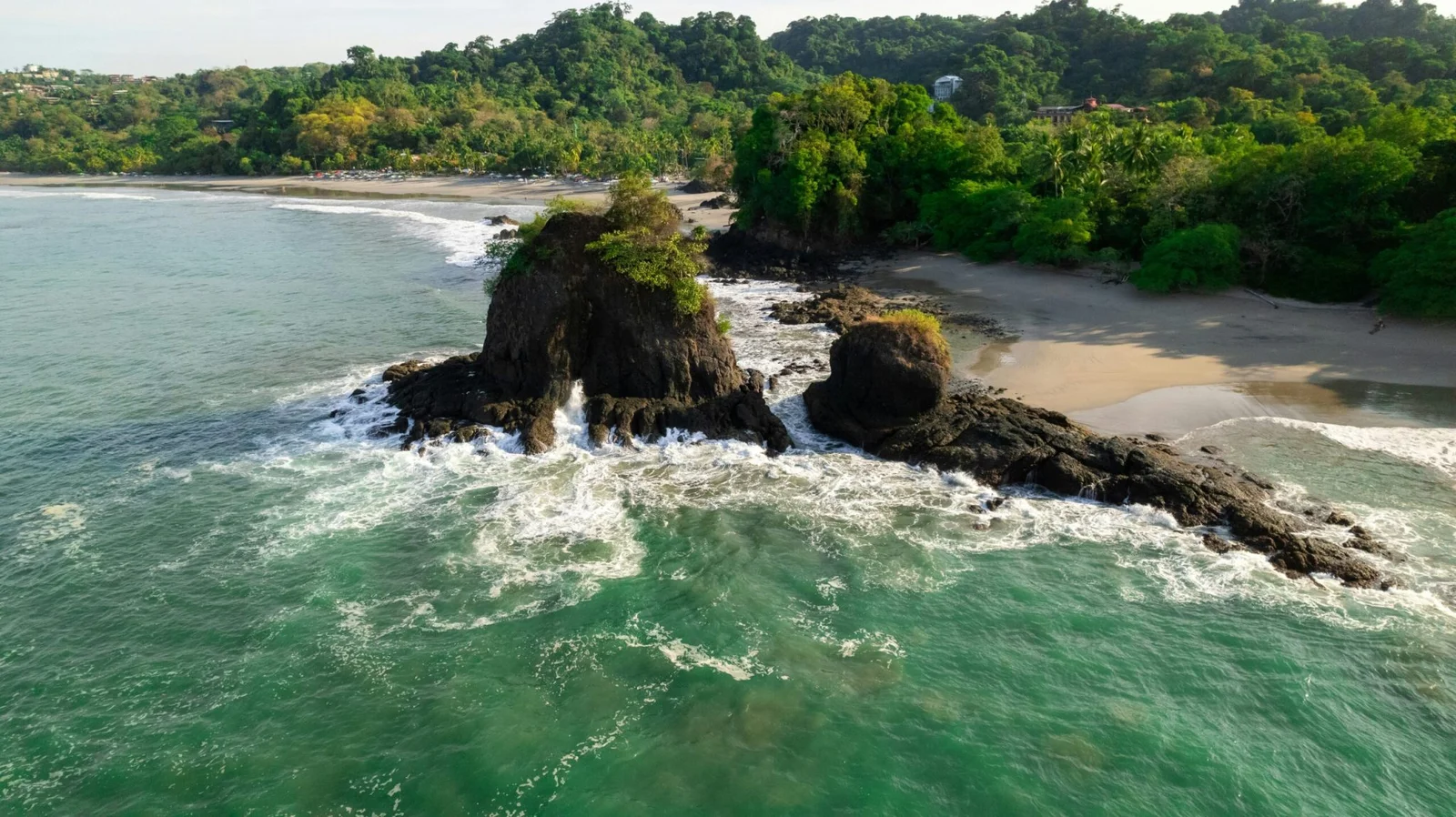
Best Yoga Retreats in Costa Rica for 2026
Costa Rica brings together surf towns, rainforest lodges, and cooler mountain hideaways, making it a standout choice for travelers who want anything from beachfront yoga and wildlife-rich jungle immersion to quieter, inward-focused retreat time around Arenal and Monteverde.
Share This Article


Best Yoga Retreats in Costa Rica for 2026
Costa Rica has earned its reputation as one of the world’s premier wellness destinations through a compelling combination of year-round warm weather, extraordinary biodiversity, established yoga infrastructure, and that characteristic “pura vida” lifestyle that embodies wellness principles naturally rather than as imported concept.
The country offers something rare—genuine options for every season, budget level, and wellness style, from luxury beachfront retreats to rustic jungle eco-lodges, from intensive yoga practice to contemplative nature immersion. Understanding Costa Rica’s regional diversity, seasonal patterns, and wellness landscape helps you find your optimal retreat experience in this compact but remarkably varied country.
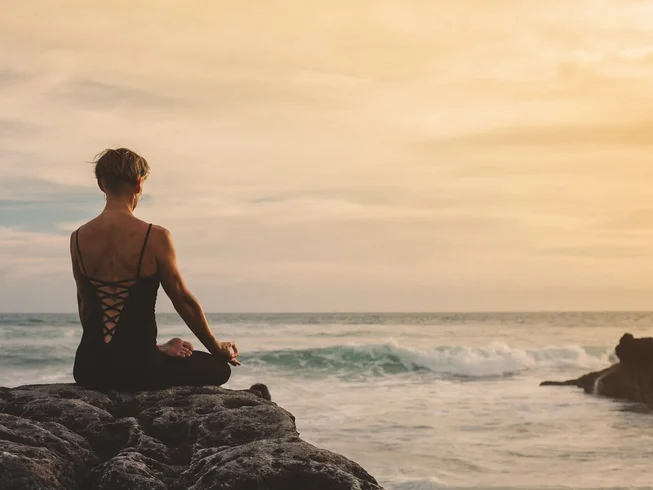
6 Day Tailored Luxury Yoga and Mindfulness Retreat in Playa Azul, Guanacaste, Costa Rica
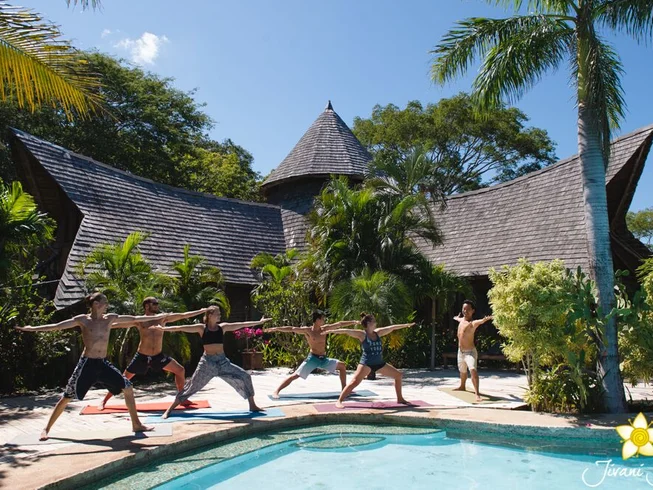
5-Day Discover Yoga Retreat Tamarindo, Costa Rica
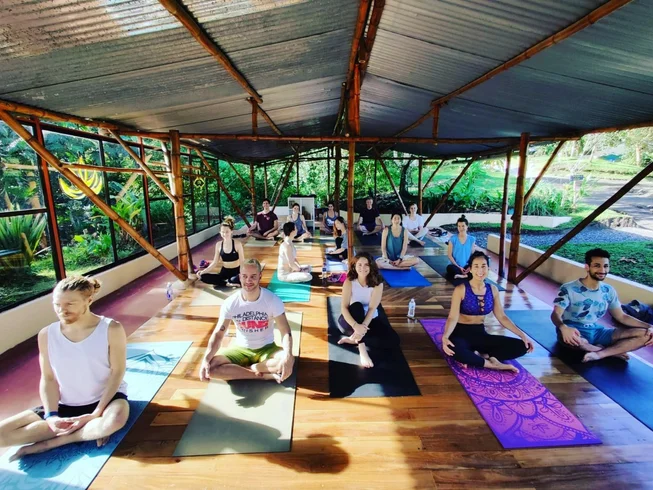
4 Day Love Yourself Yoga Retreat in the Arenal Rainforest, Alajuela, Costa Rica
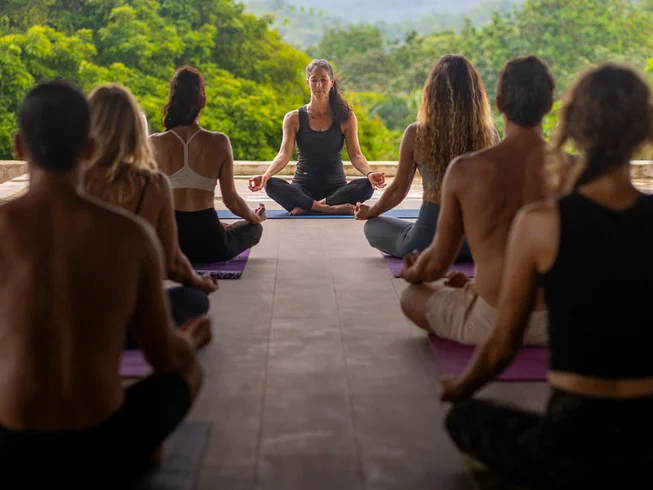
5 Day Live To Lead: Luxury Yoga Wellness Retreat in Ojochal, Costa Rica
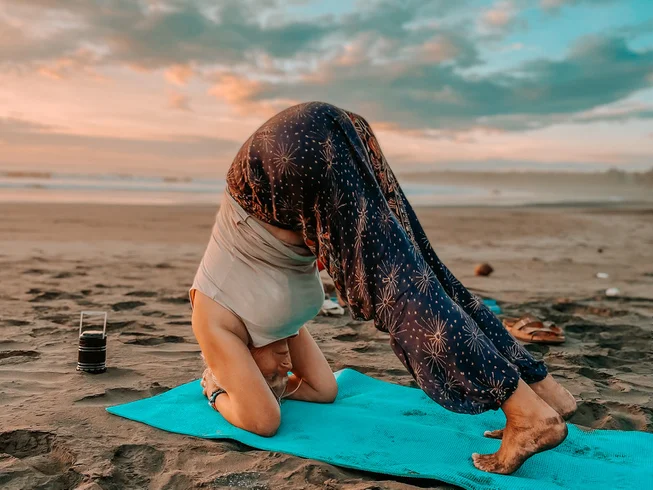
7 Day The Nervous System Reset Yoga Retreat in Playa Marbella, Guanacaste, Costa Rica
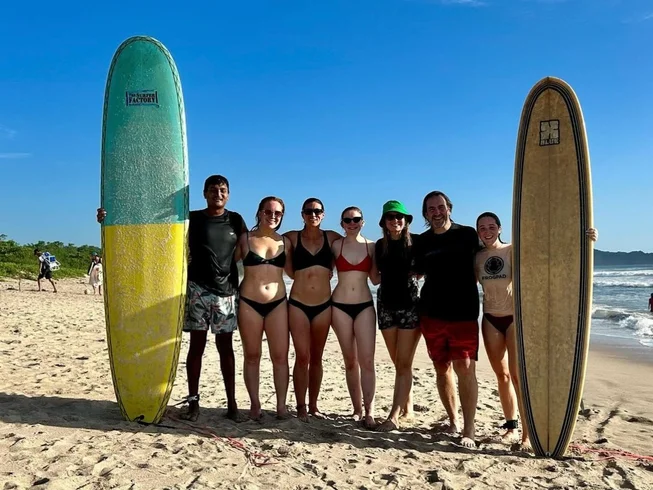
7 Day Surf and Yoga Retreat in Nosara, Costa Rica
Regional Overview
Pacific Coast (Nicoya Peninsula)
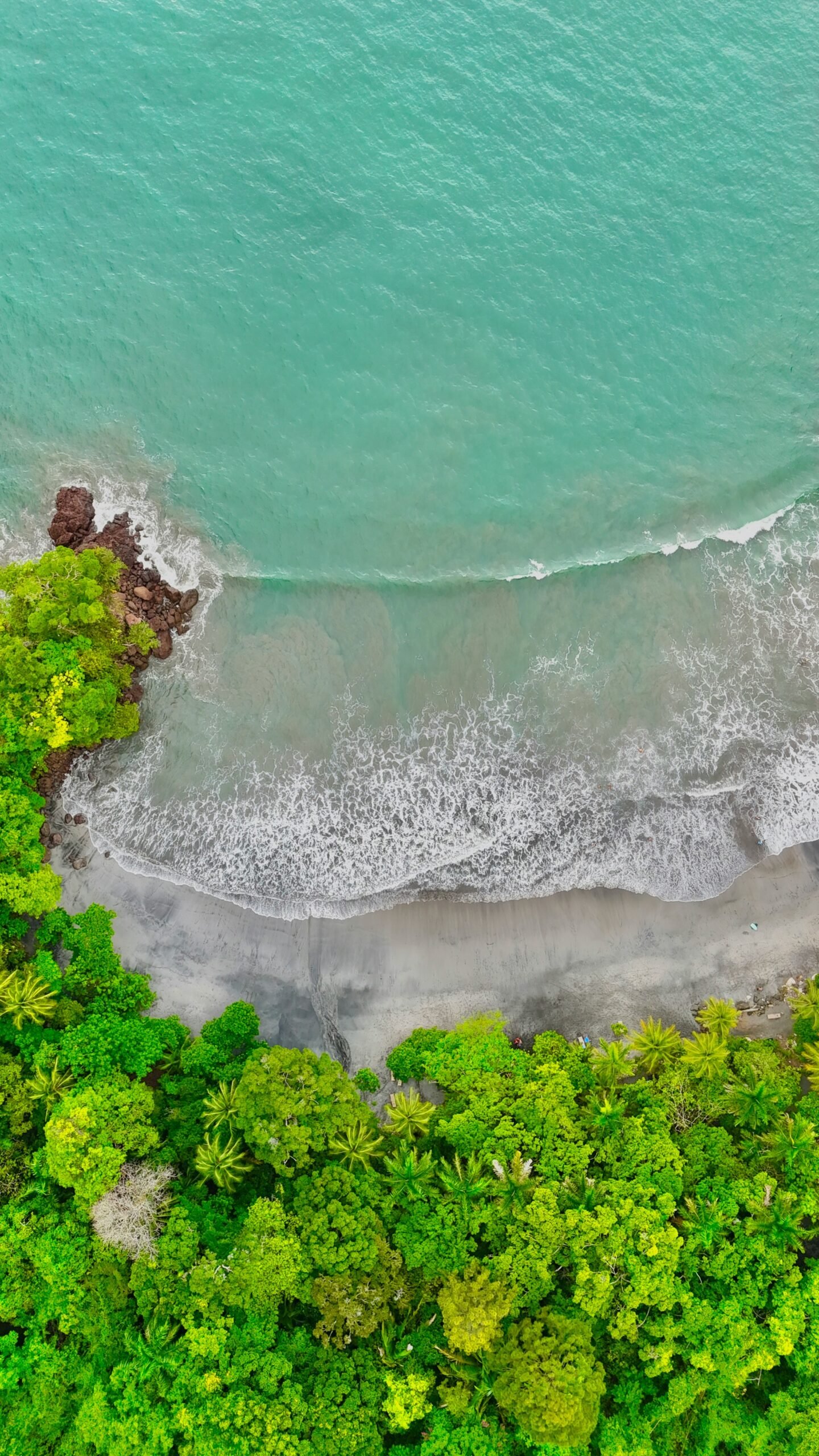
Nosara, Santa Teresa, Mal País dominate Costa Rica’s wellness scene with established yoga communities, numerous retreat options, consistent surf, and that barefoot-luxury aesthetic. Nosara particularly offers everything from budget hostels to upscale resorts, all connected by deliberately unpaved roads maintaining eco-conscious character. The Pacific delivers postcard-perfect dry season (December-April) with virtually no rain, though green season (May-November) brings daily afternoon showers and significant savings (30-40% off).
Manuel Antonio
This Pacific coast gem combines accessible rainforest (Manuel Antonio National Park) with beautiful beaches in compact, well-developed area. More tourist infrastructure than remote Nicoya beaches makes Manuel Antonio appealing for first-timers or those wanting easy logistics. The national park’s wildlife viewing rivals anywhere in Costa Rica with monkeys, sloths, and tropical birds visible from maintained trails. Accommodation and retreat options span budget to luxury.
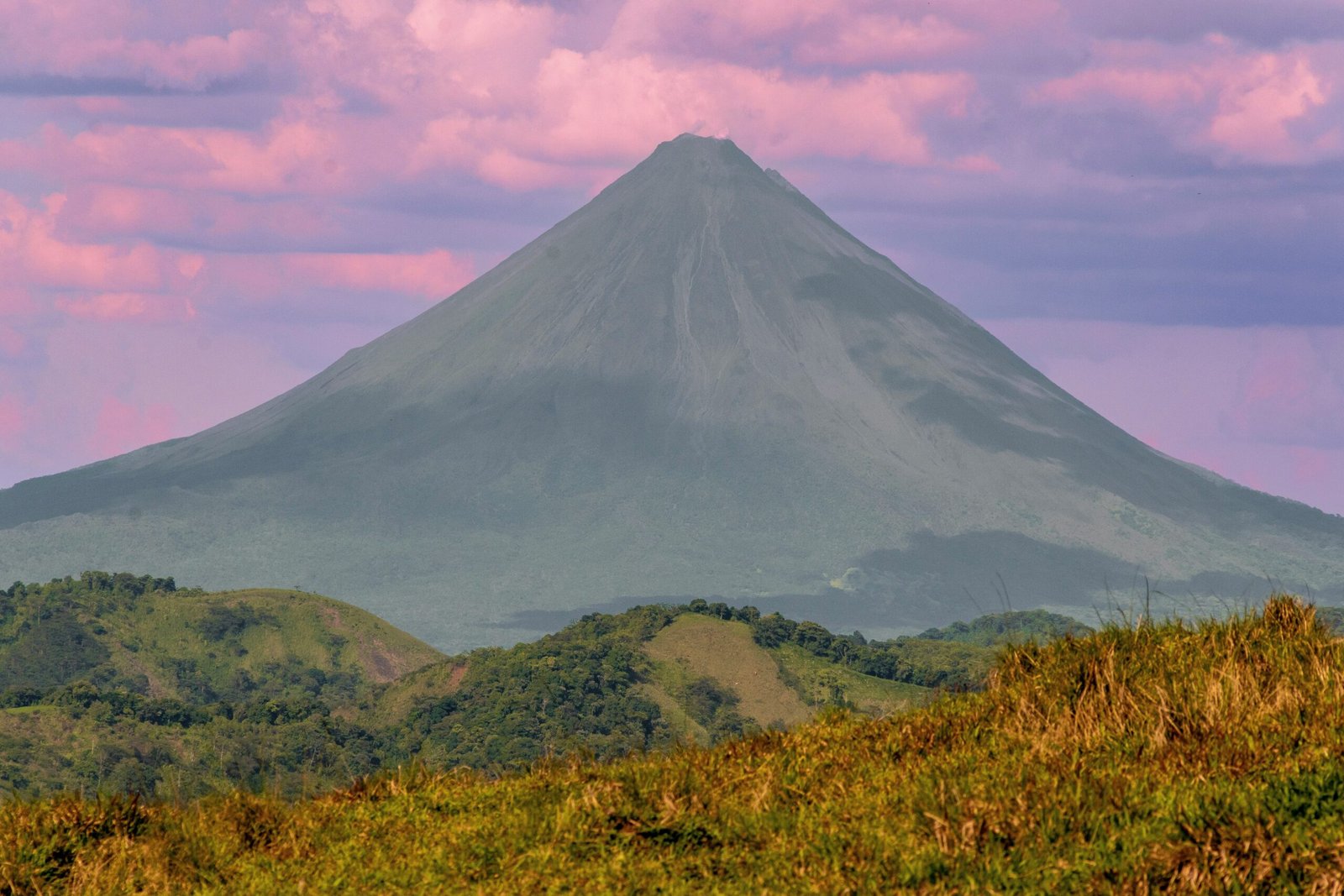
Caribbean Coast
Puerto Viejo and southern Caribbean offer distinctly different Costa Rica—Afro-Caribbean culture, calmer waters (better swimming than Pacific surf), reggae soundtrack, and rice-and-beans-with-coconut cuisine. The Caribbean handles green season better than Pacific with year-round viability, though it never achieves Pacific’s absolute dryness. This region suits those seeking laid-back atmosphere and cultural diversity over the Pacific’s surf-yoga scene.
Arenal and Monteverde
Mountain regions provide cooling alternatives to beach heat with Arenal offering volcano views and hot springs, Monteverde delivering cloud forest immersion. Temperatures run 10-15 degrees cooler than coast, appealing to heat-sensitive practitioners. The mist, waterfalls, and mountain mystique create contemplative atmospheres perfect for inward-focused retreats. Wildlife viewing differs from lowland rainforest but equals it in quality with different species compositions.
Osa Peninsula
For serious nature lovers willing to embrace rustic conditions, the Osa Peninsula delivers unmatched wilderness. Corcovado National Park hosts Costa Rica’s highest biodiversity density with tapirs, scarlet macaws, all four monkey species, and that rare sense of exploring genuine wild places. Remote eco-lodges provide comfortable but definitely not luxury accommodations, and getting here requires effort that keeps crowds minimal even during high season.
Best Times to Visit
For guaranteed sunshine and outdoor programming: December-April dry season, particularly January-February for best weather-crowd-price balance. Peak conditions come with 20-40% premium pricing and 2-4 month advance booking requirements.
For value and authenticity: May-November green season, especially July (veranillo mini-summer) or November (improving transition). Save 30-45% while experiencing real rainforest with daily afternoon rains. Requires flexibility and genuine comfort with weather.
For wildlife viewing: Year-round excellent but green season (May-November) brings peak breeding activity and biodiversity, while dry season (March-April) concentrates animals around water sources for easier observation.
For avoiding crowds: May-June or September-October see minimal tourists with deepest discounts but require serious rain tolerance. November and late April offer transition benefits with moderate conditions.
Types of Retreats Available
Surf and yoga combinations dominate Pacific coast with consistent waves and established programs teaching both disciplines. Nature immersion retreats integrate wildlife viewing, jungle hikes, and environmental education with yoga practice. Luxury wellness resorts provide comprehensive spa services, gourmet healthy cuisine, and upscale accommodations alongside yoga instruction. Rustic eco-lodges offer authentic jungle experience with open-air showers, wildlife soundtracks, and deep nature connection. Intensive practice retreats focus on yoga depth with multiple daily sessions and serious instruction. Adventure-wellness hybrids combine yoga with zip-lining, waterfall rappelling, rafting, and other activities. Contemplative and silent retreats utilize natural settings for meditation and inward focus.
Practical Considerations
Entry requirements: Most nationalities receive 90-day visa-free entry. US, Canada, EU citizens need only valid passport.
Airports: San José (SJO) serves as main international hub centrally located. Liberia (LIR) in northwest Guanacaste provides closer access to Nicoya Peninsula beaches. Consider both when booking.
Transportation: Rental cars offer maximum flexibility (4×4 essential for remote areas). Domestic flights connect major destinations quickly. Shuttle services and private transfers available. Public buses work but require patience and Spanish helps.
Budget: Quality retreats run $1,200-3,500 per week depending on season, region, and luxury level. Add flights ($300-800 from US), ground transport, activities outside retreat, and incidentals. Green season offers 30-45% savings versus dry season premium.
Booking windows: Dry season (especially December holidays) requires 2-4 months advance. Green season allows 2-4 weeks notice, sometimes last-minute deals.
Language: English widely spoken in wellness tourism areas. Spanish helpful but not essential. Learning basic phrases appreciated.
Safety: Costa Rica is Central America’s safest country. Standard precautions apply—don’t leave valuables unattended, use recommended transport, lock accommodations. Main risks are petty theft and driving challenges on rough roads.
FAQs: Best Yoga Retreats in Costa Rica for 2026
1. Why is Costa Rica such a popular destination for yoga retreats?
- Costa Rica combines warm weather, rich biodiversity, established yoga communities, and a relaxed “pura vida” lifestyle, which makes it especially appealing for both restorative and active retreat experiences.
2. Which areas of Costa Rica are best for a yoga retreat?
- Nosara, Santa Teresa, and Mal País are well known for surf-and-yoga culture, Manuel Antonio suits travelers who want beaches plus easy rainforest access, Puerto Viejo offers a more laid-back Caribbean feel, and Arenal or Monteverde are great for cooler mountain settings.
3. When is the best time to visit Costa Rica for a yoga retreat?
- The dry season from December to April is best for reliable sunshine, while the green season from May to November usually offers lower prices, fewer crowds, and lush scenery; July can be especially appealing because of its mini-summer break in the rains.
4. Are yoga retreats in Costa Rica only for experienced yogis?
- No. Costa Rica offers a wide range of retreat styles, including beginner-friendly stays, luxury wellness escapes, surf-and-yoga programs, nature-focused retreats, and more intensive practice experiences.
5. How much should I budget for a yoga retreat in Costa Rica?
- A quality retreat typically runs about $1,200 to $3,500 per week, and you should also budget for flights, transfers, optional activities, and extra spending. Green season pricing is usually lower than peak dry season rates.
6. Which airport is best for a Costa Rica yoga retreat?
- San José International Airport is the main hub for much of the country, while Liberia can be more convenient for retreats in the Nicoya Peninsula and the northwestern Pacific region.
Share Your Thoughts
Your email address will not be published. Required fields are marked *