
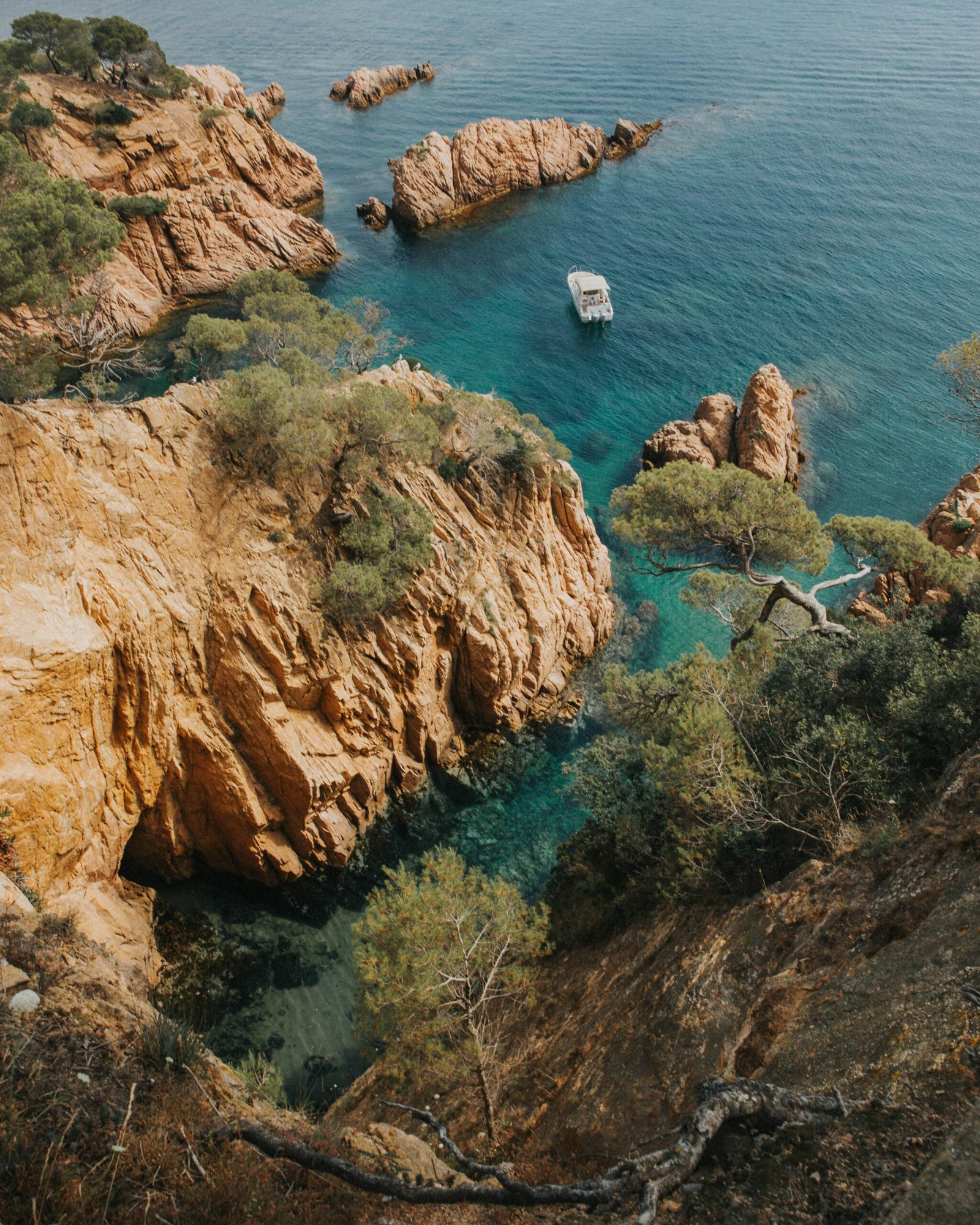
Yoga Retreats in Spain in Summer 2026
Summer in Spain is the season of full Mediterranean intensity: June through August brings the country’s warmest seas, longest days, strongest sunshine, and the most social travel atmosphere of the year, but also the highest heat and the biggest crowds. It is a strong fit for travelers who want outdoor yoga, beach time, island energy, and late-evening summer rhythm, especially if they plan strategically and lean toward the coast, the Balearics, the Canary Islands, or cooler northern regions when the mainland gets too hot.
Share This Article


Yoga Retreats in Spain in Summer 2026
Summer in Spain represents Mediterranean lifestyle at full intensity—hot temperatures across most regions, peak tourist season, warm seas, extended daylight, and Spanish vacation culture dominating. This is the season that defines Spain’s global image: beach life, late dinners, siesta culture, and outdoor living from dawn through midnight. The reality requires heat tolerance, crowd acceptance, and strategic location choices to thrive rather than merely survive.
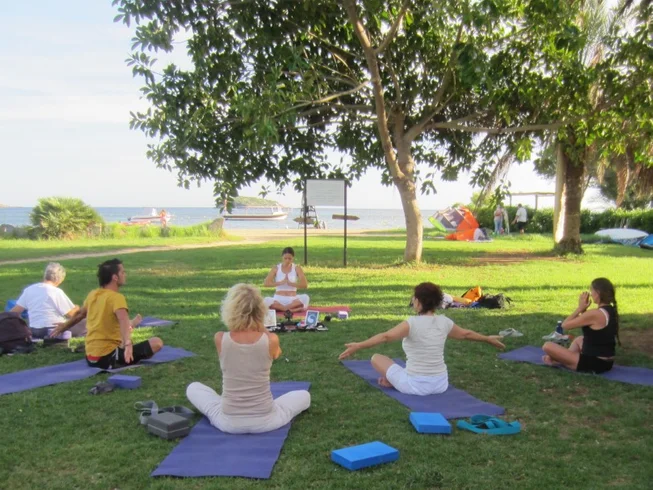
8 Day Private Individual Yoga Holiday in Ibiza, Spain
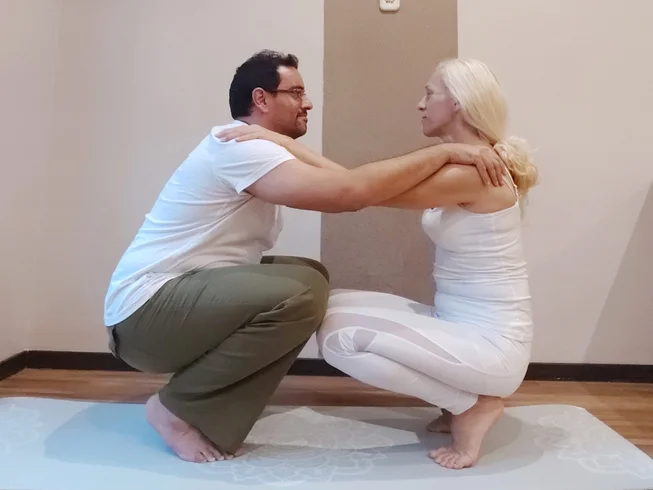
5 Day Private Reconnect Couples Retreat in Benalmádena, Province of Málaga, Spain
8 Day Yoga and Hiking in the Heart of Tramuntana, Spain
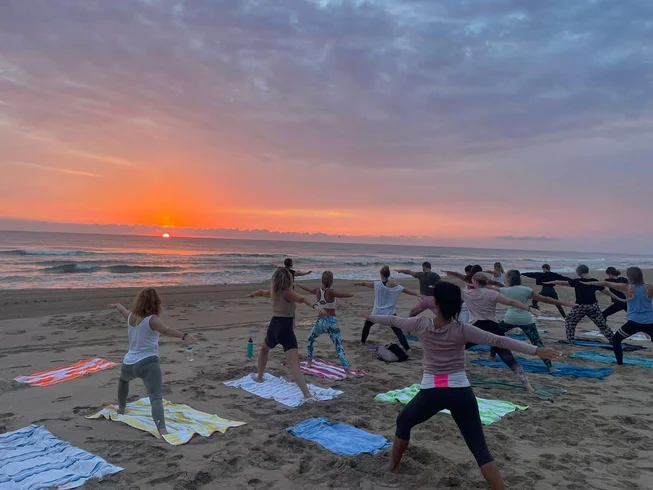
6 Day Mediterranean Beach Yoga Holiday in Valencia, Spain
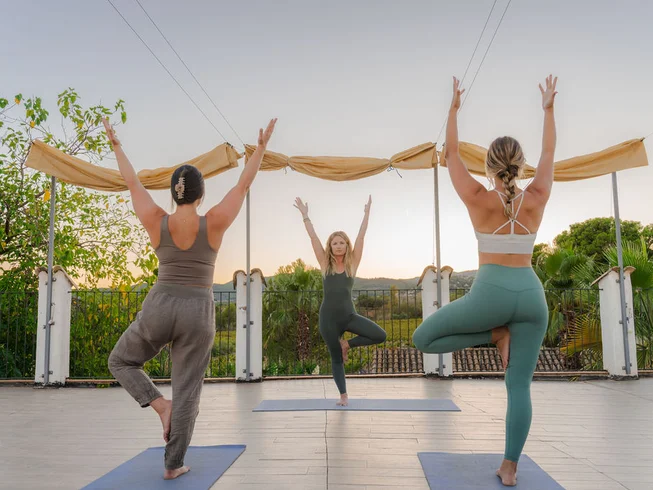
4 Day Chakra Bliss Yoga Retreat with Hike to Waterfalls and Good Food near Barcelona, Spain
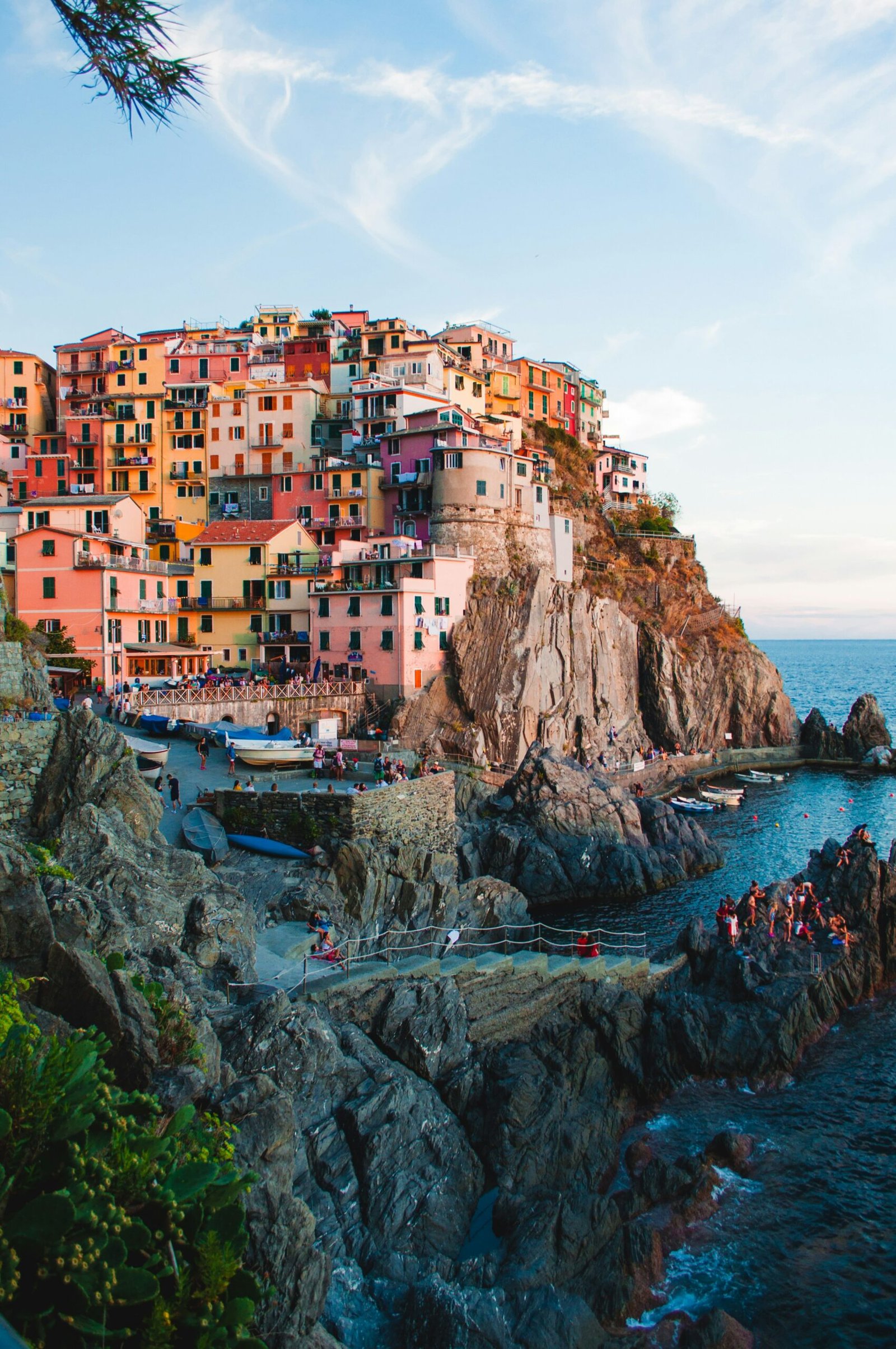
Vegan Yoga retreat, Alicante, Spain
Regional Realities Through Summer
The Canary Islands provide summer’s most moderate conditions—June at 22-27°C, July at 24-28°C, August at 24-29°C. Atlantic breezes moderate heat, ocean proximity provides cooling, wellness infrastructure operates smoothly. This is Spain’s summer escape valve.
Northern coastal Spain (Basque Country, Asturias, Galicia) offers cooler alternatives—June at 18-24°C, July at 20-26°C, August at 21-27°C. Spanish themselves flee north to escape southern heat. San Sebastián, Santander, Galician coast provide sophisticated wellness without overwhelming temperatures.
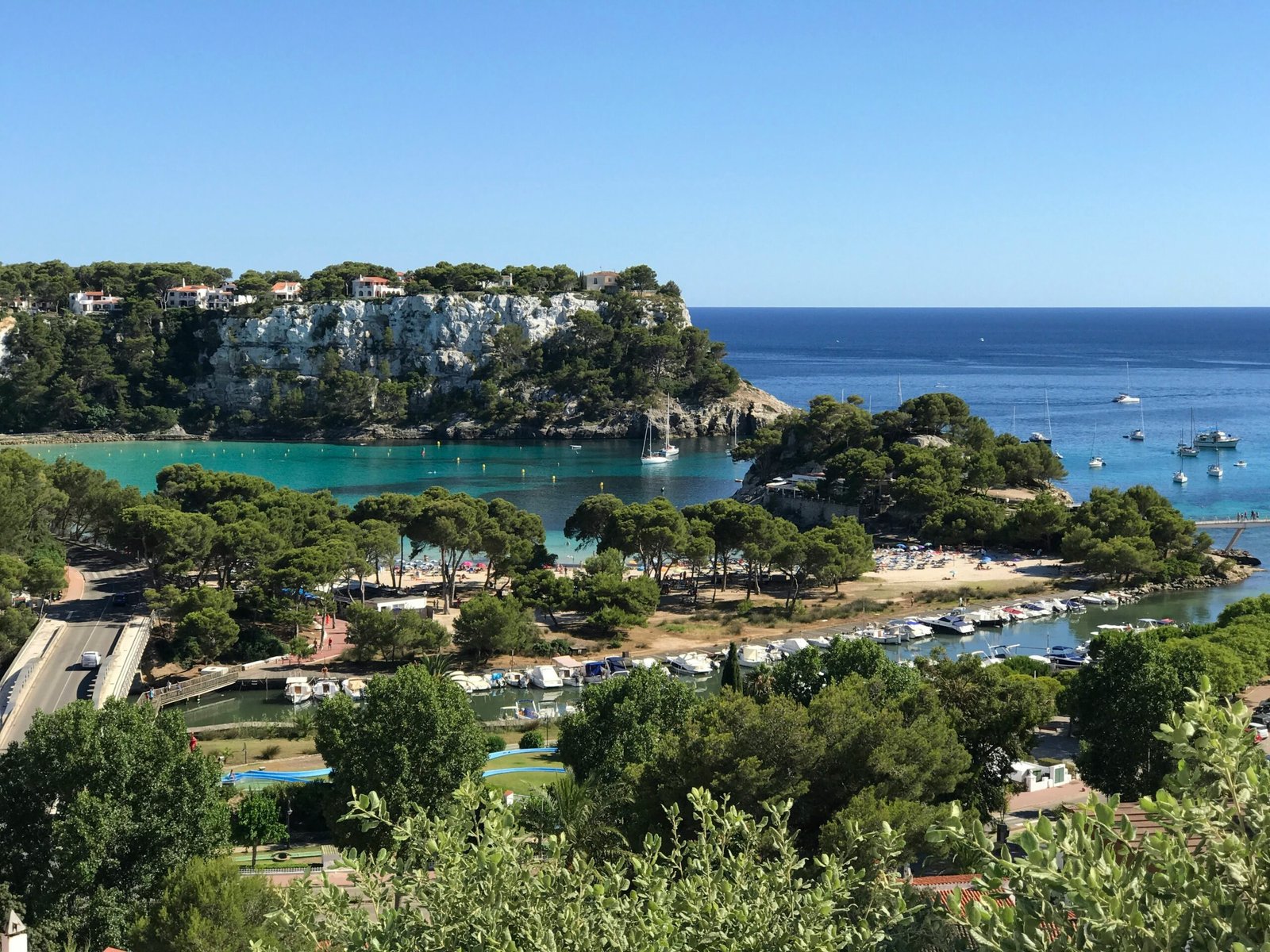
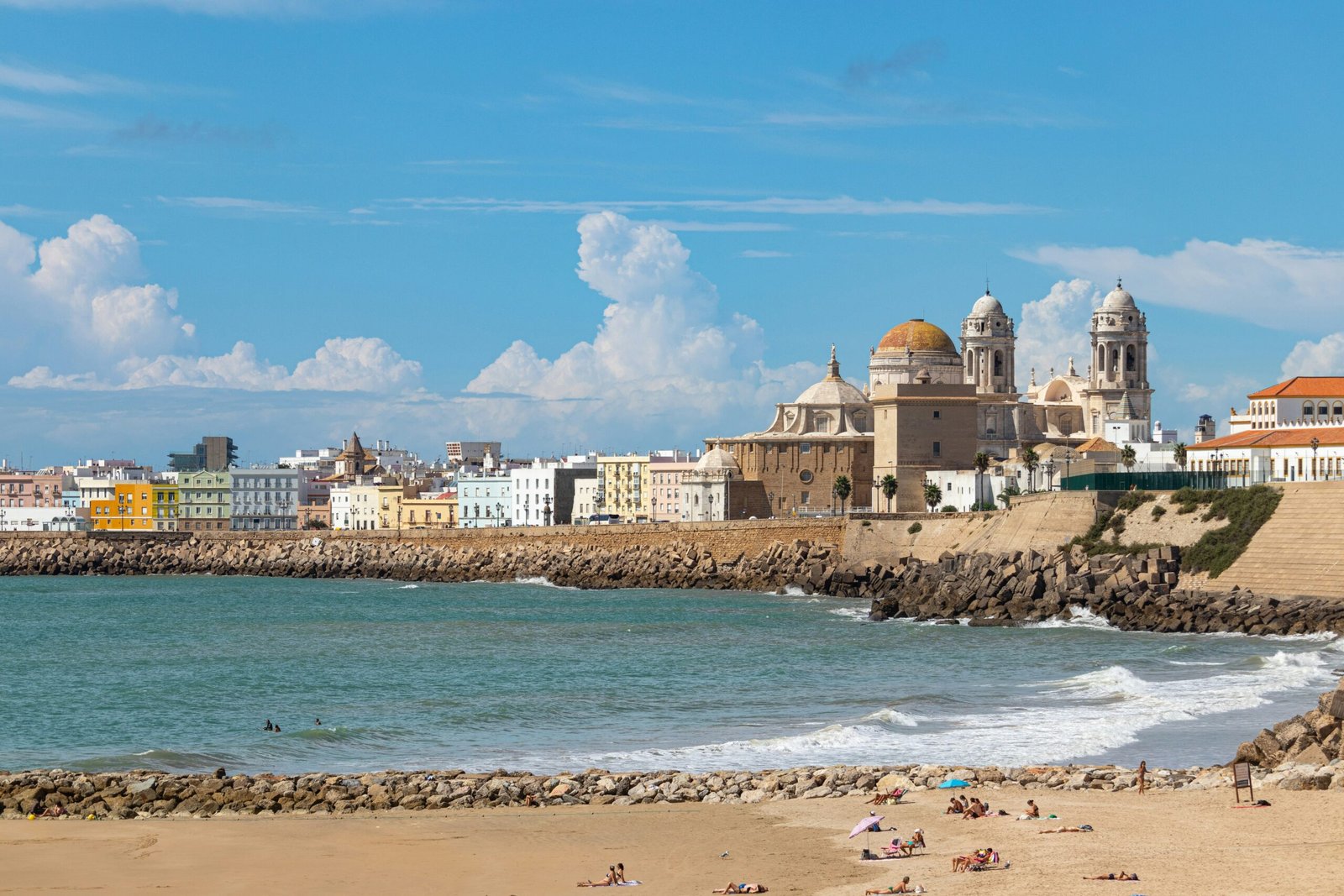
Mediterranean coast experiences full summer—Barcelona, Valencia, Costa Blanca reaching 26-32°C. Manageable with beach access and sea breezes but requires heat tolerance. Inland regions (Seville, Córdoba, Madrid) become extreme at 35-42°C, suitable only for those thriving in intense heat.
Crowds and Pricing Realities
Summer represents peak season with all that entails. June’s first three weeks offer moderate crowds at 5-15% below July-August, late June transitions to peak. July and August bring maximum tourism—beaches packed, accommodations at premium rates (20-40% above shoulder season), restaurants requiring reservations, retreat centers booked months ahead.
The Spanish themselves vacation en masse—schools close late June, August sees entire population seemingly on holiday. Coastal areas reach genuine overflow, cities partially empty, traffic congestion standard. This is the trade-off for guaranteed weather—crowds become unavoidable aspect of summer experience.
Heat-Adapted Programming
Summer requires fundamental program adaptation. Dawn yoga (6-8am) capitalizes on cooler temperatures and stunning light. Midday necessitates pools, air-conditioning, or complete siesta rest. Evening practices (8-10pm) work beautifully with extended twilight.
Water activities transition from supplementary to central—swimming as essential cooling, SUP yoga on calm morning waters, coastal meditation, beachside relaxation dominating schedules. The bathwater-warm seas make extended water time comfortable and necessary.
Cultural activities shift entirely to evening and night—late dinners (10pm-midnight), nighttime city walks, sunset architectural tours. Museums offer evening hours. Indoor meditation, restorative practices, spa time fill midday heat hours.
Summer Cultural Immersion
Summer embodies Spanish lifestyle stereotypes becoming reality. Late meals (10pm-midnight standard), afternoon siestas essential rather than optional, evening paseos, nighttime socializing, beach-centered existence. Mediterranean diet emphasizes cooling foods—gazpacho, watermelon, grilled fish, tomato salads.
Festival season peaks—nearly every town hosts summer fiestas with outdoor concerts, fireworks, traditional celebrations. San Juan (June 23-24) brings beach bonfires welcoming summer. San Fermín in Pamplona (July 6-14) attracts worldwide attention. Summer terrace culture reaches maximum expression with outdoor dining and socializing extending past midnight.
What Makes Summer Challenging and Appealing
Summer challenges: intense heat (24-42°C depending on location), overwhelming crowds, premium pricing, required schedule adaptation. Midday becomes oppressive in most regions, beaches reach capacity, cultural sites crowded, accommodations expensive.
Summer appeals: guaranteed weather, warmest seas, peak Spanish energy, authentic Mediterranean summer immersion, extended daylight allowing flexible scheduling. For those embracing rather than fighting the season, summer delivers Spain at its most quintessentially Mediterranean—the lifestyle that attracts millions despite challenges.
Strategic Summer Planning
Thriving in Spanish summer requires strategic choices: Canary Islands or northern coast for moderate heat, coastal locations for beach access and cooling, early June timing for summer conditions with fewer crowds, accepting heat-adapted schedules, embracing rather than fighting summer’s rhythm.
Premium pricing requires advance booking (3-6 months) and budget acceptance. Heat tolerance becomes prerequisite—those who wilt in temperatures above 28°C should consider other seasons. Crowd acceptance essential—summer Spain means sharing spaces with peak tourism.
FAQs: Yoga Retreats in Spain in Summer 2026
1. Is summer a good season for a yoga retreat in Spain?
- Yes, but it depends on your heat tolerance. Summer offers reliable sunshine, warm water, and excellent conditions for outdoor practice, but it also brings peak crowds and the strongest heat of the year.
2. Which part of Spain is best for yoga retreats in summer?
- The coast, the Balearic Islands, the Canary Islands, and cooler northern regions are usually the strongest choices in summer. These areas make it easier to enjoy outdoor yoga and beach time without the same level of inland heat.
3. Is June better than July and August for a retreat in Spain?
- For many travelers, yes. Early summer usually gives you great weather and warm seas with slightly fewer crowds and slightly better value than the peak intensity of July and August.
4. Is mainland Spain too hot in summer?
- Some parts can be. July and August are especially intense in many inland and southern mainland areas, so travelers who want a gentler experience often do better on the islands or in northern Spain.
5. Are outdoor yoga sessions realistic in Spain during summer?
- Yes. Summer is one of the easiest times for outdoor yoga in Spain, but it is usually best to practice early in the morning or later in the evening rather than in the hottest part of the day.
6. Is summer the most expensive time for yoga retreats in Spain?
- Usually yes. July and August are peak season in many parts of Spain, so prices and demand are often at their highest during those months.
Share Your Thoughts
Your email address will not be published. Required fields are marked *