
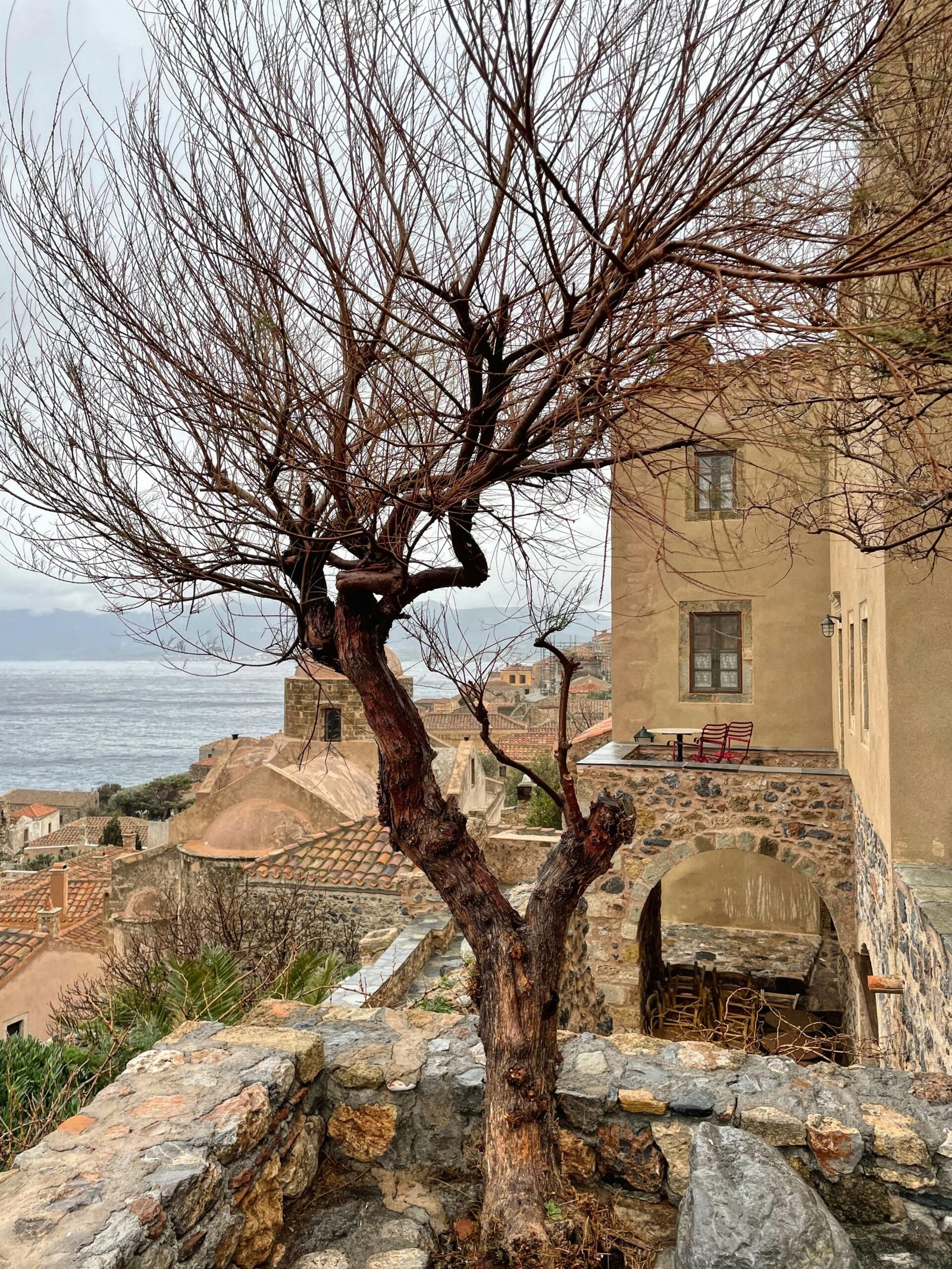
Paros and Naxos sit at the heart of the Cyclades in every sense — geographically central, culturally significant, and possessed of a quality of island life that the more famous names in the archipelago have largely traded away for the returns of mass tourism. They are neighbouring islands, separated by a stretch of Aegean that ferries cross in under an hour, and yet they are distinct enough in character to offer genuinely different retreat experiences — experiences that, for the practitioner with time and curiosity, can be combined into something that neither island alone provides.
Paros is refined, intimate, and immediately beautiful in the way that Cycladic architecture always is but rarely so consistently achieves. Naxos is larger, wilder, more internally varied, and possessed of a self-sufficiency — agricultural, cultural, historical — that makes it feel less like a tourist destination that happens to have a past and more like a place with a genuine identity that tourism has joined rather than created. A retreat on either island, or across both, is an encounter with a version of the Aegean that has retained something the more celebrated islands have spent decades giving away.


If the Cycladic islands have a bohemian heart, it beats strongest on Paros and Naxos. These sister islands—separated by a narrow channel crossed by frequent ferries—occupy a sweet spot in the Greek island landscape. They offer the classic Cycladic aesthetic of whitewashed villages and blue-domed churches, the beaches and crystal waters that draw people to the Aegean, and enough infrastructure to ensure comfort, yet they’ve remained largely free of the overwhelming tourism that’s transformed Santorini and Mykonos into international destinations. What you find instead are islands that retain authentic Greek character while welcoming travelers who seek substance over spectacle.
Our yoga retreats in Greece guide covers the full range of Greek island options for those still deciding.
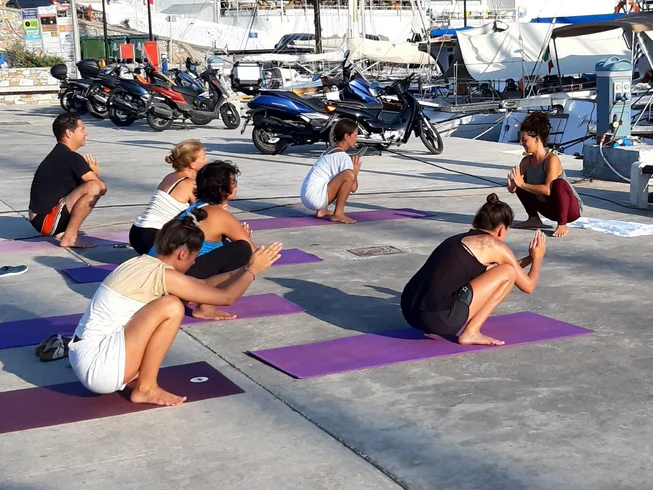
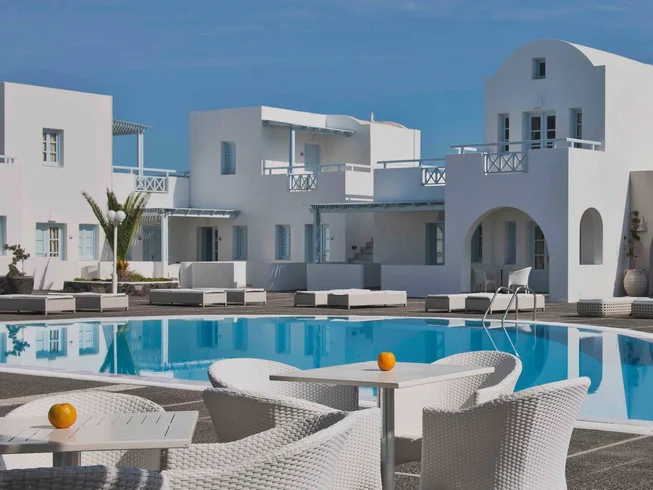
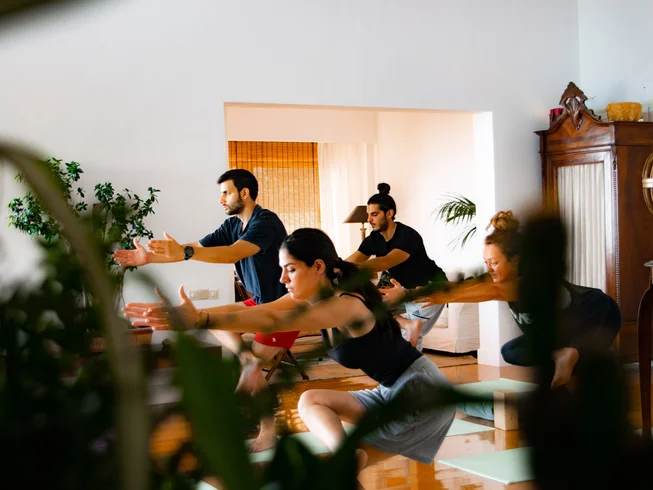
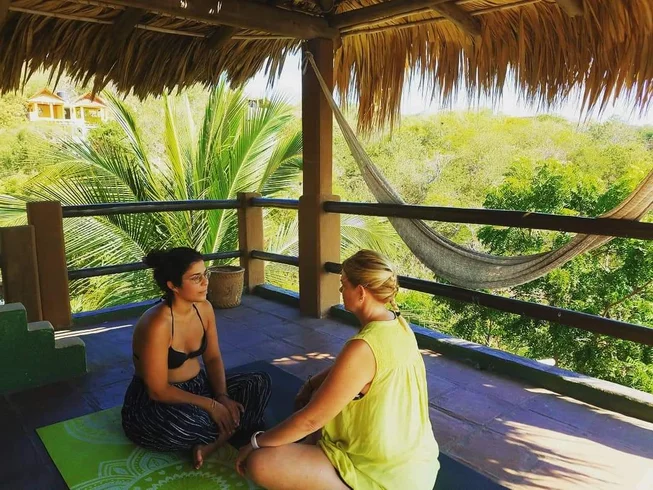
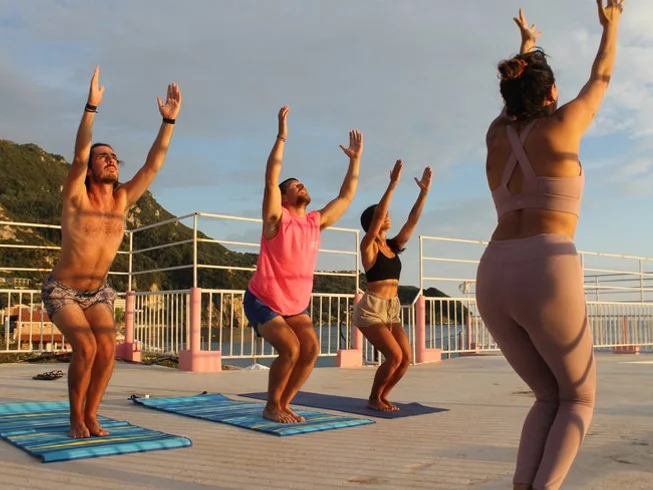
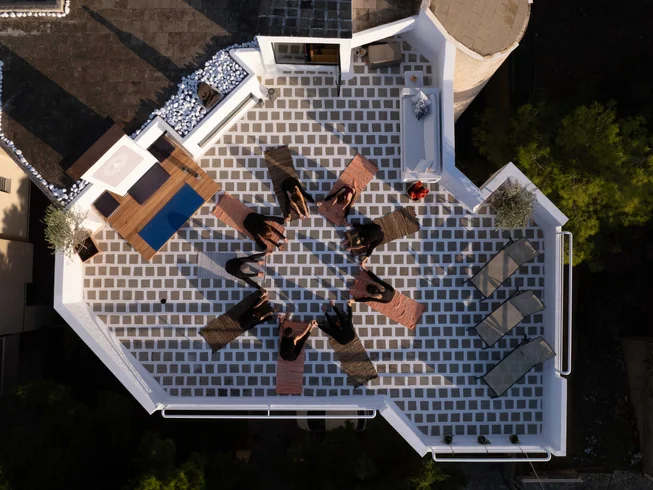
Paros works on the practitioner through intimacy and coherence. The island is small enough to feel knowable within a few days — the marble-paved streets of Parikia, the fishing village of Naoussa with its Venetian castle sitting at the entrance to a harbour that looks almost implausibly perfect, the quiet inland village of Lefkes positioned at the island’s highest point with views across the Aegean that the coastal towns never quite achieve. The landscape here is gentle without being bland, and the quality of light — particular to the Cyclades but somehow more concentrated in Paros than in most of its neighbours — creates practice conditions that feel almost curated. Morning yoga on a Paros terrace, with the marble dust that the island has been exporting since antiquity lending the local stone a luminosity that ordinary limestone doesn’t possess, is an experience that the body registers before the mind has time to appreciate it aesthetically. The island is small enough that there is nowhere to be distracted by, which turns out to be one of the most useful things a retreat environment can offer.
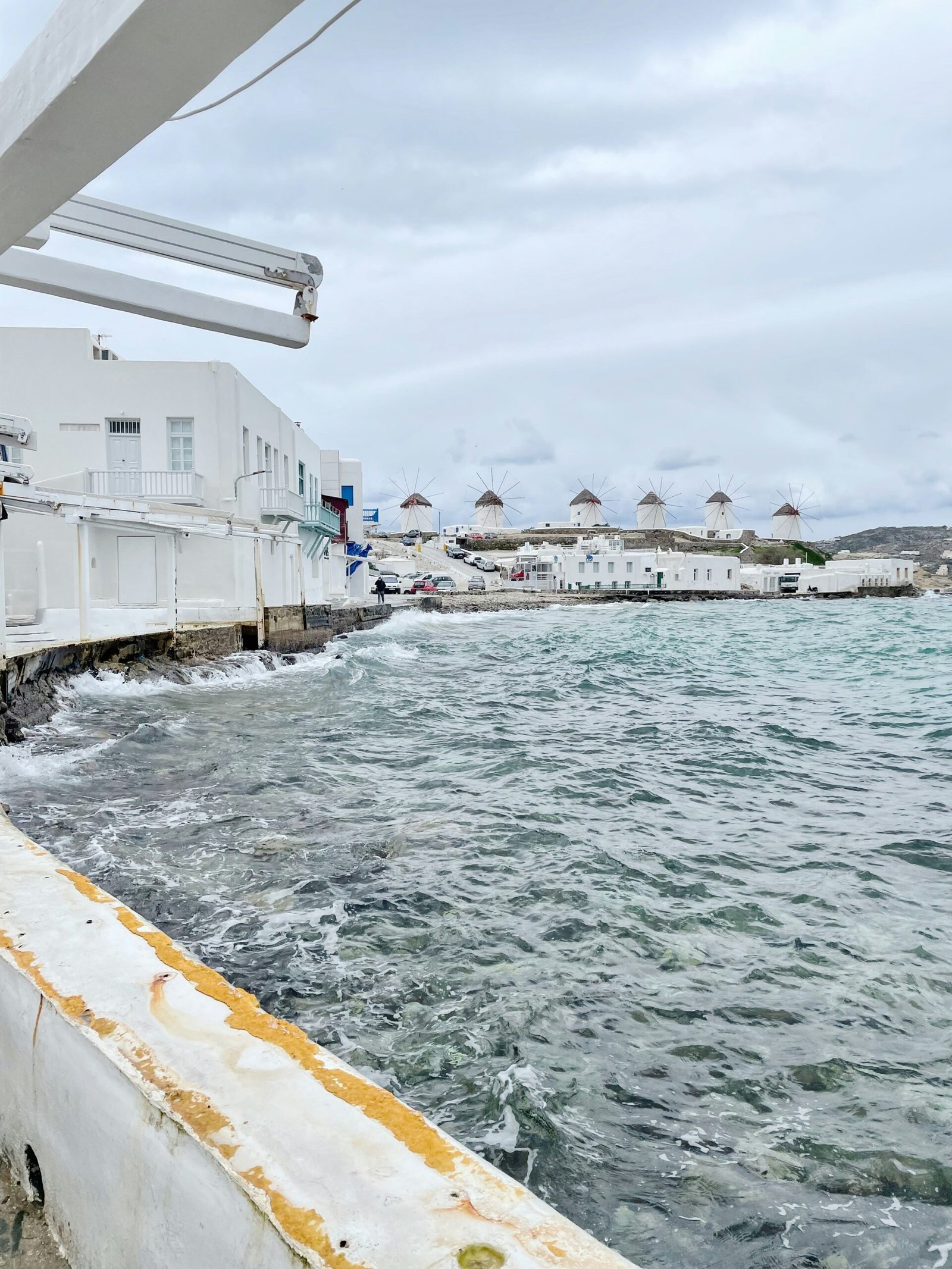
Naxos operates differently and at a different scale. At over 400 square kilometres it is the largest of the Cyclades, large enough to contain genuine geographical variety — beaches that stretch for kilometres on the western coast, mountain villages in the interior where the Venetian towers of medieval noble families still stand above streets where the pace of life has not dramatically accelerated since their construction, and agricultural land that produces the cheeses, citrus, and potatoes that make Naxos the most food self-sufficient island in the Cyclades. Practicing on Naxos requires and rewards a different relationship with space than Paros — the island doesn’t concentrate its gifts in the way that smaller islands do, and finding the retreat within it requires more deliberate navigation. What that navigation produces, for the practitioner willing to do it, is a quality of encounter with the island that feels genuinely earned: the mountain village discovered after a morning walk, the deserted beach found by following a track that the tourist maps don’t prioritise, the particular silence of the Naxian interior at dusk that belongs to a world operating at its own pace entirely.
What distinguishes yoga retreats on Paros and Naxos from more famous islands is scale and ownership. You’re unlikely to find large wellness resorts or international yoga brands here. Instead, the retreat landscape consists of small operations—converted farmhouses accommodating 6-10 guests, family-run guesthouses that host one group at a time, beach properties with a handful of rooms and one yoga instructor living on-site.
This small scale creates intimacy and flexibility. Programs can adapt to group energy and interests. Meals around a shared table foster genuine community. Relationships with hosts become personal rather than transactional. The yoga teacher is often also the cook, the garden tender, and the person who picks you up from the ferry—they’re fully present rather than clocking in for scheduled sessions.
Both islands offer extensive opportunities for outdoor activity that complements yoga practice. Swimming is a daily given—the water is clear, clean, and ranging from gentle to wild depending on location and wind conditions. Many beaches remain remarkably empty even in summer if you’re willing to walk or drive past the most accessible ones.
Windsurfing and kitesurfing on Paros have developed into world-class sports tourism, with several schools offering instruction and equipment rental. The combination of consistent Meltemi winds, varied beach breaks, and warm water creates ideal learning conditions. Some yoga retreats specifically incorporate these water sports, recognizing the natural complementarity between yoga’s focus on breath and balance and the demands of riding wind and waves.
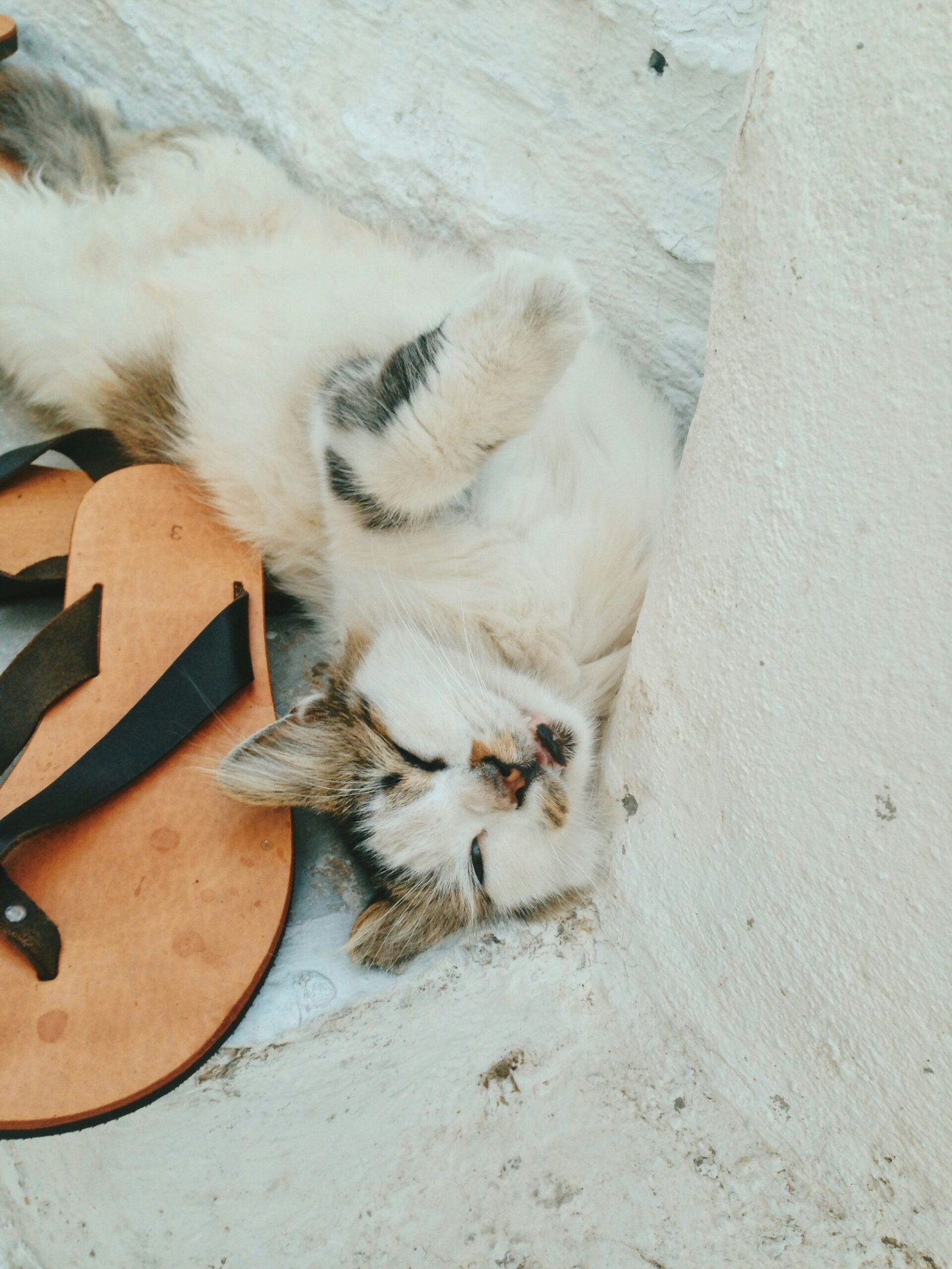
The food on these islands is the strongest argument for choosing them over Santorini or Mykonos. Both islands maintain active agricultural economies, which means retreat meals feature ingredients grown, raised, caught, or produced locally — not as a marketing concept but as a basic operational reality.
Naxos is the most food self-sufficient island in the Cyclades. The potatoes that Greeks consider the finest in the country grow in the Naxian interior soil — small, yellow-fleshed, intensely flavoured, and used at every meal in preparations that elsewhere would use an inferior ingredient. Graviera Naxou is the island’s Protected Designation of Origin hard cheese — sweet, nutty, and aged in wheels that weigh 6-8 kilograms, produced from sheep’s and cow’s milk in the mountain villages of the interior. Eaten in a thin slice alongside the local thyme honey, it is the Naxian breakfast at its most specific. Arseniko Naxou is the sharper, saltier aged variety — harder, more pungent, and the cheese that serious Greek cheese buyers seek out at the island’s dairy cooperatives.
Naxian loukoumades — fried dough balls drenched in local thyme honey and sesame seeds — are the island’s street food and specifically worth eating at one of the hole-in-the-wall shops in Naxos Town’s old market rather than at a tourist-facing café.
On Paros, the local tavernas of Lefkes and the smaller villages away from the port serve simple dishes made from the same ingredients that the surrounding farms produce: fresh fish from the Aegean, lamb from the island’s hillside flocks, and horta (wild greens, including amaranth and mustard greens gathered from the fields) dressed with local olive oil and lemon. The Paros wine — produced from indigenous Monemvasia and Mandilaria grape varieties in small quantities — is rarely exported and worth drinking specifically on the island.
May and June are the best months on both islands. May offers them at their greenest and quietest — the tourist infrastructure is operational but not overwhelmed, temperatures are warm enough for comfortable outdoor practice and Aegean swimming without the intensity of high summer, and the quality of morning light is exceptional even by Cycladic standards. June is reliably warm, still manageable in terms of crowds, and offers days long enough to make full use of everything both islands provide.
September is the other strong option — the sea at its warmest annual temperature (24-25°C), a significant reduction in visitor numbers compared to August, and a quality of unhurried ease that the islands recover quickly once the peak season pressure releases. Our yoga retreats in Greece in September guide covers what September looks like across the Greek islands.
July and August are genuinely beautiful but genuinely crowded. The Meltemi wind is at its strongest — up to 40-50 km/h on exposed days — and the ferry connections that make island-hopping convenient also bring significant numbers of visitors. The retreat practitioner who chooses these months should select a property and location that creates enough insulation from the peak season noise to allow genuine practice.
Late October through April: most retreat centres close or reduce programming significantly. The islands in winter are quiet, occasionally stormy, and have a stripped-back quality that suits inward-facing retreat formats for those who seek them out specifically.
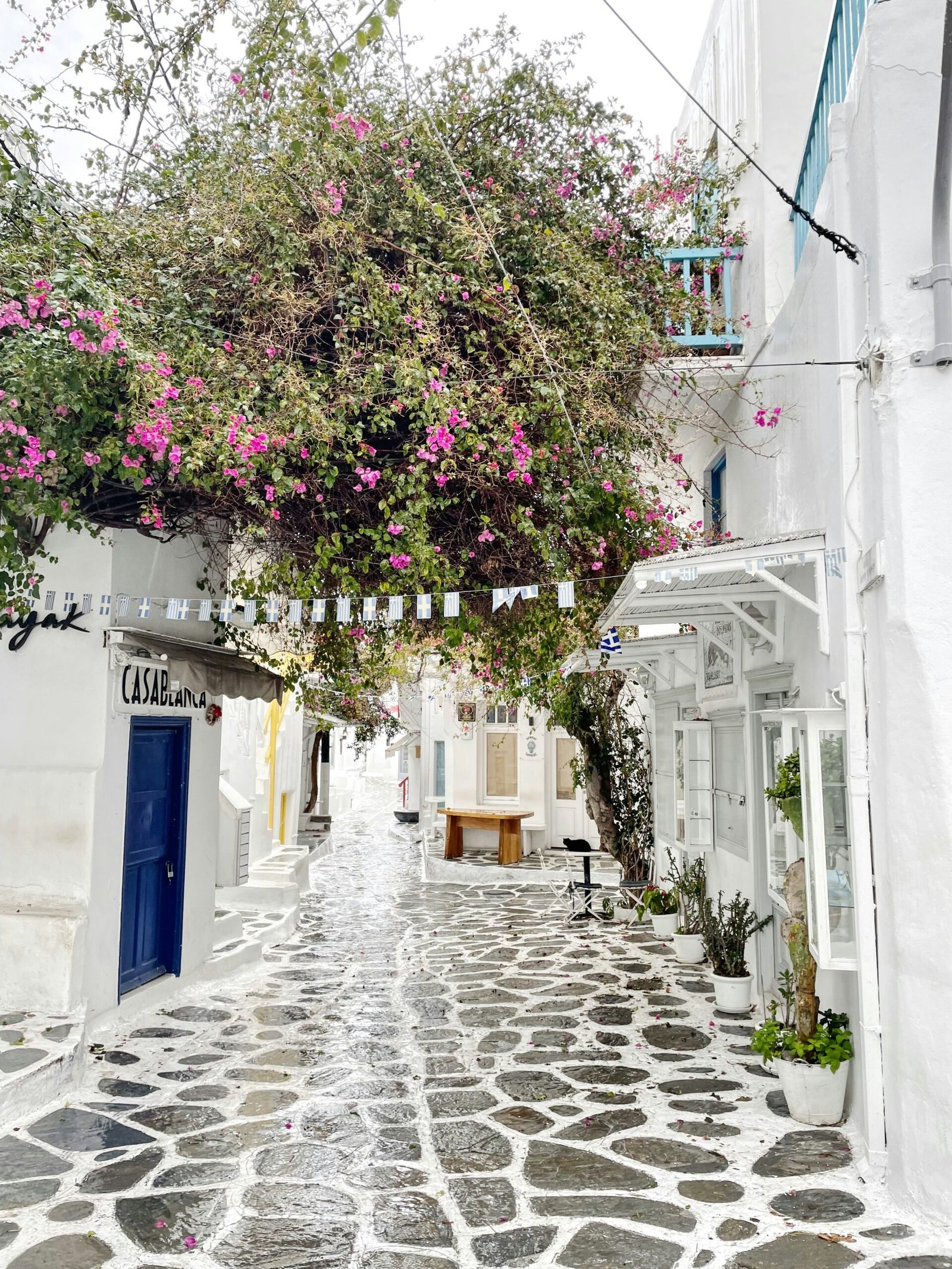
By ferry from Athens: From Piraeus port, high-speed ferries reach Paros in 3-4 hours and Naxos in 3.5-4.5 hours. Conventional ferries take 4-5 hours to Paros and add 30-45 minutes for Naxos. Blue Star Ferries and Hellenic Seaways both serve the route year-round. Booking in advance is essential for peak season (July-August).
Between the islands: Paros to Naxos takes 30-45 minutes by ferry — frequent departures make a combined retreat across both islands logistically straightforward. The short crossing is worth treating as part of the retreat experience rather than a transport inconvenience.
By air: Both islands have airports with seasonal direct flights from Athens and some European cities in summer. Paros Airport (PAS) and Naxos Airport (JNX) are small and limited in winter connections — Athens is the hub for year-round access.
On the islands: Scooters and ATVs are the standard rental for independent island exploration — both islands have winding roads that reward slow travel. Most retreat centres arrange ferry and airport pickups; confirm this when booking.
Your email address will not be published. Required fields are marked *