
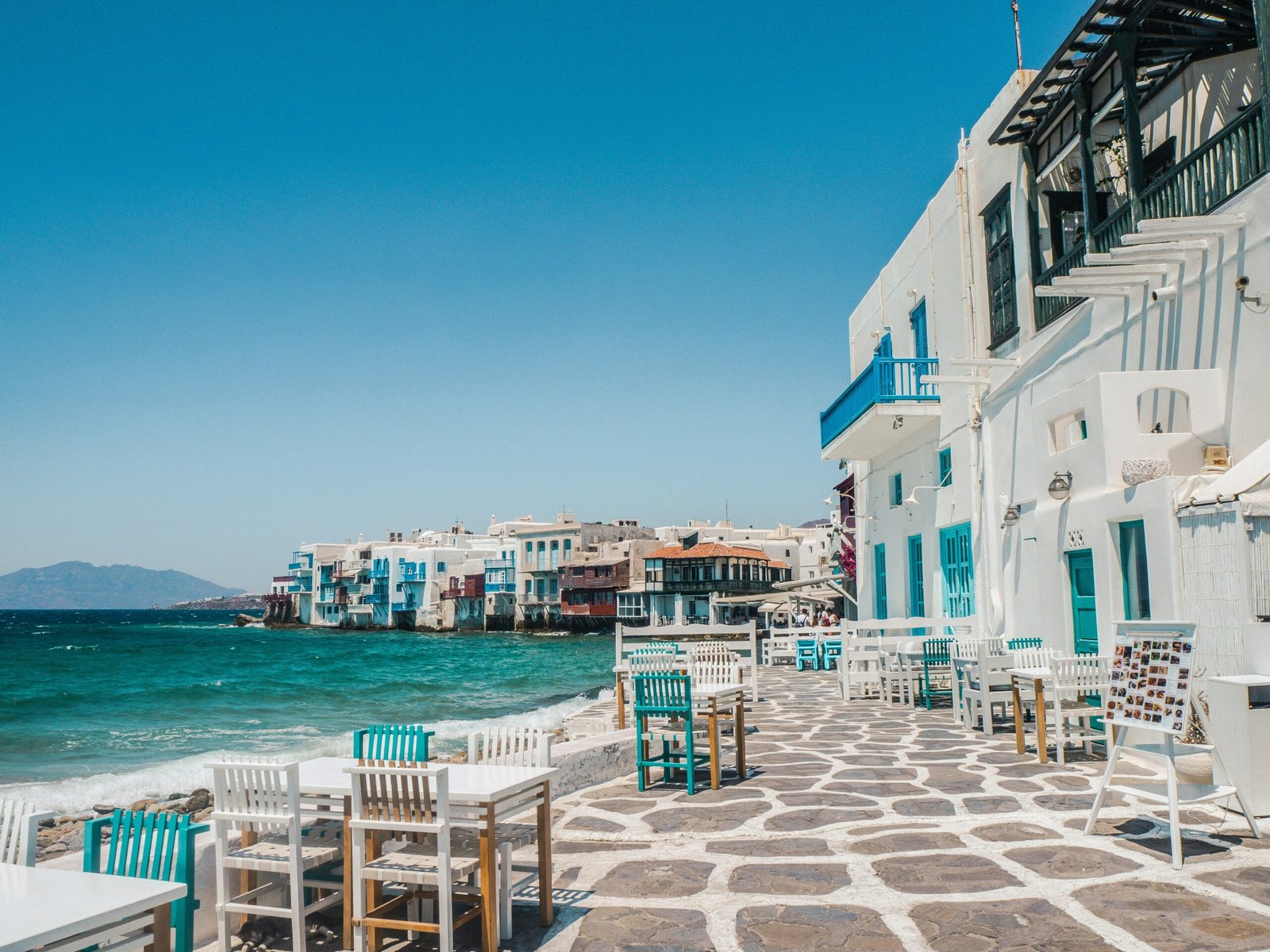
Mykonos has a reputation that precedes it so loudly it can be difficult to hear anything else — the parties, the crowds, the particular brand of high-gloss Mediterranean leisure that has made it one of the most photographed and most visited islands in the world.
A yoga retreat here is, in that sense, a deliberate act of counterculture: choosing stillness inside one of Europe’s most reliably overstimulating destinations, and discovering that the island, beneath its seasonal performance, has something quieter and more substantial to offer.
The same Cycladic light that fills the beach clubs fills the morning practice space. The same Aegean that carries the party boats at midnight carries nothing but silence at dawn. Mykonos rewards the people who wake up early and stay present, and a retreat is precisely structured to be both of those things.


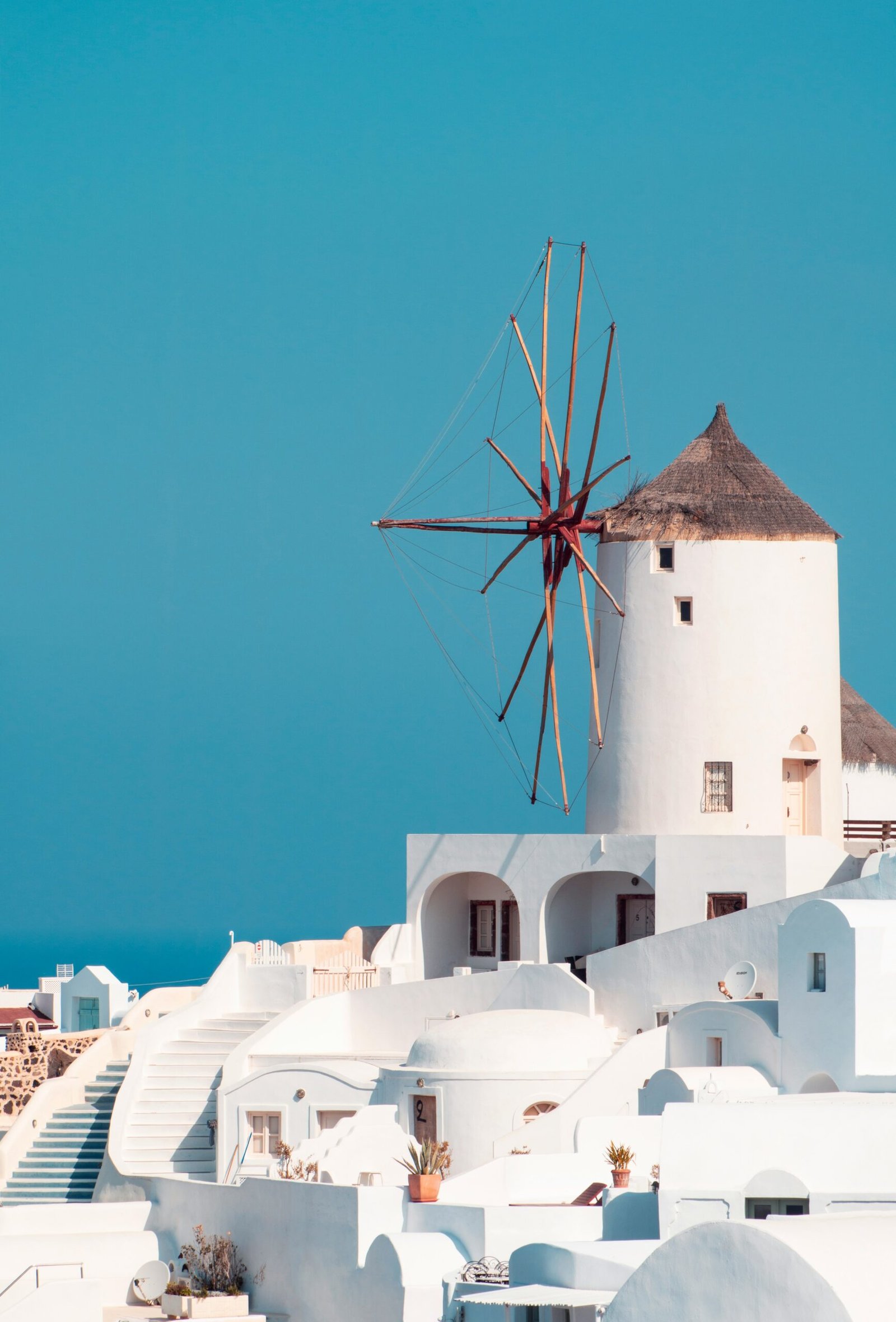
Mention Mykonos and most people conjure the same images: whitewashed cube houses stacked like children’s blocks against shocking blue sky, the iconic row of windmills standing sentinel above Chora, beach clubs where champagne flows and DJs spin until dawn, celebrities arriving on yachts the size of apartment buildings. The island has cultivated a reputation as the Mediterranean’s premier party destination, the place where Europe’s beautiful people gather to see and be seen.
But Mykonos holds a secret that its party reputation obscures: beneath the glamour and noise, there’s an island of stark beauty, ancient sacred sites, and surprisingly profound quiet. The same dramatic light that attracts photographers also creates conditions for deepening spiritual practice. The same wind that’s powered those famous windmills for centuries teaches lessons about steadiness and flexibility. And the infrastructure built to serve luxury tourism—excellent hotels, sophisticated dining, easy accessibility—can also support exceptional wellness experiences for those who know where to look and when to visit.
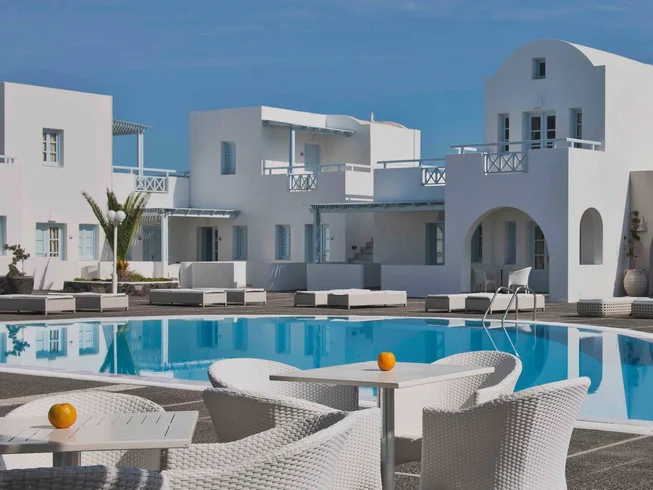
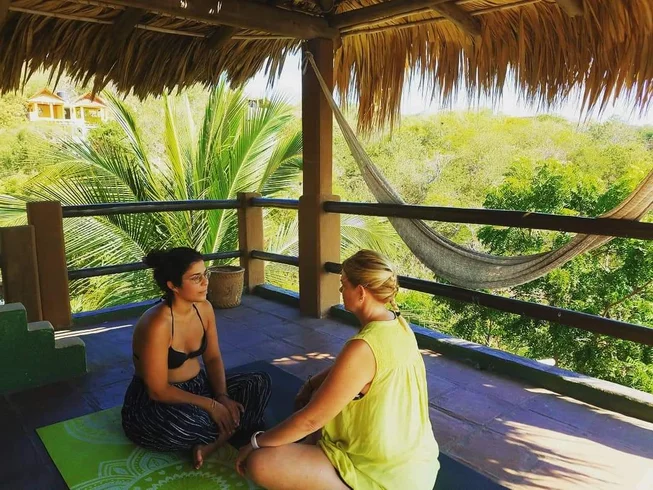
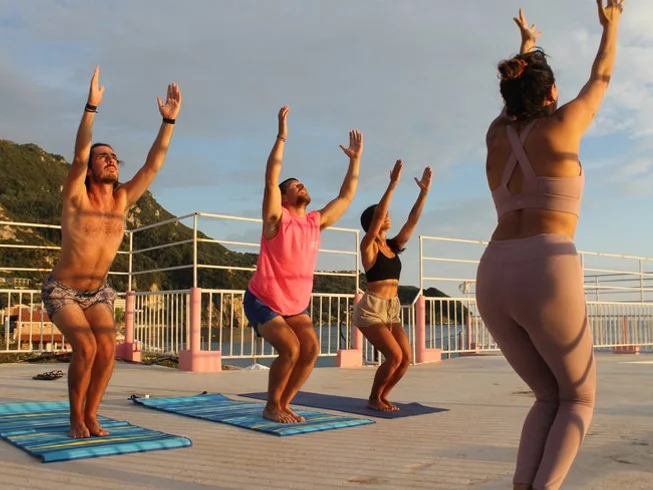
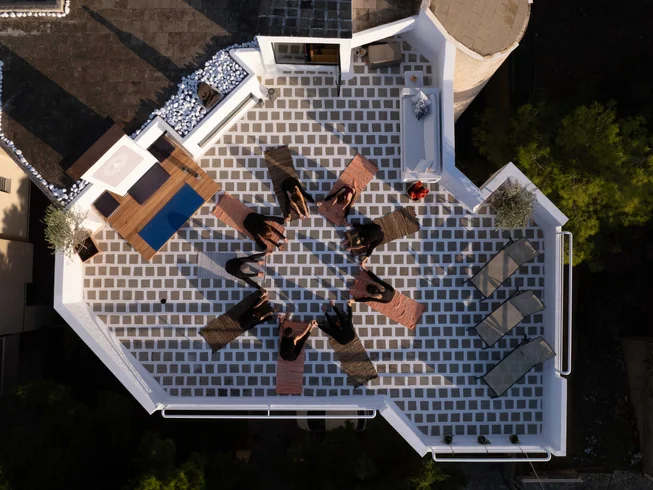
Where Crete offers authenticity and Santorini provides drama, Mykonos delivers refined luxury. This is the island for yoga retreats that don’t ask you to sacrifice comfort for spiritual practice, that understand wellness can include excellent linens, beautiful design, and food that’s both nutritious and delicious. The hotels and retreat centers here have learned from decades of serving discerning international travelers, and that expertise shows in every detail.
Typical retreat accommodations occupy boutique hotels or private villas with infinity pools overlooking the Aegean, spa facilities offering everything from hot stone massage to cryotherapy, yoga studios with floor-to-ceiling windows and state-of-the-art sound systems, and rooms designed by people who understand that aesthetics affect wellbeing. Expect crisp white linens, locally made toiletries, fresh flowers daily, and the kind of thoughtful touches—a bottle of local herb tea in your room, organic snacks, blackout curtains for restorative sleep—that distinguish truly excellent hospitality.
Yoga Styles and Program Structure
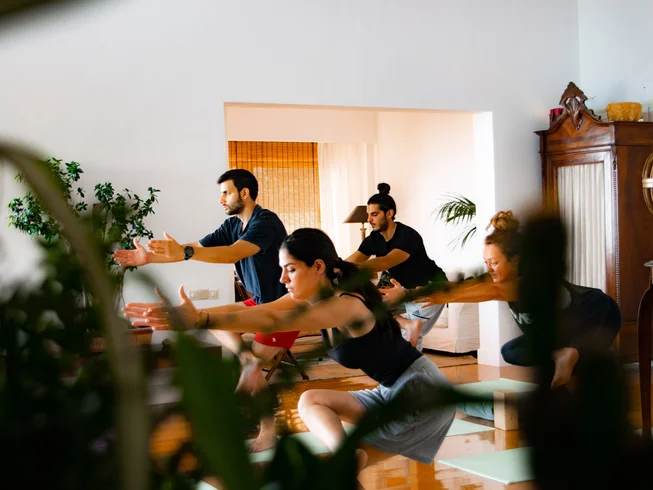
Mykonos retreats tend toward contemporary yoga styles and wellness programming that reflects current trends in the international yoga community. Vinyasa flow, power yoga, yin and restorative practices, along with complementary offerings like Pilates, barre, and various meditation techniques are common. Instruction often comes from internationally recognized teachers who bring diverse training backgrounds—Ashtanga lineages mixed with alignment-based approaches, pranayama techniques blended with modern breathwork, traditional meditation alongside contemporary mindfulness practices.
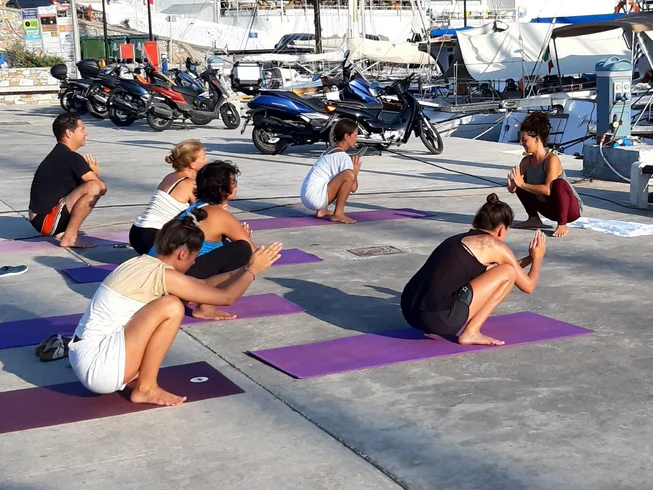
No discussion of Mykonos yoga practice is complete without addressing the Meltemi — the strong northerly wind that sweeps across the Aegean through summer months, particularly July and August. This isn’t a gentle breeze; it’s a powerful, consistent force that can reach 40-50 kilometres per hour or more, making outdoor practice challenging and teaching profound lessons about steadiness, adaptability, and the relationship between effort and ease.
Practising yoga in strong wind requires you to engage your core more actively, to find your foundation more precisely, to accept that some poses simply won’t happen the way they would in still air. Tree pose becomes an advanced balance challenge. Any inversion risks becoming unintentional flight. Even mountain pose demands attention and engagement. It is frustrating and humbling and, ultimately, valuable, a reminder that practice is not about achieving perfect external forms but about meeting present circumstances with awareness and skilful response.
May and early June are the best months for a Mykonos retreat. Temperatures of 20-25°C, the island operating at a pace that actually supports retreat life — tavernas unhurried, beaches accessible without competition, and the quality of stillness available in the early morning genuine rather than stolen from the edges of a very loud night. The sea is still cool (18-20°C) but swimmable, and the Cycladic wildflowers on the inland paths are still present.
September is the other strong choice. The sea has been warming since June and reaches its most inviting temperature (24-25°C) precisely when the crowds have thinned enough to enjoy it. Accommodation prices drop noticeably from the August peak, the retreat centres have availability, and the island is returning to itself after the summer. For everything September offers across Greece, our yoga retreats in Greece in September guide covers the full picture.
July and August remain possible but require a retreat that manages the noise, heat (28-32°C), and stimulation of peak season with unusual intentionality. The Meltemi wind is at its strongest in these months, which changes the outdoor practice experience significantly. If you visit in peak summer, choose a retreat specifically positioned away from the main party beaches of the western coast.
October is the quietest month with excellent sea temperatures still holding at 22-23°C and the golden autumn light that makes the Cyclades specifically beautiful. Many retreat centres reduce their programming in October before closing for winter, so confirm availability early.
November through April: most retreat centres close. A handful operate for those seeking complete solitude and the raw Cycladic landscape without the summer overlay.
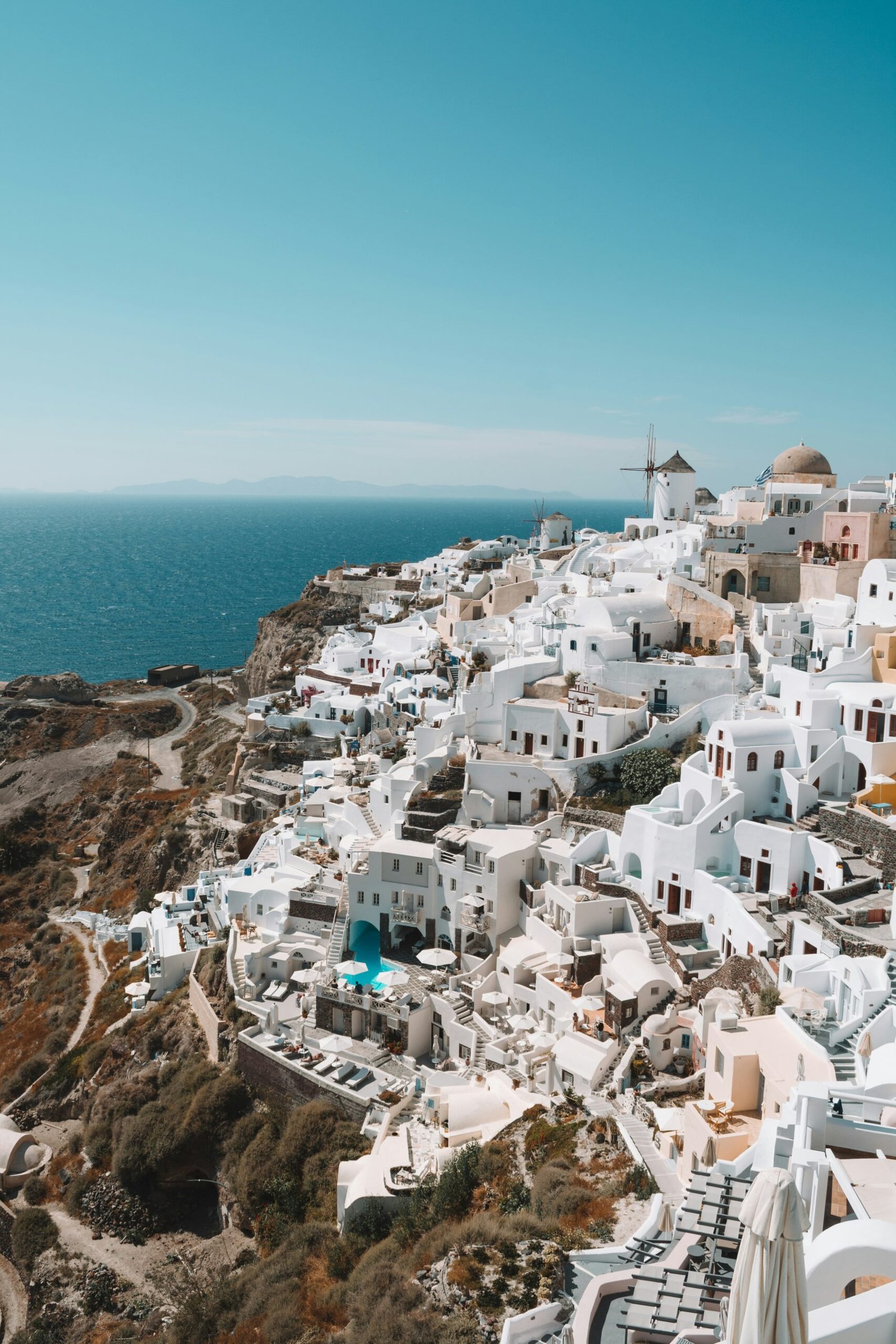
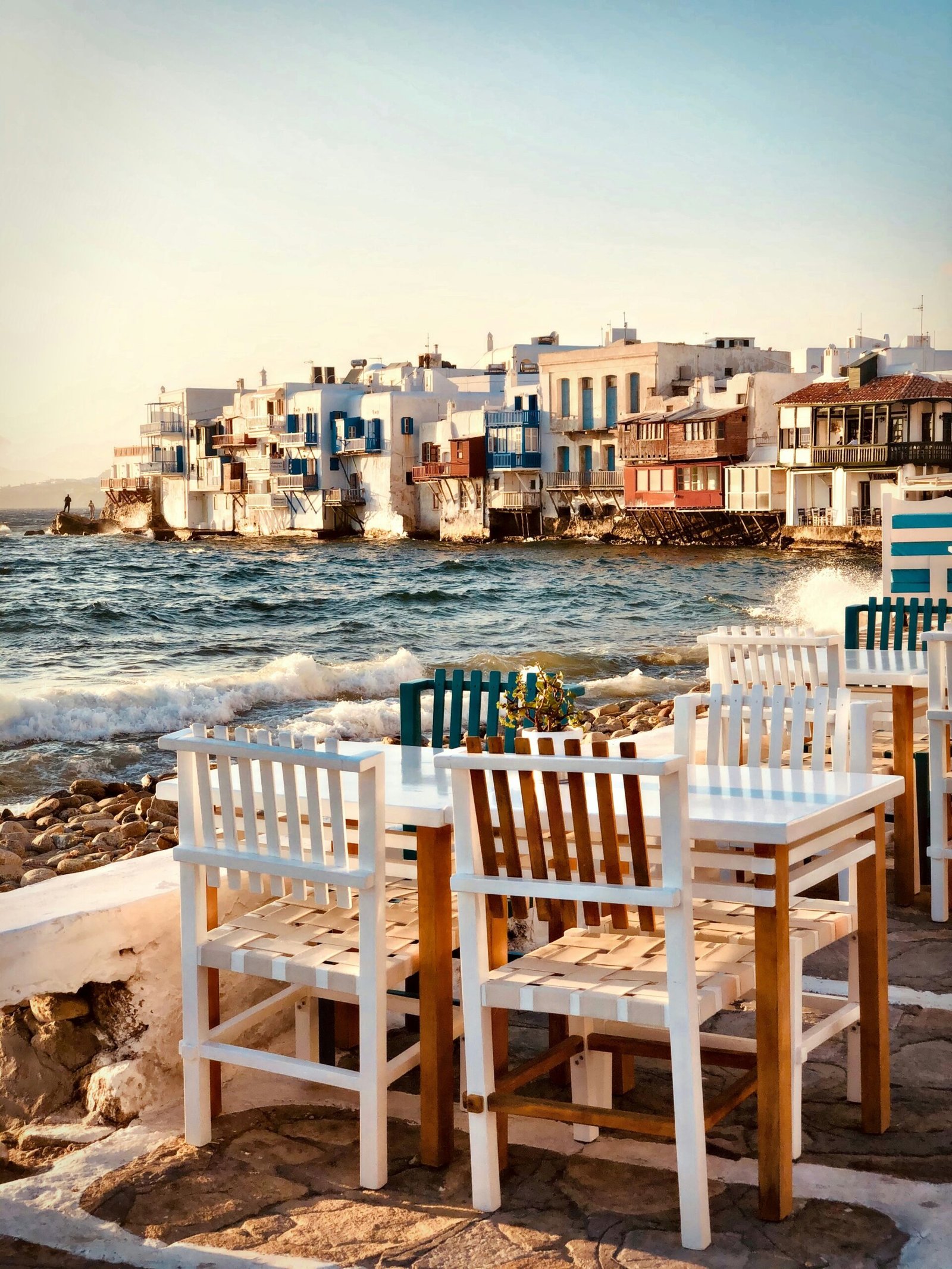
Mykonos works well for travellers who value excellent service and amenities, who want their yoga practice supported by luxury rather than rustic simplicity, who appreciate sophisticated environments and good food, and who can afford premium pricing. It suits experienced practitioners who know what they need, and those combining wellness with other activities — the island has excellent restaurants, cultural sites, and accessible beaches for those who want a broader week.
Mykonos is not ideal for budget-conscious travellers, those seeking authentic rural Greek life, or anyone who wants deep community building with other retreat participants in a focused, contained setting. It also challenges those who struggle with wind, heat, and the energy of a cosmopolitan resort destination. If what you are looking for is Crete’s grounded landscape or Santorini’s volcanic drama, yoga retreats in Crete or the yoga retreats in Santorini pages cover those options. For the full Greece picture, our yoga retreats in Greece guide covers every destination.
Mykonos has been many things across its history before it became a byword for a specific kind of European summer excess — a working fishing community, a significant stop on ancient Aegean trade routes, an island whose windmills and Cycladic architecture tell a story of practical ingenuity rather than decorative intent. That older Mykonos still exists, and a retreat is one of the few formats that gives you genuine access to it.
The inland village of Ano Mera, built around a monastery that has been standing since the sixteenth century, operates at a pace and a temperature that the port’s chaos never reaches. The northern coastline, largely bypassed by the beach club circuit, offers stretches of clean Aegean and raw Cycladic landscape that belong to a completely different island from the one that fills the Instagram grid. Early mornings anywhere on Mykonos — before the night has fully ended for some and the day has properly begun for others — reveal a silence and a light quality that the island’s reputation makes it easy to assume don’t exist. They do. A retreat is structured precisely to find them, and to build a week of genuine practice inside the version of Mykonos that most visitors never encounter.
The food on Mykonos has improved significantly in recent years — the luxury tourism infrastructure that drives the island’s prices also drives genuine culinary ambition, and the combination of local Cycladic ingredients with internationally trained chefs produces some of the better eating in the Greek islands.
Kopanisti is the cheese most specific to Mykonos — a sharp, spicy, fermented cheese made from local cow’s and sheep’s milk that has been produced on the island for centuries and is eaten as a mezze spread on bread or as a component in salads. The island’s Protected Designation of Origin status for kopanisti means that what you find here is the genuine article. It appears at any taverna that takes its local sourcing seriously, and it is worth ordering specifically.
Louza is the island’s cured pork — thin slices of pork loin marinated in red wine, pepper, and spices before drying and curing in the traditional manner. It appears as a mezze alongside the kopanisti and the local olives, and the combination of the three with good bread and a glass of Cycladic white wine is the Mykonos aperitivo that the beach clubs have not yet colonised.
Fresh fish and octopus from the Aegean are at their best at the traditional tavernas of the old port rather than the restaurant terraces of Little Venice. The octopus hung on the washing lines to dry in the sun before being grilled is one of the visual signatures of the island, and the version eaten at a simple table with olive oil and lemon at a port taverna is the correct approach. Avoid the restaurants that display their catches behind glass at inflated prices for tourist menus — the quieter fishing-community establishments a few streets back do the same fish for considerably less.
Xtapodi (grilled octopus) with chickpeas, fresh Greek salad with local barrel feta, and grilled sea bream with lemon and olive oil are the dishes that the Mykonos food culture does consistently well. The island’s food scene is less distinctive in its local specialties than Crete or Santorini, but the quality of ingredients and the cooking at the better establishments is genuinely high.
By air: Mykonos Airport (JMK) receives direct flights from Athens (45 minutes, multiple daily on Olympic Air and Aegean), from major European cities in summer (London, Amsterdam, Paris, Milan, Frankfurt), and via Athens connections year-round. In peak season the airport is busy — confirm transfer arrangements with your retreat centre in advance, as taxis can be in short supply on busy arrival days.
By ferry: High-speed ferries from Athens (Piraeus) reach Mykonos in 3.5-4 hours on the fast services. Conventional ferries take 5-6 hours. The ferry is also the connection between Mykonos and other Cycladic islands — Santorini to Mykonos takes 2.5-3 hours by high-speed. The port is in Mykonos Town, walkable to the old town but requiring a taxi or transfer to most retreat properties.
On the island: The island is small enough to cover by ATV or scooter, both widely available for rental. Taxis are limited in number relative to peak-season demand — book them in advance through your retreat centre rather than relying on finding one at the port.
When is the best time for a yoga retreat in Mykonos? May and September are the clear answers. In May, the island is warm, relatively quiet, and operating at a pace that supports retreat life. September offers the same advantages with the addition of a sea at its warmest (24-25°C) and crowds that have thinned enough to enjoy it. July and August are possible but require a retreat that manages the noise and heat of peak season deliberately.
Which areas of Mykonos suit a retreat setting best? The southern and eastern parts of the island — away from Mykonos Town and the main party beaches of the western coast — offer a version of the island that most visitors never find. The inland village of Ano Mera, the island’s quieter northern reaches, and retreat properties set back from the port carry a completely different energy from the tourist circuit. The best Mykonos retreats are positioned here.
Can Mykonos genuinely support serious yoga practice given its reputation? More genuinely than the reputation suggests, provided expectations are calibrated correctly. The island’s party culture is real and concentrated, but it is also geographically and temporally specific — it lives on certain beaches and in certain venues during certain hours. A retreat positioned away from those coordinates barely encounters it. Early mornings on Mykonos are as quiet and as beautiful as anywhere in the Cyclades.
How expensive is a Mykonos yoga retreat? Mykonos rivals Santorini as Greece’s most expensive island. Retreat packages typically range from €1,500 to €3,500 or more for a week, depending on accommodation, season, and inclusions. Peak season commands significant premiums. May and September offer better value for equivalent quality.
Your email address will not be published. Required fields are marked *