Finding Stillness Under the Andalusian Sun

Andalusia invites you into a slower rhythm, where warm light, white villages, mountain silence, and the unhurried pace of daily life make it easier to breathe, soften, and reconnect. In places like the Alpujarras, a retreat becomes less about escaping and more about remembering how to rest, move gently, and find stillness in the quiet between sunlit mornings and long golden evenings.

AUTHOR

Om Away

DATE PUBLISHED

January 16, 2026

CATEGORY

Share This Article

The Kind of Silence That Teaches You Something

It’s always the light that reaches you first.
Andalusia’s sunlight doesn’t just illuminate — it touches. It settles softly on olive leaves, turns whitewashed walls to liquid gold, and pours through open windows with a warmth that feels almost human.

When I arrived here for the first time, I was still living in fast-forward: constant tabs open, always halfway between one thing and the next.
I didn’t come to Andalusia to find stillness — I came because it was sunny, affordable, and promised good yoga.
But stillness has a way of finding you when you stop running from it.

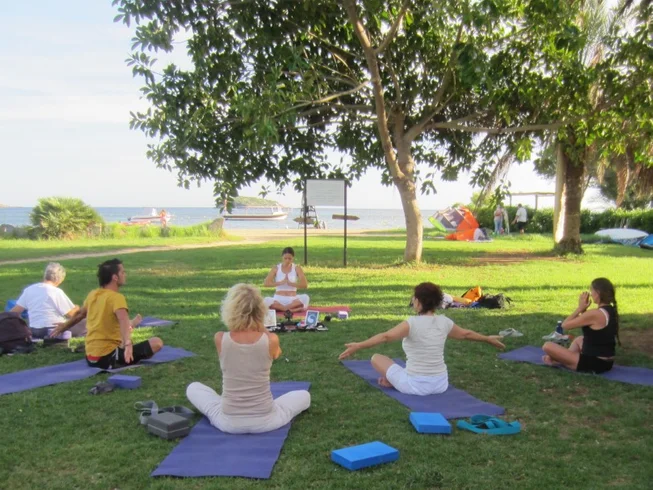
8 Day Private Individual Yoga Holiday in Ibiza, Spain

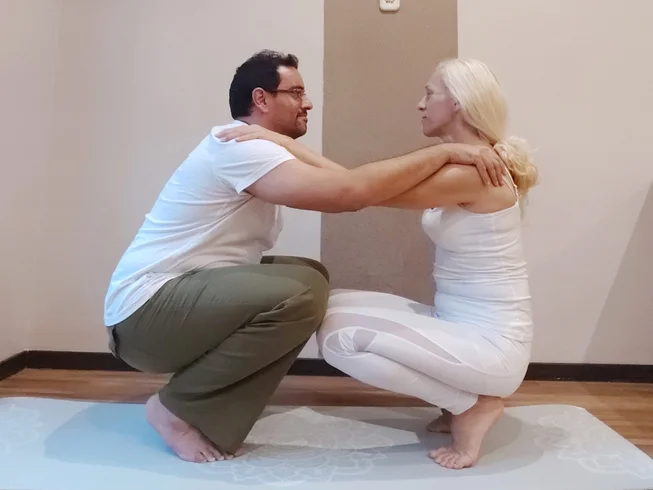
5 Day Private Reconnect Couples Retreat in Benalmádena, Province of Málaga, Spain

8 Day Yoga and Hiking in the Heart of Tramuntana, Spain

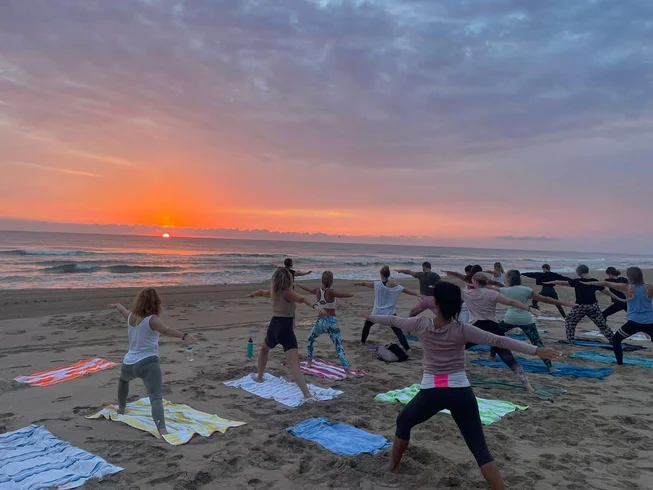
6 Day Mediterranean Beach Yoga Holiday in Valencia, Spain

4 Day Chakra Bliss Yoga Retreat with Hike to Waterfalls and Good Food near Barcelona, Spain

mindfulness nature

Vegan Yoga retreat, Alicante, Spain

Where the Days Move Differently

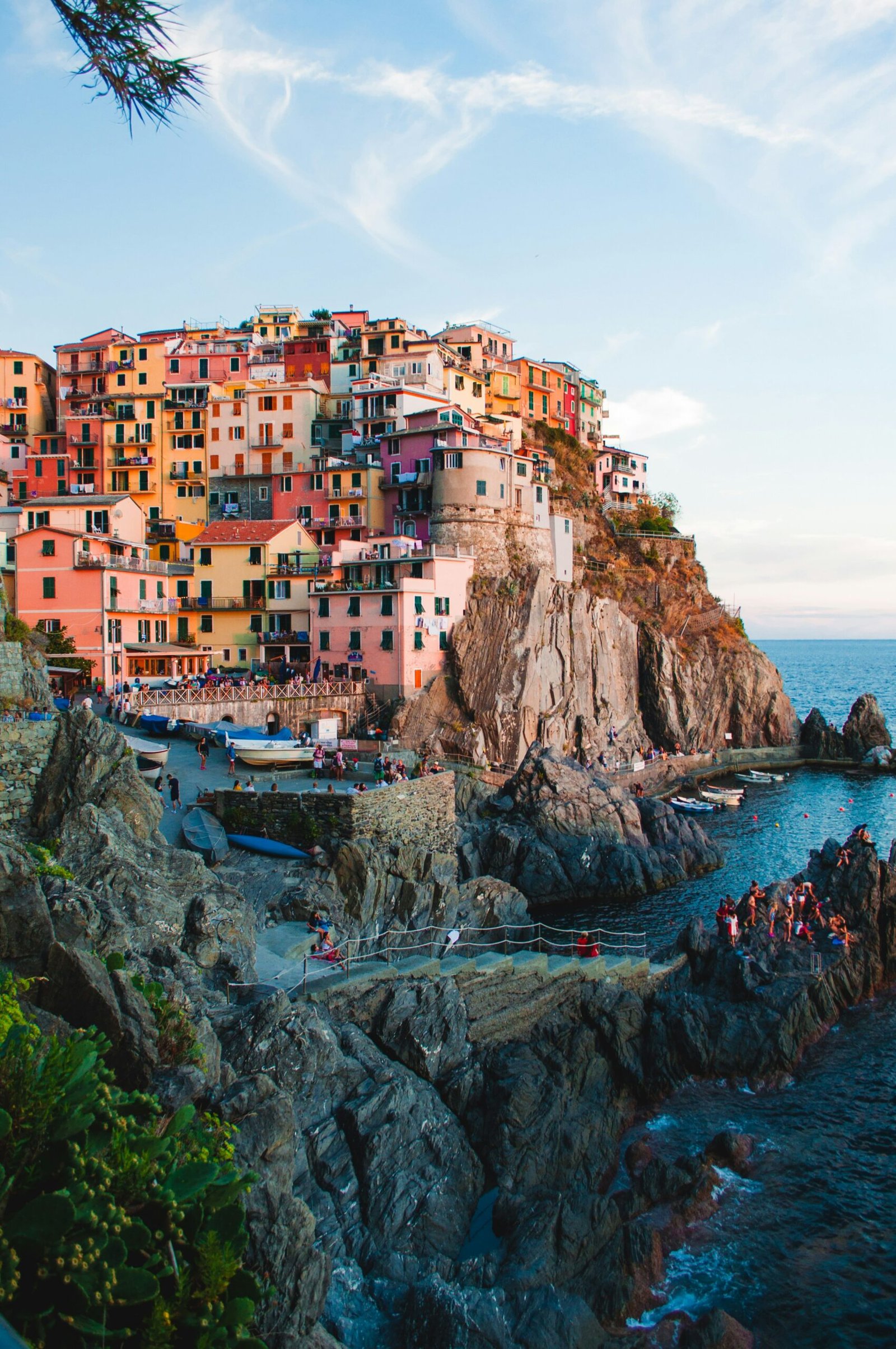
In the Alpujarras, villages cling to the mountains like white brushstrokes. Goats wander through cobblestone alleys. Time thickens.
Mornings begin with distant bells and the smell of bread baking.
If you listen closely, there’s a rhythm — slow, patient, unashamedly local.

Practising yoga here feels less like exercise and more like eavesdropping on nature.
You stretch, and a donkey brays in the distance. You exhale, and olive branches sway as if agreeing with you.
The land itself participates in your breath.

Afternoons are for surrender. The sun hums through the air, soft and heavy, and even the most restless part of you gives up on ambition.
You nap, you read, you stare at mountains doing nothing, and for once you don’t call it lazy. You call it being.

white village in andalusia under warm sunlight for a peaceful retreat

The People Who Live Slowly on Purpose

Andalusians have mastered the art of unhurried living — not out of trend, but tradition.
They don’t schedule rest; it’s woven into the day.
Shops close for siesta, conversations spill past lunch, and coffee isn’t coffee without talk.

At first, it frustrated me. Coming from a culture where rest must be earned, I wanted efficiency — clear timetables, visible progress.
Instead, I got long pauses, delayed plans, and strangers who looked me in the eye as if time were elastic.
Then, somewhere between a shared meal and a slow walk to the village fountain, I realised: their presence was progress.

There’s something revolutionary about people who refuse to rush.
In a world that worships busyness, they remind you that peace isn’t a reward; it’s a way of existing.

Stillness Doesn’t Mean Stagnation

The first few days of a retreat can feel like withdrawal.
Without noise, your mind panics. You reach for your phone, then remember it’s off. You plan imaginary to-do lists, then forget why.
By day three, something softens. Your breath finds its own rhythm. Your body remembers what rest feels like.

Stillness, I learned, isn’t the absence of movement — it’s the return to natural pace.
It’s what happens when you stop dragging yourself faster than life wants you to go.

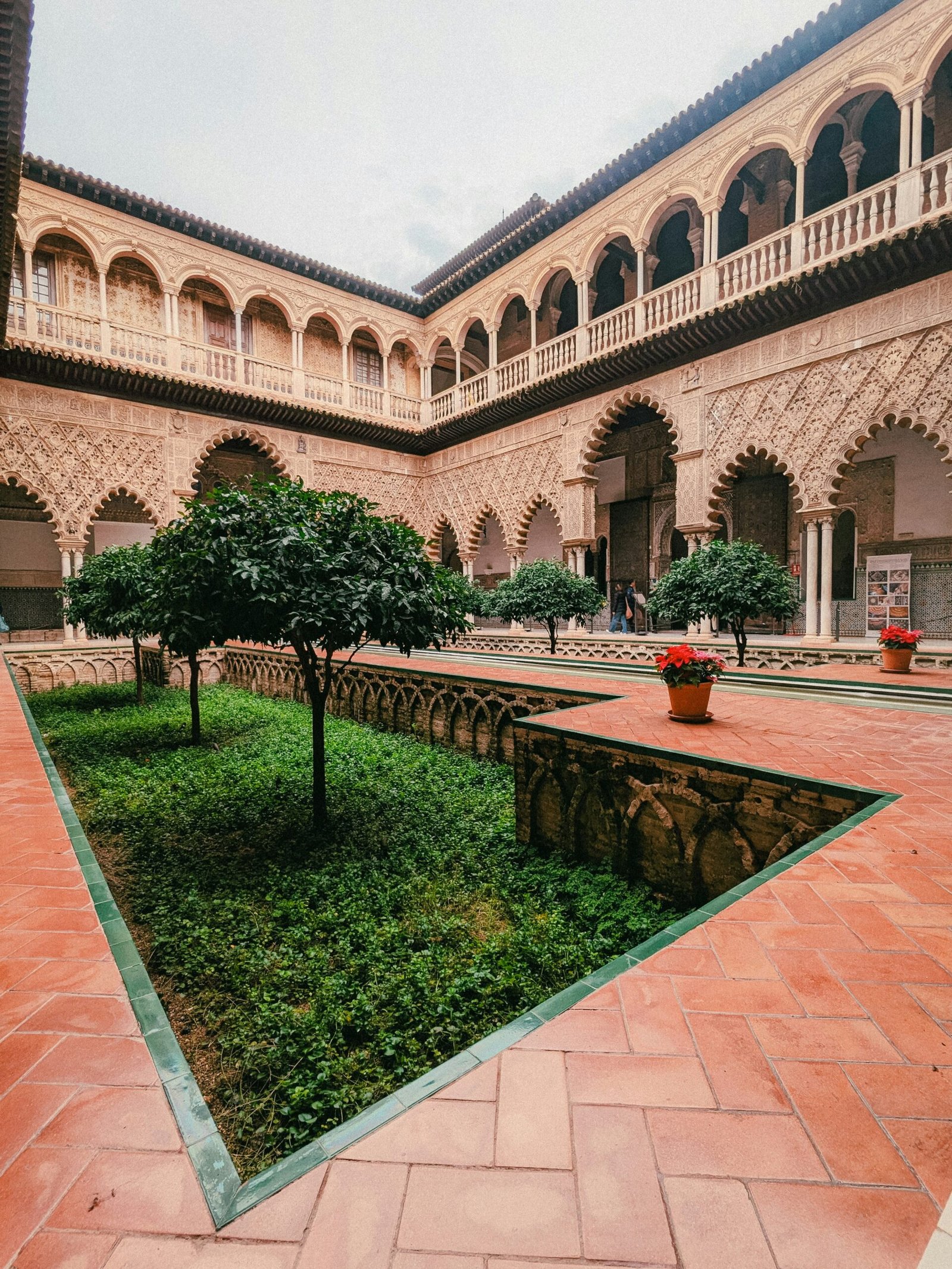
quiet andalusian courtyard with white walls and potted plants for a restorative retreat
white village in andalusia under warm sunlight for a peaceful retreat

The Quiet Between Sunsets

Evenings in Andalusia arrive with ceremony.
The heat retreats, and the world exhales.
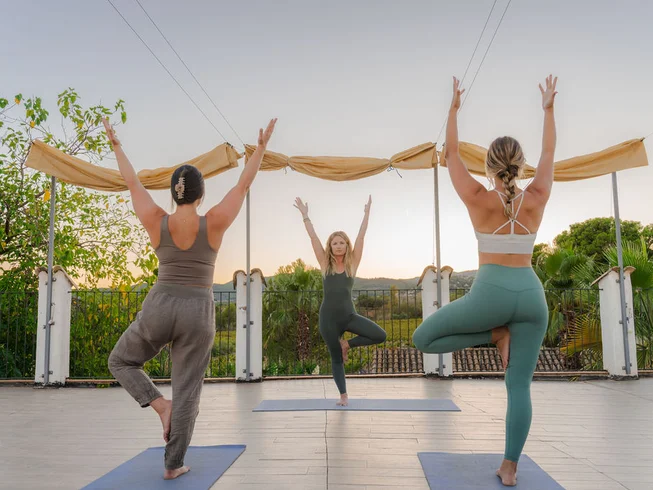
Yoga mats unroll in courtyards, bells from a faraway church count the hours you’ve stopped measuring.
The horizon glows — pink, copper, then violet — and in that brief, impossible light you understand why people call this region soulful.

Stillness here isn’t isolation; it’s intimacy.
You sit in silence, but you’re not alone. You’re surrounded by cicadas, soft air, and the certainty that this — this exact moment — is enough.

Leaving the Light Behind (But Not Really)
When it’s time to leave, the roads twist back toward Granada. Olive groves blur past the window like silver waves.
I always promise myself I won’t lose the rhythm, that I’ll bring it home — that sense of open time, of sunlit patience.
Of course, life gets noisy again. Emails return, clocks tick louder.

But every now and then, when I feel the old hurry rising, I close my eyes and picture those white hills under the Andalusian sun.
And something inside me slows, just enough to remember: stillness was never a place.
It was a way of seeing.
FAQs: Finding Stillness Under the Andalusian Sun

1. Why is Andalusia such a good place to find stillness?

  • Because the region naturally slows you down with its warm light, open landscapes, white villages, and unhurried daily rhythm.

2. What makes the Alpujarras special for a retreat?

  • The Alpujarras feel quiet, spacious, and deeply grounding, with mountain views, cobblestone villages, and a pace that encourages rest and presence.

3. What does stillness look like on a retreat like this?

  • It often looks like simple mornings, gentle movement, long pauses, deep rest, and time in nature without the pressure to do more.

4. Does stillness mean doing nothing?

  • Not exactly. It is more about returning to a natural pace and letting your body and mind settle into a calmer rhythm.

5. What are evenings like during a retreat in Andalusia?

  • Evenings tend to feel soft and ceremonial, with cooler air, fading light, quiet courtyards, and a deep sense of calm after the heat of the day.

6. Who is this kind of retreat best for?

  • It is ideal for anyone craving rest, reflection, and a break from noise, speed, and constant stimulation.

Share Your Thoughts

Your email address will not be published. Required fields are marked *

Leave a Reply

Your email address will not be published. Required fields are marked *

Leave a Reply

Your email address will not be published. Required fields are marked *