
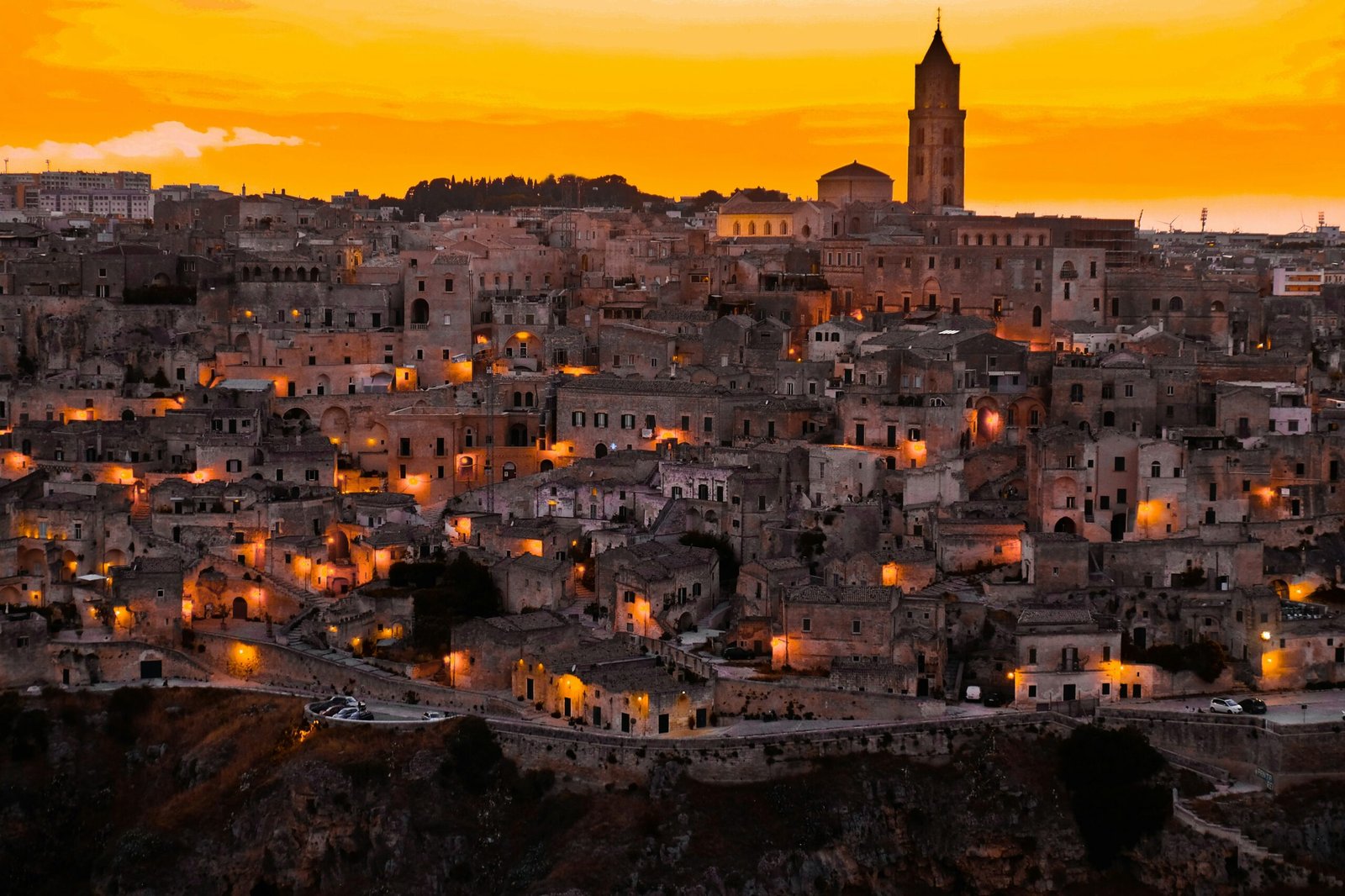
Wellness Retreats in Italy | Winter 2026: Deep Restoration
Winter wellness in Italy means steaming thermal pools under cold skies, alpine saunas after snowshoe walks, and pre‑Christmas silence. December to February offers empty spas, lower prices (except holidays), and the coziest season for true renewal.
Share This Article


Winter in Italy embodies the profound stillness of the dormant season—a three-month period from December’s festive darkness through January’s deep quiet to February’s emerging light. This entire season represents nature’s invitation to journey inward, rest deeply, and cultivate the inner resources that sustain us through the year’s cycles. The Italian landscape transforms during these months—snow blankets the mountains revealing elegant contours, bare trees stand in graceful meditation, and the quality of light becomes soft and reflective.
Average temperatures progress from 5-12°C in December to 3-10°C in January before beginning their slow ascent to 5-13°C in February, creating conditions that naturally support rest, reflection, and restoration. From the snow-covered Dolomites to the peaceful thermal springs of Tuscany to the quiet cultural cities, winter provides a container for deep personal work, free from the distractions of other seasons, making it ideal for wellness retreats focused on comprehensive restoration and inner cultivation.
Wellness Retreats in Italy | Winter 2026
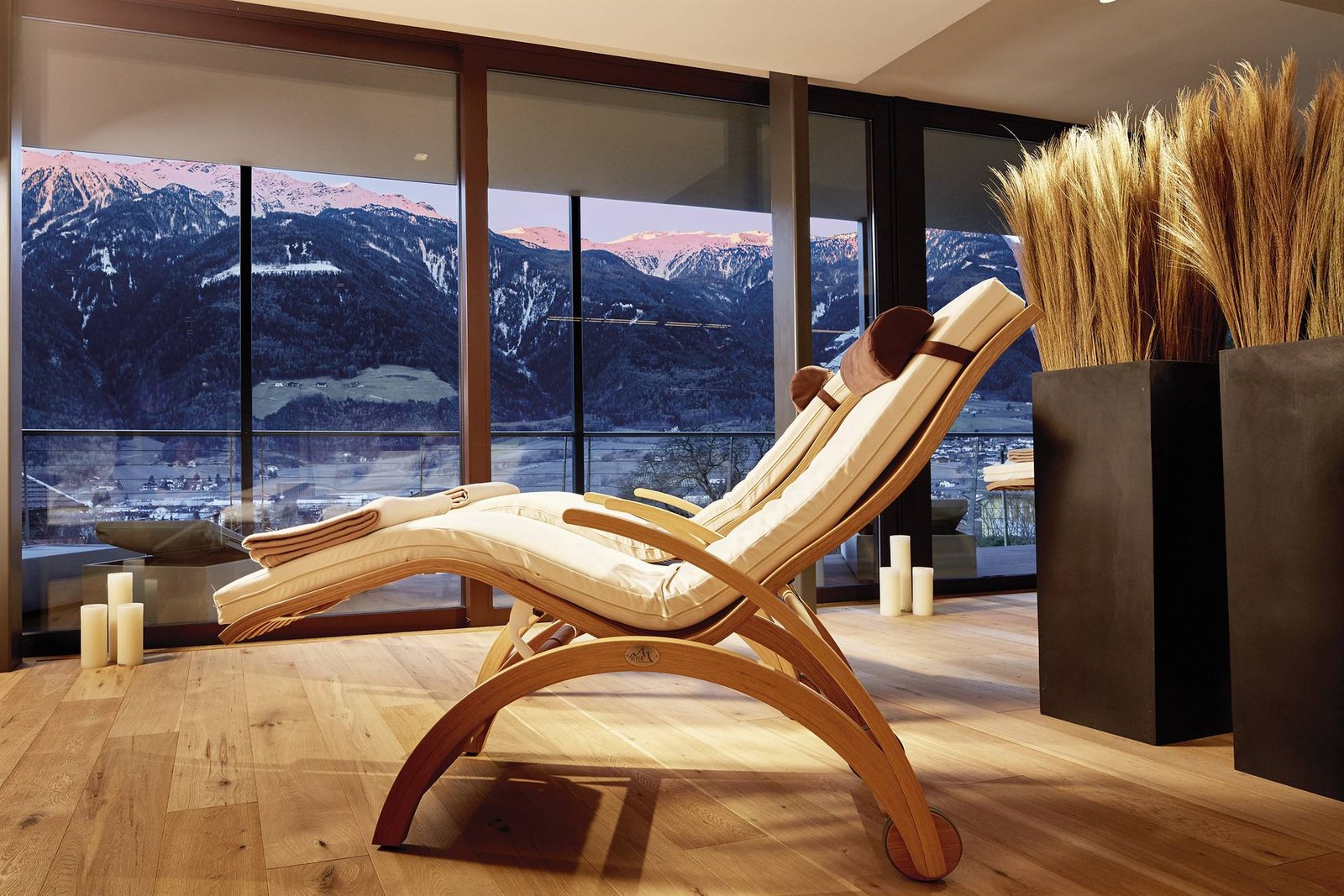
Integrated Wellness Retreat. Italy, Dolomites region
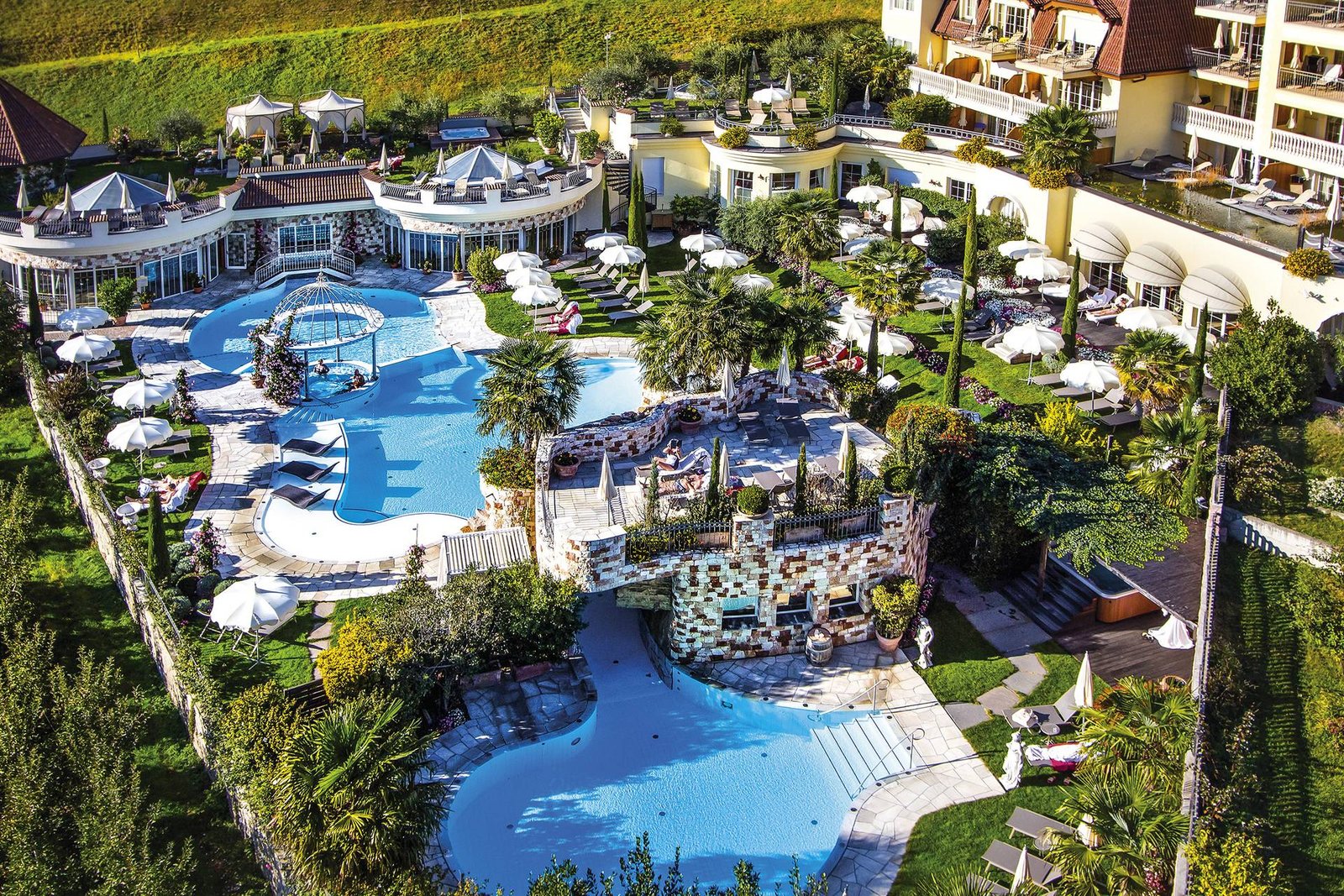
Sensorial Journey 6. Italy, Dolomites region
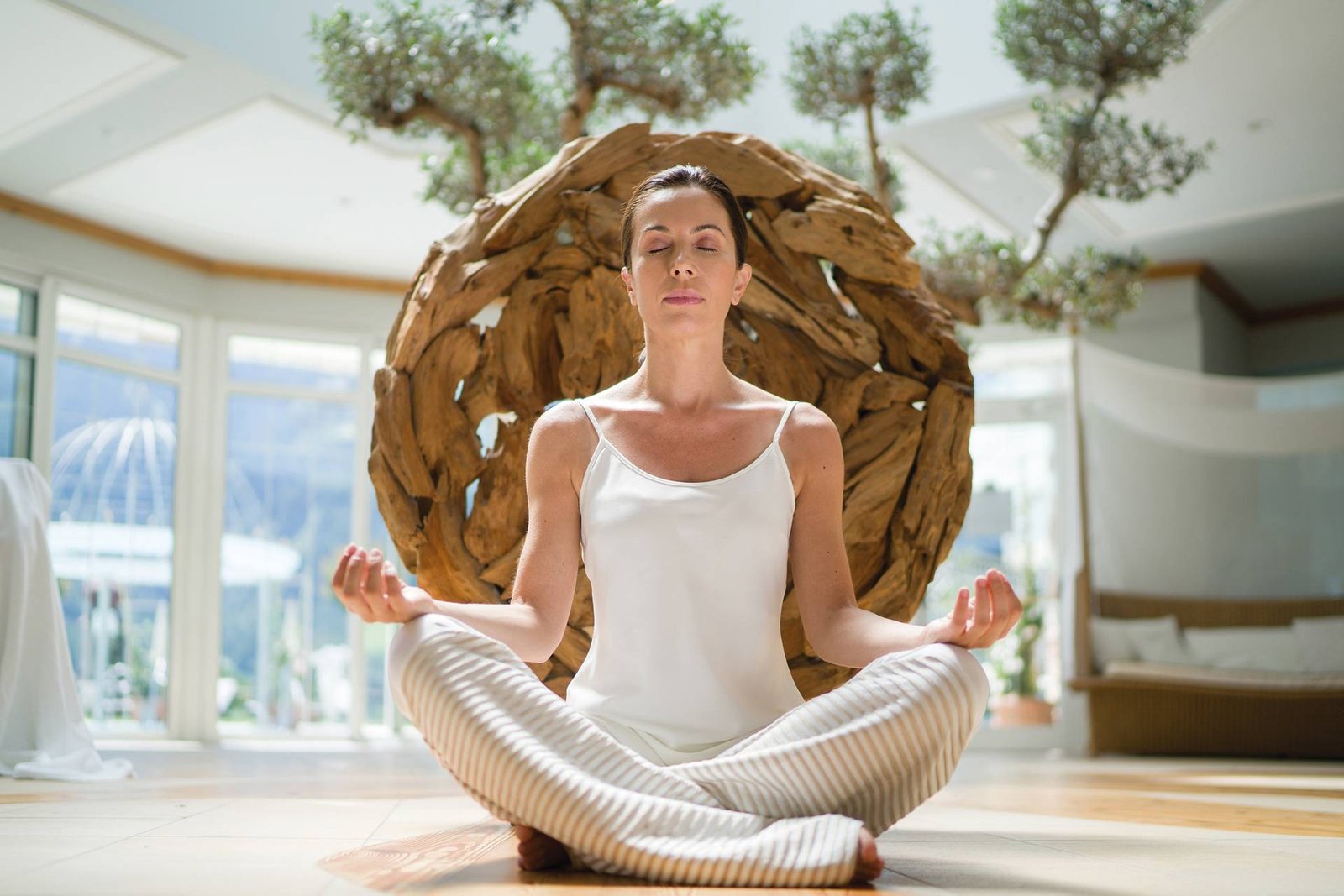
Glowing Flow Immersive Retreat. Italy, Dolomites region
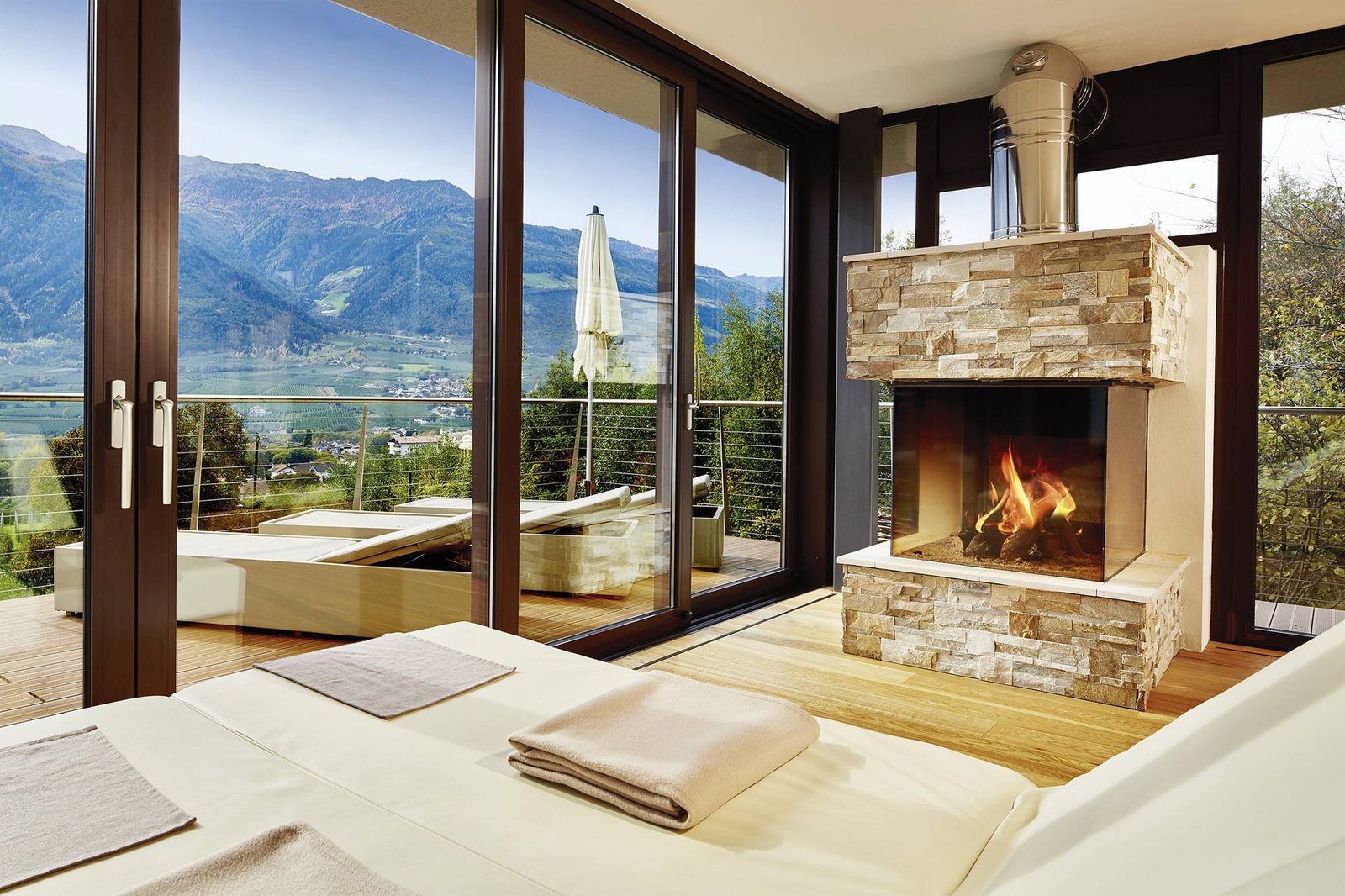
Wellness for Two – 6 days. Italy, Dolomites region
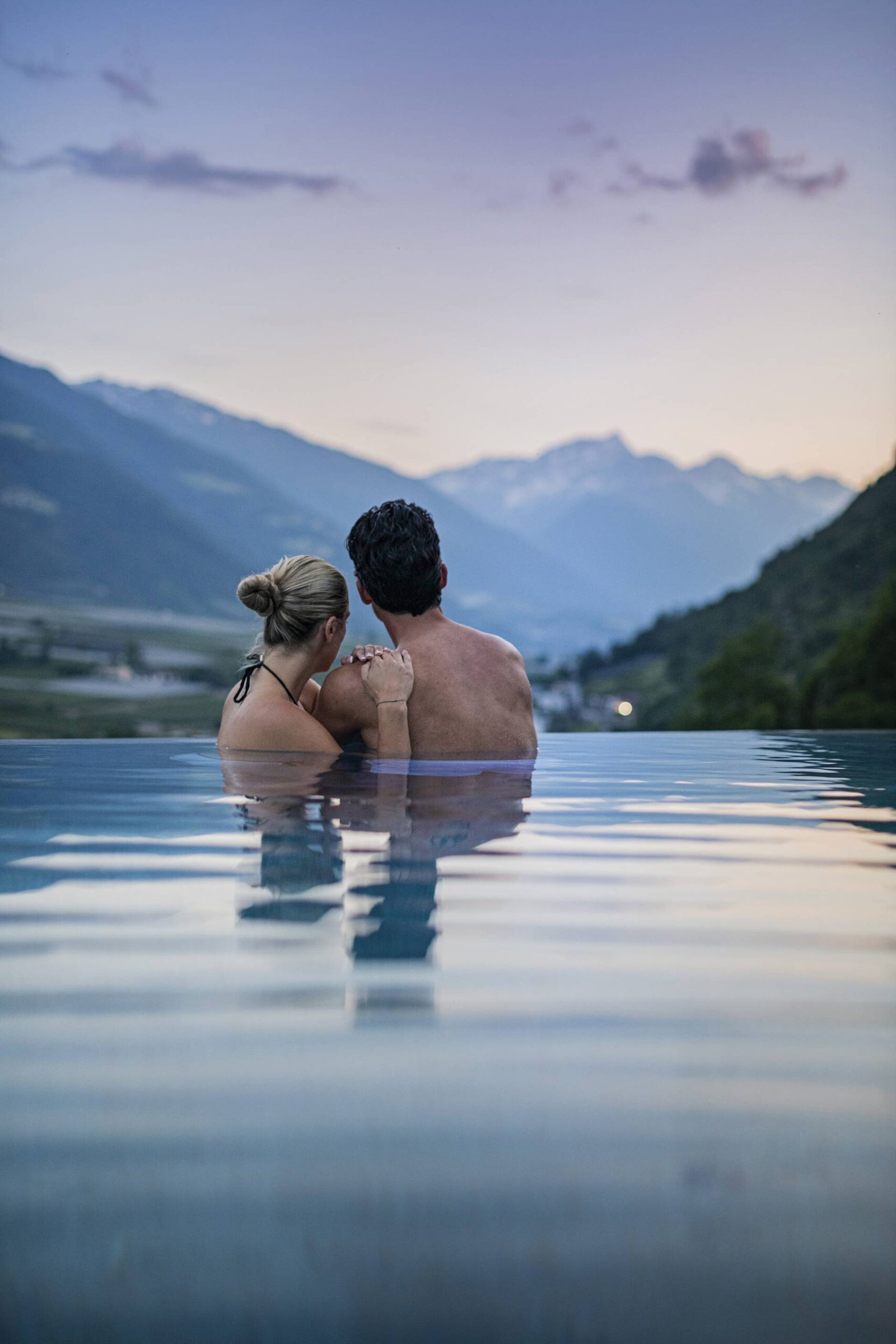
Energy and Healing for Two. Italy, Dolomites region
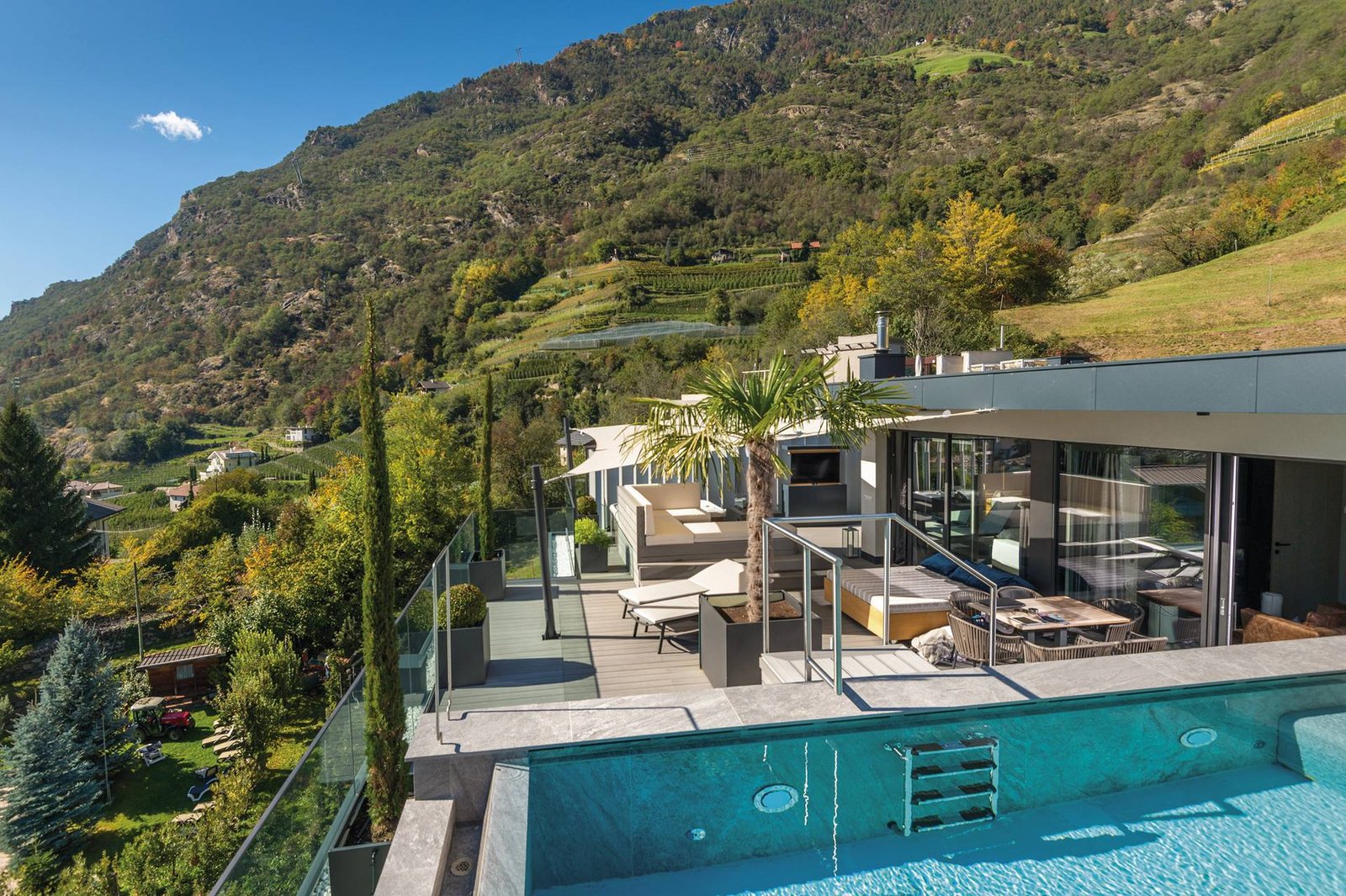
Women Retreat. Italy, Dolomites region
Why Winter’s Stillness Supports Nervous System Recovery
Winter’s quiet energy and limited daylight create optimal conditions for programs emphasizing deep nervous system recovery and comprehensive restoration. The cool temperatures and reduced daylight naturally slow metabolic processes, supporting more restorative forms of movement, longer sleep periods, and reduced sensory input. This biological slowing creates essential space for the nervous system to recover from accumulated stress and for the immune system to strengthen. The landscape’s stark beauty—stripped of seasonal distractions—provides powerful metaphors for essentialism and focusing on what truly sustains wellbeing.
The increased indoor time supports practices like meditation, journaling, and education that often get neglected during more active seasons. This combination of physiological slowing, reduced external stimulation, and contemplative focus creates powerful conditions for addressing root causes of imbalance, recovering from burnout, and establishing sustainable self-care practices that support wellbeing through the entire year. The darkness itself becomes a therapeutic container for rest and the cultivation of inner light.
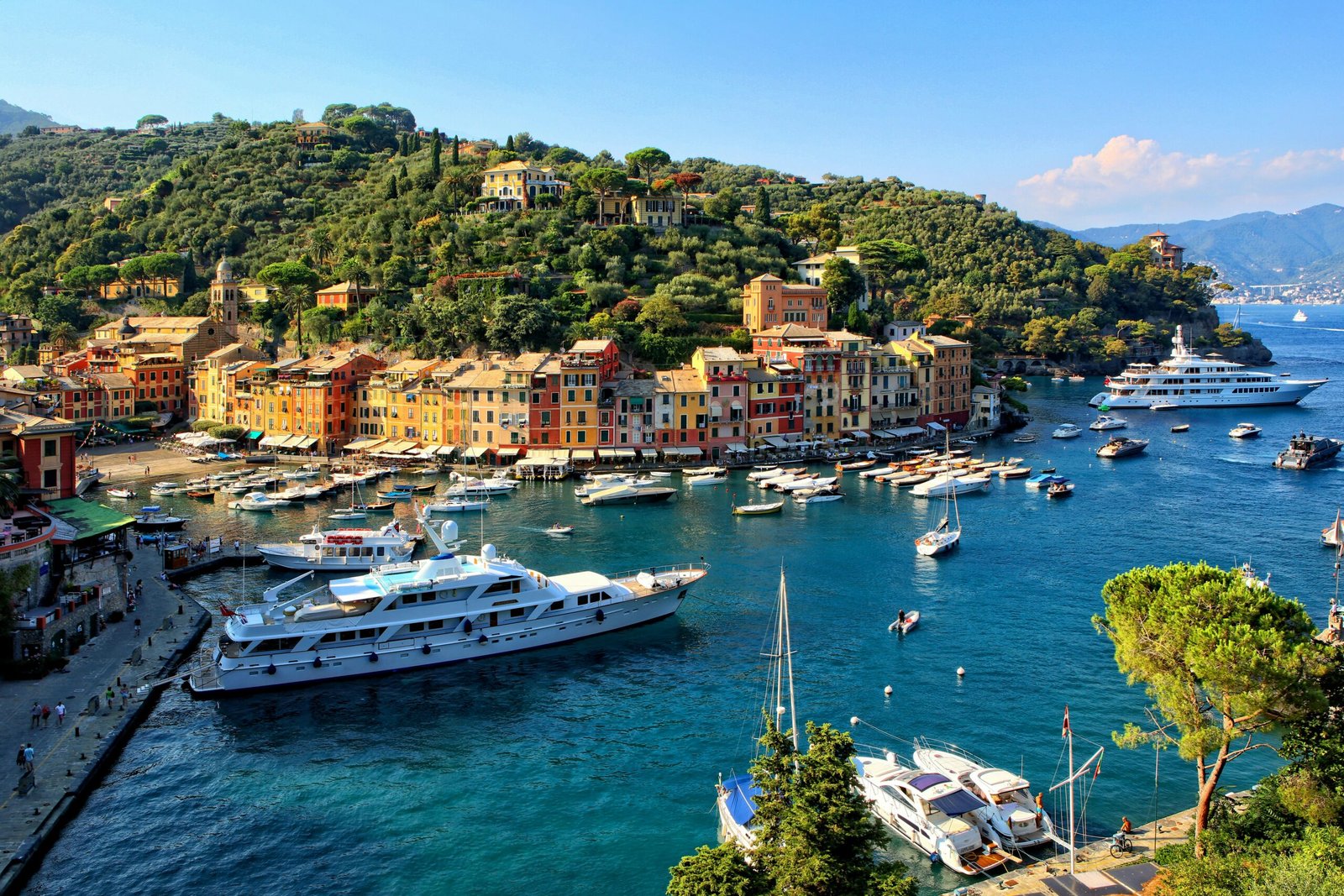
Deep Restoration Programs
– Nervous System Reset – Comprehensive programs targeting recovery from chronic stress and sympathetic dominance
– Winter Yoga Evolution – Practices that progress from deeply restorative forms to more energizing flows as light returns
– Darkness Meditation Series – Practices using winter’s extended darkness for introspection, dream work, and inner light cultivation
Winter Resilience Practices
– Immune Support Programs – Workshops combining nutrition, lifestyle practices, and stress reduction for winter wellness
– Thermal Hydrotherapy – Warm water therapies that counteract winter chill, support circulation, and promote relaxation
– Self-Care Ritual Creation – Programs focused on establishing sustainable daily practices for darker months and beyond
Top Winter Destinations
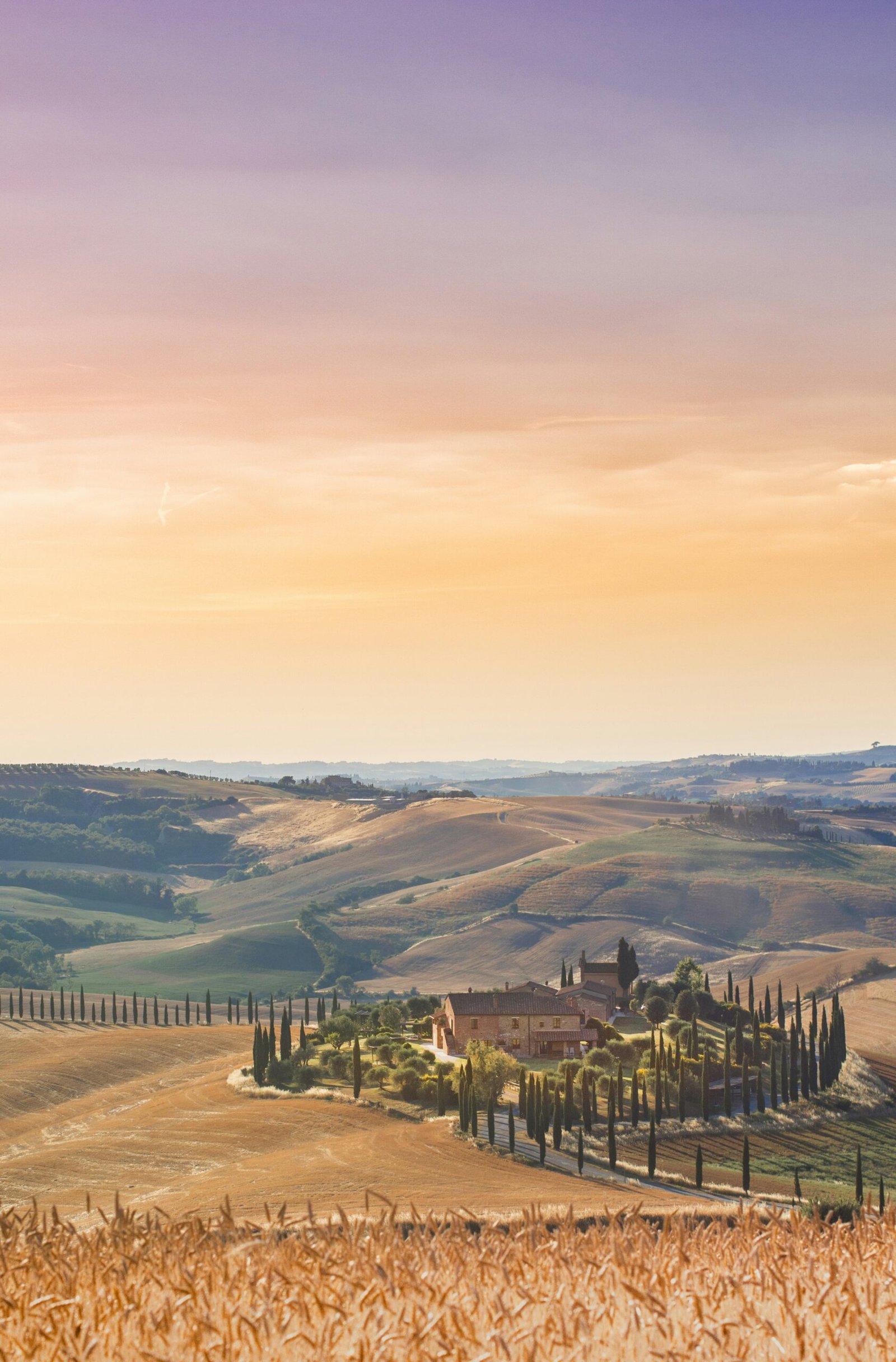
Winter’s specific climate and atmosphere make certain Italian regions particularly appealing for restorative wellness retreats. The Dolomites and Alpine regions offer snowy landscapes perfect for cozy indoor practices and invigorating outdoor activities. Thermal spa regions throughout Italy—Tuscany’s Saturnia, Emilia-Romagna’s Salsomaggiore, and others—provide warm aquatic therapies during cooler weather. City retreats in Florence, Rome, and Venice offer cultural enrichment during the quiet tourist season.
Southern regions like Sicily and Puglia maintain milder temperatures for those preferring warmer conditions. Monastery stays throughout Italy offer traditional contemplative environments perfect for winter reflection. Countryside retreats in Tuscany and Umbria provide peaceful settings away from seasonal demands amid beautiful winter landscapes. The Italian Lakes present stark beauty and peaceful atmospheres with fewer tourists.
Winter Planning Guide
Planning a winter wellness retreat requires consideration of the season’s unique characteristics and progression. The holiday period (December) requires early booking (4-6 months ahead), especially for Christmas and New Year’s retreats. Deep winter (January) often offers good availability and lower prices—booking 2-4 months ahead is typically sufficient. Late winter (February) sees increasing demand as light returns—book 3-5 months ahead. The weather becomes cool and potentially wet or snowy; pack warm layers, indoor exercise clothing, and appropriate footwear. Holiday travel affects December logistics and pricing.
Look for retreats with excellent indoor facilities, including warm practice spaces, cozy common areas, and therapeutic amenities. The limited daylight supports sleep optimization and rest-focused programs. Many Italians celebrate Christmas traditionally and take holidays around January 6th (Epiphany), potentially affecting services. Travel insurance that covers weather-related disruptions is essential.
FAQs: wellness retreats in italy in winter
1. Is it very cold in Italy in winter?
Yes, but it varies by region. North (Dolomites, Lombardy, Piedmont): cold, 0–7°C (32–45°F), with snow in the mountains. Central (Tuscany, Umbria): chilly, 5–12°C (41–54°F). South & islands (Sicily, Puglia, Ischia): mild, 10–16°C (50–61°F). Most wellness retreats have heated pools, indoor saunas, steam rooms, and heated yoga studios. Outdoor thermal baths are actually enjoyed because the air is cold — the contrast is the point.
2. What is the best destination in Italy for a winter wellness retreat?
For thermal baths: Tuscany (southern Tuscany has 37°C / 99°F natural springs, open all winter) or Ischia (volcanic warm pools, mildest winter weather). For snow + spa: South Tyrol / Dolomites (alpine wellness, snowshoeing, panoramic saunas). For mild weather and fewer tourists: Sicily or Puglia (15°C / 59°F winter days, still pleasant for walks). For absolute quiet: Umbria or Le Marche (very few tourists December–February).
3. Are shops and restaurants open in winter?
Yes, with a few exceptions. December 1–23: fully open. Christmas closures: December 25 (Christmas Day) and December 26 (St. Stephen’s Day) — most shops closed, many restaurants closed or only open for lunch. New Year’s: December 31 (open but close early), January 1 (mostly closed). January 2–February: fully open again, normal hours. In small mountain villages, some restaurants close for 2–3 weeks in January or February for family holidays — check ahead.
4. Are hotels expensive in winter in Italy?
It depends on the dates. December 1–23: affordable to moderate (low season before Christmas). December 24 – January 6: very expensive (Christmas, New Year’s, Epiphany — peak holiday prices). January 7 – February 28: cheapest season of the entire year (except ski resorts, which stay expensive). Ski towns in the Dolomites are pricey all winter. Thermal destinations (Tuscany, Ischia) are affordable in January–February. Best value: first three weeks of December, or entire months of January and February (avoiding ski areas).
5. What can I eat at a wellness retreat in Italy in winter?
Warming, hearty Italian winter food made lighter for wellness: ribollita (Tuscan bread and vegetable soup), lentil and barley soups, polenta with mushrooms or ragù, roasted root vegetables (carrots, parsnips, celery root), cauliflower and black cabbage, winter citrus (oranges, mandarins, blood oranges), chestnut flour pancakes, and warm spiced drinks (mulled wine without sugar, hot water with lemon and ginger, chamomile with honey). Many retreats offer anti‑inflammatory winter menus with turmeric, ginger, and local extra virgin olive oil. Avoid heavy cream sauces unless you ask for the light version.
Share Your Thoughts
Your email address will not be published. Required fields are marked *