
Yoga and Wellness Retreats in Thailand in Winter 2026
Winter 2026 delivers what Thailand brochures promise and what travelers dream about—the absolute finest weather conditions the country offers. For those considering yoga and wellness retreats in Thailand in winter 2026, you’re looking at December through February’s peak season perfection where comfortable temperatures, minimal rain, and brilliant sunshine create ideal conditions for every type of wellness practice. This is Thailand at its most accessible and reliable.
But winter comes with trade-offs that matter enormously depending on your priorities. Peak season means peak crowds, peak prices, and peak competition for retreat spaces. That perfect weather costs 30-60% more than shoulder season, beaches fill with visitors, popular retreats book months in advance. Winter offers certainty and excellence in exchange for density and expense.
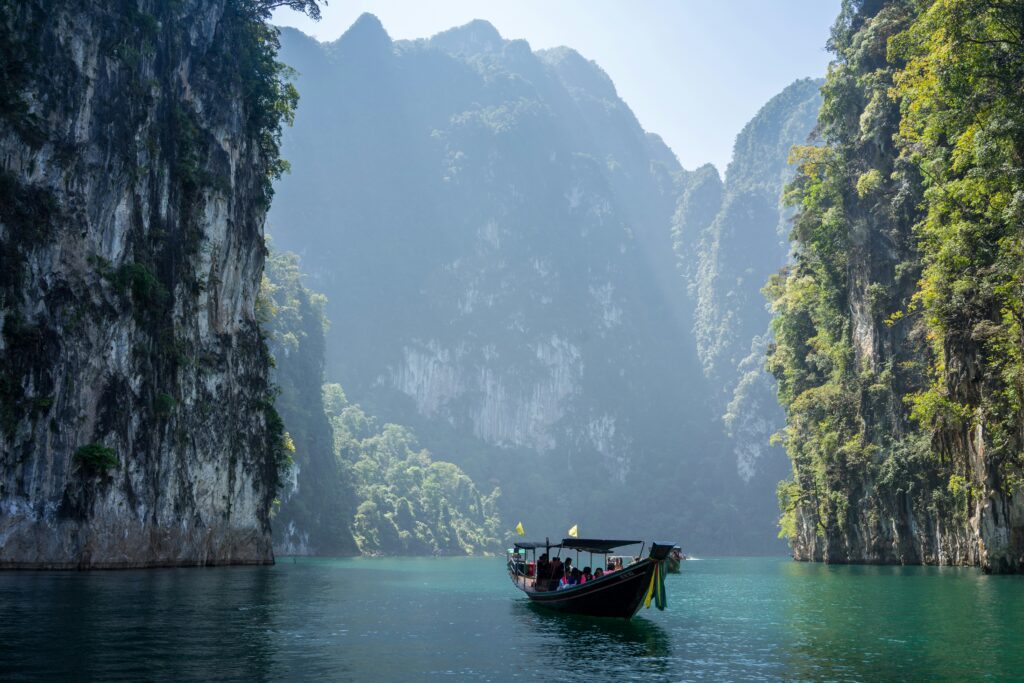
Our Selection of Yoga Retreats in Thailand, Winter 2026
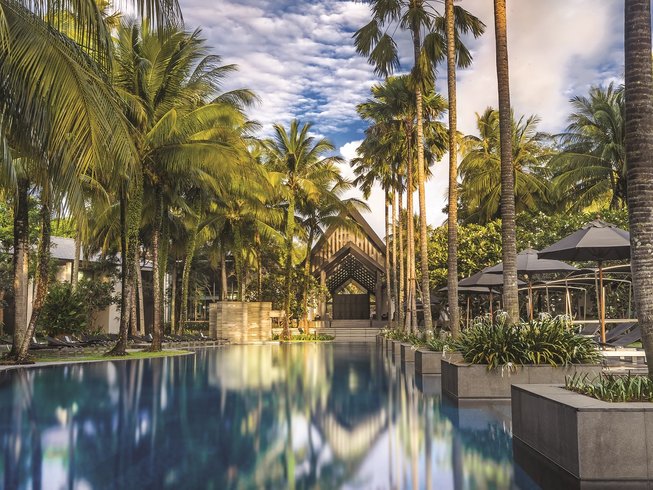
5 Day Anahata Rejuvenation, Luxury Spa Detox, and Yoga Retreat in Phuket, Thailand
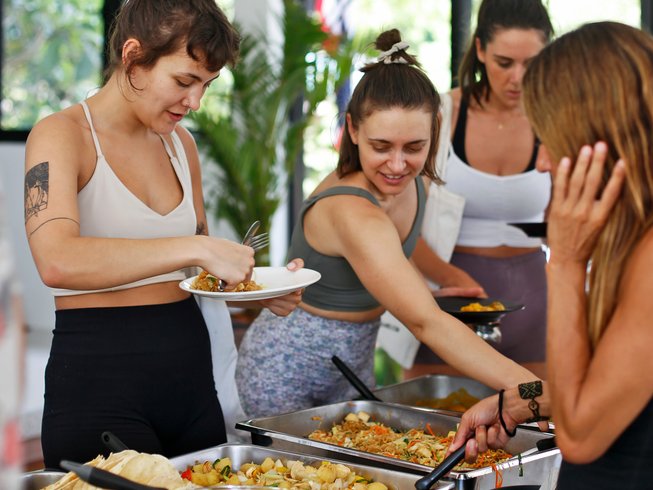
8 Day Yoga Sadhana Retreat in a Peaceful Private Beachfront Resort in Koh Phangan, Thailand
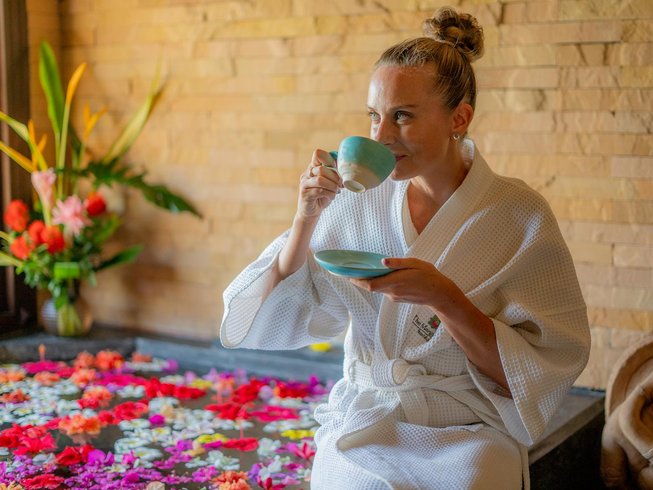
15 Day AyurYoga Shodhana Ayurveda Retreat in Rawai, Phuket, Thailand
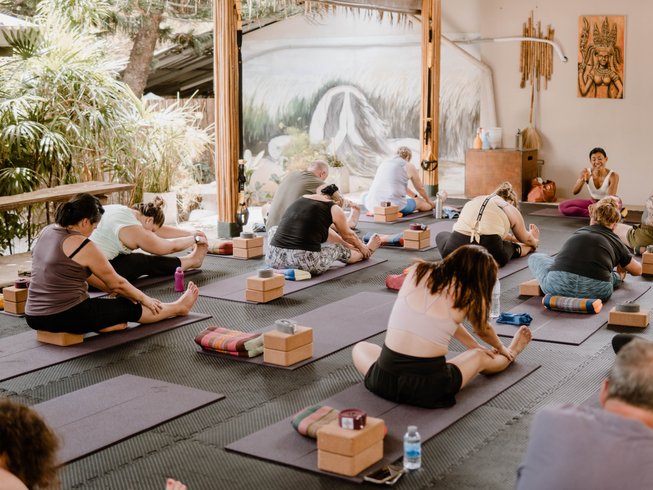
7 Days Holistic Wellness and Yoga Holiday in Phuket, Thailand
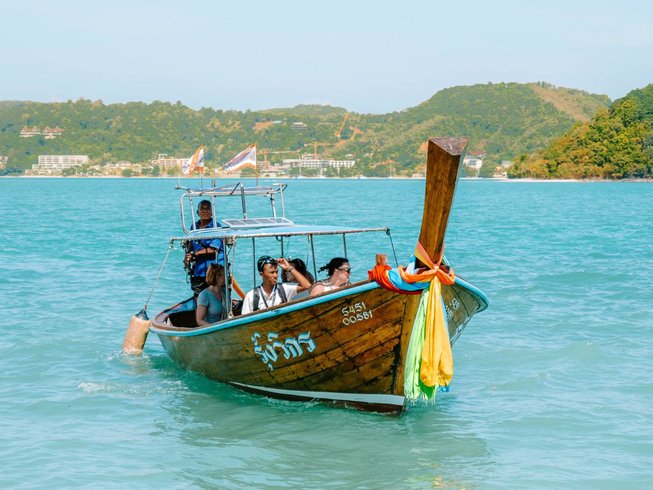
8 Day Soulful Thailand Retreat: Yoga, Wellness & Cultural Connection in Phuket, Thailand

14 Day Wellness, Adventures, and Yoga Holiday in Phuket, Thailand
Winter’s Peak Perfection
December through February brings what Thais call “cool season,” though “cool” means something quite different at tropical latitude than temperate climates. Temperatures settle into consistently comfortable ranges—22-29°C across most regions, warm enough for beach and ocean activities without oppressive heat that makes movement difficult. Northern mountains see genuinely cool mornings around 16-20°C where you’ll actually want light layers for sunrise yoga, warming to pleasant 25-27°C afternoons.
Humidity drops to 60-70%, that sweet spot where air feels fresh rather than thick or uncomfortably dry. Rain becomes rare event—maybe 1-3 days per month maximum, brief if it occurs at all. Sunshine arrives daily with reliable clarity that makes planning outdoor activities straightforward rather than gambling. Ocean conditions calm completely on both coasts, creating perfect swimming, diving, and snorkeling. Breezes arrive at just right strength—refreshing without being so strong they disrupt beach yoga or make reading uncomfortable.
Winter represents Thailand’s weather at absolute peak quality, and everyone knows it. This isn’t secret discovered by intrepid travelers—it’s widely recognized optimal timing that draws maximum visitors and commands premium pricing. The question isn’t whether winter offers excellent conditions. It does, unquestionably. The question is whether winter’s benefits justify the intensity and expense that accompany them.
Where Winter Shines Everywhere
Northern Thailand—Mountain Perfection
Chiang Mai and surrounding mountain regions reach their absolute finest through winter months. Those cool mornings create genuinely refreshing conditions for sunrise yoga—you’ll appreciate having packed light jacket rather than wishing you left it home. Days warm gradually to comfortable temperatures perfect for temple exploration, hiking jungle trails, or visiting hill tribe villages without arriving drenched in sweat.
Air quality stays excellent through winter—the burning season that makes March-April challenging hasn’t started yet, leaving mountain views crystal clear. Buddhist temple programs thrive in comfortable conditions supporting extended meditation without heat creating physical discomfort. The cultural depth of northern Thailand becomes fully accessible when weather cooperates completely rather than imposing limitations.
Night markets transform into genuine pleasure rather than sweaty endurance test. You can actually browse, shop, eat street food, and socialize comfortably rather than desperately seeking shade or air conditioning.
Gulf Islands—Beach Paradise Realized
Koh Samui, Koh Phangan, and Koh Tao deliver exactly what beach vacation photos promise. Sunshine arrives reliably day after day. Ocean temperature sits perfectly warm—inviting for swimming without being bathwater-tepid that provides no refreshment. Waters calm enough for paddleboarding, clear enough for snorkeling, perfect for diving.
Beach yoga happens at ideal conditions—early morning brings that fresh coolness, afternoon sessions work without oppressive heat, sunset practices become magical rather than sweaty struggle. The islands’ wellness infrastructure operates at full capacity with all teachers, retreats, restaurants, and services available and functioning optimally.
Koh Phangan especially buzzes with international yoga community drawn by winter conditions. Srithanu neighborhood fills with practitioners, workshops proliferate, that social wellness scene reaches peak energy.
Andaman Coast—Dramatic Beauty
Phuket, Krabi, and western islands showcase their most spectacular conditions. Those limestone cliffs that define the region look their absolute best against winter’s reliably blue skies. Railay Beach’s dramatic karst formations create stunning backdrop for clifftop yoga platforms. Island hopping works perfectly with calm seas and reliable boat services.
The Andaman delivers Thailand’s most photogenic landscapes in winter—turquoise water, towering cliffs, hidden lagoons, pristine beaches all accessible and beautiful without monsoon disruption. Rock climbing reaches optimal conditions. Cave exploration happens comfortably. Every activity works exactly as designed.
Winter’s Intensity Reality
Here’s what winter actually means beyond perfect weather. Crowds reach maximum density. Popular beaches that feel spacious in October become notably populated. Retreat yoga shalas designed for fifteen participants now host twenty-five. Restaurants require reservations. Popular viewpoints fill with people. That intimate Thailand experience becomes harder to access when tourism runs at peak capacity.
Prices climb 30-60% above shoulder season rates—sometimes more during Christmas and New Year’s weeks when holiday premiums add another layer. That $150/night shoulder season retreat becomes $250-300 in January. Week-long programs costing $1,200 in October run $1,800-2,500 in winter. The increases aren’t minor—they’re substantial enough that budget-conscious travelers feel genuine strain.
Booking competition intensifies dramatically. Popular retreats fill 2-4 months ahead, some even earlier. The spontaneity possible during shoulder season disappears—winter requires advanced planning, firm commitments, non-refundable deposits. Walking into highly-rated retreat hoping for space rarely works. You’re competing with thousands of others seeking identical timing.
Holiday weeks amplify everything. Christmas and New Year’s bring absolute peak conditions—highest prices, maximum crowds, most competitive booking, festive atmosphere that some love and others find overwhelming. These weeks require 4-6 months advance planning and command premiums that push costs even higher.
Making Winter Work Successfully
If winter fits your schedule or priorities despite intensity, certain strategies maximize experience while minimizing frustrations.
Book very far ahead—2-3 months minimum for regular winter dates, 4-6 months for holiday weeks. This isn’t casual suggestion—it’s practical necessity for securing preferred retreats and dates. Popular properties fill completely, and delay means settling for whatever remains rather than choosing what you actually want.
Consider December or February over January if schedule allows flexibility. January represents absolute peak with maximum crowds and highest prices. December before holidays and February after offer nearly identical weather at slightly lower prices with somewhat lighter density.
Target lesser-known locations rather than automatically booking most famous retreats. Thailand offers abundant excellent options—you don’t need to stay at the single most Instagram-popular property to have outstanding experience. Equally beautiful, equally well-run, less famous alternatives stay available longer and cost less while delivering comparable quality.
Embrace rather than fight the social atmosphere. Winter’s density creates opportunities for connection—meeting fellow practitioners, joining group activities, experiencing shared energy that supports community building. If you stop viewing crowds as purely negative and start seeing social potential, winter becomes more enjoyable.
Budget realistically across all expenses. Don’t just account for higher retreat costs while expecting food, activities, and transportation to stay normal. Everything costs more in winter—restaurants charge peak rates, boat trips command premiums, even small purchases reflect seasonal demand. Build comprehensive budget including all aspects of travel.
Book activities and restaurants ahead just like accommodation. That cooking class, diving trip, or dinner at recommended restaurant often fills during winter. Walk-in availability becomes genuinely rare for anything popular.
Programs Operating at Absolute Peak
Winter enables every retreat style to function exactly as designed without weather-imposed modifications or cancellations.
Intensive yoga programs benefit from comfortable temperatures allowing vigorous practice without heat becoming dangerous. You can actually do demanding sequences, hold challenging poses, move energetically without risking heat exhaustion that summer would bring.
Beach-based retreats capitalize on perfect ocean conditions—morning yoga watching sunrise over calm water, afternoon paddleboard sessions, sunset meditation on warm sand. Everything the marketing photos promise actually works in winter.
Mountain meditation programs leverage northern Thailand’s cool mornings and comfortable days for extended sitting practice without temperature extremes creating physical distraction.
Luxury wellness resorts operate at full capacity with complete staffing, all facilities functional, and comprehensive programming delivering the polished experience that justifies premium pricing.
Adventure combinations mixing yoga with diving, rock climbing, island exploration, or jungle trekking work beautifully when weather cooperates completely with every planned element.
Group retreats and workshops benefit from winter’s social atmosphere and full participant enrollment that creates vibrant group energy.
Teacher training programs attract maximum enrollment in winter when reliable weather supports the month-long commitment intensive trainings require.
Winter removes weather as constraint—you’re choosing purely based on program type, teaching style, location preference, and budget rather than working around seasonal limitations.
What Daily Life Looks Like
Mornings arrive comfortably cool enough for sunrise practice without immediately breaking sweat. Northern Thailand mornings see genuine coolness requiring light layers. Beach mornings bring refreshing breeze and comfortable temperatures for beach walks or early ocean swims.
Days flow smoothly from activity to activity without heat imposing breaks or rain forcing indoor retreats. You can maintain consistent schedule—morning yoga, breakfast, beach time or cultural exploration, lunch, afternoon workshop or spa treatment, evening practice, dinner, social time or rest. Weather never disrupts this rhythm.
But you’re also navigating crowds throughout. Popular beaches see substantial numbers. Retreat common areas buzz with conversation and activity. Restaurants fill during meal times. That quiet solitude possible during shoulder season becomes notably harder to find during winter’s density.
The experience feels more like joining something than discovering something—you’re participating in Thailand’s peak season alongside thousands of others rather than exploring relatively empty landscape. Whether this enhances or detracts depends entirely on whether you value that shared energy or prefer genuine isolation.
Winter’s Value Proposition
Here’s winter’s fundamental equation: absolute weather certainty and full operational capacity in exchange for substantial expense, significant crowds, and required advanced planning.
What you get: Weather that almost never disappoints, everything operating perfectly with complete services, vibrant social atmosphere, comprehensive programming options, reliable scheduling without weather-dependent modifications.
What you pay: 30-60% price premiums over shoulder season, notably denser crowds, required 2-6 month advance booking, limited spontaneity, higher costs across all services beyond just accommodation.
For many travelers—particularly first-timers, those on fixed holiday schedules, visitors prioritizing certainty over value, anyone uncomfortable with weather uncertainty—this trade-off makes complete sense. Winter’s reliability and excellence justify the premium. The crowds become manageable backdrop rather than central concern when your priority is guaranteed quality conditions.
For others—value-conscious travelers, solitude seekers, spontaneous types, anyone flexible enough to travel shoulder season—winter’s premiums feel unjustified when October, November, or early March deliver 85-95% of winter’s quality at 60-70% of winter’s cost with fraction of winter’s density.
The question isn’t whether winter is good—it’s objectively excellent. The question is whether winter is worth the substantial premium over nearly-as-good alternatives that cost dramatically less and feel notably less crowded.
Winter’s Honest Assessment
Winter 2026 works brilliantly for travelers whose circumstances align with peak season timing and whose priorities emphasize certainty and quality over value and solitude. If your schedule constrains you to December-February travel, winter delivers outstanding conditions that make the best of that timing. If weather uncertainty creates genuine stress, winter’s reliability brings peace of mind worth paying for.
First-time Thailand visitors often benefit from winter because everything functions optimally—navigation is easier, services are comprehensive, tourism infrastructure runs smoothly, the experience matches expectations established by marketing materials.
But experienced Thailand travelers increasingly question whether winter’s premiums make sense. November offers 90-95% of winter’s weather quality at 70-75% of winter’s cost with notably lighter crowds. Late October delivers 85% of winter’s conditions at 60% of winter’s price. Early March provides similar value proposition on winter’s tail end.
These shoulder periods require slightly more tolerance for occasional weather variability—maybe one or two rainy days versus winter’s zero, perhaps slightly warmer temperatures than winter’s perfect range. But for many travelers, these minor compromises feel reasonable in exchange for dramatic savings and substantially more breathing room.
Winter makes sense when circumstances or priorities leave no alternative. It becomes questionable choice when schedule flexibility exists and value consciousness matters. Thailand offers such excellent shoulder season options that paying peak premiums requires strong justification beyond “that’s when everyone goes.”
The key is honest assessment of your actual constraints and priorities rather than defaulting to winter because conventional wisdom says it’s best. Sometimes it is best—for your specific situation and values. Sometimes it’s unnecessarily expensive and crowded compared to alternatives delivering very similar experiences at much better value.
Frequently Asked Questions
Is winter the best time for Thailand wellness retreats?
Best for weather certainty and full services, but not necessarily best overall value. Yoga and wellness retreats in Thailand in winter 2026 (December-February) deliver peak conditions—comfortable 22-29°C temperatures, minimal rain, reliable sunshine, calm oceans, everything operational. Trade-offs include 30-60% higher prices than shoulder season, maximum crowds, required 2-4 month advance booking. Winter suits first-time visitors, those on fixed holiday schedules, anyone prioritizing weather certainty over budget. Experienced travelers increasingly choose shoulder season (October-November or March) for 85-95% of winter’s quality at 60-75% of winter’s cost with lighter crowds.
How far in advance must I book winter retreats?
2-4 months for regular winter dates, 4-6 months for Christmas and New Year’s weeks. Popular retreats fill completely during winter, especially highly-rated properties, Instagram-famous locations, and programs during holiday periods. Booking in November for January arrival often means choosing from remaining availability rather than full selection. For yoga and wellness retreats in Thailand in winter 2026, earlier booking provides better options, preferred dates, sometimes slightly better rates. Spontaneous winter travel rarely works for quality retreats—plan and commit well ahead.
Which winter month offers best experience?
All three months deliver excellent weather—choose based on crowds and budget rather than conditions. December pre-holidays (1st-15th) offers great weather with moderate crowds and pricing. Christmas week (16th-26th) brings peak crowds, highest prices, festive atmosphere. Late December through New Year’s (27th-31st) represents absolute maximum density and cost. January maintains peak pricing and crowds throughout. February delivers identical weather at slightly lower prices as peak season winds down. For yoga and wellness retreats in Thailand in winter 2026, early December or February provide best value within winter season.
How do winter prices compare to other seasons?
30-60% higher than shoulder season, sometimes more during holidays. That October retreat costing $1,200 runs $1,800-2,400 in January. December/February luxury resort at $150/night in shoulder season charges $250-300/night in winter, more during Christmas and New Year’s. All costs increase—accommodation certainly, but also food, activities, transportation. For yoga and wellness retreats in Thailand in winter 2026, budget for substantial premiums across all expenses. Question becomes whether winter’s weather certainty justifies paying 40-60% more for experience very similar to what shoulder season delivers.
Can I find solitude during winter peak season?
Difficult but not impossible—requires strategic location selection and realistic expectations. Popular areas (Koh Phangan’s Srithanu, Phuket beaches, central Chiang Mai) become notably crowded. Lesser-known islands like Koh Lanta, remote beaches, small boutique retreats maintain more intimate feel. True solitude like October provides becomes rare in winter. For yoga and wellness retreats in Thailand in winter 2026, accepting moderate density as trade-off for perfect weather works better than expecting empty beaches that shoulder season offers. Choose smaller, more remote properties if minimizing crowds is priority.
Should I choose winter or shoulder season?
Winter for certainty and convenience, shoulder season for value and space. Winter (December-February) guarantees excellent weather, full services, maximum options—but costs substantially more and feels notably crowded. Shoulder season (October-November, March) delivers 85-95% of winter’s quality at 60-75% of cost with much lighter crowds, easier booking, more authentic atmosphere. For yoga and wellness retreats in Thailand in winter 2026, choose winter only if schedule constraints demand it, weather uncertainty creates genuine stress, or budget flexibility makes premiums inconsequential. Otherwise, shoulder season offers superior overall value for most wellness travelers.
Related Articles
Explore our monthly guides: yoga and wellness retreats in Thailand in January, yoga and wellness retreats in Thailand in February, yoga and wellness retreats in Thailand in March, yoga and wellness retreats in Thailand in April, yoga and wellness retreats in Thailand in May, yoga and wellness retreats in Thailand in June, yoga and wellness retreats in Thailand in July, yoga and wellness retreats in Thailand in August, yoga and wellness retreats in Thailand in September, yoga and wellness retreats in Thailand in October, yoga and wellness retreats in Thailand in November, and yoga and wellness retreats in Thailand in December.
Discover our seasonal guides: yoga and wellness retreats in Thailand in Spring, yoga and wellness retreats in Thailand in Summer, yoga and wellness retreats in Thailand in Autumn, and yoga and wellness retreats in Thailand in Winter.
For a complete overview, read Yoga and Wellness Retreats in Thailand for 2026.
