
Yoga and Wellness Retreats in Thailand in Summer 2026
Summer 2026 in Thailand means confronting the country’s most challenging season—May through August combine extreme heat with monsoon rains in patterns that test even experienced tropical travelers. For those considering yoga and wellness retreats in Thailand in summer 2026, you’re entering the period when Thailand empties of tourists for very good reasons. Heat builds to genuinely oppressive levels, rain arrives with increasing frequency, and conditions impose real limitations on outdoor activities.
But here’s what makes summer compelling despite these challenges: rock-bottom prices, near-complete solitude, and access to authentic Thailand that simply doesn’t exist when tourism runs at full capacity. Summer 2026 isn’t for everyone—it’s specifically for budget travelers accepting major trade-offs, heat enthusiasts who thrive in tropical intensity, or those seeking profound isolation for deep practice work.
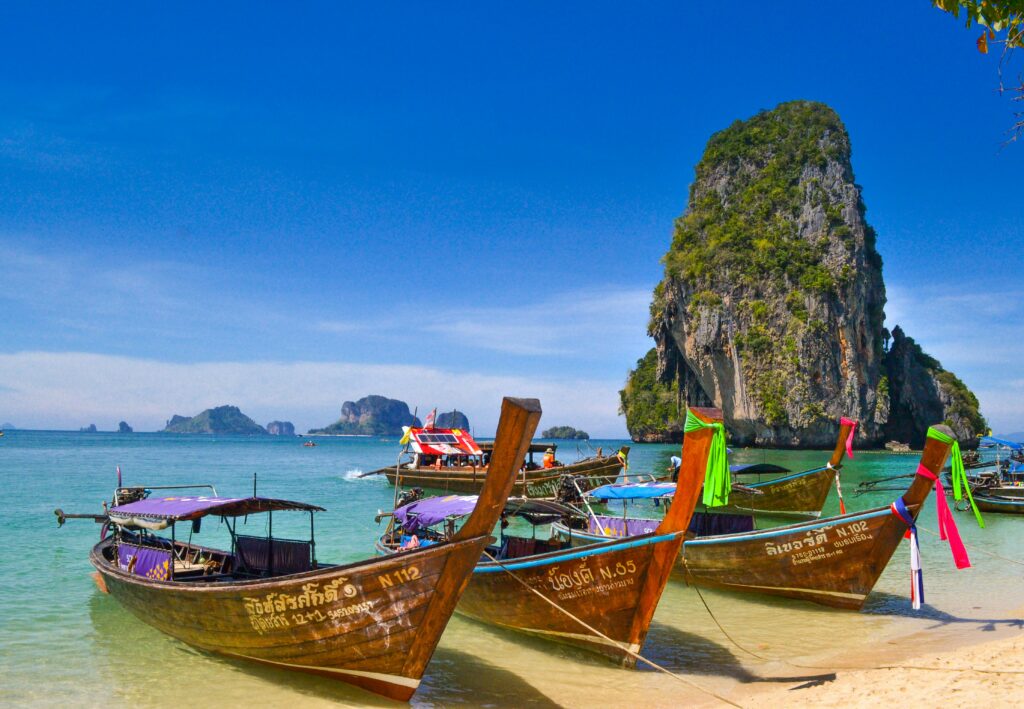
Our Selection of Yoga Retreats in Thailand, Summer 2026
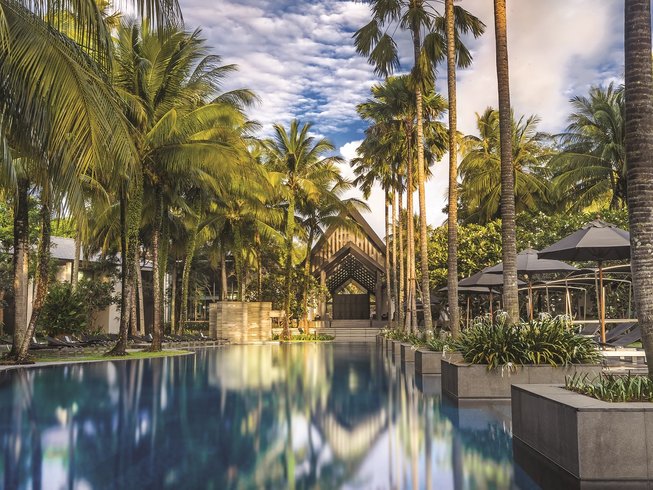
5 Day Anahata Rejuvenation, Luxury Spa Detox, and Yoga Retreat in Phuket, Thailand
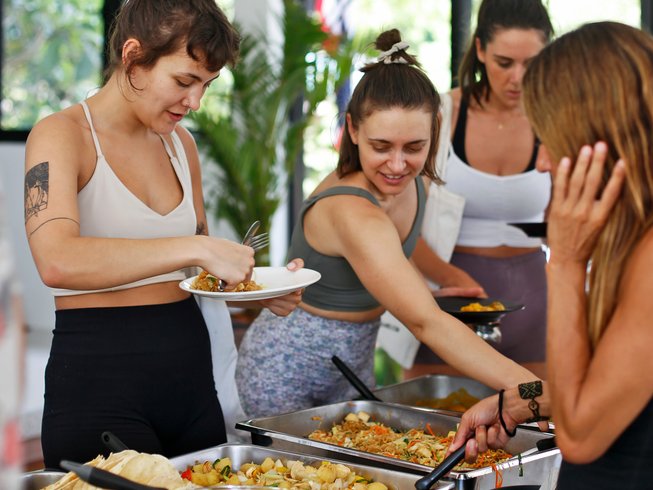
8 Day Yoga Sadhana Retreat in a Peaceful Private Beachfront Resort in Koh Phangan, Thailand
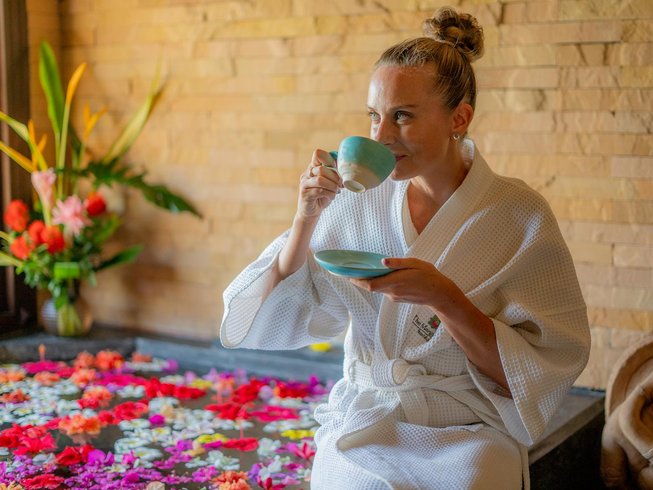
15 Day AyurYoga Shodhana Ayurveda Retreat in Rawai, Phuket, Thailand
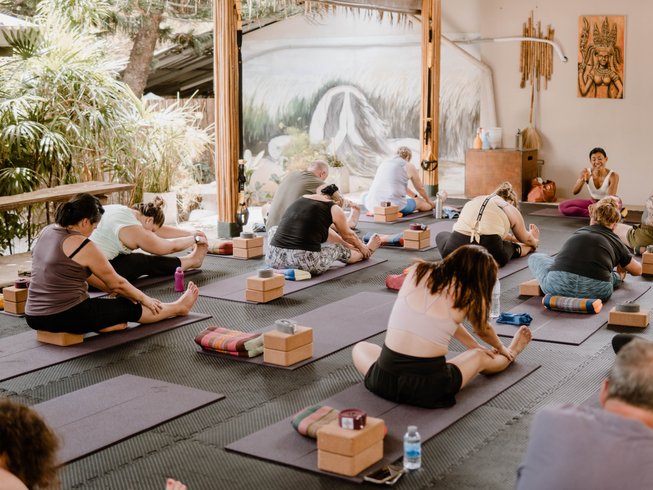
7 Days Holistic Wellness and Yoga Holiday in Phuket, Thailand
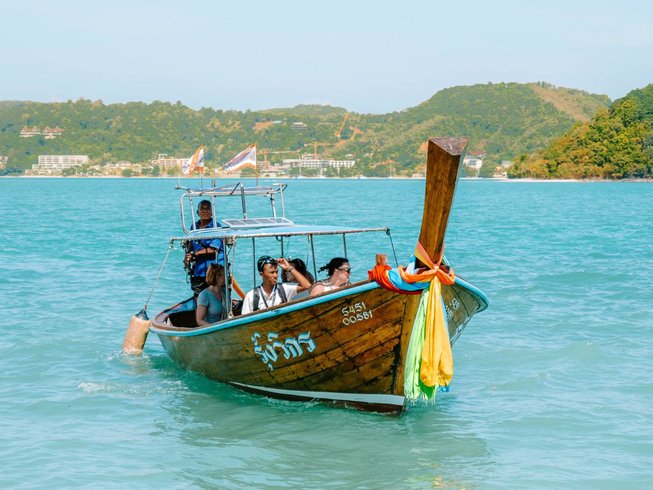
8 Day Soulful Thailand Retreat: Yoga, Wellness & Cultural Connection in Phuket, Thailand

14 Day Wellness, Adventures, and Yoga Holiday in Phuket, Thailand
Summer’s Dual Challenge
Thailand’s summer doesn’t deliver single consistent experience—it splits between two distinct challenges that overlap and intensify each other. May brings peak hot season with temperatures regularly exceeding 35°C, humidity climbing toward monsoon levels, and heat that makes midday outdoor movement genuinely unpleasant. This is Thailand at its absolute hottest, the culmination of months without significant rain.
Then monsoon arrives properly through June, July, and August, bringing relief from peak temperatures but replacing heat stress with daily rain. Not gentle tropical showers—dramatic thunderstorms that dump inches of water in hours, flood low-lying areas, and create that thick, oppressive humidity where nothing ever fully dries. Summer means choosing between extreme heat without rain (May) or manageable heat with constant rain (June-August). Neither option feels comfortable by conventional standards.
Temperature patterns shift through summer. May sees 28-37°C with pre-monsoon humidity making it feel even hotter. June through August moderate slightly to 25-32°C, but 80-95% humidity and frequent rain create different discomfort. Northern Thailand experiences afternoon thunderstorms but often clear mornings. Islands see variable patterns—Gulf islands handle summer better than Andaman coast where southwest monsoon hits hardest.
Where Summer Actually Works
Gulf Islands—The Viable Option
Koh Samui and Koh Phangan remain Thailand’s most functional summer destinations, though “functional” requires honest definition. These islands experience lighter monsoon impact than western coast, with rain arriving in predictable afternoon patterns you can work around rather than random all-day deluges. May stays hot but ocean access provides essential cooling. June through August bring regular rain but also periods of sunshine between storms.
Everything stays open on these islands—retreats operate year-round, restaurants maintain service, activities continue with weather-dependent modifications. You’re not gambling on whether infrastructure exists, just on specific daily conditions. The ocean stays warm enough for swimming, providing crucial relief during May’s peak heat and refreshing escape between June-August rain showers.
Tourist numbers drop to minimal levels. Beaches that host hundreds in winter now see maybe ten people. That yoga class accommodating twenty participants in December runs with three in July. Teachers provide essentially private instruction at group rates. This solitude enables deep practice impossible during crowded seasons.
Andaman Coast—Largely Closed
Phuket, Krabi, and western islands experience full southwest monsoon through summer with heavy rain, rough seas, and seasonal business closures. Many hotels, restaurants, and retreat centers simply shut down from June through September, their staff taking breaks or working elsewhere until October reopening. Those staying open offer deep discounts but operate with reduced services.
Skip the Andaman coast entirely for summer unless you’re specifically seeking that ghost-town atmosphere and can handle genuinely challenging weather. The dramatic limestone scenery that makes this coast famous becomes largely inaccessible when boat services suspend due to rough seas.
Northern Thailand—Mixed Reality
Chiang Mai and mountain regions handle summer through daily patterns rather than seasonal avoidance. May brings extreme heat—35-40°C—that even locals find difficult. June through August see temperatures moderate as rain arrives, bringing those afternoon thunderstorms that cool things temporarily before humidity returns intensified.
Mornings often stay clear enough for practice and activities. Plan outdoor yoga for 6-8am, cultural exploration before noon, then retreat indoors during afternoon storm hours. The countryside looks spectacularly lush and green after months of rain—waterfalls flow dramatically, jungles thrive, everything feels renewed. Just accept that spontaneous hiking or all-day outdoor adventures don’t work when afternoon rain arrives with clockwork regularity.
Summer’s Substantial Benefits
Why do some travelers deliberately choose summer despite obvious challenges? Prices collapse to 40-70% below peak season—the lowest rates of the entire year. That $250/night luxury beach resort in January drops to $75-100 in July. Week-long retreats costing $2,000 in winter run $600-800 in summer. The savings become genuinely transformative, making extended stays affordable that would be impossible during better weather.
Complete solitude pervades popular destinations. You’ll have beaches, temples, restaurants, and retreat facilities essentially to yourself. This emptiness creates space for intensive practice and deep internal work that crowded seasons simply cannot provide. Teachers have time for extensive individual guidance. Fellow practitioners form tight bonds in small groups. The experience becomes genuinely intimate rather than industrially scaled.
Authentic Thailand emerges when tourism pauses. Staff interact naturally rather than performing service roles. Locals go about actual daily life. You see the country functioning for itself rather than for visitors. Restaurant owners chat at length. Taxi drivers tell real stories rather than tourist-friendly versions. The cultural immersion that winter visitors pay premium prices attempting to access happens automatically in summer because there aren’t enough tourists to justify maintaining the performance.
Heat and rain support specific practices. Detox programs benefit enormously from summer conditions—elevated body temperature enhances elimination, profuse sweating accelerates cleansing, reduced appetite in heat makes fasting easier rather than harder. Meditation intensives thrive when rain provides natural contemplative atmosphere and limits outdoor distractions. Internal healing work deepens when weather enforces turning inward rather than constantly seeking external stimulation.
Making Summer Survivable
Success in summer Thailand requires completely restructuring daily rhythms around environmental realities rather than fighting conditions constantly.
May demands extreme heat management. Schedule any vigorous practice for 5:30-7am before temperatures soar dangerously. Midday from 11am-5pm belongs entirely to air-conditioned indoor spaces—rest, read, meditate, do gentle yoga, but don’t attempt outdoor activity. Evening allows resumption around 6pm when heat moderates slightly, though “slightly” means you’re still warm, just less dangerously so. Hydration becomes obsessive—4+ liters daily supplemented with electrolytes, not casual water drinking but deliberate mineral replacement. Ocean or pool access shifts from recreational luxury to survival necessity—you’ll be in water multiple times daily for core temperature regulation.
June through August require rain adaptation. Embrace morning hours when skies often stay clear for outdoor practice and activities. Build indoor backup plans for afternoon when storms typically arrive. Waterproof everything—electronics in dry bags, important documents sealed, quick-dry clothing exclusively. Accept that getting soaked becomes routine rather than emergency. Stop viewing rain as disruption and start seeing it as the actual summer experience. You’re not here despite monsoon—monsoon is what summer means in Thailand.
Choose accommodations and retreats based on cooling and drying infrastructure. Excellent air conditioning stops being luxury amenity and becomes essential equipment. Multiple fans, dehumidifiers, spaces where things can actually dry overnight—these features matter enormously. Covered yoga spaces become mandatory rather than nice-to-have since open-air platforms flood during rain.
Programs That Thrive in Summer
Meditation retreats operate perfectly regardless of weather—sitting practice happens indoors in climate-controlled spaces where heat and rain become irrelevant background rather than central challenges. Ten-day silent Vipassana programs actually benefit from summer’s natural isolation and inward-turning atmosphere.
Detox and fasting programs align with summer conditions that enhance cleansing protocols. May’s heat intensifies sweating and elimination. Reduced appetite in warmth makes eating less feel natural. The physical discomfort that makes summer challenging for regular tourism actually supports intensive cleansing work.
Yin and restorative yoga suit heat and humidity that demand slower, gentler movement. Attempting power flows or intensive Ashtanga in summer heat becomes genuinely unsafe, but cooling, meditative practices work beautifully.
Extended study programs—yoga philosophy, Buddhist teachings, Thai language—benefit from summer’s enforced indoor time and minimal external distractions. When weather limits outdoor entertainment, deep study becomes natural focus.
Teacher training programs often run in summer specifically because the intensive indoor curriculum aligns with seasonal limitations. Anatomy, philosophy, teaching methodology—this theoretical work happens regardless of weather.
What doesn’t work: adventure retreats requiring sustained outdoor activity, hiking-focused programs, anything depending on reliable all-day comfortable conditions, beach yoga as primary rather than supplementary activity.
Who Summer Actually Suits
Extreme budget travelers for whom 40-70% savings make the difference between affording Thailand or not find summer compelling despite challenges. Solitude seekers wanting profound isolation and empty spaces get exactly that—summer delivers privacy impossible during any other season.
Serious practitioners doing intensive meditation, extended fasting, or deep internal work discover summer’s limitations create supportive container rather than frustrating obstacles. Long-term travelers staying months rather than weeks understand that weather averages out over time—a few rainy days matter less across extended stay.
Heat enthusiasts who genuinely thrive in tropical intensity rather than merely tolerating it manage summer reasonably well, especially May. Rain romantics—yes, they exist—who find monsoon atmosphere beautiful rather than depressing actually enjoy June through August.
Teachers and retreat leaders benefit from summer’s lower costs for extended stays while developing programs or taking personal retreat time away from busy winter season.
Who should absolutely skip summer: first-time Thailand visitors wanting classic experience, heat-sensitive travelers or those with health conditions affected by extreme temperatures, anyone needing reliable outdoor activities, travelers on tight schedules where weather disruption creates real problems.
What Daily Life Feels Like
May mornings start warm and grow progressively hotter. By 10am, stepping outside feels like walking into physical wall of heat. Midday hours move slowly indoors where air conditioning provides only partial relief—you’re comfortable but aware of oppressive conditions just beyond walls. Late afternoon brings slight temperature drop that feels enormous by comparison, making 32°C seem pleasant after enduring 37°C earlier.
June through August mornings often surprise with clear skies and relatively fresh air after overnight rain. You wake thinking “today will be good” and it often is—until 2 or 3pm when clouds build, sky darkens, and rain arrives with dramatic intensity. Storms dump water for one to three hours, flooding streets temporarily, before clearing somewhat and leaving heavy, humid air. Evenings bring uncertainty—sometimes clearing beautifully, sometimes rain continuing intermittently through night.
Everything stays perpetually damp in summer. Clothes never fully dry between washes. Towels feel slightly moist. Books left out develop that distinctive musty smell. You learn to keep electronics in sealed bags with silica gel packets, hang clothes strategically near fans, accept that tropical summer means living with constant moisture.
But there’s also profound peace in summer’s emptiness. Walk beaches alone for miles. Practice yoga in shalas designed for twenty but hosting only you. Have entire restaurants to yourself. Experience Thailand at pace locals know rather than tourist industry’s accelerated rhythm.
Summer’s Honest Assessment
Summer 2026 works brilliantly for very specific travelers with very specific priorities, tolerances, and motivations. The savings are real and substantial—potentially thousands of dollars compared to winter travel. The solitude is complete and profound—access to empty Thailand that most visitors never experience. The authentic cultural immersion happens automatically rather than requiring effort to seek out.
But you earn these benefits through genuine discomfort that can’t be sugar-coated. May’s heat becomes oppressive rather than pleasant. June through August’s rain grows tiresome even for those who initially find it romantic. Daily life revolves entirely around managing environmental challenges. Spontaneity disappears. Flexibility becomes mandatory survival skill rather than desirable trait.
Most travelers will have dramatically better experiences visiting October through February. Those months offer superior conditions at prices that, while higher, don’t require suffering for your savings. Summer should never be default choice—it should be deliberate selection based on compelling reasons: schedule constraints leaving no alternative, budget limitations making dramatic savings genuinely necessary, specific desire for profound solitude, or authentic love of challenging tropical conditions.
The key is brutal honesty about which category you actually fall into rather than which you wish you fell into. Summer rewards those entering with clear eyes and realistic expectations. It frustrates those who underestimate what 35°C heat and daily monsoon rain actually mean for daily life and yoga practice.
Frequently Asked Questions
Is summer 2026 too challenging for Thailand wellness retreats?
Honest answer: yes, for most people—summer represents Thailand’s most difficult season. Yoga and wellness retreats in Thailand in summer 2026 mean confronting extreme heat in May (regularly 32-38°C) followed by monsoon rain June through August (15-25 rainy days monthly). Benefits include dramatic 40-70% savings, complete solitude with empty beaches and retreat centers, and authentic Thailand without tourist overlay. Summer works for extreme budget travelers, serious practitioners seeking isolation, long-term visitors, or those specifically drawn to challenging conditions. First-timers, heat-sensitive individuals, and anyone needing reliable outdoor activities should choose October through February instead.
Which summer month is least difficult?
Late August shows first improvement as monsoon begins weakening, but all summer months challenge most travelers. May brings peak heat without monsoon relief yet—hardest for heat-sensitive visitors. June through July deliver full monsoon with daily rain—challenging for those needing outdoor activities. Late August sees rain beginning to decrease and patterns becoming more predictable. For yoga and wellness retreats in Thailand in summer 2026, no month is “easy,” but late August edges slightly ahead if you must travel during summer. Better strategy: target early September when conditions improve more substantially while prices stay low.
Can I still do yoga practice in summer conditions?
Yes, but with significant modifications and strategic timing. Vigorous practice works only very early morning (5:30-7am) before May heat or afternoon storms arrive. Midday practice becomes genuinely unsafe in May heat—heat exhaustion risk is real. June through August allow more practice timing flexibility but require covered spaces when rain arrives. Gentle styles like yin, restorative, and meditation work throughout summer. Intensive power yoga or Ashtanga require limiting to early morning only. For yoga and wellness retreats in Thailand in summer 2026, expect modified schedules prioritizing safety and weather realities over maintaining full winter programming.
What are actual prices compared to peak season?
40-70% below November through February rates—summer offers year’s absolute lowest prices. That $250/night peak season resort drops to $75-100 in summer. Week-long retreats costing $2,000 in winter run $600-800 in July. Monthly rates for extended stays become incredibly affordable—$1,500-3,000 for entire month including accommodation, meals, and programming that would cost $5,000-8,000 in winter. For yoga and wellness retreats in Thailand in summer 2026, savings become genuinely transformative, making extended wellness stays accessible that would be financially impossible during better weather. Question is whether savings justify the environmental challenges for your specific situation.
How does Gulf coast compare to Andaman coast in summer?
Gulf islands (Koh Samui, Koh Phangan) dramatically better—stay exclusively on Gulf side. Gulf experiences lighter monsoon with manageable afternoon rain patterns and everything staying operational year-round. Andaman coast (Phuket, Krabi) gets hit hard by southwest monsoon with heavy rain, rough seas, and many seasonal business closures June through September. For yoga and wellness retreats in Thailand in summer 2026, book Gulf islands only unless you specifically want ghost-town atmosphere and can handle genuinely difficult weather on Andaman side.
Should I embrace monsoon or try to avoid it?
Embrace it fully because avoiding is impossible June through August. Monsoon means daily rain in summer—fighting this reality creates constant frustration. Instead, structure days around weather patterns: outdoor activities morning when skies often clear, indoor time afternoon during typical storm hours, flexibility based on actual conditions. Waterproof essentials, pack quick-dry clothing, find beauty in dramatic storms rather than viewing rain as ruined plans. For yoga and wellness retreats in Thailand in summer 2026, success requires accepting monsoon as the actual experience rather than obstacle to overcome. Stop hoping for endless sunshine and start appreciating what summer actually offers—including that rain.
Related Articles
Explore our monthly guides: yoga and wellness retreats in Thailand in January, yoga and wellness retreats in Thailand in February, yoga and wellness retreats in Thailand in March, yoga and wellness retreats in Thailand in April, yoga and wellness retreats in Thailand in May, yoga and wellness retreats in Thailand in June, yoga and wellness retreats in Thailand in July, yoga and wellness retreats in Thailand in August, yoga and wellness retreats in Thailand in September, yoga and wellness retreats in Thailand in October, yoga and wellness retreats in Thailand in November, and yoga and wellness retreats in Thailand in December.
Discover our seasonal guides: yoga and wellness retreats in Thailand in Spring, yoga and wellness retreats in Thailand in Summer, yoga and wellness retreats in Thailand in Autumn, and yoga and wellness retreats in Thailand in Winter.
For a complete overview, read Yoga and Wellness Retreats in Thailand for 2026.
