
Yoga and Wellness Retreats in Thailand in March 2026
March 2026 marks Thailand’s transition into hot season—a month that divides opinion among travelers. For those considering yoga and wellness retreats in Thailand in March 2026, you’re looking at a trade-off: significantly fewer tourists and lower prices in exchange for increasing heat that by month’s end can feel genuinely intense.
What seasoned Thailand wellness travelers know: March isn’t uniformly hot. Early March extends February’s pleasant warmth. Mid-March sees noticeable temperature jumps. Late March enters hot season proper, especially in central and northern regions. Strategic timing and location selection make all the difference.
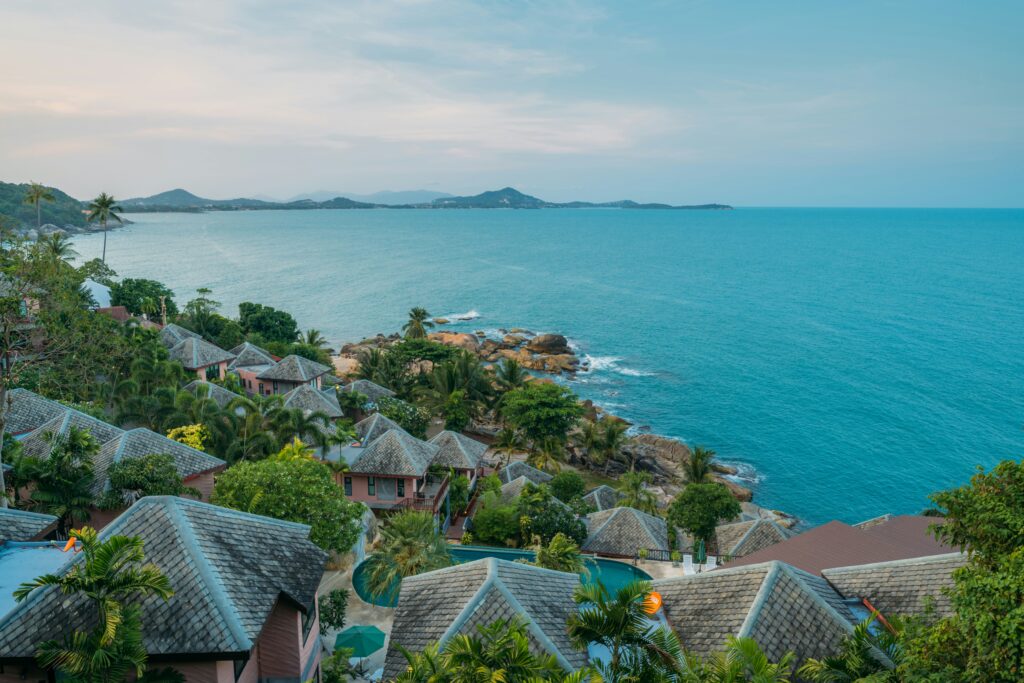
Our Selection of Yoga Retreats in Thailand, March 2026
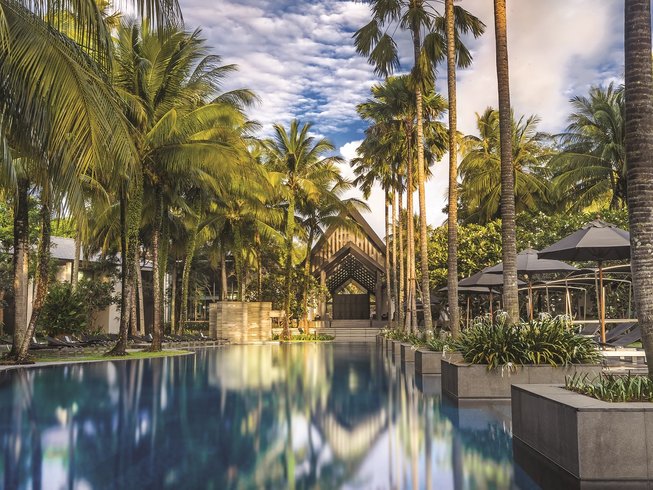
5 Day Anahata Rejuvenation, Luxury Spa Detox, and Yoga Retreat in Phuket, Thailand

8 Day Yoga Sadhana Retreat in a Peaceful Private Beachfront Resort in Koh Phangan, Thailand
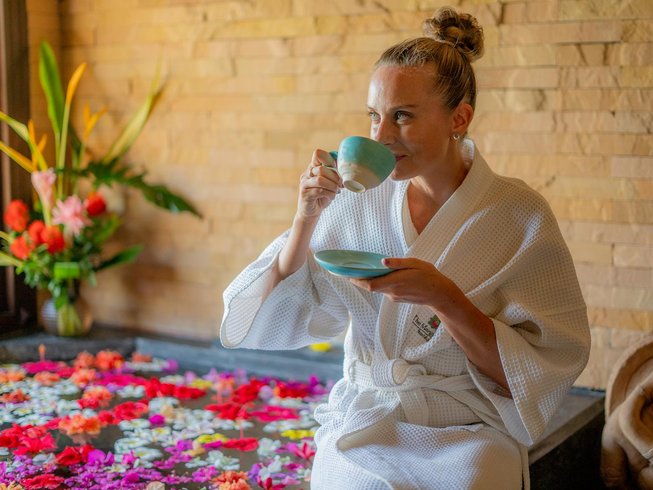
15 Day AyurYoga Shodhana Ayurveda Retreat in Rawai, Phuket, Thailand
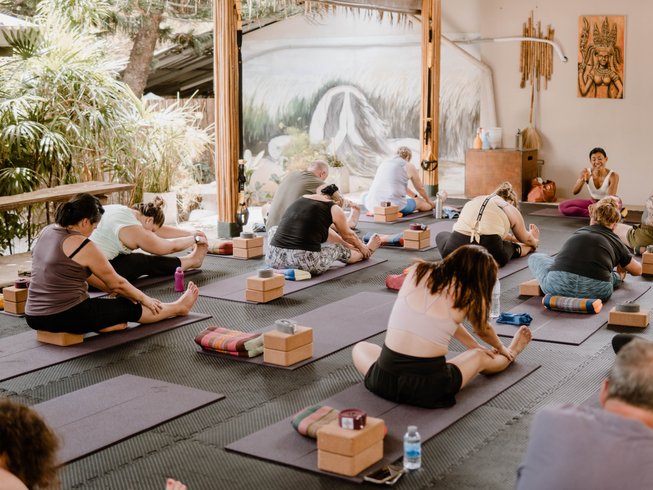
7 Days Holistic Wellness and Yoga Holiday in Phuket, Thailand
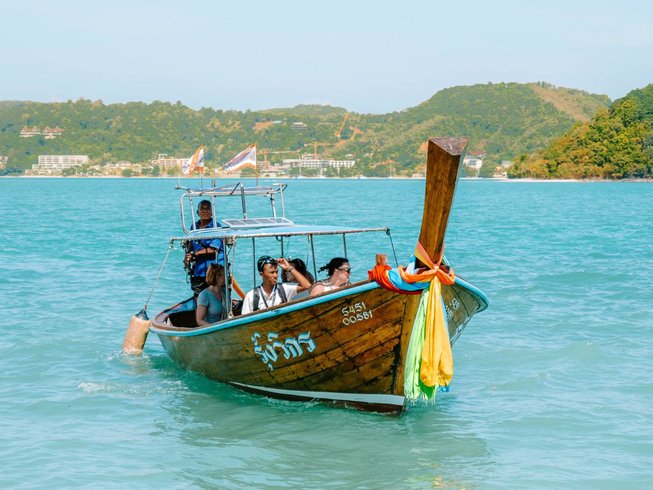
8 Day Soulful Thailand Retreat: Yoga, Wellness & Cultural Connection in Phuket, Thailand

14 Day Wellness, Adventures, and Yoga Holiday in Phuket, Thailand
Understanding March 2026 Heat
Temperature progression through March:
- Early March: Warm but manageable (28-33°C)
- Mid-March: Hot and building (30-36°C)
- Late March: Very hot inland (32-38°C+)
- Humidity: 70-80%, adding to heat perception
- Rain: Minimal still, occasional afternoon thunderstorms starting
Regional heat variation critical:
- Northern Thailand: Hottest region in March, plus burning season air quality issues
- Islands: More bearable due to ocean breezes
- Coastal areas: Best choice for March retreats
- Bangkok/Central: Uncomfortably hot, avoid if possible
Where March Works (And Where It Doesn’t)
Stick to the Islands
March in Thailand comes down to a simple equation: you need the ocean. Koh Samui and Koh Phangan become not just pleasant options but necessary ones—the ocean breeze that felt like a gentle bonus in January now becomes the difference between manageable and miserable. Beach access stops being about leisure and starts being about survival strategy: finish your morning practice, walk twenty seconds to the water, cool down completely, repeat throughout the day.
Seaside yoga shalas earn their value in March. Those open-air structures that let breeze flow through aren’t architectural charm anymore—they’re functional cooling systems. Water activities shift from recreation to relief. Swimming, diving, snorkeling, even just floating in the ocean: these become essential parts of your daily rhythm, not optional extras.
Northern Thailand in March? No.
Let’s be direct: skip Chiang Mai and Pai entirely in March. The heat alone would be challenging—we’re talking 36-40°C regularly—but that’s not even the main problem. March marks peak burning season when farmers across northern Thailand and neighboring countries set fire to their fields. The smoke that started building in late February becomes genuinely hazardous. Air quality indices hit levels that would shut down cities elsewhere. If you have any respiratory sensitivity whatsoever, northern Thailand in March isn’t just uncomfortable—it’s potentially dangerous.
This isn’t about being soft or heat-intolerant. Locals who can afford it leave northern Thailand in March. That should tell you everything you need to know.
The Trade-Off That Makes March Viable
Here’s what makes March worth considering despite the heat: everyone else has left. Prices plummet 30-40% from peak season, beaches empty almost entirely, popular retreats that required months advance booking now accept reservations two weeks out. You can negotiate rates, especially for longer stays. The tourist veneer that sometimes feels thick in high season vanishes completely—you’re experiencing Thailand as it actually is, not as it’s staged for visitors.
This authentic immersion happens by default rather than effort. With so few tourists around, every interaction becomes more genuine. Restaurant owners chat longer, retreat staff provide more personalized attention, you become a familiar face quickly rather than one among hundreds.
Working With March’s Heat
Success in March requires completely restructuring your day around temperature. Early morning practice between 6-8am isn’t a preference—it’s the only window when vigorous yoga feels remotely reasonable. By 10am, you’re done with anything demanding. Midday belongs entirely to indoor activities: spa treatments, meditation in air-conditioned spaces, reading, napping. Late afternoon and evening work for gentle practices—yin yoga, restorative sequences, beach walks—once the sun loses its intensity.
Hydration stops being wellness advice and becomes survival requirement. Three to four liters of water daily, minimum, supplemented with electrolytes to replace what you’re sweating out constantly. And here’s the mindset shift that makes March bearable: stop fighting the sweat. Embrace it as deeply detoxifying, as your body doing exactly what it should in heat. The moment you accept rather than resist the sweating, March becomes much more manageable.
Pool and ocean access isn’t luxury in March—it’s infrastructure. Choose accommodations accordingly.
Programs That Actually Work in March Heat
Certain retreat styles thrive in March while others suffer. Detox and fasting programs benefit from heat—elevated body temperature enhances cleansing, and you naturally eat less when it’s scorching anyway. Yin yoga and gentle practices align perfectly with conditions that demand you slow down. Meditation-focused retreats work beautifully since you’re sitting still in air-conditioned spaces regardless of outside temperature.
Ayurvedic programs often embrace heat as therapeutically valuable—many traditional protocols actually call for warm conditions. Beach wellness retreats succeed when they make ocean access central rather than incidental. What doesn’t work: intensive Ashtanga all day, hot yoga (why would you add heat to heat?), or anything requiring sustained outdoor exertion during afternoon hours.
Packing for Survival, Not Style
Pack the absolute minimum of the lightest clothing you own. You’ll wear nearly nothing most of the time—embrace this reality. Multiple swimsuits matter enormously since you’ll cycle through them constantly and nothing dries overnight in March humidity. Sun protection becomes non-negotiable: Thailand’s UV index runs intense year-round, but March’s clear skies and direct sun make burning almost instantaneous. Reapply constantly.
Your hydration system needs to be substantial: a large water bottle that you refill throughout the day, electrolyte packets to add to water, maybe even a second bottle. A cooling towel provides immediate relief when heat feels overwhelming. And here’s practical advice from experience: skip makeup entirely. Everything melts, separates, or runs within minutes. March isn’t the month for maintaining appearances—it’s the month for maintaining comfort.
Frequently Asked Questions
Is March 2026 too hot for Thailand yoga retreats?
Depends on heat tolerance and location choice. Yoga and wellness retreats in Thailand in March 2026 work if choosing coastal areas (islands, beaches) and embracing early morning schedules. Heat is real (28-38°C depending on location/time) but manageable with ocean access. Benefits include 30-40% savings, minimal crowds, easy booking. Skip if heat-sensitive or considering inland areas. Detox programs actually benefit from March heat.
Which Thailand locations work in March 2026?
Islands and beaches only. Koh Samui, Koh Phangan, Koh Lanta, Krabi coast all viable—ocean breezes and water access make heat tolerable. Avoid Chiang Mai and northern Thailand (extreme heat plus burning season air quality). Avoid Bangkok and central plains (uncomfortably hot, no breeze). For yoga and wellness retreats in Thailand in March 2026, coastal is non-negotiable.
What about burning season in March 2026?
Serious issue in northern Thailand, avoid that region. Farmers burn fields March-April creating hazardous air quality in Chiang Mai, Pai, entire north. Can cause respiratory issues, ruins outdoor activities. Southern islands unaffected by burning season. If considering yoga and wellness retreats in Thailand in March 2026, stick to southern coastal areas entirely.
Are prices much lower in March?
Yes, significantly—30-40% below peak season. March marks transition to low season. Retreats, hotels, activities all discounted. Longer stays especially negotiable. That luxury beach resort unaffordable in January? Now accessible. Budget travelers find March excellent value if accepting heat trade-off for yoga and wellness retreats in Thailand in March 2026.
Can I still do intensive yoga in March heat?
Yes, but schedule strategically. Early morning (6-8am) works for vigorous practice before peak heat. Late afternoon/evening for gentle styles. Midday rest essential. Stay well-hydrated. Many find sweating deeply in March heat actually enhances detoxification. Choose retreats with air-conditioned indoor backup options for yoga and wellness retreats in Thailand in March 2026.
Related Articles
Explore our monthly guides: yoga and wellness retreats in Thailand in January, yoga and wellness retreats in Thailand in February, yoga and wellness retreats in Thailand in March, yoga and wellness retreats in Thailand in April, yoga and wellness retreats in Thailand in May, yoga and wellness retreats in Thailand in June, yoga and wellness retreats in Thailand in July, yoga and wellness retreats in Thailand in August, yoga and wellness retreats in Thailand in September, yoga and wellness retreats in Thailand in October, yoga and wellness retreats in Thailand in November, and yoga and wellness retreats in Thailand in December.
Discover our seasonal guides: yoga and wellness retreats in Thailand in Spring, yoga and wellness retreats in Thailand in Summer, yoga and wellness retreats in Thailand in Autumn, and yoga and wellness retreats in Thailand in Winter.
For a complete overview, read Yoga and Wellness Retreats in Thailand for 2026.
