
Yoga and Wellness Retreats in Thailand: Complete 2026 Guide
Thailand has earned its reputation as one of Asia’s premier wellness destinations, offering something that few other countries can match: the perfect fusion of ancient healing traditions, stunning natural beauty, world-class yoga instruction, and exceptional value. From the jungle-clad mountains of Chiang Mai to the turquoise waters surrounding Koh Samui, yoga and wellness retreats in Thailand provide transformative experiences across diverse landscapes and philosophies.
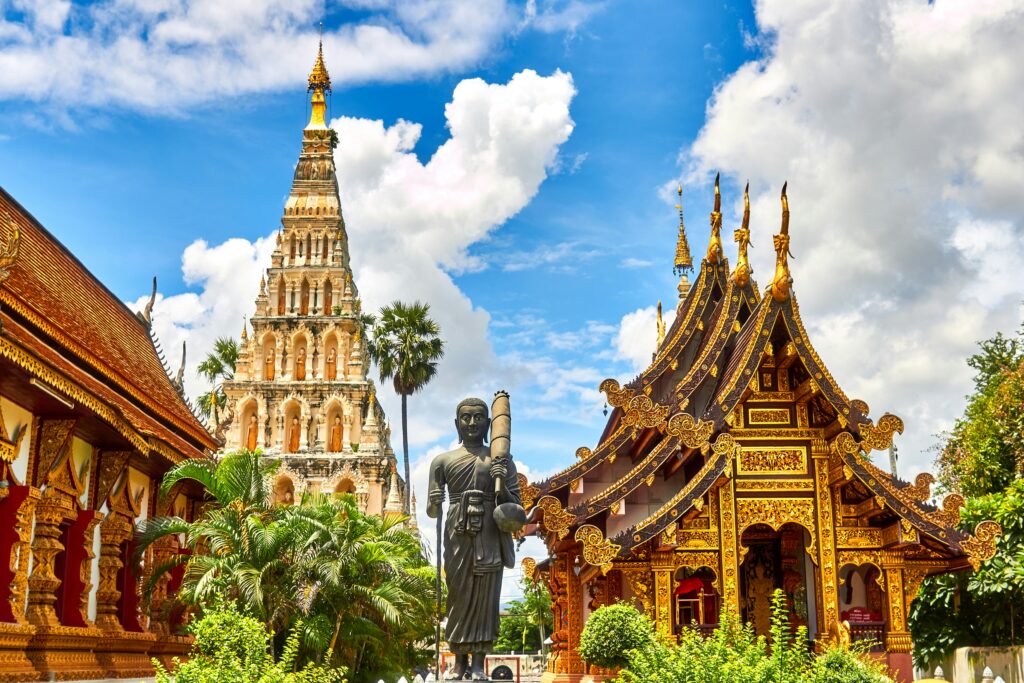
What sets Thailand apart isn’t just the postcard-perfect beaches or the affordable luxury—it’s the depth of the healing culture woven into Thai society. Traditional Thai massage, Buddhist meditation practices, herbal medicine, and spiritual teachings have flourished here for centuries, creating an authentic wellness infrastructure that goes far beyond superficial spa tourism. When you attend yoga and wellness retreats in Thailand, you’re tapping into genuine lineages of healing that locals themselves rely upon.
Our Selection of Yoga Retreats in Thailand for 2026
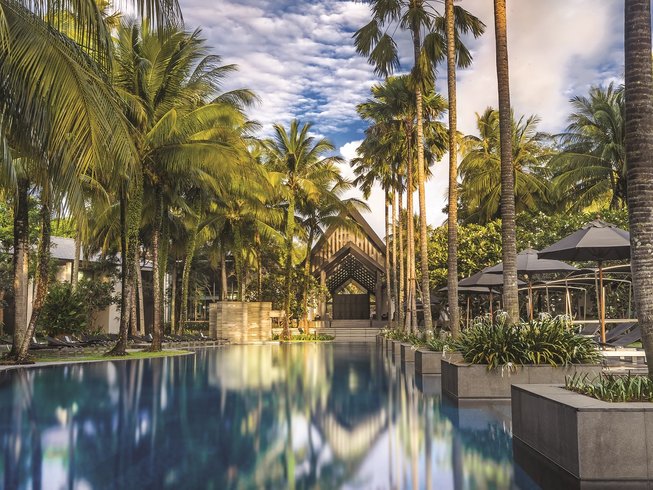
5 Day Anahata Rejuvenation, Luxury Spa Detox, and Yoga Retreat in Phuket, Thailand
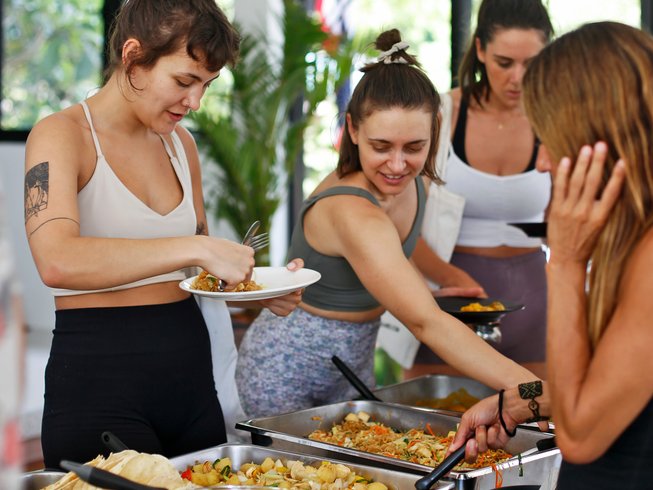
8 Day Yoga Sadhana Retreat in a Peaceful Private Beachfront Resort in Koh Phangan, Thailand
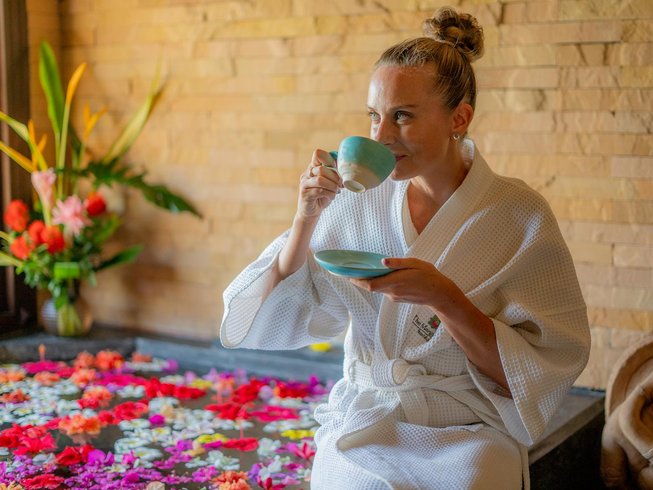
15 Day AyurYoga Shodhana Ayurveda Retreat in Rawai, Phuket, Thailand
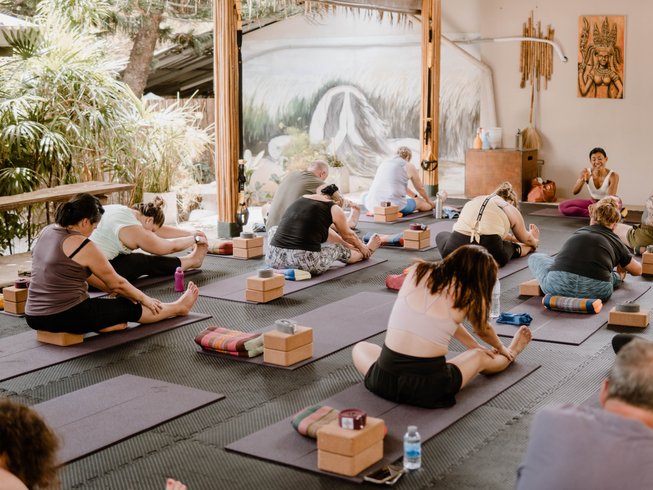
7 Days Holistic Wellness and Yoga Holiday in Phuket, Thailand
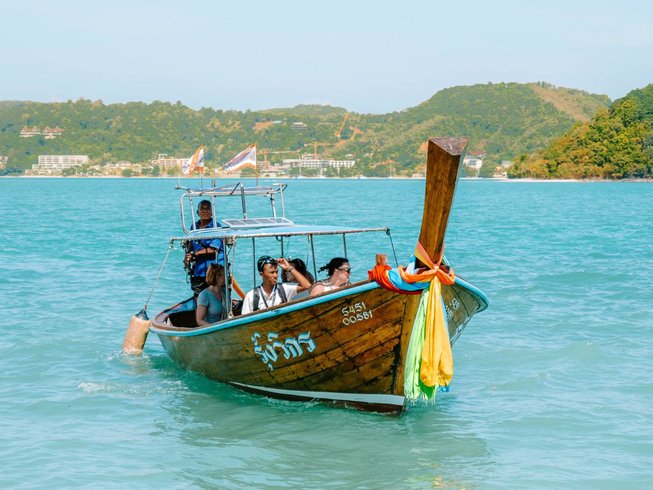
8 Day Soulful Thailand Retreat: Yoga, Wellness & Cultural Connection in Phuket, Thailand

14 Day Wellness, Adventures, and Yoga Holiday in Phuket, Thailand
The country’s geographic and cultural diversity means you can design your ideal retreat experience. Seeking intensive yoga practice in mountain serenity? Head north to Chiang Mai or Pai. Want to combine beach relaxation with wellness? The islands of Koh Samui, Koh Phangan, and Phuket deliver. Looking for accessible luxury near Bangkok? Hua Hin and Koh Chang offer convenient escapes. Need budget-friendly options without sacrificing quality? Thailand excels at providing exceptional wellness experiences at prices that make extended stays feasible.
Practical Considerations
Costs and Budgeting
Thailand offers exceptional value across all price points:
- Budget retreats: $200-500/week (basic accommodation, meals, daily yoga)
- Mid-range: $500-1,200/week (comfortable rooms, good food, varied programs)
- Luxury: $1,500-3,500/week (five-star accommodation, personalized programs, spa treatments)
- Ultra-luxury: $3,500+/week (world-class resorts, comprehensive wellness programs)
Beyond retreat costs:
- Flights: Bangkok well-connected globally, often affordable from Asia/Middle East
- Internal transport: Cheap flights/buses/trains between regions
- Visa: Many nationalities get 30-day visa-free, 60-day tourist visa easy to obtain
- Daily expenses: Outside retreat, $20-50/day covers food, transport, activities
Getting Around
- Bangkok hub: International airport, connections to entire country
- Domestic flights: Affordable (often $30-80), reach islands and north quickly
- Buses: Extensive network, very cheap, varying comfort levels
- Trains: Scenic, comfortable overnight options to north/south
- Ferries: Connect islands, some luxury catamarans available
- Local transport: Songthaews (shared trucks), tuk-tuks, motorbike rentals
Health and Safety
- Generally very safe: Low crime, friendly population
- Food safety: Good in tourist areas, be cautious with street food if sensitive stomach
- Medical care: Excellent hospitals in Bangkok, Chiang Mai, Phuket, Samui
- Insurance: Recommended, some retreats require it
- Mosquitoes: Dengue risk in some areas, use repellent
Cultural Considerations
- Respectful dress: Cover shoulders/knees at temples
- Buddha images: Never point feet at, show respect
- Monks: Women shouldn’t touch, follow temple etiquette
- Thai hospitality: Warm and genuine, easy to feel welcome
- Language: English widely spoken in tourist areas, learn basic Thai phrases appreciated
Why Thailand for Yoga
Thailand’s wellness culture isn’t imported from the West and repackaged with exotic aesthetics—it’s genuinely rooted in Buddhist philosophy, traditional Thai medicine, and centuries of practice. Walk into any neighborhood and you’ll find massage shops where practitioners trained in government-approved schools work on locals paying $10 for treatments that would cost $150 elsewhere. Buddhist temples welcome visitors for actual meditation practice, not performances staged for tourists. Traditional herbal medicine that Westerners discover at wellness retreats is what Thai grandmothers have been using for generations.
The natural environment becomes part of the healing itself. Practice sunrise yoga overlooking misty northern mountains. Meditate to wave sounds on pristine southern beaches. Walk through ancient jungles where the air itself feels medicinal. Detox in tropical heat that makes sweating feel cleansing rather than merely uncomfortable. Thailand’s landscape actively supports transformation rather than just providing pretty backdrop.
The value proposition remains almost absurd. A week-long retreat with accommodation, meals, daily yoga, spa treatments, and excursions might cost $500-1,500 depending on luxury level—experiences that would run $1,500-4,000 in Bali, Europe, or North America. This pricing makes extended wellness stays genuinely accessible rather than reserving them for the wealthy.
Where to Go for Yoga in Thailand
Northern Thailand—Mountains and Culture
Chiang Mai and Pai offer something the beach destinations cannot: cool mountain climate, deep Buddhist culture, and that grounded, contemplative energy that comes from elevation and jungle rather than ocean and sand. Chiang Mai combines hundreds of ancient temples with a thriving international wellness community, excellent cafés, and infrastructure that makes extended stays comfortable. The city attracts digital nomads doing month-long retreats, serious meditation practitioners, and anyone wanting wellness within reach of urban conveniences.
Pai, three hours away, provides hippie-chic mountain serenity in a small town that draws long-term travelers, artists, and budget-conscious wellness seekers. Hot springs, stunning valley views, dozens of yoga studios, and a genuinely laid-back vibe make Pai work for those wanting affordable transformation in social, creative atmosphere.
Best timing: November through February for cool, comfortable weather. March through May becomes extremely hot. June through October brings daily afternoon rain but lush green landscapes.
Gulf Islands—Beach Wellness Hub
Koh Samui, Koh Phangan, and Koh Tao represent Thailand’s most developed wellness tourism area, with options ranging from backpacker-budget to ultra-luxury.
Koh Samui brings sophistication—international airport, upscale dining, family-friendly infrastructure, and Kamalaya, one of Asia’s most renowned wellness sanctuaries. This is where you go for polished, professional wellness with easy access.
Koh Phangan functions as Thailand’s unofficial yoga capital with dozens of studios, retreat centers, and a strong international wellness community. Haad Salad stays quiet and family-oriented. Srithanu focuses intensely on yoga. Haad Rin hosts the monthly Full Moon Party that you either embrace or carefully avoid depending on your retreat goals. The island offers that rare combination of high-quality programs at surprisingly accessible prices.
Koh Tao caters particularly to divers, offering the unusual combination of underwater exploration with yoga practice—essentially meditation beneath the waves. Smaller and quieter than its neighbors, Koh Tao appeals especially to younger travelers seeking budget-friendly wellness in intimate settings.
Best timing: December through August generally excellent, avoid October through November when monsoon hits hardest.
Andaman Coast—Dramatic Beauty
The Andaman Sea side delivers Thailand’s most spectacular scenery—towering limestone cliffs rising from turquoise water, hidden lagoons, dramatic sunsets that look almost artificially enhanced. The wellness energy here feels different from the Gulf, shaped by dramatic landscape rather than gentle beaches.
Phuket serves as accessible gateway with major international airport and range from party scenes worth avoiding (Patong) to quiet northern beaches perfect for wellness. Several five-star resort spas operate here alongside more modest retreat centers.
Koh Lanta maintains laid-back, less developed atmosphere with long beaches offering space to actually spread out. A small but dedicated yoga community operates quality retreat centers in genuinely peaceful environment.
Krabi mainland and particularly Railay Beach showcase those famous limestone cliffs—practice yoga on platforms overlooking dramatic karst formations, accessible only by boat, creating natural isolation that supports intensive retreat work.
Best timing: November through April for dry season, avoid June through October when southwest monsoon brings heavy rain.
Mainland Beach Towns
Hua Hin and Khao Lak offer easier access from Bangkok while maintaining beach wellness appeal. Hua Hin functions as royal resort town—upscale, safe, popular for weekend escapes from the capital. Khao Lak delivers quiet beaches with low-rise development and proximity to national parks for those wanting truly peaceful retreat without island remoteness.
Understanding Thailand’s Seasons
Thailand’s climate varies enough by region that somewhere offers good conditions nearly year-round, but understanding patterns helps enormously.
November through February brings what Thais call “cool season”—comfortable 25-30°C temperatures, minimal rain, brilliant sunshine. This is also peak tourist season with maximum crowds and highest prices. Book 2-4 months ahead for popular retreats. Perfect for first-time visitors and anyone prioritizing weather certainty over budget flexibility.
March through May delivers pre-monsoon heat that builds progressively—comfortable in early March, genuinely challenging by late April. Crowds decrease substantially, prices drop 20-40%, and that heat actually benefits detox programs through enhanced sweating. Works for heat-tolerant travelers and budget-conscious visitors willing to trade comfort for savings. Mid-April brings Songkran water festival—Thailand’s most important celebration.
June through October marks monsoon season, though “monsoon” means different things in different regions. Northern Thailand sees daily afternoon rain but remains functional. Andaman coast gets genuinely wet—many businesses close. Gulf islands experience lighter monsoon with manageable patterns. Prices hit rock bottom at 40-60% below peak season. This is when you access authentic Thailand without tourist overlay, though you earn that authenticity through weather challenges.
The key insight: when Gulf islands have rain, Andaman coast might be dry, and vice versa. Thailand’s geography creates microclimates that savvy travelers learn to navigate.
Types of Retreats Available
Thailand offers wellness diversity matching virtually any intention or budget. Traditional yoga retreats span every style from gentle Hatha to intensive Ashtanga, weekend workshops to month-long teacher trainings, settings from beach platforms to jungle studios. Meditation programs range from casual introduction to serious ten-day silent Vipassana retreats that fundamentally challenge practitioners.
Detox and fasting centers—particularly on Koh Phangan—offer structured cleansing programs combining juice fasts, colonics, massage, and yoga. These aren’t casual spa experiences but serious protocols requiring commitment. Thai massage schools welcome students for week-long or month-long trainings, teaching techniques that locals have practiced for centuries. Luxury wellness resorts provide comprehensive programs where high-end accommodation, gourmet healthy meals, spa treatments, and expert instruction create all-inclusive transformation experiences.
The breadth means you can find exactly what you need—budget backpacker vibe or polished luxury, intensive practice or gentle healing, beach energy or mountain contemplation, group experience or solo journey. Thailand’s wellness landscape accommodates all of it without judgment or exclusivity.
Frequently Asked Questions
What’s the best time of year for yoga and wellness retreats in Thailand?
November through February offers optimal conditions across most of Thailand. This period brings comfortable temperatures (25-30°C), minimal rain, and pleasant humidity. However, it’s also peak season with maximum crowds and highest prices (30-50% premium). For better value with good weather, consider March-April (hot but manageable) or September-October (end of rainy season, improving conditions, 20-40% savings). The “best” time depends on balancing weather preferences against budget and crowd tolerance.
Which Thai island is best for wellness retreats?
Koh Phangan stands out as Thailand’s dedicated yoga and wellness island. It offers dozens of retreat centers, affordable luxury, strong international community, and diverse wellness options from budget to upscale. Koh Samui provides more luxury and sophistication with easier access (international airport). Koh Tao works for those wanting to combine diving with yoga. Phuket and Krabi offer more tourist infrastructure but less focused wellness community. Choose based on desired vibe: Phangan for dedicated wellness culture, Samui for accessible luxury, Tao for diving combination.
How much should I budget for a week-long wellness retreat in Thailand?
Budget $200-500 for basic retreats, $500-1,200 for mid-range, $1,500-3,500+ for luxury. These costs typically include accommodation, meals, daily yoga/activities, and some treatments. Add $300-800 for flights (varies by origin), $100-300 for pre/post retreat accommodation and meals, $100-200 for extras (additional spa treatments, excursions, shopping). Total realistic budget: $700-1,500 for budget retreat week, $1,500-3,000 for mid-range, $3,000-5,000+ for luxury. Thailand’s exceptional value means high-quality wellness experiences cost 40-60% less than equivalent programs in Bali, Europe, or North America.
Are Thailand wellness retreats suitable for beginners?
Absolutely—Thailand excels at welcoming wellness newcomers. Most retreat centers offer beginner-friendly programs with experienced teachers who provide modifications and personal attention. The culture emphasizes gentleness (mai pen rai/”no worries” attitude) and patience rather than competitive intensity. Many retreats specifically cater to beginners or mixed levels. Start with shorter programs (3-5 days) to test comfort level before committing to longer stays. Budget-friendly costs make Thailand ideal for trying wellness retreats without major financial investment.
Can I find authentic Buddhist meditation experiences in Thailand?
Yes—Thailand offers some of the world’s most accessible authentic Buddhist practice. Numerous temples welcome foreign visitors for meditation instruction, some offering week-long silent retreats or longer monk chat programs. Wat Suan Mokkh (southern Thailand), Wat Pah Nanachat (northeast), and various Chiang Mai temples provide legitimate teachings in English. These temple programs are typically donation-based (incredibly affordable) and represent genuine practice, not commercialized tourism. Proper etiquette and respectful attitude essential. Many yoga and wellness retreats in Thailand also incorporate Buddhist meditation teachings as part of their programs.
Is it safe to travel solo to Thailand for a wellness retreat?
Very safe—Thailand ranks among the safest solo travel destinations globally. Retreat centers provide secure, supportive environments where solo travelers quickly connect with others. Thai culture values hospitality (sanuk/enjoying life together), making solo visitors feel welcomed rather than isolated. Women traveling alone report feeling particularly safe. Standard precautions apply (don’t leave valuables on beaches, be aware in late-night party areas), but violent crime against tourists is rare. Many wellness retreat participants travel solo, making it easy to form friendships during programs.
Do I need to speak Thai to attend wellness retreats in Thailand?
No—English is widely spoken in all wellness tourism areas. Retreat centers catering to international visitors conduct programs entirely in English. In tourist zones (islands, Chiang Mai, Bangkok), you’ll easily navigate restaurants, transport, and activities without Thai language. That said, learning basic phrases (hello/sawadee, thank you/khop khun, delicious/aroi) enhances interactions and is warmly appreciated by locals. Yoga and wellness retreats in Thailand successfully serve guests from around the world without language barriers being an issue.
What’s the difference between Thai massage and other massage styles?
Thai massage is a unique therapeutic system combining acupressure, assisted yoga stretches, and energy work. Unlike Swedish massage (oil-based, primarily rubbing muscles), Thai massage is performed clothed on a floor mat using practitioner’s hands, elbows, knees, and feet to apply pressure and guide body through stretches. It targets energy lines (sen) similar to Chinese meridians, releasing blockages and improving flexibility. Sessions typically last 1-2 hours. Authentic Thai massage as practiced in temples and professional schools is deeply therapeutic, though tourist area “Thai massage” varies in quality. Most wellness retreats offer genuine, well-trained practitioners.
Can I combine a wellness retreat with other Thailand travel?
Absolutely—this is one of Thailand’s great advantages. The country’s compact size and excellent infrastructure make it easy to combine retreat weeks with broader exploration. Popular combinations: retreat on southern island + exploring Bangkok’s temples and markets; Chiang Mai retreat + trekking northern mountains; split time between different retreat types (beach yoga then Buddhist meditation). Most travelers build itineraries incorporating 3-10 day retreats plus independent travel. Thailand’s affordability makes extended trips financially feasible. Many yoga and wellness retreats in Thailand offer flexible start dates and durations, allowing easy integration into larger travel plans.
What should I pack for a Thailand wellness retreat?
Pack light, breathable clothing appropriate for tropical climate and cultural norms. Essentials: yoga clothes (moisture-wicking), modest clothing for temples (covering shoulders/knees), light rain jacket (if traveling May-October), reef-safe sunscreen, insect repellent, comfortable walking sandals, swimwear, sarong (multipurpose), small daypack, reusable water bottle. Most retreats provide yoga mats, towels, toiletries. Leave valuables home—Thailand’s casual wellness environment doesn’t require fancy clothes. Quick-dry fabrics essential in humid tropics. Check specific retreat requirements (some request white clothing, meditation retreats may specify simple dress).
Planning Your Thailand Wellness Journey
Yoga and wellness retreats in Thailand offer something for everyone—from budget backpackers to luxury seekers, from yoga beginners to advanced practitioners, from weekend escapes to month-long transformations. The country’s combination of authentic healing traditions, natural beauty, excellent infrastructure, and exceptional value creates ideal conditions for wellness work at any level.
Start by clarifying your intentions: What draws you to wellness retreat? Deep yoga practice? Physical detox? Meditation skills? Simply rest and rejuvenation? Your answer guides choices about region, retreat type, and timing. Thailand’s diversity means matching your specific needs with the perfect program and location.
Don’t rush the planning—yoga and wellness retreats in Thailand reward research. Read reviews carefully, contact retreat centers with questions, understand what’s included in pricing, verify teacher credentials and facility standards. The investment of time upfront ensures your retreat delivers the transformation you’re seeking.
And remember: Thailand’s greatest gift might be showing you that wellness isn’t something you achieve during a one-week retreat and then lose when returning to normal life. It’s a practice, a perspective, a way of being that can integrate into daily existence. The tools and teachings you encounter in Thailand can travel home with you—that’s the real value of yoga and wellness retreats in Thailand.
Ready to begin? Explore our detailed guides to specific locations and timing to find your perfect Thailand wellness experience.
Related Articles
Explore our monthly guides: yoga and wellness retreats in Thailand in January, yoga and wellness retreats in Thailand in February, yoga and wellness retreats in Thailand in March, yoga and wellness retreats in Thailand in April, yoga and wellness retreats in Thailand in May, yoga and wellness retreats in Thailand in June, yoga and wellness retreats in Thailand in July, yoga and wellness retreats in Thailand in August, yoga and wellness retreats in Thailand in September, yoga and wellness retreats in Thailand in October, yoga and wellness retreats in Thailand in November, and yoga and wellness retreats in Thailand in December.
Discover our seasonal guides: yoga and wellness retreats in Thailand in Spring, yoga and wellness retreats in Thailand in Summer, yoga and wellness retreats in Thailand in Autumn, and yoga and wellness retreats in Thailand in Winter.
For a complete overview, read Yoga and Wellness Retreats in Thailand for 2026.
