
Yoga and Wellness Retreats in Spain in Winter 2026
Winter in Spain reveals the country’s dramatic geographic split—the Canary Islands maintain subtropical warmth at 18-22°C while mainland experiences proper winter, though mild by northern European standards. This is the season of choice: genuine winter escape to reliable sunshine or authentic winter retreat experiences with cultural depth. Either way, you’re getting Spain at its most affordable (30-50% below peak) and least crowded.
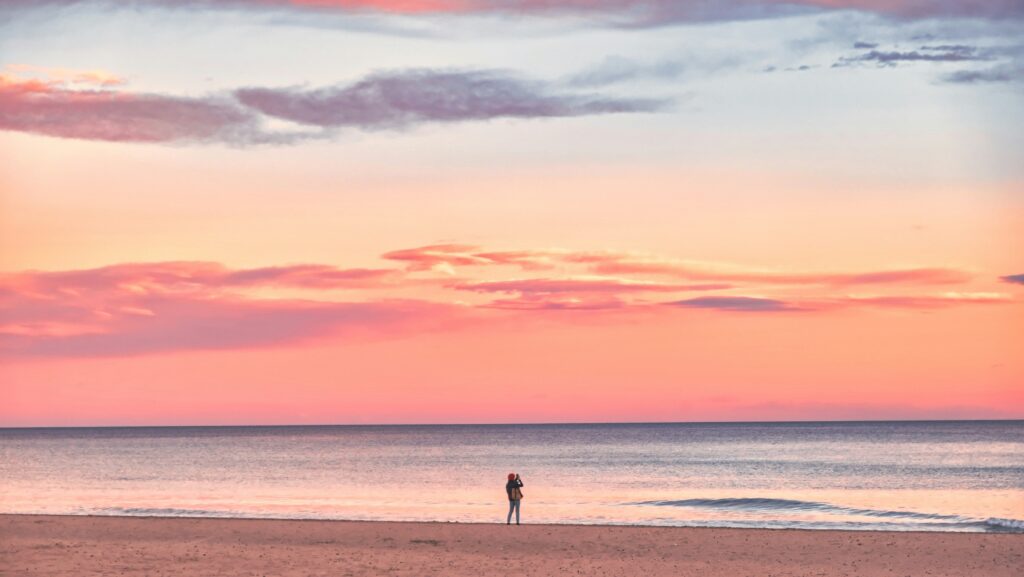
Our selection of retreats in Spain – Winter 2026
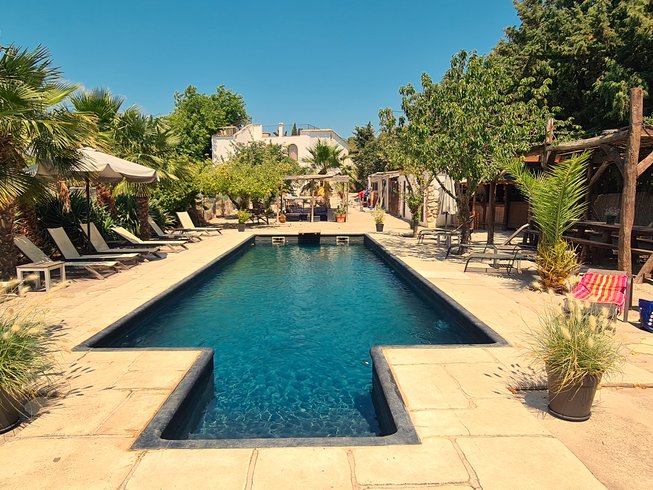
4 Day Chakra Bliss Yoga Retreat with Hike to Waterfalls and Good Food near Barcelona, Spain

6 Day Mediterranean Beach Yoga Holiday in Valencia, Spain
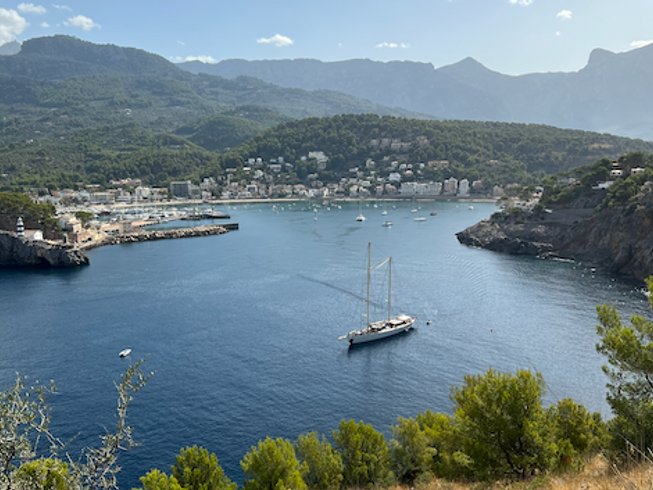
8 Day Yoga and Hiking in the Heart of Tramuntana, Spain
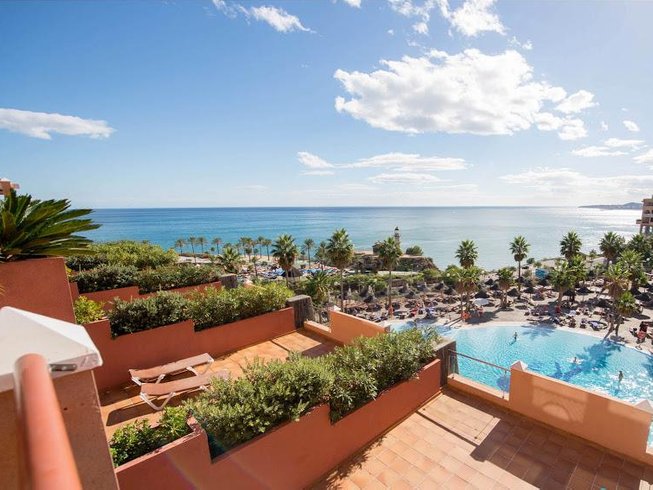
5 Day Private Reconnect Couples Retreat in Benalmádena, Province of Málaga, Spain
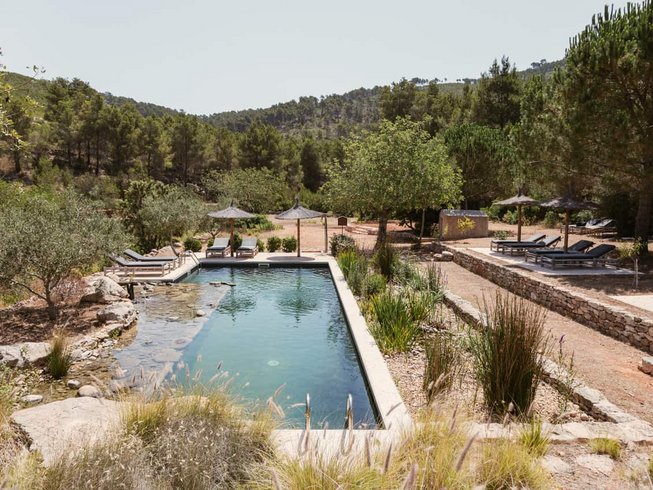
8 Day Private Individual Yoga Holiday in Ibiza, Spain
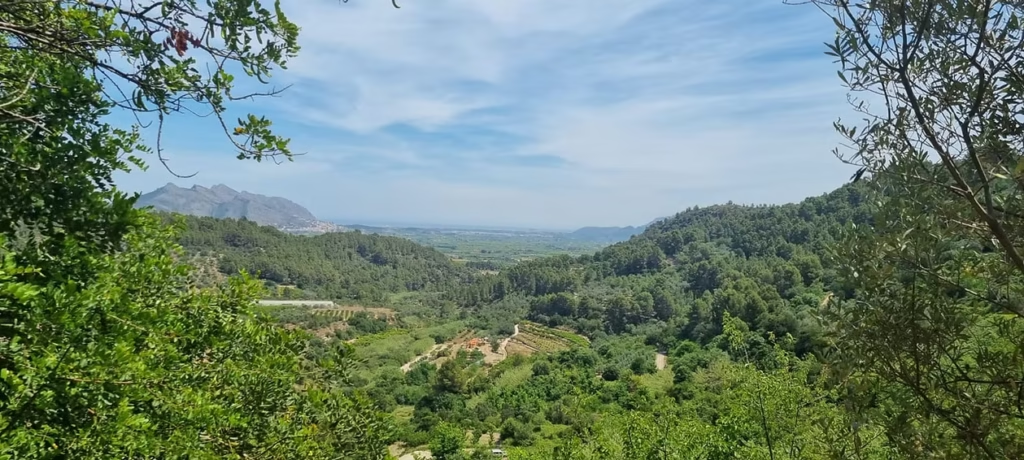
Vegan Yoga retreat, Alicante, Spain
The Winter Progression
December (12-22°C) transitions to winter with Christmas cultural richness—festive markets, holiday traditions, atmospheric celebrations. Cool on mainland, comfortable in Canaries. The first three weeks offer winter quiet; Christmas week brings modest holiday tourism.
January (10-22°C) delivers Spain’s coldest mainland temperatures but Canary Islands’ reliable sunshine. Post-holiday lull means exceptional value (40-50% below peak) and authentic local atmosphere. Reyes (Three Kings Day, January 6) adds cultural celebration.
February (10-22°C) begins winter’s end—slightly warming trends, increasing daylight, Carnival celebrations in late month (timing varies). Still winter pricing (30-40% below peak) with conditions beginning to improve.
Regional Realities Through Winter
The Canary Islands perform winter miracles—maintaining 18-22°C with 6-7 hours daily sunshine while Europe shivers. December through February offer consistent outdoor yoga weather with light layers. Tenerife and Lanzarote cater specifically to northern European winter sun-seekers. Ocean temperatures hold 19-20°C—refreshing but genuinely swimmable for acclimatized individuals.
Andalusia experiences mild winter—coastal areas 12-18°C, pleasantly cool rather than cold. Granada offers snow-capped Sierra Nevada views while the city below enjoys manageable temperatures. Historic hammams and thermal spas provide warm refuge. This timing suits cultural wellness combining practice with uncrowded Alhambra, authentic local experiences, Spanish cooking classes.
Barcelona and Valencia offer urban winter at 10-15°C—cool but vibrant with cultural programming, indoor wellness facilities, authentic city life. Northern Spain experiences proper winter (8-12°C with rain) but thermal spa culture comes into its own with heated pools and traditional treatments.
Winter Weather Patterns
Winter requires honest mainland expectations. The Canary Islands deliver reliable 18-22°C with 6-7 hours sunshine—this is genuinely pleasant outdoor weather with layers, not just “better than back home.” Ocean maintains 19-20°C, refreshing for those acclimated to cooler swimming.
Mainland coastal areas (Andalusia, Valencia, Barcelona) experience 10-18°C—mild winter by global standards but requiring proper clothing. Morning temperatures can drop to 5-10°C, afternoons warm to 14-18°C on sunny days. Northern Spain sees 8-12°C with regular rainfall. Mediterranean Sea drops to 14-15°C—theoretically swimmable but uncomfortable for extended periods.
Rainfall increases across mainland regions though Spain’s winter remains drier than northern Europe. Canaries see minimal precipitation. Daylight reaches winter minimum—mainland sunset around 5:30-6pm, limiting outdoor practice windows.
Crowds and Value
Winter offers Spain’s absolute best value. December first three weeks see 30-35% below peak, Christmas week briefly increases but overall maintains savings. January delivers 40-50% below peak—the year’s deepest discounts—even in normally expensive Canaries. February holds 30-40% below peak as shoulder season gradually approaches.
Tourist crowds essentially disappear on mainland—authentic local life dominates, restaurants serve Spanish clientele, shops operate for residents. Even Canaries maintain comfortable winter visitor levels rather than summer overwhelming density. Retreat centers offer exceptional booking flexibility; many accept reservations just 2-3 weeks in advance.
Winter Programs and Activities
Canary Islands support active outdoor programming—daily outdoor yoga with light layers, volcanic hiking, coastal walks, beach meditation. The cooler temperatures actually make midday activities more comfortable than summer heat. Ocean swims become invigorating rather than cooling.
Mainland programs embrace winter character. Morning yoga in heated studios with indoor pools, afternoon cultural activities during warmer hours, thermal spa visits gaining primary appeal. Winter suits contemplative formats beautifully—silent retreats, meditation intensives, digital detox programs, restorative yoga, year-end reflection, New Year intention-setting.
Cultural immersion becomes particularly rich in winter—combining yoga with Spanish cooking (winter stews, preserved fish, citrus), wine education in quieter bodegas, flamenco in intimate tablaos, architectural tours of uncrowded monuments, language learning with time for conversation. Museums and indoor cultural sites provide comfortable activities.
Winter Cultural Calendar
Winter brings Spain’s most atmospheric cultural experiences. December offers Christmas traditions—elaborate nativity scenes (belenes), festive markets (less extensive than German markets but charming), traditional sweets (turrón, mazapán, polvorones), family-centered celebrations. Christmas Eve and New Year’s Eve bring distinctive Spanish traditions—twelve grapes at midnight for New Year’s luck.
January 6 marks Reyes (Three Kings Day)—elaborate parades, traditional gift-giving, roscón de reyes (Kings’ cake). This is Spain’s primary gift-giving celebration, more significant than December 25 in traditional culture. February brings Carnival (timing varies with Easter)—particularly exuberant in Canary Islands (Tenerife and Gran Canaria host Spain’s largest), Cádiz, and Sitges.
Mediterranean diet transitions to winter emphasis—hearty stews, roasted vegetables, preserved fish, citrus fruits (peak season), root vegetables, warming dishes. Markets showcase seasonal abundance while maintaining year-round variety.
What Makes Winter Special
Winter offers choice between sunshine escape and authentic winter immersion. The Canary Islands provide reliable outdoor conditions while northern Europe freezes—vitamin D, outdoor yoga, comfortable hiking, genuine sunshine at 40-50% below summer pricing. Mainland offers cultural depth, thermal spa traditions, contemplative settings, authentic local life without tourist veneer.
The combination of minimal crowds, maximum savings, and either reliable sunshine (Canaries) or cozy winter charm (mainland) creates unique value proposition. You’ll experience Spain authentically—locals rather than tourists, traditional rhythms, regional culture without adaptation to mass tourism.
Strategic Winter Planning
Winter requires clear intention setting. Choose Canary Islands for sunshine reliability and outdoor programming—Tenerife for infrastructure, Lanzarote for volcanic drama. Choose mainland for cultural immersion, thermal spa experiences, contemplative retreats, festive celebrations—Andalusia for mildest conditions, Barcelona/Valencia for urban sophistication, northern Spain for authentic thermal spa culture.
Frequently Asked Questions
Is winter too cold for yoga in Spain?
Canary Islands no—comfortable outdoor practice with light layers (18-22°C). Mainland requires indoor heated spaces for morning practice—cool (10-18°C) rather than cold, but not outdoor yoga weather except occasional sunny afternoons in Andalusia. Most mainland retreats operate primarily indoors December-February with heating and indoor pools.
Which winter month is best?
January offers best value (40-50% below peak) with post-holiday quiet. February begins warming trends with slightly better weather and Carnival celebrations. December provides Christmas cultural richness with festive atmosphere. All three offer similar conditions—choice depends on cultural calendar preferences and specific timing needs.
What winter temperatures should I expect?
Canaries: 18-22°C consistently, 6-7 hours sunshine, minimal rain—genuine outdoor weather with layers. Andalusia coast: 12-18°C, cool but mild. Barcelona/Valencia: 10-15°C, proper cool weather. Northern Spain: 8-12°C with rain. Sea: 19-20°C (Canaries, refreshing), 14-15°C (Mediterranean, cold). Pack for winter on mainland, spring in Canaries.
Can I swim in winter?
Canary Islands yes—19-20°C ocean, refreshing but swimmable for acclimatized swimmers. Mediterranean at 14-15°C theoretically possible but uncomfortable for most. Mainland retreat centers offer heated indoor pools for comfortable swimming. Ocean swims become invigorating winter experiences rather than casual activities.
How crowded is winter Spain?
Minimal crowds everywhere. Mainland sees primarily locals—authentic atmosphere, restaurants serving Spanish clientele. Canaries attract European winter sun-seekers but comfortable levels, nothing like summer overwhelming density. Christmas/New Year weeks bring modest increases but overall winter maintains quiet, authentic character. Maximum booking flexibility.
How do winter prices compare to peak season?
Winter offers 30-50% savings versus summer peak—December 30-35% below, January 40-50% below (year’s deepest discounts), February 30-40% below. Even Canaries dramatically discount winter rates. This represents Spain’s best value season, combining authentic experience with maximum savings.
Related Articles
Explore our monthly guides: yoga and wellness retreats in Spain in January, yoga and wellness retreats in Spain in February, yoga and wellness retreats in Spain in March, yoga and wellness retreats in Spain in April, yoga and wellness retreats in Spain in May, yoga and wellness retreats in Spain in June, yoga and wellness retreats in Spain in July, yoga and wellness retreats in Spain in August, yoga and wellness retreats in Spain in September, yoga and wellness retreats in Spain in October, yoga and wellness retreats in Spain in November, and yoga and wellness retreats in Spain in December.
Discover our seasonal guides: yoga and wellness retreats in Spain in Spring, yoga and wellness retreats in Spain in Summer, yoga and wellness retreats in Spain in Autumn, and yoga and wellness retreats in Spain in Winter.
For a complete overview, read Yoga and Wellness Retreats in Spain for 2026.
