
Yoga and Wellness Retreats in Spain in January 2026
January in Spain reveals the country’s geographic split personality most dramatically. While mainland Spain experiences proper winter—crisp mornings, short days, and the occasional need for actual heating—the Canary Islands float serenely in the Atlantic maintaining their subtropical paradise status with temperatures that make northern Europeans weep with envy. This is Spain’s most price-advantageous month, offering 40-50% savings on peak season rates while delivering either authentic winter retreat experiences or genuine sunshine escapes depending on where you land.

The post-holiday lull means Spain belongs to the Spanish again, with tourist infrastructure operating efficiently but without summer’s overwhelming crowds. Retreat centers run at comfortable capacity, beaches remain accessible, and you’ll experience Spanish culture authentically rather than through the tourist-tinted lens of high season. January also coincides with Reyes (Three Kings Day) on January 6th, Spain’s traditional gift-giving celebration that creates a festive atmosphere without commercial intensity.
What January offers is choice. Want warmth, sunshine, and outdoor yoga on volcanic beaches? Head to the Canaries. Prefer contemplative winter retreats with thermal spas, cultural immersion, and cozy indoor spaces? The mainland delivers beautifully. Either way, you’re getting Spain at its most affordable and least crowded—a rare combination that makes this month worth serious consideration for wellness seekers.
Our selection of retreats in Spain – January 2026
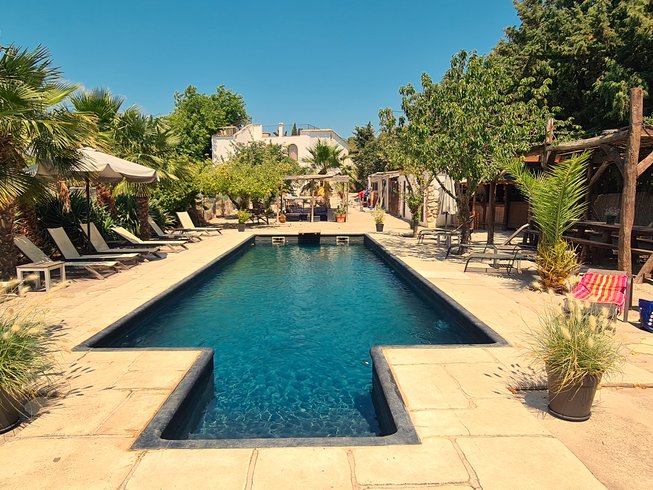
4 Day Chakra Bliss Yoga Retreat with Hike to Waterfalls and Good Food near Barcelona, Spain

6 Day Mediterranean Beach Yoga Holiday in Valencia, Spain
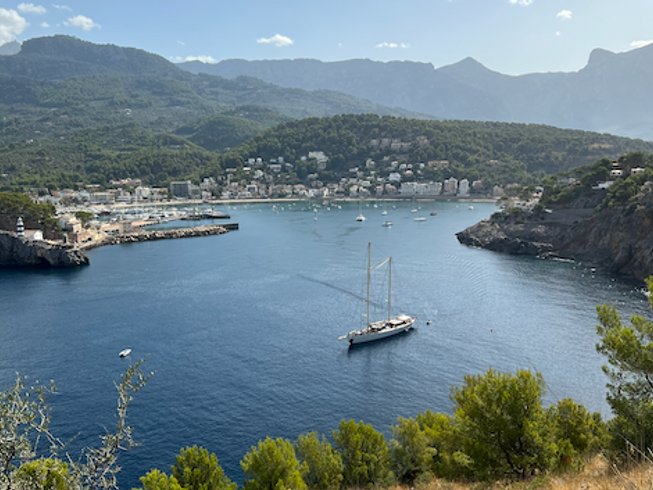
8 Day Yoga and Hiking in the Heart of Tramuntana, Spain
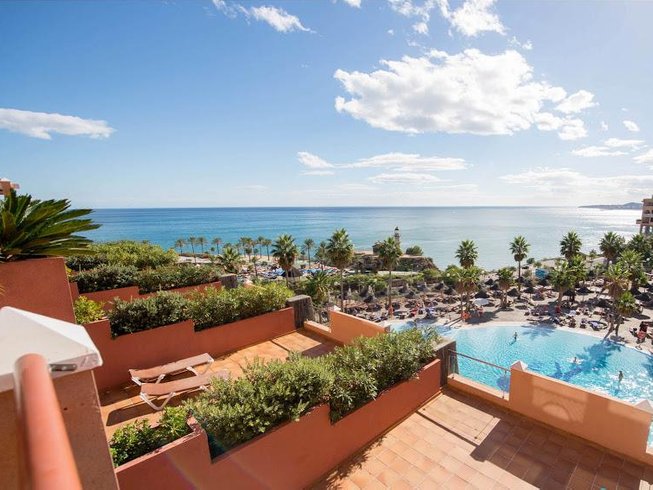
5 Day Private Reconnect Couples Retreat in Benalmádena, Province of Málaga, Spain
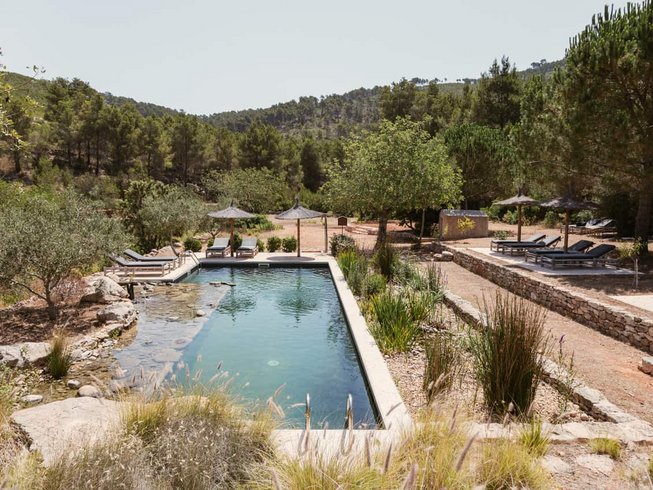
8 Day Private Individual Yoga Holiday in Ibiza, Spain
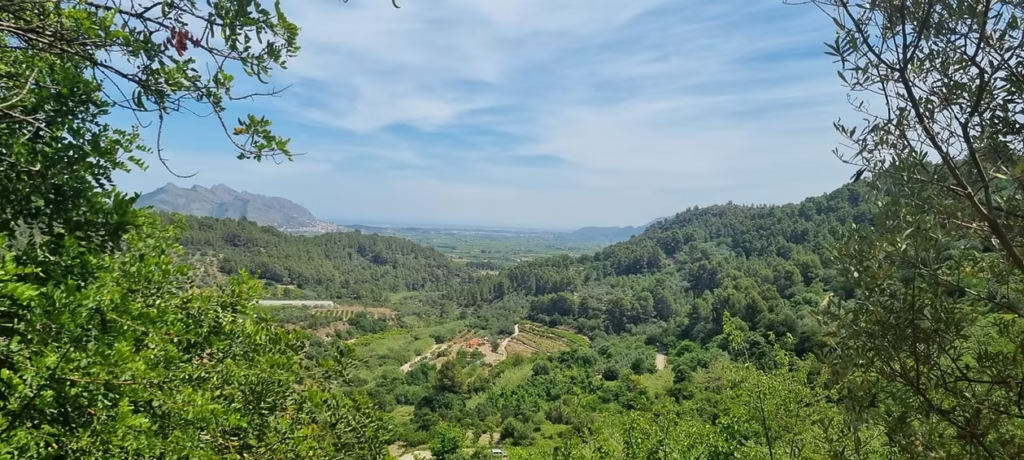
Vegan Yoga retreat, Alicante, Spain
Regional Breakdown: Where to Go in January
Canary Islands: January’s Sunshine Champions
The Canary Islands in January perform their annual miracle of delivering spring-like conditions while the rest of Europe shivers. Temperatures consistently reach 18-22°C during the day, with seven hours of sunshine and minimal rainfall. This isn’t just “better than back home” weather—this is genuinely pleasant outdoor yoga, beachside meditation, and comfortable hiking weather.
Tenerife leads the wellness scene with established retreat centers in both the sunny south and the lusher north. The island’s volcanic Mount Teide creates dramatic backdrops for practice, while black sand beaches offer unique coastal settings. Lanzarote appeals to those seeking stark, otherworldly landscapes—its volcanic terrain and César Manrique’s architectural integration create spaces where design meets nature. The island’s wine region produces surprising vintages from volcanic soil, adding culinary interest to wellness programs.
Gran Canaria provides the most microclimates—if clouds appear on the north coast, you can drive 30 minutes south to guaranteed sunshine. Fuerteventura suits minimalists with its endless beaches and wind-sculpted dunes. All the islands maintain year-round agriculture, ensuring fresh produce features prominently in retreat menus even in midwinter.
Andalusia: Winter Warmth with Cultural Depth
Andalusia in January requires acknowledging reality: it’s mild, not warm. Daytime temperatures reach 14-16°C along the Costa del Sol—pleasant for walking, manageable for outdoor yoga with layers, but requiring indoor or heated spaces for comfort. What makes January Andalusia compelling isn’t the weather but the cultural richness available without summer’s overwhelming crowds.
Granada’s Alhambra becomes contemplative rather than chaotic, with reasonable ticket availability and space to actually absorb the Moorish architecture’s beauty. Málaga offers urban sophistication with manageable winter temperatures, excellent museums, and a thriving healthy food scene. The region’s thermal spa tradition comes into its own during cooler months—historic Arab baths in Granada or modern thermal centers along the coast provide warm refuge and centuries-old wellness wisdom.
Inland Andalusia gets genuinely cold (5-10°C at night), but this creates opportunities for authentic rural experiences in whitewashed villages where life proceeds at traditional Spanish pace. The olive harvest concludes, leaving the countryside peaceful and accessible. This is ideal timing for retreats balancing yoga practice with cultural exploration and culinary immersion.
Barcelona and Catalonia: Urban Wellness in Winter
Barcelona in January averages 10-13°C—cool but rarely bitter, with occasional sunny days that make outdoor café culture viable. This timing transforms the city into a locals’ domain where you can explore Gaudí’s masterpieces without battling crowds, practice yoga in Gràcia’s boutique studios, and discover Barcelona’s substantial healthy dining scene without summer’s tourist overlay.
The city’s indoor spaces shine in winter: heated rooftop yoga with Mediterranean views, cozy wellness centers in Gothic Quarter buildings, contemporary spas in hotel settings. Urban retreat formats work particularly well—combining morning practice with afternoon cultural exploration, healthy Mediterranean meals at authentic restaurants, and evening meditation sessions.
The Costa Brava north of Barcelona offers rugged coastal beauty with winter solitude, though you’ll definitely want indoor spaces and heating. Small wellness centers in medieval villages provide intimate experiences for those who embrace cooler weather’s contemplative qualities.
Northern Spain: Thermal Spa Country
Northern Spain—Basque Country, Cantabria, Galicia—experiences proper winter in January with temperatures of 8-12°C and regular rainfall. This isn’t everyone’s wellness fantasy, but these regions offer Spain’s most authentic thermal spa culture, often in stunning mountain settings. Historic spas dating to Roman times provide geothermal-heated pools, traditional treatments, and that uniquely European spa culture missing from more tropical destinations.
This timing suits people who find cold weather contemplative rather than punishing, who want cultural immersion over beach lounging, and who appreciate regional Spanish cuisine (Basque Country offers some of Europe’s finest dining). The landscapes—green, dramatic, and decidedly un-Mediterranean—provide contrast to Spain’s typical sunny image.
Weather Reality: Managing Expectations
Let’s establish clear weather expectations for January. The Canary Islands deliver reliable warmth and sunshine—this is t-shirt weather during the day (18-22°C) with light layers needed for evening. You’ll get 6-7 hours of sunshine daily, minimal rain, and conditions suitable for all outdoor activities. The Atlantic Ocean reaches 19-20°C, refreshing but swimmable for those acclimated to cooler water.
Mainland coastal areas (Andalusia’s Costa del Sol, Valencia, Barcelona) offer mild but not warm conditions: 12-16°C during the day, cooler mornings and evenings, occasional rain. This is jacket weather, not swimsuit weather. You can practice yoga outdoors during warmer afternoon hours, but you’ll want indoor options available. The Mediterranean hovers around 14-15°C—theoretically swimmable but uncomfortable for extended periods.
Inland and northern Spain experience proper winter: 5-12°C, shorter days, potential rain or even mountain snow. This creates cozy retreat atmospheres but requires heating, indoor spaces, and realistic expectations about outdoor activities.
Crowds, Pricing, and Practical Dynamics
January represents Spain’s absolute best value for wellness retreats. Post-holiday lull means 40-50% discounts compared to summer peak, even in the normally expensive Canaries. Flight prices drop significantly, accommodation rates plummet, and retreat centers offer early-year promotions.
Tourist crowds disappear almost entirely on the mainland—you’ll share spaces with locals and the limited winter tourists. Even the Canaries, while attracting European sun-seekers, maintain comfortable rather than overwhelming visitor levels. Booking flexibility increases dramatically; you can often secure spaces just weeks in advance rather than needing months of planning.
The Spanish themselves take January quietly after the December holidays rush, creating authentic local atmospheres. Restaurants serve locals rather than tourists, shops maintain normal hours, and you’ll experience Spanish daily life rather than Spanish tourism.
Retreat Programs That Work in January
January’s split personality means different retreat formats suit different regions. In the Canary Islands, active programs thrive—daily outdoor yoga, hiking volcanic trails, SUP yoga on calm bays, beach meditation. The weather supports full outdoor itineraries without backup plans.
Mainland retreats benefit from balanced programming: morning yoga indoors or in heated spaces, afternoon cultural excursions when temperatures peak, evening practices by fireplace. Thermal spa programs work beautifully in cooler regions, combining heated pools with traditional treatments and cozy communal spaces.
Detox and intensive wellness programs suit January’s post-holiday timing. Many people seek physical reset after December’s excess, making cleansing programs, juice fasts, and renewal-focused retreats particularly appealing. The cooler mainland weather actually supports detox better than summer heat.
Cultural immersion formats excel in January—combining yoga with Spanish cooking classes, wine education in quieter bodegas, language learning, art and architecture tours. The absence of crowds makes cultural elements genuinely enriching rather than superficial tourist experiences.
Spanish Cultural Elements in January
January 6th marks Reyes (Three Kings Day), Spain’s traditional gift-giving celebration. Cities hold elaborate parades with elaborate floats, traditional sweets (roscón de reyes) appear in every bakery, and the festive atmosphere continues Christmas spirit without commercial pressure. Some retreats incorporate this cultural celebration, offering special January 6th programming.
Post-holiday Spain returns to normal rhythms quickly—siestas resume full force, meal times revert to proper Spanish scheduling (lunch 2-4pm, dinner after 9pm), and daily life proceeds at the contemplative pace that makes Spain conducive to wellness. The Mediterranean diet tradition continues year-round, with winter emphasis on hearty stews, preserved fish, citrus fruits, and warming dishes.
Flamenco season continues in Andalusia’s tablaos, providing cultural evening entertainment. Barcelona’s cultural calendar maintains full programming with concerts, exhibitions, and performances. The Canaries celebrate local festivals throughout January, often focused on maritime traditions and island-specific customs.
Beyond the Yoga Mat: Activities in January
The Canary Islands offer extensive outdoor options: hiking volcanic landscapes (Teide National Park, Timanfaya, Roque Nublo), coastal walks, water sports in protected bays, stargazing from high-altitude observatories, cycling through wine regions, and exploring unique flora in botanical gardens.
Mainland cultural activities dominate: museum visits without crowds (Prado, Reina Sofía, Picasso Museum Barcelona), architectural tours (Gaudí’s works, Alhambra, Seville’s cathedral), cooking classes, wine tastings, thermal spa visits, and market exploration. January allows actual contemplation of cultural sites rather than just checking them off tourist lists.
Food experiences remain excellent—Spain’s culinary culture continues year-round with seasonal adjustments. January brings citrus season, winter vegetables, hearty stews, and preserved specialties. Markets overflow with fresh produce, and restaurant reservations become obtainable at acclaimed establishments that require months’ advance booking in summer.
Packing for January Spain
For the Canary Islands: Light layers dominate—yoga wear for daytime practice, t-shirts and light pants, one warm layer for evening, reef-safe sunscreen, sun protection (hat, sunglasses), comfortable walking shoes, and a light rain jacket just in case. This is essentially spring packing rather than winter.
For mainland Spain: Actual winter clothes—warm jacket, long pants, layers for yoga practice, warm sleepwear, closed-toe shoes, scarf and possibly hat for northern regions. Indoor yoga means less technical wear needed, but you’ll want comfortable warm layers for cultural excursions. Heated indoor pools require regular swimwear.
Universal items: Quality yoga mat if you’re particular (though centers provide them), journal for introspection, adaptors for European plugs, any personal wellness items, basic first aid, and reusable water bottle.
Frequently Asked Questions
Is January a good time for wellness retreats in Spain?
Yes, with regional awareness. The Canary Islands offer excellent conditions year-round—January brings warm sunny weather perfect for outdoor practice at 40-50% below peak prices. Mainland Spain works beautifully for cultural wellness experiences, thermal spa programs, and contemplative retreats, though temperatures require indoor practice options. January offers Spain’s best value and smallest crowds.
Which Spanish region works best for January retreats?
The Canary Islands lead for traditional beach/sunshine wellness, maintaining 18-22°C with reliable sunshine. Choose Tenerife for established infrastructure, Lanzarote for unique volcanic landscapes, Gran Canaria for microclimate flexibility. For cultural immersion, Andalusia offers mild temperatures with Granada/Málaga’s rich heritage. Barcelona suits urban wellness seekers. Northern Spain appeals to thermal spa enthusiasts who embrace cooler weather.
How crowded is Spain in January for wellness tourism?
Not crowded at all by Spanish standards. Mainland Spain experiences post-holiday quiet with minimal tourism—you’ll share spaces primarily with locals. The Canary Islands attract European sun-seekers but remain comfortable rather than overwhelming. Retreat centers operate below capacity, beaches stay accessible, and cultural sites become contemplative rather than chaotic. Booking flexibility increases significantly.
What’s the weather actually like in January?
Canary Islands: 18-22°C, sunny, minimal rain—genuinely pleasant outdoor weather. Andalusia coast: 12-16°C, mild but cool, occasional rain—outdoor yoga possible but indoor options advisable. Barcelona: 10-13°C, cool with occasional sunny days. Northern Spain: 8-12°C, proper winter with rain. Mainland requires winter clothes; Canaries need only light layers. Sea temperatures: 19-20°C (Canaries, refreshing), 14-15°C (Mediterranean, quite cold).
How do January prices compare to other months?
January offers 40-50% savings compared to summer peak, even in the Canaries. This is Spain’s best value month combining low accommodation rates, discounted flights, and retreat center promotions. Mainland retreats become exceptionally affordable. Only drawback: shorter advance booking windows may limit selection at the most popular centers, though overall availability far exceeds summer.
Can I do outdoor yoga in Spain in January?
In the Canary Islands, absolutely—morning through afternoon outdoor practice works perfectly with 18-22°C temperatures and sunshine. Mainland Spain requires flexibility: Andalusia’s coast allows afternoon outdoor sessions during warmer hours, but you’ll want indoor backup. Barcelona and northern regions need primarily indoor spaces with occasional outdoor options on sunny days. Most retreats offer both indoor and outdoor spaces.
Related Articles
Explore our monthly guides: yoga and wellness retreats in Spain in January, yoga and wellness retreats in Spain in February, yoga and wellness retreats in Spain in March, yoga and wellness retreats in Spain in April, yoga and wellness retreats in Spain in May, yoga and wellness retreats in Spain in June, yoga and wellness retreats in Spain in July, yoga and wellness retreats in Spain in August, yoga and wellness retreats in Spain in September, yoga and wellness retreats in Spain in October, yoga and wellness retreats in Spain in November, and yoga and wellness retreats in Spain in December.
Discover our seasonal guides: yoga and wellness retreats in Spain in Spring, yoga and wellness retreats in Spain in Summer, yoga and wellness retreats in Spain in Autumn, and yoga and wellness retreats in Spain in Winter.
For a complete overview, read Yoga and Wellness Retreats in Spain for 2026.
