
Yoga and Wellness Retreats in Thailand in April 2026
April 2026 represents Thailand’s hottest month—the peak of hot season before monsoon rains arrive. For those considering yoga and wellness retreats in Thailand in April 2026, you’re facing Thailand’s most challenging weather conditions where temperatures regularly exceed 35°C and humidity reaches oppressive levels, yet this intense heat brings rock-bottom prices and near-empty beaches as tourism plummets.
What veteran Thailand travelers understand: April separates true heat enthusiasts from everyone else. This is when luxury retreats become genuinely affordable, when you have beaches entirely to yourself, when authentic Thailand shines through because tourism essentially pauses. The trade-off is extreme heat—not just hot, but genuinely scorching—plus the Songkran festival creates unique opportunities and challenges.
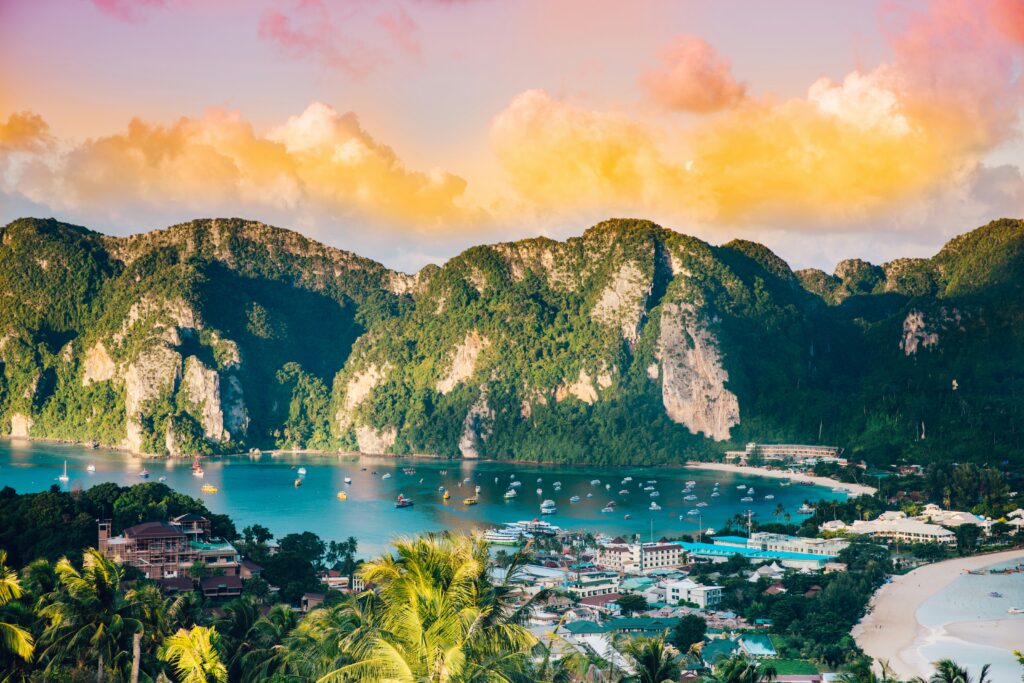
Our Selection of Yoga Retreats in Thailand, April 2026
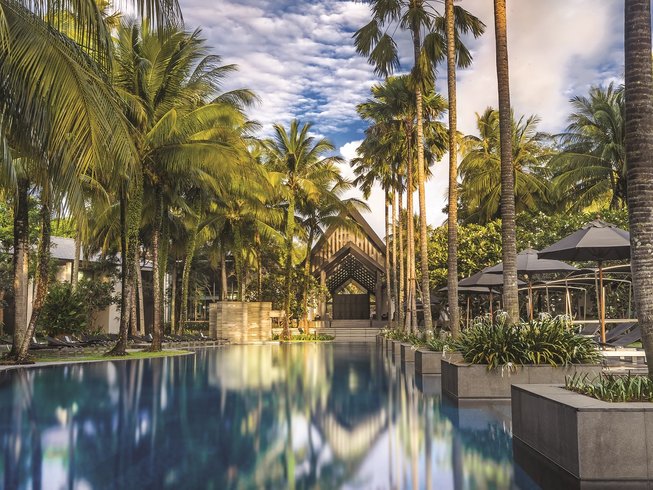
5 Day Anahata Rejuvenation, Luxury Spa Detox, and Yoga Retreat in Phuket, Thailand
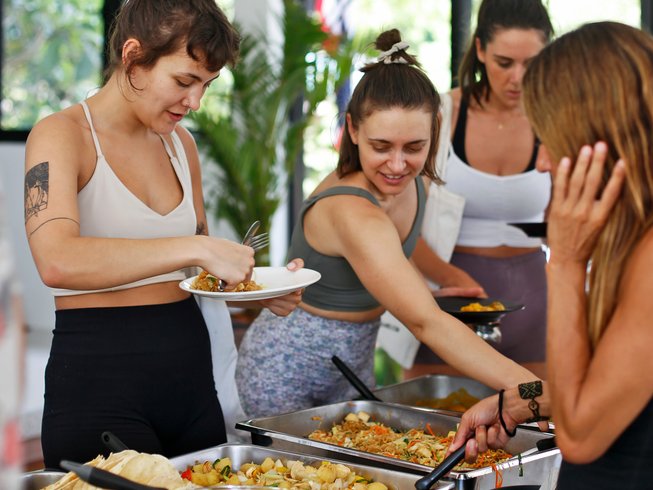
8 Day Yoga Sadhana Retreat in a Peaceful Private Beachfront Resort in Koh Phangan, Thailand
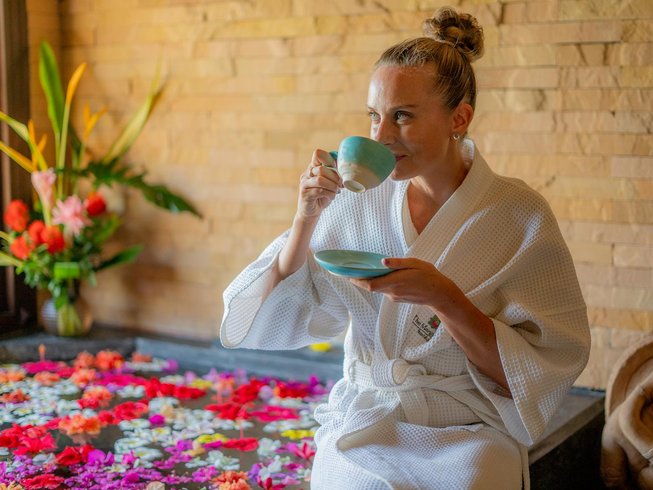
15 Day AyurYoga Shodhana Ayurveda Retreat in Rawai, Phuket, Thailand
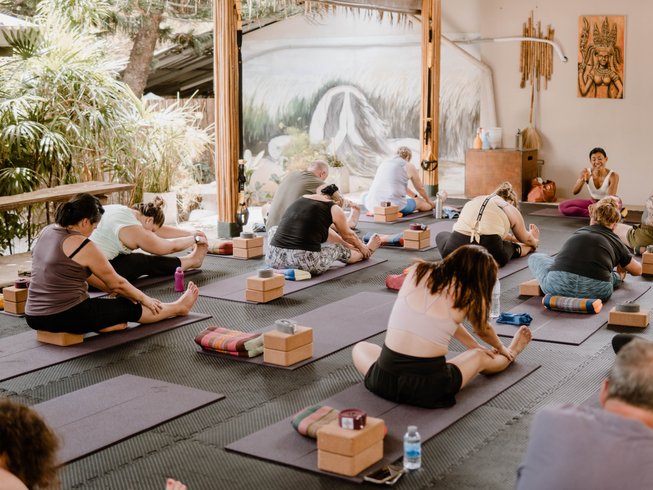
7 Days Holistic Wellness and Yoga Holiday in Phuket, Thailand
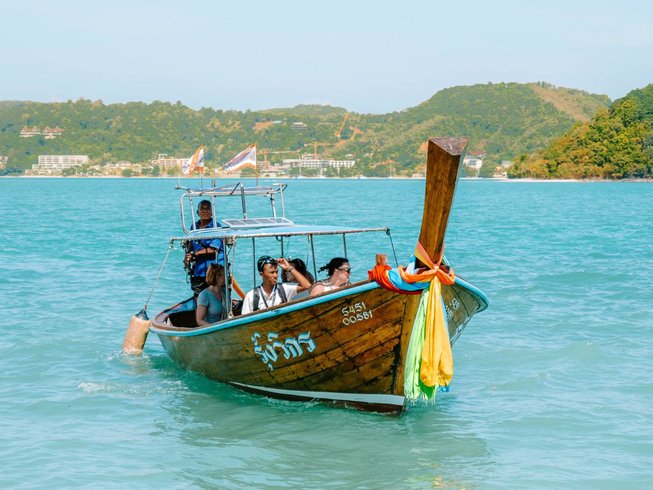
8 Day Soulful Thailand Retreat: Yoga, Wellness & Cultural Connection in Phuket, Thailand

14 Day Wellness, Adventures, and Yoga Holiday in Phuket, Thailand
April’s Defining Challenge
April 2026 represents Thailand at its most extreme—temperatures regularly exceeding 35°C, heat that genuinely tests even seasoned tropical travelers, and conditions that separate those who thrive in intensity from those who merely tolerate warmth. This is Thailand’s hottest month, and pretending otherwise does nobody any favors. The islands run slightly more bearable thanks to ocean breezes. Northern regions become genuinely difficult. Bangkok transforms into an urban sauna.
But April offers something that cooler months cannot: rock-bottom prices, near-empty beaches, and Songkran—Thailand’s most important festival. The question isn’t whether April is hot. It is, profoundly. The question is whether what April offers justifies what April demands.
Songkran—The Festival That Defines April
April 13th-15th marks Songkran, the Thai New Year celebration that transforms the entire country into a giant water festival. This isn’t tourist entertainment—it’s Thailand’s most significant cultural event. Streets become water battle zones. Strangers drench strangers with buckets, water guns, hoses. The tradition stems from Buddhist purification rituals but has evolved into exuberant, joyful chaos.
The festival officially runs three days but many areas extend celebrations for a full week. Chiang Mai hosts particularly intense celebrations. Bangkok’s streets become nearly impassable with water fights. Islands participate enthusiastically though perhaps slightly less intensely than major cities.
How Songkran Affects Wellness Travel
Some retreats pause programming entirely during Songkran week—staff participate in celebrations, guests join local festivities, formal yoga schedules temporarily suspend. Other retreats, particularly beach properties, continue operating normally while acknowledging the festival happening around them. Transportation becomes chaotic as roads fill with celebrants. Buses run late, taxis get soaked, moving between locations requires patience and waterproofing.
You need to know your retreat’s Songkran policy before booking. Will they remain open? Modify programming? Close entirely? What do they recommend for guests who want to participate versus those seeking quiet?
The Strategic Choice
Wellness travelers face a genuine decision about Songkran. Embrace it fully—stay in Chiang Mai or Bangkok, join the water fights, experience Thailand’s most joyful celebration, accept that wellness programming takes backseat to cultural immersion. Retreat from it—book secluded beach or island properties operating through the festival, enjoy empty facilities while others celebrate, maintain your practice rhythm. Avoid it entirely—schedule arrival before April 10th or after April 20th, missing the festival but also missing the chaos.
None of these approaches is wrong. They simply reflect different priorities. The mistake is not deciding at all and arriving unprepared for whichever reality you encounter.
Where April Actually Works
Islands Remain Viable
Koh Samui, Koh Phangan, Phuket, and Krabi maintain functionality through April despite heat. Ocean access stops being recreational luxury and becomes survival necessity. You’ll be in the water multiple times daily not for fun (though it is fun) but because you need to cool your core temperature regularly. Beach retreats work when they design programming around this reality—early morning practice, midday ocean time, evening gentle sessions.
Tourist numbers drop dramatically, creating that rare thing: empty Thai beaches. You’ll have spaces to yourself that host hundreds during winter months.
Northern Thailand Becomes Problematic
Chiang Mai faces a double challenge in April: extreme heat without ocean relief combined with lingering effects of burning season that peaks March-April. Air quality remains poor from agricultural burning, heat makes outdoor movement genuinely unpleasant, and the combination creates conditions that even devoted mountain-retreat lovers should avoid. The region’s beauty and cultural richness remain, certainly, but April specifically makes accessing them unnecessarily difficult.
Come back November through February when northern Thailand showcases why people love it.
Bangkok—Transit Only
The capital becomes genuinely difficult in April. Urban heat island effect makes concrete and buildings radiate stored heat even after sun sets. Pollution worsens in high temperatures. Songkran transforms the city into water-fight chaos for a week. If your flight routes through Bangkok, fine—spend the night, rest, continue onward. Don’t plan extended stays unless Songkran participation is specifically your goal.
April’s Substantial Trade-Offs
Prices collapse to 40-60% below peak season. That luxury beach resort costing $300/night in January? Now $120-180. Week-long intensive programs that were $2,500 in winter drop to $1,000-1,500. The savings become genuinely dramatic—potentially thousands of dollars for longer stays.
Beaches empty almost entirely. Popular spots that host crowds in winter now offer solitude. You might be the only person at certain beaches. Yoga classes that typically accommodate fifteen participants now run with three. This level of quiet and personalized attention simply doesn’t exist during better-weather months.
Authentic Thailand emerges when tourism pauses. Staff interact more naturally, locals go about actual daily life rather than performing for visitors, you see the country functioning for itself rather than for tourism. Restaurant owners chat longer. Retreat teachers provide more personalized guidance. Everything feels more genuine.
Songkran offers cultural experience impossible to replicate. If timing allows participation, you’re witnessing and joining Thailand’s most important celebration—genuinely meaningful rather than tourist-staged.
But you earn these benefits through genuine discomfort and significant lifestyle adaptation. Days revolve entirely around managing heat. Early morning becomes your only window for demanding activities. Midday belongs to air-conditioned indoor spaces. Evening offers slight relief but “slight” means you’re still warm, just less dangerously so. Spontaneity disappears. Flexibility becomes mandatory rather than desirable.
Making April Bearable
Choose accommodations and retreats based on cooling infrastructure—excellent air conditioning, multiple pools, ocean access, shaded outdoor spaces. These features shift from amenities to essentials. Schedule intensive practice exclusively for 5:30-6:30am before heat builds. By 9am, vigorous yoga becomes genuinely unsafe. Midday from 10am-5pm stays indoors, period. Gentle evening practice works for yin, restorative, or meditation but not power flows.
Hydration becomes your primary activity—4+ liters daily supplemented with electrolytes to replace minerals lost through constant sweating. Multiple cool showers throughout the day regulate body temperature. Accept that April heat imposes real, non-negotiable limitations on what you can safely do.
If participating in Songkran, waterproof everything—phones in dry bags, important documents sealed, clothes you don’t mind getting soaked. Embrace getting drenched repeatedly because resistance is futile and makes the experience miserable rather than joyful.
Programs That Align With April
Detox and fasting programs actually benefit from April heat—elevated body temperature enhances elimination, reduced appetite in heat makes eating less feel natural rather than restrictive. Meditation retreats operate normally since contemplative practice happens indoors regardless of temperature. Yin and restorative yoga suit heat that demands slowing down. Beach-based programs work when ocean access is central to design rather than occasional. Short-stay intensives of 3-5 days prove more manageable than week-plus commitments—you can handle anything temporarily.
Luxury wellness resorts with comprehensive facilities—excellent AC, multiple pools, spa services—transform from indulgence to practical necessity. The infrastructure matters enormously in April.
What doesn’t work: intensive Ashtanga maintained throughout the day, adventure programs requiring midday outdoor exertion, hiking-focused retreats, anything depending on comfortable all-day outdoor activity.
Who April Actually Suits
Budget-conscious travelers for whom dramatic savings justify discomfort find April compelling. Heat enthusiasts who genuinely thrive in tropical intensity rather than merely tolerating it discover April manageable. Songkran participants timing travel specifically around the festival access Thailand’s most meaningful celebration. Solitude seekers wanting beaches entirely to themselves get exactly that. Detox practitioners benefit from heat’s enhancement of cleansing processes.
First-time visitors should choose different months—November through February offer much easier introduction. Heat-sensitive travelers or those with health conditions affected by extreme temperatures should absolutely skip April. Active explorers wanting to hike, climb, and adventure will find April’s heat severely limiting.
What to Pack Strategically
Pack the absolute minimum of the lightest possible clothing. Multiple swimsuits since you’ll rotate through wet ones constantly. Serious sun protection—SPF 50+ sport formula that won’t sweat off immediately. Cooling towel providing instant relief when heat feels overwhelming. Large water bottle, 1.5 liters minimum, staying with you always. Electrolyte supplements for mineral replacement.
If participating in Songkran, waterproof bags become essential. Light long sleeves offer sun protection despite seeming counterintuitive in heat—sunburned skin feels worse than covered skin. Skip makeup, chocolate, heat-sensitive electronics, anything that will melt, separate, or malfunction in 35°C+ temperatures.
April’s Honest Bottom Line
April works brilliantly for specific travelers with specific priorities and genuine heat tolerance. The first half of the month includes Songkran’s cultural richness. Late April shows slightly improving conditions as the hottest period peaks and begins declining. Throughout the month, prices remain at their absolute lowest and beaches stay nearly empty.
But most travelers will be more comfortable and have better overall experiences during October through February. April shouldn’t be your default choice—it should be deliberate selection based on either schedule constraints leaving no alternative, budget limitations making the savings genuinely necessary, specific desire to experience Songkran, or authentic love of tropical heat.
The key is honest self-assessment about which category you actually fall into rather than which you wish you fell into. April rewards those who enter with clear eyes and realistic expectations. It frustrates those who underestimate what 35°C+ heat actually means for daily life and yoga practice.
If you’re still considering April after reading this, you’re either exactly the right person for it or haven’t fully processed what you’re signing up for. Make absolutely certain you know which category applies before booking.
Frequently Asked Questions
Is April 2026 too hot for Thailand wellness retreats?
Honest answer: yes, for most people. Yoga and wellness retreats in Thailand in April 2026 mean extreme heat—regularly 33-38°C with high humidity. Island locations with ocean access make it bearable rather than comfortable. Benefits include 40-60% savings, empty beaches, Songkran cultural experience, and profound solitude. But heat-sensitive individuals, first-time visitors, or those with health conditions should choose November through March instead. April rewards only those with genuine heat tolerance and specific reasons for choosing the hottest month.
Should I experience Songkran or avoid it?
Depends entirely on your wellness priorities versus cultural curiosity. Songkran (April 13-15, often extending longer) transforms Thailand into joyful water-fight chaos—streets become battle zones, everyone gets soaked, celebrations run for days. Embrace it fully in Chiang Mai or Bangkok for genuine cultural immersion, retreat from it by booking secluded beach properties operating normally, or avoid it entirely by traveling before April 10th or after April 20th. For yoga and wellness retreats in Thailand in April 2026, check your retreat’s specific Songkran policy—some close, some modify programming, some continue normally.
Which Thailand locations work in April?
Islands exclusively—Koh Samui, Koh Phangan, Phuket, Krabi. Ocean access becomes essential survival tool rather than nice amenity. Skip northern Thailand entirely (extreme heat plus burning season air quality), avoid Bangkok except for transit (urban heat island effect), focus exclusively on coastal areas where water access provides constant cooling. For yoga and wellness retreats in Thailand in April 2026, book beachfront properties where ocean proximity enables heat management rather than inland locations where escape becomes impossible.
What are actual prices compared to peak season?
40-60% below December-January rates. That $300/night luxury resort in peak season drops to $120-180. Week-long retreats that cost $2,500 in winter run $1,000-1,500 in April. The savings become substantial enough to make longer stays affordable that would be impossible during better weather. For yoga and wellness retreats in Thailand in April 2026, budget flexibility increases dramatically, but understand you’re explicitly trading comfort for savings rather than getting both.
Can I do intensive yoga practice in April heat?
Only very early morning before heat becomes dangerous. Vigorous practice works from 5:30-7am, period. By 9am, intensive yoga becomes genuinely unsafe rather than merely uncomfortable. Rest of day requires gentle yin, restorative, meditation, or indoor air-conditioned light practice. Accept that April heat imposes real, non-negotiable limitations on physical practice. For yoga and wellness retreats in Thailand in April 2026, expect significantly modified schedules prioritizing safety over maintaining winter’s full programming intensity.
How does April compare to May?
Both challenging, April hotter but drier. April represents peak hot season with temperatures reaching 33-40°C but mostly dry conditions. May brings similar heat (28-37°C) with increasing pre-monsoon humidity and late-month storms beginning. April includes Songkran cultural festival. May offers slightly more rain relief. For yoga and wellness retreats in Thailand in April 2026, choose April over May only if Songkran participation matters or if you prefer dry heat over humid heat. Both months require serious heat tolerance and strategic planning.
Related Articles
Explore our monthly guides: yoga and wellness retreats in Thailand in January, yoga and wellness retreats in Thailand in February, yoga and wellness retreats in Thailand in March, yoga and wellness retreats in Thailand in April, yoga and wellness retreats in Thailand in May, yoga and wellness retreats in Thailand in June, yoga and wellness retreats in Thailand in July, yoga and wellness retreats in Thailand in August, yoga and wellness retreats in Thailand in September, yoga and wellness retreats in Thailand in October, yoga and wellness retreats in Thailand in November, and yoga and wellness retreats in Thailand in December.
Discover our seasonal guides: yoga and wellness retreats in Thailand in Spring, yoga and wellness retreats in Thailand in Summer, yoga and wellness retreats in Thailand in Autumn, and yoga and wellness retreats in Thailand in Winter.
For a complete overview, read Yoga and Wellness Retreats in Thailand for 2026.
