
Yoga and Wellness Retreats in Spain in March 2026
March in Spain marks the genuine transition from winter to spring—a month when mainland temperatures climb into comfortable ranges while the Canary Islands maintain their reliable subtropical consistency. This is when Spain’s full geographic diversity becomes accessible, with nearly every region offering viable wellness retreat conditions, though you’ll still encounter variable weather and spring’s occasional mood swings.
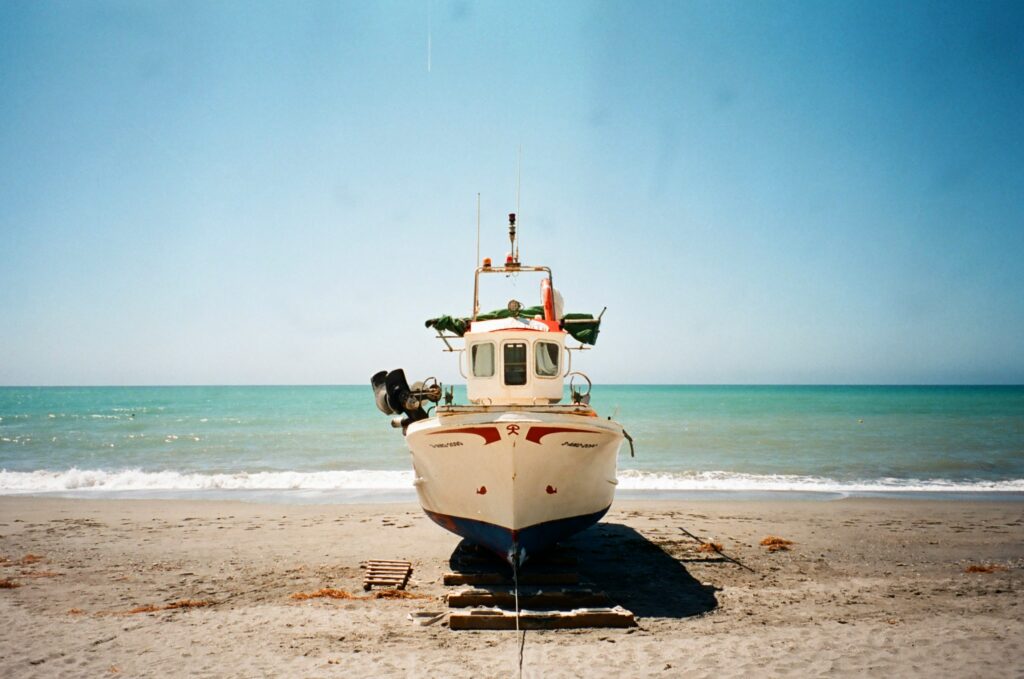
The mainland awakens during March. Almond and cherry blossoms carpet Andalusia and the Mediterranean coast, wildflowers emerge across rural landscapes, and Spanish outdoor life resumes in earnest. Temperatures reach that Goldilocks zone—warm enough for comfortable outdoor yoga most days, cool enough to avoid summer’s exhausting heat. The month feels optimistic rather than transitional, with lengthening days and warming trends creating natural energy for renewal-focused wellness programs.
Our selection of retreats in Spain – March 2026
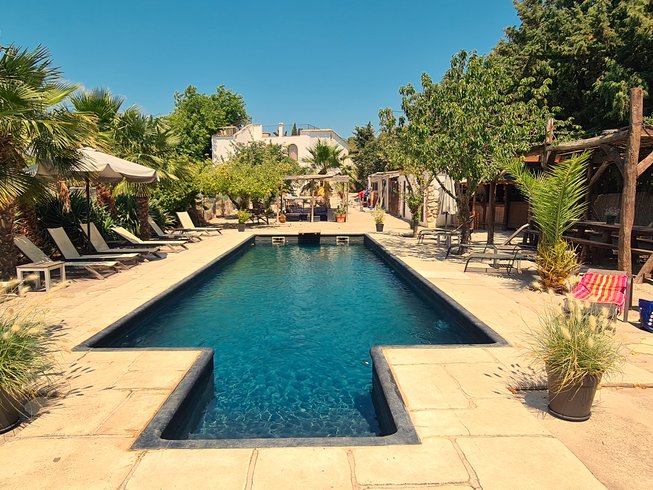
4 Day Chakra Bliss Yoga Retreat with Hike to Waterfalls and Good Food near Barcelona, Spain

6 Day Mediterranean Beach Yoga Holiday in Valencia, Spain
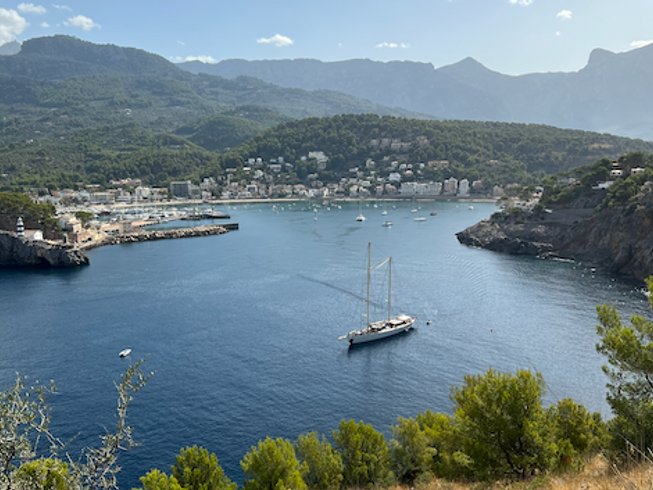
8 Day Yoga and Hiking in the Heart of Tramuntana, Spain
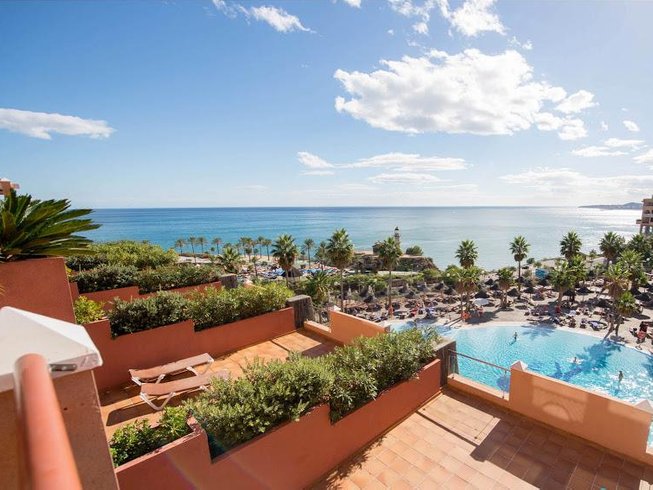
5 Day Private Reconnect Couples Retreat in Benalmádena, Province of Málaga, Spain
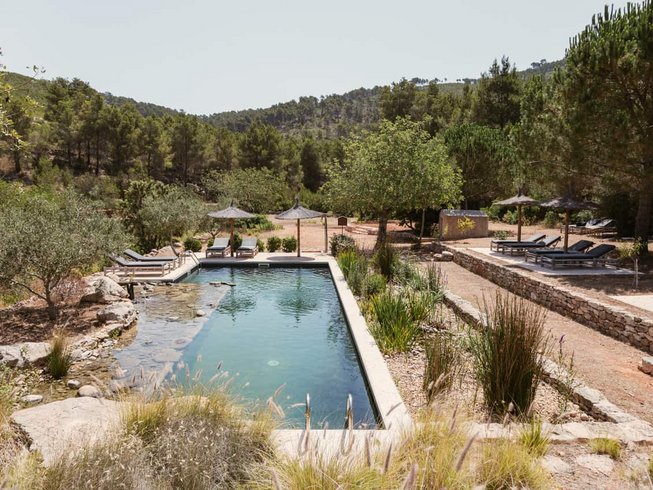
8 Day Private Individual Yoga Holiday in Ibiza, Spain
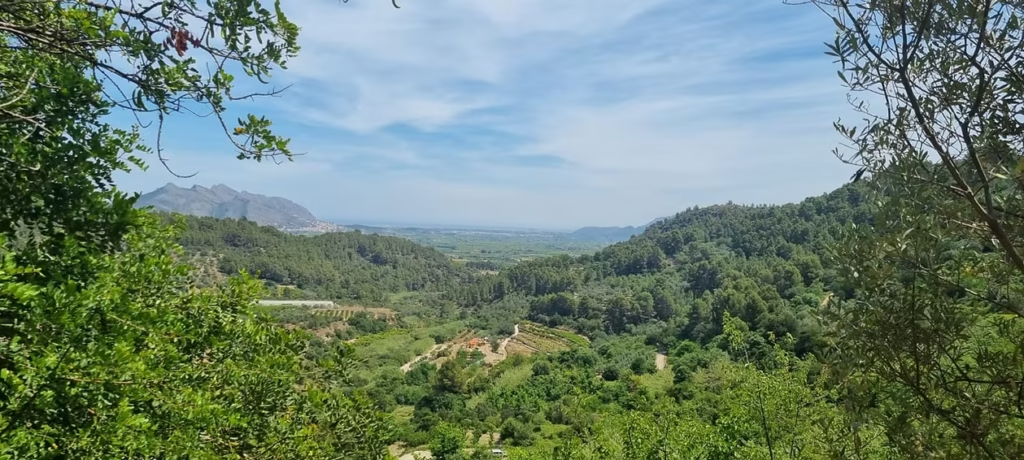
Vegan Yoga retreat, Alicante, Spain
What makes March particularly strategic is its position before Easter’s variable timing. If Easter falls in April (as it does some years), March captures perfect shoulder season conditions with minimal crowds. If Easter arrives in late March, you’ll encounter Spanish families traveling during Semana Santa (Holy Week) but also witness Spain’s most elaborate cultural celebrations. Either way, March offers substantially better value than the approaching summer season while delivering increasingly pleasant weather.
Regional Breakdown: Where to Go in March
Canary Islands: Consistent Excellence Continues
The Canaries in March maintain their year-round advantage, though with slight warming—temperatures reach 19-24°C with increasing sunshine hours (8-9 hours daily). This is peak outdoor yoga weather without the intense heat that arrives later. Ocean temperatures climb to 19-20°C, making swimming genuinely pleasant rather than merely tolerable.
Tenerife’s wellness infrastructure operates at full capacity with comfortable booking levels. Lanzarote’s volcanic landscapes gain particular appeal as European visitors increase but before summer crowds arrive. Gran Canaria’s microclimates allow perfect conditions regardless of occasional cloudy spells. Fuerteventura sees wind sports enthusiasts arriving, creating livelier atmosphere while maintaining space and accessibility.
March brings wild flower blooms even to the islands’ arid landscapes, and agricultural seasons provide maximum fresh produce variety. This is arguably the Canaries’ most perfect month—warm but not hot, sunny but not intense, active but not crowded.
Andalusia: Spring Awakening
Andalusia in March transforms completely. Temperatures range from 15-22°C—genuinely pleasant for all-day outdoor activities. The countryside explodes with wildflowers and blossoms, historic cities become comfortable for exploration, and coastal areas warm enough for beachside practice without requiring heated spaces as backup.
Granada sees the Sierra Nevada mountains still snow-capped while the city below enjoys spring warmth—you can theoretically ski in the morning and practice yoga in shirtsleeves by afternoon. Seville’s legendary April Fair doesn’t start until late April, so March offers the city’s beauty without overwhelming festival crowds. Málaga emerges as an exceptional choice with 19-20°C averages, urban sophistication, and easy beach access.
The Costa del Sol lives up to its name reliably by March, with resort towns operating fully but comfortably. Rural Andalusia—whitewashed villages, olive groves, mountain retreats—becomes idyllic with perfect hiking temperatures and stunning spring landscapes. The region’s historic hammams and thermal baths provide warm refuge during cooler mornings.
Barcelona and Catalonia: Awakening Urban Energy
Barcelona in March shifts from winter quiet to spring vitality. Temperatures reach 12-18°C—cool but increasingly comfortable, with sunny days outnumbering rainy ones. Outdoor café culture resumes, rooftop yoga becomes genuinely pleasant, and the city’s parks (Ciutadella, Montjuïc) transform into viable outdoor practice spaces.
The Costa Brava awakens from winter dormancy, with coastal towns reopening and hiking trails becoming accessible. Medieval villages host small wellness retreats in renovated historic buildings. The region’s thermal spa tradition—particularly around Caldes—offers outdoor thermal pools that become comfortable in March’s warming temperatures.
Gaudí’s masterpieces gain appeal as weather improves without summer’s overwhelming crowds. The Sagrada Família, Park Güell, and Casa Batlló become contemplative experiences rather than endurance tests.
Valencia and Mediterranean Coast
Valencia in March becomes one of Spain’s wellness sweet spots. Las Fallas festival (March 15-19) brings explosive celebration—enormous satirical sculptures, fireworks, street parties, traditional costumes. Some retreats embrace this cultural immersion; others schedule around it for peace.
The city’s beaches become usable for walking and meditation though not yet swimming weather. The Albufera lagoon south of Valencia offers serene natural settings. The Mediterranean coast’s smaller towns—Alicante, Denia, Jávea—provide quieter alternatives with improving weather (16-20°C) and authentic Spanish character.
Northern Spain: Emerging from Winter
Northern Spain in March transitions from proper winter to early spring. The Basque Country, Cantabria, and Galicia see temperatures of 12-16°C with decreasing rainfall. This timing suits those seeking Spain’s thermal spa culture in mountain settings, Celtic heritage in Galicia, or Basque culinary excellence.
The Camino de Santiago becomes increasingly popular as pilgrim season begins. Some wellness retreats incorporate Camino sections or locate near the pilgrimage route, offering contemplative walking combined with traditional spa culture.
Weather Reality: What to Actually Expect
March weather requires acknowledging Spain’s geographic diversity and spring’s inherent variability. The Canary Islands offer the most reliable conditions—19-24°C, 8-9 hours sunshine, minimal rain. This is consistent outdoor yoga weather with t-shirt comfort and light evening layers.
Andalusia experiences genuine spring: 15-22°C with mostly sunny days but occasional rain. Morning yoga might require light layers, afternoon practice comfortable in regular yoga wear. The Mediterranean coast ranges from 14-20°C depending on location—Barcelona cooler, Valencia warmer, Málaga warmest. You’ll have comfortable outdoor conditions but should plan indoor backup for occasional rainy days.
Northern Spain remains cooler (10-16°C) with more frequent rain, though improving dramatically from winter. This is manageable rather than unpleasant weather—light jacket territory with increasing sunny periods.
Sea temperatures: Canaries reach 19-20°C (comfortable swimming for most), Mediterranean climbs to 15-16°C (brave swimmers only or wetsuits), Atlantic even colder. Most people use heated pools on the mainland, though beach yoga becomes perfectly viable.
Daylight extends significantly—sunrise around 7am, sunset approaching 7:30pm by month’s end. This provides ample outdoor practice windows and extended afternoon activities.
Crowds, Pricing, and Practical Realities
March occupies interesting pricing territory. Early March maintains winter’s low rates (30-40% below peak), late March begins shoulder season pricing (20-30% below peak), with Easter week creating temporary premium if it falls in March. This remains excellent value compared to summer while offering substantially improved weather over January-February.
Crowds depend dramatically on Easter timing. If Easter falls in April, March stays beautifully uncrowded with authentic Spanish atmosphere. If Semana Santa (Holy Week) arrives in late March, you’ll encounter domestic tourism as Spanish families travel, particularly to Seville, Granada, and religious pilgrimage sites. Semana Santa brings incredible cultural experiences—elaborate processions, traditional music, local celebrations—but also requires advance booking and acceptance of crowds.
International tourism increases steadily through March as European weather improves and people seek spring breaks. The Canaries see growing visitor numbers but nothing approaching summer density. Mainland remains comfortable, with booking windows tightening to 4-6 weeks for popular retreats.
Retreat Programs That Work in March
March’s improving conditions suit active outdoor programs beautifully. Daily outdoor yoga becomes reliable in most regions (Canaries, Andalusia, Valencia), hiking and walking retreats thrive in perfect temperatures, and coastal activities resume without summer heat exhaustion risks.
Renewal and spring cleanse programs align naturally with the season. March’s energy supports fresh starts—detox programs, new practice initiations, lifestyle resets. The approaching spring creates psychological alignment with wellness intentions.
Cultural immersion formats excel—combining yoga with Spanish cooking classes (spring vegetables, Mediterranean diet), wine education (barrel tasting before bottling), language learning, art and architecture tours in comfortable weather. If Semana Santa occurs, some retreats incorporate procession viewing and cultural education about Spain’s most important religious tradition.
Hiking-intensive retreats become particularly appealing. Andalusian countryside, Canary Islands volcanic terrain, Costa Brava coastal paths, and even Camino de Santiago sections work beautifully in March’s moderate temperatures. Walking meditation and mindful hiking integrate naturally.
Spanish Cultural Elements in March
March’s cultural calendar varies with Easter’s timing. When Semana Santa falls in March, it dominates the entire week leading to Easter Sunday. Seville hosts Spain’s most elaborate processions with enormous pasos (religious floats) carried through streets, hooded penitents, haunting saetas (flamenco prayers), and massive crowds. Granada, Málaga, and numerous smaller towns hold their own deeply traditional ceremonies.
Valencia’s Las Fallas (March 15-19) brings entirely different energy—satirical rather than religious, explosive rather than solemn. Enormous papier-mâché sculptures fill the city streets, daily mascletàs (coordinated firework displays) shake the ground, and the final Cremà (burning) creates spectacular chaos. This is Spain at its most exuberant and uninhibited.
Beyond festivals, March brings increasing outdoor social life. Terrace dining resumes, evening paseos (social strolls) reappear, and Spanish life moves outdoors. Markets overflow with spring vegetables and early strawberries. The Mediterranean diet emphasizes seasonal ingredients—artichokes, asparagus, peas, spring lamb.
Beyond the Yoga Mat: March Activities
Outdoor activities expand significantly. Hiking becomes exceptional—Canary Islands volcanic trails without summer heat, Andalusian countryside through wildflower meadows, Sierra Nevada foothills, Costa Brava’s Camí de Ronda coastal path, pilgrimage routes.
Cultural sites become genuinely enjoyable without summer crowds. Museums, architectural tours, historic neighborhoods—all accessible in comfortable walking weather. Cooking classes feature spring ingredients, wine tastings showcase new vintages being prepared, and flamenco performances in intimate settings provide authentic cultural connection.
Coastal activities resume: beachside meditation, coastal walks, sunrise yoga on beaches, though swimming remains limited to the Canaries or heated pools. Spring birdwatching attracts enthusiasts to wetlands like Doñana or Delta del Ebro.
Thermal spa visits remain appealing—warm mineral waters perfect for March’s transitional weather. Arab bath experiences in Granada or Málaga, traditional balnearios in mountain settings, contemporary thalassotherapy centers along the coast.
Packing for March Spain
For Canary Islands: Spring/early summer wardrobe—regular yoga wear, t-shirts and shorts, light long pants, single warm layer for evening, light rain jacket, sun protection (SPF 30+), hat, sunglasses, walking shoes, sandals, swimwear. Temperatures suit standard active wear.
For mainland Spain: Layering system essential—light jacket or fleece, yoga layers for variable conditions, mix of short and long pants, closed-toe shoes plus sandals, scarf for cooler mornings, possibly light gloves for early sessions. Pack for 12-22°C with variable spring weather. Swimwear for heated pools.
Universal items: Travel yoga mat if preferred, journal, European adaptors, reusable water bottle, sunscreen (increasing UV strength), after-sun care, basic first aid, modest clothing for cultural sites (churches require coverage), umbrella or rain jacket for spring showers.
Frequently Asked Questions
Is March a good month for yoga and wellness retreats in Spain?
Yes, increasingly so through the month. March offers genuine spring conditions in most regions—Canaries maintain reliable warmth (19-24°C), Andalusia experiences comfortable temperatures (15-22°C), even Barcelona becomes pleasant (12-18°C). This is excellent outdoor yoga weather at 20-40% below summer prices. Spring energy supports renewal programs naturally. Main variable: Easter timing affects crowds and rates.
Which Spanish region is best in March?
Canary Islands for reliability—warm, sunny, consistent conditions. Andalusia for spring awakening—wildflowers, perfect temperatures, cultural richness. Valencia for urban wellness plus Las Fallas cultural immersion. Barcelona for urban sophistication with improving weather. Choice depends on preference: guaranteed sunshine (Canaries) versus cultural depth with slight weather variability (mainland).
How crowded is Spain in March?
Generally comfortable, with Easter week exception. Early March maintains winter’s uncrowded authenticity. Crowds increase gradually as month progresses but remain manageable. If Semana Santa falls in March, expect Spanish domestic tourism in Seville, Granada, religious sites—book early and embrace the cultural experience. International tourism increases but stays well below summer levels. Retreat centers want 4-6 weeks advance booking.
What’s the weather like in March across Spain?
Canary Islands: 19-24°C, 8-9 hours sunshine, minimal rain—reliable outdoor conditions. Andalusia: 15-22°C, mostly sunny, occasional rain—spring weather with warming trend. Valencia: 14-20°C, good sunny periods. Barcelona: 12-18°C, variable but improving. Northern Spain: 10-16°C, decreasing rain. Sea: 19-20°C (Canaries), 15-16°C (Mediterranean, cold). Daylight extends to 7:30pm by month’s end.
How do March prices compare to peak season?
March offers 20-40% savings versus summer, with early March closer to 40% and late March around 20% (especially if Easter falls in March). Semana Santa week sees temporary premium in affected cities. Overall, excellent value for significantly improved weather. Flights and accommodation remain shoulder-priced. This is last chance for substantial savings before summer pricing begins.
Can I do outdoor yoga in Spain in March?
Yes, increasingly viable across most regions. Canary Islands support full outdoor programs reliably. Andalusia and Valencia offer comfortable afternoon outdoor sessions, morning practice possible with light layers. Barcelona becomes manageable for outdoor yoga on sunny days. Indoor backup recommended for occasional rain, but March provides the first genuinely comfortable outdoor yoga conditions on the mainland. Much better than winter months.
Related Articles
Explore our monthly guides: yoga and wellness retreats in Spain in January, yoga and wellness retreats in Spain in February, yoga and wellness retreats in Spain in March, yoga and wellness retreats in Spain in April, yoga and wellness retreats in Spain in May, yoga and wellness retreats in Spain in June, yoga and wellness retreats in Spain in July, yoga and wellness retreats in Spain in August, yoga and wellness retreats in Spain in September, yoga and wellness retreats in Spain in October, yoga and wellness retreats in Spain in November, and yoga and wellness retreats in Spain in December.
Discover our seasonal guides: yoga and wellness retreats in Spain in Spring, yoga and wellness retreats in Spain in Summer, yoga and wellness retreats in Spain in Autumn, and yoga and wellness retreats in Spain in Winter.
For a complete overview, read Yoga and Wellness Retreats in Spain for 2026.
