
Yoga and Wellness Retreats in Spain in July 2026
July in Spain represents full Mediterranean summer—hot temperatures across most regions, peak tourist season, and the Spanish themselves on holiday. This is when beaches reach maximum capacity, cities empty as locals flee heat, and coastal areas transform into vibrant summer scenes. The intensity brings both challenges and appeal depending on your summer tolerance and wellness goals.
What makes July work is embracing rather than fighting the season. If you want authentic Mediterranean summer—warm seas, late-night energy, Spanish holiday atmosphere—July delivers fully. But it requires heat tolerance, crowd acceptance, and peak pricing (July rates match or exceed August). The Canary Islands and northern Spain offer more moderate alternatives to mainland summer intensity.
Our selection of retreats in Spain – July 2026
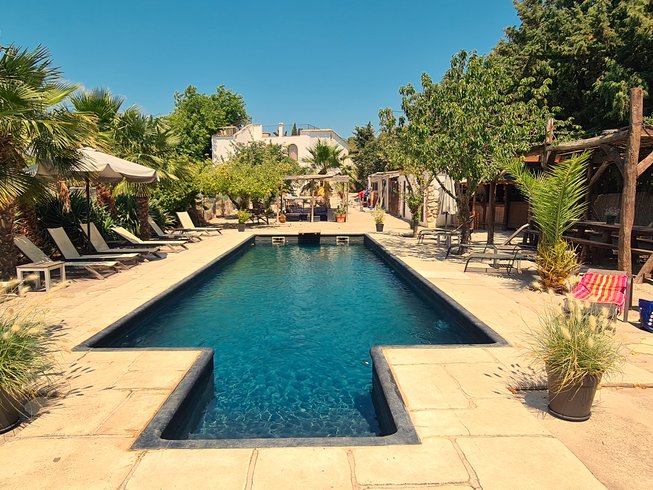
4 Day Chakra Bliss Yoga Retreat with Hike to Waterfalls and Good Food near Barcelona, Spain

6 Day Mediterranean Beach Yoga Holiday in Valencia, Spain
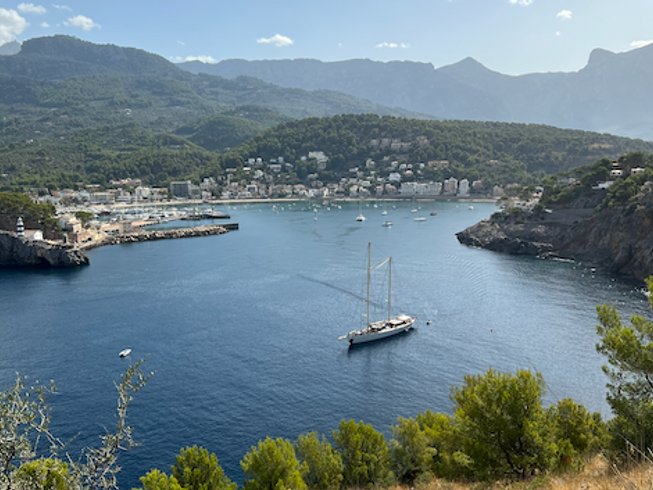
8 Day Yoga and Hiking in the Heart of Tramuntana, Spain
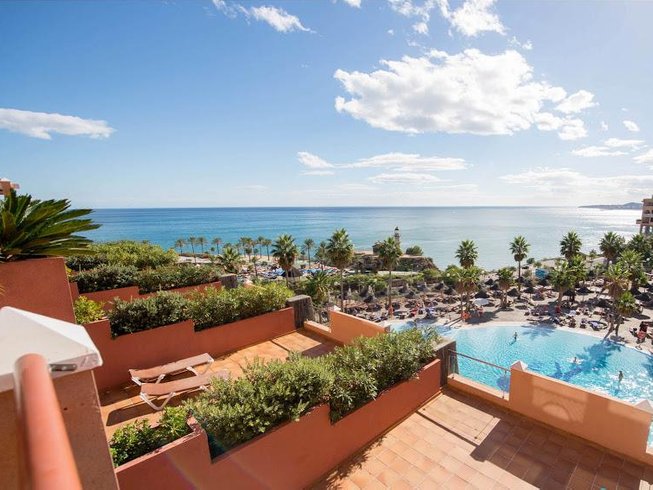
5 Day Private Reconnect Couples Retreat in Benalmádena, Province of Málaga, Spain
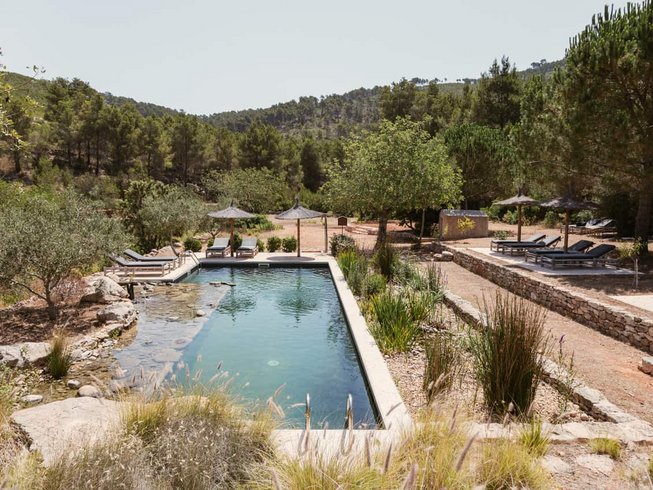
8 Day Private Individual Yoga Holiday in Ibiza, Spain
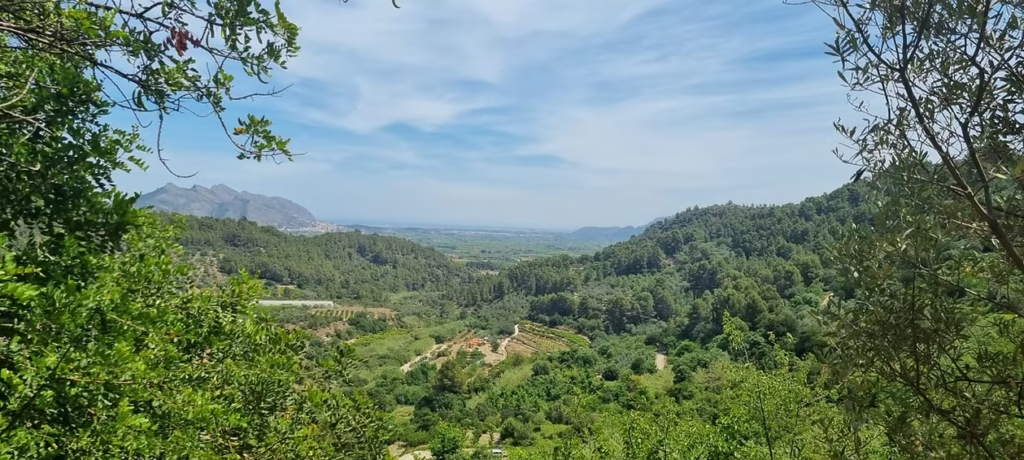
Vegan Yoga retreat, Alicante, Spain
Where to Go in July
The Canary Islands provide the most comfortable July conditions at 24-28°C—warm but moderated by Atlantic breezes and ocean influence. Tenerife, Lanzarote, Gran Canaria maintain excellent outdoor yoga conditions with morning and evening sessions particularly pleasant. Ocean temperatures reach 22-23°C, perfect for swimming and water activities.
Northern coastal Spain becomes prime territory—Basque Country, Asturias, Galicia at 20-26°C offer Spanish summer without overwhelming heat. San Sebastián, Santander, and Galician coast provide sophisticated wellness settings with cooler Atlantic influence. The Camino de Santiago sees peak pilgrim numbers but comfortable walking temperatures in northern sections.
Mediterranean coast (Barcelona, Valencia, Costa Blanca) reaches 26-32°C—hot but manageable with beach access and sea breezes. Inland Andalusia becomes extreme at 35-40°C, suitable only for those who thrive in intense heat or retreat centers with exceptional cooling and pools. Coastal Andalusia (Málaga, Cádiz) slightly more moderate at 28-32°C.
Weather and Conditions
July brings peak summer heat across Spain. The Canaries maintain comfortable 24-28°C with 11-12 hours sunshine and zero rainfall. Mediterranean regions experience genuine summer heat—26-32°C coastal areas, 35-40°C inland. Northern Spain achieves its warmest at 20-26°C, still moderate by Spanish summer standards.
Virtually no rainfall anywhere—Spain enters summer drought season. Sea temperatures become bathwater-warm in Mediterranean (22-24°C), pleasant in Atlantic (21-23°C). Heat requires program adaptation—early morning practices (6-8am), evening sessions (8-10pm), afternoon rest during peak heat.
Daylight remains extensive though slightly decreasing from June peak—sunrise around 6:45am, sunset 9:15pm. This still provides ample outdoor practice windows outside midday intensity.
Crowds and Pricing
July represents peak season across Spain. Spanish schools close, Europeans take summer holidays, domestic and international tourism peaks simultaneously. Coastal areas reach maximum capacity—beaches crowded, restaurants full, accommodations at premium pricing. Popular retreat centers book months in advance.
Pricing reaches annual peak—no discounts, premium rates standard, some locations add July supplements. Expect to pay 20-40% more than shoulder season. The trade-off is guaranteed summer weather and peak summer energy, but crowds and heat require tolerance.
Cities partially empty as Spaniards flee to coast—Madrid, Seville, Córdoba see reduced local populations but increasing tourists. This creates interesting dynamic where urban areas feel less crowded while coastal zones overflow.
Programs and Activities
Heat-adapted programming essential in most regions. Early morning beach yoga (6:30-8am) capitalizes on cooler temperatures and beautiful light. Evening practices (8-10pm) work beautifully with long twilight. Midday requires pools, air-conditioned spaces, or complete rest following Spanish siesta tradition.
Water-based wellness thrives—SUP yoga on calm morning waters, swimming as practice adjunct, coastal meditation, beachside relaxation. The warm seas make water activities central rather than supplementary. Surfing on Atlantic coasts, snorkeling in clear Mediterranean, kayaking along coastlines.
Cultural activities shift to evening—late dinners, nighttime city walks, evening museum hours, sunset architectural tours. Indoor meditation and restorative practices gain appeal during afternoon heat. Thermal spas and hammams provide cool refuge.
Spanish Culture in July
July embodies Spanish summer lifestyle fully. Late dining (10pm-midnight standard), evening paseos, beach culture dominating, outdoor life extending past midnight. Mediterranean diet emphasizes cold soups (gazpacho, salmorejo), grilled fish, watermelon, tomato salads, horchata and granizados.
Festival season peaks—nearly every town hosts summer fiestas with outdoor concerts, traditional celebrations, fireworks. San Fermín in Pamplona (July 6-14) brings worldwide attention though intense crowds. Coastal towns host beach parties, seafood festivals, traditional maritime celebrations. Summer terrace culture reaches maximum expression.
What to Pack
Minimal wardrobe needed—light yoga wear, t-shirts, shorts, sundresses, swimwear (essential), wide-brimmed hat, quality sunglasses, reef-safe SPF 50 sunscreen, after-sun care. Light long sleeves for sun protection. Light linen clothing for evening.
Sandals primary footwear. Single cardigan for air-conditioned spaces. Reusable water bottle essential for hydration. Pack for 24-40°C with intense sunshine.
Frequently Asked Questions
Is July a good month for Spain wellness retreats?
Depends entirely on heat tolerance and crowd acceptance. Offers guaranteed summer weather, warm seas, Spanish summer energy, but brings peak crowds and heat (26-40°C depending on region). Excellent for those embracing Mediterranean summer; challenging for those seeking quiet or moderate temperatures. Canaries and northern Spain provide more moderate alternatives.
Which region is best in July?
Canary Islands for moderate heat (24-28°C), northern coastal Spain for coolest conditions (20-26°C), Mediterranean coast for classic summer (26-32°C). Avoid inland Andalusia unless you love extreme heat (35-40°C). Island retreats (Mallorca, Ibiza) offer beach focus with ferry-accessible escape.
How crowded is Spain in July?
Peak season everywhere. Coastal areas at maximum capacity—beaches crowded, accommodations full, restaurants require reservations. Cities partially empty as locals leave but tourists increase. Book 3-4 months ahead for retreats. Expect summer crowds as standard experience.
What’s the weather like in July?
Canaries: 24-28°C, consistent warmth. Andalusia coast: 28-32°C, inland: 35-40°C. Valencia: 27-31°C. Barcelona: 26-30°C. Northern Spain: 20-26°C. Sea: 22-24°C (Mediterranean, bathwater warm), 21-23°C (Atlantic). Virtually no rain anywhere.
Is it too hot for yoga in July?
Requires heat-adapted schedules. Early morning (6-8am) and evening (8-10pm) sessions work well. Midday practice unsuitable except in air-conditioned spaces. Canaries and northern Spain manageable all day. Mediterranean coast needs morning/evening focus. Inland areas require significant heat tolerance.
How do July prices compare to other months?
July matches or exceeds peak pricing—20-40% above shoulder season rates. No discounts available. Premium accommodations add July supplements. This is annual price peak along with August. The trade-off is guaranteed weather and full summer atmosphere.
Related Articles
Explore our monthly guides: yoga and wellness retreats in Spain in January, yoga and wellness retreats in Spain in February, yoga and wellness retreats in Spain in March, yoga and wellness retreats in Spain in April, yoga and wellness retreats in Spain in May, yoga and wellness retreats in Spain in June, yoga and wellness retreats in Spain in July, yoga and wellness retreats in Spain in August, yoga and wellness retreats in Spain in September, yoga and wellness retreats in Spain in October, yoga and wellness retreats in Spain in November, and yoga and wellness retreats in Spain in December.
Discover our seasonal guides: yoga and wellness retreats in Spain in Spring, yoga and wellness retreats in Spain in Summer, yoga and wellness retreats in Spain in Autumn, and yoga and wellness retreats in Spain in Winter.
For a complete overview, read Yoga and Wellness Retreats in Spain for 2026.
