
Yoga Retreats in Costa Rica in Winter 2026
Winter 2026 represents Costa Rica’s peak wellness retreat season—December, January, and February deliver optimal weather conditions, maximum sunshine, and the country’s most reliable climate across Pacific coast destinations. This three-month dry season period attracts highest visitor numbers, commands premium pricing, and requires advance booking, but rewards with near-guaranteed excellent conditions for yoga practice and outdoor activities.
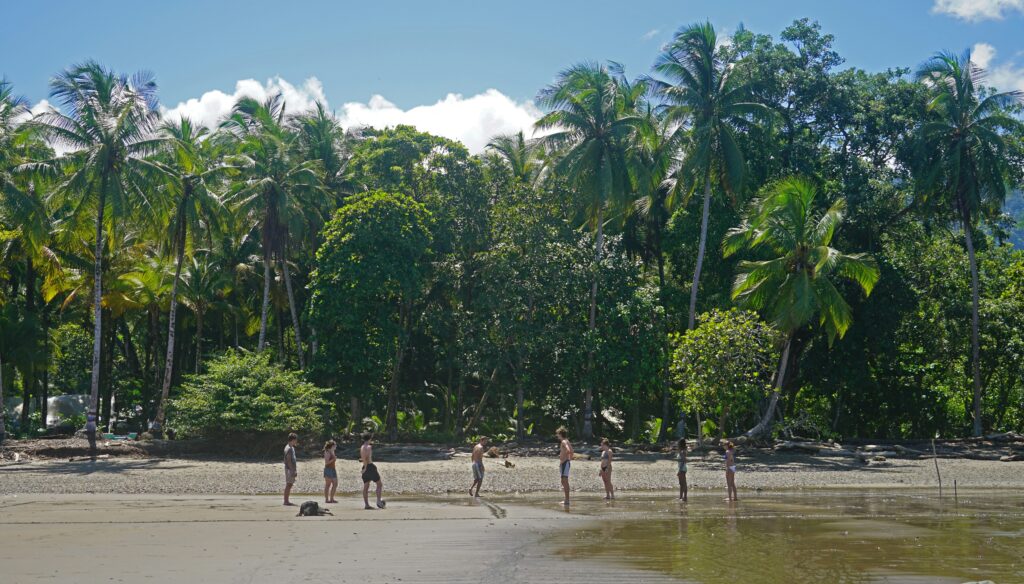
Winter’s defining advantage: predictable Pacific coast sunshine with minimal rainfall risk. December through February typically see less than 1-2 inches total precipitation in northwest Guanacaste, with other Pacific regions receiving only slightly more. Morning coastal breezes, warm Pacific waters (80-84°F/27-29°C), and consistent 85-92°F/29-33°C temperatures create ideal tropical winter escape conditions that drive Costa Rica’s reputation as wellness destination.
Our selection of retreats in Costa Rica – Winter 2026

7 Day Surf and Yoga Retreat in Nosara, Costa Rica

7 Day The Nervous System Reset Yoga Retreat in Playa Marbella, Guanacaste, Costa Rica
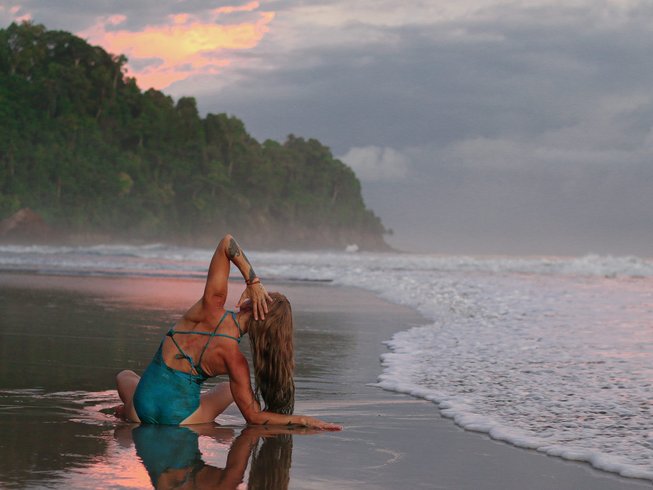
5 Day Live To Lead: Luxury Yoga Wellness Retreat in Ojochal, Costa Rica
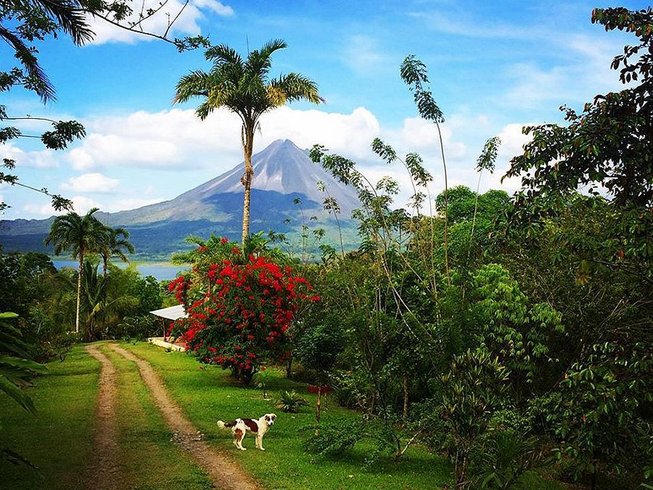
4 Day Love Yourself Yoga Retreat in the Arenal Rainforest, Alajuela, Costa Rica
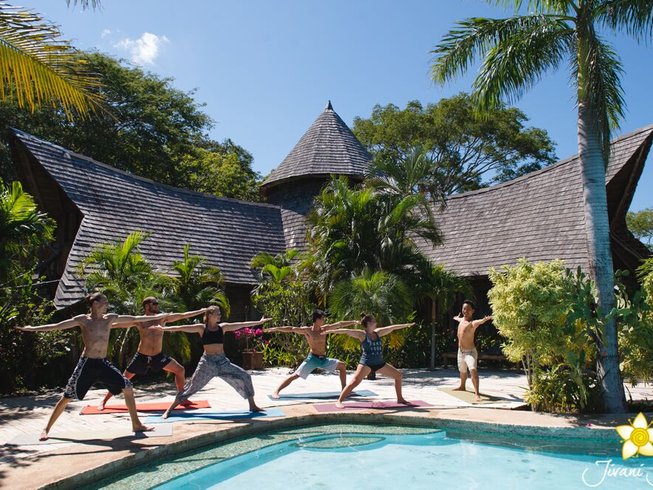
5-Day Discover Yoga Retreat Tamarindo, Costa Rica
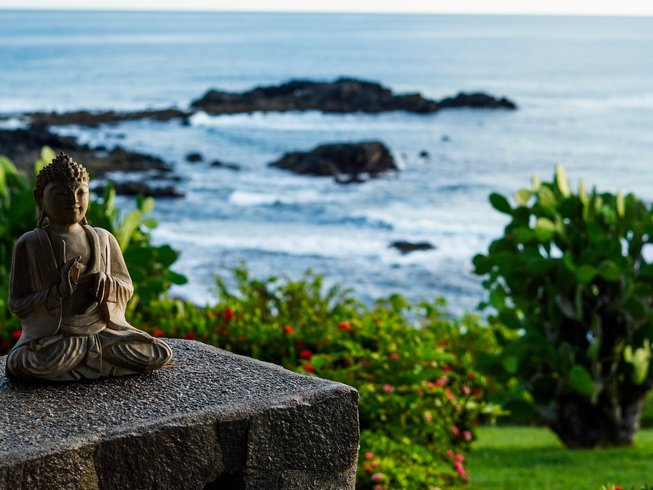
6 Day Tailored Luxury Yoga and Mindfulness Retreat in Playa Azul, Guanacaste, Costa Rica
Caribbean coast follows different timing—December-March marks the region’s rainier period, with January-February particularly wet. Pacific destinations dominate winter wellness appeal given their weather reliability and established retreat infrastructure. Winter becomes the season when Costa Rica delivers exactly what northern hemisphere travelers seek: guaranteed warmth and sunshine during their coldest, darkest months back home.
December 2026: Dry Season Beginning
December marks Costa Rica’s transition into full dry season conditions—early December sometimes shows lingering green season rain, but by mid-month consistent dry weather establishes across Pacific regions. This progression makes December strategically interesting: early month occasionally captures shoulder-season pricing with improving weather, while late December (especially around holidays) brings peak-season crowds and costs.
Pacific coast destinations achieve excellent conditions throughout December—Guanacaste leads with earliest dry season establishment, typically showing reliable sunshine by December’s first week. Central Pacific and southern regions transition slightly later but still deliver predominantly good weather by mid-month. Ocean temperatures warm as Pacific trades settle into dry-season patterns, creating ideal swimming and surf conditions.
December landscape shows transition from green season’s lush intensity toward dry season’s golden tones—forests retain more green than later winter months, waterfalls still flow reasonably (though diminishing), and dust hasn’t accumulated. Many wellness travelers find December offers optimal balance: dry season reliability with remaining green season beauty before January-February’s full dry transformation.
Holiday periods create December’s major consideration—Christmas week and New Year’s week command absolute premium pricing (often exceeding even February’s Presidents’ Day rates) and require 6-9 month advance booking for quality retreats. Costa Rican families vacation domestically during this period, international visitors maximize holiday timing, and popular beaches reach capacity. Early December (first two weeks) and post-New Year’s (January 2-10) provide better value with similar weather.
December crowds build gradually—early month remains quite manageable, mid-month shows moderate increases, and final two weeks bring yearly peaks. Those targeting December wellness retreats should strongly consider first two weeks when weather has stabilized but holiday crowds haven’t arrived. This timing captures December’s advantages without maximum cost and congestion.
Caribbean coast experiences December as transitional month—more rain than Pacific regions but not yet the heavy January-February pattern. Some travelers successfully combine Pacific retreat (primary stay) with brief Caribbean exploration during December’s occasional good-weather windows. However, Pacific remains strongly preferred December wellness destination.
January 2026: Peak Dry Season
January represents Costa Rica’s most reliable weather month—Pacific coast regions experience optimal dry season conditions with minimal rainfall probability and maximum sunshine consistency. This makes January ideal for travelers prioritizing weather certainty over cost considerations, particularly those with fixed vacation schedules requiring weather guarantees.
Guanacaste achieves perfect dry season form in January—virtually zero rain, daily sunshine, offshore morning winds creating excellent surf conditions, and warm calm seas. Nosara, Santa Teresa, Tamarindo, and other northwest destinations showcase why Costa Rica earned its wellness reputation. Forest transitions fully to golden dry-season character, creating distinctive beauty different from green season’s lush intensity.
Central Pacific maintains excellent January conditions—Manuel Antonio and Uvita regions receive slightly more moisture than Guanacaste but still deliver predominantly sunny, dry weather. These areas balance reliable conditions with incredible biodiversity and natural beauty. January wildlife viewing peaks as dry season concentrates animals around remaining water sources, making guided nature experiences highly productive.
Osa Peninsula shows January as driest period—even this rainforest region experiences diminished rainfall and more consistent sunshine. January provides Osa’s most accessible timing for remote retreat experiences that maintain rainforest character while offering reasonable weather predictability. Serious nature enthusiasts target January for Osa’s unique combination of biodiversity and manageable conditions.
January pricing remains at peak-season highs throughout the month—no shoulder-season opportunities exist. Most retreats maintain maximum rates from New Year’s through January’s end, with only slight moderation possible in final week as February approaches. Advance booking (3-4 months) remains essential for securing preferred dates and accommodations.
January crowds moderate somewhat after New Year’s initial week but remain substantial through month—this is high season throughout. Martin Luther King Jr. weekend (mid-January) creates brief surge in North American visitors. Overall, January delivers consistent activity levels without holiday-week extremes, offering good balance of social energy and manageable retreat sizes.
Caribbean coast experiences January as one of its wettest months—significant rainfall and weather unpredictability make January poor timing for Caribbean wellness focus. Pacific destinations provide vastly superior January conditions, concentrating virtually all winter retreat activity on western regions.
February 2026: Dry Season Peak Continuation
February extends January’s excellent dry season conditions—if anything, February shows even less rainfall probability and more consistent sunshine than January in most Pacific regions. The month represents absolute peak reliability for those demanding weather certainty, though coming at premium pricing particularly during Presidents’ Day week.
Pacific coast destinations deliver February perfection—all regions from Guanacaste through Central Pacific to Osa Peninsula maintain dry, sunny, warm conditions. Ocean temperatures reach comfortable peaks (82-84°F/28-29°C), surf continues excellent with consistent swells, and beaches provide ideal settings for yoga practice and outdoor meditation. February showcases Costa Rican winter at its absolute finest.
February forests display full dry-season character—Guanacaste shows maximum golden-brown dry tropical forest, while wetter southern regions retain more green but still experience substantially reduced rainfall. Some travelers prefer this dried landscape’s stark beauty and easier wildlife viewing, while others favor green season’s lush intensity. February represents one aesthetic choice rather than objective superiority.
Presidents’ Day weekend (typically mid-February) creates year’s second-highest pricing period after Christmas/New Year’s, with North American families maximizing three-day weekend for Costa Rica escapes. This single week commands premium rates and requires earliest possible booking (6-9 months ahead) for quality properties. Pre and post-Presidents’ Day weeks offer substantially better value with identical weather.
February crowds remain high throughout month but show more manageable levels than December holidays—consistent steady demand rather than explosive peaks. Retreats operate near capacity through February, maintaining lively social atmospheres while still delivering quality yoga instruction and wellness programming. Those seeking complete solitude should target September-October instead.
Late February sometimes shows very early hints of coming dry-to-green transition—occasional afternoon cloud development or rare brief showers signal March’s transition period approaching. However, these instances remain quite uncommon; February overwhelmingly delivers dry season reliability through month’s end.
Caribbean coast continues challenging February conditions—among the region’s wettest months. Pacific dominance of February wellness retreat market remains absolute given weather differentials. Only most weather-flexible travelers consider Caribbean February visits, and even then typically combined with Pacific primary stay.
Regional Winter Strategy
Guanacaste (Northwest Pacific) reigns as Costa Rica’s winter wellness capital—Nosara, Santa Teresa, Tamarindo, and Playa Grande deliver optimal December-February conditions with maximum sunshine, minimal rain, excellent surf, and established retreat infrastructure. Guanacaste’s lower humidity compared to southern regions makes it particularly comfortable for hot yoga styles and intensive practice. Winter Guanacaste provides classic Costa Rican wellness experience that built the country’s reputation.
Central Pacific (Manuel Antonio/Uvita) offers winter’s optimal biodiversity balance—reliable dry season weather combined with remarkable wildlife viewing and natural beauty. Manuel Antonio National Park delivers world-class hiking and animal encounters, while Uvita provides whale watching (December-April humpback season) and less-developed coastal character. Central Pacific suits winter travelers prioritizing nature immersion alongside wellness practice.
Osa Peninsula (South Pacific) provides winter’s most authentic rainforest experience—even during dry season, Osa maintains more forest moisture and biodiversity than northern regions. December-February represents Osa’s most accessible timing for those seeking serious nature immersion while minimizing weather challenges. Osa winter visits attract conservation-minded wellness travelers willing to trade some convenience for extraordinary biological richness.
Caribbean Coast (Puerto Viejo region) faces difficult winter conditions—December-February marks the region’s wettest season with January-February particularly challenging. Winter Caribbean visits require accepting significant rainfall or limiting to brief explorations combined with Pacific primary stays. Those specifically drawn to Caribbean’s Afro-Caribbean culture and different coastal character should target April-May instead when weather improves dramatically.
Central Valley Highlands maintain winter as viable option—consistent spring-like temperatures (70-78°F/21-26°C), dry season reliability, and easy cultural access to San José area. Highland retreats sacrifice beach experiences but provide cooler yoga practice environments. Winter highlands particularly suit travelers sensitive to heat or those combining retreat with cultural tourism exploration.
Winter Wellness Experience
Winter yoga practice benefits from dry season’s consistent conditions—outdoor sessions proceed without rain concerns, beach yoga becomes easily schedulable, and warm temperatures support flexibility development. However, December-February heat requires strategic timing: early morning (6-8am) or evening (5-7pm) practices avoid midday intensity. Proper hydration and heat-appropriate practice styles become important winter considerations.
Morning practices particularly excel during winter—cooler temperatures (75-80°F/24-27°C), offshore breezes in many locations, and spectacular sunrises create optimal conditions. Many retreats structure intensive morning sessions capitalizing on these advantages, with afternoon periods reserved for beach time, excursions, or restorative practices in cooler indoor spaces.
Winter meditation benefits from dry season’s predictability—outdoor meditation spaces function reliably without rain interruption, dawn and dusk practices proceed without weather concerns, and consistent conditions support establishing regular contemplative routines. However, winter’s social season means more people around; those seeking maximum solitude should seek remote properties or consider green season instead.
Winter wildlife viewing showcases dry season advantages—animals congregate around limited water sources making sightings more predictable, reduced forest density improves visibility, and consistently good weather allows flexible excursion timing. Whale watching peaks December-February as humpbacks visit Costa Rican waters for breeding. Bird migrations bring northern species to tropical winter refuges. Winter delivers exceptional nature experiences.
Winter Activities Beyond Yoga
Winter surf conditions reach yearly peaks—consistent Pacific swells, offshore morning winds (in select locations), and warm water create ideal circumstances for all surf levels. December-February represents prime surf season when international surf travelers converge on Costa Rica’s world-class breaks. Surf-integrated wellness retreats capitalize on winter’s optimal wave conditions.
Hiking and waterfall tours face December-February challenges—waterfalls flow at yearly lows or cease entirely in northern regions, trails become dusty, and heat intensifies during midday. However, early morning hikes remain excellent, wildlife viewing improves with dry season visibility, and cooler temperatures in highland areas provide comfortable trekking. Strategic activity timing manages heat considerations.
Zip-lining and canopy tours operate at peak winter conditions—dry weather ensures reliable operations, clear skies provide excellent visibility, and comfortable temperatures make extended outdoor activities pleasant. Winter represents optimal timing for aerial adventure experiences combined with wellness practice.
Whale watching peaks during winter months—December through April brings humpback whales to Costa Rican Pacific waters for breeding and calving. Uvita and southern Pacific areas provide most reliable whale encounters. Combining wellness retreat with marine mammal viewing creates memorable winter experiences unique to this season.
Winter Booking Strategy
Holiday periods demand maximum advance planning—Christmas week (December 20-27) and New Year’s week (December 27-January 3) require 9-12 month advance booking for quality retreats. Presidents’ Day weekend (mid-February) needs 6-9 months notice. These periods command absolute premium pricing and sell out earliest at popular properties.
Non-holiday winter weeks require 3-4 month advance booking for preferred retreats and room categories—earlier booking ensures selection while later attempts face limited availability. January particularly books solid given its optimal weather reputation. Those with flexible dates have slightly more options than fixed-schedule travelers.
Winter cancellation policies tend toward stricter terms—peak season demand means retreats enforce more conservative cancellation windows (often 30-60 days) compared to green season’s flexible policies. Travel insurance gains importance for winter bookings given financial exposure of early booking requirements and strict cancellation terms.
Room category considerations matter more in winter—basic accommodations book earliest as budget travelers secure lower-cost options, while premium rooms maintain availability longer but at significant price premiums. Strategic travelers booking 6+ months ahead access full inventory across price ranges.
Winter Packing Essentials
Sun protection dominates winter packing priorities—reef-safe high-SPF sunscreen, wide-brim hats, sun-protective clothing, and quality sunglasses essential. December-February sunshine intensity requires diligent protection throughout day. Bring more sunscreen than expected; tropical sun exposure exceeds most travelers’ experience.
Light, breathable, moisture-wicking clothing serves winter best—quick-dry yoga wear, minimal cotton, and ventilated layers manage heat while allowing flexibility for air-conditioned spaces. Colors that hide sweat stains gain practical value given warm conditions. Minimize heavy or dark clothing that retains heat.
Rain gear becomes optional for winter Pacific coast visits—light rain jacket for possible brief showers, but comprehensive rain protection unnecessary unlike green season requirements. However, afternoon cloud development occasionally occurs; having minimal rain coverage prevents minor inconvenience if brief shower appears.
Water resistance for electronics gains moderate importance—ocean exposure, humidity, and occasional rain justify protective measures but don’t require green season’s paranoid waterproofing. Simple protective cases and sealed bags suffice for winter conditions.
Insect repellent remains useful despite dry season—dawn and dusk mosquito activity continues year-round in forested areas. Natural repellent and long sleeves during peak bug hours manage exposure. However, winter shows substantially less insect activity than green season months.
Frequently Asked Questions
Is winter worth the premium pricing?
For travelers prioritizing weather certainty over cost: absolutely. Winter guarantees optimal conditions and justifies premium for risk-averse planners. However, value-focused flexible travelers find May or November deliver 70-80% of winter’s weather quality at 40-50% savings. Winter makes sense for fixed schedules, first-time visitors, or those specifically escaping northern winter darkness. Green season suits experienced tropical travelers comfortable with afternoon rain trade-offs.
Which winter month provides best overall experience?
January and February deliver most reliable weather; December offers transition advantages with lingering green beauty. January shows maximum consistency, February extends that reliability, and December provides earliest dry season access with possible shoulder-pricing in early weeks. Non-holiday weeks in January provide optimal balance of reliability and manageable crowds. Choice depends on whether prioritizing absolute weather certainty (January-February) or strategic timing/value (early December).
Can I find good deals during winter months?
Very limited—winter represents peak pricing season with minimal discount opportunities. Early December (first 10 days) sometimes offers modest savings as season transitions, and post-New Year’s week (January 2-10) occasionally shows slight moderation. Otherwise, expect full peak-season rates throughout December-February. Value seekers should target April-May or November when conditions remain good but pricing drops substantially.
Does winter heat become uncomfortable for yoga practice?
Strategic timing manages heat effectively—early morning (6-8am) or evening (5-7pm) practices avoid midday intensity. Most quality retreats schedule around heat, offering peak practice during cooler periods. Proper hydration, heat-appropriate styles (slower-paced, restorative), and acclimatization period help. However, those particularly sensitive to heat may prefer green season’s cooler conditions or highland locations. Hot yoga enthusiasts often specifically seek winter’s warmth.
Is winter too crowded for peaceful retreat experiences?
Winter brings highest visitor numbers but quality retreats maintain intimate group sizes and peaceful environments. Strategic property selection matters—smaller boutique retreats feel less impacted than large resort-style centers. Remote locations (Osa Peninsula, southern Pacific) experience less winter congestion than northwest Guanacaste hotspots. Those requiring complete solitude should target September-October when retreats operate near-empty. Winter delivers social energy some appreciate while maintaining wellness focus.
Should I avoid holiday weeks entirely?
Holiday weeks offer lively atmosphere and cultural immersion but command extreme pricing and require earliest booking. Christmas/New Year’s creates unique celebratory energy many enjoy, while Presidents’ Day brings primarily North American families. Trade-offs: premium costs and maximum crowds versus social vibrancy and holiday timing convenience. Strategic travelers target weeks immediately before/after holidays—capturing identical weather at substantially lower cost with more availability and manageable numbers.
Related Articles
Explore our monthly guides: yoga and wellness retreats in Costa Rica in January, yoga and wellness retreats in Costa Rica in February, yoga and wellness retreats in Costa Rica in March, yoga and wellness retreats in Costa Rica in April, yoga and wellness retreats in Costa Rica in May, yoga and wellness retreats in Costa Rica in June, yoga and wellness retreats in Costa Rica in July, yoga and wellness retreats in Costa Rica in August, yoga and wellness retreats in Costa Rica in September, yoga and wellness retreats in Costa Rica in October, yoga and wellness retreats in Costa Rica in November, and yoga and wellness retreats in Costa Rica in December.
Discover our seasonal guides: yoga and wellness retreats in Costa Rica in Spring, yoga and wellness retreats in Costa Rica in Summer, yoga and wellness retreats in Costa Rica in Autumn, and yoga and wellness retreats in Costa Rica in Winter.
For a complete overview, read Yoga and Wellness Retreats in Costa Rica for 2026.
