
Yoga and Wellness Retreats in Costa Rica in Spring 2026
Spring 2026 in Costa Rica delivers the country’s most dramatic seasonal transformation—dry season excellence transitions into explosive green season vitality across March, April, and May. This three-month period captures both peak conditions and authentic rainforest awakening, offering distinct experiences that cater to different wellness traveler preferences.
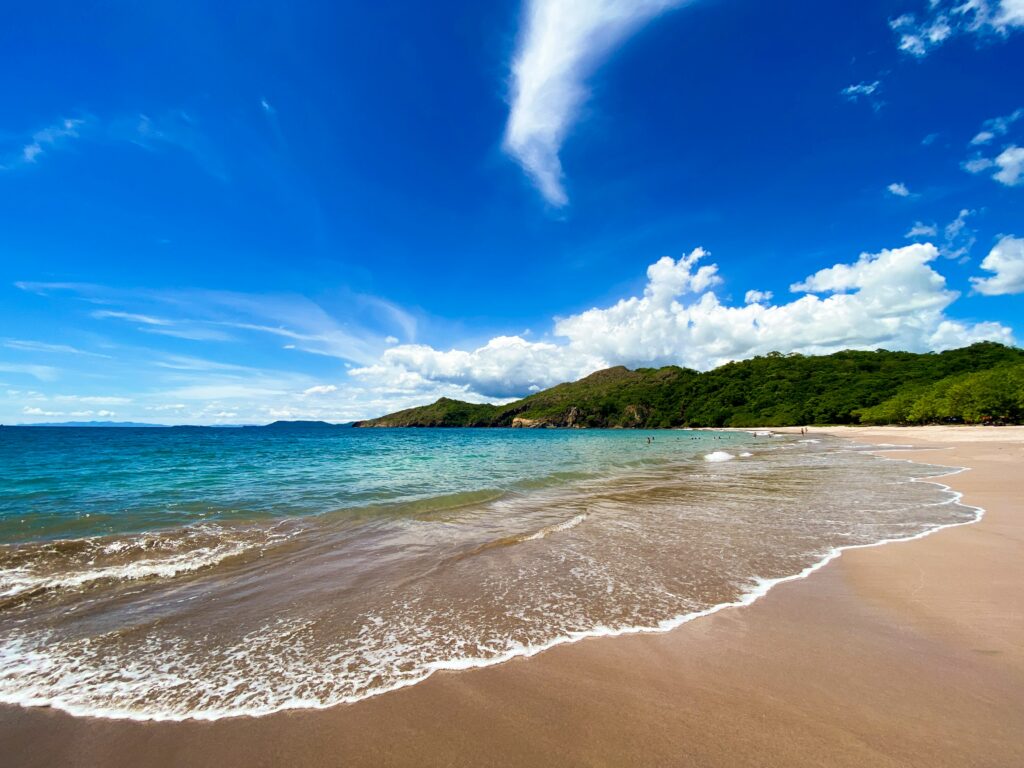
The Pacific coast dominates spring appeal with March continuing flawless dry season weather, April providing transition benefits, and May introducing afternoon rains that cool temperatures while maintaining morning activity windows. Caribbean regions follow different patterns—experiencing their driest, most reliable conditions April-May when Pacific areas transition. Central Valley highlands offer year-round spring-like temperatures with increasing afternoon clouds that create comfortable yoga practice conditions.
Our selection of retreats in Costa Rica – Spring 2026
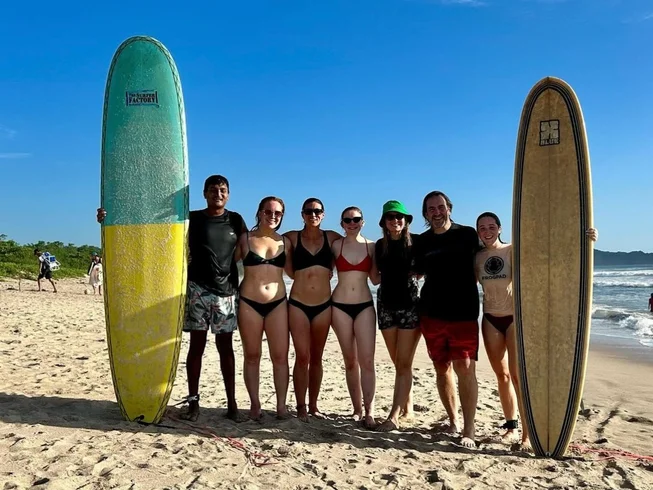
7 Day Surf and Yoga Retreat in Nosara, Costa Rica

7 Day The Nervous System Reset Yoga Retreat in Playa Marbella, Guanacaste, Costa Rica
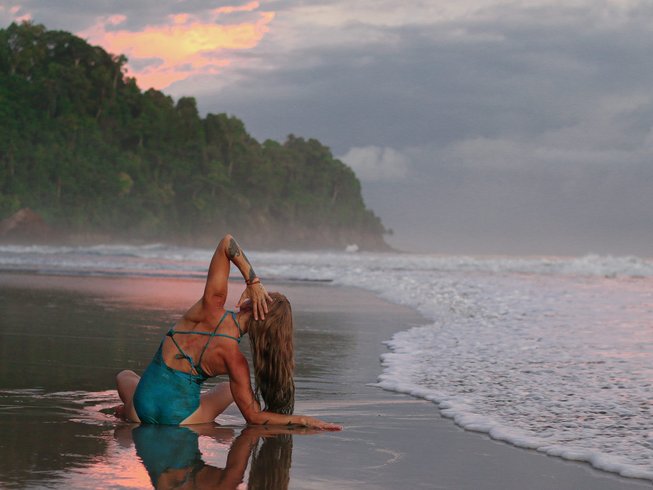
5 Day Live To Lead: Luxury Yoga Wellness Retreat in Ojochal, Costa Rica
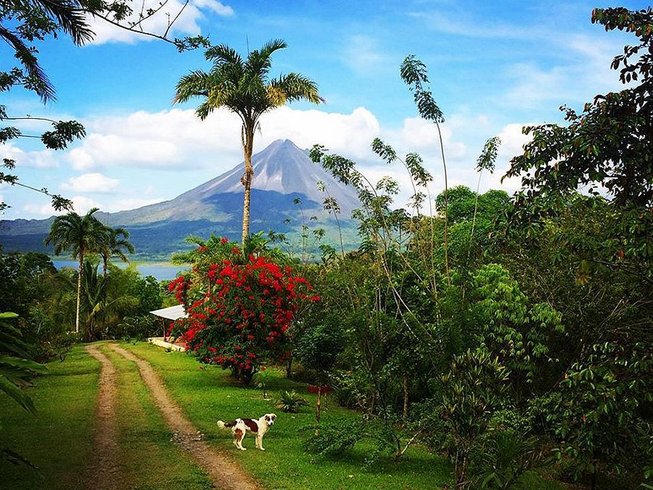
4 Day Love Yourself Yoga Retreat in the Arenal Rainforest, Alajuela, Costa Rica
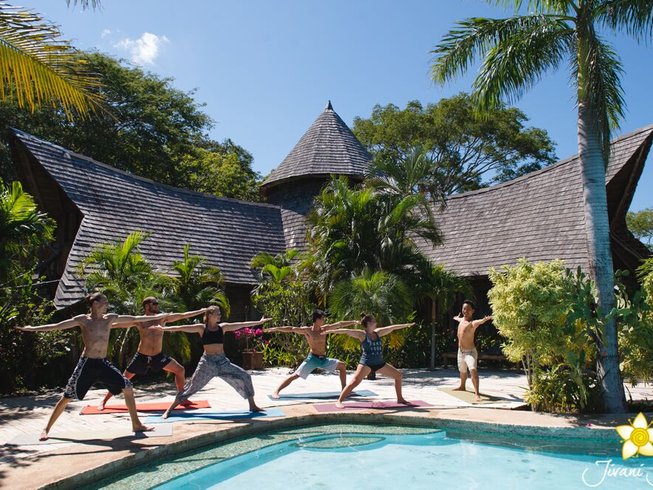
5-Day Discover Yoga Retreat Tamarindo, Costa Rica
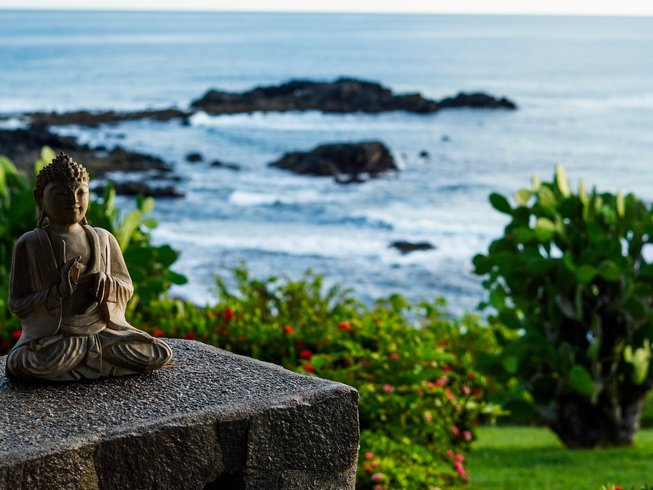
6 Day Tailored Luxury Yoga and Mindfulness Retreat in Playa Azul, Guanacaste, Costa Rica
Spring presents strategic timing opportunities: March attracts those seeking guaranteed sunshine and stable conditions, April rewards flexible travelers with shoulder-season advantages, and May delivers exceptional value for those embracing Costa Rica’s green season character. Understanding each month’s distinct personality helps optimize your spring wellness retreat experience.
March 2026: Peak Dry Season Finale
March represents the culmination of Costa Rica’s dry season—delivering optimal conditions across virtually all wellness retreat regions. Pacific coast destinations experience their final month of consistent sunshine before green season transitions begin. Temperatures reach yearly peaks (highs 90-95°F/32-35°C in lowlands) but ocean breezes and strategic scheduling around cooler morning/evening hours maintain comfort for yoga practice and outdoor activities.
Guanacaste’s northwest beaches showcase March at its finest—Nosara, Santa Teresa, and Tamarindo provide ideal retreat conditions with minimal rainfall, warm Pacific waters (82-84°F/28-29°C), and excellent surf. The region’s distinctive dry tropical forest reveals its golden-season beauty, creating striking landscapes for outdoor meditation and nature connection. However, March brings peak-season crowds and pricing, particularly during spring break periods when North American families increase visitor numbers.
Central Pacific destinations around Manuel Antonio and Uvita maintain similar excellence with slightly more vegetation retention than Guanacaste’s drier northwest. The region balances accessibility from San José with quality retreat offerings and world-class natural beauty. March conditions favor beach activities, forest exploration, and wildlife viewing as animals congregate around remaining water sources.
Osa Peninsula and southern Pacific areas provide March’s most pristine rainforest experiences—while technically dry season, these regions retain more moisture and lush conditions than northern counterparts. Retreats near Drake Bay or Puerto Jiménez deliver authentic jungle immersion with reliable weather and extraordinary biodiversity. March represents optimal timing for those seeking remote, nature-intensive wellness experiences without green season’s afternoon rain.
Caribbean coast around Puerto Viejo experiences March as transition period—not peak season (that arrives April-May) but offering pleasant conditions with occasional showers. Smart travelers use March to access Caribbean’s unique Afro-Caribbean culture and laid-back vibe before April’s ideal weather draws larger crowds.
April 2026: Shoulder Season Intelligence
April functions as Costa Rica’s sophisticated shoulder month—delivering excellent conditions for knowledgeable travelers while avoiding March’s peak-season intensity. Most Pacific regions maintain predominantly dry weather through mid-month, with increasing afternoon shower probability as May approaches. This transition creates optimal strategic timing: early April extends dry season benefits while late April introduces green season pricing.
Caribbean coast emerges as April’s star performer—experiencing its driest, sunniest, most reliable weather of the entire year. Puerto Viejo, Cahuita, and southern Caribbean beaches provide April conditions rivaling or exceeding Pacific regions, with calmer seas, comfortable temperatures (80-88°F/27-31°C), and minimal rainfall. April represents ideal timing for wellness travelers seeking Caribbean’s unique cultural blend without weather concerns.
Pacific destinations transition gradually—Guanacaste and northern areas maintain largely dry conditions, while southern regions like Uvita and Osa begin experiencing more frequent afternoon showers. This regional variation allows strategic selection: northwest for continued dry season feel, south for early green season benefits including cooler temperatures and fewer visitors.
April brings significant pricing advantages starting mid-month as retreats transition from high to green season rates. Discounts reach 20-30% while weather remains predominantly excellent—creating exceptional value for flexible travelers. Crowds decrease noticeably after Easter week, with retreats offering more personalized attention and peaceful environments.
Highland regions around Central Valley maintain April’s spring-like conditions—morning sunshine with afternoon cloud development creating comfortable temperatures for yoga practice. San José area retreats provide convenient access while avoiding coastal heat, appealing to those sensitive to high temperatures or seeking cooler practice environments.
May 2026: Green Season Opportunity
May embraces Costa Rica’s green season transformation—afternoon rains return consistently while mornings maintain excellent activity conditions. This month rewards travelers who appreciate authentic rainforest character and value the significant benefits green season delivers: 30-40% lower pricing, dramatically reduced crowds, explosive natural beauty, and peak wildlife activity.
Caribbean coast maintains May as prime season—experiencing some of the year’s best weather with minimal rainfall, calm seas, and optimal beach conditions. Puerto Viejo retreats capitalize on May’s Caribbean excellence, offering high-season quality at increasingly attractive green-season pricing. May represents ideal timing for combining Caribbean wellness with Pacific’s green-season appeal through multi-region visits.
Pacific regions fully embrace green season rhythm—mornings provide 6-8 hour windows of sunshine and ideal conditions for yoga, hiking, and beach activities, while afternoons bring 1-3 hour rain showers that cool temperatures, refresh landscapes, and create dramatic tropical ambiance. This predictable pattern allows strategic activity scheduling: intensive practice and excursions before 2pm, relaxation and spa treatments during afternoon rain, evening programs after showers pass.
May activates Costa Rica’s incredible biodiversity—nesting sea turtles arrive on Pacific beaches, breeding bird populations peak, forests explode with new growth, and wildlife viewing reaches yearly highs as animals respond to renewed food abundance. Naturalist guides consider May among the year’s best months for authentic rainforest experiences, with dramatic increase in animal activity and accessibility.
Pricing advantages become substantial in May—retreat rates drop 30-40% while maintaining full service quality and often providing more personalized attention with smaller group sizes. Accommodations upgrade opportunities increase as luxury properties offer green season promotions. May delivers exceptional value for travelers comfortable with afternoon rain and appreciating authentic tropical forest character.
Manuel Antonio, Uvita, Osa Peninsula, and Nicoya Peninsula retreats all provide excellent May experiences—each offering morning sunshine, afternoon rain rhythm, and dramatic green-season beauty. The key consideration remains comfort level with daily rain: those embracing this pattern discover May’s remarkable advantages, while those preferring consistent all-day sunshine should target December-April instead.
Regional Spring Strategy
Guanacaste (Northwest Pacific) provides classic spring progression: March delivers peak dry-season perfection with golden landscapes and guaranteed sunshine; April maintains excellent conditions while transitioning; May introduces afternoon rains that transform the region green. Spring showcases Guanacaste’s versatility—from dry-season golden beauty to green-season lush transformation. Popular retreat centers around Nosara and Santa Teresa serve wellness travelers seeking Pacific beach combination with quality yoga instruction.
Central Pacific (Manuel Antonio/Uvita) balances accessibility with natural beauty throughout spring. March and April provide optimal beach and forest conditions with reliable weather. May transitions into green season while maintaining excellent morning conditions and activating the region’s incredible wildlife. The area’s mid-country location facilitates day trip exploration to highlands or other coastal regions, adding versatility to retreat experiences.
Osa Peninsula (South Pacific) delivers Costa Rica’s most pristine rainforest experiences across spring months. March offers the region’s driest conditions—still more humid and lush than northern areas but with minimal rainfall. April and May transition into full green season, showcasing the peninsula’s extraordinary biodiversity and providing authentic jungle immersion. Osa attracts serious nature enthusiasts and those seeking remote, transformation-focused retreats away from tourist development.
Caribbean Coast (Puerto Viejo region) follows inverse spring patterns—April and May represent peak season with optimal weather while Pacific areas transition. March provides pleasant conditions as the region emerges from its rainier January-March period. Spring timing on Caribbean coast rewards strategic planning: target April-May for best weather, or March for quieter experience with acceptable conditions. Caribbean’s unique Afro-Caribbean culture, laid-back atmosphere, and excellent Caribbean Sea snorkeling differentiate it from Pacific wellness destinations.
Central Valley Highlands maintain spring-like conditions year-round—consistent temperatures (70-80°F/21-27°C), morning sunshine, afternoon cloud development. March through May provides comfortable practice environments without coastal heat, appealing to temperature-sensitive travelers or those combining retreat experiences with cultural exploration of San José area. Highland retreats offer convenience and cooler climates while sacrificing beach access.
Spring Booking Strategy
March requires 3-4 month advance booking for popular retreat centers, particularly during spring break periods (typically mid-March through early April). Peak season pricing applies throughout March with limited last-minute availability at quality properties. Those targeting specific retreat centers or preferred accommodation types should book by December-January for March arrivals.
April provides more booking flexibility—early April (first two weeks) commands peak season rates and benefits from advance booking, while late April transitions to green season with increased availability and lower pricing. Strategic timing around mid-month captures the transition period when weather remains predominantly excellent while costs begin decreasing.
May offers greatest flexibility and value—advance booking less critical except for specific popular retreats or holiday periods (Memorial Day week attracts some North American visitors). Last-minute bookings often secure substantial discounts as properties offer green-season promotions, though quality retreat centers maintain strong occupancy even in May. Booking 4-6 weeks ahead ensures selection while capturing green-season pricing.
Spring visitors should research specific retreat cancellation policies—March bookings warrant more conservative policies given peak-season demand, while April-May flexibility allows more relaxed terms as availability increases. Travel insurance becomes particularly valuable for spring timing if personal schedules remain uncertain.
Spring Wellness Experience
Spring yoga practice in Costa Rica adapts to monthly temperature progression. March’s heat necessitates early morning or evening practice timing, with many retreats scheduling primary sessions before 9am or after 4pm to avoid midday intensity. Hydration consciousness and heat-appropriate practice styles (slower vinyasa, yin, restorative) become important. Experienced tropical practitioners embrace morning practice around 6-7am when temperatures remain comfortable and energy levels peak.
April and May introduce afternoon rain rhythm that creates natural practice scheduling—intensive morning sessions capitalize on optimal conditions, while afternoon rain provides perfect timing for restorative practice, meditation, spa treatments, or rest periods. May’s pattern of morning sunshine and afternoon rain actually optimizes wellness retreat schedules, naturally dividing days into active and passive recovery periods.
Spring’s increasing humidity affects meditation and breathwork practices—May’s moisture-rich air creates lush, aromatic environments that many practitioners find enhance mindfulness work. However, those sensitive to humidity should consider morning practice timing when conditions feel most comfortable. Indoor spaces with good ventilation become valuable assets.
Spring wildlife encounters reach yearly peaks in May—howler monkeys become more active with breeding season, birds display peak plumage and song, sea turtles begin nesting on Pacific beaches, and forest animals respond to renewed food abundance. Nature-focused retreats leverage May’s biodiversity for guided naturalist walks, wildlife photography opportunities, and deeper environmental connection. This biological intensity enhances retreat experiences for those valuing nature immersion.
Spring surf conditions vary by month and region—March and April provide Costa Rica’s most consistent Pacific coast surf, particularly in Guanacaste where offshore winds (during dry season) create clean conditions. May transitions into green season when afternoon rain and changing wind patterns affect surf quality, though Caribbean coast maintains excellent conditions. Surf-integrated wellness retreats should consider these seasonal patterns when selecting spring timing.
Spring Cultural Immersion
Spring allows deeper cultural engagement as March’s peak-season crowds give way to April-May’s quieter periods. May particularly rewards cultural curiosity—locals have more time for genuine interaction, Spanish language practice opportunities increase, and participating in daily Costa Rican life becomes easier without high-season tourist intensity.
Semana Santa (Holy Week leading to Easter) represents Costa Rica’s most important cultural celebration—typically falling in late March or April. While creating crowded conditions and higher pricing during the week itself, this period offers authentic cultural immersion for those interested in Costa Rican Catholic traditions and family celebrations. Many retreats close or limit programming during Semana Santa as staff return to family homes.
May 1st Labor Day and Mother’s Day (August but worth noting) represent important Costa Rican holidays. The country’s strong labor movement makes May 1st a genuine celebration, while the culture’s deep respect for mothers pervades social values year-round. Spring visitors should research specific holiday dates to understand local scheduling impacts.
Spring farmers markets reach seasonal peaks as dry season harvest transitions into green season’s first crops. Regional markets in Puerto Viejo, Uvita, and peninsula towns provide authentic local food experiences and opportunities to source fresh ingredients. Retreats incorporating cooking classes or farm-to-table dining leverage spring’s agricultural abundance.
Spring Packing Essentials
March packing emphasizes sun protection and heat management—reef-safe high-SPF sunscreen, wide-brim hat, lightweight long-sleeve sun shirts, and moisture-wicking yoga clothing. March’s dry conditions mean minimal rain gear needed, but hydration systems (quality water bottles) become essential. Cooling towels and portable fans help manage heat during midday periods.
April bridges seasons requiring versatile packing—sun protection remains critical but adding light rain jacket and quick-dry layers addresses increasing shower probability, particularly in southern regions. April travelers benefit from checking specific regional forecasts to fine-tune packing: northwest Guanacaste needs minimal rain gear, southern Pacific requires more wet-weather preparation.
May demands full green-season packing—quality rain jacket, waterproof bag protection, quick-dry everything, and water-resistant footwear become essential. However, May’s morning sunshine means sun protection, hats, and light clothing remain equally important. Packing strategy: assume morning sunshine and afternoon rain, with layers to manage indoor air conditioning that can feel cold when coming from outdoor humidity.
Spring insect considerations increase from March through May as green season activates bug populations. Natural insect repellent, long sleeves for dawn/dusk, and mosquito-appropriate sleeping arrangements become important, particularly in rainforest retreats. While coastal breezes often keep insects manageable, forested locations experience more activity.
All spring months warrant careful electronics protection—dry bags, waterproof phone cases, and sealed storage for valuables. May’s rain makes these items essential rather than optional. Quality waterproof bags that allow using phones for photography during rain showers enhance experience significantly.
Frequently Asked Questions
Which spring month provides best overall retreat value?
April delivers optimal spring balance—excellent weather probability with emerging green season pricing advantages. Early April extends dry season quality while late April captures transition-period discounts. The month provides weather reliability exceeding May while offering better value than March. Caribbean coast particularly shines in April with peak conditions. Strategic April timing captures spring’s sweet spot.
Should I avoid May because of rain?
No—May offers unique benefits if comfortable with afternoon rain patterns. Morning provides 6-8 hour dry windows for activities. Rain cools temperatures, creates lush beauty, brings wildlife peaks, and delivers 30-35% savings. May requires flexibility and genuine comfort with daily storms but rewards with authentic rainforest experience at exceptional value. Many experienced travelers specifically target May for its advantages.
Does spring heat affect yoga practice quality?
March’s heat requires strategic practice timing but doesn’t prevent quality sessions. Morning practices (before 9am) and evening sessions (after 5pm) avoid peak temperatures. Many practitioners find tropical heat enhances flexibility and deepens sweat-focused practices. Proper hydration, heat-appropriate styles, and shade selection manage conditions effectively. April-May cooling rains actually improve comfort compared to March’s peak dry heat.
Which coast—Pacific or Caribbean—works better for spring?
March: Pacific (peak dry season); April: Caribbean (optimal Caribbean season); May: Caribbean maintains advantage. Pacific dominates March with guaranteed sunshine. Caribbean emerges April-May with best yearly weather while Pacific transitions. Spring strategy could combine both: Pacific in March, Caribbean in April-May. Understanding each coast’s seasonal rhythm optimizes spring timing.
Can I find last-minute spring retreat availability?
March: difficult and expensive; April: moderate after mid-month; May: readily available with discounts. March requires advance booking for quality centers. April transitions from peak to shoulder—early April needs advance planning, late April offers last-minute options. May provides flexibility and often rewards last-minute bookers with green season promotions. Advance booking of 6-8 weeks still recommended for preferred retreat selections.
How does spring wildlife viewing compare across months?
May peaks for biodiversity—breeding intensity, nesting turtles, and explosive forest activity. March shows animals congregating around water sources during dry season. April begins transition with increasing activity. May delivers overwhelming wildlife abundance as green season triggers breeding and food availability peaks. Nature enthusiasts specifically target May despite rain for unmatched animal encounters. March provides easier viewing in drier conditions, May offers greater volume and variety.
Related Articles
Explore our monthly guides: yoga and wellness retreats in Costa Rica in January, yoga and wellness retreats in Costa Rica in February, yoga and wellness retreats in Costa Rica in March, yoga and wellness retreats in Costa Rica in April, yoga and wellness retreats in Costa Rica in May, yoga and wellness retreats in Costa Rica in June, yoga and wellness retreats in Costa Rica in July, yoga and wellness retreats in Costa Rica in August, yoga and wellness retreats in Costa Rica in September, yoga and wellness retreats in Costa Rica in October, yoga and wellness retreats in Costa Rica in November, and yoga and wellness retreats in Costa Rica in December.
Discover our seasonal guides: yoga and wellness retreats in Costa Rica in Spring, yoga and wellness retreats in Costa Rica in Summer, yoga and wellness retreats in Costa Rica in Autumn, and yoga and wellness retreats in Costa Rica in Winter.
For a complete overview, read Yoga and Wellness Retreats in Costa Rica for 2026.
