
Best Yoga and Wellness Retreats in Costa Rica for November 2026
November marks the beginning of Costa Rica’s transition back toward dry season, when the relentless rains finally begin easing and you can sense the country preparing to shift modes. The rain doesn’t stop entirely—afternoon showers continue with regularity—but the intensity moderates and dry mornings become more reliable. This is when Costa Rica starts feeling accessible again after the wet season’s depths, offering improving conditions while maintaining green season’s lush beauty and reasonable pricing. Tourist numbers remain low through most of November before Thanksgiving week brings surge of North American visitors, creating interesting dynamic of improvement without crowds.

What makes November strategically appealing is catching the transition sweet spot. You get substantially better weather than September-October’s intensity while maintaining 20-30% savings below high season rates. The landscape retains full green season lushness from months of rain, wildlife stays active and visible, but trails begin firming up and outdoor activities become more feasible without constant mud struggles. The psychological shift from “surviving wet season” to “enjoying improving conditions” creates noticeably different energy among both visitors and locals.
Our selection of retreats in Costa Rica – November 2026

7 Day Surf and Yoga Retreat in Nosara, Costa Rica

7 Day The Nervous System Reset Yoga Retreat in Playa Marbella, Guanacaste, Costa Rica
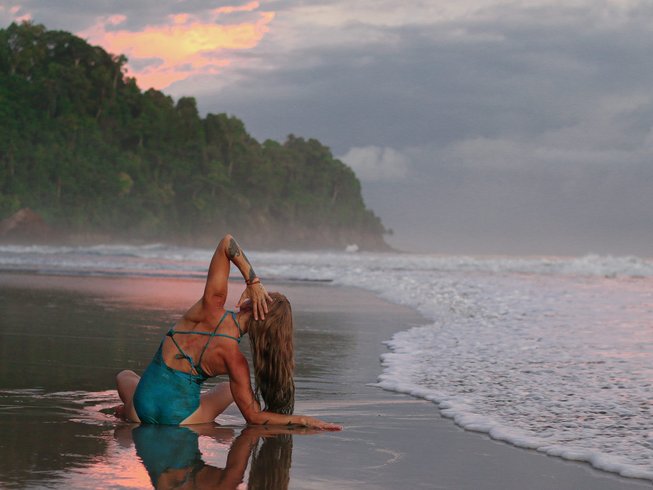
5 Day Live To Lead: Luxury Yoga Wellness Retreat in Ojochal, Costa Rica
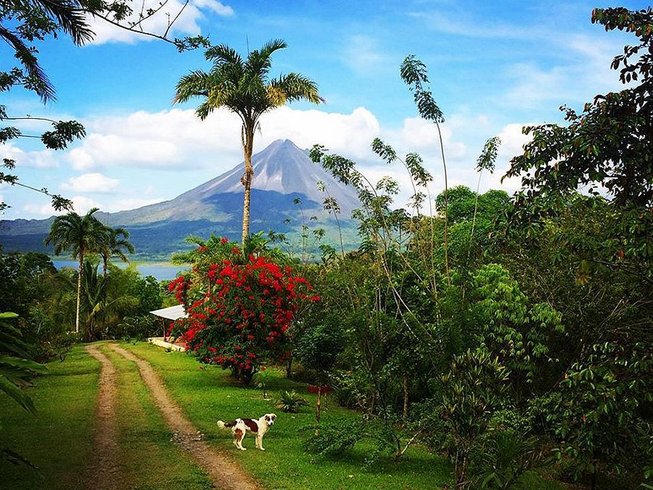
4 Day Love Yourself Yoga Retreat in the Arenal Rainforest, Alajuela, Costa Rica
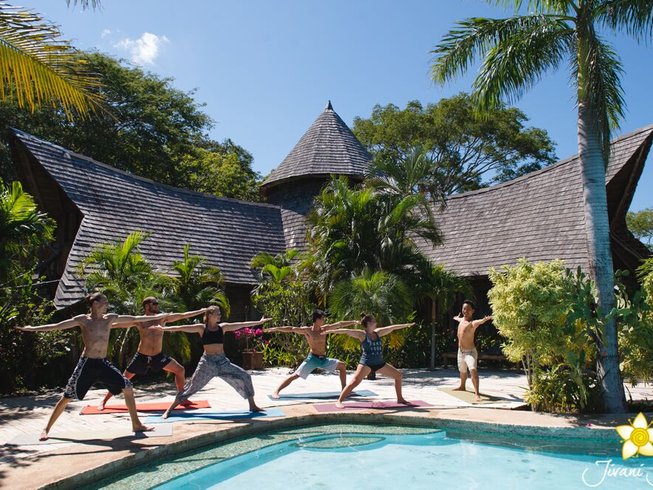
5-Day Discover Yoga Retreat Tamarindo, Costa Rica
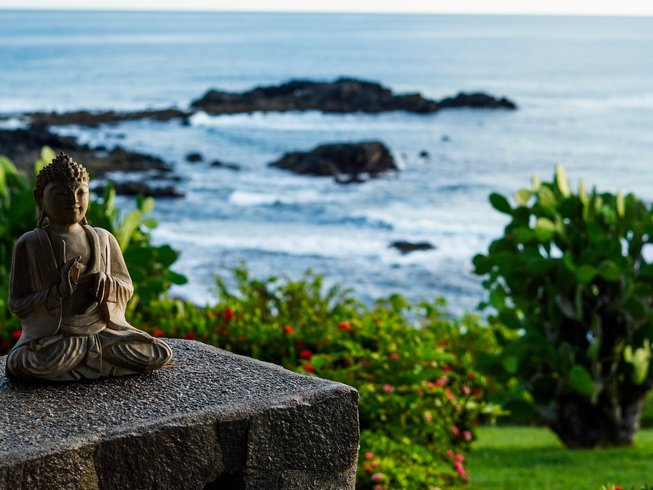
6 Day Tailored Luxury Yoga and Mindfulness Retreat in Playa Azul, Guanacaste, Costa Rica
Regional Opportunities
Pacific Coast: Becoming Viable Again
The Pacific coast emerges from green season’s depths in November, particularly in the second half of the month. Nosara, Santa Teresa, and Manuel Antonio see decreasing rain, improving road conditions, and more businesses reopening after maintenance closures. Morning dry windows extend to 6-8 hours, making outdoor yoga and surf sessions reliably schedulable. The beaches begin reclaiming their postcard perfection as vegetation slightly retreats and sand re-establishes itself after wet season’s growth. Surf conditions moderate from October’s rough patterns, making waves accessible for broader skill ranges.
Caribbean Coast: Continued Reliability
The Caribbean maintains its green season advantages while benefiting from November’s general improvement. Puerto Viejo and southern Caribbean offer consistent conditions—still rainy but manageable, still lush but accessible. The calm Caribbean waters provide swimming and water activities year-round, and the laid-back Afro-Caribbean culture continues offering that distinctly different Costa Rica experience. November sees slightly more visitors discovering the Caribbean’s charms as Pacific alternatives improve.
Mountain Regions: Clearing Skies
Arenal and Monteverde benefit dramatically from November’s transition. The constant mist begins lifting more frequently, allowing better volcano views and clearer forest vistas. Waterfall hikes become spectacular without October’s treacherous mud levels, hanging bridges offer improved visibility, and hot springs feel especially welcoming as air temperatures cool slightly. The cloud forests maintain their mystical character while becoming more physically accessible for hiking and exploration.
Central Valley: Gateway Advantages
The Central Valley around San José becomes increasingly attractive as conditions improve. The elevation provides naturally cooler temperatures, and November’s decreasing rain makes this region ideal for those wanting to explore multiple areas during single trip. You can base in Central Valley and day-trip to various coasts, mountains, or cloud forests as weather windows open. This flexibility appeals to first-time visitors unsure which single region to commit to.
November Weather
November weather shows clear improvement over previous months while maintaining green season character. Expect morning dry periods lasting 6-8 hours, afternoon rain becoming less intense and more predictable, occasional full sunny days emerging. Temperatures moderate to 75-88°F with comfortable humidity levels dropping from peak wet season saturation. The landscape stays vividly green but trails firm up noticeably, roads become more manageable, and outdoor activities gain reliability. Ocean temperatures hold steady at 82-83°F with conditions moderating for comfortable swimming and water sports.
Pricing and Crowds
Early November maintains shoulder season value at 25-30% below high season, with Thanksgiving week (late November) seeing temporary price increases as North American families travel. The smart strategy targets first three weeks of November for best value-to-weather ratio. Retreat centers begin filling for December bookings, so November represents last chance for short-notice planning before requiring months of advance booking for dry season. Tourist numbers stay low early month, increasing around Thanksgiving, creating gradual rather than sudden transition to busy season.
Programming Success
November’s improving conditions support broader programming variety. Morning outdoor yoga becomes reliable, afternoon activities gain feasibility with occasional rain backup, and multi-day excursions can be planned with reasonable confidence. Active retreat formats regain viability—yoga and surf combinations, hiking programs, adventure elements all become schedulable without constant weather-related cancellations. The balance of sun and rain creates programming variety impossible during either full dry or full wet seasons.
Wildlife viewing remains excellent as green season’s food abundance continues supporting active animals while improved trail conditions make observation more accessible. Bird watching particularly rewards November visitors as migration patterns bring additional species. The combination of biological activity and physical accessibility creates ideal naturalist conditions.
Cultural Context
November finds Costa Rica preparing for tourist season’s return while still operating in local mode. Businesses reopen after maintenance periods, staff return from vacation, and anticipation builds for approaching dry season. Thanksgiving brings interesting cultural moment as expatriate communities celebrate while Ticos observe with friendly curiosity. Markets begin transitioning toward dry season produce patterns, and the overall energy shifts from green season’s inward focus to renewed outward engagement.
Practical Planning
Book 3-5 weeks ahead for early November, 8-10 weeks for Thanksgiving week. Both coasts become viable with Pacific showing most dramatic improvement. Pack transitional wardrobe—still need rain gear but use it less frequently. Budget for shoulder season rates ($1,400-2,400 per week) except Thanksgiving premium. Rent 4×4 still advisable though roads improving notably. Consider early November for best value-weather balance before holiday surge.
Frequently Asked Questions
Is November better than October?
Significantly—November shows clear improvement in weather, accessibility, services. Rain decreases noticeably, roads dry enough for easier navigation, more businesses operate, and outdoor activities become reliably schedulable. Wildlife viewing stays excellent while conditions improve dramatically. November represents meaningful transition versus October’s continued wet season depths.
Should I avoid Thanksgiving week?
Depends on crowds/pricing tolerance—Thanksgiving brings North American visitors and higher rates. If you prefer quiet and value, target first three weeks of November. If North American community atmosphere appeals or dates require Thanksgiving timing, accept temporary crowding and premium pricing. Post-Thanksgiving (late November) sees crowds departing while weather continues improving.
Can I do outdoor yoga reliably?
Yes—morning sessions work consistently, afternoon practice possible with flexibility. November provides 6-8 hour dry windows most days, making outdoor programming schedulable with reasonable confidence. Indoor backup still advisable for occasional rainy mornings, but outdoor yoga becomes standard rather than weather-dependent luxury. Significant improvement over September-October.
Is it still muddy in November?
Less so—trails firming up but not fully dry. Main paths become manageable without serious mud struggles, though secondary tracks stay soft. Dirt roads improve dramatically from October but 4×4 still recommended for remote areas. The “always muddy” feeling of deep wet season gives way to “occasionally muddy” reality. Proper footwear still important but not the constant mud-battle of earlier months.
How much do I save visiting in November?
25-30% below high season early month, less during Thanksgiving week. January $2,500 retreat might cost $1,750-1,900 early November. Thanksgiving week reduces savings to 15-20% off peak. Early November offers sweet spot—dramatically improved conditions from wet season while maintaining meaningful savings before December’s full pricing returns.
Is November the best shoulder season month?
Strong contender along with April-May—improving weather, reasonable crowds, good value. November shows most dramatic improvement trajectory (getting better daily), while April-May offers established good conditions with slight deterioration beginning. Choice depends on whether you prefer watching conditions improve (November) or catching tail end of perfect weather (April). Both offer excellent value-weather ratios.
Related Articles
Explore our monthly guides: yoga and wellness retreats in Costa Rica in January, yoga and wellness retreats in Costa Rica in February, yoga and wellness retreats in Costa Rica in March, yoga and wellness retreats in Costa Rica in April, yoga and wellness retreats in Costa Rica in May, yoga and wellness retreats in Costa Rica in June, yoga and wellness retreats in Costa Rica in July, yoga and wellness retreats in Costa Rica in August, yoga and wellness retreats in Costa Rica in September, yoga and wellness retreats in Costa Rica in October, yoga and wellness retreats in Costa Rica in November, and yoga and wellness retreats in Costa Rica in December.
Discover our seasonal guides: yoga and wellness retreats in Costa Rica in Spring, yoga and wellness retreats in Costa Rica in Summer, yoga and wellness retreats in Costa Rica in Autumn, and yoga and wellness retreats in Costa Rica in Winter.
For a complete overview, read Yoga and Wellness Retreats in Costa Rica for 2026.
