
Best Yoga and Wellness Retreats in Costa Rica for March 2026
March marks the final stretch of Costa Rica’s dry season, when the sun reaches its most intense and the landscape begins showing signs of transition. The lush green that characterized earlier dry season months starts fading to golden brown in some areas, temperatures climb to their annual peak, and you can feel the anticipation of coming rains in the air. This is Costa Rica at its hottest and driest, which appeals to heat lovers but challenges those who wilt above 90°F. The beaches remain spectacular, wildlife viewing stays excellent, but you need to plan activities strategically around the midday heat.

What makes March interesting for wellness travel is the collision of spring break crowds and local preparations for Easter week. North American families flood popular destinations during spring break windows (timing varies by region), creating busier beaches and fuller retreat centers. Meanwhile, Costa Ricans prepare for Semana Santa (Holy Week), which can fall in late March or early April depending on the year. This creates dynamic energy—vibrant and social if you enjoy crowds, potentially overwhelming if you seek quiet retreat.
Our selection of retreats in Costa Rica – March 2026
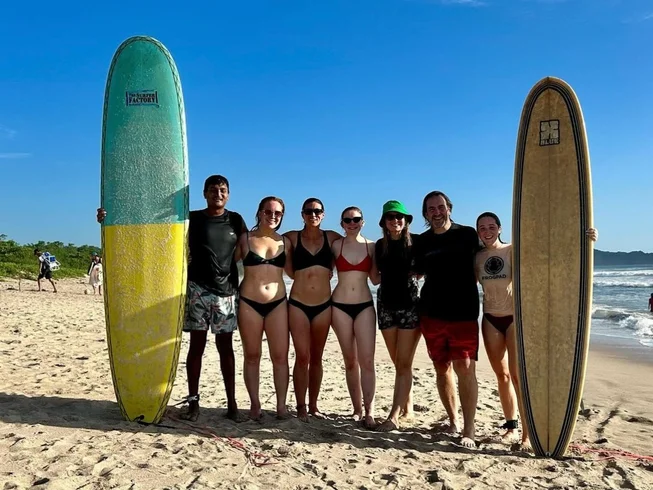
7 Day Surf and Yoga Retreat in Nosara, Costa Rica

7 Day The Nervous System Reset Yoga Retreat in Playa Marbella, Guanacaste, Costa Rica
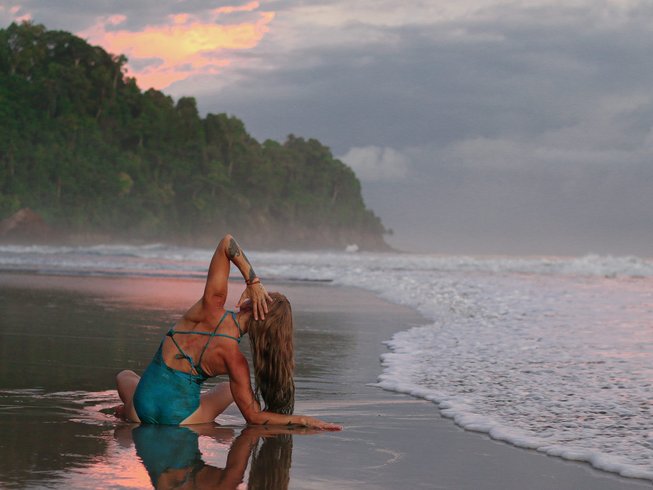
5 Day Live To Lead: Luxury Yoga Wellness Retreat in Ojochal, Costa Rica
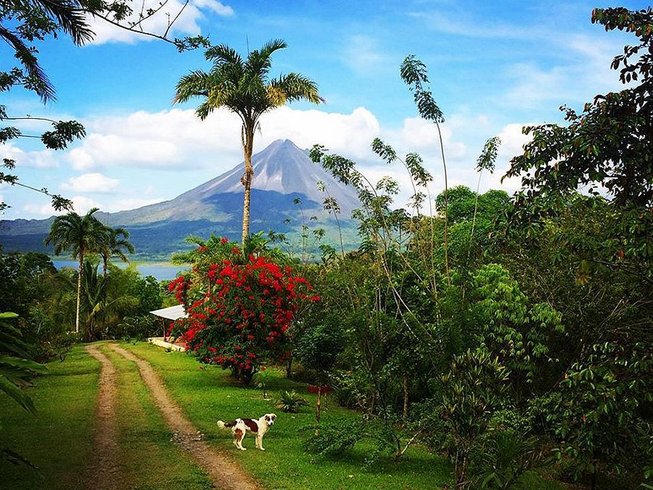
4 Day Love Yourself Yoga Retreat in the Arenal Rainforest, Alajuela, Costa Rica
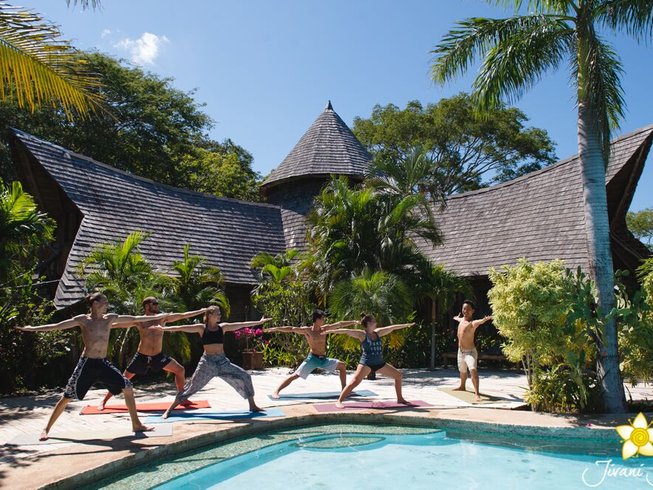
5-Day Discover Yoga Retreat Tamarindo, Costa Rica
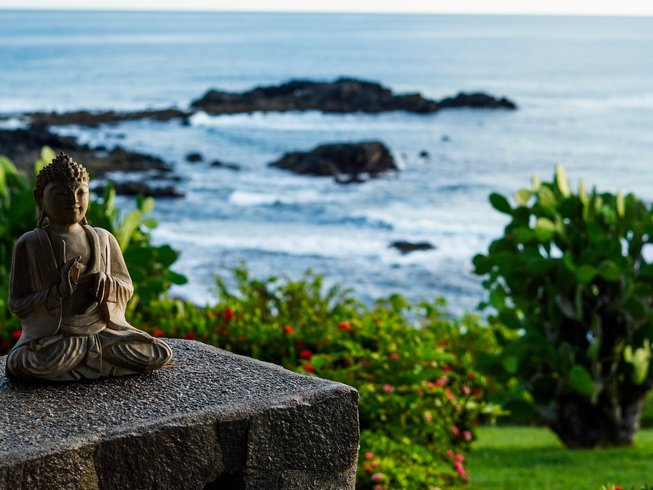
6 Day Tailored Luxury Yoga and Mindfulness Retreat in Playa Azul, Guanacaste, Costa Rica
The heat becomes real in March. Coastal temperatures routinely hit 90-95°F during midday, humidity remains ever-present, and the sun’s intensity at this latitude means you’ll feel the burn even on cloudy days. Mountain regions offer refuge with temperatures 10-15 degrees cooler, making places like Monteverde and Arenal particularly appealing this month. Smart wellness travelers adjust schedules—early morning practice, midday pool or siesta time, evening sessions as temperatures moderate.
Where March Works Best
Mountain Retreats Gain Appeal
March flips the usual script where everyone rushes to beaches. Mountain locations like Arenal, Monteverde, and the Central Valley become increasingly attractive as coastal heat intensifies. Morning yoga in cloud forest mist, afternoon hikes through cooler temperatures, evening hot springs soaks—the mountain rhythm feels more comfortable than beach-side swelter. You still get tropical lushness without the oppressive midday heat that makes coastal practice challenging.
Arenal’s volcano presents itself more clearly in March’s dry conditions, though you’re also witnessing the landscape transition toward dry season’s end. The hot springs remain a major draw—natural thermal pools scattered around the volcano’s base provide perfect post-practice relaxation. Cloud forest areas like Monteverde maintain their misty character while offering cooler temperatures that make midday activities feasible rather than endurance tests.
Beach Locations Require Heat Strategy
The Nicoya Peninsula beaches—Nosara, Santa Teresa, Mal País—still deliver beautiful conditions in March, but you need realistic expectations about heat. Plan morning yoga for sunrise when temperatures sit comfortably in the 70s, retreat indoors or to water during 11am-3pm peak heat, resume activities as sun angles lower. The ocean provides essential cooling, so water-based wellness activities gain importance—SUP yoga, ocean swimming, floating meditation all become heat management strategies as much as wellness practices.
March brings larger Pacific swells, making surf conditions more challenging but exciting for experienced riders. If you’re combining yoga with surf learning, March’s waves might exceed comfort levels for beginners. Manuel Antonio and southern Pacific areas offer slightly more protected bays where swimming stays accessible even as ocean energy increases.
Caribbean Coast Alternative
The Caribbean side in March experiences its transitional period between dry and wet seasons. You’ll get more cloud cover and occasional showers than the Pacific, but this actually creates more comfortable conditions when the Pacific is baking. Puerto Viejo maintains that laid-back Caribbean vibe without the intense heat that characterizes Pacific beaches. The tradeoff is less guaranteed sunshine, but for those who find mid-90s temperatures oppressive, the Caribbean’s slightly cooler, cloudier conditions might feel preferable.
March Weather Reality
Let’s be direct—March is hot. Coastal areas routinely hit 90-95°F midday, humidity stays high, and the sun’s intensity means you need serious sun protection. This is not complaining about heat; this is genuinely hot tropical weather that affects your energy levels, activity timing, and comfort. Mountain regions offer 10-15 degree temperature drops, making them noticeably more comfortable.
Rain remains minimal on the Pacific side—you might see one or two brief showers all month. The Caribbean gets occasional precipitation but nothing like wet season patterns. The ocean temperature hovers around 82-84°F, bathwater warm, staying in as long as you want without getting cold. In fact, the ocean becomes essential cooling rather than optional recreation.
The landscape shows dry season’s effects by March. The vivid green of January and February fades to brown in some areas, dust kicks up on dirt roads, and vegetation looks thirsty. This creates better wildlife viewing as animals concentrate around water sources, but the lushness that defines jungle imagery diminishes in drier regions. Mountain cloud forests maintain greenery thanks to constant mist and higher elevation moisture.
Crowds and Spring Break Impact
March brings spring break crowds, though the impact varies by week and location. US spring breaks span roughly mid-February through early April with different regions taking different weeks, so you might hit busy periods or miss them entirely depending on timing. Popular family-friendly destinations like Manuel Antonio see the biggest impact, while more remote or adult-focused retreat centers stay relatively quiet.
If Semana Santa (Easter Holy Week) falls in late March, expect Costa Rican domestic tourism to surge. Locals flock to beaches, hotels book solid, and coastal areas take on festival atmosphere. Some retreats embrace this cultural moment, others close or maintain their insulated retreat bubble. Know which you’re getting.
Pricing remains high season but may fluctuate depending on spring break timing. Early March before major breaks can offer slightly better rates, while peak spring break weeks command premium pricing. Booking well ahead (8-10 weeks) secures better availability, though some last-minute options exist as travelers cancel or reschedule.
What Works in March Heat
March requires heat-adapted wellness programming. Sunrise yoga becomes essential rather than optional—starting practice at 6:30am when temperatures sit in comfortable 70s makes huge difference compared to 8am when heat already builds. Midday activities shift to water-based formats, indoor spaces, or complete rest following natural siesta timing.
Restorative and yin yoga formats suit March better than vigorous vinyasa during peak heat hours. Water-based practices thrive—SUP yoga, aqua meditation, floating relaxation, ocean swimming as moving meditation. The warm water supports extended aquatic practice without discomfort.
Hiking and nature activities work if scheduled strategically. Early morning waterfall hikes, dawn bird watching, pre-sunrise volcano viewings—timing everything before serious heat builds. Alternatively, mountain locations allow midday activities thanks to cooler temperatures. Late afternoon and evening offer second activity windows as temperatures moderate.
Cultural Elements
March energy in Costa Rica varies depending on Easter timing. When Semana Santa falls in March, the entire country shifts to holiday mode—businesses close, families travel to beaches, religious processions occur in towns. This provides rich cultural immersion if you appreciate festival atmosphere, or disrupts quiet retreat plans if you sought isolation.
The market season shifts in March as dry season ends. Some fruits peak (mangoes become abundant), while others finish their seasons. The coffee harvest concludes, making March excellent timing for coffee plantation tours showing post-harvest processing. Fresh fish remains abundant in coastal areas.
Ticos (Costa Ricans) prepare for the coming green season in March—farmers ready fields for planting, tourism workers anticipate the pace shift from dry to wet season, and there’s a sense of transition in the air. The pura vida attitude remains constant, but you can feel the collective awareness that weather patterns will soon shift.
Practical Considerations
Book 6-8 weeks ahead, earlier if traveling during major spring break windows. Rental cars become scarce during peak weeks—reserve vehicles early, insist on good A/C (essential in March heat). Consider focusing on mountain locations if you’re heat-sensitive, or schedule Caribbean coast where cloud cover moderates intensity.
Pack for serious heat: lightweight, moisture-wicking yoga wear, broad-spectrum SPF 50+ sunscreen (reef-safe required), sun hat with wide brim, cooling towels, electrolyte supplements for sweat replacement. Mountain visitors should still pack light jacket for evening cool. Bring extra sunscreen—you’ll use more than expected.
Budget for higher season pricing but watch for transition deals as late March approaches April. Quality retreats run $1,500-3,500 per week. Add flights (watch both San José and Liberia airports), transport, extra activities, and padding for higher meal costs during busy periods.
Frequently Asked Questions
Is March too hot for Costa Rica yoga retreats?
Depends on heat tolerance—March brings year’s peak temperatures (90-95°F coastal). If you thrive in heat, March’s dry conditions work great. If you wilt above 85°F, consider mountain locations (10-15 degrees cooler) or wait for May when rains moderate temperature. Smart scheduling around heat makes March manageable for most.
How do spring break crowds affect retreats?
Impact varies by location and week—family destinations busier, adult-focused retreats less affected. Manuel Antonio sees biggest crowds, remote Nicoya Peninsula less so. Different regions take spring break different weeks (mid-Feb through early April), so timing matters. Adult-only or off-main-path retreats maintain relative quiet even during spring break.
Should I go to beach or mountains in March?
Mountains offer cooler comfort, beaches provide classic tropical experience with heat challenges. Heat-sensitive travelers fare better in Arenal, Monteverde, or Central Valley (75-85°F vs 90-95°F). Beach lovers who embrace heat and plan around it still get spectacular Pacific or Caribbean coast experiences. Consider combination—start mountains, end beach, or vice versa.
When does rainy season actually start?
Gradually from late April through May, though March stays firmly dry. March gives you dry season reliability without rain concerns. You might see isolated brief shower late month, but nothing affecting plans. Rainy season’s gradual arrival means April remains mostly dry, May transitions actively, June commits fully to wet pattern.
Is wildlife viewing still good in March?
Excellent—dry conditions concentrate animals around water sources. March offers some of year’s best wildlife viewing as water scarcity forces animals into visible areas. Sea turtle nesting continues on various beaches, howler and capuchin monkeys stay active, scarlet macaws visible. Dry conditions make hiking to viewing areas easier than wet season mud.
How far ahead should I book March retreats?
6-8 weeks minimum, 10-12 weeks for spring break timing or Semana Santa periods. March falls in high season with added spring break complications. Popular retreats and specific accommodation types book early. Last-minute options exist but limited. Rental cars especially need advance reservation—4×4 vehicles disappear quickly during peak periods.
Related Articles
Explore our monthly guides: yoga and wellness retreats in Costa Rica in January, yoga and wellness retreats in Costa Rica in February, yoga and wellness retreats in Costa Rica in March, yoga and wellness retreats in Costa Rica in April, yoga and wellness retreats in Costa Rica in May, yoga and wellness retreats in Costa Rica in June, yoga and wellness retreats in Costa Rica in July, yoga and wellness retreats in Costa Rica in August, yoga and wellness retreats in Costa Rica in September, yoga and wellness retreats in Costa Rica in October, yoga and wellness retreats in Costa Rica in November, and yoga and wellness retreats in Costa Rica in December.
Discover our seasonal guides: yoga and wellness retreats in Costa Rica in Spring, yoga and wellness retreats in Costa Rica in Summer, yoga and wellness retreats in Costa Rica in Autumn, and yoga and wellness retreats in Costa Rica in Winter.
For a complete overview, read Yoga and Wellness Retreats in Costa Rica for 2026.
