
Yoga and Wellness Retreats in Costa Rica in Autumn 2026
Autumn in Costa Rica presents the year’s most complex seasonal period—September and October bring peak rainfall and maximum green season intensity, while November transitions toward dry season with dramatic improvement in weather conditions. This three-month span rewards strategic timing and regional selection, offering the country’s deepest discounts and most solitary experiences for travelers genuinely comfortable with tropical rain.
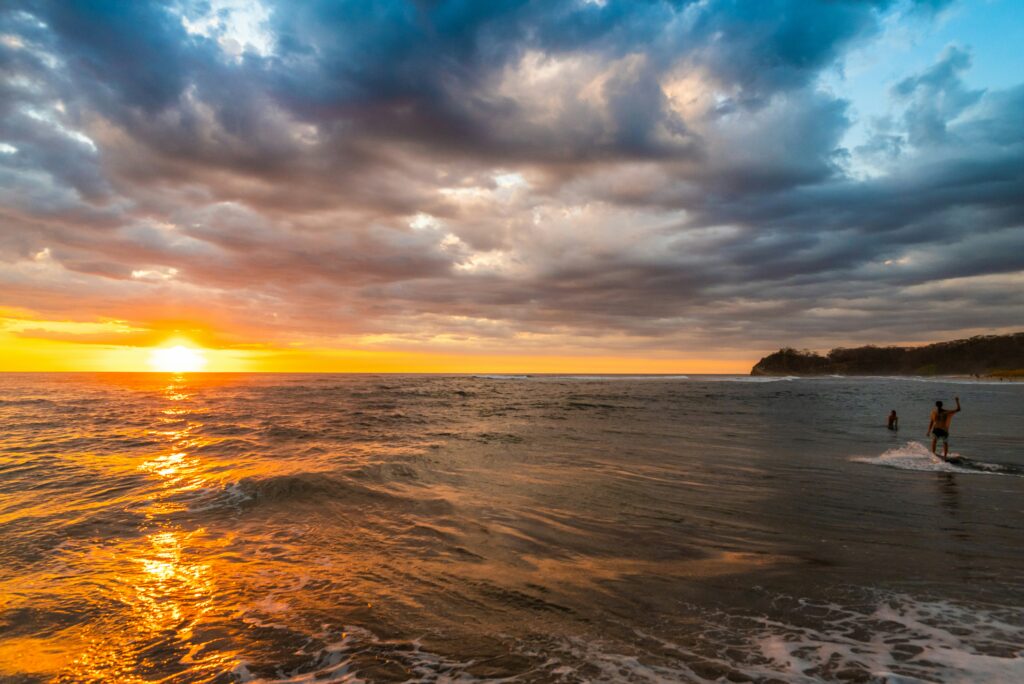
Fall divides into two distinct periods: heavy green season (September-October) and transition season (November). September-October require complete embrace of rain-intensive tropical forest conditions—expect afternoon rain certainty with some all-day rain events, though morning windows still typically provide activity opportunities. November emerges as fall’s strategic timing—weather steadily improves through the month, prices remain attractive, crowds stay minimal, and conditions approach dry season quality by Thanksgiving week.
Our selection of retreats in Costa Rica – Autumn 2026

7 Day Surf and Yoga Retreat in Nosara, Costa Rica

7 Day The Nervous System Reset Yoga Retreat in Playa Marbella, Guanacaste, Costa Rica

5 Day Live To Lead: Luxury Yoga Wellness Retreat in Ojochal, Costa Rica
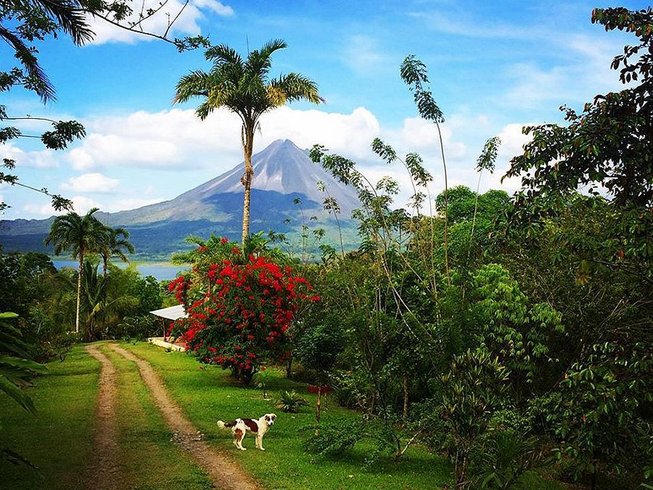
4 Day Love Yourself Yoga Retreat in the Arenal Rainforest, Alajuela, Costa Rica

5-Day Discover Yoga Retreat Tamarindo, Costa Rica
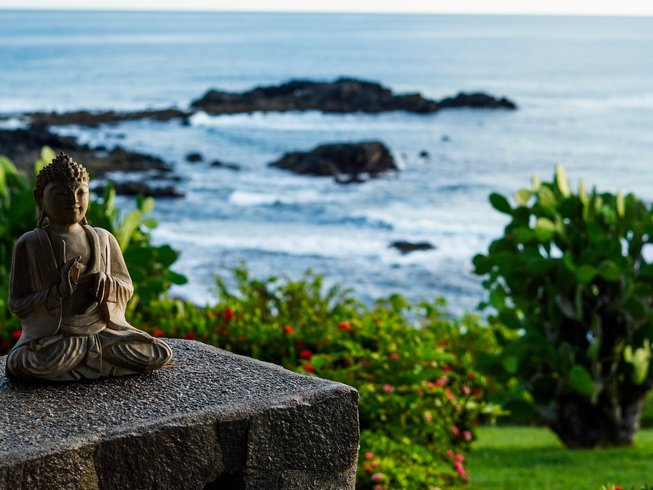
6 Day Tailored Luxury Yoga and Mindfulness Retreat in Playa Azul, Guanacaste, Costa Rica
Pacific coast regions follow these patterns most reliably, while Caribbean coast experiences its wettest months September-October before November brings improvement. Autumn becomes Costa Rica’s season for experienced tropical travelers who understand that intense green season offers unique rewards: utterly empty retreats, rock-bottom pricing, maximum wildlife activity, and the most dramatic tropical weather the country delivers.
September 2026: Peak Green Season
September represents Costa Rica’s wettest month across most regions—afternoon rain transitions from probable to nearly certain, with multiple all-day rain events typically occurring throughout the month. This period requires complete comfort with significant rainfall and flexibility around unpredictable weather patterns. September becomes timing for hardcore tropical enthusiasts rather than general wellness travelers.
Pacific coast destinations receive highest monthly rainfall during September—all regions from Guanacaste through Central Pacific to Osa Peninsula experience consistent heavy rain. Morning activity windows still exist most days (4-6 hours of dry weather) but show more variability than earlier green season months. Some days bring morning rain or extended afternoon duration that limits outdoor activities.
September forest conditions show both challenges and rewards—trails become muddy and slippery, rivers run high, and some hiking areas close for safety. However, wildlife viewing peaks as animals adapt to maximum rain conditions, waterfalls achieve spectacular flows, and the sensory experience of tropical rainforest reaches full intensity. Nature enthusiasts specifically targeting peak biodiversity sometimes choose September despite weather challenges.
September pricing drops to yearly lows—retreats offer 40-50% discounts from peak season rates as low occupancy prompts aggressive promotions. Luxury properties become surprisingly affordable, upgrade opportunities abound, and negotiating additional value becomes possible. September delivers absolute maximum savings for those accepting weather intensity trade-offs.
September crowds essentially vanish—retreats operate with minimal occupancy, creating ultra-intimate experiences where personalized attention from instructors and staff reaches peak levels. Some smaller properties close entirely during September, so advance research confirms your target retreat remains operational. The solitude September offers cannot be replicated during any other period.
Caribbean coast experiences September as one of its three wettest months (along with July and November)—significant rainfall and weather unpredictability make Caribbean particularly challenging during this period. Pacific regions provide relatively better (though still wet) conditions, making them preferred Autumn wellness destination choice.
October 2026: Continued Green Season Intensity
October maintains September’s general rain intensity with occasional brief improvement periods mid-month—weather patterns show similar consistency of afternoon rain with all-day events mixed throughout. However, October sometimes delivers slightly more reliable morning windows than September, making it marginally more accessible while maintaining similar deep green season character.
Pacific coast regions continue heavy rainfall through October with southern areas (Uvita, Osa) typically receiving higher volumes than northern Guanacaste. Morning activity periods (5-7 hours) remain more consistent than September’s variability, allowing retreat programming to proceed with afternoon rain adjustments. Flexible scheduling and covered practice spaces become essential October considerations.
October forest conditions remain challenging—mud reaches maximum depth on trails, river crossings become difficult or impossible, and some areas stay temporarily inaccessible. Responsible operators cancel activities when safety concerns arise, particularly involving water activities during high-flow conditions. October requires accepting that some planned activities may need rescheduling or substitution based on weather.
Wildlife remains remarkably active in October—animals fully adapted to peak rain conditions show normal behaviors, making guided nature experiences highly productive despite weather. Bird watching particularly excels as many species remain active throughout rain. Sea turtle nesting continues on Pacific beaches through October, though beach access becomes more weather-dependent.
October pricing maintains September’s deep discounts—40-50% savings from peak season rates with flexible cancellation policies often available as properties seek to maintain some occupancy during slowest period. Last-minute deals frequently appear as retreats offer substantial discounts for upcoming departures. October represents maximum value timing for green-season-comfortable travelers.
October occupancy remains minimal—retreats operate well below capacity, creating exceptional staff-to-guest ratios and ultra-personalized experiences. Some properties use October for maintenance closures or major renovations, so confirming operational status before booking becomes particularly important. Those finding open quality retreats discover arguably Costa Rica’s most intimate wellness experiences.
November 2026: Transition Toward Dry Season
November marks Costa Rica’s most dramatic monthly transformation—early November continues October’s rain intensity, but steady improvement occurs through the month, with late November approaching dry season quality. This progression makes November Autumn ‘s strategic timing, particularly for Thanksgiving week when conditions often reach near-peak quality at shoulder season pricing.
Pacific coast regions show November’s clearest improvement patterns—northern Guanacaste transitions most quickly, with late November often delivering dry-season-like conditions. Central Pacific and southern areas improve more gradually but still show substantial enhancement by month’s end. November requires accepting early-month rain while benefiting from late-month reliability.
November weather unpredictability exceeds other months—year-to-year variation is significant, with some Novembers transitioning early (by mid-month) while others maintain October’s intensity until late month. This inconsistency makes November timing somewhat gamble, though odds favor improvement as Thanksgiving approaches. Flexible travelers who can adjust activities around daily weather patterns find November highly rewarding.
Thanksgiving week (late November) typically delivers excellent conditions—often the year’s first consistently dry stretch. This timing attracts increased North American visitors taking advantage of holiday scheduling, though crowds remain modest compared to December-April peaks. Thanksgiving week represents Autumn’ s sweet spot: improved weather, reasonable pricing, moderate crowds.
November pricing shows transition from low to shoulder season—early November maintains September-October’s deep discounts (40-50% off), while late November increases toward shoulder season rates (still 25-30% below peak). Strategic timing in mid-November sometimes captures improving weather while maintaining lower early-month pricing. Advance booking becomes more important for Thanksgiving week when demand increases.
Caribbean coast experiences November as quite wet—one of the region’s three rainiest months. However, brief drier periods sometimes occur, and late November can show improvement. Pacific destinations provide much more reliable November conditions, strongly favored for Autumn wellness retreat timing.
Regional Autumn Strategy
Guanacaste (Northwest Pacific) provides Autumn ‘s most accessible option—lower overall rainfall than southern regions makes September-October more manageable here. November improvement arrives earliest in Guanacaste, with late month often reaching dry season quality. Nosara and Santa Teresa remain operational through Autumn with established retreat communities maintaining services despite lower occupancy.
Central Pacific (Manuel Antonio/Uvita) receives heavier Autumn rainfall than Guanacaste but rewards with spectacular waterfalls, lush forests, and peak biodiversity. September-October challenge even experienced tropical travelers here, but November improvement brings accessible nature experiences. Fall Central Pacific suits those prioritizing rainforest immersion and wildlife viewing over beach time.
Osa Peninsula (South Pacific) experiences Autumn as most intense season—highest rainfall and most challenging access conditions. Osa’s remote retreats attract only most dedicated nature enthusiasts during September-October, those specifically seeking maximum solitude and wilderness immersion. November brings some improvement but remains more challenging than northern regions. Autumn Osa becomes specialist timing rather than general recommendation.
Caribbean Coast (Puerto Viejo region) faces difficult Autumn conditions—September and November rank among wettest months, with October transitioning. Caribbean shows less consistent patterns than Pacific, making planning more uncertain. Autumn Caribbean visits suit only most flexible travelers or those combining with Pacific coast retreat for regional variety despite challenging weather.
Central Valley Highlands maintain Autumn as viable option—rain increases but spring-like temperatures (70-80°F/21-27°C) and lack of oppressive heat make conditions comfortable. Highland retreats sacrifice beach access but provide cooler yoga practice environments. Autumn highlands particularly appeal to heat-sensitive travelers seeking retreat focus without intense tropical conditions.
Autumn Wellness Experience
Autumn yoga practice requires complete embrace of wet tropical conditions—outdoor sessions depend on covered spaces, indoor practice becomes primary, and humidity remains high throughout. However, September-October’s rain actually moderates temperatures compared to dry season heat, making vigorous practice styles quite manageable. Autumn practitioners often report deeper focus with minimal distractions from absent crowds.
Meditation practice gains unique dimension from Autumn ‘s intense weather—powerful rain sounds provide extraordinary soundscape for contemplative work, dramatic thunderstorms create visceral present-moment awareness, and complete retreat solitude enhances depth of practice. Many experienced meditators specifically seek Autumn’s intensive conditions for focused practice periods free from typical retreat social dynamics.
Autumn wildlife encounters remain excellent despite weather challenges—animals continue normal behaviors adapted to peak rain, and forest activity actually increases with abundant food supplies. Early morning nature walks (5-7am) often provide dry windows when wildlife activity peaks. Bird watching through rain using covered observation areas delivers remarkable sightings impossible during other seasons.
Spa and restorative practices become central Autumn activities—rain encourages emphasis on indoor treatments, thermal therapies, and passive healing modalities. Many retreats restructure Autumn programming toward more intensive bodywork, meditation, and rest periods rather than active excursions. This shift creates deeply restorative experiences for those seeking genuine recovery rather than adventure.
Autumn Booking Strategy
September-October booking requires confirming operational status—some smaller retreats close entirely during peak rain months. Flexible cancellation policies become important given weather unpredictability. Last-minute deals often provide best value as properties offer significant discounts for immediate arrivals. However, advance research remains important to identify which quality retreats remain open.
November booking divides by timing—early November treated like September-October (flexible approach, last-minute deals), while Thanksgiving week requires 6-8 weeks advance booking as demand increases substantially. Mid-November offers transition opportunities where improving weather meets still-reasonable availability and pricing.
Autumn visitors should prioritize retreats with excellent covered spaces, indoor practice areas, and structured programming that doesn’t depend on weather. Properties with comprehensive spa facilities, multiple yoga shalas, and weather-independent activities provide better Autumn experiences than beach-focused or excursion-heavy programs.
Autumn Packing Essentials
Autumn packing emphasizes comprehensive rain protection—quality rain jacket with hood, waterproof bags for all electronics and valuables, quick-dry clothing exclusively, and multiple pairs water-resistant footwear. Pack assuming daily rain rather than occasional showers. Avoid cotton entirely; synthetic quick-dry materials become essential.
Water-proof footwear dominates Autumn packing—multiple pairs advisable as constant wet conditions prevent adequate drying between uses. Water shoes, sandals with excellent traction, and closed quick-dry hiking shoes cover various activity needs. Many Autumn travelers adopt water shoes as primary footwear given frequency of wet conditions.
Electronics protection reaches paramount importance in Autumn —multiple layers of waterproofing including dry bags, waterproof cases, and sealed storage. Silica gel packets help manage accommodation humidity. Consider leaving expensive electronics home if not essential; Autumn conditions challenge even well-protected gear.
Autumn sun protection still matters despite rain—morning sunshine requires reef-safe sunscreen and hats. Brief intense sun exposure between rain periods can cause burns, particularly given humidity enhancing UV intensity. Don’t neglect sun protection assuming cloudy conditions mean less exposure risk.
Frequently Asked Questions
Should I avoid Costa Rica completely during Autumn ?
September-October suit only experienced tropical travelers comfortable with rain intensity; November works for strategic timing, especially late month. Autumn requires honest self-assessment of comfort with significant rainfall. Those seeking weather guarantees should target December-April instead. However, Autumn rewards properly-prepared travelers with exceptional value, solitude, and authentic tropical forest experiences impossible during other seasons.
Is Thanksgiving week a good time to visit?
Yes—late November typically delivers near-dry-season conditions with shoulder season advantages. Thanksgiving week often marks the year’s first consistently good weather stretch. Pricing remains 25-30% below peak season despite modest crowd increases. Strategic November timing provides Autumn’s optimal balance of weather reliability and value.
Can yoga retreats operate normally during September-October rain?
Quality retreats with proper facilities maintain full programming—covered outdoor spaces and indoor alternatives ensure practice continues. Weather requires scheduling flexibility and accepting that some outdoor activities may need modification. Well-designed retreat centers anticipate Autumn conditions and structure programs accordingly. However, beach-dependent or excursion-heavy programs become challenging.
Does Autumn rain make Costa Rica dangerous?
Rain itself poses minimal danger—professional operators manage conditions responsibly by canceling activities when safety concerns arise. River crossings, waterfall access, and certain hiking areas temporarily close during high water. Reputable retreats prioritize safety and adjust programming appropriately. Main considerations: muddy trail slipping, river conditions, and road conditions in remote areas. Common sense and following professional guidance ensure safe experiences.
Are Autumn discounts worth the weather trade-offs?
For travelers genuinely comfortable with rain: absolutely. Autumn delivers 40-50% savings, minimal crowds, and intimate experiences. However, those resentful of rain should pay premium for dry season rather than suffering through discounted Autumn . Autumn value proposition depends entirely on traveler’s honest weather comfort level. Wrong mindset ruins fall experience regardless of savings; right mindset makes fall Costa Rica’s best-kept secret.
Which areas receive least rainfall?
Guanacaste’s northwest experiences relatively lower rainfall than southern Pacific regions. However, “relatively lower” still means significant September-October rain—no region stays dry during peak green season. November shows earliest improvement in Guanacaste. Central Valley highlands also receive somewhat less rain than Pacific lowlands, though still substantial. Autumn requires accepting rain anywhere; only question becomes degree of intensity.
Related Articles
Explore our monthly guides: yoga and wellness retreats in Costa Rica in January, yoga and wellness retreats in Costa Rica in February, yoga and wellness retreats in Costa Rica in March, yoga and wellness retreats in Costa Rica in April, yoga and wellness retreats in Costa Rica in May, yoga and wellness retreats in Costa Rica in June, yoga and wellness retreats in Costa Rica in July, yoga and wellness retreats in Costa Rica in August, yoga and wellness retreats in Costa Rica in September, yoga and wellness retreats in Costa Rica in October, yoga and wellness retreats in Costa Rica in November, and yoga and wellness retreats in Costa Rica in December.
Discover our seasonal guides: yoga and wellness retreats in Costa Rica in Spring, yoga and wellness retreats in Costa Rica in Summer, yoga and wellness retreats in Costa Rica in Autumn, and yoga and wellness retreats in Costa Rica in Winter.
For a complete overview, read Yoga and Wellness Retreats in Costa Rica for 2026.
