

Curated Ayurveda Retreats | Winter 2026
Ayurveda retreats in winter offer a restorative way to slow down during the colder months, with warming therapies, nourishing meals, grounding routines, and gentle practices that support balance when the season feels dry, cold, or heavy. For travelers looking to rest, reset, and reconnect with a more mindful pace, a winter Ayurveda stay can feel especially comforting and deeply renewing.
Share This Article


Curated Ayurveda Retreats | Winter 2026
Winter 2026, spanning the deep cold of December through the nascent thaw of February, is a season governed by Vata dosha and its qualities of cold, dryness, mobility, and lightness. In nature, this is a time of hibernation and conservation, a rhythm that our own bodies are intrinsically designed to follow. An Ayurveda retreat during these months is not a fight against the season, but a deep surrender to its wisdom. It is a dedicated sanctuary for nurturing the nervous system, cultivating inner warmth, and building the foundational energy required for the vibrant expansion of spring.
This is the time for Abhyanga, for warm, unctuous foods, and for restorative rest. A winter Ayurveda retreat offers the ultimate antidote to the season’s potential for anxiety, insomnia, and depletion, guiding you to turn inward, restore your vital reserves, and emerge as the days lengthen feeling deeply grounded, nourished, and resilient.
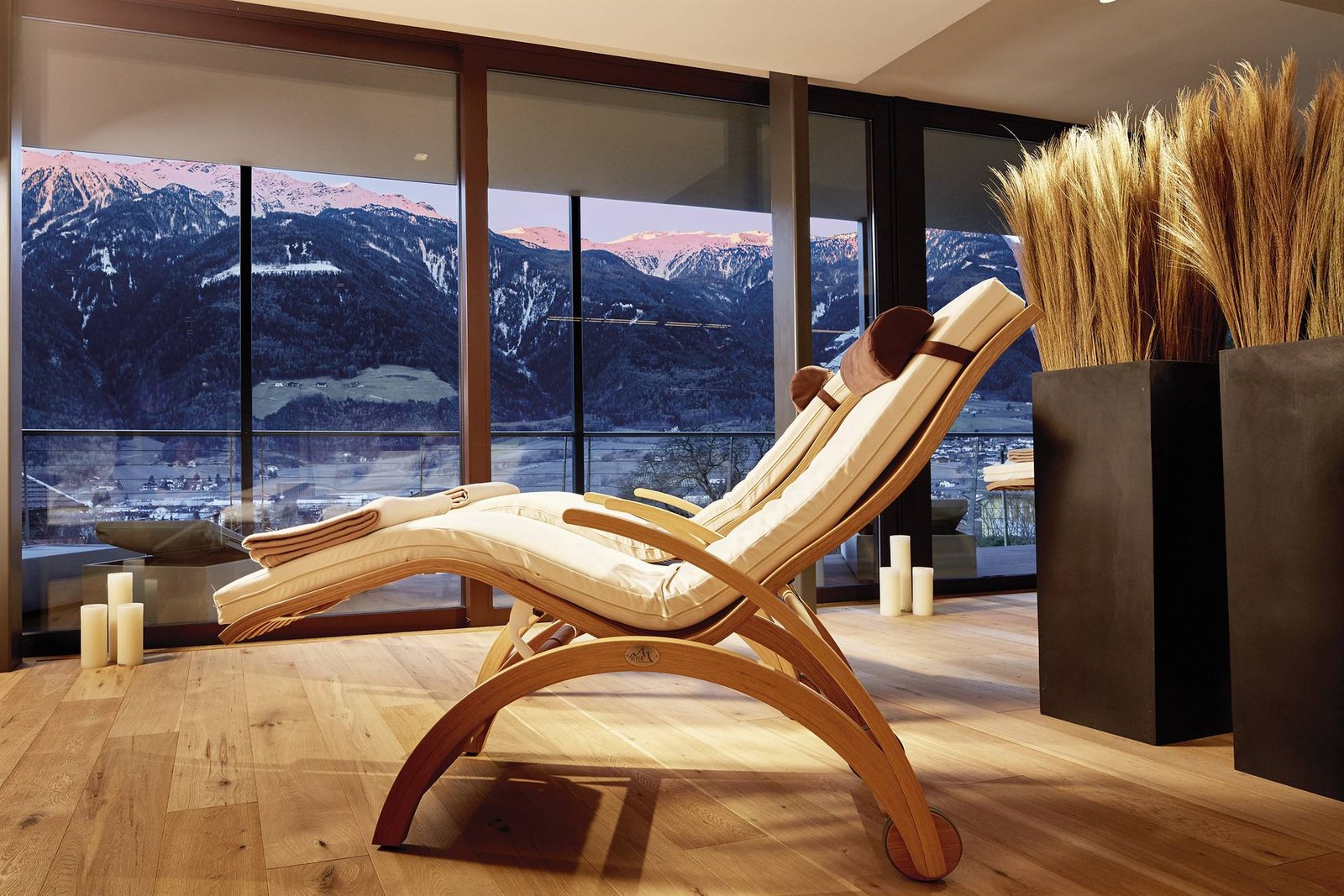
Integrated Wellness Retreat. Italy, Dolomites region

Sensorial Journey 6. Italy, Dolomites region
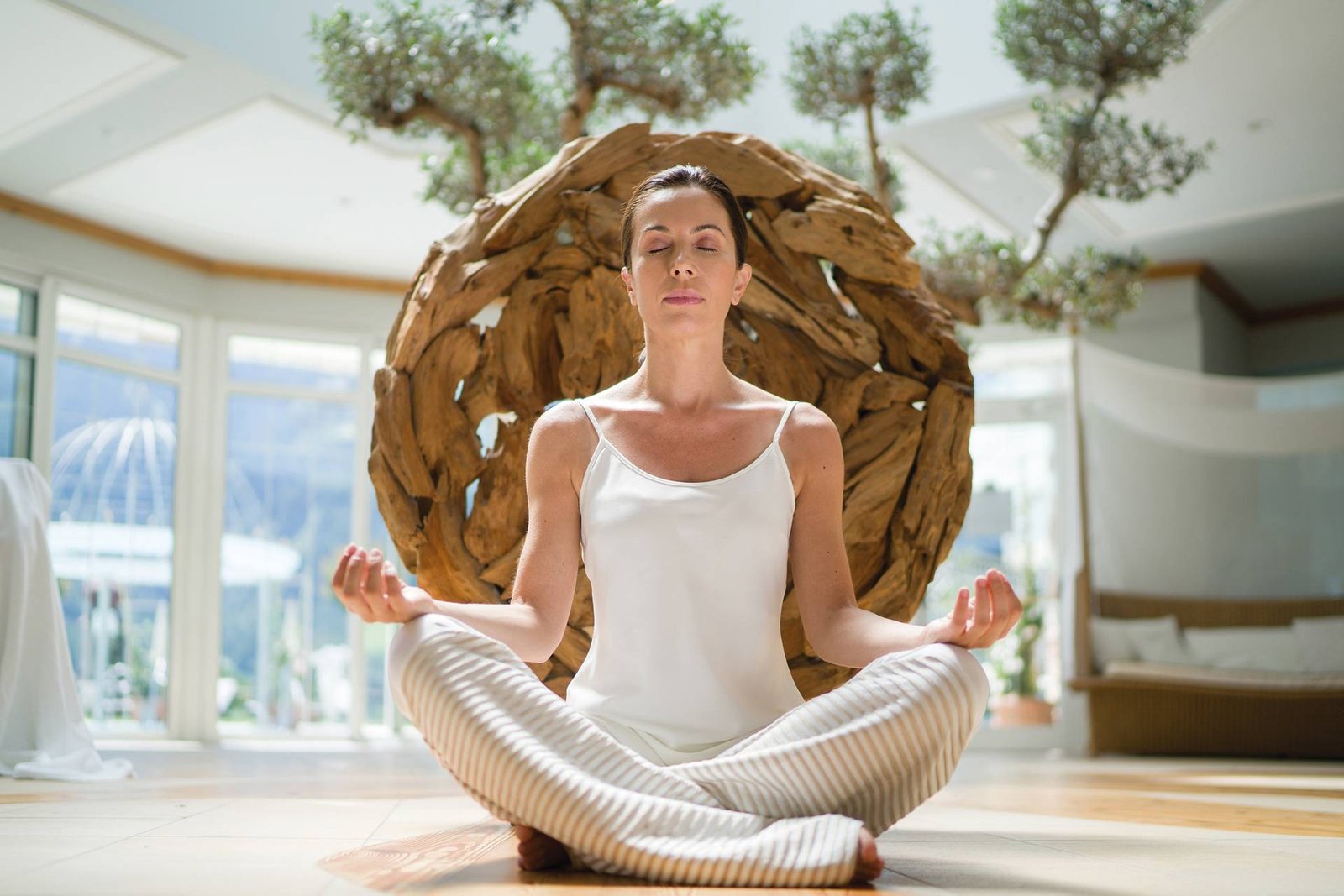
Glowing Flow Immersive Retreat. Italy, Dolomites region
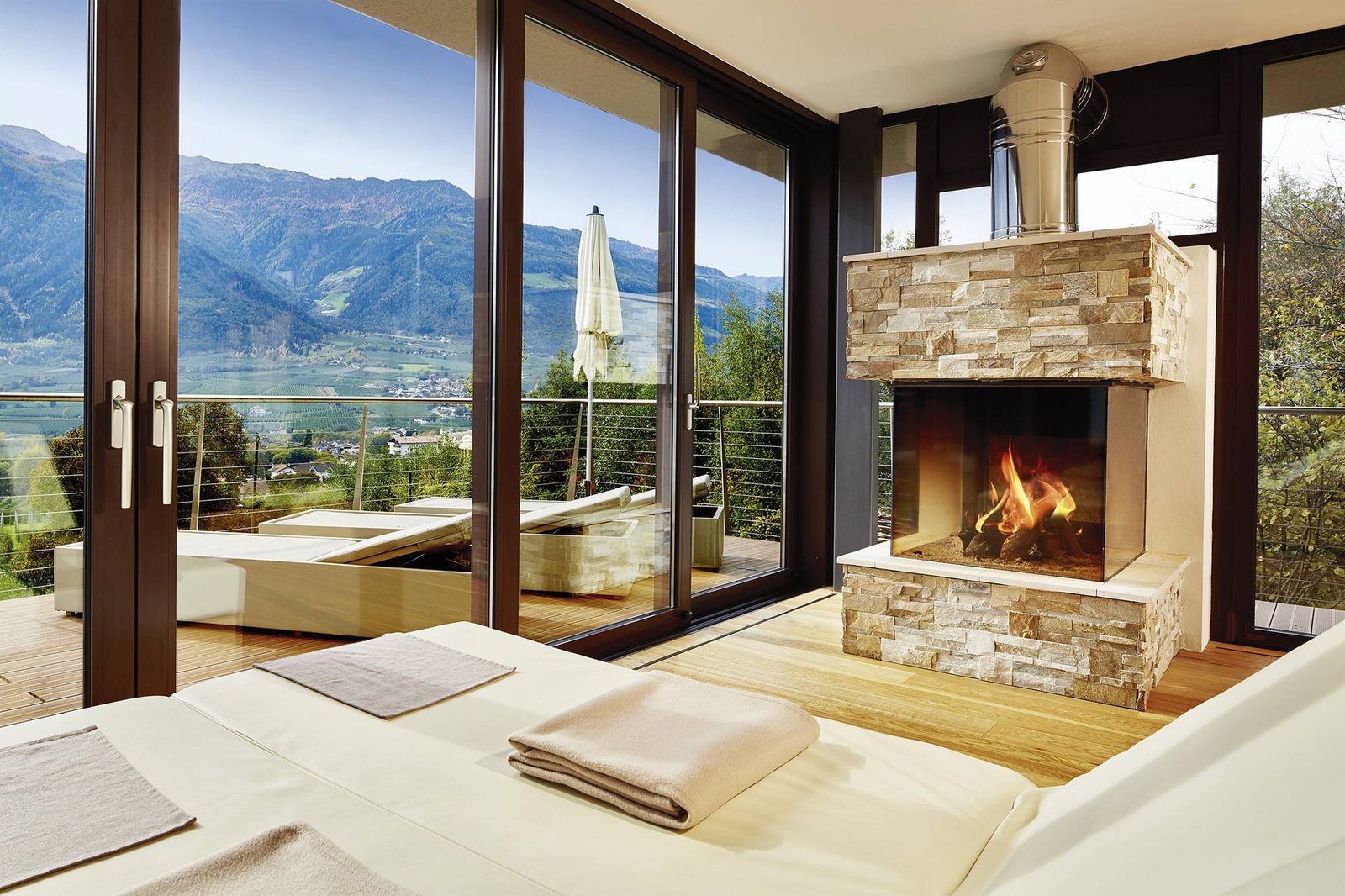
Wellness for Two – 6 days. Italy, Dolomites region
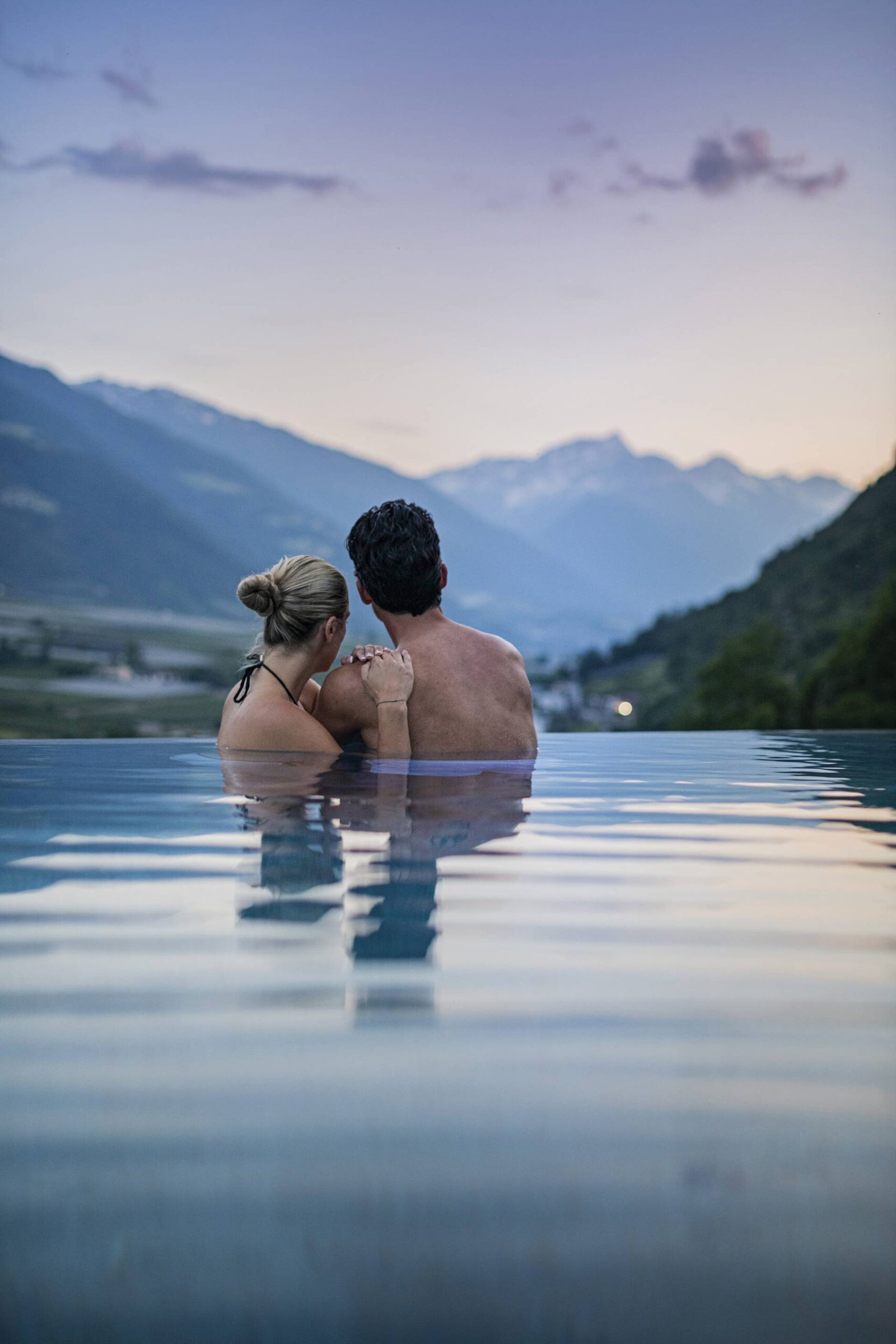
Energy and Healing for Two. Italy, Dolomites region
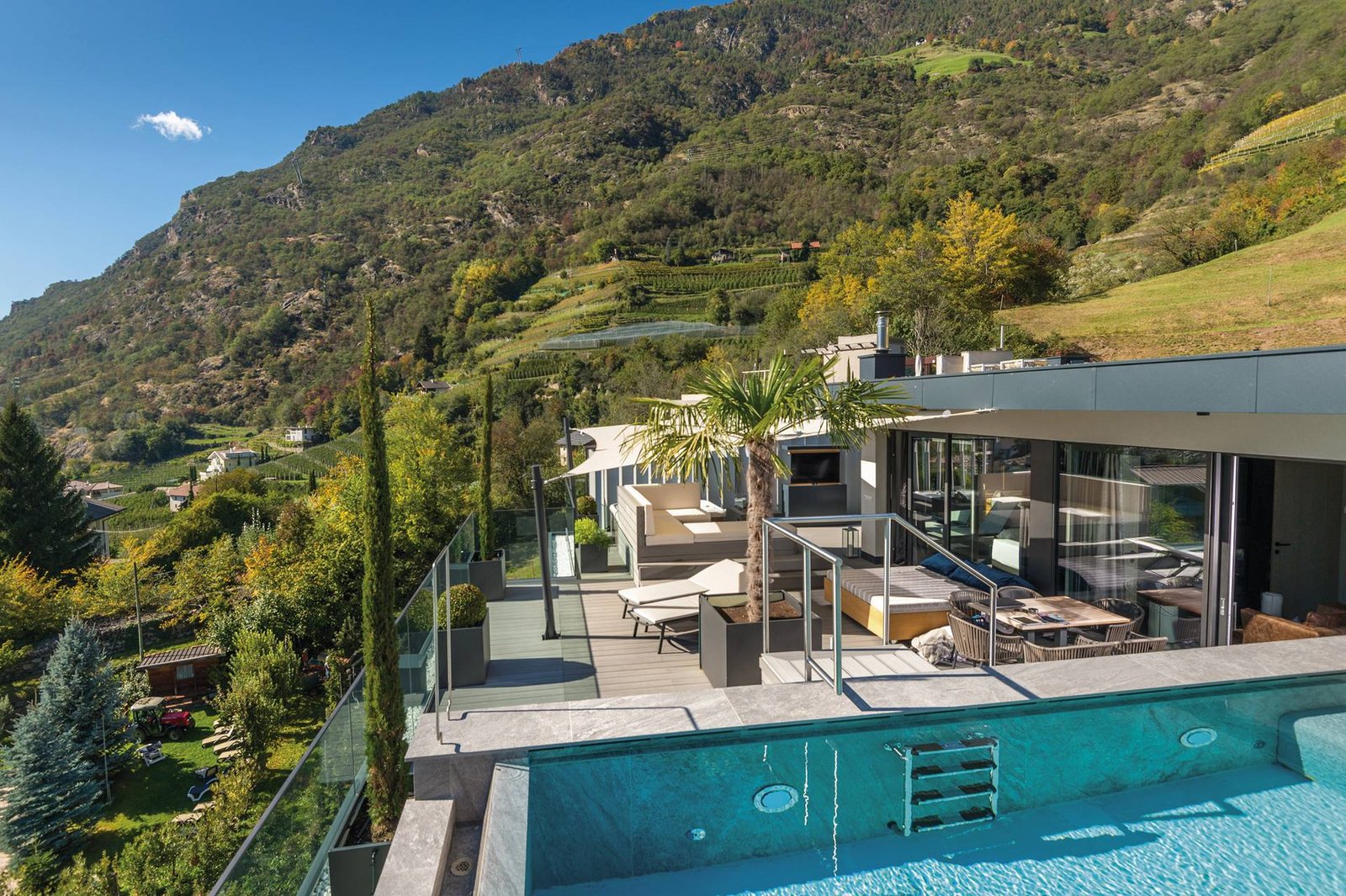
Women Retreat. Italy, Dolomites region
Ayurvedic Meaning of Winter
Physical Needs
Nervous System Nourishment – The cold, erratic energy of winter agitates the nervous system. The body requires soothing, oleating therapies to insulate the nerves and promote a state of calm, parasympathetic rest.
Internal Warmth & Joint Lubrication – The body needs support in maintaining its core temperature and protecting the joints, which are vulnerable to Vata’s dry and cold qualities. Warming oils and therapies are essential.

Emotional/Mental Needs
Grounding & Emotional Security – The light and mobile nature of Vata can make the mind feel unrooted and fearful. There is a deep need for practices that foster a sense of safety, stability, and being ‘held.’
Introspection & Receptive Rest – Winter is not a time for forceful exertion. The mind needs permission to be quiet, to dream, and to restore its creative and emotional reserves through deep, passive rest.
Best Ayurvedic Treatments for Winter
– Abhyanga (Warm Oil Massage) – The cornerstone of winter care. A daily full-body massage with warm, Vata-pacifying oils like sesame or almond. It nourishes the skin, calms the nervous system, and grounds the entire body.
– Basti (Medicated Enema) – Considered the most important treatment for Vata, Basti uses herbal decoctions and oils administered as enemas to cleanse and nourish the colon, bringing profound stability and relieving constipation.
– Shirodhara (Third-Eye Oil Flow) – A continuous stream of warm oil poured onto the forehead. This treatment is hypnotically calming, pacifying Prana Vata in the brain to alleviate anxiety, worry, and insomnia.
– Pizhichil (Sarvanga Dhara) – A luxurious treatment where warm, medicated oil is continuously poured over the body in synchrony with a gentle massage. It deeply nourishes the nervous system, lubricates the joints, and builds Ojas.
Top Winter Ayurveda Destinations for 2026
– Kerala, India – The classic choice. Its tropical winter climate provides a warm, nurturing haven perfect for intensive Panchakarma and Rasayana rejuvenation away from the northern cold.
Sri Lanka – Offers warm coastal retreats where the sound of the ocean provides a natural therapy for calming Vata dosha. The programs are authentic yet gentle.
– Thailand – For those seeking a blend of Ayurvedic rigor and luxurious comfort in a reliably warm and sunny setting, Thailand’s wellness resorts are an excellent choice.
– Canary Islands, Spain – A European gateway with a mild winter climate, perfect for those seeking an Ayurvedic reset without long-haul travel to Asia.


Winter Ayurveda Retreat Planning Guide
– What to Pack – Warm, comfortable, and cozy clothing (even for warm destinations, as evenings can be cool), a heavy shawl, socks, and a journal for introspection.
– How to Prepare – Begin a daily self-massage (Abhyanga) at home, even for 5-10 minutes. Start eating warm, cooked, and slightly oily foods to prepare your body for the retreat’s nourishing focus.
– Best Regions to Visit – Warm climates (Kerala, Sri Lanka, Thailand) or serene, sheltered environments that provide a contrast to the cold and wind.
Recommended Program Length
A 10 to 14-day retreat is ideal for a meaningful winter rejuvenation. This allows sufficient time to deeply pacify Vata, receive a series of nourishing treatments, and begin to reset the nervous system. A 7-day retreat can provide a wonderful respite, but a longer stay is needed for transformative change.
FAQs: Ayurveda Retreats Winter
1. Why are Ayurveda retreats popular in winter?
- Winter is often seen as a season when the body benefits from extra warmth, steadiness, and nourishment, so Ayurveda retreats during this time usually focus on calming routines, comforting meals, and restorative care.
2. What treatments are common at a winter Ayurveda retreat?
- Many winter-focused Ayurveda retreats include oil massages, herbal therapies, warm meals, yoga, meditation, and routines designed to support rest and seasonal balance.
3. Are winter Ayurveda retreats suitable for beginners?
- Yes, many retreats are beginner-friendly and offer guided programs that make it easy to experience Ayurvedic practices without needing prior knowledge.
4. How long should a winter Ayurveda retreat be?
- A shorter stay can work well for relaxation and resetting your routine, while a longer retreat often gives more time for deeper treatments, rest, and a fuller seasonal wellness experience.
5. Do winter Ayurveda retreats usually include yoga and meditation?
- Many do, especially because yoga and meditation pair naturally with Ayurvedic routines and help create a calmer, more balanced retreat experience.
6. What should I look for when choosing an Ayurveda retreat for winter?
- It helps to consider the warmth and comfort of the setting, the treatments offered, the retreat length, the meal style, and whether the overall program matches your goals for rest, balance, or renewal.
Share Your Thoughts
Your email address will not be published. Required fields are marked *