
Best Yoga and Wellness Retreats in Costa Rica for February 2026
February continues Costa Rica’s dry season sweet spot, often delivering the year’s best overall conditions. The initial post-holiday surge has completely settled, but the weather hasn’t yet transitioned toward the increasing heat and eventual rains of late dry season. You’re hitting that perfect window where everything feels just right—the rainforest maintains its lush green from months of earlier precipitation, trails stay comfortably dry, and temperatures hover in a range that makes all-day outdoor activities genuinely pleasant rather than just tolerable.

What distinguishes February from January is a subtle shift in crowd dynamics and a slight warming trend. The Christmas-New Year travelers are long gone, replaced by visitors specifically seeking wellness experiences rather than general beach vacations. This creates a different energy in retreat centers—more intentional, perhaps more serious about practice, definitely more focused. The weather also tends to be marginally drier than January, with even fewer brief showers interrupting outdoor sessions, though honestly the difference is minimal since both months fall squarely in prime dry season.
Our selection of retreats in Costa Rica – February 2026
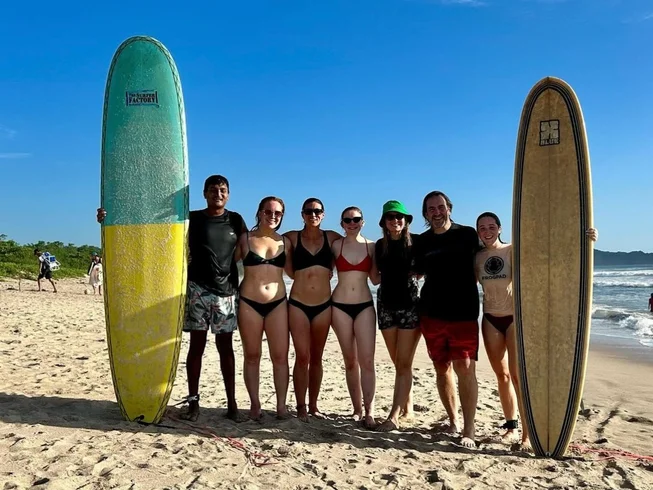
7 Day Surf and Yoga Retreat in Nosara, Costa Rica

7 Day The Nervous System Reset Yoga Retreat in Playa Marbella, Guanacaste, Costa Rica
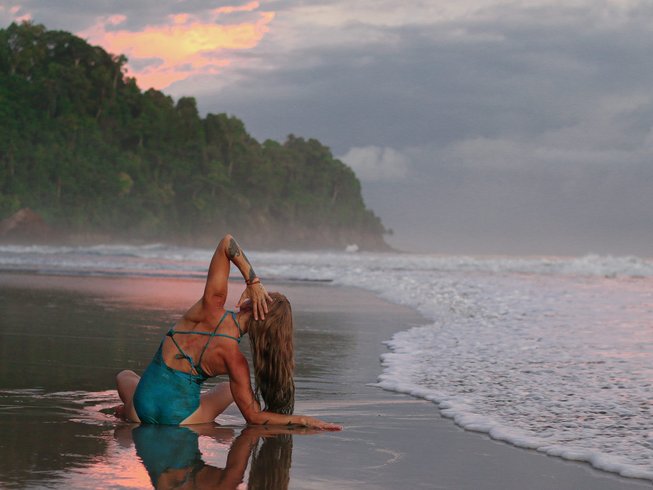
5 Day Live To Lead: Luxury Yoga Wellness Retreat in Ojochal, Costa Rica
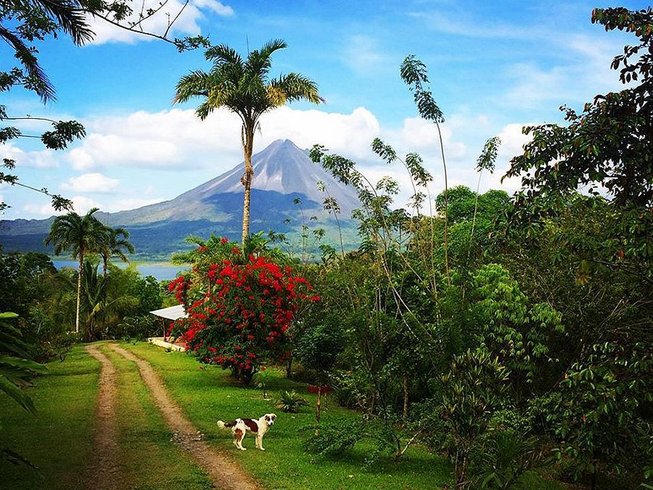
4 Day Love Yourself Yoga Retreat in the Arenal Rainforest, Alajuela, Costa Rica
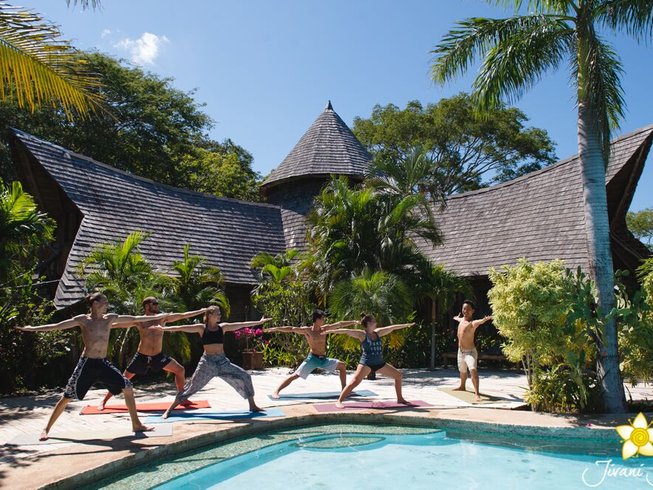
5-Day Discover Yoga Retreat Tamarindo, Costa Rica
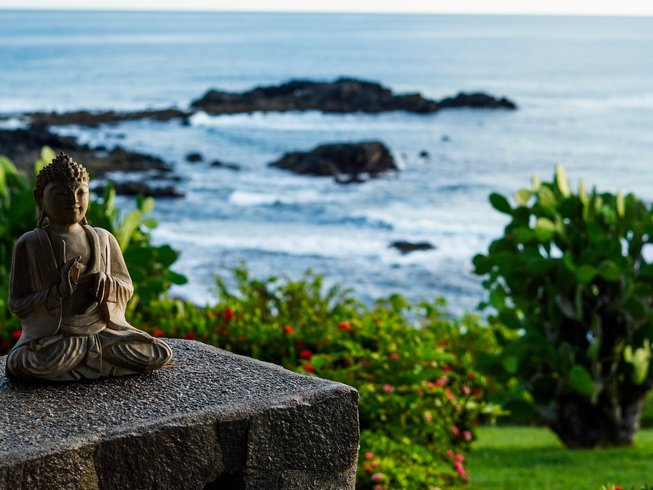
6 Day Tailored Luxury Yoga and Mindfulness Retreat in Playa Azul, Guanacaste, Costa Rica
For those who feel daunted by planning far ahead, February offers slightly more booking flexibility than January while maintaining comparable conditions. Retreat centers that were completely full for January often have openings in February, accommodation rates drop just a touch from holiday peaks, and you avoid the sense of rushing to secure spots that characterizes November and December booking frenzies.
Regional Highlights for February
Nicoya Peninsula Perfection
By February, the Nicoya Peninsula has hit its absolute stride. Nosara, Santa Teresa, and the surrounding beaches experience virtually zero rainfall, creating conditions that feel almost too perfect—sunrise yoga sessions with not a cloud in the sky, midday ocean swims in calm Pacific waters, sunset meditations where the sky puts on theatrical color displays. The surf remains consistent but the swells aren’t as large as they’ll become in March and April, making February ideal for those combining yoga with surf learning rather than advanced wave-riding.
The community vibe in Nosara peaks in February. The town hosts regular events—beach cleanups, community yoga classes, farmers markets—that create opportunities to connect beyond just your retreat center. You’ll notice more long-term visitors mixing with short-term retreat-goers, creating an interesting blend of perspectives. The dirt roads that define Nosara’s character have fully dried out, making getting around easier, though you’ll still want that 4×4 rental if exploring beyond the main beach areas.
Southern Pacific: Quieter Alternative
While the northern Pacific coast gets most of the wellness tourism attention, February makes a strong case for exploring further south. Places like Uvita and Ojochal offer similar dry season conditions with fewer crowds and lower prices. Uvita’s famous whale tail formation at Marino Ballena National Park creates a stunning natural setting for beach yoga, while Ojochal’s culinary scene rivals anywhere in Costa Rica despite its small size.
The southern Pacific coast attracts a slightly different crowd—perhaps a bit older on average, definitely more interested in quiet nature immersion than the social scenes of Nosara or Santa Teresa. Retreat centers here tend toward smaller, more intimate operations. You’re more likely to have a howler monkey wake-up call than hear other tourists, more likely to spot scarlet macaws than crowds of yoga students. For those seeking genuine escape rather than wellness community, this region delivers.
Arenal’s Volcano and Hot Springs
The Arenal area in February offers mountain wellness with a volcanic twist. This is one of the driest months for seeing the actual volcano—clearer skies mean better chances of viewing the iconic cone without clouds obscuring it. The natural hot springs scattered around the volcano’s base become essential wellness experiences, where you can soak in thermal waters ranging from pleasantly warm to seriously hot, surrounded by rainforest, occasionally with volcano views.
February’s conditions make Arenal’s hiking trails and hanging bridges more accessible. You’re not dealing with muddy paths or the afternoon downpours that characterize rainy season. The cloud forest retains its misty quality but without the soaking rain that can make visits uncomfortable. This region works especially well for those who get hot easily—the mountain elevation keeps temperatures 10-15 degrees cooler than the beaches, making midday activities more comfortable.
Caribbean Coast Consideration
February actually ranks as one of the better months for Costa Rica’s Caribbean side, which surprises most visitors who assume the Pacific always offers better conditions. The Caribbean experiences a relatively dry window in February, particularly around Puerto Viejo and Cahuita. You’ll still get more occasional showers than the Pacific, but conditions are reasonable for beach activities and outdoor yoga.
The Caribbean offers something distinctly different from the Pacific’s surf-and-yoga scene. The Afro-Caribbean culture brings reggae vibes, different food traditions, and a more laid-back atmosphere that some find more genuinely relaxing. The water tends to be calmer than the Pacific’s consistent surf, appealing to those who want swimming and snorkeling rather than wave-riding. Wellness offerings here feel more grassroots, less polished, which depending on your preference might be exactly what you’re seeking.
February Weather Patterns
February weather in Costa Rica leans slightly drier than January, though both months fall into the prime dry season window. Pacific coast regions see almost no rain—perhaps one or two brief showers all month, usually overnight or very early morning. Temperatures range from 75-90°F (24-32°C) with coastal areas at the warmer end and mountain regions cooler. The sun remains intense regardless of how pleasant the air temperature feels, so sunscreen becomes a non-negotiable daily ritual.
Humidity persists year-round in the tropics, but February’s levels sit more comfortable than the thick, heavy humidity of rainy season. You’ll still sweat during yoga practice, but clothing and towels dry relatively quickly rather than staying perpetually damp. Overnight, coastal areas stay warm enough that you’ll want fan or air conditioning, while mountain lodges might actually require a light blanket.
The ocean temperature hovers around 80-82°F (27-28°C)—bathwater warm, essentially. You can stay in the water as long as you want without getting cold. This makes water-based wellness activities like SUP yoga, ocean swimming, and beach meditation comfortable for extended periods. The Pacific surf stays consistent without the massive swells of mid-dry season, and the Caribbean side offers calmer water for those preferring swimming to surfing.
Crowds and Costs
February occupies a sweet spot for both crowds and pricing. You avoid January’s lingering holiday travelers while staying ahead of March’s spring break rush. Retreat centers operate at healthy capacity—enough students to create community energy without feeling overcrowded. Beaches have space to spread out, restaurants can accommodate walk-ins, and popular trails don’t feel congested.
Pricing sits solidly in high season range but below December-January peaks. Expect rates about 15-20% lower than January, though still 25-30% higher than shoulder season (May, September-October). The value equation feels better than January because you’re getting comparable weather conditions at slightly lower cost. Booking 4-6 weeks ahead typically secures good availability without requiring the 2-3 month advance planning that January demands.
One timing consideration: be aware of when Valentine’s Day falls. The week around February 14th often sees a mini-surge in couples’ travel, and some retreat centers offer special couples’ programming with corresponding premium pricing. If you’re traveling solo or with friends and want to avoid the lovey-dovey energy, perhaps time your visit for early or late February rather than mid-month.
What Works in February
February’s reliable dry conditions support any wellness program you might imagine. Intensive yoga retreats work beautifully—you can schedule multiple daily practices outdoors without weather backup plans. Sunrise beach yoga, midmorning vinyasa, afternoon restorative, evening meditation—all happen outside in comfortable conditions.
Adventure-wellness combinations thrive in February. The dry trails make waterfall hikes accessible, zip-lining through dry canopy beats getting soaked mid-flight, and wildlife viewing peaks as animals congregate around water sources. February’s conditions allow retreat centers to confidently schedule off-site adventures without the weather-cancellation concerns that plague rainy season.
Surf and yoga packages reach their sweet spot—consistent waves without the large swells that intimidate beginners, weather allowing flexible scheduling between land and water activities. The warm ocean and lack of rain mean you can surf morning sessions and not worry about rinsing gear or drying wetsuits (which you won’t even need in these water temperatures).
Contemplative and meditation retreats benefit from February’s calm conditions. Outdoor sitting meditation extends comfortably without sudden rain showers or temperature drops. Silent retreat walks through nature happen without mud-caked shoes or afternoon downpour interruptions. The natural beauty reaches peak expression with dry-season clarity—you can actually see the birds and wildlife you’re silently appreciating.
Costa Rican Life in February
By February, Costa Rica settles into its normal dry season rhythm. Schools are in full session, locals are back at work, and daily life proceeds at that characteristically unhurried “pura vida” pace. Markets overflow with tropical fruits at peak season—mangoes starting to appear, pineapples sweet and abundant, papayas, passion fruit, and guanabana all readily available.
The food scene supports wellness naturally. Even simple sodas (local restaurants) serve casados with fresh vegetables, rice and beans, choice of protein, and natural juice. Seafood comes fresh daily in coastal areas. The coffee culture runs deep—you’ll drink some of the world’s best coffee, often organic and locally grown, for less than tourist prices in most Western countries.
Ticos maintain that genuine warmth that makes Costa Rica feel welcoming. There’s a helpfulness that doesn’t feel transactional—people offering directions, suggesting hidden swimming holes, explaining which fruit at the market is sweetest this week. The wellness community includes both expats who’ve made Costa Rica home long-term and Costa Rican practitioners, creating interesting cultural exchange around yoga, meditation, and healing practices.
Practical Planning for February
Book 4-6 weeks ahead for good selection and rates. Popular areas like Nosara and Santa Teresa still fill up, but you have more flexibility than January requires. Rental cars remain important—4×4 vehicles for any off-main-road adventures, regular cars sufficient if staying in well-developed areas. Both Liberia and San José airports serve Costa Rica, with Liberia closer to Nicoya Peninsula destinations.
Pack smart for tropics: quick-dry fabrics, minimal clothing (you’ll wear yoga gear and swimsuits constantly), reef-safe sunscreen (required by law), insect repellent, reusable water bottle, headlamp for nighttime navigation, light rain jacket just in case. Most retreat centers provide yoga equipment, but bring your mat if you’re particular.
Budget realistically. Quality wellness retreats run $1,200-3,000 per week. Add flights, transfers, extra activities, meals outside retreat, and incidentals. Costa Rica isn’t budget-priced anymore—it’s become more expensive than many expect, especially in tourist wellness areas. That said, the quality justifies the cost for most visitors.
Frequently Asked Questions
Is February better than January for Costa Rica retreats?
Marginally—slightly drier weather, fewer crowds, better booking flexibility. The differences are subtle since both fall in prime dry season. February edges ahead for those who don’t want to plan months in advance or who prefer post-holiday quiet. January wins if you’re committed to absolute peak conditions regardless of advance planning needed.
What temperatures should I expect?
Coastal areas: 75-90°F (24-32°C), mountain regions 10-15 degrees cooler. Expect warmth but not oppressive heat. Mornings start pleasant, midday gets hot, evenings cool comfortably. Nights stay warm on the coast (you’ll want A/C or fan), cooler in mountains. Ocean temperature hovers around 80-82°F—bathwater warm, comfortable for extended swimming.
Will it rain during my February retreat?
Pacific coast: minimal to none. Caribbean: occasional showers, mostly brief. February ranks among the driest months for most of Costa Rica. Pacific destinations like Nosara, Manuel Antonio, Arenal see almost no rain—maybe one or two brief showers all month. Caribbean side gets more but still reasonable compared to other months.
Is February good for beginners?
Excellent for beginners—comfortable weather, established infrastructure, welcoming community. February’s conditions make physical activities accessible without extreme heat challenges. Many retreats explicitly welcome all levels. The community vibe feels supportive rather than intimidating. Just choose retreats that specify beginner-friendly teaching.
How far ahead should I book?
4-6 weeks for good selection, though last-minute bookings possible. February doesn’t require the 2-3 month advance planning of December-January. Popular retreats and specific accommodation types book earlier, but you’ll find options with 4-6 weeks notice. Last-minute deals sometimes appear but don’t count on it.
Do I need 4-wheel drive?
Depends on destination—essential for Nosara and remote areas, optional for Manuel Antonio and Arenal. Nicoya Peninsula’s dirt roads really benefit from 4×4, especially if exploring beyond main towns. Manuel Antonio and Arenal have paved access but 4×4 helps for side excursions. Caribbean coast roads vary. When in doubt, get the 4×4—rental price difference is minor compared to getting stuck.
Related Articles
Explore our monthly guides: yoga and wellness retreats in Costa Rica in January, yoga and wellness retreats in Costa Rica in February, yoga and wellness retreats in Costa Rica in March, yoga and wellness retreats in Costa Rica in April, yoga and wellness retreats in Costa Rica in May, yoga and wellness retreats in Costa Rica in June, yoga and wellness retreats in Costa Rica in July, yoga and wellness retreats in Costa Rica in August, yoga and wellness retreats in Costa Rica in September, yoga and wellness retreats in Costa Rica in October, yoga and wellness retreats in Costa Rica in November, and yoga and wellness retreats in Costa Rica in December.
Discover our seasonal guides: yoga and wellness retreats in Costa Rica in Spring, yoga and wellness retreats in Costa Rica in Summer, yoga and wellness retreats in Costa Rica in Autumn, and yoga and wellness retreats in Costa Rica in Winter.
For a complete overview, read Yoga and Wellness Retreats in Costa Rica for 2026.
