
Yoga and Wellness Retreats in Spain in February 2026
February in Spain occupies that curious space between winter bleakness and spring awakening—a month when most of Europe shivers while Spain’s southern reaches offer genuine warmth and the Canary Islands deliver proper sunshine. This is Spain’s most underrated wellness month, combining off-season pricing with surprisingly pleasant conditions in select regions, though you’ll need to choose your destination carefully.
The mainland experiences cool to mild temperatures, with Andalusia offering the warmest conditions outside the islands. Coastal areas remain temperate while inland regions can still feel decidedly wintry. The Canary Islands emerge as February’s star performers, maintaining their year-round subtropical climate with temperatures hovering between 18-22°C—perfect for outdoor yoga, coastal walks, and genuine vitamin D absorption while northern Europe remains in winter’s grip.
Our selection of retreats in Spain – February 2026
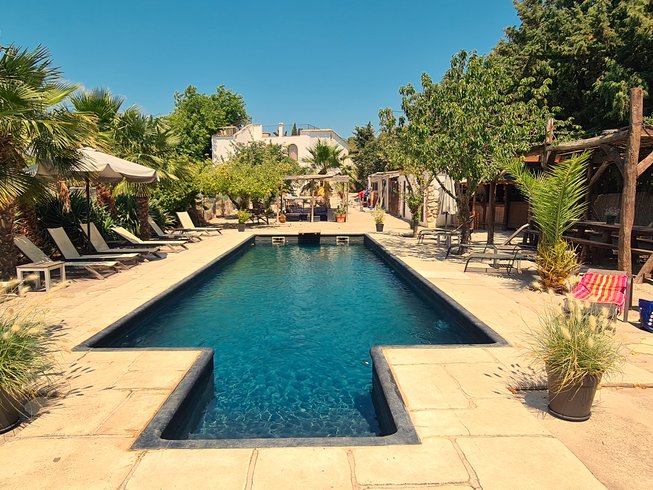
4 Day Chakra Bliss Yoga Retreat with Hike to Waterfalls and Good Food near Barcelona, Spain

6 Day Mediterranean Beach Yoga Holiday in Valencia, Spain
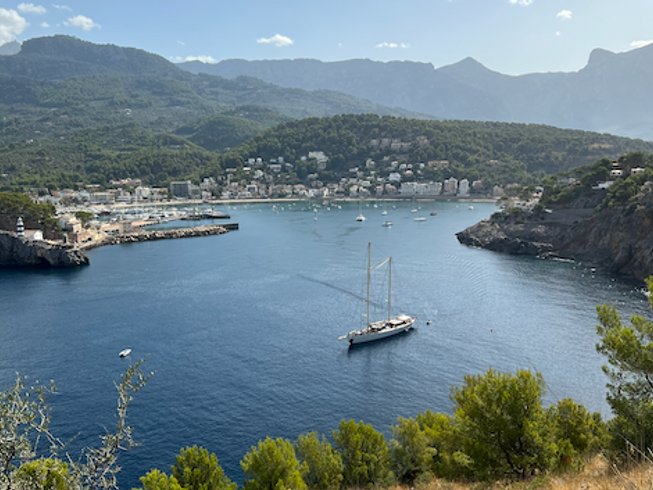
8 Day Yoga and Hiking in the Heart of Tramuntana, Spain
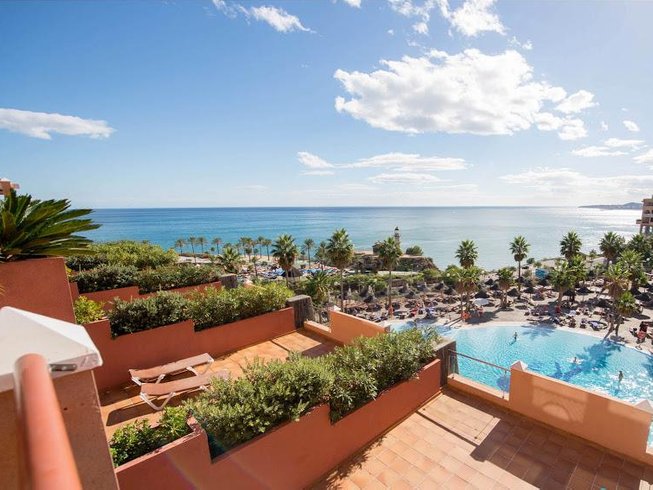
5 Day Private Reconnect Couples Retreat in Benalmádena, Province of Málaga, Spain
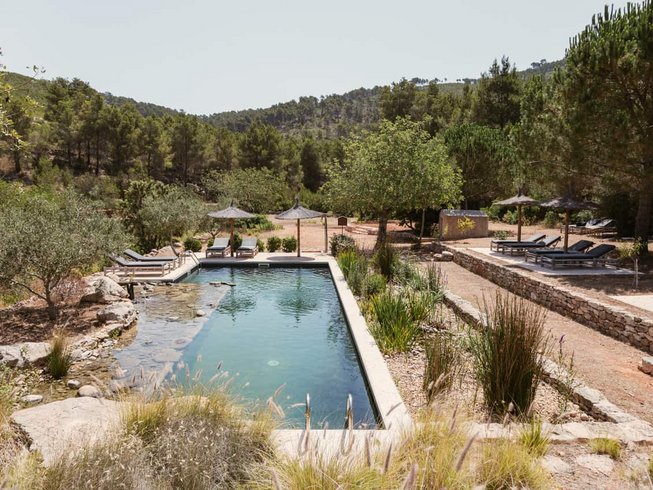
8 Day Private Individual Yoga Holiday in Ibiza, Spain
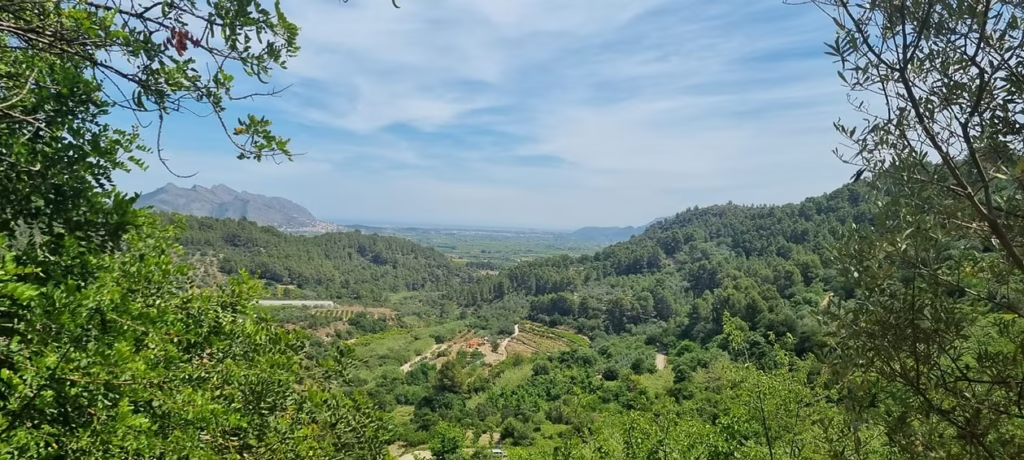
Vegan Yoga retreat, Alicante, Spain
What makes February particularly compelling is the absence of crowds. Tourist infrastructure remains open but uncrowded, retreat centers operate at comfortable capacity rather than bursting at the seams, and you’ll find pricing 30-40% below high season rates. This is Spain for people who want authentic experiences rather than tourist spectacles, where you can actually have a Spanish conversation without everyone defaulting to English.
Regional Breakdown: Where to Go in February
Canary Islands: February’s Wellness Sweet Spot
The Canaries in February deliver what most of Europe desperately craves: actual sunshine and warmth. Tenerife and Lanzarote lead the wellness scene, offering volcanic landscapes, black sand beaches, and temperatures that allow for comfortable outdoor practice throughout the day. The islands’ unique geology creates dramatic settings—imagine morning yoga overlooking volcanic craters or sunset meditation on lunar-like beaches.
Gran Canaria offers microclimates that let you escape even the occasional cloudy day, while Fuerteventura appeals to those seeking windswept, minimalist landscapes. The islands’ year-round growing season means fresh produce remains abundant, and the established wellness infrastructure caters specifically to northern Europeans seeking winter sun without flying to Asia or the Caribbean.
Water temperatures reach 18-19°C—refreshing rather than shocking for those acclimated to cooler swimming. The Atlantic remains calmer in February than in winter’s stormier months, making coastal activities like SUP yoga and beachside meditation more reliable.
Andalusia: Mild Winter with Cultural Depth
February in Andalusia brings mild days (14-18°C) perfect for walking but requiring layers in the morning and evening. The Costa del Sol lives up to its name more reliably than anywhere else on the mainland, while inland cities like Granada and Seville offer cultural richness with manageable temperatures. This is ideal timing for retreats that balance wellness practices with cultural exploration—think morning yoga followed by Alhambra visits or hammam experiences in historic Arab baths.
The almond blossoms begin appearing in late February, creating picture-perfect landscapes across rural Andalusia. Olive harvest winds down, and you’ll find authentic local life proceeding without tourist overlay. The region’s thermal spa tradition comes into its own during cooler months, with historic bathhouses offering warm refuge and centuries-old wellness wisdom.
Málaga emerges as a particularly strong February choice—urban sophistication, excellent museums (including the Picasso Museum), thriving healthy food scene, and the warmest average temperatures on the mainland coast. The city’s revitalized port area offers contemporary wellness spaces alongside traditional Andalusian character.
Barcelona and Catalonia: Urban Wellness in Winter
Barcelona in February requires realistic expectations—it’s cool (10-15°C), occasionally rainy, but far from unpleasant. This timing suits urban wellness retreats perfectly: boutique yoga studios in Gràcia, rooftop meditation sessions with city views, healthy Mediterranean restaurants without summer crowds. The city’s architectural marvels (Gaudí’s Sagrada Família, Park Güell) become contemplative spaces rather than crowded tourist traps.
The Costa Brava north of Barcelona offers rugged coastal beauty with winter solitude. Small wellness centers in medieval villages provide intimate experiences, though you’ll want indoor practice spaces and heated pools. The region’s thermal spa culture—particularly around Caldes de Malavella—offers geothermal waters and traditional treatments in historic settings.
February brings pre-Lent Carnival celebrations to Catalan towns, adding cultural vibrancy. Sitges hosts one of Spain’s most elaborate Carnival festivities, creating colorful spectacle without summer’s overwhelming tourist density.
Valencia and the Mediterranean Coast
Valencia in February offers mild temperatures (12-17°C) and Spain’s most accessible urban wellness scene outside Barcelona. The city’s historic center combines with futuristic architecture, extensive parks perfect for outdoor meditation, and a thriving health-conscious food culture centered on its famous fresh market. Smaller Mediterranean coastal towns provide quiet retreat settings with authentic Spanish character.
Weather Reality: What to Actually Expect
Let’s be honest about February weather. The Canary Islands deliver reliable sunshine and warmth—this is genuinely pleasant beach weather with 7-8 hours of sunshine daily and minimal rainfall. You’ll comfortably wear t-shirts during the day, though evenings require a light layer. This is proper outdoor yoga weather without qualification.
Mainland Spain varies dramatically. Andalusia’s coast offers the best conditions with daytime highs around 16-18°C and plenty of sunny days, though mornings start cool around 8-10°C. Inland areas and northern regions remain properly wintry—Barcelona averages 13°C, and northern Spain stays cool and potentially wet. This isn’t swimming weather on the mainland (unless you’re very hardy), though heated pools at wellness centers remain perfectly usable.
The Mediterranean in February hovers around 14-15°C—theoretically swimmable but realistically uncomfortable for most people. The Atlantic around the Canaries reaches 18-19°C, which is refreshing rather than shocking. Daylight hours increase noticeably from January, giving more usable outdoor time—you’ll have light until around 6:30pm by late February.
Rain probability varies: Canaries see minimal precipitation, Andalusia experiences occasional showers, and northern regions remain wetter. Barcelona gets moderate rainfall but nothing to derail travel plans. When mainland rain occurs, it’s typically brief rather than day-long.
Crowds, Pricing, and Practical Realities
February represents exceptional value for Spain wellness retreats. You’re looking at 30-40% savings compared to peak season, with shoulder-season rates applying almost everywhere except the most exclusive Canary Islands properties. Flight prices remain low, accommodation deals abound, and retreat centers offer early-year promotions.
Tourist levels stay minimal on the mainland—you’ll share spaces primarily with locals and limited European visitors. The Canaries attract more tourists (particularly German and British visitors escaping February gloom), but crowds remain manageable compared to summer chaos. Popular sites like the Alhambra become actually enjoyable rather than overwhelming obstacle courses.
Booking flexibility exists but tightens slightly compared to January as northern Europeans increasingly seek winter sun. Popular Canary Islands retreats may require 4-6 weeks advance booking, while mainland options often accept bookings just weeks ahead. Valentine’s Day week sees slight price increases and fuller bookings.
Retreat Programs That Work in February
The Canary Islands support full outdoor programming—daily beachside yoga, volcanic hiking, coastal meditation, water-based activities, and sun-oriented wellness practices. Sunrise sessions work beautifully with earlier sunrises, and evening practices become more comfortable as temperatures moderate.
Mainland programs benefit from balanced indoor/outdoor formats. Morning yoga indoors or in heated studios, afternoon cultural excursions during warmest hours, thermal spa visits, and cozy evening practices. February’s moderate conditions suit walking-intensive retreats—pilgrim-style wellness programs along coastal paths or through Andalusian countryside.
Detox and renewal programs continue from January’s post-holiday focus. The approaching spring creates natural timing for cleansing and fresh starts. Ayurvedic programs work particularly well—Spain’s several established Ayurveda centers offer traditional treatments in settings that suit panchakarma’s need for rest and warmth.
Couples’ retreats increase around Valentine’s Day, with many centers offering special programming. The romantic setting of Andalusian countryside or Canary Islands beaches creates natural couples’ retreat environments.
Spanish Cultural Elements in February
Carnival season arrives in late February (timing varies with Easter’s movable date), bringing exuberant celebrations particularly to Canary Islands (Tenerife and Gran Canaria host Spain’s largest Carnival) and coastal regions like Cádiz and Sitges. These pre-Lent festivities offer Spain at its most colorful and uninhibited—elaborate costumes, street parties, traditional music, satirical performances.
Some retreats incorporate Carnival as cultural enrichment; others schedule specifically to avoid the festivities. Know which you’re getting—Carnival near Tenerife’s Santa Cruz means exuberant celebration but also noise and crowds, while remote retreat centers maintain peaceful isolation.
February marks continuing almond blossom season in Andalusia and Valencia, creating Instagram-worthy landscapes of pink and white blooms. Local gastronomy emphasizes citrus (peak season), winter vegetables, and hearty stews. The Mediterranean diet continues year-round with seasonal adjustments—February brings blood oranges, fennel, artichokes, and preserved fish specialties.
Beyond the Yoga Mat: February Activities
Canary Islands activities remain extensive: hiking volcanic terrain (Teide National Park’s high-altitude trails, Lanzarote’s Timanfaya, Gran Canaria’s dramatic ravines), coastal exploration, whale and dolphin watching, stargazing from internationally recognized dark-sky preserves, visiting traditional villages, and wine tasting in unexpected volcanic vineyards.
Mainland cultural opportunities dominate: uncrowded museum visits (Prado, Thyssen-Bornemisza, Barcelona’s Picasso Museum), architectural exploration without summer heat, Spanish cooking classes featuring seasonal ingredients, wine education in quieter bodegas, flamenco performances in intimate tablaos, and market immersion.
Thermal spa culture becomes particularly appealing—historic Arab baths in Granada, traditional balnearios (spa towns) throughout Spain, contemporary wellness centers with geothermal pools, and thalassotherapy centers along the coast. The cooler weather makes warm mineral water immersion especially soothing.
Walking routes open up: Camino pilgrimage paths without summer heat, coastal hiking trails (Costa Brava’s Camí de Ronda), Andalusian countryside rambles through whitewashed villages, and urban walking tours where you’ll actually want to walk midday.
Packing for February Spain
For Canary Islands: Spring wardrobe applies—yoga wear for comfortable practice, t-shirts and light long pants, one warm layer for evening, light rain jacket, sun protection (SPF 30+, hat, sunglasses), walking shoes, sandals, and regular swimwear. Bring reef-safe sunscreen and after-sun care.
For mainland Spain: Transitional layering—warm jacket or fleece, yoga layers for indoor practice, long pants, closed-toe shoes, scarf, possibly light gloves for early morning. Heated pools require swimwear but outdoor swimming unlikely. Pack for 10-18°C with variable conditions.
Universal items: Travel yoga mat if you’re particular about surface, journal for reflection, European plug adaptors, reusable water bottle, any personal wellness supplements, basic first aid kit, and modest clothing for cultural site visits (churches require covered shoulders/knees).
Frequently Asked Questions
Is February a good month for Spain wellness retreats?
Yes, especially for winter sun seekers and cultural explorers. The Canary Islands offer excellent outdoor conditions (18-22°C, sunny) at 30-40% below peak prices—genuine beach yoga weather. Mainland Spain works beautifully for cultural wellness combining practice with Andalusian exploration, urban Barcelona experiences, or thermal spa programs. February provides authentic Spain without crowds at exceptional value.
Which region of Spain is best in February?
Canary Islands lead for traditional sunshine wellness—Tenerife for infrastructure, Lanzarote for volcanic drama, Gran Canaria for microclimate reliability. For cultural immersion, Andalusia (especially Málaga and Granada) offers mild temperatures with rich heritage. Barcelona suits urban wellness seekers who embrace cool but manageable weather. Valencia provides accessible coastal wellness with excellent food culture.
How crowded is Spain in February?
Minimal crowds on the mainland—you’ll experience authentic Spanish life without tourist overlay. Cultural sites become contemplative rather than chaotic, restaurants serve primarily locals, and beaches remain accessible. Canary Islands attract European sun-seekers but stay comfortable rather than overwhelming. Carnival week (late February, location-specific) brings temporary local crowds. Booking flexibility generally good, though popular retreats want 4-6 weeks notice.
What’s the weather like in February in Spain?
Canary Islands: 18-22°C, 7-8 hours sunshine, minimal rain—proper outdoor yoga weather. Andalusia coast: 14-18°C, mostly sunny, cool mornings—afternoon outdoor practice viable. Barcelona: 10-15°C, variable, occasional rain—primarily indoor practice. Northern regions: 8-13°C, wetter—thermal spa settings. Sea: 18-19°C (Canaries, refreshing), 14-15°C (Mediterranean, cold). Daylight extends to 6:30pm by month’s end.
How do February prices compare to peak season?
February offers 30-40% savings versus summer, even in the Canaries. Accommodation rates remain low, flights cost less, retreat centers run promotions. Valentine’s week sees slight premium but nothing approaching summer prices. This is Spain’s value sweet spot—better weather than January with similar pricing but increasing daylight hours and warming trends.
Can I swim outdoors in Spain in February?
Canary Islands yes, mainland unlikely. Atlantic around the Canaries reaches 18-19°C—refreshing rather than shocking, perfectly swimmable for acclimatized swimmers. Mediterranean hovers at 14-15°C—theoretically possible but uncomfortable for most. Mainland retreat centers offer heated pools for comfortable swimming. Consider wetsuits for extended water activities. Ocean conditions generally calm for coastal water sports.
Related Articles
Explore our monthly guides: yoga and wellness retreats in Spain in January, yoga and wellness retreats in Spain in February, yoga and wellness retreats in Spain in March, yoga and wellness retreats in Spain in April, yoga and wellness retreats in Spain in May, yoga and wellness retreats in Spain in June, yoga and wellness retreats in Spain in July, yoga and wellness retreats in Spain in August, yoga and wellness retreats in Spain in September, yoga and wellness retreats in Spain in October, yoga and wellness retreats in Spain in November, and yoga and wellness retreats in Spain in December.
Discover our seasonal guides: yoga and wellness retreats in Spain in Spring, yoga and wellness retreats in Spain in Summer, yoga and wellness retreats in Spain in Autumn, and yoga and wellness retreats in Spain in Winter.
For a complete overview, read Yoga and Wellness Retreats in Spain for 2026.
